Greece: Green Infrastructure and the Way You’ll Live
Greece blends Mediterranean life with fast-growing renewables; choose south‑facing roofs, off‑season visits and local experts to match romance with green resilience.
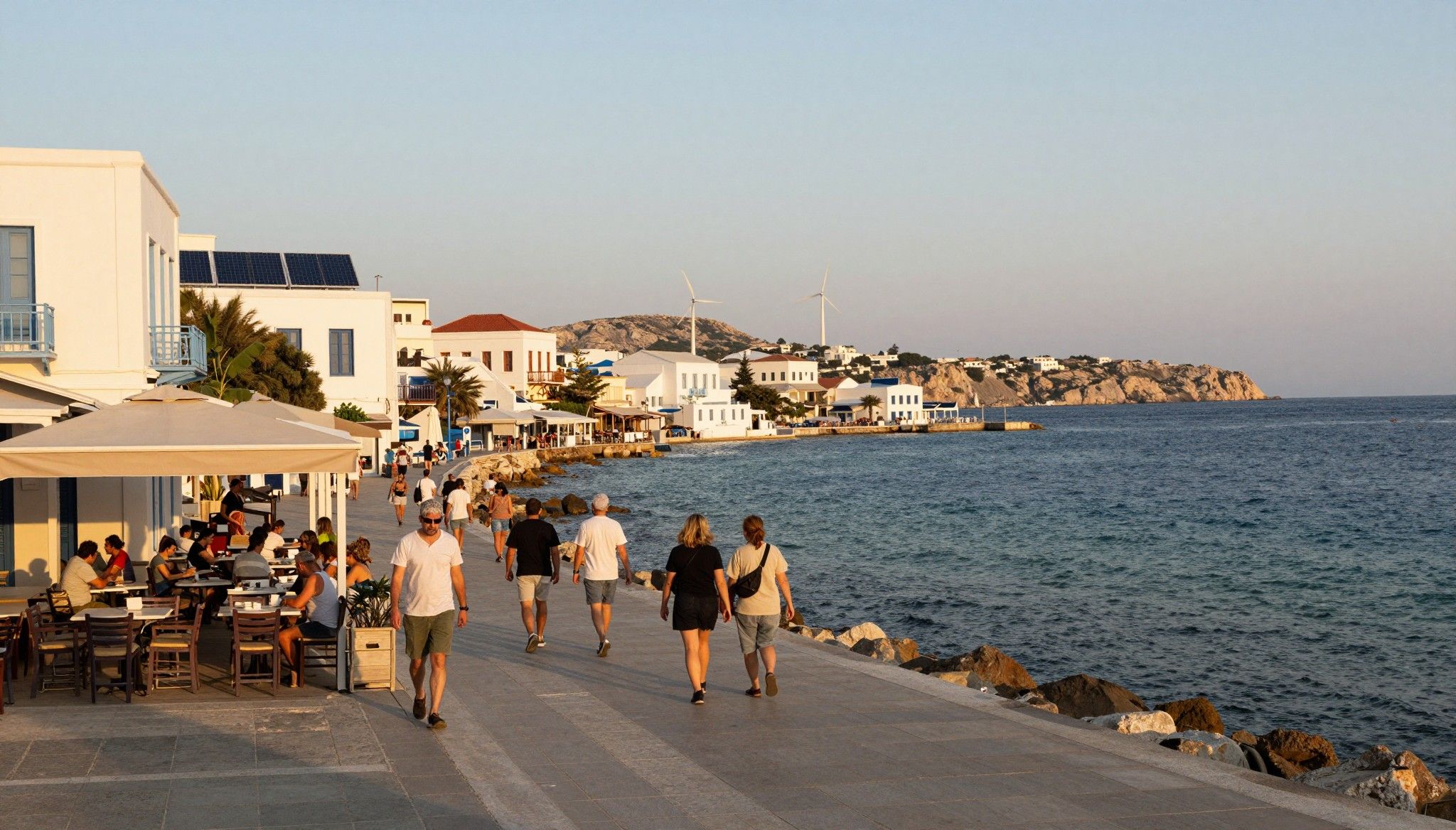
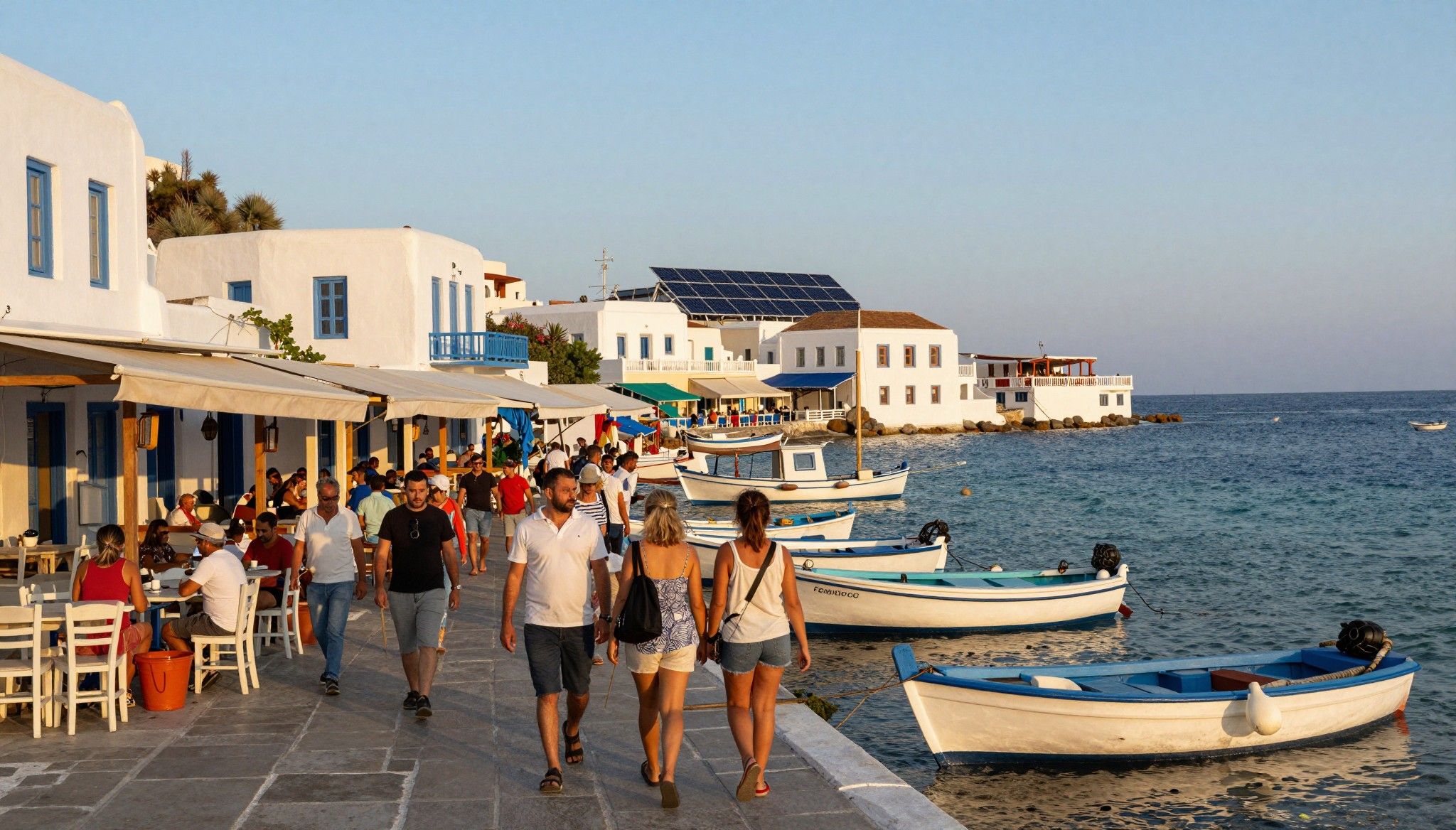
Imagine waking to the sea-sweet air in a stone house on an Ionian bluff, then walking to a sunlit kafeneio where farmers sell figs and rooftop solar glints on terracotta tiles. Greece is a place of public rhythms — morning markets, long lunches, late-night promenades — and in recent years its landscape has acquired a quieter, technical hum: wind farms on ridgelines, fields of PV panels easing energy costs, and villages experimenting with community-led microgrids. For international buyers who care about green living as much as light and sea, Greece now offers something rare: Mediterranean beauty stitched to tangible green infrastructure.
Living the Greek Life: Atmosphere, Neighborhoods, Seasons
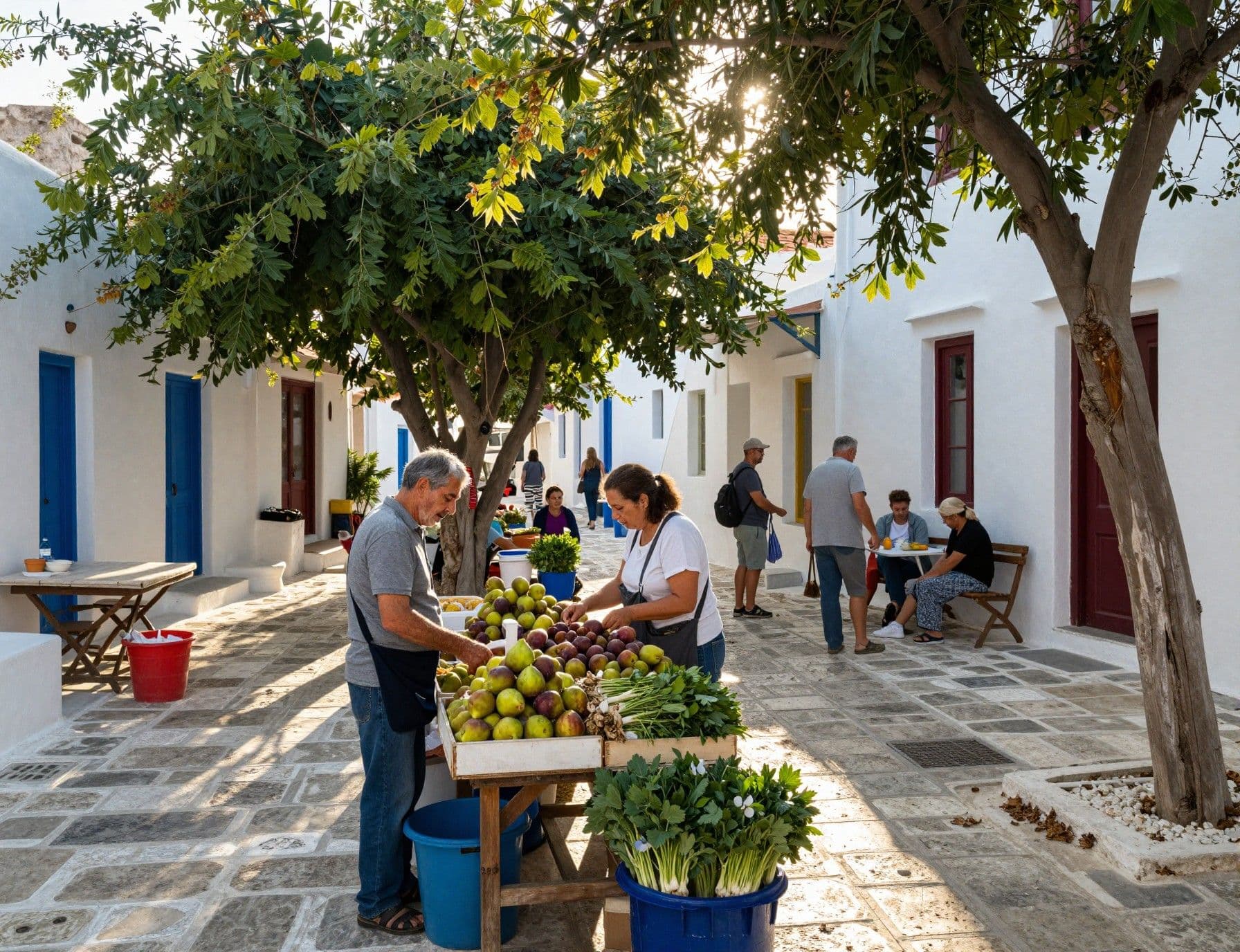
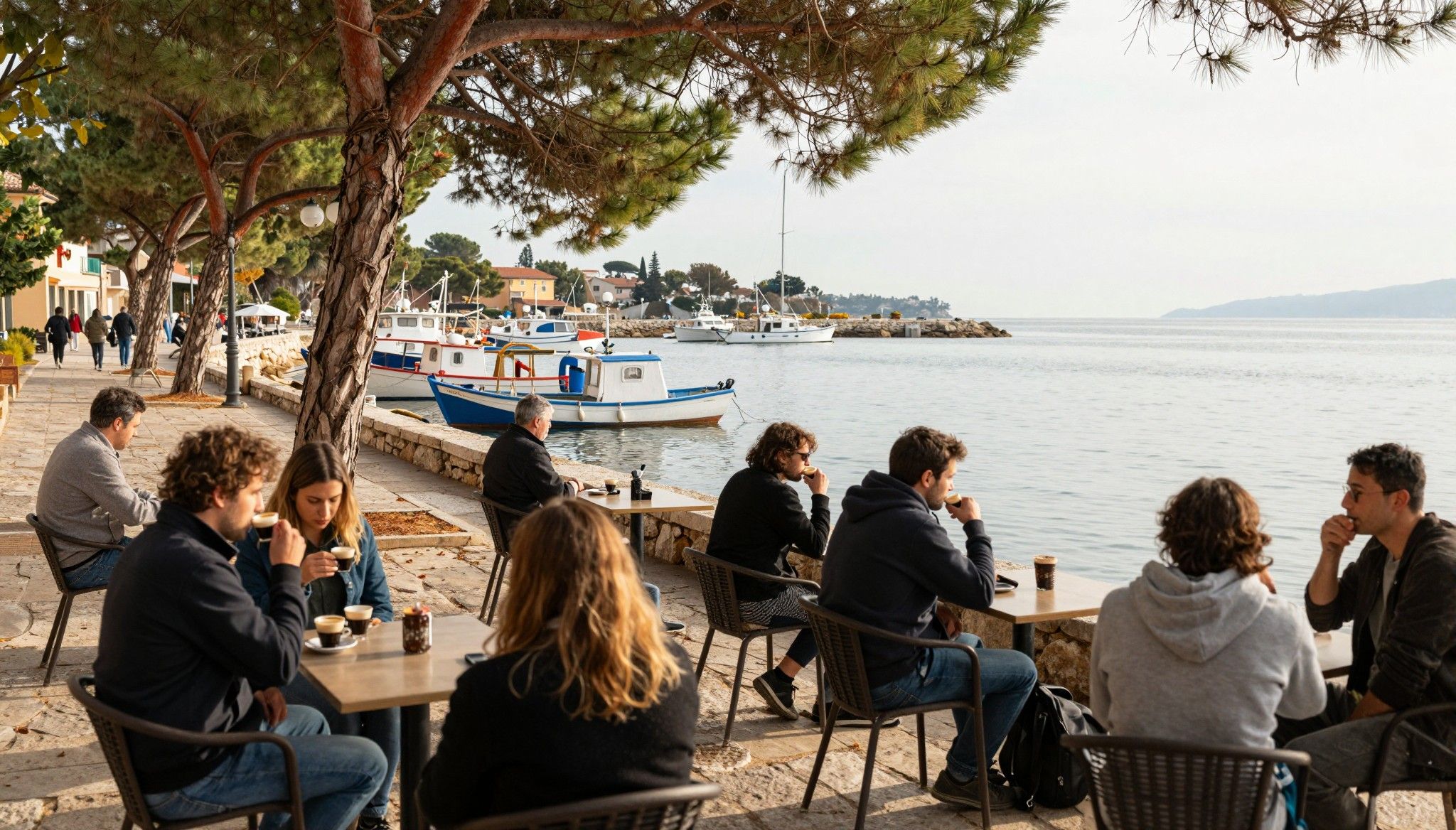
Life here is sensorial and seasonal. In Athens you hear scooters and see rooftop gardens; on Crete the olive harvest defines autumn rhythms; on Naxos and Evia mornings begin on the beach and afternoons melt into taverna conversation. The climate shapes house choices: thick stone walls and shaded courtyards keep interiors cool, while terraces and pergolas extend living outdoors for much of the year. If you choose Greece for its light, also choose it for a way of living synced to land and community.
Athens neighbourhoods and the green edge
From the narrow lanes of Plaka to the leafy avenues of Kifisia, Athens offers contrasts: ancient stones beside modernist apartment blocks now retrofitted with insulated facades and solar canopies. Walk the pedestrianised stretches of Kerameikos or Koukaki and you’ll find cafés serving single-origin coffee, municipal bioswales, and small community allotments. For buyers who want an urban home with green credentials, look for neighbourhoods where PV installations, green roofs and good insulation are visible — they tell you a block is already adapting to a lower-carbon life.
Islands, coasts and inland villages: different flavors of green
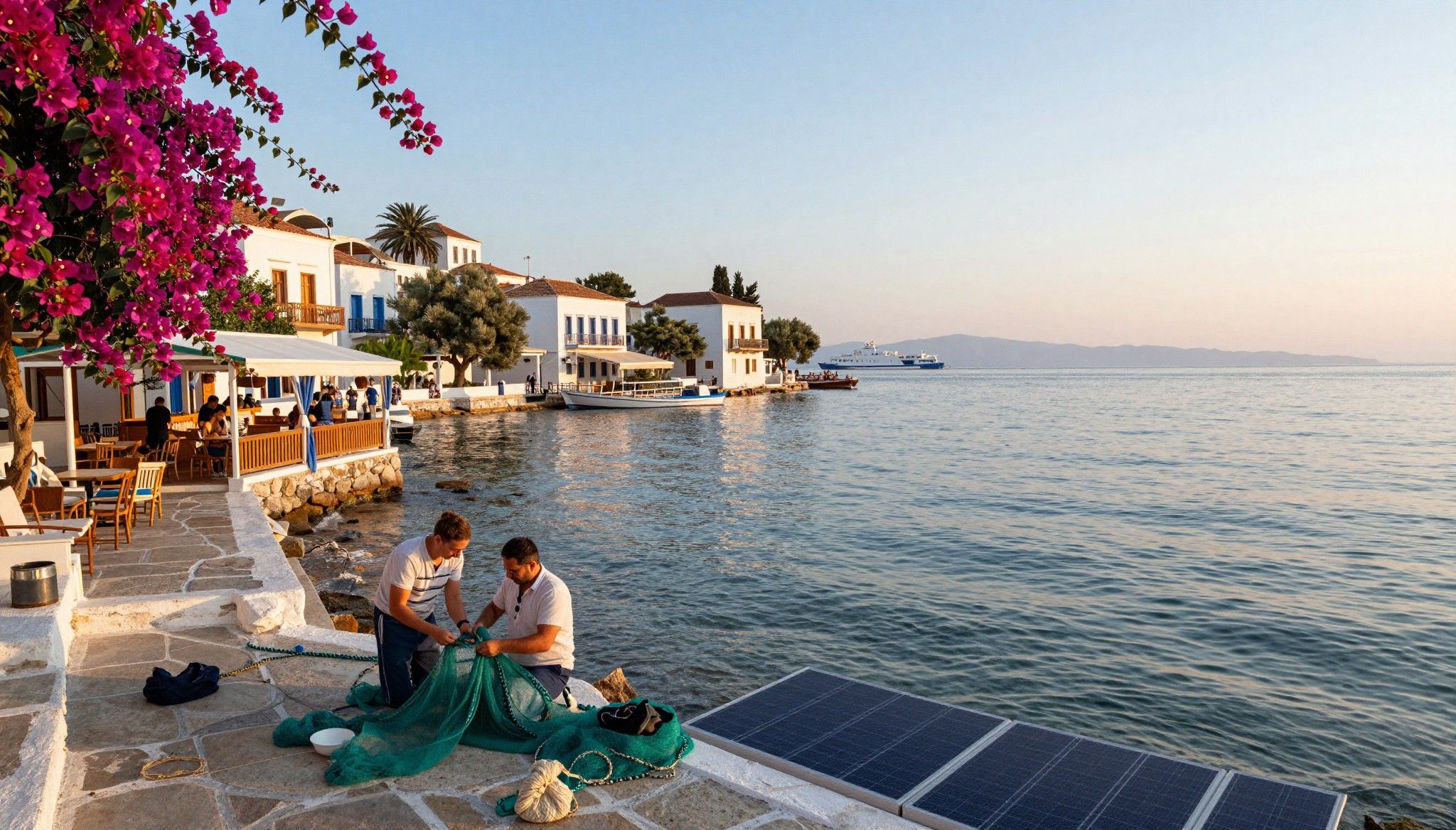
The islands are not a single lifestyle: Paros and Naxos combine wind and tourism infrastructure, Crete hosts agro-initiatives and olive-oil cooperatives, and Evia is quietly becoming a hub for nature-based projects and rewilding. Inland, Pelion and the Zagori villages offer stone architecture with thick timber beams, ample rainwater cisterns and a tradition of using local materials — features that lend themselves naturally to low-impact retrofits. Choosing your micro-climate matters: gusty Aegean is great for turbines; sunny Peloponnese slopes are ideal for rooftop PV and water harvesting.
Green Infrastructure That Changes Home Life
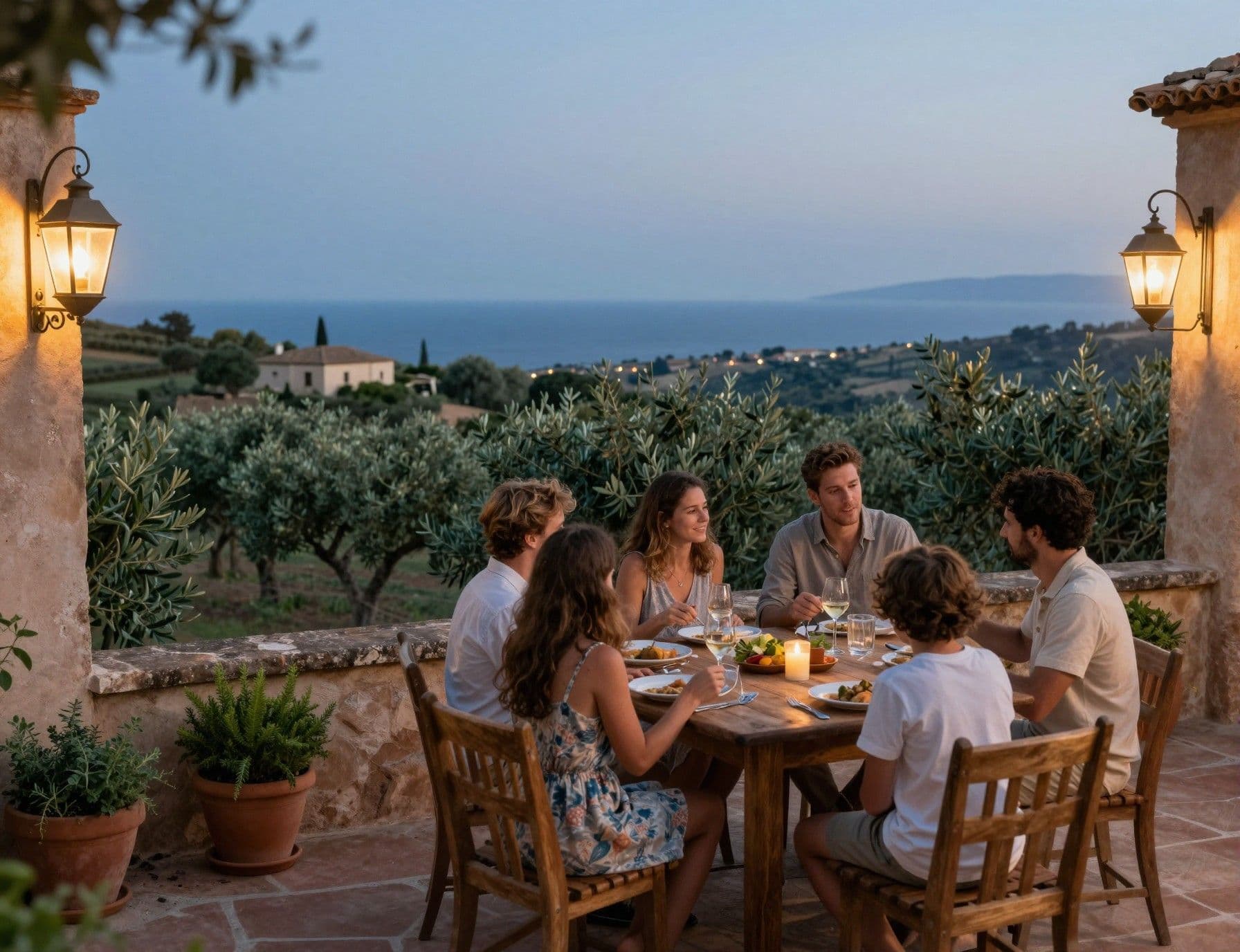
Greece’s recent energy expansion has real consequences for how you’ll live and the long-term costs of homeownership. Large additions of solar and wind capacity, paired with investment in storage and grid upgrades, mean many properties enjoy lower utility volatility and growing options for self-generation. For buyers who prize energy independence, this isn't theoretical: rooftop PV, battery storage and community PPAs are increasingly common, especially in regions targeted by regional renewable plans.
What property types tie best to renewables
New-builds near urban centres often come with pre-installed PV and efficient heating, while rural stone houses reward retrofits — thermal insulation, heat pumps and rainwater capture produce outsized comfort gains. If you want to run an EV and a home office from renewables, prioritise south‑facing roofs, off-street parking for charging, and access to recent grid upgrades. For island homes, investigate island-specific microgrid plans; on some islands, community storage projects are already reducing reliance on costly diesel generators.
Renewables in numbers
Policy and investor momentum are measurable: Greece added record solar capacity in recent years and renewables now supply a majority share of electricity in some quarters. That shift affects resale value and buyer demand — homes with green features can command stronger interest from eco-conscious buyers and offer resilience against rising energy prices. Use local capacity data and municipal plans when comparing properties: they reveal where infrastructure upgrades will support lower running costs.
Making the Move: Practical Steps with a Green Lens
Dreams meet paperwork, but the right sequence preserves both the vision and the value. Start with lifestyle priorities — light, sea, markets, quiet — then overlay green criteria: roof orientation, insulation, recent grid work, and proximity to renewables. That order keeps the purchase emotionally satisfying while ensuring you don’t pay a premium for cosmetic charm when structural or infrastructure work is needed.
Working with local experts who understand green tradeoffs
Seek agents and architects who can read municipal energy plans and building records. A good agent will point to neighbourhoods with active rooftop programmes, local co-op energy projects or recent grid upgrades; a conservation-minded architect will price sensible retrofits rather than oversell aesthetic 'eco' features. Together they translate lifestyle goals — garden-to-table, all‑year outdoor living, low bills — into practical checklists for viewings and offers.
- Checklist for viewings with a green eye
1. Check roof orientation and age; ask about recent PV installations. 2. Inspect insulation and window quality; request energy performance certificates if available. 3. Ask the municipality about planned grid expansions or storage projects nearby. 4. Confirm water availability and cisterns — crucial for islands and rural plots. 5. Talk to neighbours about seasonal microclimate and participation in local co-ops.
Insider Knowledge: Expats’ Real Talk and Red Flags
Expats often tell the same stories: they fell for a village’s charm, then discovered poor insulation and expensive ferry fuel bills; or they bought in high season and missed the real winter quiet. The practical lesson: match the emotional appeal of a place with on-the-ground green realities. Ask the local community about year-round living, repair costs, and how neighbours heat and power their homes. These conversations reveal how a property will actually feel across seasons.
Common red flags international buyers miss
• Long access roads with unmaintained surfaces that complicate retrofits and deliveries • Lack of clear grid connection documentation for islands or remote plots • Old single-glazed windows and no attic insulation in stone houses • Overpriced coastal listings seen only in high season without winter occupancy data • Sellers who emphasise 'traditional' charm but avoid disclosures about structural or energy defects
How to balance romance with realism
1. Visit off-season to feel the real village life and test heating and transport. 2. Commission a local energy audit before final offers to price necessary retrofits. 3. Prioritise south‑facing roofs and water storage if you plan to add PV or harvesting. 4. Negotiate a condition-based clause that reflects retrofit costs identified by experts.
Imagine this: six months after signing, you’re hosting neighbors on a terrace warmed by a low-energy heat pump, pouring wine from a cellar cooled naturally by thick stone walls. That life is possible when you pair Greece’s sensory pleasures — market mornings, sea-salted evenings — with thoughtful property choices and local partners who share your environmental priorities. The marketplace is active and regional data shows steady price growth; marry that with green resilience and you’ve bought both a home and a way of life.
Next steps: schedule an off-season visit, request recent municipal energy plans for your target area, and ask your agent for at least two contractor estimates for likely retrofits. If sustainability is central to your dream, budget it in from day one — not as an afterthought. Local agencies with eco-knowledge will help you find properties where the landscape and infrastructure work for you, not against you.
Norwegian market analyst who relocated from Oslo to Provence; guides investors with rigorous portfolio strategy and regional ecological value.