Why Winter Viewings Win in Cyprus: A Green Buyer’s Playbook
Visit Cyprus off‑season: see the island’s real rhythms, test sustainable features, and find properties where charm matches long‑term value.
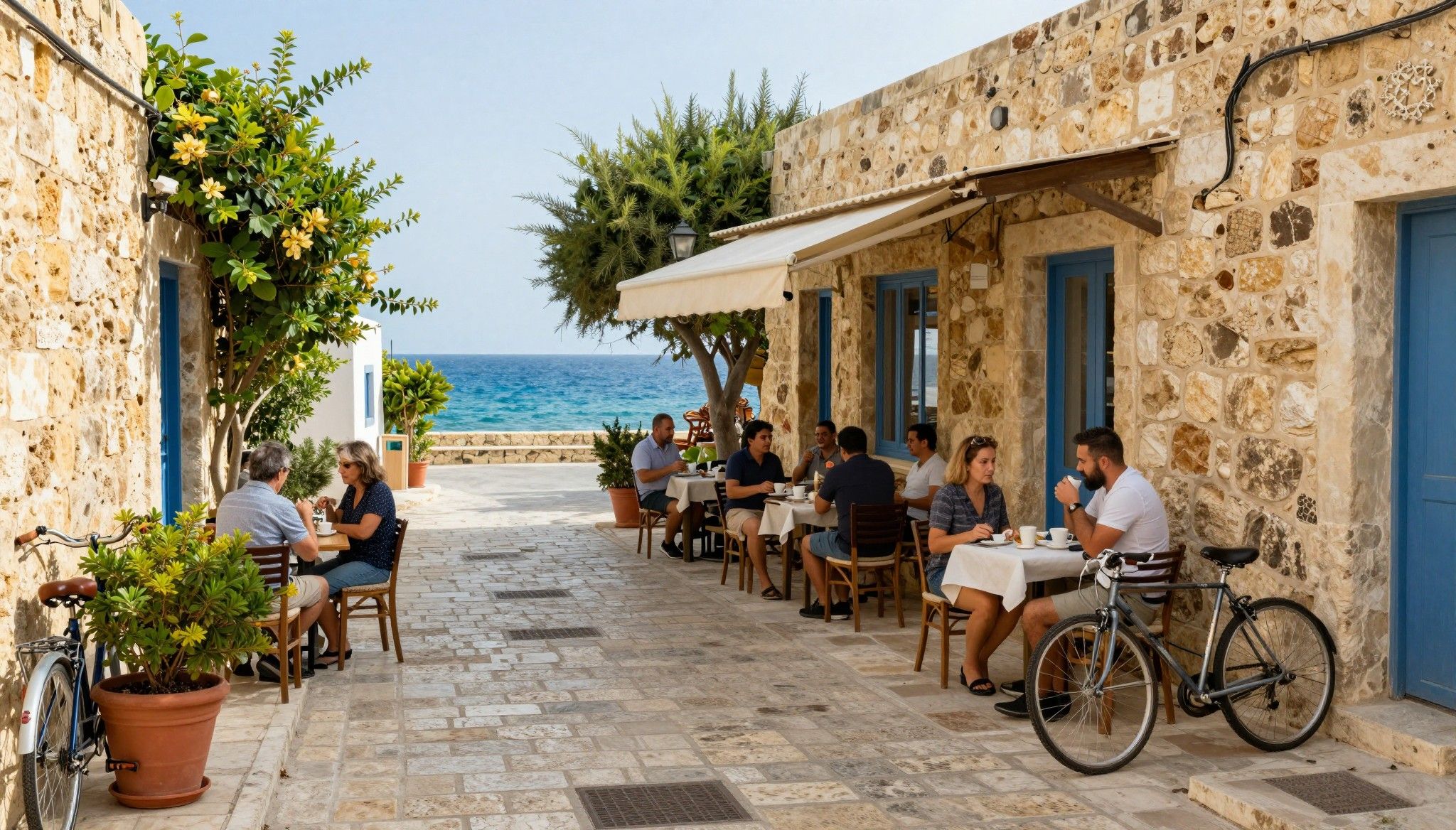
Imagine waking to a brisk, sunlit morning in Limassol’s old town: bakeries steaming, fishermen sorting nets, and terraces full of neighbours trading news. That quieter, off‑peak pulse — the autumn market of slow viewings and more thoughtful decisions — is where many international buyers find Cyprus’s truest value. If you crave an eco‑minded life by the Mediterranean, understanding seasons, streets and local rhythms matters as much as square metres.
Living Cyprus: day rhythms, flavours and honest light
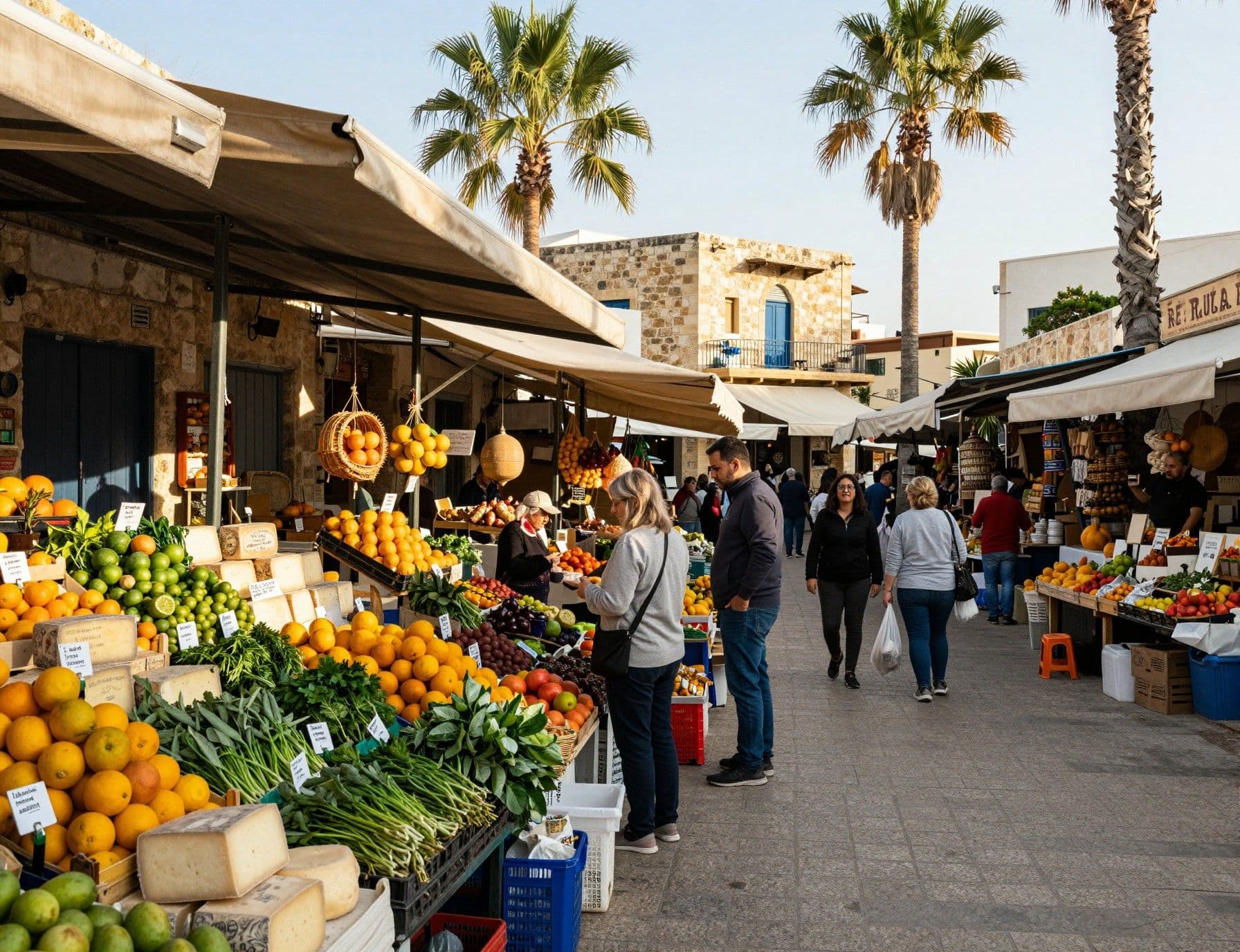
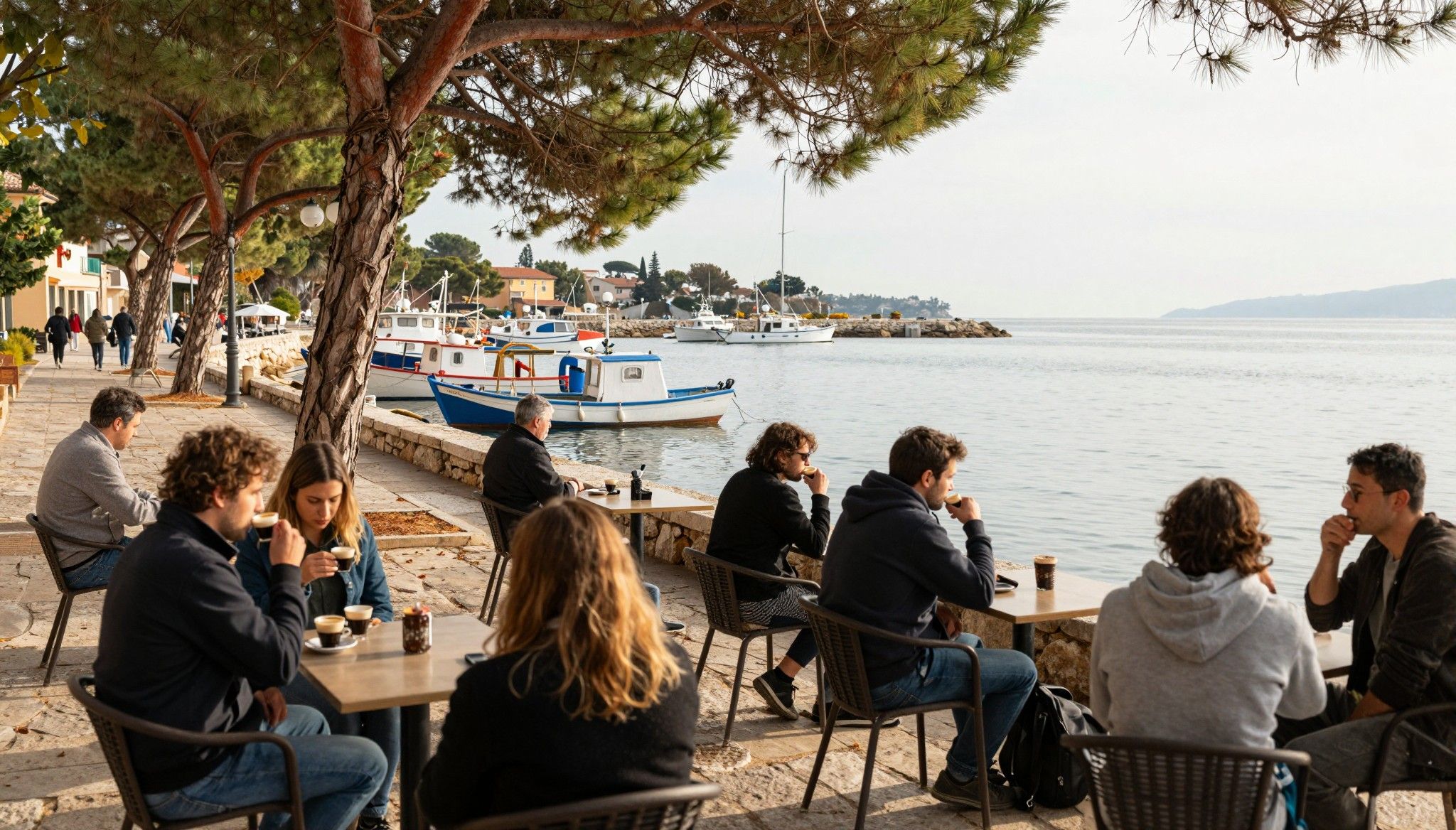
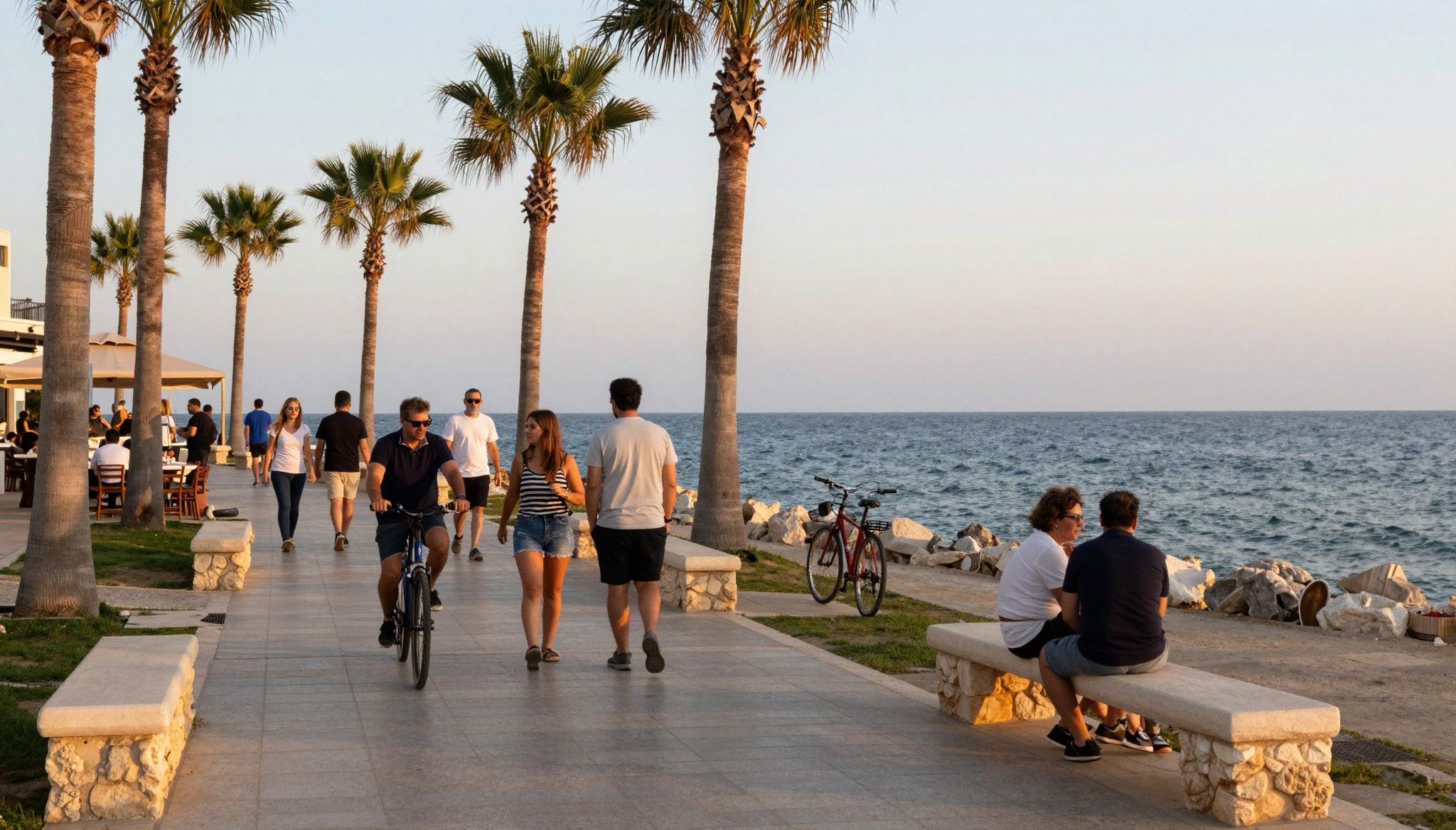
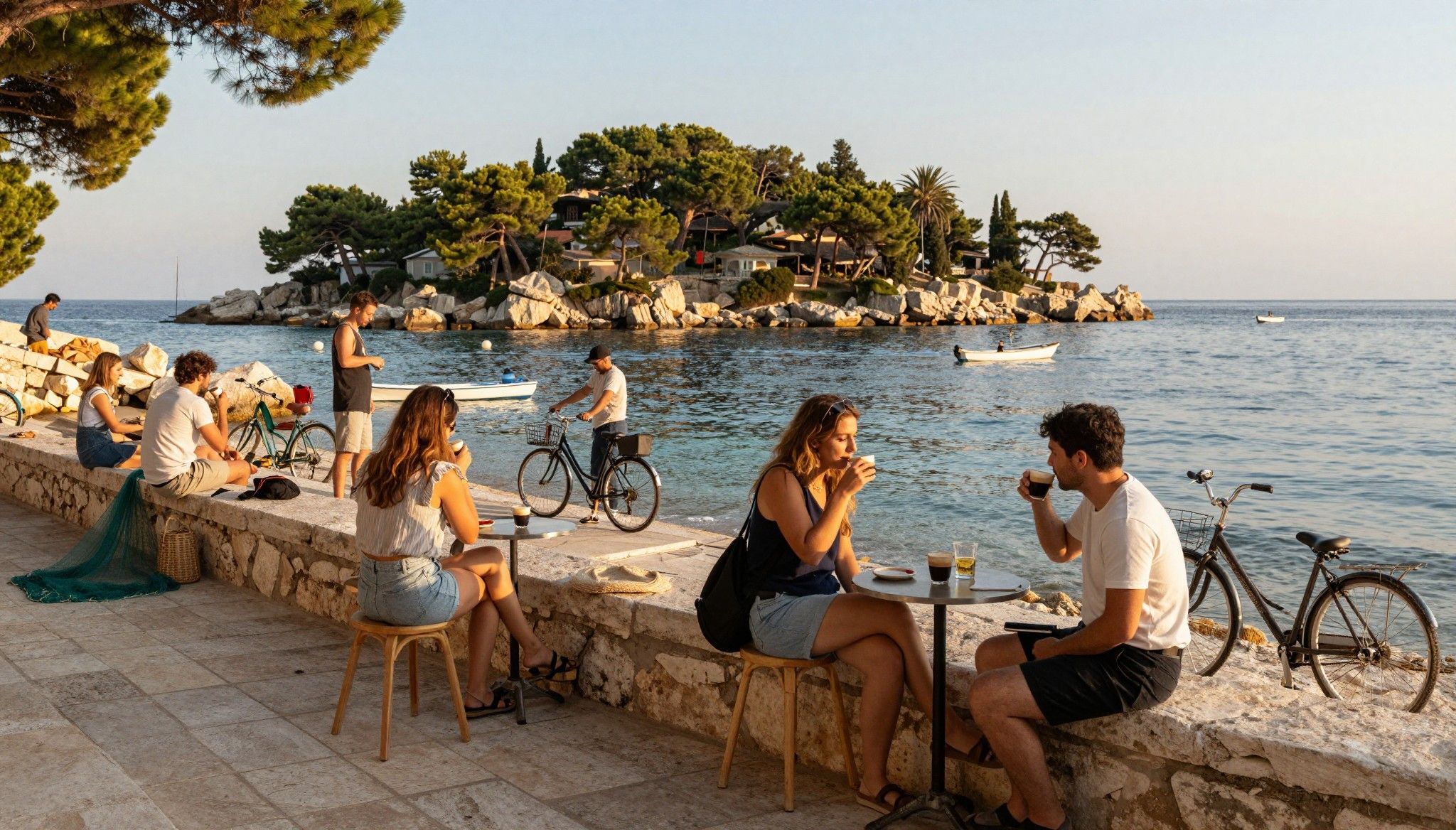
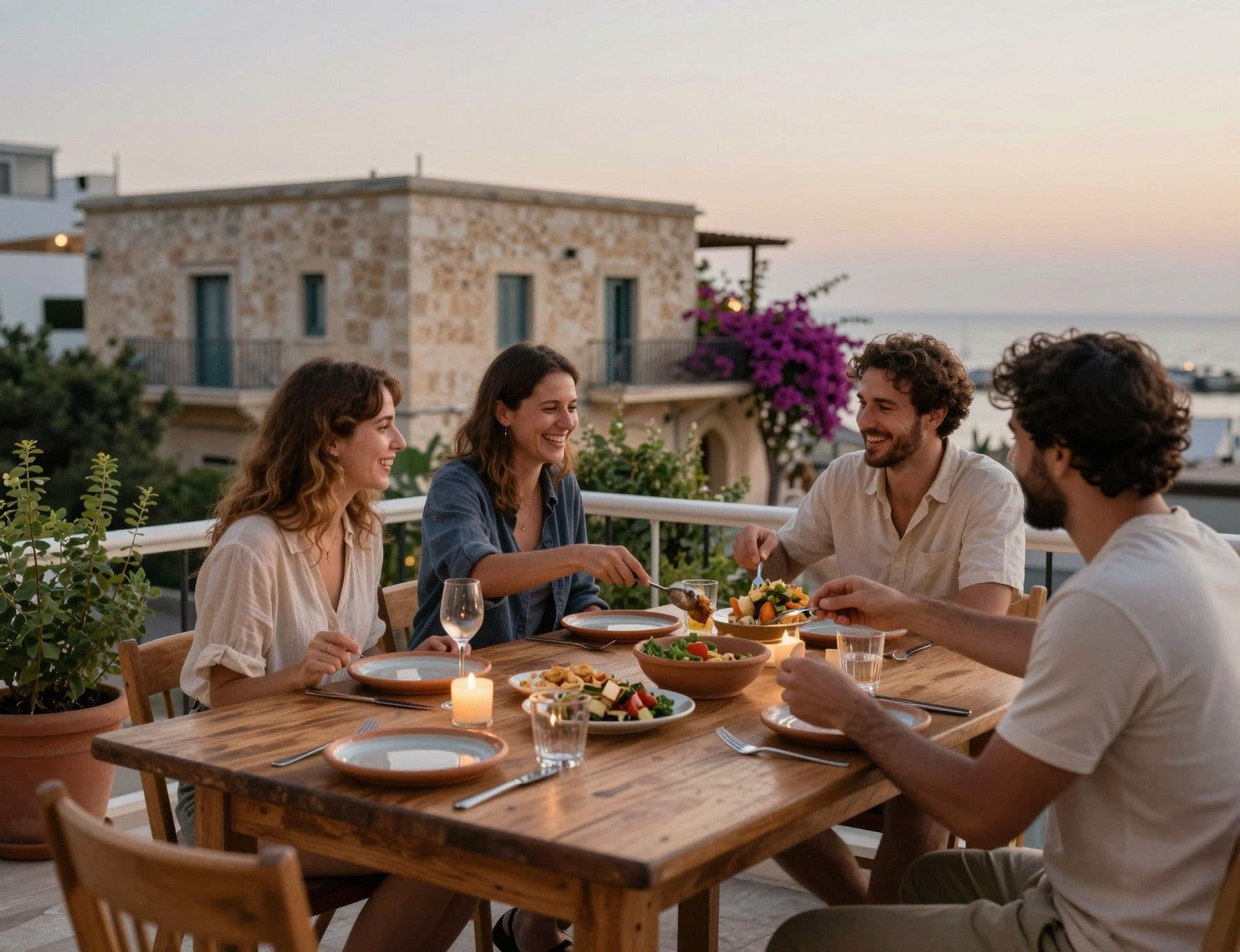
Cyprus is not the postcard you see in July. Life bends around slow mornings, long lunches shaded by jasmine, and evenings that spill into small squares where neighbours share wine and stories. Nicosia hums with café culture and ancient lanes; Paphos keeps a quieter, coastal rhythm where olive groves edge into beaches; Larnaca and Limassol juggle marina luxe and neighbourhood markets. The island feels lived in — stone facades warmed by time, terraces that double as vegetable plots, and patios where solar panels sit unobtrusively alongside bougainvillea.
Neighbourhood spotlight: Limassol old town and Agios Tychon
Walk the cobbled lane from Anexartisias to the old port and you’ll find a mix of tiny bakeries, second‑hand bookshops and late‑night meze bars. Agios Tychon, a short drive east, offers low-rise villas with mature gardens and easy access to wind‑swept beaches. For an eco‑minded buyer, these streets offer microclimates favourable to native planting, shady courtyards and neighbours who garden communally — small, everyday sustainability lived well.
Food, markets and seasonal life
Morning markets in Larnaca, fish stalls in Paphos and mountain cafés over in Troodos set the week’s rhythm. Buying in Cyprus means choosing a place where you can grow a citrus tree on your terrace, source vegetables at the weekly market, and plug into seasonal festivals — from grape harvests to village feasts. These rituals shape property use: look for homes with sheltered courtyards, rainwater tanks, and kitchens that open out to terraces.
Why seasonality matters: the off‑season advantage
Cyprus’s market runs year‑round, but the mood and market mechanics change with the seasons. Summer viewings often show a polished, tourist‑ready version of neighbourhoods; winter reveals true infrastructure, neighbours and microclimates. Industry reports show sustained residential demand but a more considered buyer in shoulder months — a time when you’re likelier to negotiate on non‑structural upgrades and spot seasonal maintenance that sellers might otherwise hide.
What to inspect in off‑season visits
Visit during cooler months and listen: drainage sings, not creaks; insulation shows itself in evening warmth; local shops, clinics and transport timetables are revealed. Sellers are less likely to mask damp spots or leaky terraces. For eco‑buyers, this is the moment to test heating, check solar orientation, and confirm water pressure for garden irrigation systems.
- Off‑season checklist: lifestyle + sustainability
- View at different times of day to judge light and breeze patterns; speak to neighbours about winter noise and street clearing.
- Inspect roof eaves, rainwater collection, and garden drainage — small issues become big in wet months.
- Check for local recycling points, composting culture, and proximity to farmers’ markets — these indicate a community already living sustainably.
Making the move: homes that support the life you want
Property types range from compact stone cottages in the Troodos foothills to modern seafront apartments in Limassol and detached villas in Paphos. Consider how each will serve your daily rituals: a courtyard for growing herbs, an L‑shaped living room that opens to a north‑facing garden, or an apartment with a communal rooftop for evening breeze and solar panels.
Architectural choices that matter for sustainable living
Stone walls and thick insulation moderate summer heat; north‑facing terraces stay cool in July and are perfect for shaded dining; south‑facing roofs offer the best pitch for PV arrays. When you view, imagine seasons ahead: will that olive tree provide summer shade? Can you harvest rainwater? These choices determine ongoing costs and the ease of living lightly.
- Working with local experts: a four‑step, lifestyle‑led process
- Clarify lifestyle priorities (gardening, walkability, sea access) and map them to neighbourhoods like Agios Tychon, Kato Paphos or Strovolos.
- Ask agencies for off‑season viewings and local references — professionals who move beyond listings to show you community life.
- Request sustainability dossiers: energy certificates, roof orientation, water systems, and past maintenance records before making offers.
- Plan a staged renovation budget for regenerative upgrades (insulation, PV, greywater reuse) rather than buying a perfect yet unaffordable turnkey home.
Insider knowledge: what expats wish they’d known
Expats often tell the same story: fall in love with summer charm, then learn the house’s true character in winter. They wish someone had shown them the neighbourhood electrolyte — where neighbours compost, whether bus service runs in low season, and how quickly tradespeople respond when a roof tile dislodges. Local networks and a patient agent save more time and money than a fast, emotional purchase.
Language, community and daily rituals
Greek and English coexist comfortably in many towns; learning a few phrases opens doors to invitations and market stalls. Neighbourhood rituals — morning coffee, Sunday barbecues, and grape‑pressing festivals — are the fastest way to belong. Seek areas with active local councils or green initiatives; these are signals of a community invested in long‑term stewardship.
Longer view: stewardship, resale and growing into place
Market data show steady residential demand and modest price growth; think of your purchase as joining a community rather than a short‑term bet. Investments in energy independence and biodiversity often pay back in comfort, lower running costs, and stronger resale appeal to like‑minded buyers. Treat renovations as ecological upgrades rather than cosmetic fixes.
If Cyprus feels like a place you could belong, start small and seasonal: visit in autumn, meet neighbours, test the commute and the light, and ask your agent to arrange off‑season inspections. An eco‑minded life here is more than solar panels; it’s a daily rhythm of markets, shared gardens, and homes that breathe with the island.
Next steps: request an off‑season viewing pack, ask for documented sustainability features, and choose an agent who can show you how a place performs across seasons. When you buy with the seasons in mind, Cyprus rewards patience with genuine value — both in price and in life.
Danish relocation specialist who moved from Copenhagen to the Algarve; supports families with seamless transitions, local partnerships, and mindful purchases.