Greece: Seasonal Living, Local Craft & Smart Buying
Discover Greece as a lived, seasonal landscape — lifestyle-rich insights and research-backed steps for eco-minded international buyers. Timing, local crafts and sustainable features matter.
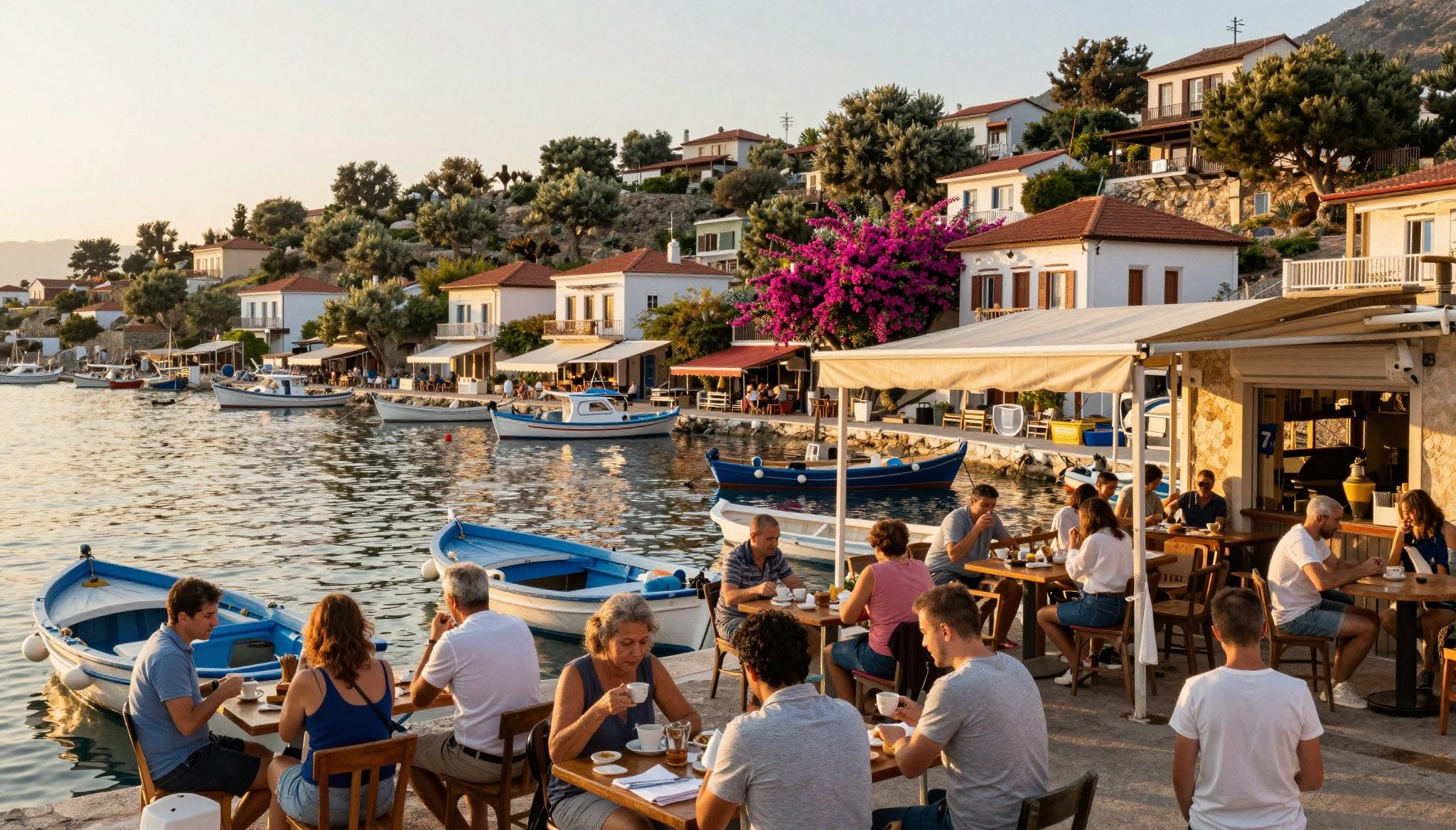
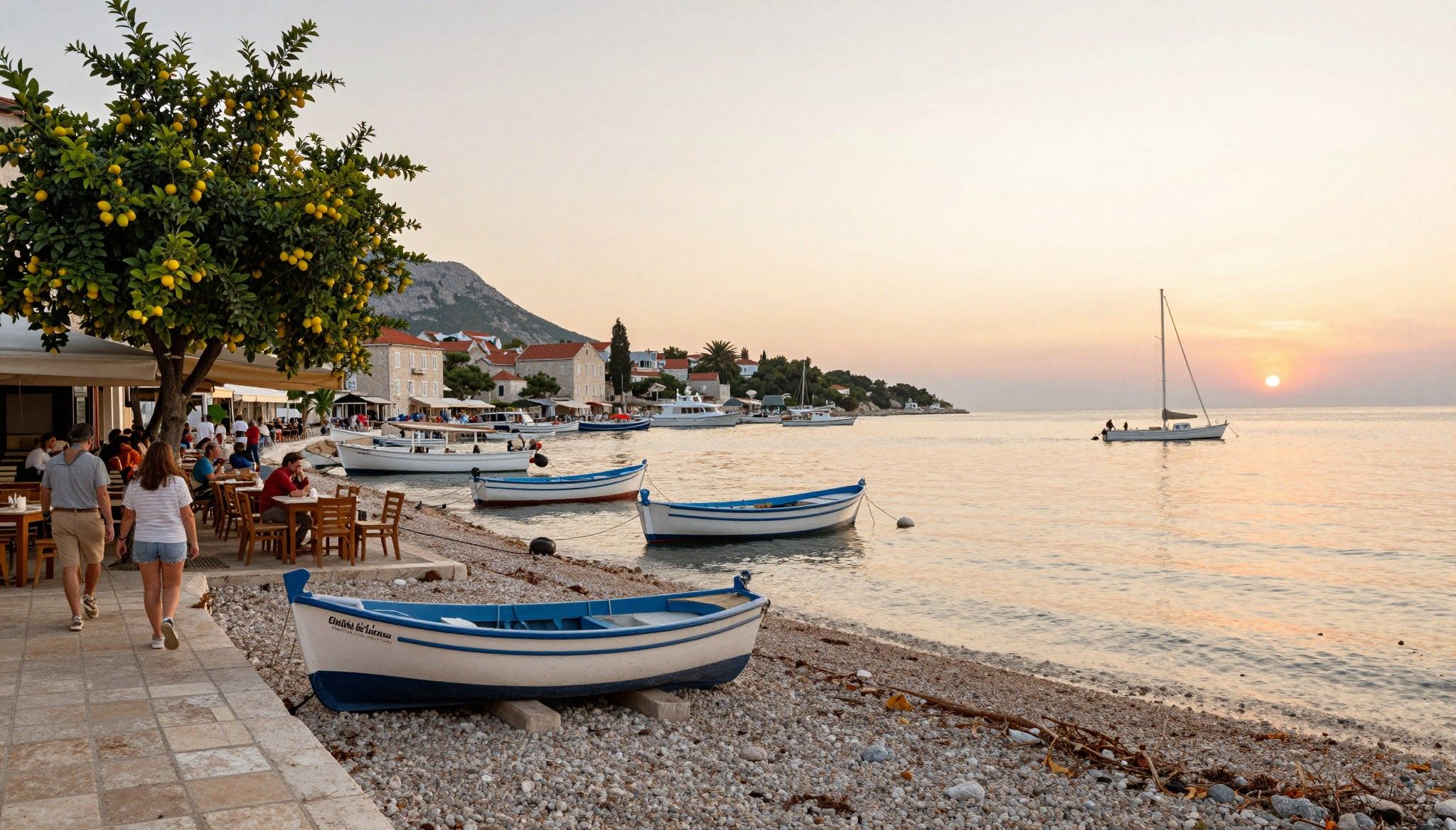
Imagine waking to the smell of filter coffee and warm koulouri, stepping onto a sun-dappled terrace that looks out over olive groves that slope down to a bright Aegean cove. That slow morning — market stalls, a neighbour pruning rosemary, children launching toy boats in a harbour — is the real invitation Greece offers. It’s not only about postcard sunsets; it’s the rhythm of seasons, traditional craft, and small-town rituals that shape daily life here.
Living the Greece lifestyle: seasons, streets and small rituals
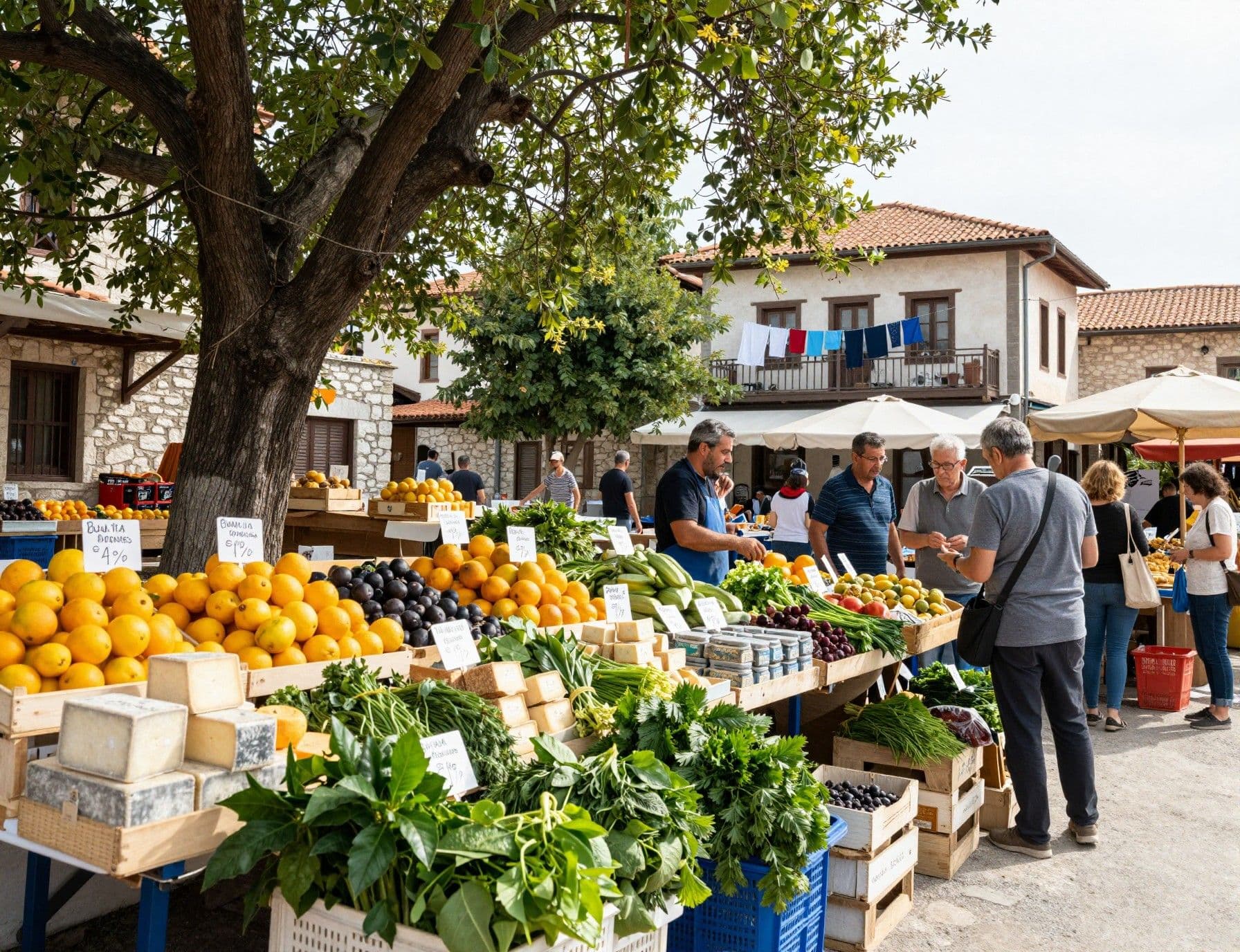
City mornings and island evenings feel different here — Athens hums with espresso bars on Kallidromiou and weekend strolls through Plaka, while island villages keep a slower cadence: fishermen mending nets in Amorgos, pottery smoke in a courtyard in Kefalonia. Across regions, seasonal cycles — citrus blossom in March, truffle hunts in Epirus in autumn, summer bougainvillea — give life to local markets and craft traditions.
Athens, islands and the village: where daily life differs
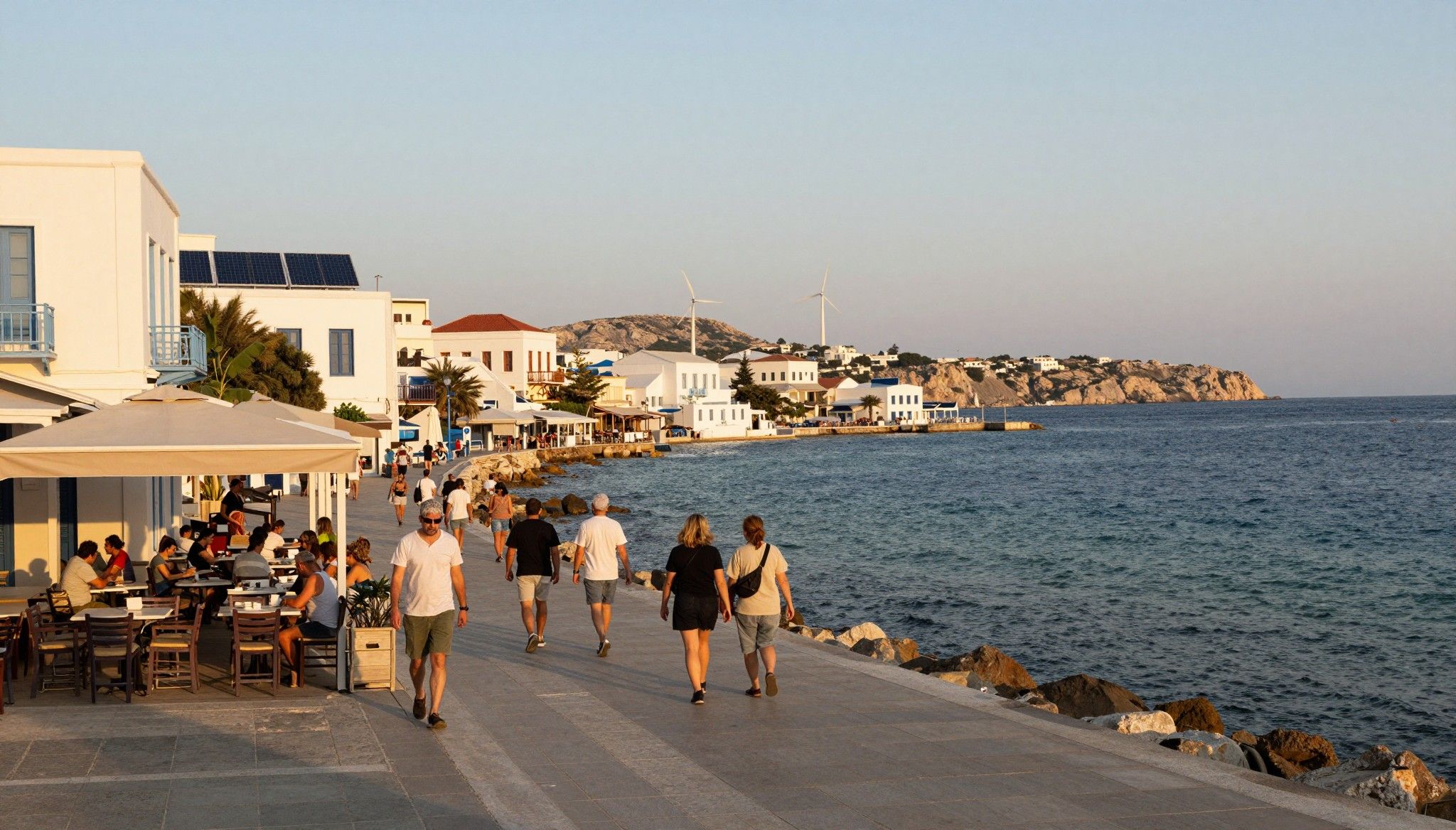
Walk from Kolonaki’s shaded squares to Psyrri’s tavernas and you’ll see the same Greek love of public life translated in different registers. On the Cyclades, whitewashed lanes and rooftop herb gardens mean outdoor living is year-round; in mainland Peloponnese villages, stone-built houses with courtyards and figs shading the path define a restorative pace. Each place stores its own crafts: handwoven textiles in Zagori, marble carving in Tinos, small-batch cheeses in Lesvos.
Food, markets and a calendar of festivals
Imagine an afternoon visiting a weekly laiki (farmers’ market): crates of wild greens, sea urchins wrapped in newspaper, a cheesemaker offering a sliver of fresh mizithra. Festivals — Panigyria — punctuate the year with music, roast lamb and danche around village squares; they’re also where you meet people who’ll soon feel like neighbours. These rituals shape where you eat, how you garden, and often what renovations you’ll want in a home (room for guests, space to cure olives, terraces for late-evening meals).
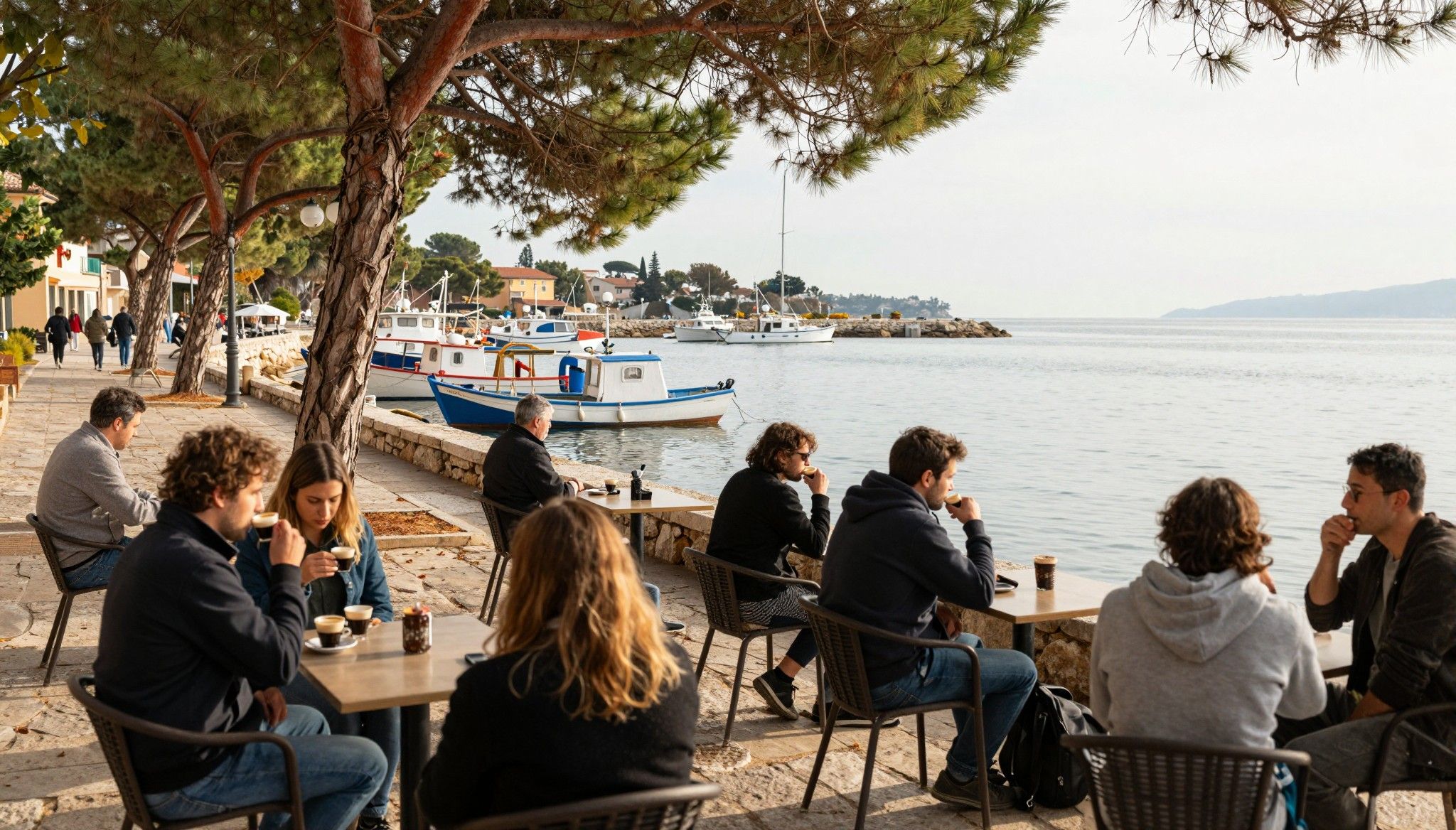
- Morning espresso at a kafeneio on a shaded square
- Sunday laiki for seasonal produce and friendly haggling
- Apéritif and sunset swims on small, protected beaches
- Weekend craft fairs and workshops (pottery, weaving, traditional boat repair)
Making the move: practical considerations that keep the dream green
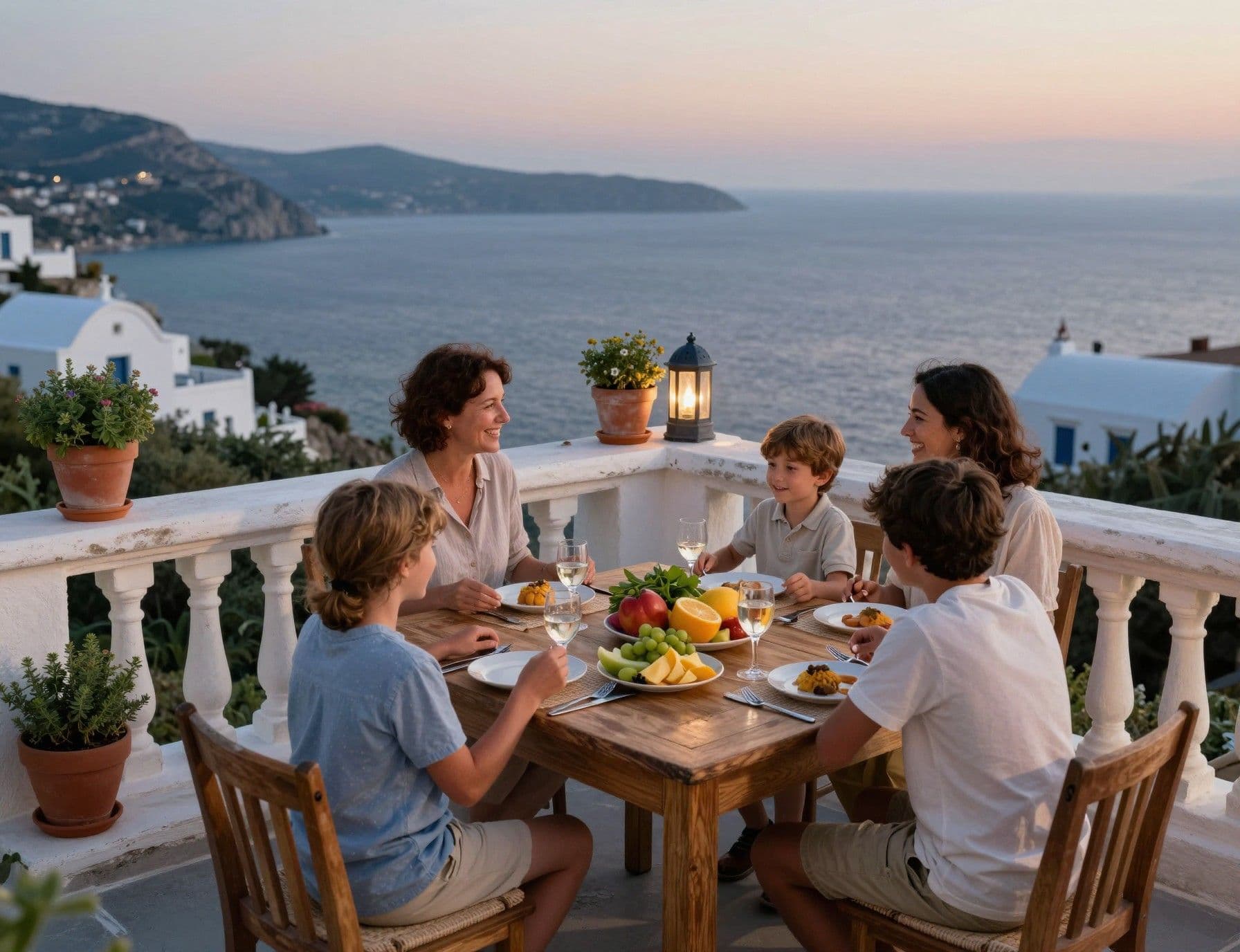
The practical side — prices, regulation and local expertise — is what turns longing into a sustainable life. Recent data shows Greek residential prices have been rising, especially in major cities and popular islands, so think of timing, submarket and seasonal availability rather than broad assumptions. New rules for investor residency and shifts in lender criteria also mean good local advisors are essential for an eco-minded purchase that respects both budget and place.
Property types and the life they enable
A restored stone home in Mani or Zagori invites a gardening, preservation-focused life; a modern apartment in Koukaki offers urban-walkability and year-round services; a light-filled Cycladic cave house is all about outdoor terraces and compact, efficient living. Look for thick stone walls, cross-ventilation, verandas and pergolas — these traditional features are natural climate control and reduce energy needs without high-tech retrofits.
Working with local experts who care about place
Choose agents and architects who know local building traditions and conservation rules. An architect familiar with traditional masonry or lime-based renders will protect character and biodiversity; an agent who understands microclimates can help you pick villages with spring water, community gardens or cooperative olive presses. These local relationships shape whether your purchase becomes stewardship or a mismatched renovation.
- Inspect for seasonal livability: roof shade in summer, insulation for winter, orientation for breezes
- Ask for past utility bills and check local supply for water and waste services
- Prioritise properties with solar-ready roofs, cisterns, and native landscaping potential
- Hire a local surveyor and a lawyer versed in coastal-use rules and heritage protections
Insider knowledge: what expats wish they'd known before they bought
Expats often arrive enchanted by sunsets but surprised by seasonality: islands quiet to near-sleep in winter, while some mountain villages bloom unexpectedly in spring with returning families. Service availability, like banks and healthcare, can vary enormously between regions, and renovations often uncover traditional methods — lime plasters, hand-cut stones — that require specialist craftsmen who are rare but invaluable.
Language, community and the small courtesies
Learning basic Greek phrases — greetings, market bargaining lines, and thank-you formulas — opens doors. Participation in village life, from assisting in harvests to attending local festivals, signals respect and builds trust faster than any glossy renovation. Expect friendly bluntness and slow bureaucracy; patience is a local virtue that pays social dividends.
Long-term stewardship: how to keep your place alive
Think of a Greek home as a node in a living landscape: maintain water-wise gardens, conserve stonework, hire local tradespeople and source materials nearby. These choices protect value and tie you into the community economy. When prices rise — as recent reports show in urban and island markets — homes that have authentic craftsmanship and ecological integration tend to retain both financial and emotional value.
- Support local artisans when renovating (masonry, terracotta, carpentry)
- Plant native species to reduce irrigation and support pollinators
- Consider small-scale renewables (solar PV, solar water heaters, gravity-fed cisterns)
- Join or start a tool-share or seasonal produce cooperative to build community ties
- Hire a bilingual notary/lawyer who can explain coastal and heritage rules step by step
- Plan viewings outside high summer to assess year-round light, wind and service levels
- Factor in renovation timelines and local craftsmen availability into your offer
A seasonal truth: why winter viewings often reveal more
Tourists make everything look easier in July; view properties in late autumn or winter to feel the real microclimate, noise levels and community life. Many locals prefer buyers who arrive then — you’ll meet artisans and neighbours who will be part of your daily life, and you’ll see issues (damp, heating, winter road access) that summer tours hide.
If you love the idea of waking to sea air but worry about off-season isolation, choose a village with a year-round school or cooperative of remote workers; for full-time Athens life, prioritise walkable neighbourhoods with community gardens and nearby weekend escapes.
Takeaway: Greece asks for presence. It rewards those who invest in local relationships, steward the land and match property to a seasonal life. Start by visiting outside peak season, bring concrete questions about water and craft repair, and work with agents and architects who value ecology as much as charm.
Next steps: shortlist three regions (urban, island, inland village), schedule winter or shoulder-season viewings, and ask your agent for references to local craftsmen and community projects. When you buy, make choices that keep your home part of its landscape — not apart from it.
Danish relocation specialist who moved from Copenhagen to the Algarve; supports families with seamless transitions, local partnerships, and mindful purchases.