Before the Adriatic: Due Diligence That Matters
Practical, place-led due diligence for buying in Croatia — from reciprocity rules and use permits to seasonal viewings and green retrofit checks.
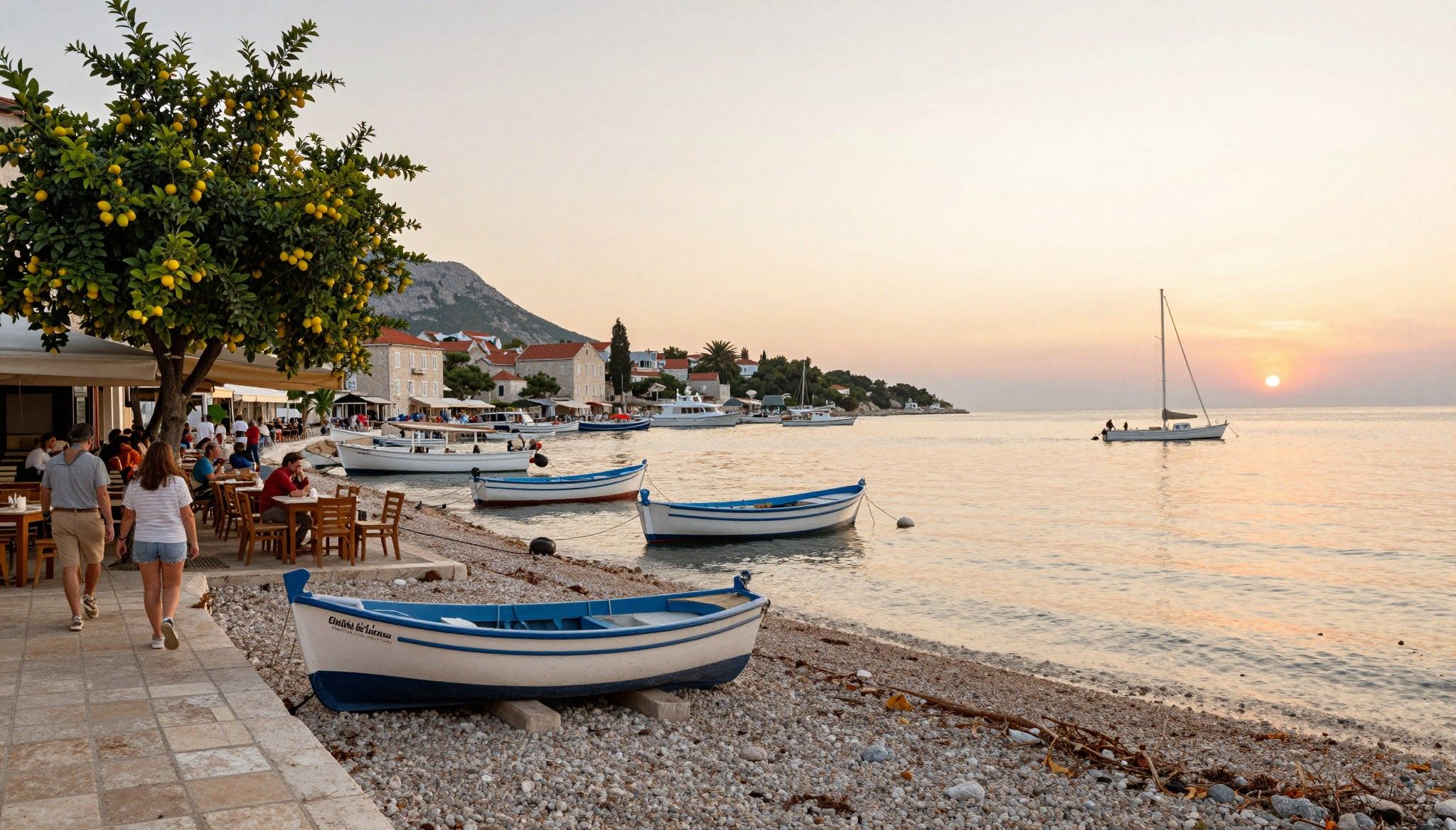
Imagine morning light on a Dalmatian terrace, lemon trees scenting the air while a nearby café pulls its first espresso—yet the paperwork behind that view can be unexpectedly exacting. In Croatia the romance of coast and stone meets precise rules: who may own land, where you may build, and which permits stand between you and the garden you picture. This guide blends the sensory life—markets in Split, pebble beaches in Vis, sun-warmed stone in Rovinj—with the specific due diligence non‑locals must do to buy responsibly and sustainably. We'll debunk common assumptions, name the local checks you might miss, and point to the official sources to keep your purchase honest and green.
Living the Croatian Rhythm: Life before a purchase
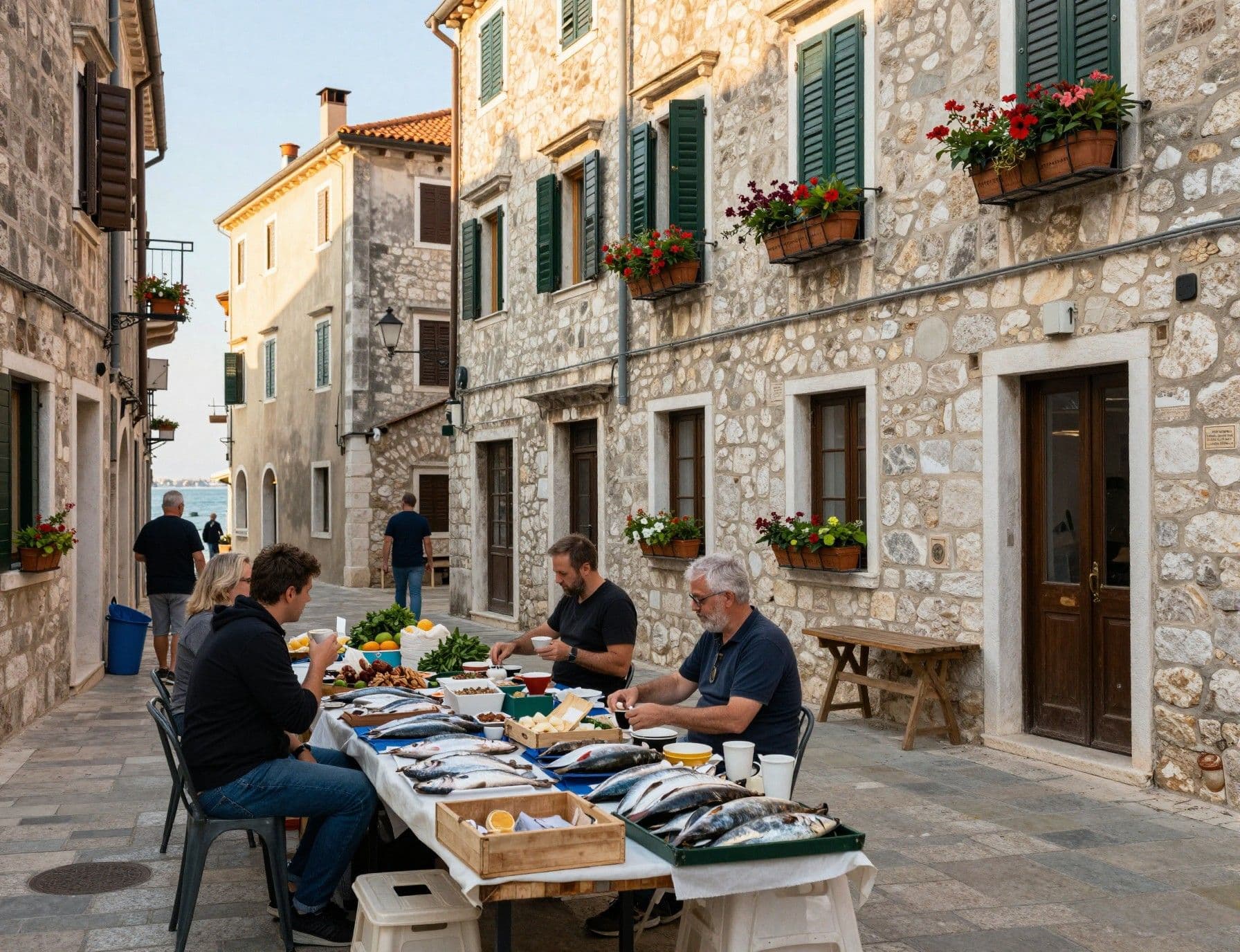
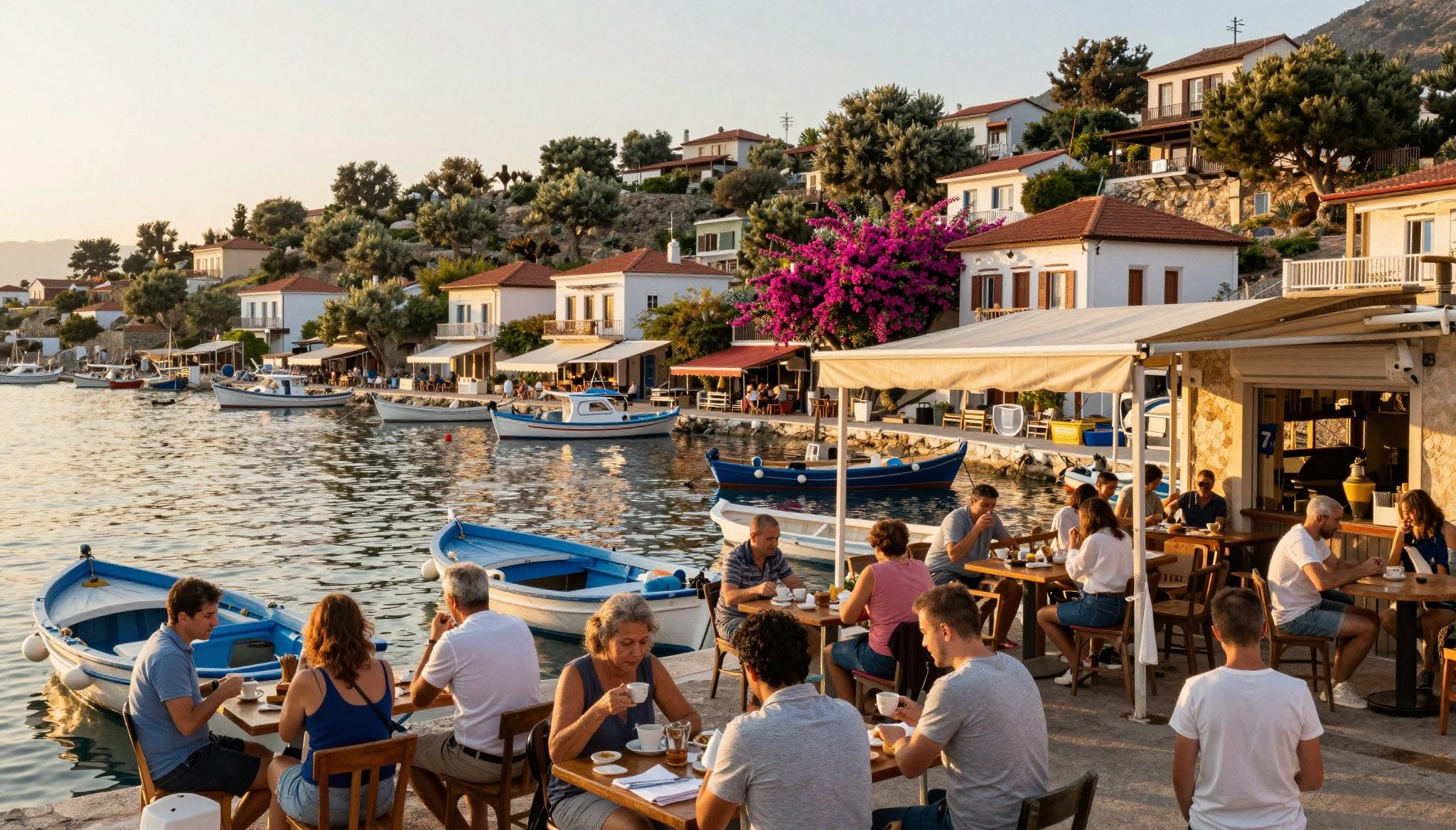
Croatia moves with tides and festivals: lavender-scented summers on Hvar, brisk winter markets in Zagreb, and slow Sunday lunches in Istrian villages. Daily life shifts between sea and stone—fishermen selling at morning stalls, neighbours sharing rakija at dusk—and those rhythms shape where locals choose to live. For a buyer who loves sustainable living, this means prioritising properties with outdoor kitchens, rainwater collection potential, and gardens that work with the microclimate rather than against it. Knowing how a place lives through a year informs what permits you’ll need, how a home performs off-season, and which renovations will respect heritage protections.
Dalmatian coast: stone, sea and seasonal life
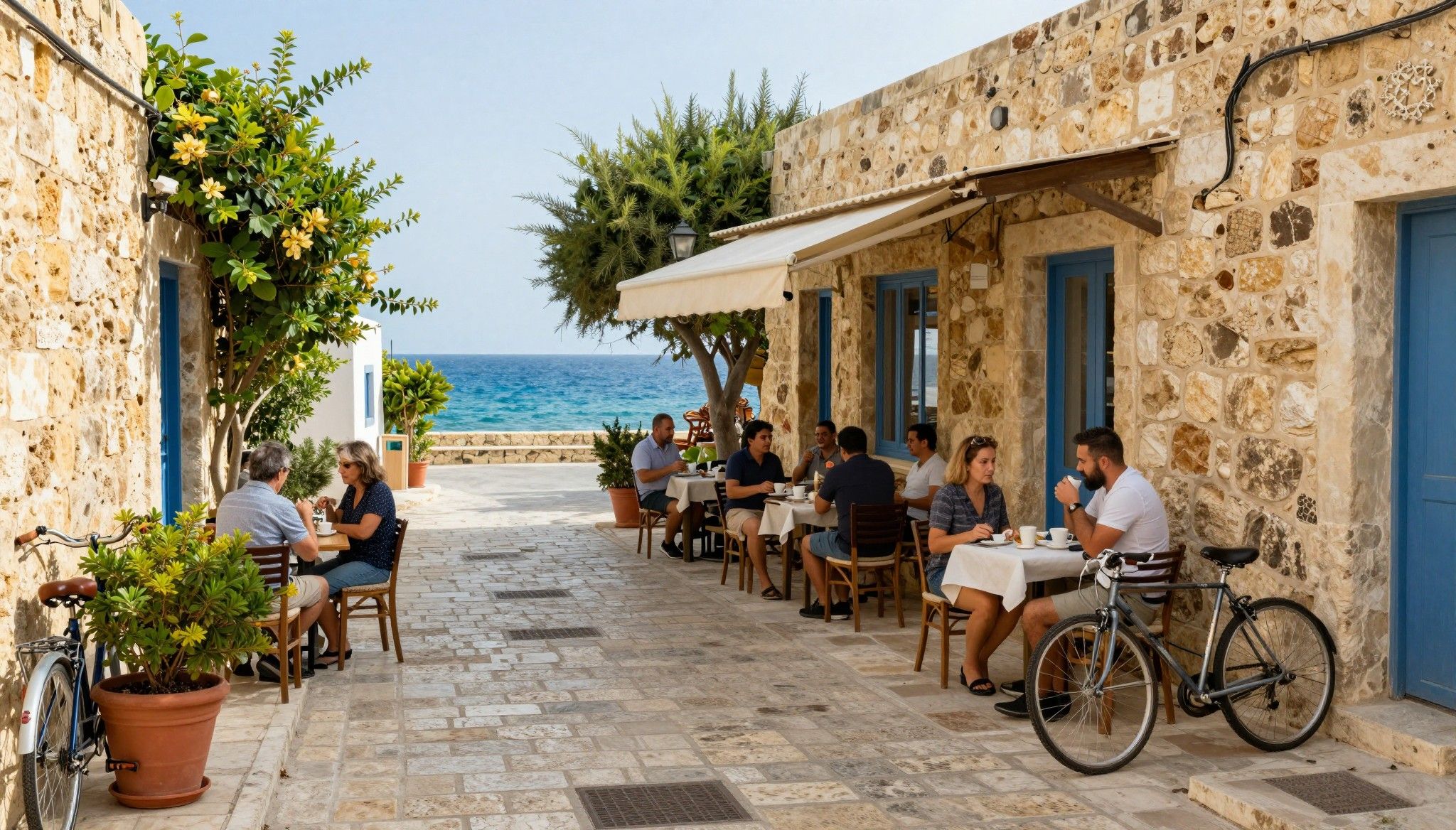
Streets around Split’s Veli Varoš and the lanes of Korčula feel lived-in, with laundry lines and tiny craft bakeries. Here, a terrace with a sea view is a daily backdrop rather than a postcard, and properties often carry centuries of alterations—each with its own paperwork trail. When you fall for an old stone house, check cadastral records and any historic‑preservation constraints: some façades and roofs are protected and limit modern interventions. Sustainable choices—insulation that preserves original stone character, heat pumps tucked discreetly into courtyards—are possible but must align with local conservation rules.
Istria and Zagreb: culinary life and year-round communities
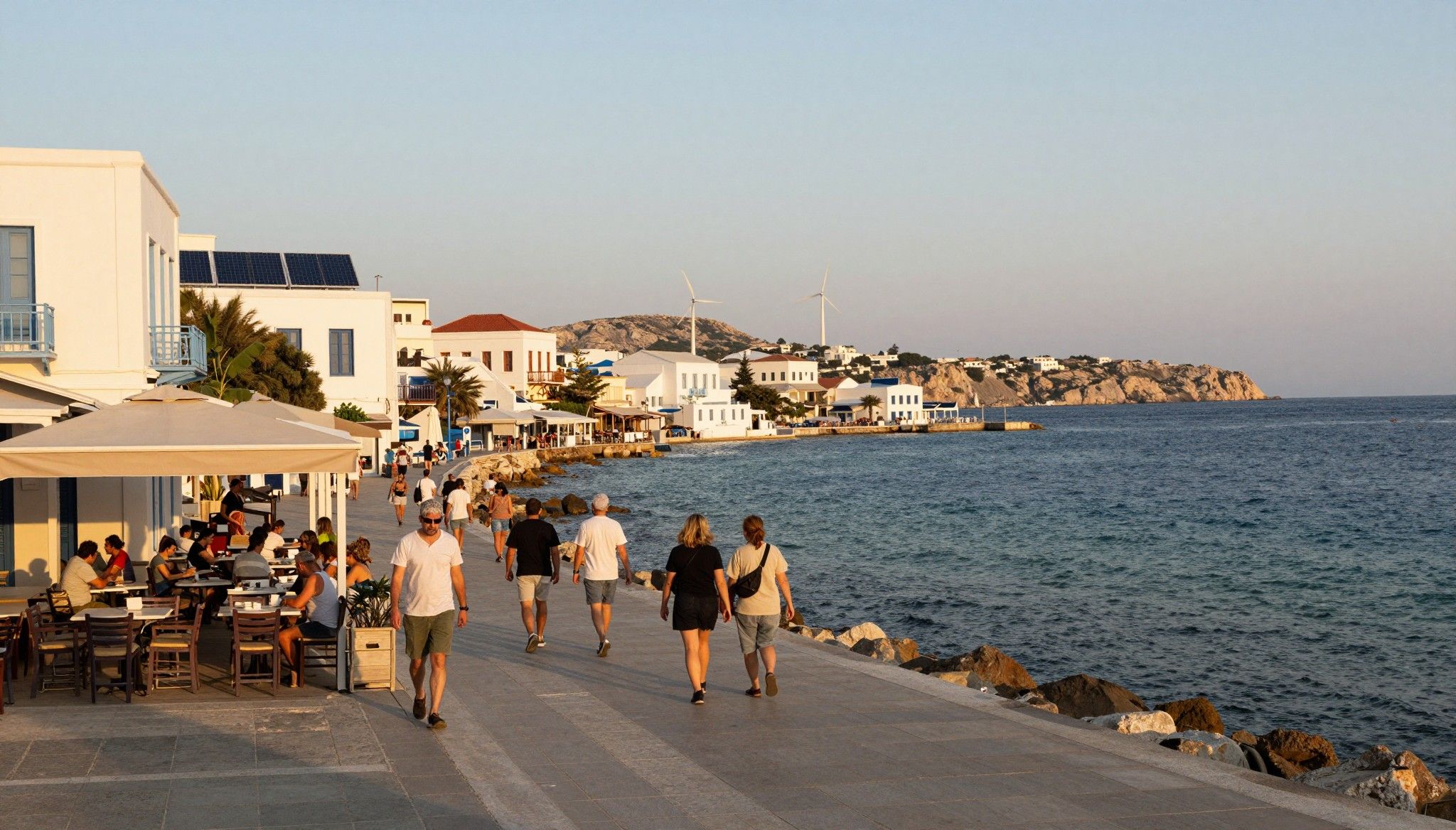
In Istria towns like Rovinj and Motovun, dining and truffle season give neighborhoods a communal pulse that lasts beyond summer. Zagreb’s cafés and galleries sustain year-round life for families and remote workers, making city properties attractive for those who want a calendar of cultural life. These places often have stricter building codes in historic cores and clearer access to utilities—important for buyers planning energy upgrades or green retrofits. Check local municipal plans early; they tell you whether rooftop solar is straightforward or requires additional permissions.
- Lifestyle highlights to map before you buy
- Morning fish markets (Split’s Riva, Rovinj market) and the rhythms they set for fresh eating
- Local bakeries and baker-café culture that shape neighbourhood life
- Island ferry timetables that determine access and off‑season solitude
- Protected-heritage streets where restoration rules influence renovation options
Making the Move: practical checks that protect the lifestyle
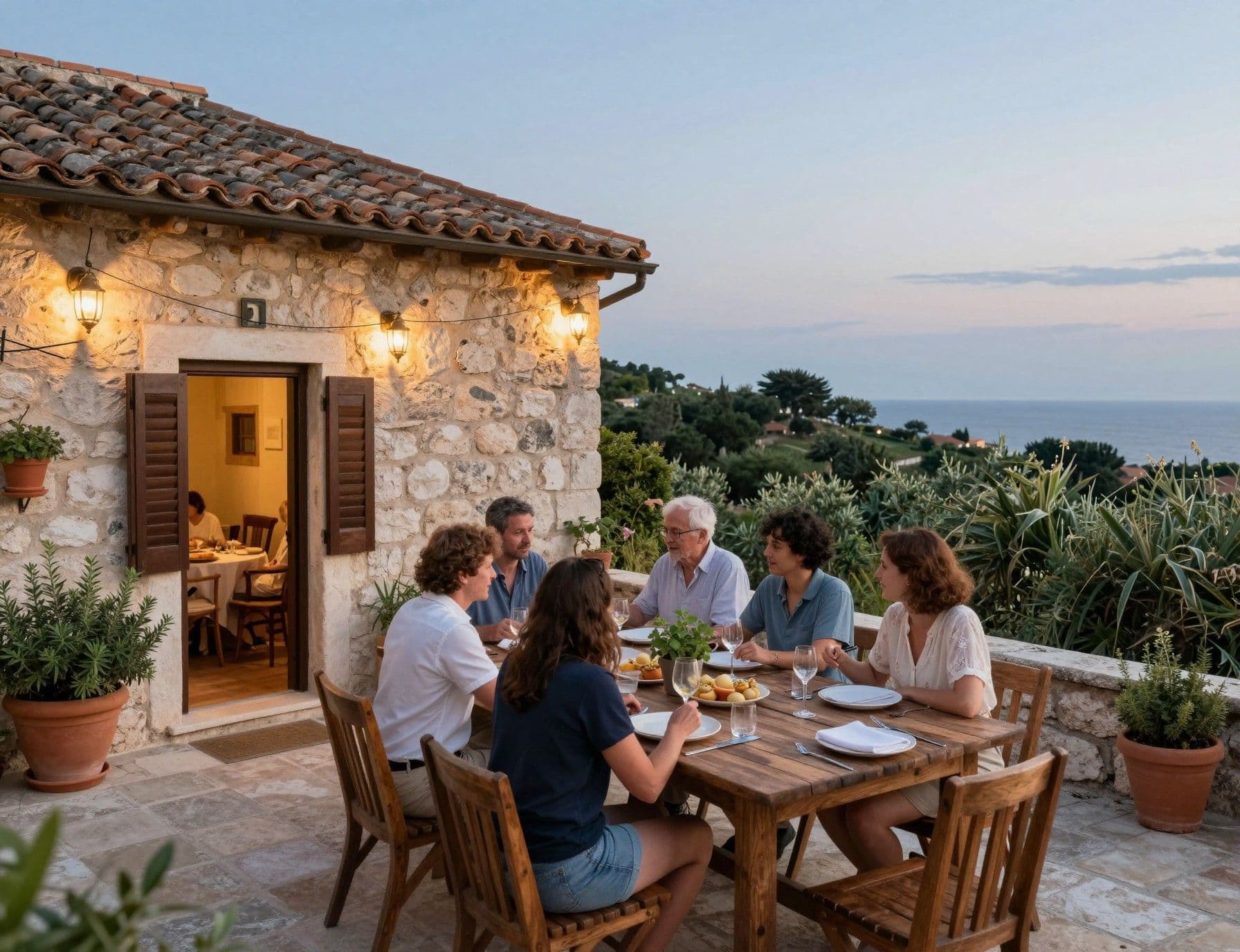
The single most common surprise for international buyers is legal reciprocity and ministerial consent for non‑EU nationals. Croatia treats EU citizens and many EEA nationals almost like locals, but non‑EU buyers may need special consent or a Croatian company to hold title. Always verify nationality rules early and consult the official Ministry guidance so you don’t fall in love before confirming you can legally register ownership. For definitive details on who can buy and under what conditions, the government guidance is the primary reference.
Property type and building permits: what really matters
Whether you want a small garden room, a green retrofit, or a full restoration of a stone house, Croatian law differentiates between minor works and projects requiring a full building permit. The national ePermit system streamlines applications but does not remove the need for local municipal approvals, environmental assessments near protected areas, or special heritage consents. Check whether a property has a valid use permit (uporabna dozvola)—without it, you may not be legally allowed to occupy or rent the home. An architect familiar with local planning offices is worth their weight in olive oil.
Why cadastral and registry checks must be your first step
Public registers record who owns land, existing encumbrances, easements and whether a property sits in a protected zone. Market pressure in coastal hotspots has pushed prices up—official indices show notable growth in recent years—so a clear title and transparent valuation matter more than ever. Always pull cadastral extracts and land‑registry entries, and ask for proof that taxes and utility dues are clear. A local notary or lawyer will confirm the documents match the property on the ground and flag any unexpected rights of way or maritime‑domain issues.
- Step-by-step due diligence checklist
- Confirm purchaser eligibility (reciprocity/ministry consent or EU/EEA status), consult official government guidance early.
- Obtain cadastral and land registry extracts and check for servitudes, mortgages, and cadastral boundaries.
- Verify building and use permits, and any outstanding legalization or penalties, especially for historic or coastal properties.
- Commission a local survey (structural + environmental) and an energy assessment if you plan green retrofits or off-grid systems.
- Speak to the municipal planning office about future zoning or infrastructure plans that could change your lifestyle or value.
Insider knowledge: myths, mistakes and sustainable choices
Myth: 'If it’s on the market, you can buy it.' Not true—especially for non‑EU nationals and for land in protected categories. Another common error is assuming that seaside properties are always rentable year‑round; ferry schedules and local tourism rules can make some islands far more seasonal than they appear. Expat buyers tell us their biggest regret is skipping the municipality visit and missing local plans that would restrict terraces, pool siting, or solar orientation. Sustainable living choices—like graywater reuse or native-plant gardens—are sometimes simpler to approve than hard landscaping, but only if you ask early.
The unexpected value of off‑season viewings
Seeing a town in winter reveals real life: nearby shops open year-round, wind exposure on cliff-top plots, and heating needs for cold months. Properties that dazzle in August can be hollow in January; buyers who view across seasons better judge insulation, access and whether a place matches a long-term sustainable life. Some of the strongest bargains appear outside high season because owners prefer to sell quietly—these can be prime opportunities for buyers willing to do careful due diligence and restorative work that improves energy performance.
- Red flags expats commonly miss
- No use permit (uporabna dozvola) for an occupied property — legal occupancy may be void.
- Unrecorded alterations to historic façades that block energy upgrades or render works noncompliant.
- Properties in maritime domain strips where extension or private docking is prohibited.
Working with local experts: who to bring in and why
A bilingual real estate agent who understands local life and sustainability options is invaluable; they translate not just language but municipal nuance. You’ll also want a Croatian lawyer experienced in property law, a chartered surveyor familiar with regional construction methods, and an architect who values energy‑wise retrofits that respect stone or timber character. Ask prospective agents for examples of eco‑sensitive projects they’ve handled—good ones will show past retrofits, permits secured, and neighbours engaged rather than blindsided.
- Before you sign: a six-point closing ritual
- 1. Final cadastral extract and confirmation of seller’s title from the land registry.
- 2. Written confirmation of use permit and an inventory of any unauthorised works.
- 3. Local tax clearance and statement of utility debts (water, electricity, communal fees).
- 4. Environmental check if the property lies near protected areas or former industrial sites.
- 5. A plan and estimate for any green upgrades (insulation, solar, water systems) with local contractor quotes.
- 6. A clear handover date and written agreement on any fixtures, furniture, or ongoing maintenance obligations.
Conclusion: the life you want is waiting, provided you do the respectful work. Fall in love with the market, but marry the due diligence. Croatia rewards care: homes that are sensitively restored hold their soul and their value, while green upgrades pay dividends in comfort and cost. Start with official checks on eligibility and permits, bring local experts who share your sustainability ethos, and plan viewings across seasons so your dream matches daily life. When your paperwork is as honest as the light on the Adriatic, you’ll arrive ready to steward a home that belongs to place as much as it belongs to you.
Danish relocation specialist who moved from Copenhagen to the Algarve; supports families with seamless transitions, local partnerships, and mindful purchases.