When the Coast Is Quiet: Greece’s Verdant Value Pockets
Verdant Greece hides value in quiet, community-rooted places — pair seasonal visits with ecological checks and local experts to buy a life, not just a view.
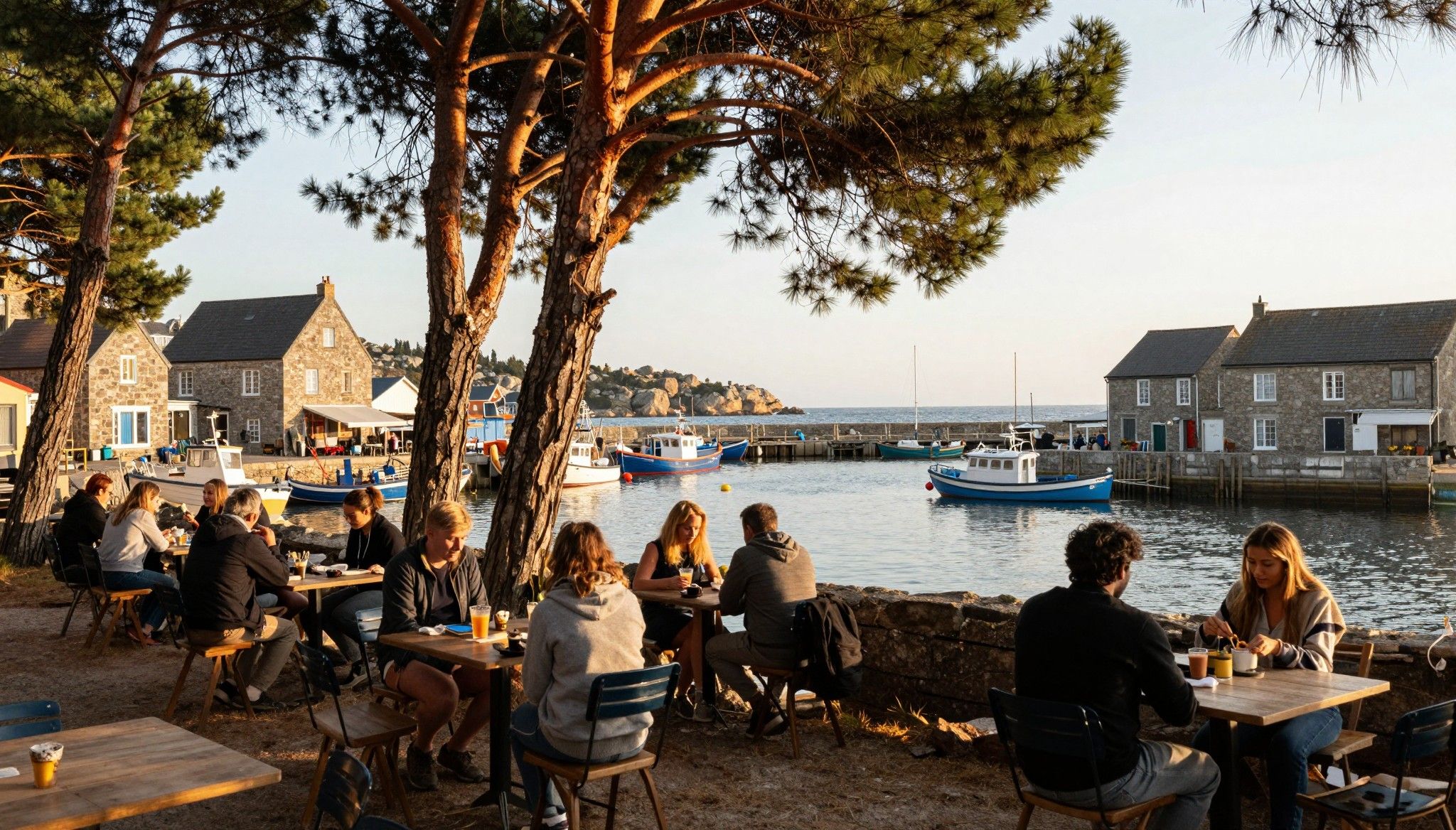
Imagine waking to a wind that smells of pine and sea, strolling past a bakery on a narrow lane in Pelion, then driving twenty minutes to a quiet cove where the water is the colour of weathered glass. This is the rhythm many of us seek in Greece: rugged coastlines stitched with forests, villages where mornings are slow and kitchens smell of lemon and rosemary. For international buyers who prize green living — solar roofs, stone thermal mass, gardens that feed you — Greece’s verdant regions offer a life that feels like it grew from the land itself. But the pulse of place and the pulse of the market don’t always match; to buy well here you must read both the season and the data.
Living the Greece that Feels Wild and Rooted
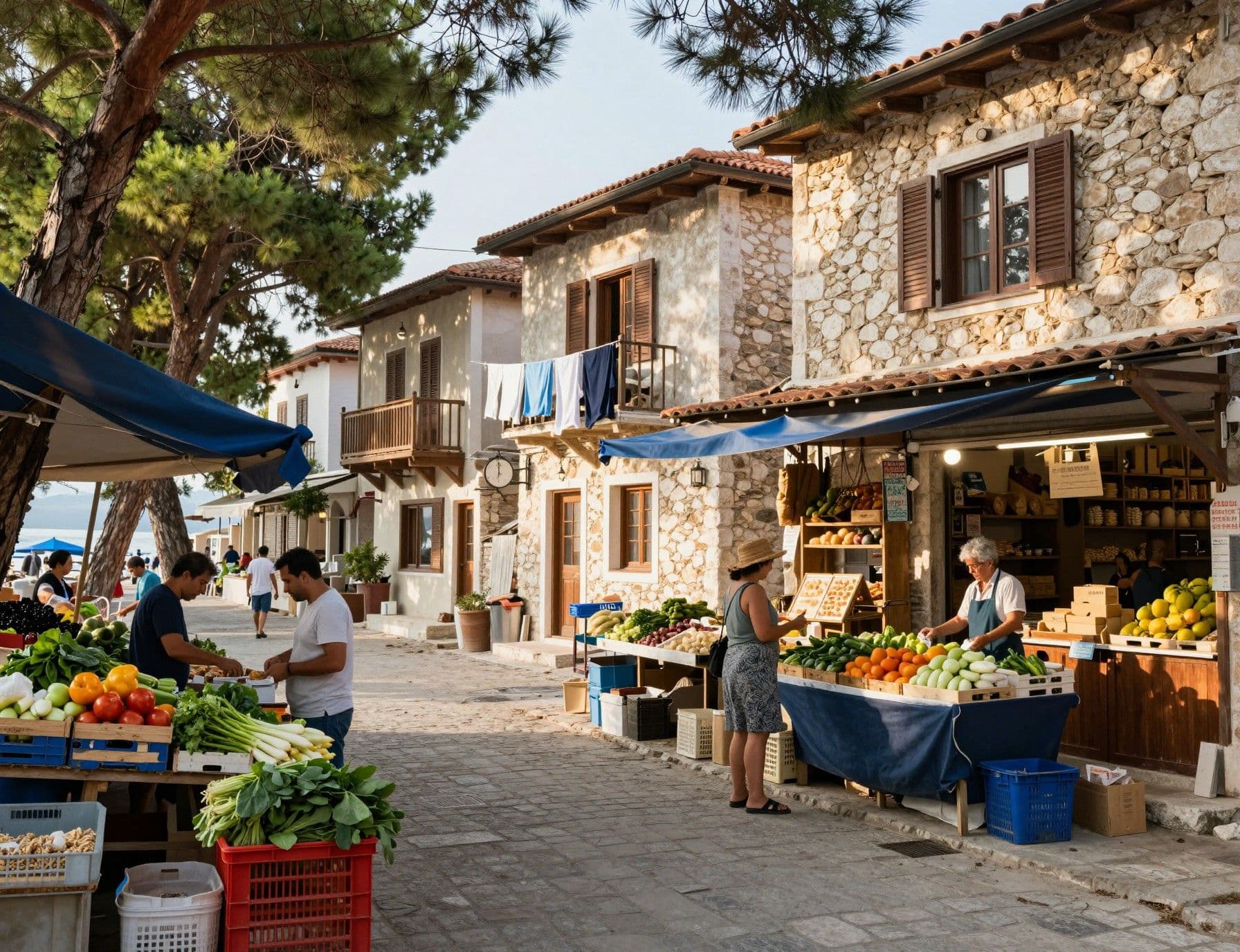
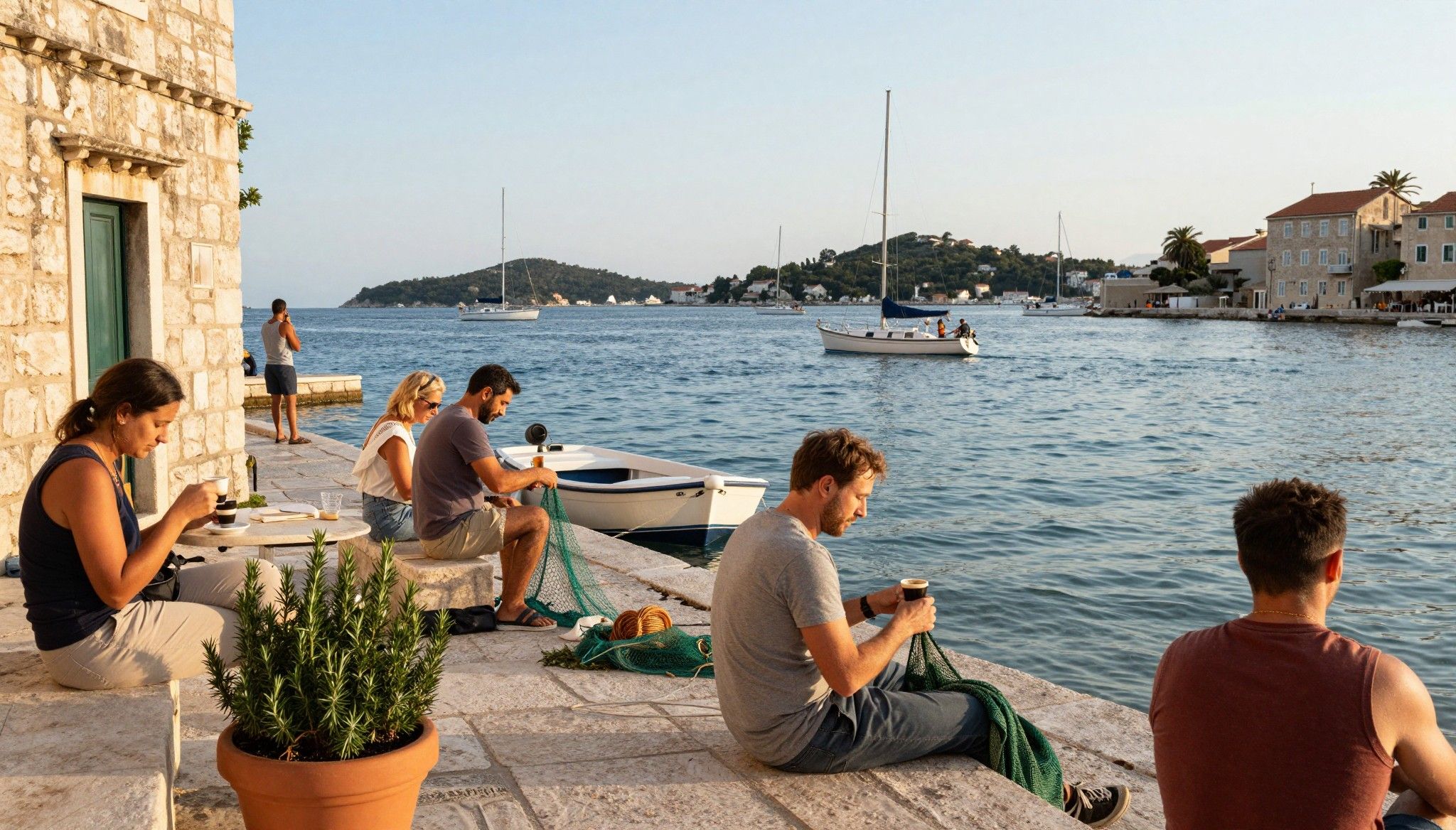
Greece is not a single mood — it’s a chorus. Athens hums with bakeries and museum-goers between olive-lined boulevards; the Ionian coast leans poetic and rain-soft, full of cypresses and Venetian stone villages; the northern ranges keep cooler summers and fast-running springs. In verdant coastal belts — think western Peloponnese, parts of Epirus, the green fingers of the Ionian islands — life is lived half indoors and half outside: long breakfasts on shaded terraces, afternoons in pine-scented hikes, evenings lit by low-watt bulbs and the sea. These are places where a house is measured by how it breathes with the land, not merely by viewlines or square metres.
Neighbourhoods and micro‑places that feel like home
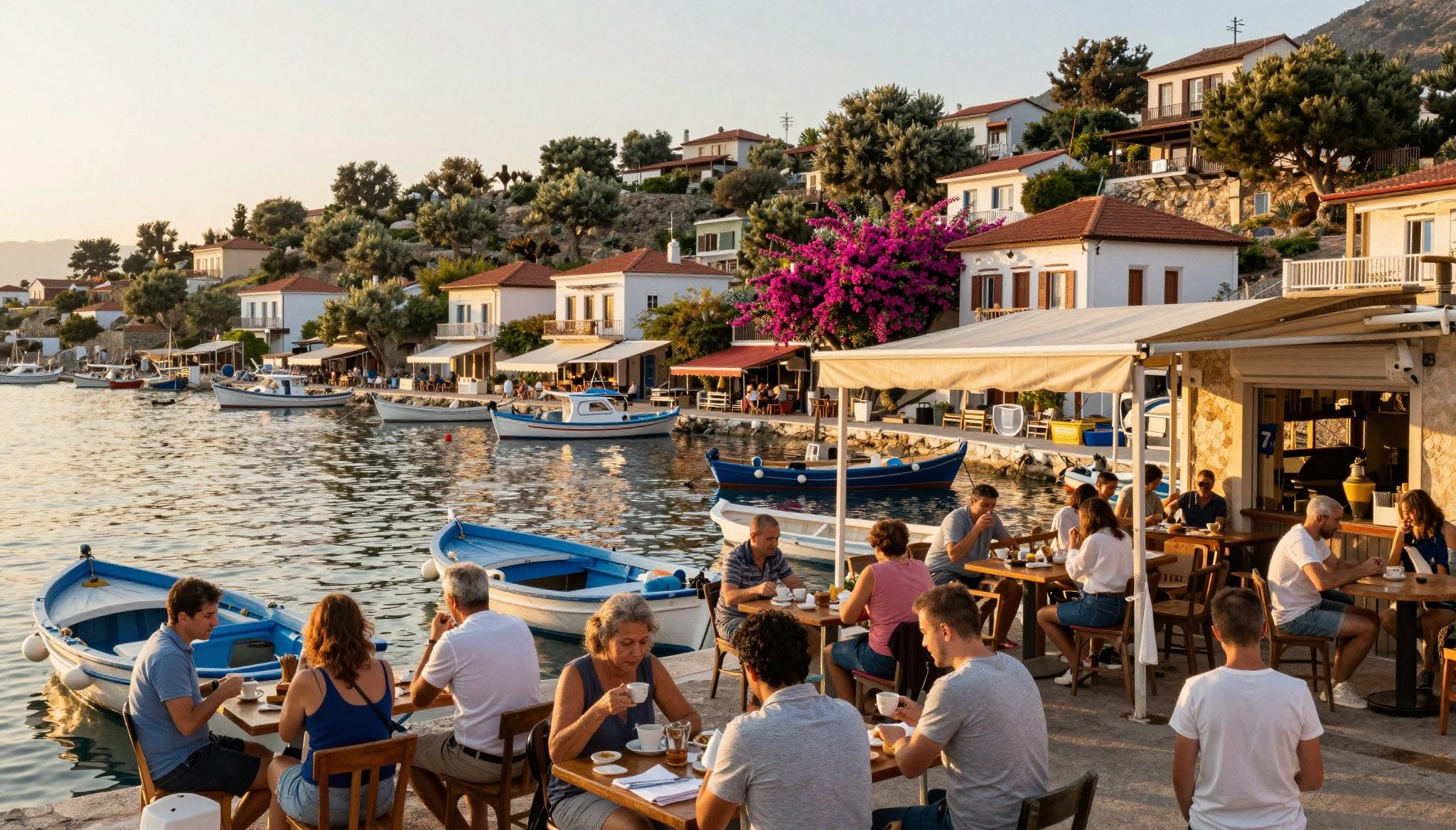
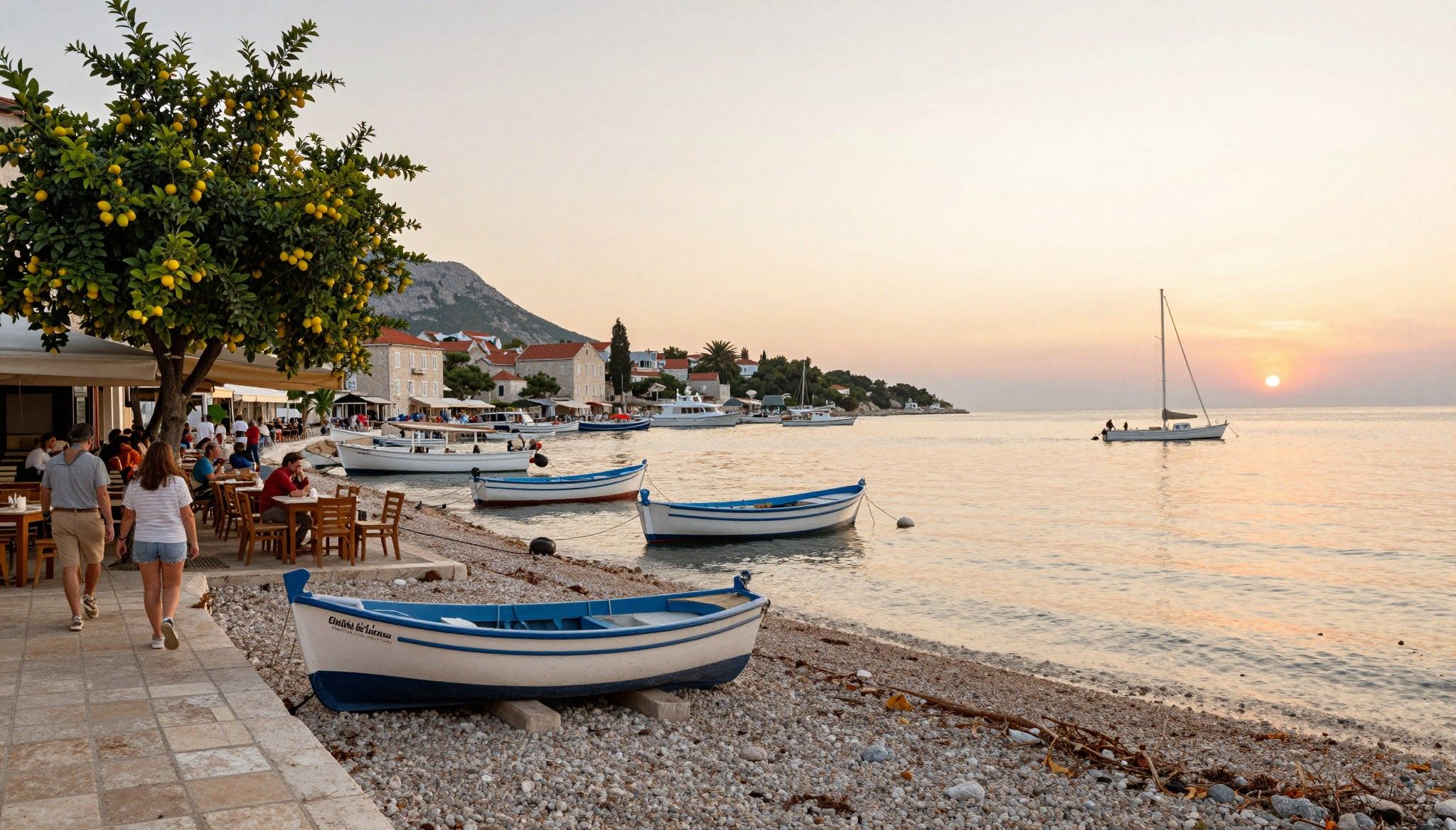
If you want community life with green lungs, look at streets such as Nafpaktos’ waterfront lanes where tavernas and fishermen’s boats anchor everyday life, or the uphill alleys of Kardamyli in Mani where stone cottages sit under pines and the beach is a short walk. In Corfu, shaded streets of Paleokastritsa still have neighbours who know one another by name; in Attica, the pine-draped slopes above Sounio offer surprising proximity to Athens without city noise. These micro-places matter: a sunny courtyard, a sheltered grocer, a weekly farmer’s market shape daily ritual more than a distant sea view.
Food, markets and the rhythm of seasons
Mornings in local markets teach you a place faster than any brochure: farmers selling wild greens in Evia, small-batch cheeses in Crete, and citrus crates on Corfiot streets. Tourism is large and still growing — recorded visitor nights and arrivals remain high — but many verdant regions keep a steady year-round life beneath the tourist shimmer, especially where small-scale agriculture and local festivals anchor communities. When you picture your life here, picture the weekly market, the café where the owner knows your order, and a garden that yields seasonal meals rather than a manicured, empty lawn.
Making the Move: Practical Considerations that Preserve Lifestyle
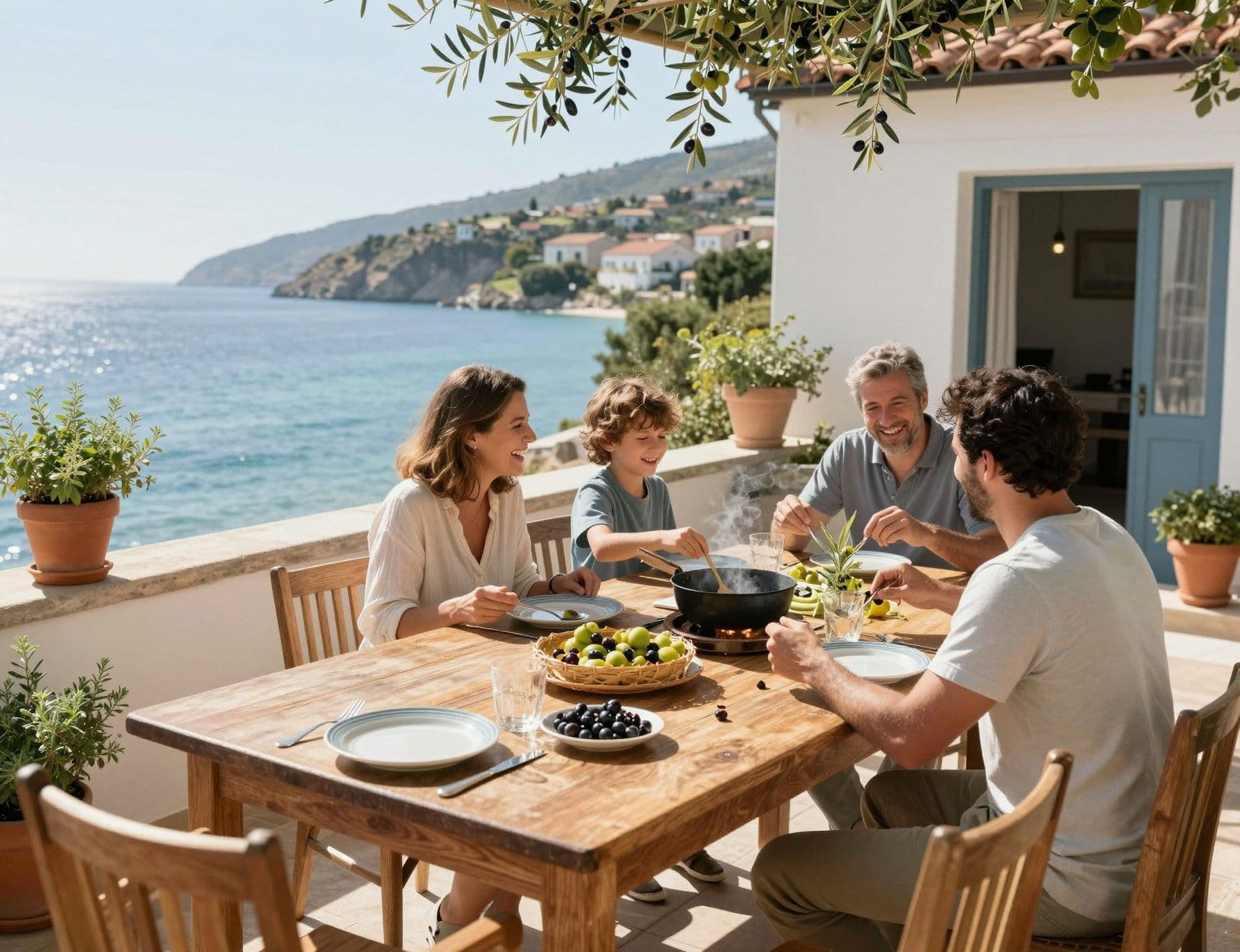
The romantic picture must meet the ledger. Recent housing indices show steady national price growth in the last few years, while policy shifts such as tightened Golden Visa rules have changed the profile of foreign buyers, favouring mid-priced homes and restorations over trophy villas. That’s both a challenge and an opportunity: demand is healthier in practical products — renovated village houses, stone farmsteads, and small eco‑projects — which suit buyers who want to live seasonally or year-round and to steward the land.
Property styles that suit a verdant life
Stone cottages with thick walls and small windows regulate temperature naturally; timber additions and green roofs bring biodiversity back to disturbed sites; courtyards and terraces create outdoor rooms that extend living through spring and autumn. New builds can be excellent if they use local materials, passive design and solar. Look for properties with cisterns or water-harvesting potential, mature planting, and orientation that captures morning sun without overheating midday rooms.
How to work with local experts who protect the lifestyle
Hire an agent who knows the micro-place — they’ll introduce you to local builders, the municipal planning officer, and the neighbour who keeps keys to the courtyard well. Prioritise architects experienced in thermal mass, local stone repair and modest solar retrofits. Ask your notary for recent cadastral maps and flood or nitrate-zone notes. Insist on a site visit across seasons, and have a local gardener or agronomist assess the plot’s productive potential.
Insider Knowledge: What Expats Wish They’d Known
The most common regret among expats is underestimating social rhythms: markets that close on certain afternoons, festivals that rearrange a town for a week, and neighbours whose hospitality arrives with shared labour rather than mere invitations. Practicalities — like courier delivery to island addresses, winter heating plans for high-rain years, and local waste collection schedules — shape day-to-day contentment more than investment spreadsheets. The wisest buyers plan for a life here, not just a view.
Cultural integration and the small things that matter
Learn a few Greek phrases and the names of local dishes — it opens doors. Attend a panigyri (village festival) early and offer help with setting up stalls; you’ll be introduced and remembered. Use a local builder for repairs so methods and materials respect tradition. Join local volunteer or farming co-ops to meet neighbours and to understand seasonal labour flows.
Long-term life: how the place grows with you
Verdant Greece rewards patience: gardens take seasons to matter, olive trees take years to produce, and local trust accumulates slowly. If you invest in regenerative landscape work, small yields and biodiversity improvements compound — fewer irrigation demands, more pollinators, cooler microclimates around your home. Financially, properties that prioritise low-impact systems often age better in markets where buyers increasingly prize authenticity and stewardship.
Steps to a mindful purchase in Greece: 1. Visit across seasons and stay with locals, not in hotels. 2. Insist on cadastral and building-permit history before offer. 3. Commission an ecological site appraisal (water, soil, native flora). 4. Budget for sympathetic retrofits rather than trendy replacements. 5. Build relationships: a local notary, an English-speaking architect, a neighbour who becomes a friend.
Red flags to watch for: - Overly manicured “instant” gardens that hide poor soils. - Sellers pushing cosmetic sea-views as compensation for structural problems. - Properties with no winter access or unreliable road maintenance. - Missing cadastral records or unclear boundary markers. - Promises of rental returns based solely on summer seasons.
If Greece calls to you, let place lead your list: does a morning walk through pine needles matter more than a glossy terrace? Will you tend an orchard or hire someone to do it? Answering small, living questions is the way to find a property that feels like home and ages into it. When you pair that clarity with practical checks — season-spanning visits, local experts, and ecological appraisals — you arrive with love and leave with a purchase that honours the land.
Next steps: talk to an agency rooted in the region you love, request a seasonal viewing plan, and ask for local references — gardeners, restaurateurs, a municipal planner. A green-minded agent will help you see beyond postcard views to the everyday life you’ll actually inhabit, and will arrange the expert checks that protect both ecosystem and investment. Greece is generous; buy with patience and you will join the place rather than possess it.
Danish relocation specialist who moved from Copenhagen to the Algarve; supports families with seamless transitions, local partnerships, and mindful purchases.