Life-First Italy: Seasonal Homes, Craft & Stewardship
Italy’s lifestyle-first real estate: match neighbourhood rhythms, seasonal life and stewardship priorities with market realities and local experts.
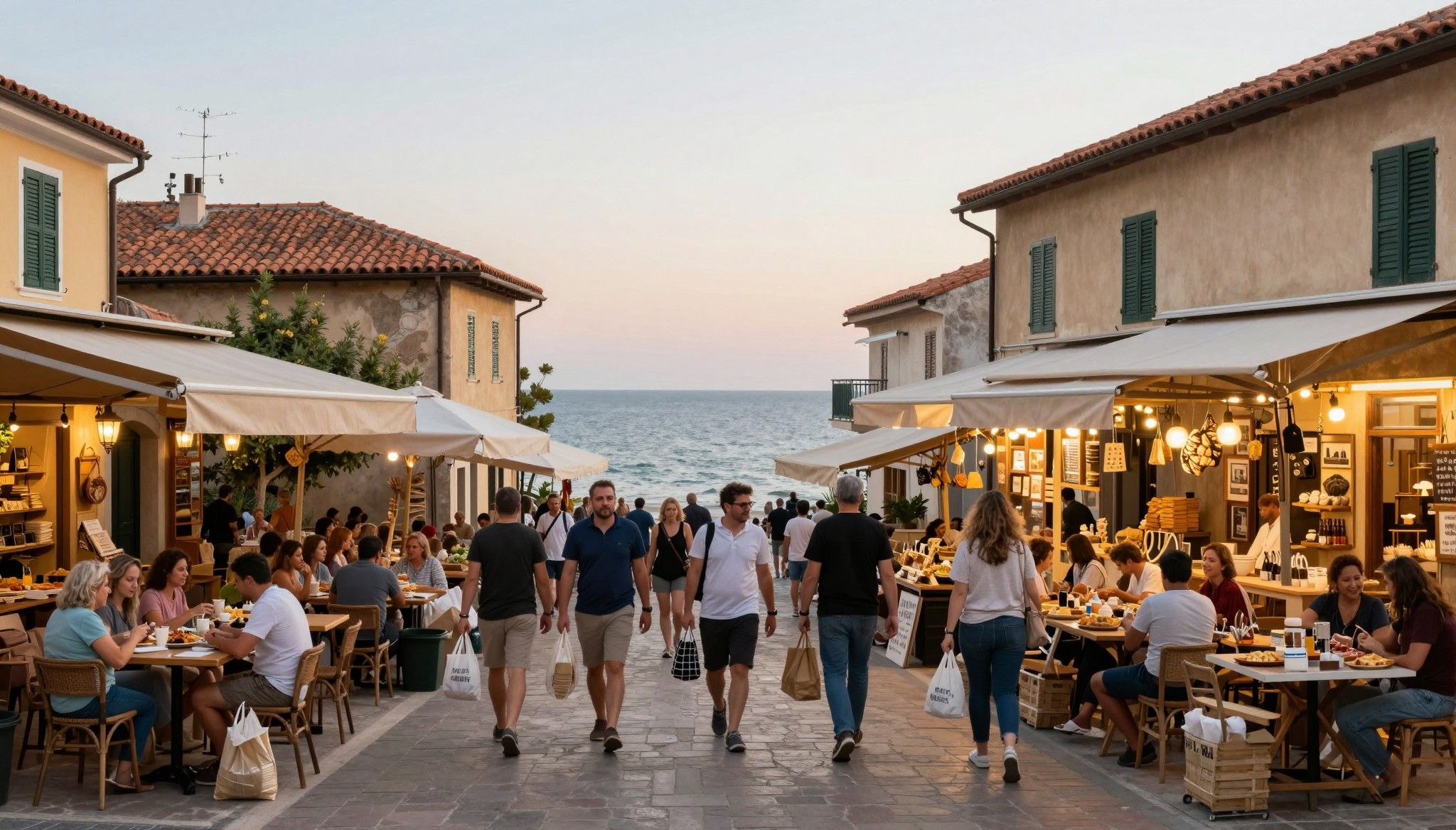
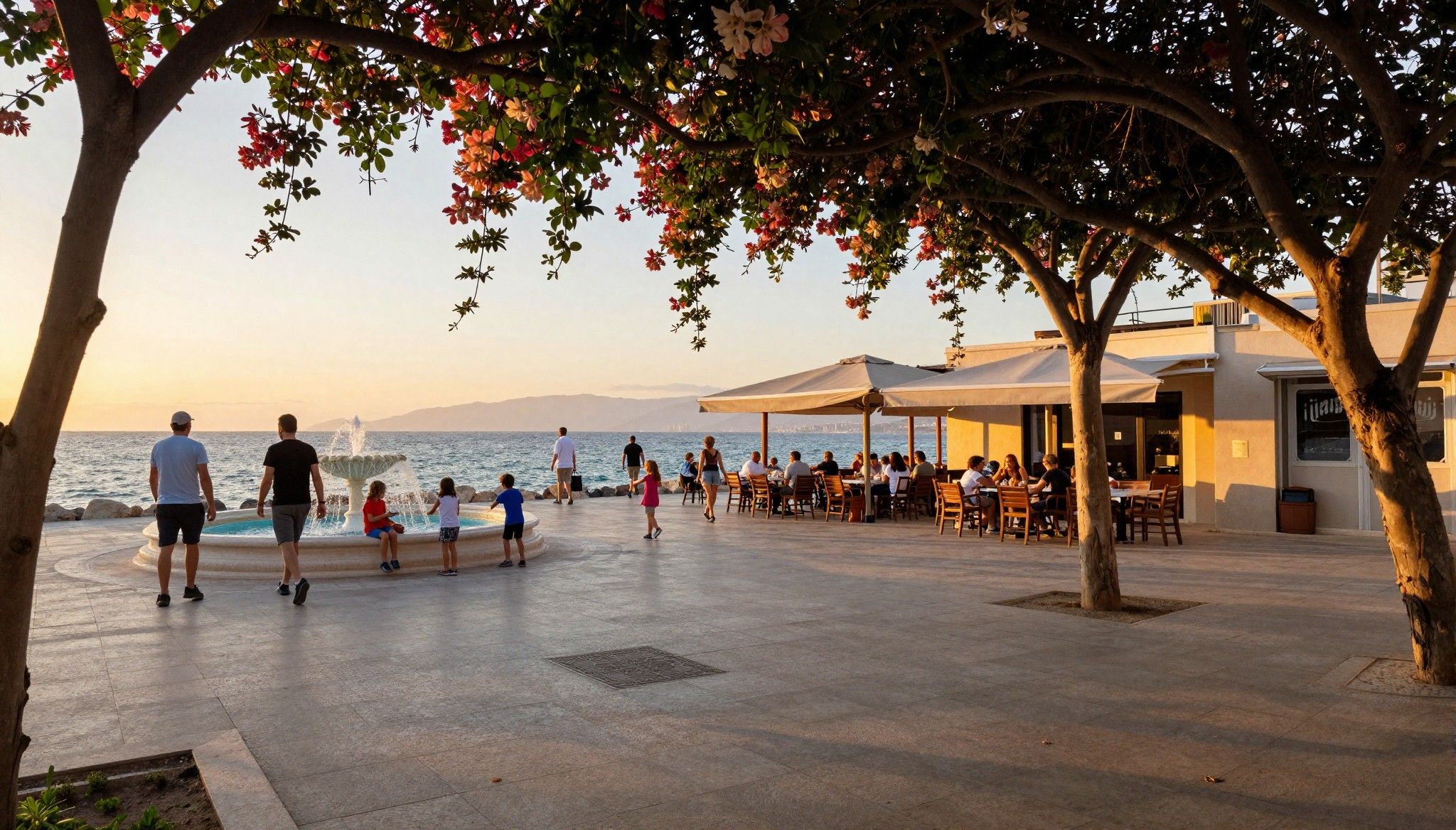
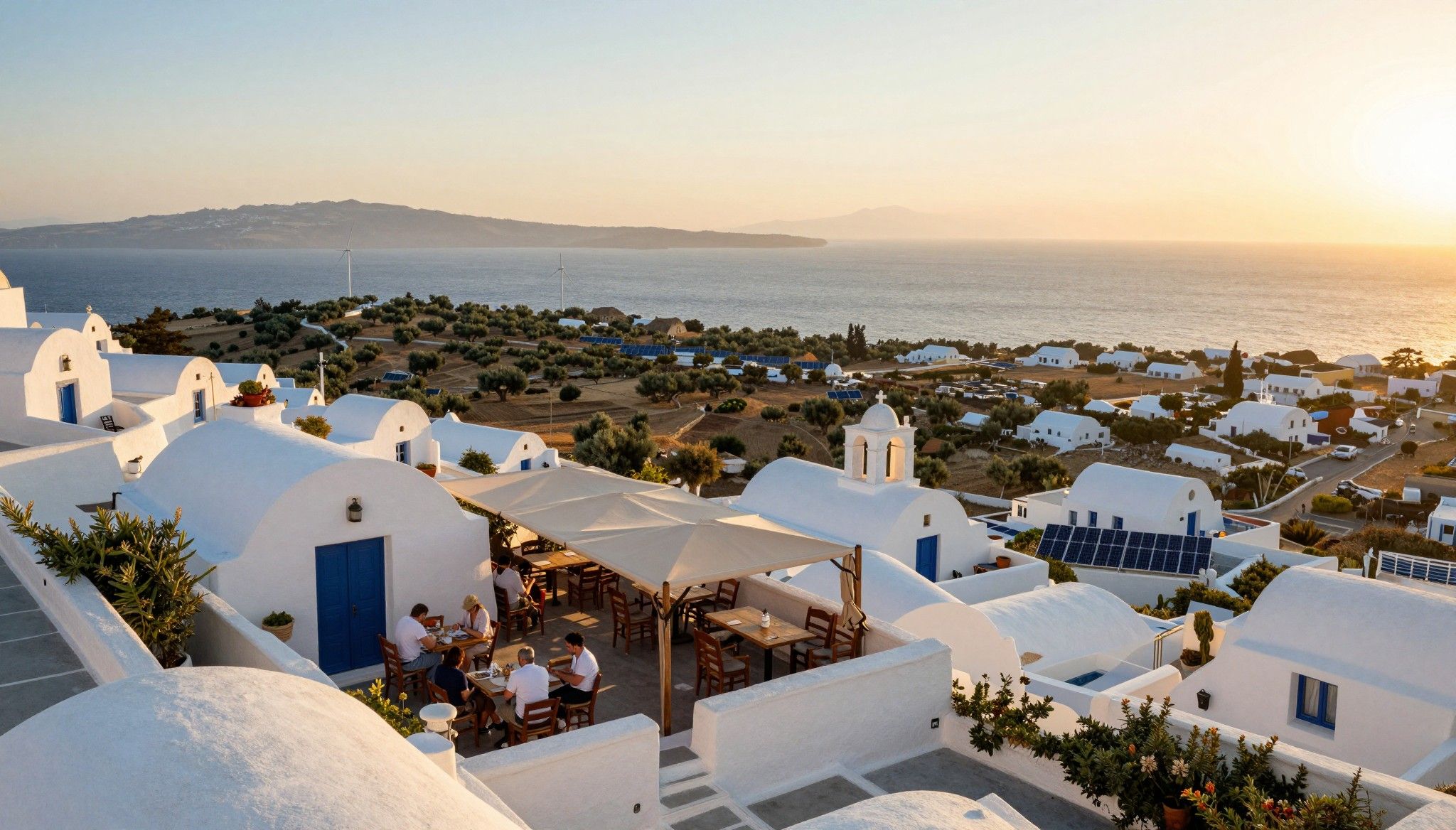
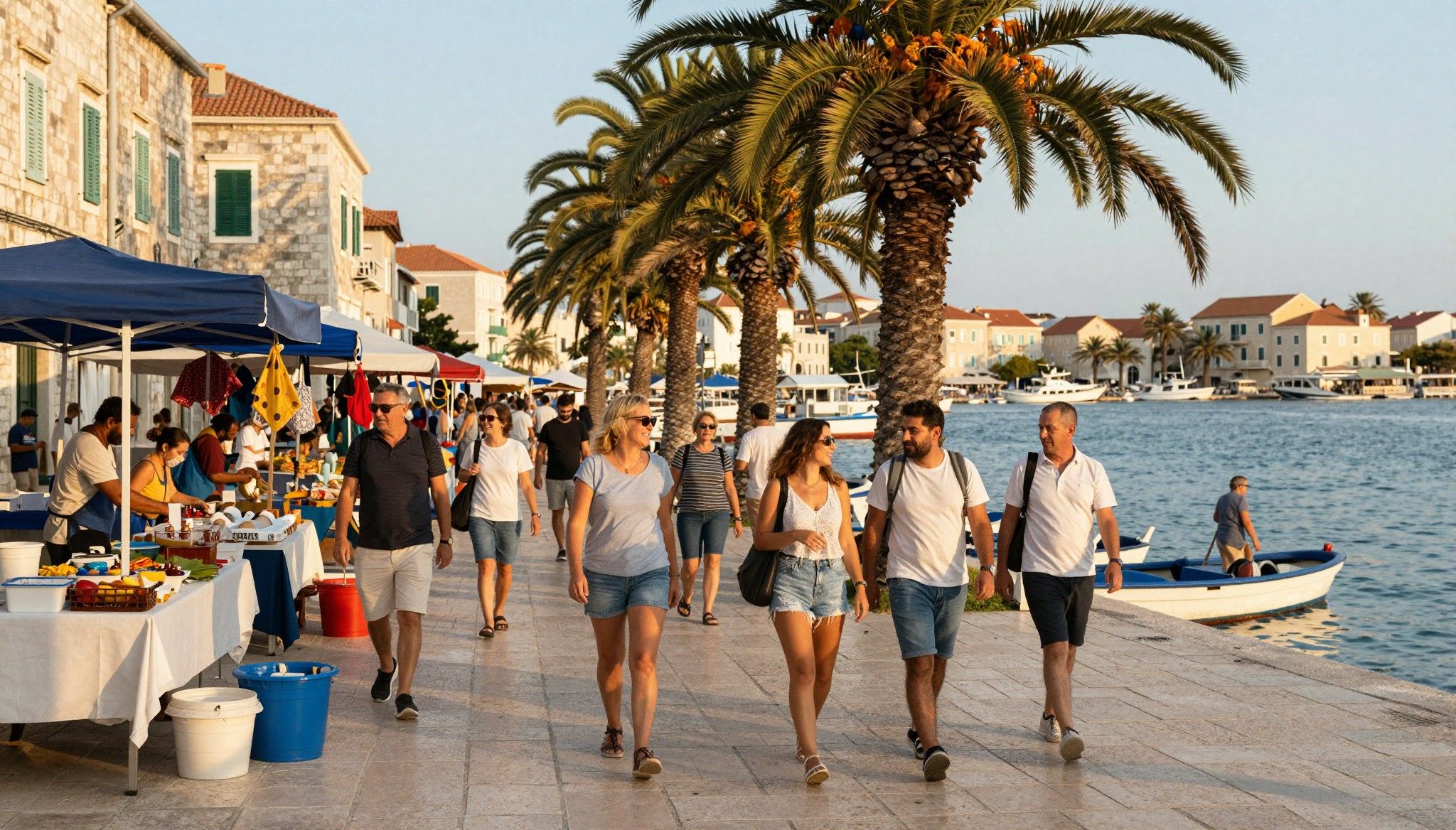
Imagine waking to the smell of espresso and wood smoke, wandering a market where sun-warmed tomatoes rest beside jars of local preserves, and returning to a stone terrace where olive trees slow time. Italy’s rhythms—market mornings, long lunches, afternoon passeggiata, and late-light dinners—shape not only how you live, but what a home needs: terraces for drying herbs, thick stone walls that store cool in summer, and small courtyards that become extensions of daily life. For international buyers drawn to ecology and craft, Italy is a place where house and landscape are inseparable.
Living the Italian Life: Daily Rhythms and Local Character
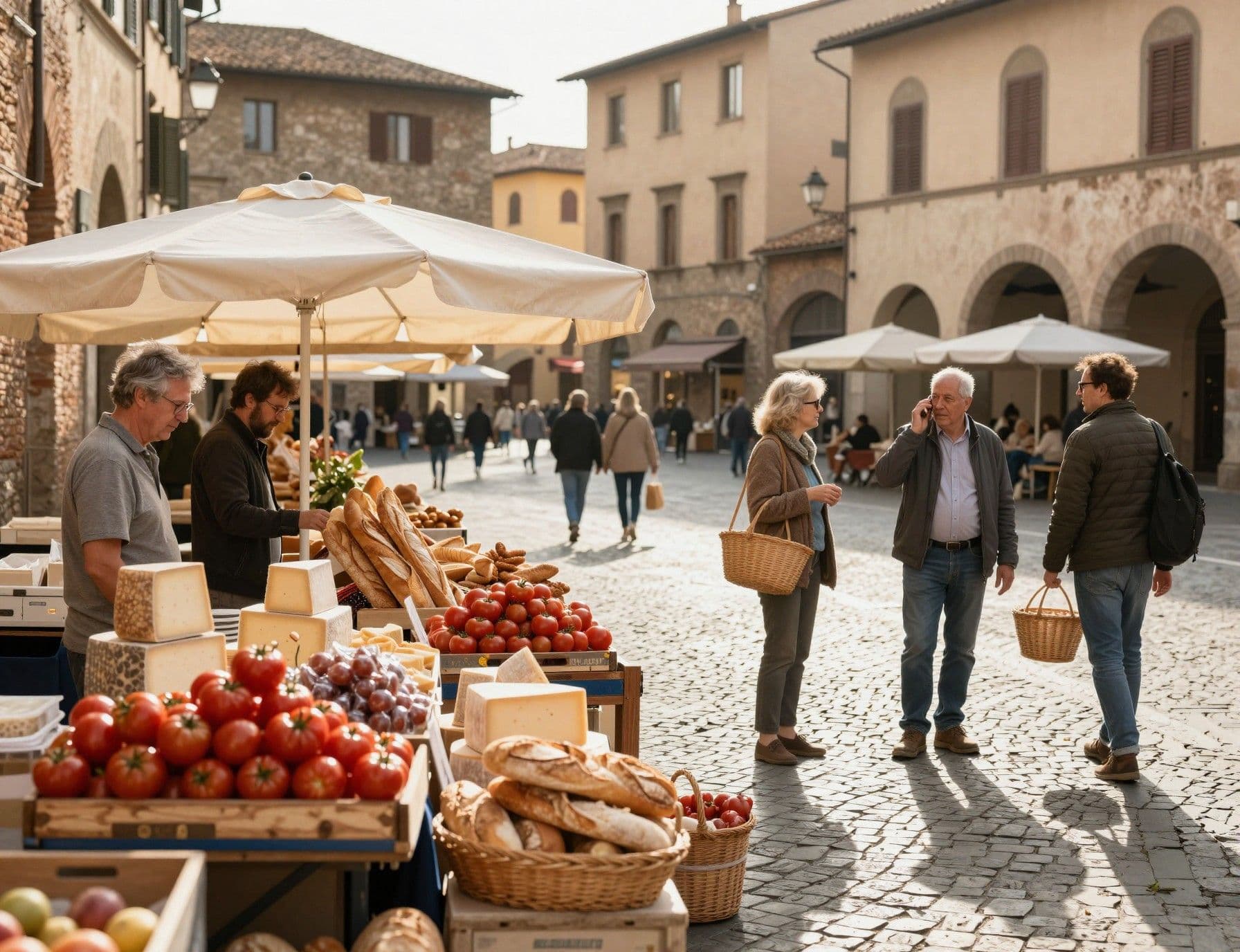
Start in a neighbourhood and you’ve already chosen a lifestyle. In Rome’s Trastevere or around Campo de' Fiori you’ll live between cafés and cobbled lanes; in Florence’s Oltrarno you’ll trade espresso for artisan workshops; on the Amalfi Coast your day begins with sea air and ends on a cliff-side terrace. These microplaces define routines—where you buy bread, how you greet neighbours, and whether your weekend includes a mountain hike or a boat ride—so match the street to the life you want.
Neighbourhood Spotlight: Oltrarno, Florence
Imagine sliding a bicycle past leather workshops on Via dei Serragli, buying morning ricotta at Mercato di Sant’Ambrogio, and stopping for a late-afternoon gelato by the Ponte Vecchio. Oltrarno still hums with makers—woodworkers, bookbinders, and ceramists—and this makes it ideal for buyers who want a home that feels lived-in and craft-forward. Properties here often pair original timber beams and terracotta floors with compact courtyards that invite herbs and potted citrus.
Food, Seasons and Outdoor Life
Italy’s seasons read like a culinary calendar: spring markets full of asparagus in Emilia, summer fish grills on Sicily’s beaches, autumn truffle fairs in Piedmont, and winter chestnut festivals in mountain villages. These cycles affect property use—a second home in the hills benefits from autumn’s festivals and spring wildflowers, while a coastal flat lives best through long summers and a compact, well-insulated winter plan.
- Markets, ateliers and rhythms worth knowing: • Mercato di Sant’Ambrogio (Florence) — artisan food stalls and daily life. • Piazza delle Erbe (Verona) — local produce and weekly ritual. • Amalfi’s Spiaggia Grande (Positano) — morning swims, ferry commutes. • Langhe countryside (Piedmont) — truffle walks and vineyard terraces.
Making the Move: Practical Choices That Support the Life You Want
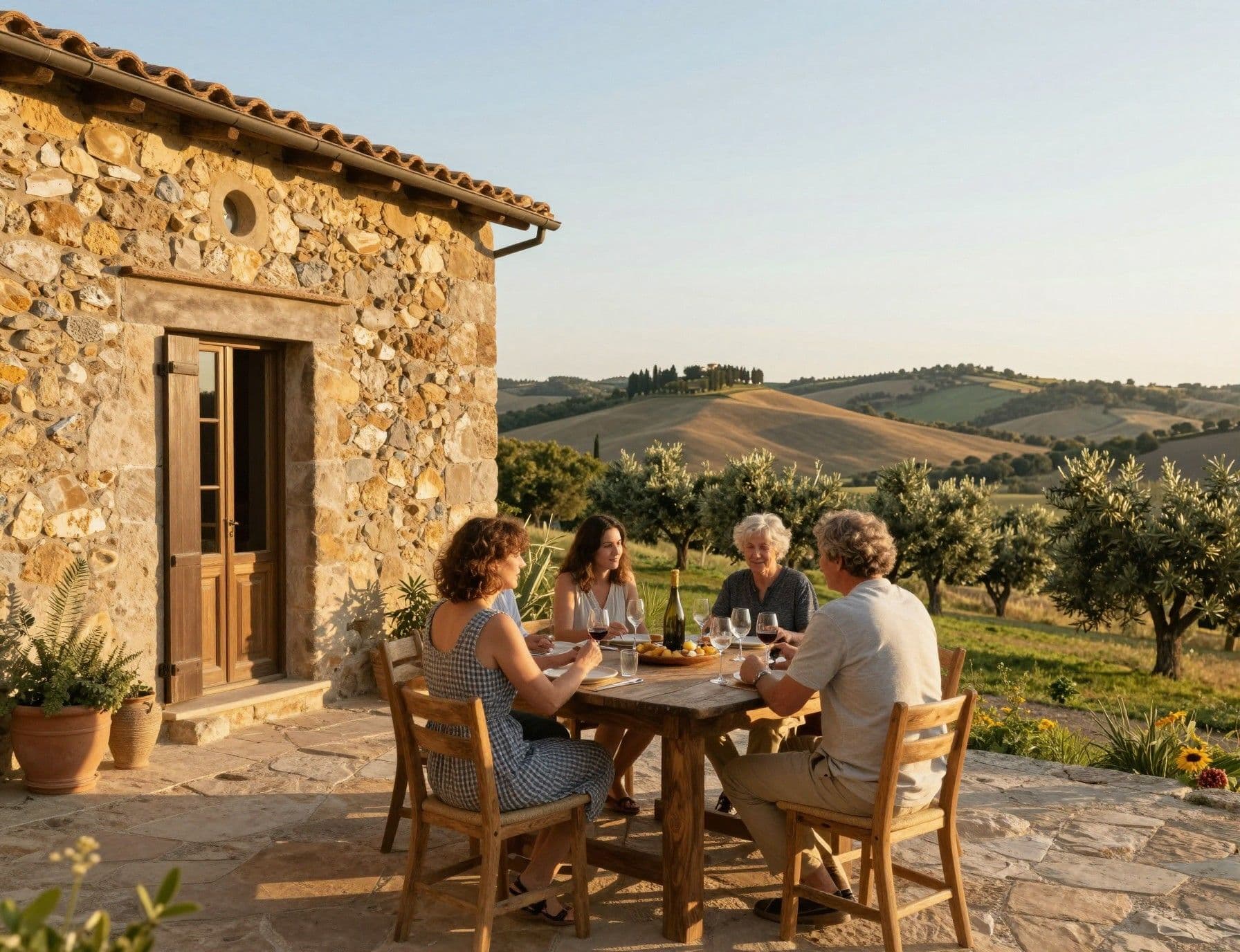
Dream and deal meet where details matter: local building typologies, energy performance, and seasonal comfort. Recent market signals show steady recovery and foreign interest in prime Italian locations, so expect competition in beauty spots and opportunity in secondary towns. Think beyond square metres—ask how a home breathes in summer, whether a roof can hold solar, and how local artisans can restore rather than replace original features.
Property Styles and How They Shape Daily Life
A restored stone farmhouse in Tuscany lends itself to gardening, food preservation and slow afternoons; a compact apartment in a historic centro is perfect for neighbourhood life and short walks; a modern coastal villa offers outdoor living but requires salt-weather materials and landscape stewardship. Choose the shell that supports the routines you love—kitchen size for entertaining, storage for market buys, and outdoor space sized for olive trees or potted citrus.
Working with Local Experts Who Know the Life You Want
- Steps to blend lifestyle and purchase: 1. Spend a week living in your target neighbourhood to test daily rhythms. 2. Hire an agent with local craft and ecological restoration contacts. 3. Request an energy audit and roof/stone condition report before offer. 4. Check municipal rules for terraces, vegetable gardens, or solar panels. 5. Budget for seasonal maintenance (olive pruning, pool winterising, damp proofing).
Insider Knowledge: What Expats Wish They’d Known Sooner
Real buyers say the surprises are less romantic and more practical: seasonal heating costs, noisy market weeks, or strict local renovation rules. National statistics point to modest growth and renewed buyer interest—especially from abroad—so homes that feel secluded can still be subject to seasonal influxes and festival crowds. Learn local calendars and regulations; a home that feels private in January can feel very public during festival season.
Cultural Integration and Daily Community
Language opens doors—shopkeepers, neighbourhood committees, and municipal offices run on Italian. But you’ll make friends by showing up to the market, joining a weekly sports group, or volunteering at a sagra (village festival). Many expats find that enrolling in a cooking class or a crafts workshop is the quickest path to feeling local and learning repair skills tied to traditional buildings.
Long-Term Stewardship: How Life and Property Evolve
Think of an Italian home as an ongoing collaboration with place: maintain terraces for biodiversity, restore stone with breathable mortars, and plan for changing climate patterns—coastal properties face salt and storm risk while river valleys may require flood-aware landscaping. Buyers who plan for stewardship keep maintenance budgets and nurture local relationships with craftsmen; that keeps both the house and neighbourhood alive.
- Quick red flags and smart moves: • No energy certificate (APE) available — insist on one before buying. • Roof or damp issues hidden by paint — request a professional inspection. • Unclear outdoor rights — verify terrace and garden permissions with the comune. • Festivals and seasonal rentals nearby — visit off-peak to test sound and privacy. • Local artisans on speed dial — they’ll be invaluable for traditional repairs.
By the time you’ve spent a week buying bread at the same bakery and learned the slow gestures of neighbours, Italy stops being a postcard and starts being home. Match the neighbourhood to how you want to live, prioritise restoration-friendly materials and energy performance, and choose local experts who value craft and ecology. Then, let everyday rituals—market mornings, evening passeggiata, and festival tables—make the house into a home.
Next steps: book a micro-stay in a shortlisted neighbourhood, request a detailed condition and energy report, and speak to agents who can introduce you to local makers. If stewardship and seasonal life matter to you, let those priorities lead the search—Italy rewards patience, curiosity, and a willingness to learn the language of place.
Swedish advisor who left Stockholm for the Costa Brava in 2019. Specializes in sustainable, sea‑view homes for Scandinavian buyers and green finance insights.