Why Limassol’s Old Port Is an Underrated Buy (Due Diligence Musts)
Fall for Cyprus’s lived-in neighborhoods, then protect your dream with local due diligence: title checks, deposited contracts, permit reviews, and sustainability audits.
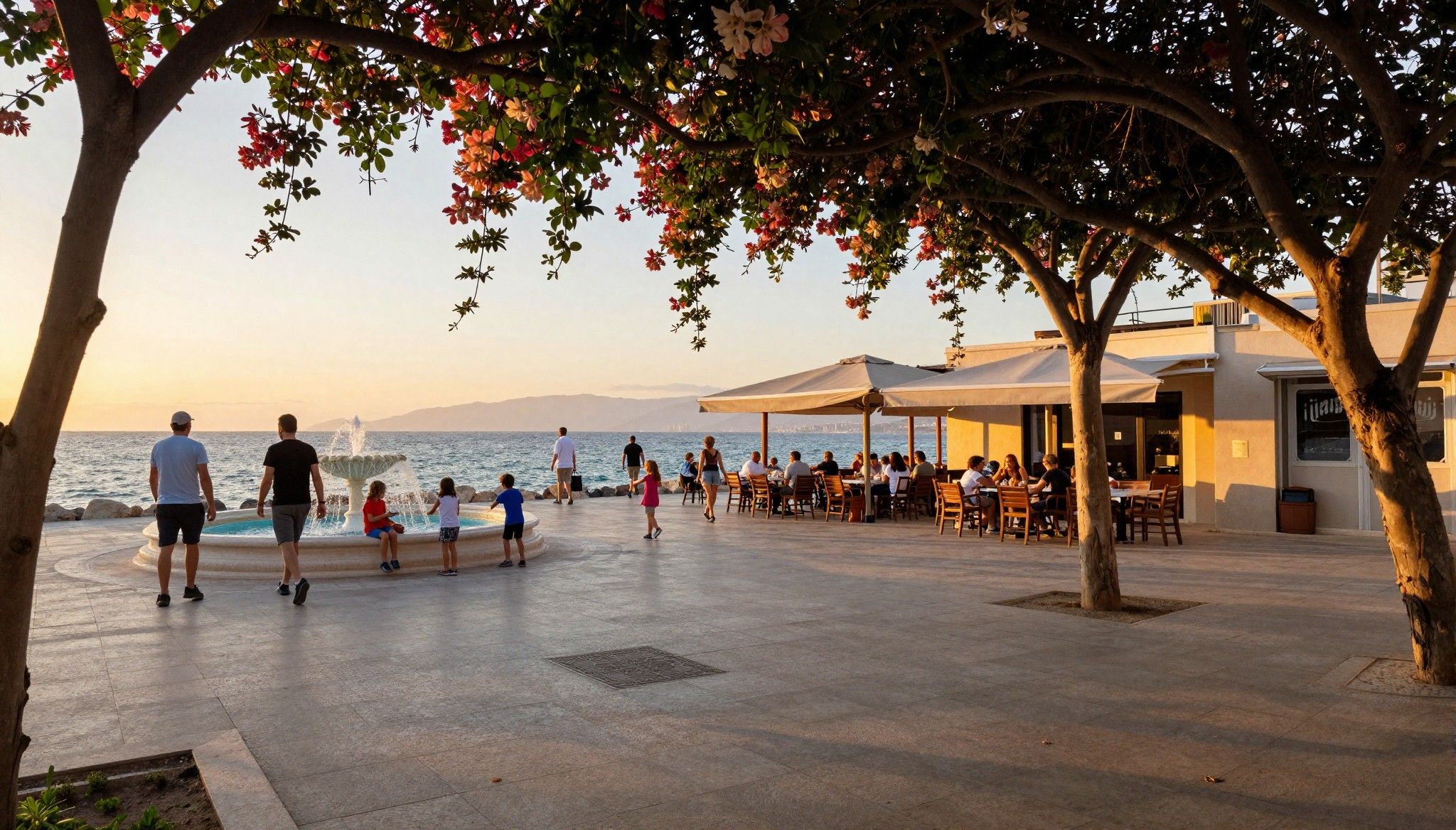
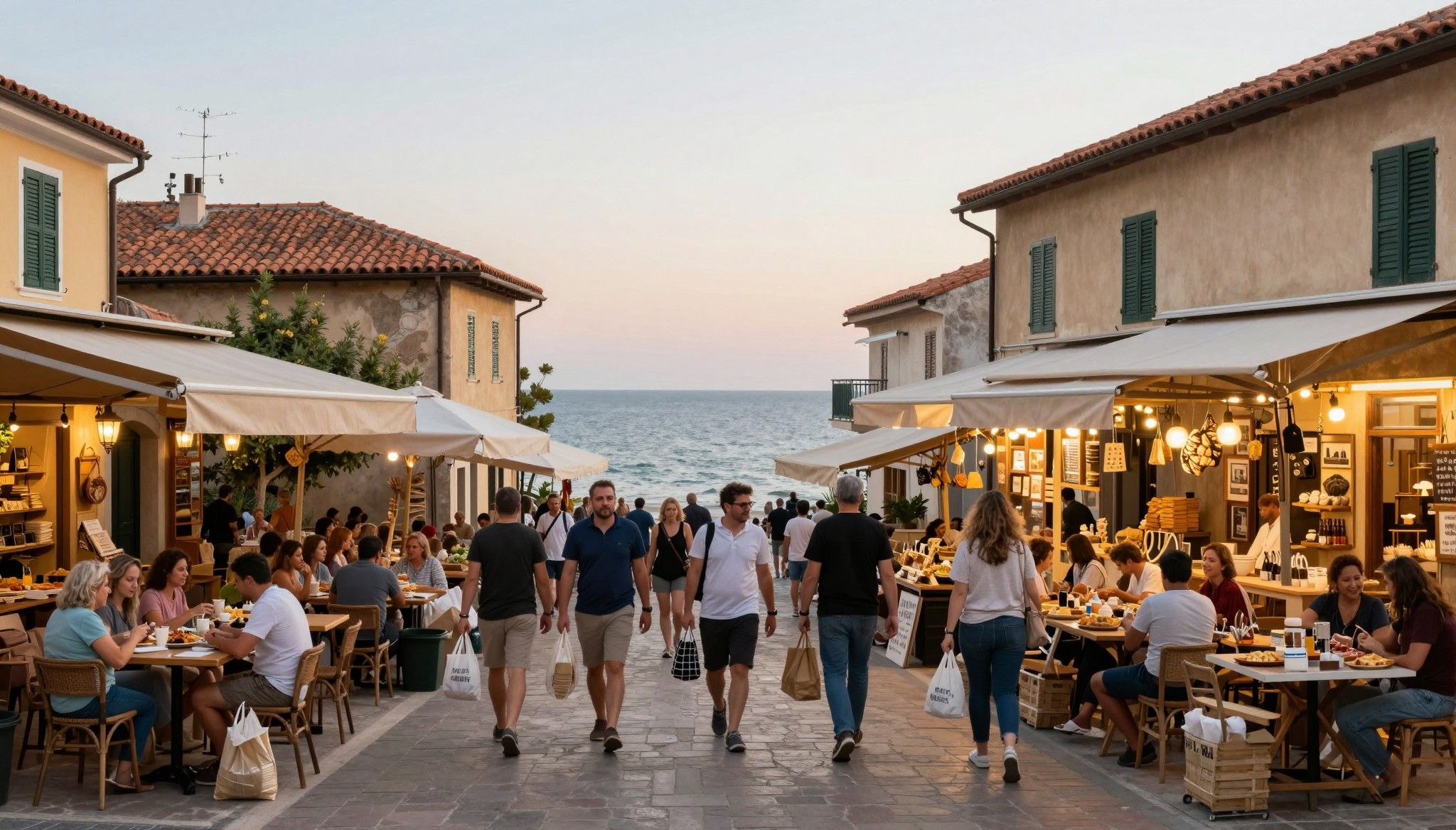
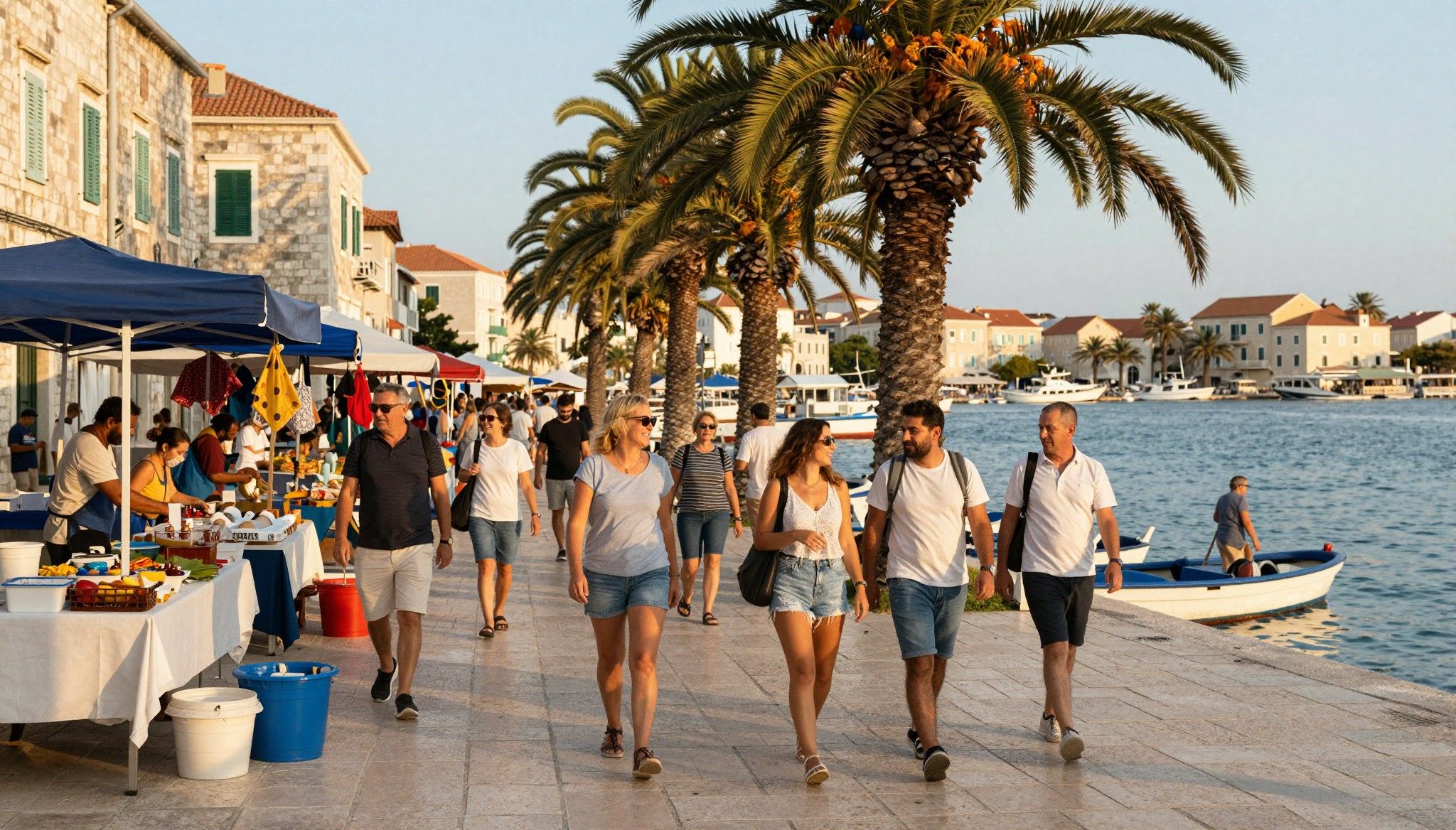
Imagine an afternoon in Limassol’s Old Port: fishermen mending nets under a fig tree, a barista pulling espresso next to a restored stone warehouse, and children chasing startled pigeons across a shaded piazza. That easy, lived-in rhythm is Cyprus: heat-softened stone, an honest Mediterranean bustle, and seasons counted by citrus harvests and festival bells. For international buyers who want more than a holiday home—those seeking a life woven into place—the island offers a rare mix: year-round light, neighborhood rituals, and a property market that still hides wise opportunities for the careful buyer. But falling in love with a view is the easy part; the due diligence that protects that life requires local knowledge, paperwork patience, and an eye for sustainability that keeps the sea and soil healthy for decades.
Living Cyprus: rhythms, neighborhoods, and daily pleasures
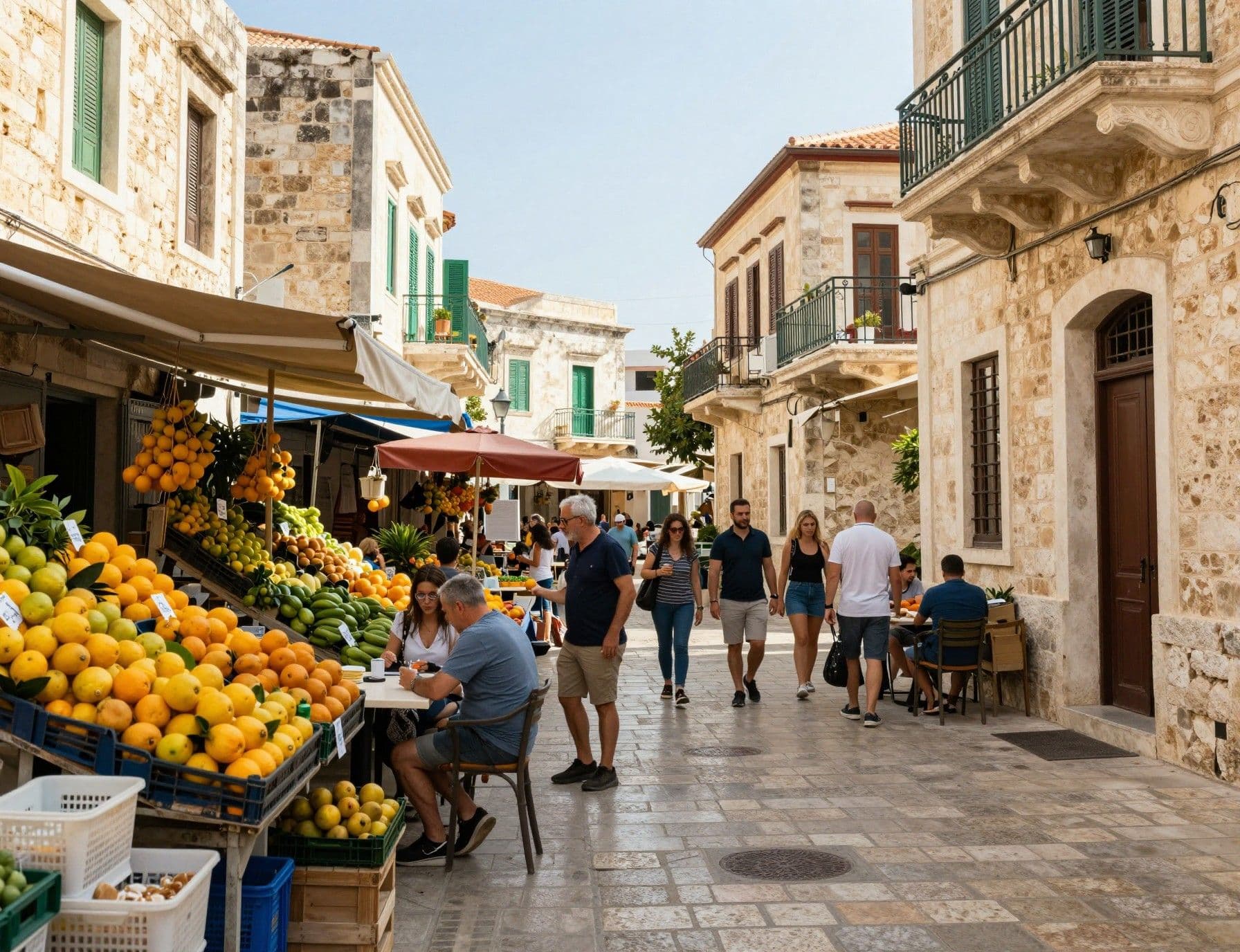
Life in Cyprus is tactile: mornings at the municipal market in Nicosia or the fish stalls near Larnaca, afternoons spent on a pebbled cove in Paphos, evenings beneath jasmine-scented verandas. Each district carries its own tempo—Limassol’s cosmopolitan pulse, Paphos’s archaeological hush, the Troodos foothills’ slower, cooler afternoon. For buyers, that tempo shapes choices: proximity to cafés and ferrying markets suits those who want constant neighborhood life, while a villa above Polis offers room for a permaculture garden and quiet seasonal living. Practical note: where you feel at home will determine regulatory steps—urban apartments often have clearer title deeds; rural holdings may require extra cadastral checks and local permits.
Limassol Old Port and the lesser-seen pockets
The Old Port area—stone facades, low-slung bars, and narrow lanes—has long been overlooked by headline-hungry investors who chase sea‑view towers. That silence is a gift for buyers who prize neighbourhood character: small apartments above bakeries, restored vernacular houses with shared courtyards, and short walks to community markets. From a due diligence angle, these properties are often older and require careful checks on title deeds, deposited contracts at the Department of Lands and Surveys, and verification of permitted uses if the ground floor once housed fishermen’s workshops.
Food, festivals, and seasonality—how life shapes property choice
Cyprus’s calendar is edible and social: citrus season changes the grocery smells in January, summer festivals bring late-night tavernas to life, and autumn olive presses shape village rhythms. These cycles matter for living—and for value. Apartments in lively districts can command premiums during festival months, while rural homes with garden space yield lifestyle benefits that rarely show up in headline price indexes, even as national indices rose through 2025. When you weigh offers, think about how the season you visit will skew your impressions of noise, occupancy, and local market liquidity.
- Morning espresso at To Kafe tis Plateias (Limassol Old Port) — short walks to bakeries and the sea
- Sunday market mornings in Nicosia — layer up if you love ritual and local produce
- Plakias Beach for sunset swims and sea‑facing terraces in Paphos district
- Troodos foothills for stone houses, cool summers, and garden space for olives and figs
Making the move: practical due diligence without losing the romance
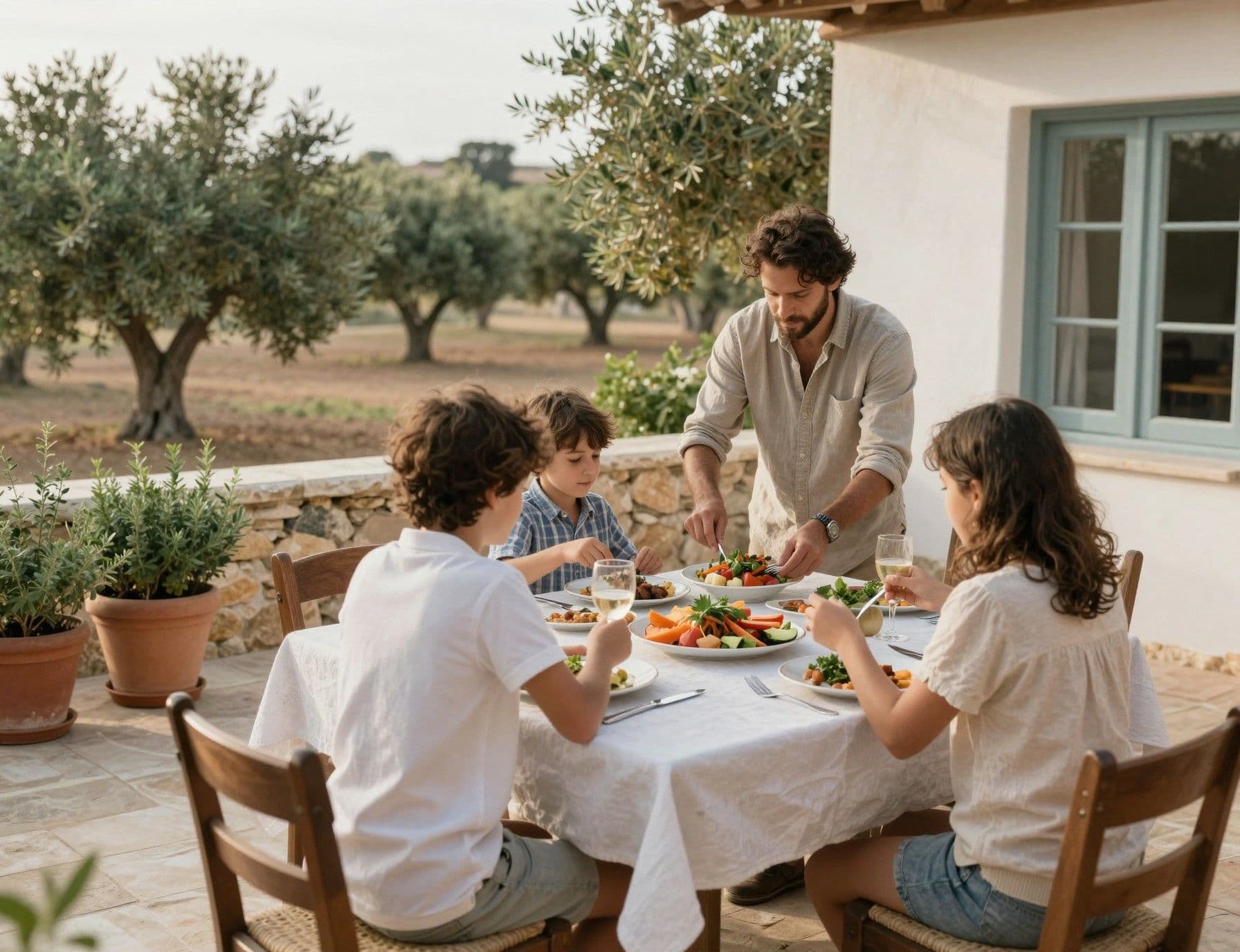
There’s a rhythm to good due diligence: fall in love, then systematically verify. In Cyprus that means confirming title deeds, ensuring the sale contract is deposited at the Department of Lands and Surveys, and checking any planning permissions or building additions against municipal records. For older homes in historic cores, investigate whether recent renovations had retrospective permits; for coastal developments, confirm shoreline setbacks and environmental impact clearances. This is where local experts—surveyors, lawyers, and architects who understand Cypriot building customs—save you months of headaches.
Property types and the sustainability trade-offs
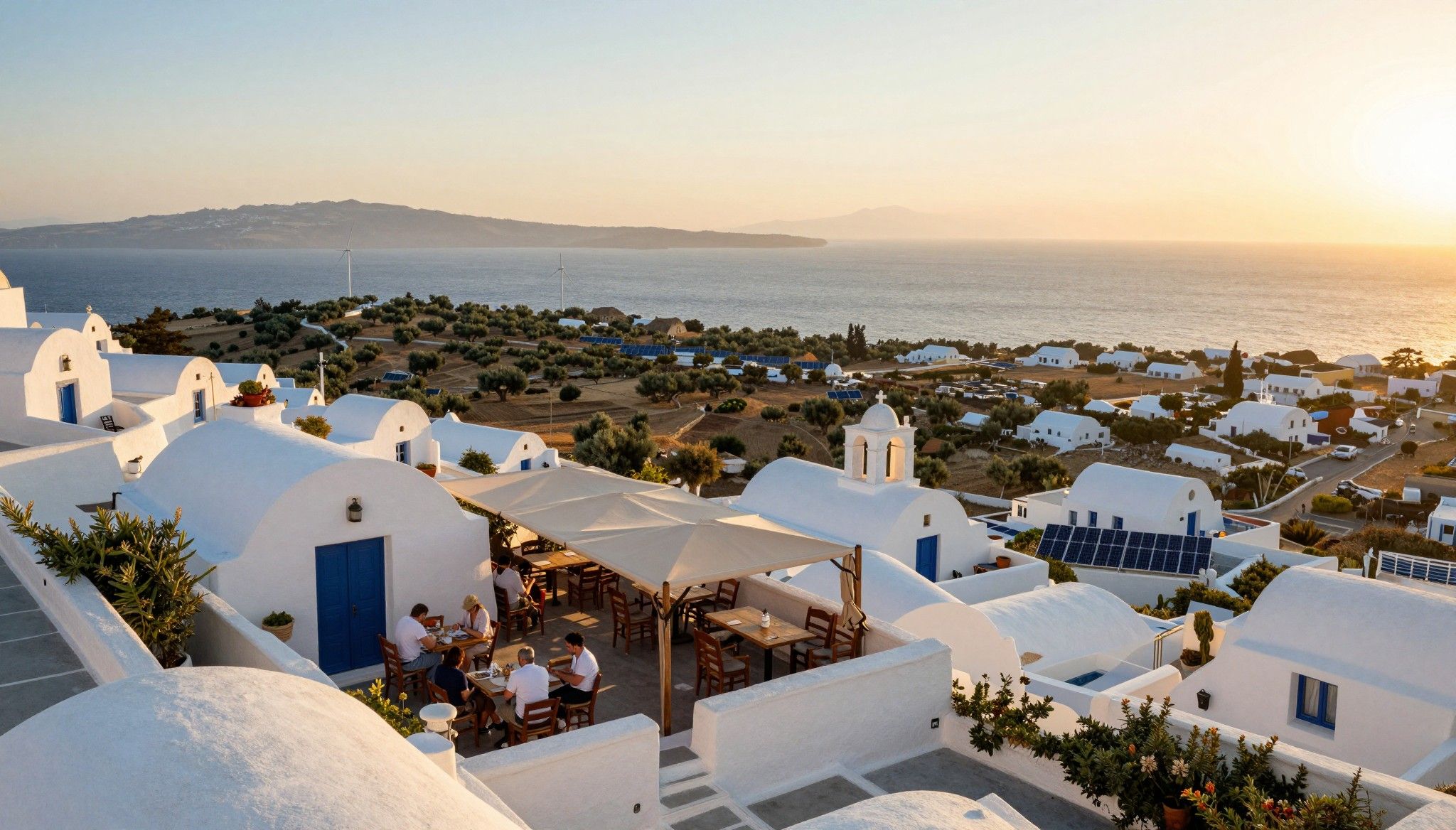
Choosing between a restored stone house, a modern seafront apartment, or a new-build eco villa is as much about lifestyle as it is about permits. Traditional stone houses may need retrofitting for insulation and water efficiency; new builds often offer solar-ready roofs and rainwater harvesting but may sit in developments with restrictive management rules. If energy independence or a vegetable garden matters, prioritise properties with permitted outdoor space and confirm whether your plans for PV panels, water tanks, or composting are allowed under local municipal bylaws.
Working with local experts who defend the lifestyle you want
An agent who knows festivals, market days, and the best local carpenters is not a luxo add-on; they’re your translator into place. Seek lawyers experienced with Cypriot land law, a chartered surveyor familiar with the island’s seismic and coastal regulations, and an architect who understands vernacular restoration. Ask agencies for examples of past deals where they resolved a missing title deed, regularised an extension, or secured permits for sustainable upgrades—these win stories show practical skill, not marketing gloss.
- Reserve the property with a written reservation fee and a clear timeline (typically 2–6 weeks).
- Deposit and contract: ensure the contract is lodged with the Department of Lands to protect your deposit and begin transfer processes.
- Technical checks: hire a surveyor to inspect structure, damp, and permitted extensions, and an architect for retrofit feasibility if you plan sustainability upgrades.
- Regulatory clearance: confirm municipal permits, coastal setback compliance, and, for non‑EU buyers, obtain the necessary purchase permission from District Administration.
Insider knowledge: red flags, local customs, and long-term stewardship
Expats often tell the same tale: they paid a premium for a summer-perfect view only to discover winter winds, closed cafés, and higher maintenance costs. Look beyond the postcard: check orientation for summer shade and winter sun; confirm insulation and glazing for energy comfort; and ask neighbors how the neighbourhood changes off-season. Watch for three red flags—missing deposited contract; unclear ownership history; and recent, large-scale unauthorised extensions—and treat any one of them as a signal to slow down.
Cultural notes: language, hospitality, and community pace
Cyprus is hospitable and direct. English is widely spoken in business and daily life, especially in Limassol and Paphos, but learning a few Greek phrases opens doors. Expect a blend of formal paperwork and informal neighborly help; builders and tradespeople often work through personal recommendation. Embrace the island’s relaxed pace, but be prepared for bureaucracy that moves only when every stamped form is in place—your local team will make that machinery run smoothly.
Long-term stewardship: how to buy in a way that keeps the place lovely
Think of your purchase as a commitment to place. Prioritise properties that lend themselves to low-impact living—good solar aspect, existing mature trees, stone or timber materials you can repair rather than replace. When planning upgrades, choose local materials and craftspersons; these interventions cost less to maintain and sustain the island’s character. If preservation and biodiversity matter to you, ask sellers about previous pesticide use, soil health, and native planting to avoid unintended ecological debt.
- Key due diligence checklist: title deed verification, deposited sale contract, municipal permits, survey report, coastal setback and environmental checks.
- Sustainability checks: roof orientation for PV, water harvesting feasibility, insulation state, and native garden potential.
- Community checks: visit off-season, speak to neighbors, and research noise or rental-season volatility.
Buying in Cyprus can feel like stepping into a layered, sunlit story. Do the sensory work—visit markets, sit at the port, taste the halloumi warmed on a griddle—and then pair that feeling with meticulous, locally centred due diligence. Bring a small team: a pragmatic lawyer, a curious architect, a diligent surveyor, and an agent who loves the place as much as you do. When you buy this way, you’re not just purchasing a property—you’re safeguarding a way of life that rewards patience, stewardship, and an appetite for neighborly rituals.
Next steps: short, practical actions to start (1) request a property title check from the Department of Lands; (2) commission a pre-purchase survey; (3) ask your lawyer to confirm whether permissions are required for your planned sustainable upgrades.
If you’d like, we can introduce you to vetted Cypriot specialists who prioritise low-impact retrofits and neighbourhood stewardship. Start with a single question—what life do you want here—and let due diligence translate that life into a safeguarded property plan.
Dutch property strategist who helped 200+ families find sustainable homes in southern Europe; expert in legal pathways and long-term stewardship.