Seasonal Stewardship: Life Before Prices in Italy
Italy’s lifestyle is seasonal, local and repairable—match region and property to lived rhythms, then use local data and stewardship-minded agents to buy well.
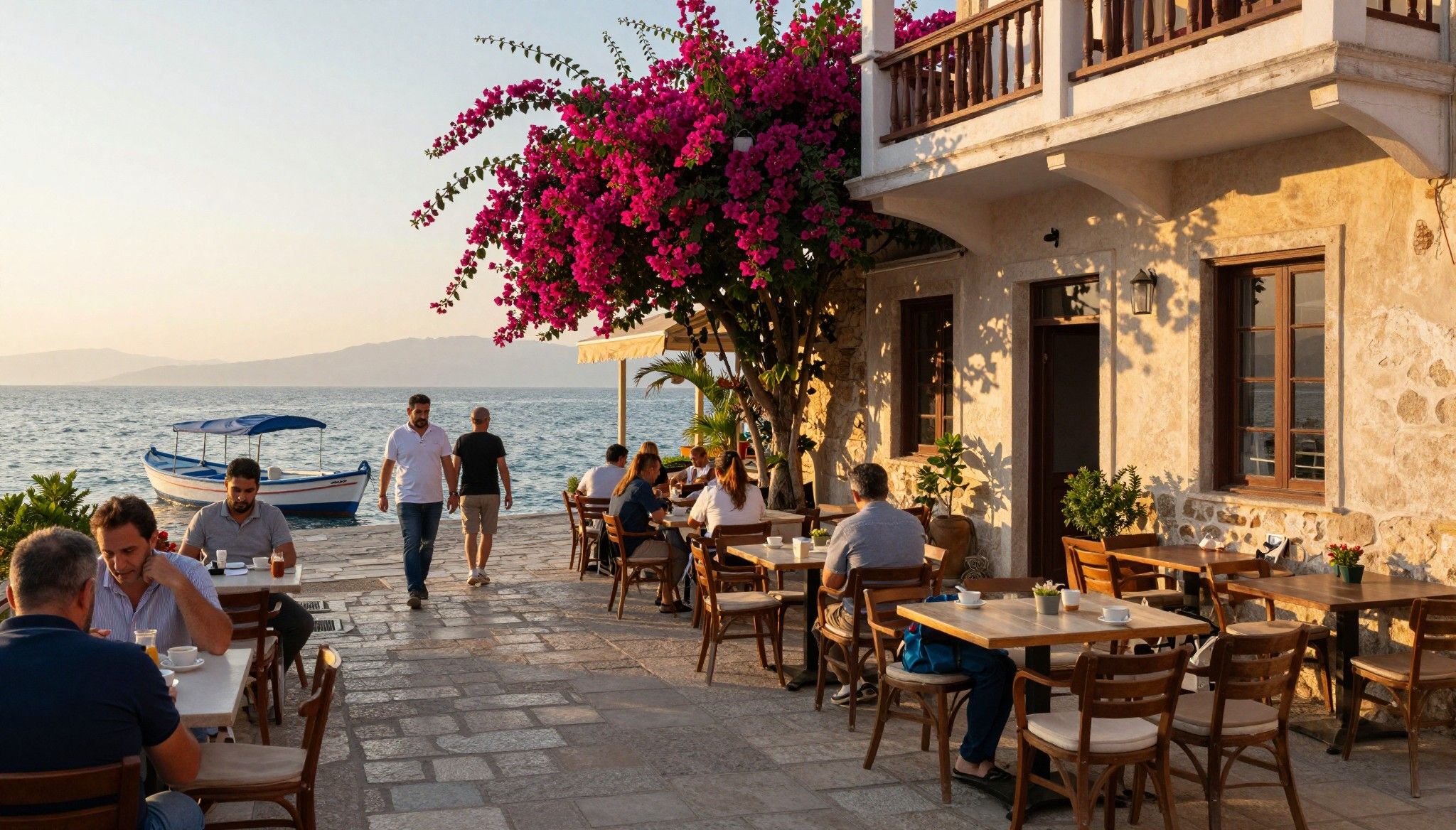
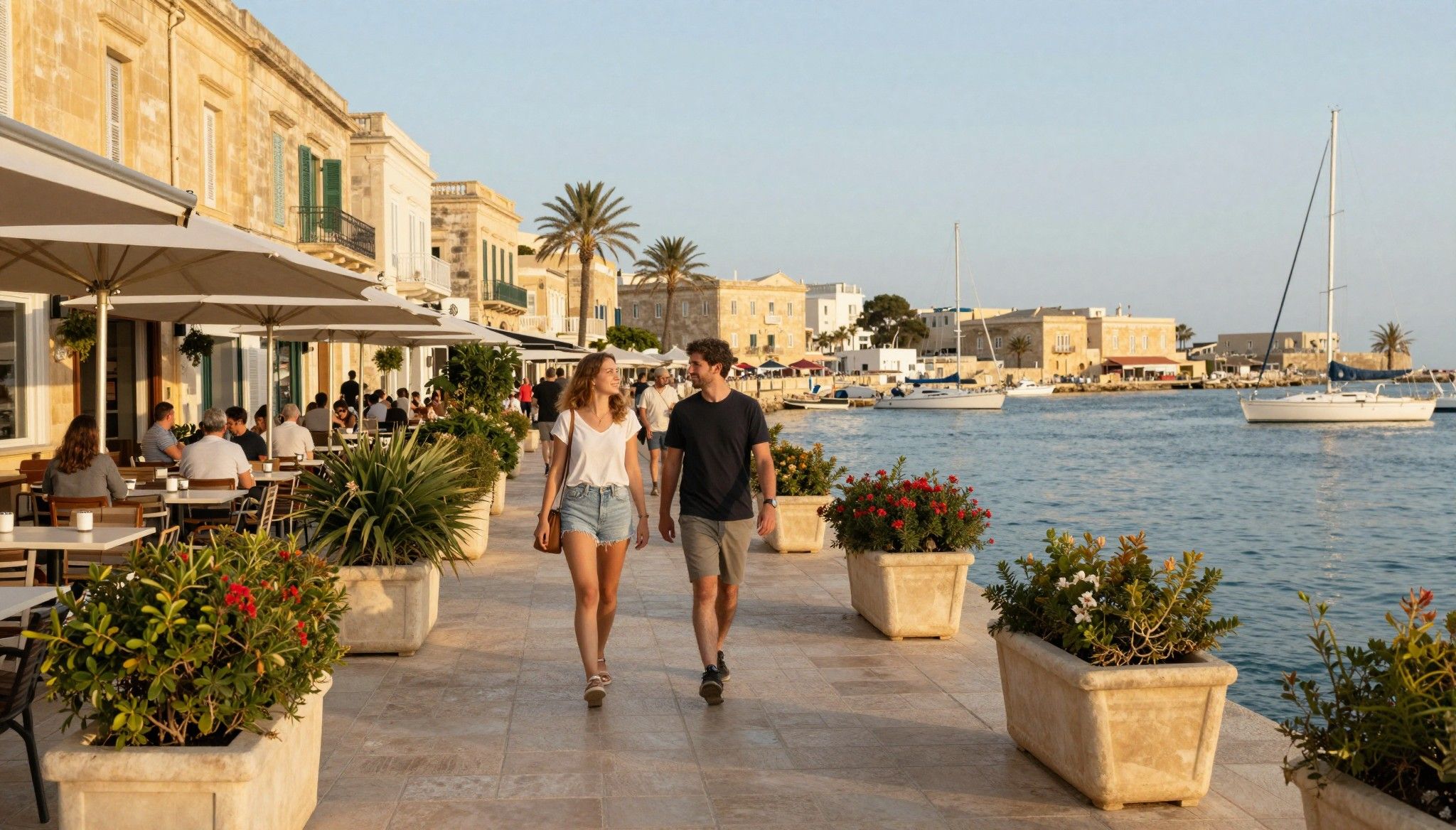
Imagine waking to a balcony of wisteria and espresso steam, then cycling to a produce market where the vendor knows your name. Italy’s days are shaped by light, smell and ritual—streets where children chase scooters, trattorie that open the moment the day cools, and hilltop piazzas that collect conversation like rain. For international buyers who care about living lightly on the land, Italy is both a promise and a set of choices: region, season and home type will define the rhythm of your life here.
Living the Italy Lifestyle
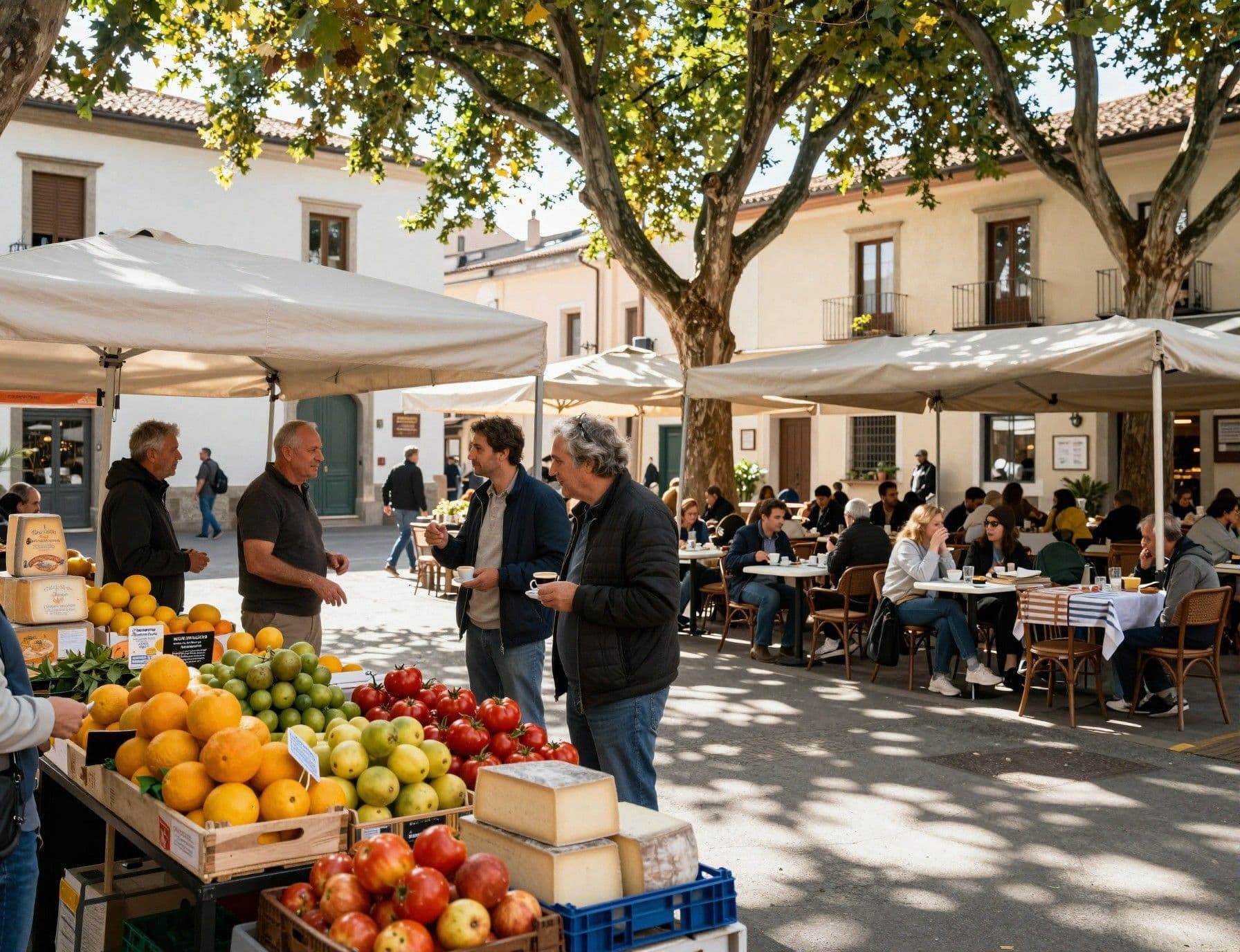
Italy is not a single lifestyle: it's a patchwork of micro-worlds. Morning markets in Bologna differ from salt-sweet mornings on the Amalfi Coast; winters in Trentino are for skiing and wood fires, while spring in Puglia is for harvesting citrus and restoring masseria walls. These daily textures explain why many buyers choose region first and budget second — and why modest data shifts in national indices don’t always reflect local living quality. National statistics show gentle price growth, but lived experience is local, seasonal and sensory.
Florence alleys, Tuscan hills and the quiet of Oltrarno
Walk Oltrarno at dusk: artisans file leather, a neighborhood osteria folds fresh pappardelle, and neighbors repair bicycles on the curb. Florence’s smaller streets reward curiosity. For buyers seeking craft culture and easy access to museums, an apartment near Santo Spirito or San Frediano feels lived-in, walkable and repairable—perfect for someone who wants to be part of the neighborhood, not above it.
Amalfi Coast terraces and the illusion of permanent holiday
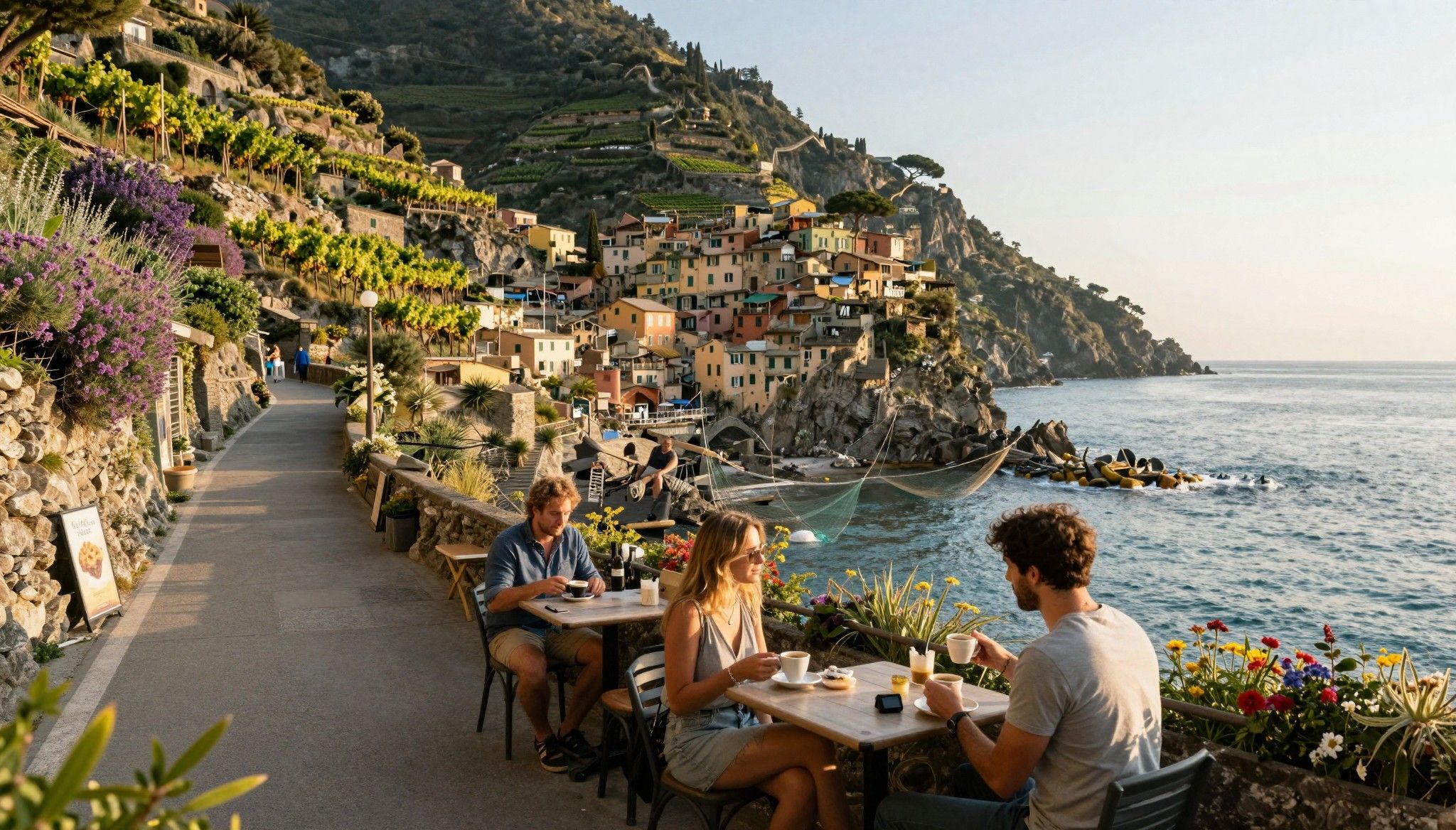
Coastal cliff houses promise sea-glass mornings and lemon-scented evenings, but the Amalfi lifestyle comes with seasonality: narrow roads, tourist peaks and a different communal pace in winter. If your dream is full-time coastal life, look for towns with year-round services—Maiori and Minori—or inland villages that trade views for quieter winters.
- Florence: Oltrarno cafes, leather workshops, artisan markets
- Amalfi Coast (Maiori/Minori): terraced gardens, lemon groves, winter calm
- Puglia (Ostuni, Monopoli): whitewashed stone houses, farm-to-table markets, masseria restorations
Making the Move: Practical Considerations
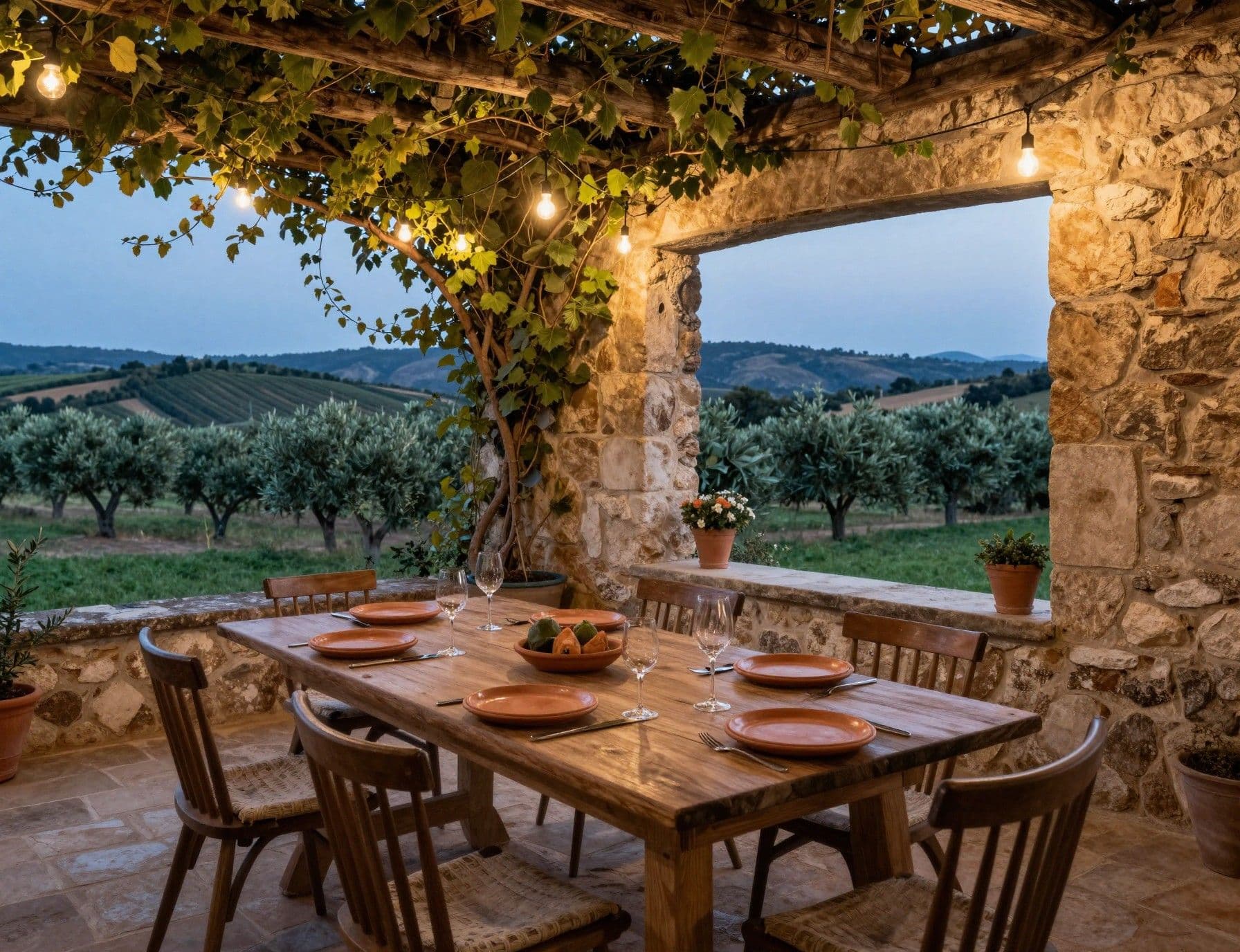
Romance meets paperwork here. Start by matching lifestyle to property type: do you want a stone farmhouse that needs restoration (and will absorb your weekends), or a renovated palazzo apartment with modern systems and less hands-on upkeep? National market reports point to modest price growth and varied regional performance; use this data to temper expectations, but always verify local comparables and time-on-market with an agent who lives where you want to buy.
Property styles and how they shape life
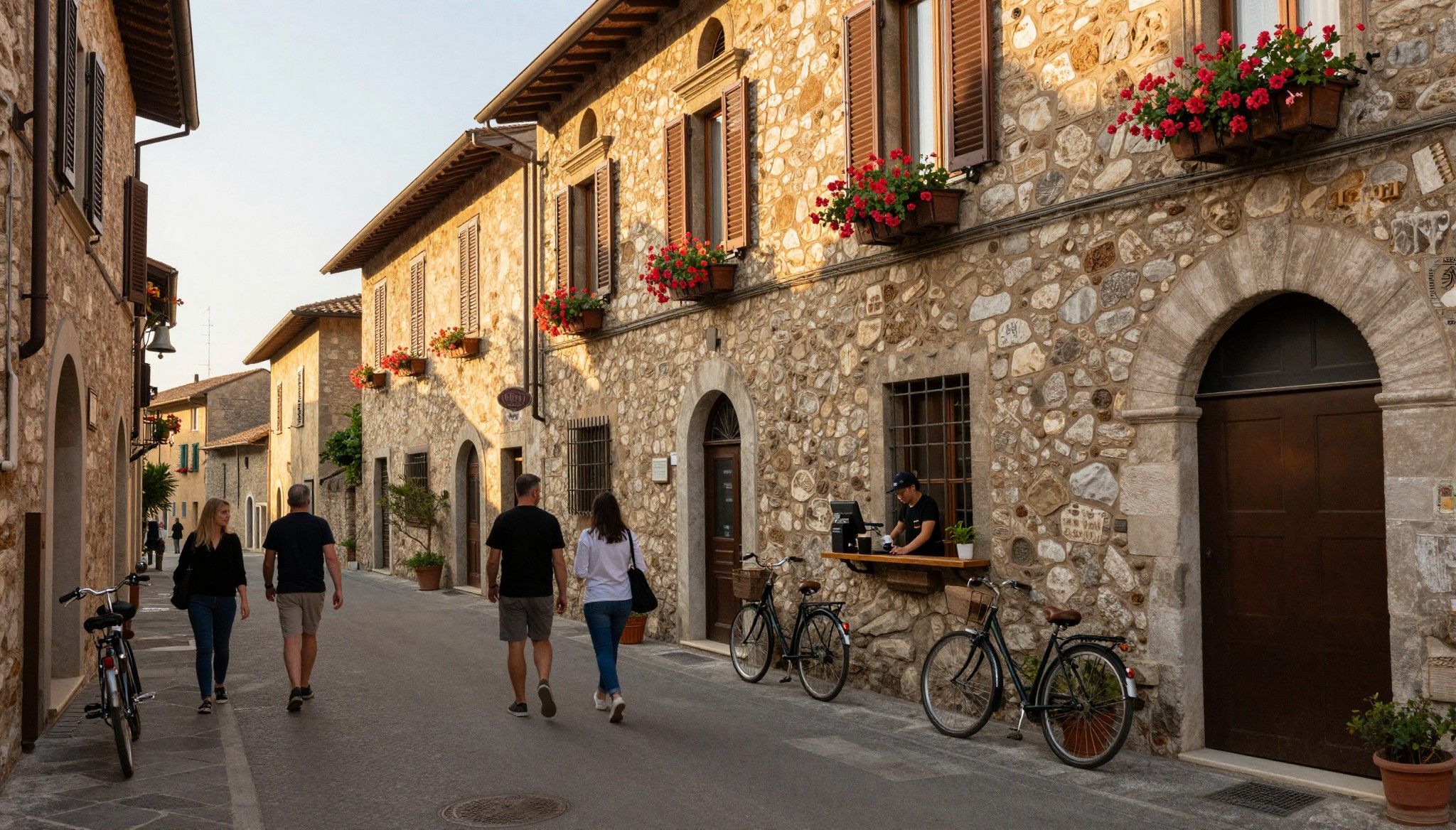
A renovated stone casa in Umbria gives you winter warmth and thick walls that hold scent; a Ligurian apartment may offer sea air and small balconies but limited storage. When sustainability matters, prioritise passive features—thick masonry, north-south orientation, native landscaping—and practical upgrades like solar-ready roofs and rainwater collection that lower living costs and deepen connection to place.
Working with local experts who know the life you want
Look for agencies steeped in local craft and ecology—those who can introduce you to mastri muratori (master builders), organic farmers and neighborhood councils. An agent who knows where seasonal markets gather and which craftsmen can repair a stone wall will save you months of guesswork and keep the purchase aligned with the life you imagine.
- Visit in the off-season, spend a week living like a local, inspect energy basics (insulation, heating, water), confirm access to services year-round, ask for references from neighbours, and hire a bilingual surveyor who can translate both language and local building culture.
Insider Knowledge: What Expats Wish They'd Known
From dozens of expat conversations, a few truths repeat: language unlocks community; service rhythms (shops closed Sunday afternoon) demand a slower planning style; and the most charming properties are often those that require stewardship. Many wish they'd understood how quickly a village social rhythm becomes home once you learn the small rituals—market day, local festa, the barista who remembers your order.
Culture, language and daily integration
Learning some Italian will transform your experience: shopkeepers, neighbours and tradespeople respond to effort as much as fluency. Join local classes—olives or ceramics, cookery or chestnut-gathering—to meet people and learn seasonal knowledge that affects property use (when to prune vines, how to winter-proof shutters).
Long-term lifestyle and stewardship choices
Think in seasons and decades. If you plan to age in place, prioritise single-level layouts, southern light and local healthcare access. If your intent is stewardship, choose properties with traditional materials—stone, chestnut beams—so repairs can be local and regenerative. Recent market reports show rising prices in many regions; stewardship-minded buyers can protect value by investing in durable, climate-appropriate upgrades.
- Prioritise: (1) orientation and passive heating, (2) local materials and repairable walls, (3) water management (cisterns, terraces), (4) connection to a local trades network, (5) proximity to seasonal markets and services.
When the truffle dogs descend in autumn or village festas repaint the square, you'll understand why people buy for life rather than for spreadsheet returns. Yet practical steps—local inspections, season-long visits, and agencies who connect you to craftsmen—turn longing into a sustainable, place-rooted home.
Conclusion: Let lifestyle lead the checklist. Choose region for the life you want, choose property for the practical form that life needs, and choose local expertise that honors craft and ecology. When you buy this way, your Italian home becomes more than an asset—it becomes a lived stewardship, rich in texture, community and seasonal rhythms.
Dutch property strategist who helped 200+ families find sustainable homes in southern Europe; expert in legal pathways and long-term stewardship.