Close with Care: Stewardship‑First Closings in Cyprus
Fall for Cyprus’s light and rhythms—then close with stewardship: combine seasonal viewings, local legal checks and sustainability upgrades to protect value and place.
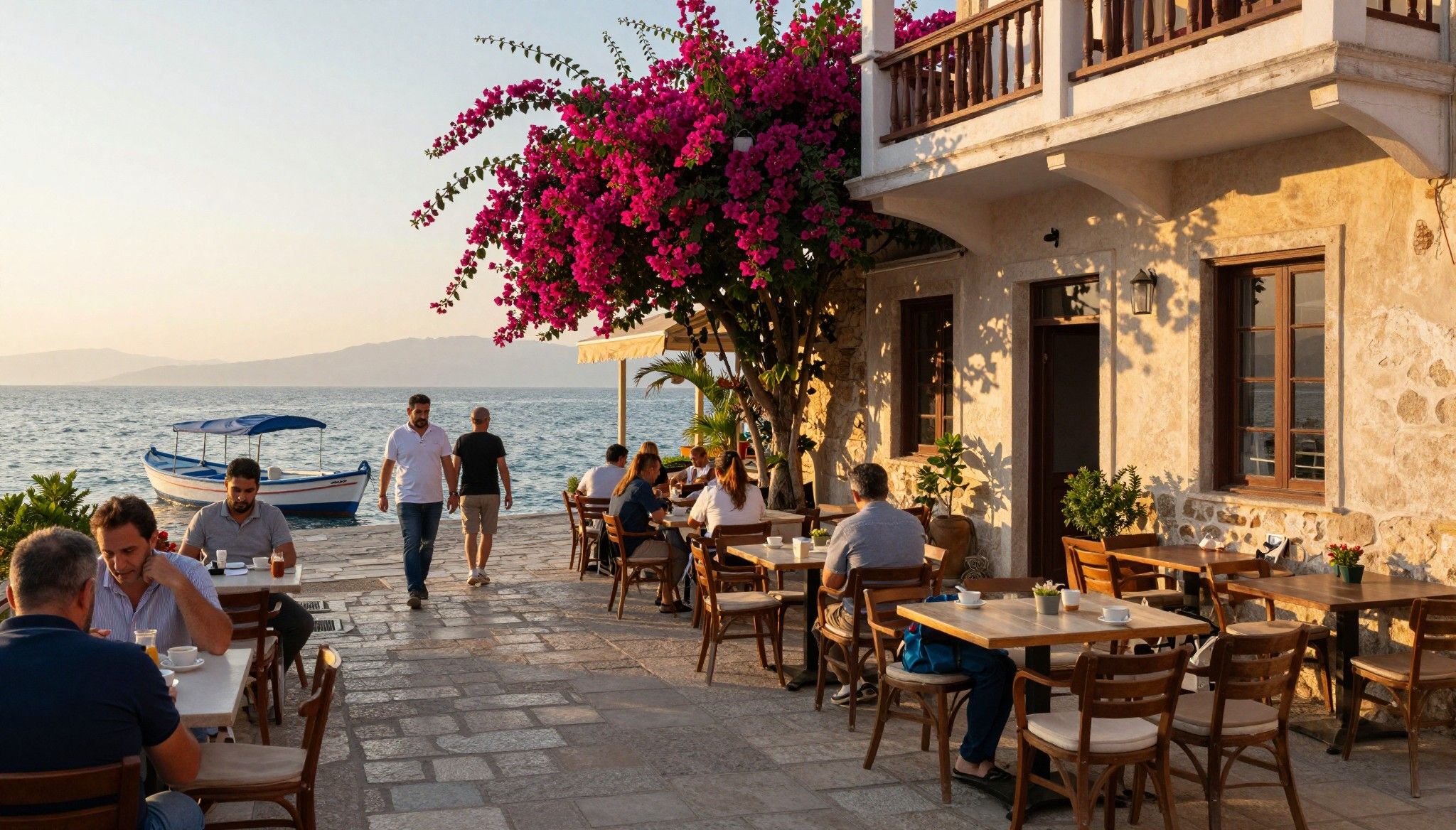
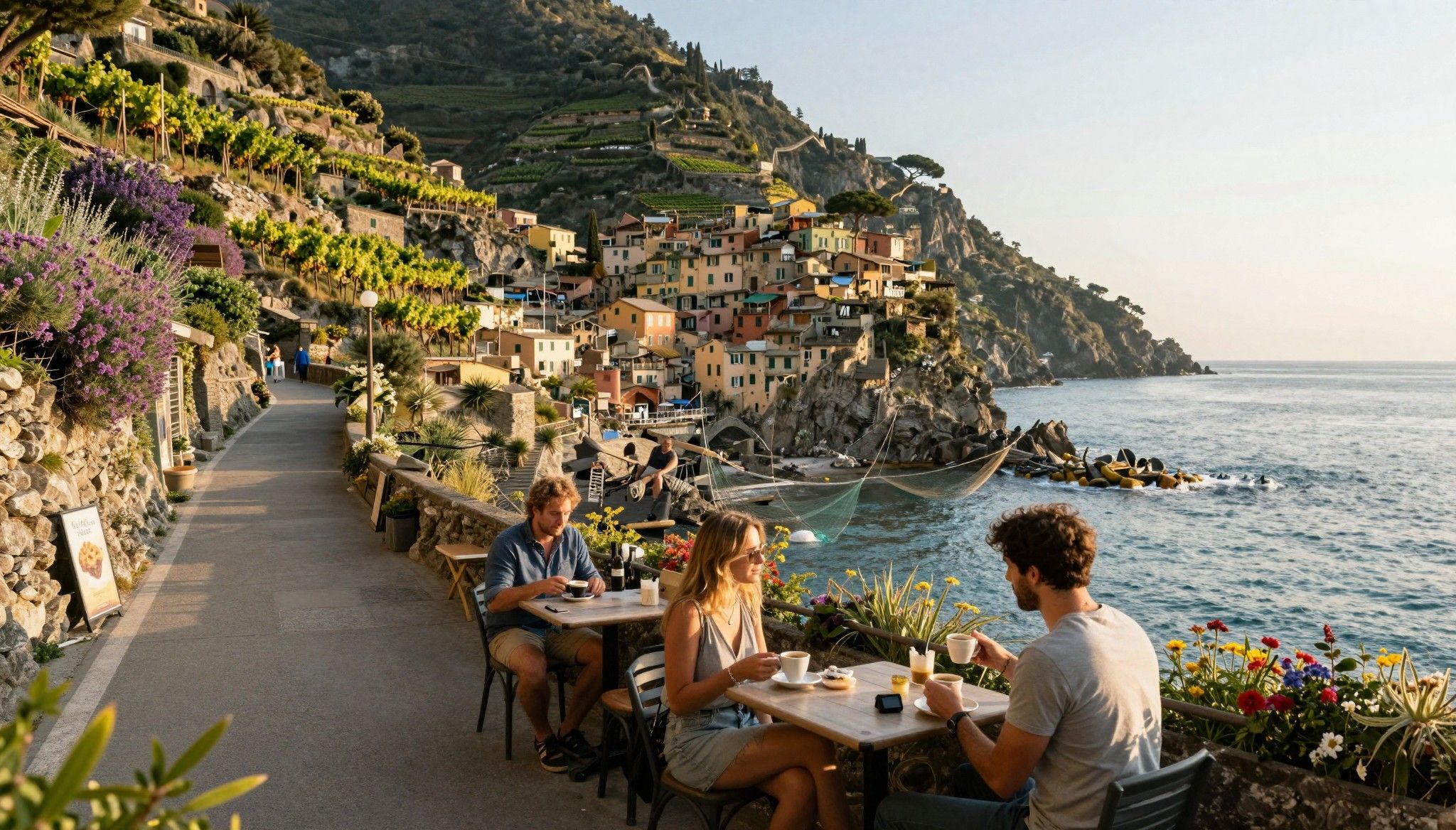
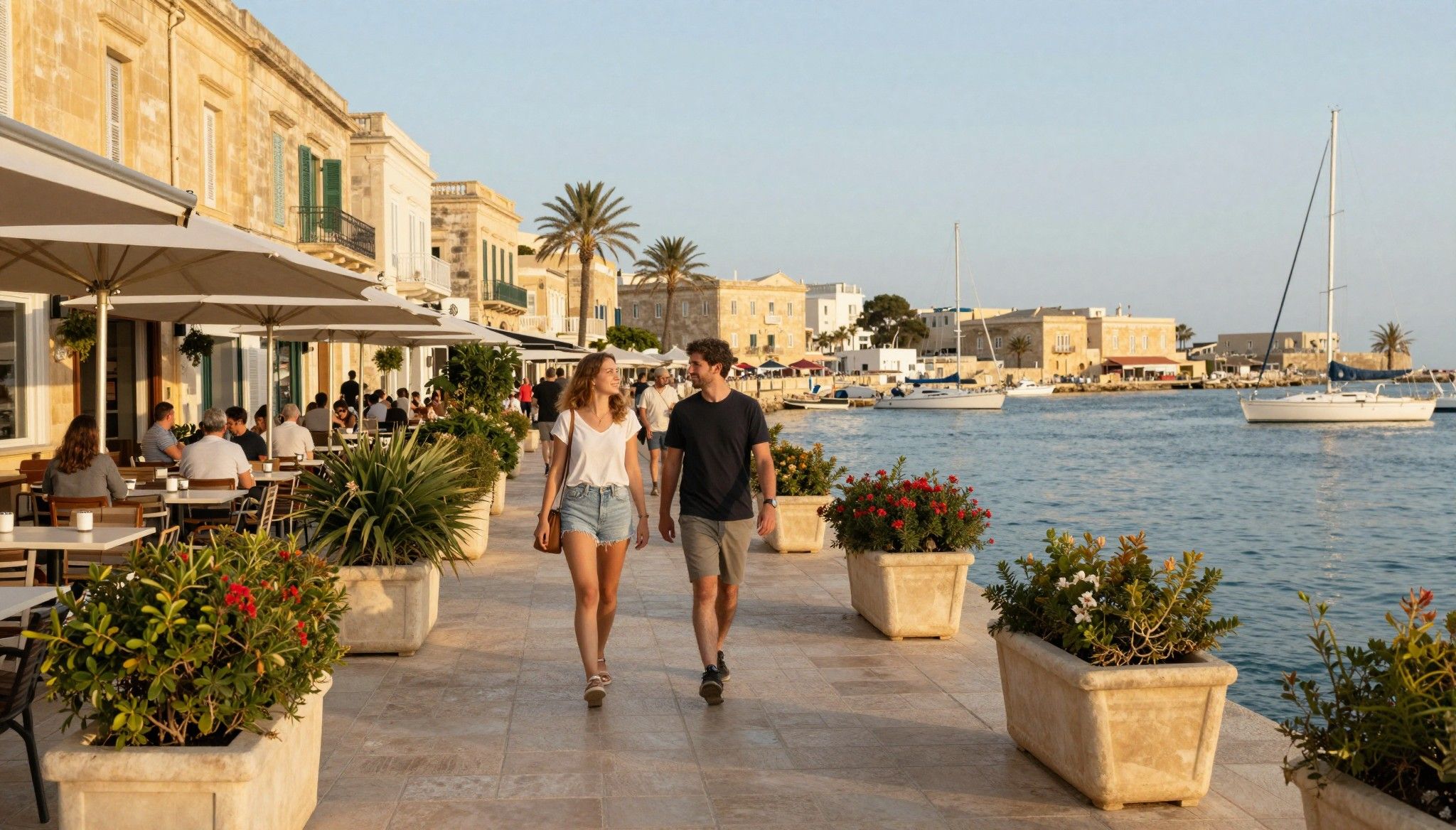
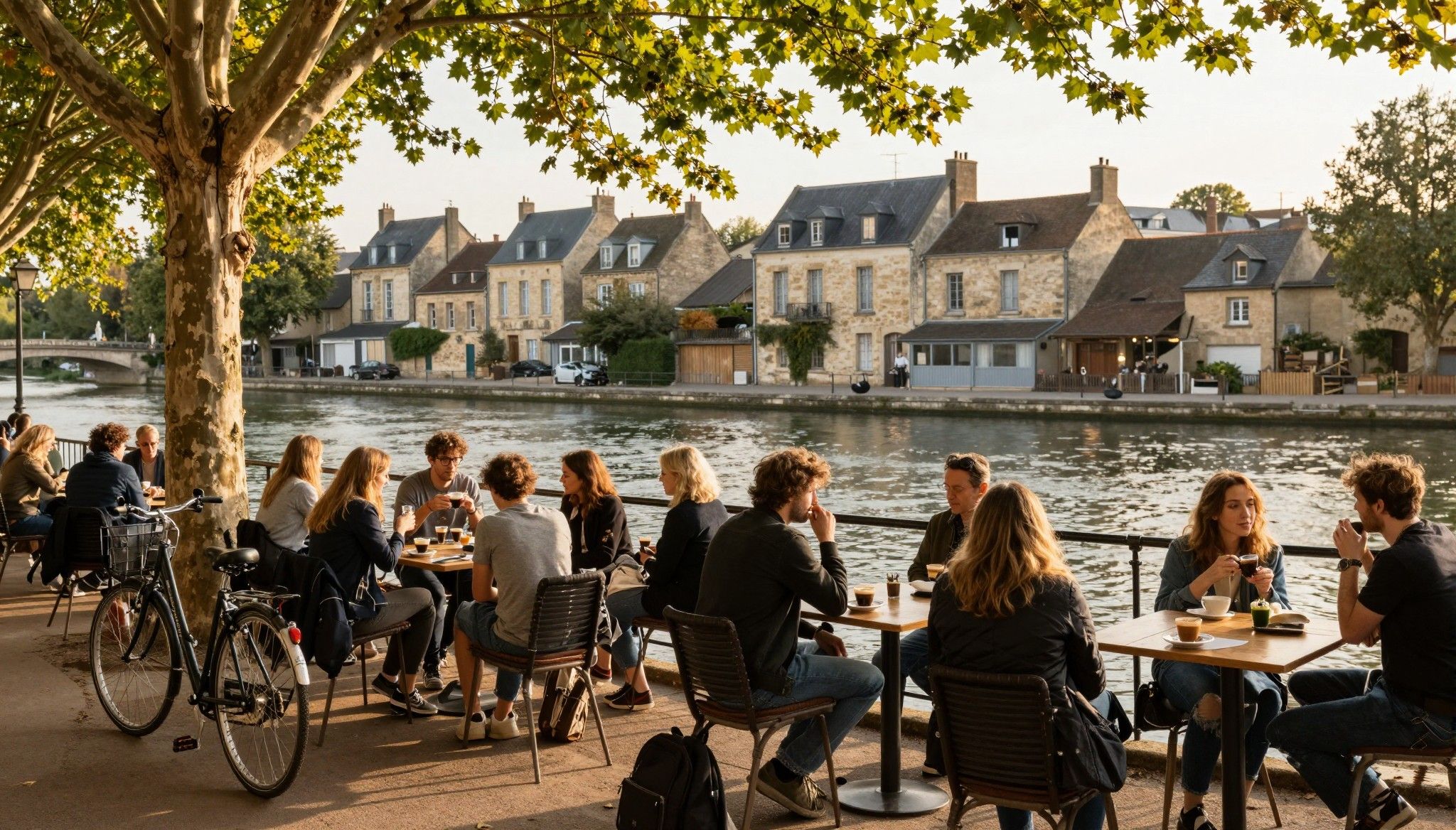
Imagine waking to the slow clink of cups in a Nicosia courtyard, then slipping out by late morning for a seaside stroll in Limassol as bougainvillea drips over stone walls. Cyprus keeps time with the sun: markets at dawn, long lunches, and evenings that feel like a communal exhale. For many international buyers the island’s romance arrives first—warm winters, olive groves, and a seaside culture—then the questions follow: how to close well and care for a place that is also part of a fragile Mediterranean ecology. This guide blends that kind of place-rich yearning with practical, research-backed steps you can act on today. (Source: PwC Cyprus real estate report).
Living Cyprus: sun, streets and seasons
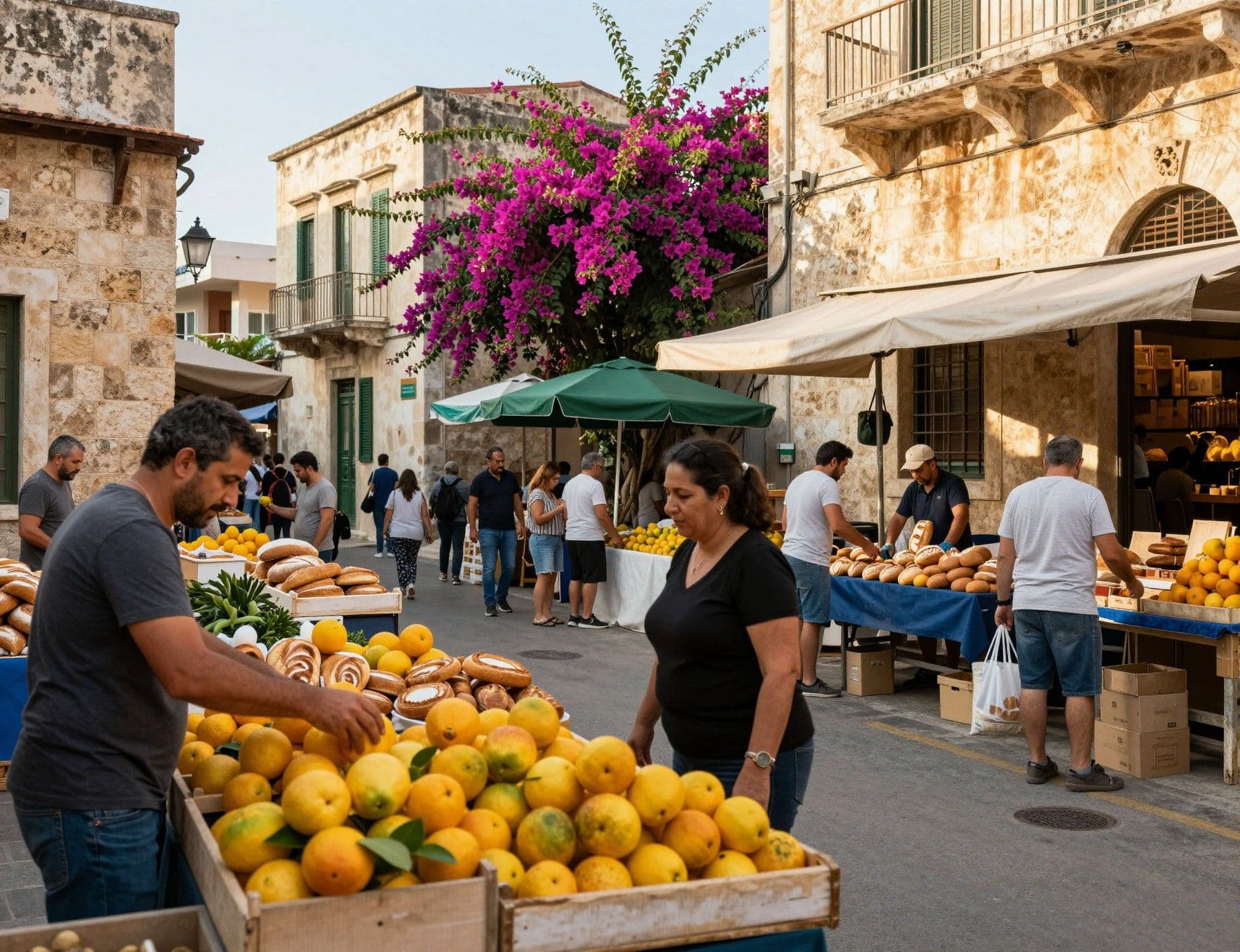
There’s a rhythm here that shapes how homes are used: seaside cafes fill with holidaymakers in summer while inland villages hum with olive harvest activity in autumn. In 2024 tourism remained strong—places like Pafos and Ayia Napa host a third of seasonal stays—so think in terms of a home that lives differently across the year, both as sanctuary and as part of a living local economy. Practical note: a property’s seasonal role will affect running costs, rental potential and conservation needs. (See Cyprus tourism statistics.)
Neighborhood snapshots: where life feels lived-in
Limassol’s coastal promenades and marina-side restaurants are bright and cosmopolitan; Pafos offers quiet streets, Byzantine corners and strong expat pockets around Kato Pafos; Larnaca keeps a slower seaside intimacy with long promenades and a growing café culture; Nicosia’s old town is muffled and pedestrian — an island within a city. Each of these moods calls for different stewardship choices: coastal homes need salt-wise finishes and coastal landscaping; inland stone houses demand attention to roof insulation and rainwater management.
Food, markets and weekend rituals
Morning markets (laiki) and small fish tavernas anchor community life. Picture buying oranges from a farmer in Troodos, then returning for an evening meze by the sea. These rituals matter to buyers: proximity to markets, year-round cafés and local services determines whether a home becomes part of daily life or a costly weekend retreat. When you view properties, walk routes to food sources and speak with neighbors — these simple observations predict stewardship ease more than glossy finishes.
Neighborhood lifestyle highlights
Kato Pafos promenades, Roman mosaics and seaside tavernas
Limassol marina cafés, weekend markets, and modern coastal living
Larnaca’s Finikoudes promenade and low‑key beach culture
Nicosia old town lanes, artisan shops, and a slower urban rhythm
Making the move: negotiation, closing and caring for the land
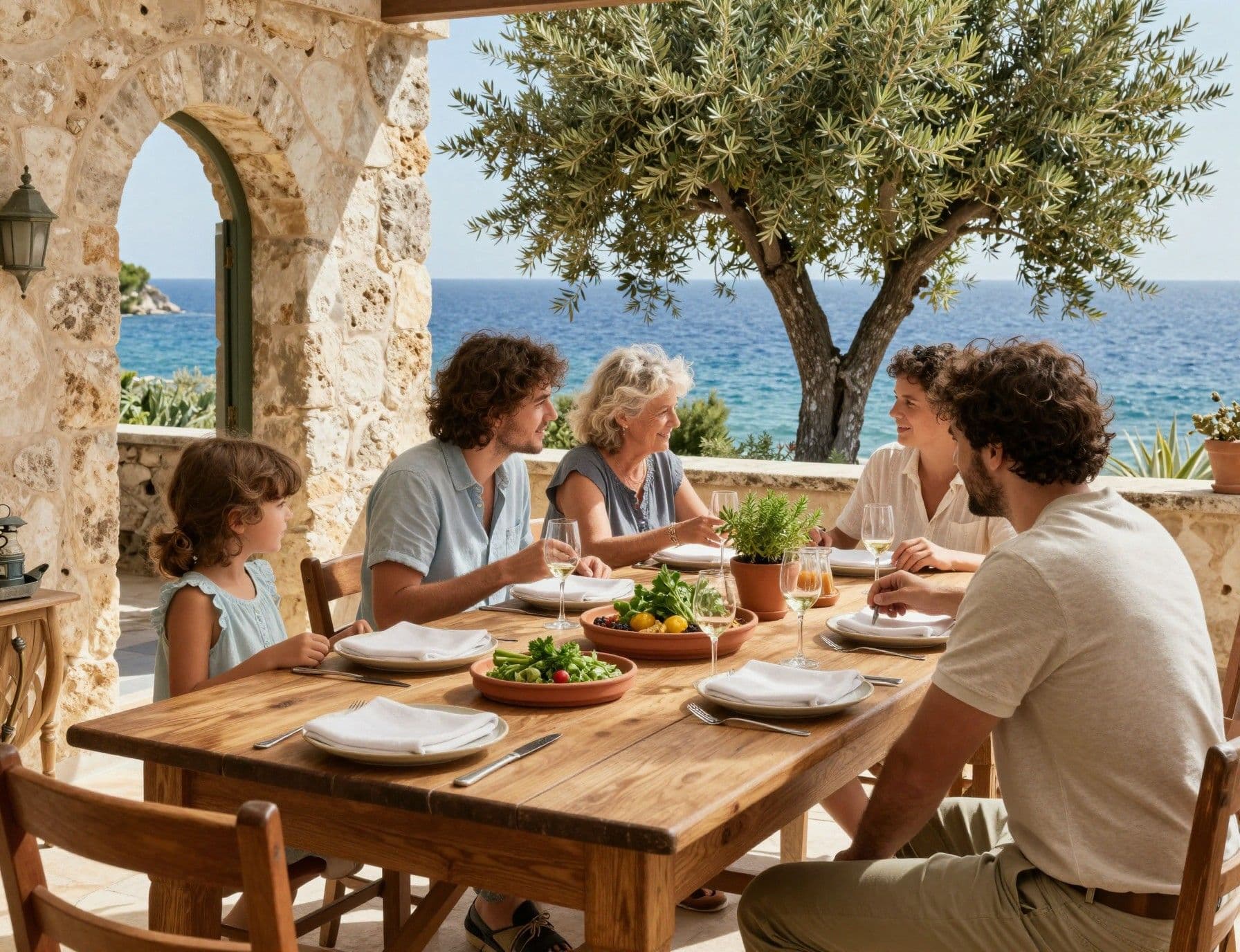
The dreamy part—sunlit terraces, village rituals—must meet the practical: permits, title deeds and sensible negotiation. Recent market reports show steady transaction volumes and a mature buyer appetite; PwC recorded strong 2024 activity, and non‑resident buyers accounted for a sizeable share of sales. To close well in Cyprus, start with a local lawyer, ask for clear land registry extracts, and build negotiation around stewardship costs (solar readiness, insulation, water capture) rather than just price alone. (See practical checklist from local guides.)
Property types and what they actually cost to keep
Stone village houses carry charm but often need roof works, new insulation and water harvesting systems; coastal apartments ask for corrosion-conscious fittings and UV-resistant glazing. Factor in sustainability upgrades at negotiation: many sellers price without PV panels or thermal insulation, yet these features reduce long-term bills and environmental impact. Cyprus runs grant schemes and a large number of PV installations; ask your agent about recent subsidy programs and include upgrade estimates in your offer. (See local energy grant information.)
Work with experts who speak place
Choose a lawyer familiar with the Department of Lands & Surveys, an architect who understands Mediterranean retrofit, and an agent who can translate lifestyle aims into real property filter searches. Good local teams will flag micro-climate risks (coastal salt, mountain runoff), council plans affecting land use, and utility constraints that will shape how your home performs across seasons. Ask for recent comparable sales and for total cost modelling that includes stewardship upgrades.
Steps to close with stewardship in mind
Retain a bilingual local lawyer to check title, encumbrances and planning history.
Commission an environmental and structural survey that includes solar potential and water management.
Negotiate a clause allocating responsibility for known defects and for agreed sustainability upgrades.
Confirm transfer timings with the Department of Lands & Surveys and budget for transfer fees and any recent tax changes.
Insider knowledge: myths, seasons and what expats actually do
Myth: Cyprus is uniformly expensive. Reality: pockets like Limassol and some coastal developments command premium prices, while inland villages, and even certain pockets of Pafos, offer surprising value for those prioritising slow‑season life and stewardship projects. Recent market analysis shows price growth has moderated in some quarters—so timing and neighborhood choice matter more than a blanket 'island premium' assumption. (See market price history.)
When to look: why seasonality can sharpen judgement
Summer viewings can feel spectacular but hide issues: glare that disguises moisture, neighbours who are seasonal, and busy agents showing multiple buyers. Consider off-peak viewings (late autumn to spring) to see a home’s true winter light, thermal performance and community presence. Agents who know the seasons will arrange visits during different conditions to reveal stewardship needs—ask for those.
What expats wish they'd known
Expat buyers often say: check the water pressure, test for humidity in cupboards, and walk the street at different times. Don’t assume English solves every puzzle—local municipal rules, neighbours’ customary uses of shared spaces, and informal agreements about irrigation matter. Stewardship is social as much as technical: be prepared to join local rhythms, from olive‑picking days to council clean-ups, and your home will last longer and cost less to maintain.
Red flags to spot on viewings
Unclear title entries or missing registry extracts
Signs of hidden damp, poorly graded roofs, or old wiring
No evidence of local water rights or irrigation agreements for rural plots
Sellers who resist sharing past utility bills or refuse a basic inspection
Conclusion: fall for the island, close with care
Cyprus offers a life shaped by light, sea and local ritual. To bring that life home, pair your imagination with a negotiation and closing plan that honours place: budget for the unseen repairs and sustainability upgrades, ask the right questions of title and neighbours, and choose local partners who value ecological stewardship. When you do, the island repays attentiveness with slower mornings, robust gardens and a home that feels rooted to both community and landscape. Next step: ask an agent for recent comparable sales, a local lawyer to pull registry extracts, and a sustainability audit that turns romantic potential into long‑term living value.
Danish relocation specialist who moved from Copenhagen to the Algarve; supports families with seamless transitions, local partnerships, and mindful purchases.