Verdant Italy: Coast, Forests & Stewardship‑First Buys
Italy’s verdant coasts and forests offer seasonal, sustainable living — choose places where ecology, local craft and careful due diligence shape lasting homes.
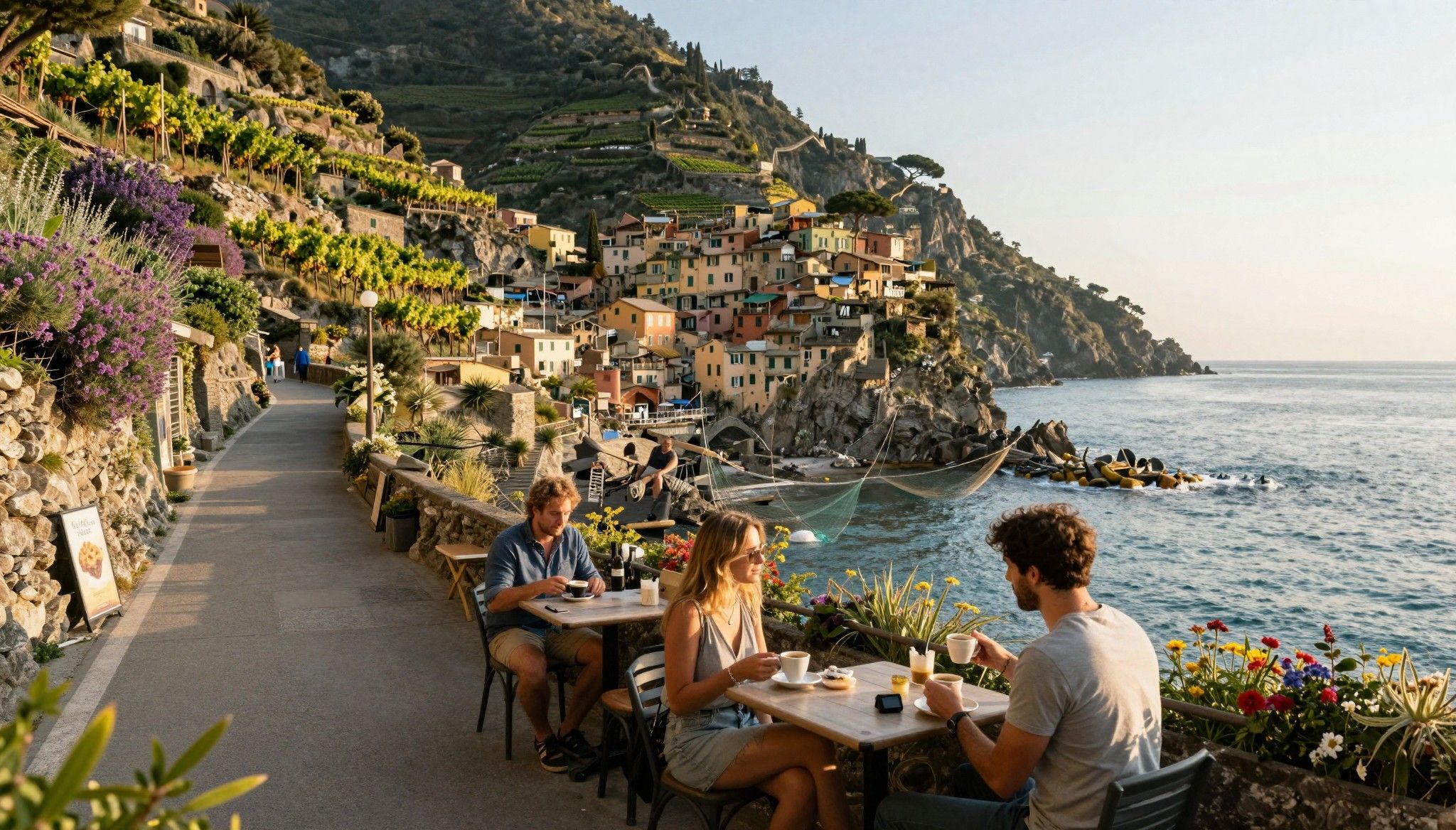
Imagine waking to the salt-breeze of a rugged Ligurian cliff or the soft hush of beech forest in the Cilento, pulling on a sweater to walk the cobbled street toward a sunlit bar for espresso. In Italy, verdant coasts and forested hinterlands form a living backdrop to daily rituals: markets that brim with seasonal produce, narrow lanes where stone cottages wear moss like a badge of history, and terraces that pull the sea and the olive grove into your living room.
Living the verdant-Italy lifestyle
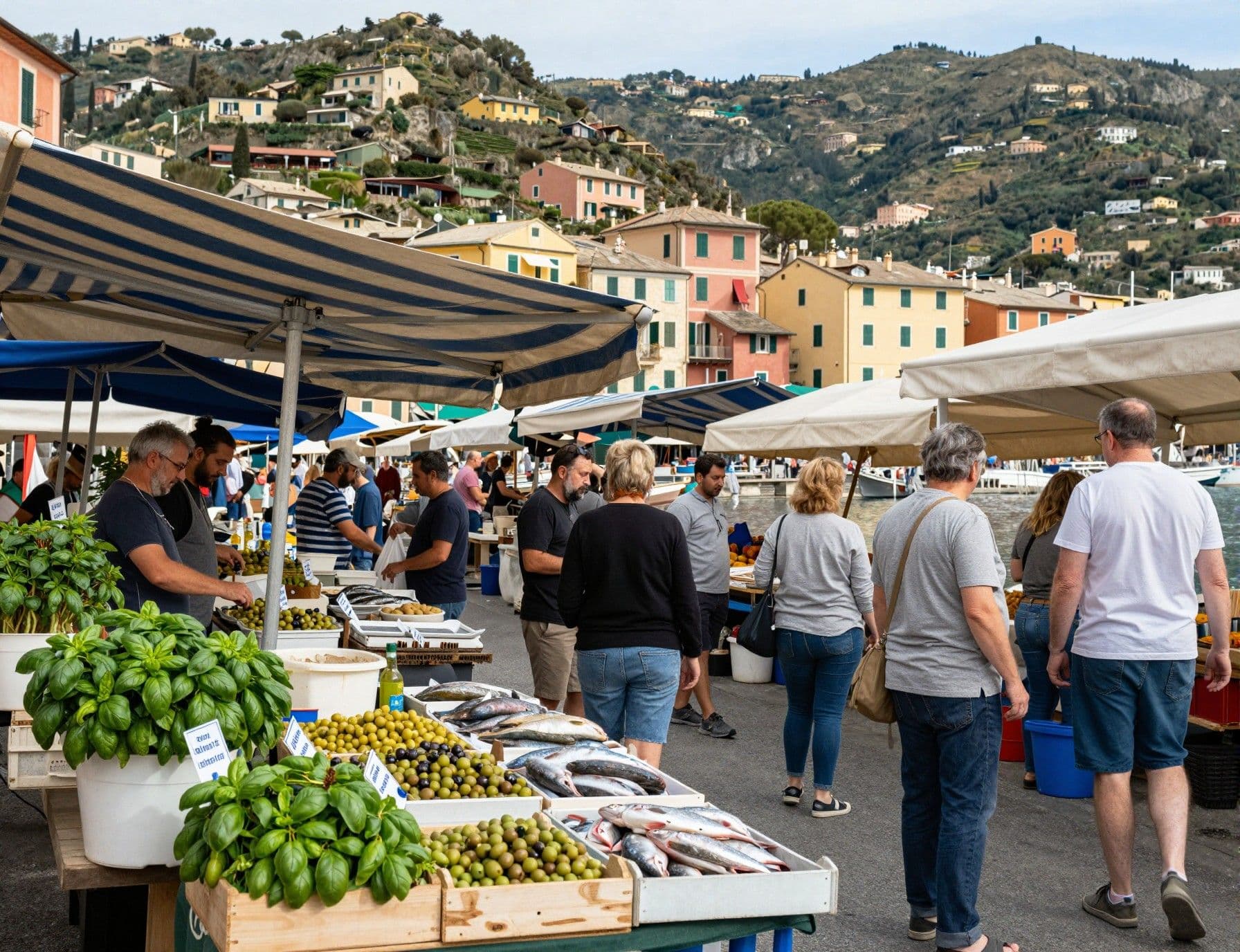
Life here is paced to the seasons. Spring means wild asparagus and chestnut blossoms along mountain trails; summer is sea-salted evenings and fishermen’s markets; autumn brings truffle hunts and the scent of wet earth under holm oaks. Small towns — from the terraces of Cinque Terre to the olive-lined lanes of Tuscany and the pine-scented coves of Cilento — offer a sensory map for buyers who prize nature as much as architecture.
Liguria & the Riviera: cliffside rhythm
Walkable villages where terraces of vineyards slip into the sea, Liguria feels like a coastline stitched to the mountains. Corniglia’s honeyed gelato, Portovenere’s fishing boats at dusk and the narrow stair-threaded streets of Riomaggiore create a lifestyle of close-knit community and daily coastal rituals. Property types are often compact — stone apartments, vertical houses — where outdoor living is a balcony, a communal garden, or a shared courtyard.
Cilento & southern forests: slow, seasonal life
Farther south, the Cilento biosphere blends oak and beech woods with rocky coves and agricultural terraces. Here you’ll find low‑impact agriturismi, family-run olive presses and villagers who still follow the rhythm of harvests. Properties tend toward stone farmhouses and rural ruins ripe for regenerative restoration — an invitation to shape a home that gives back to the land.
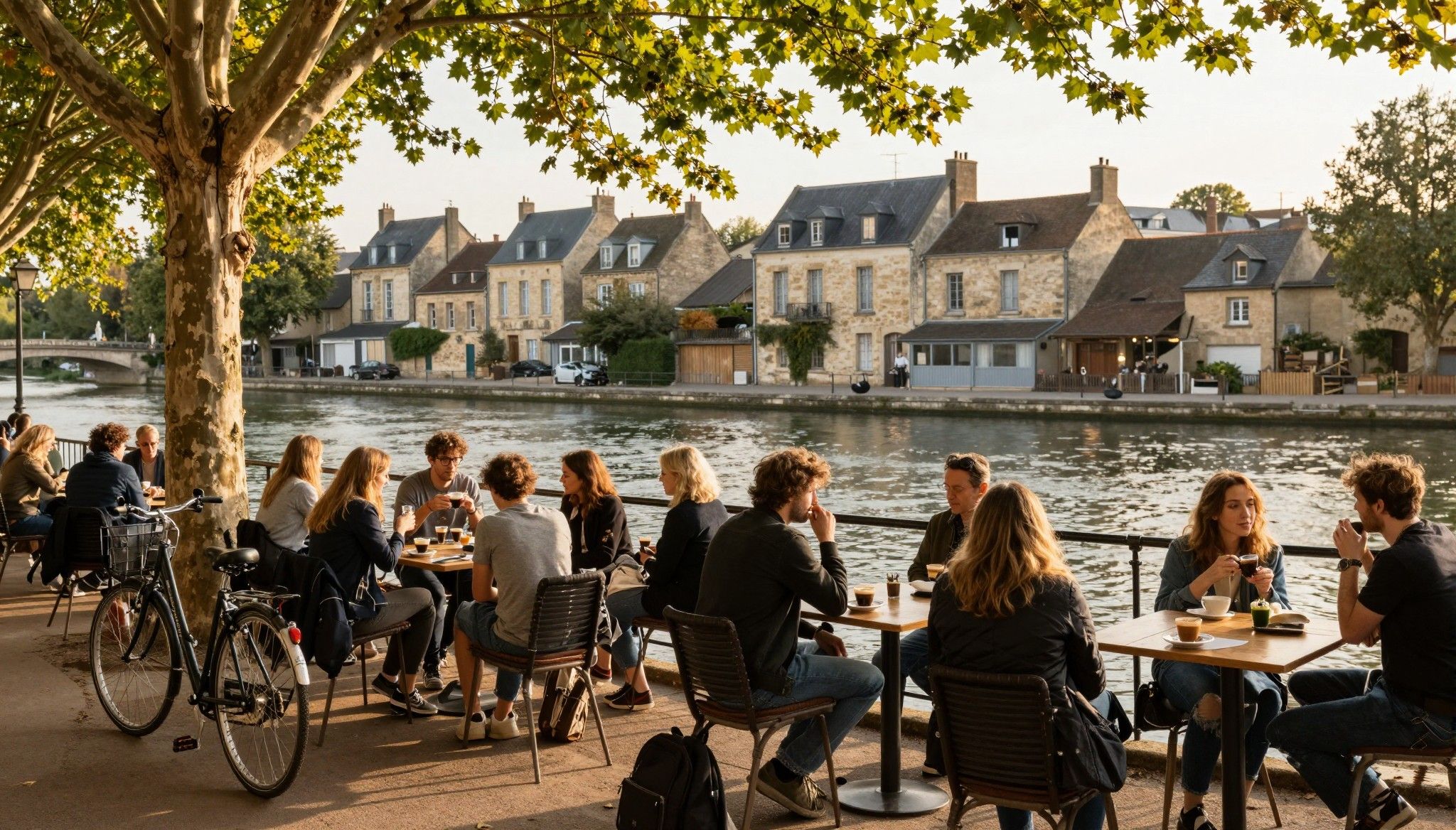
- Daily life highlights: morning market on Via Garibaldi in a small Ligurian town; aperitivo beside a plaza shaded by plane trees; weekend mushroom foraging in chestnut woods; a Sunday sea swim followed by grilled fish at a family trattoria; sunset walks through terraced vineyards; volunteering at a local olive harvest.
Making the move: lifestyle-led practicalities
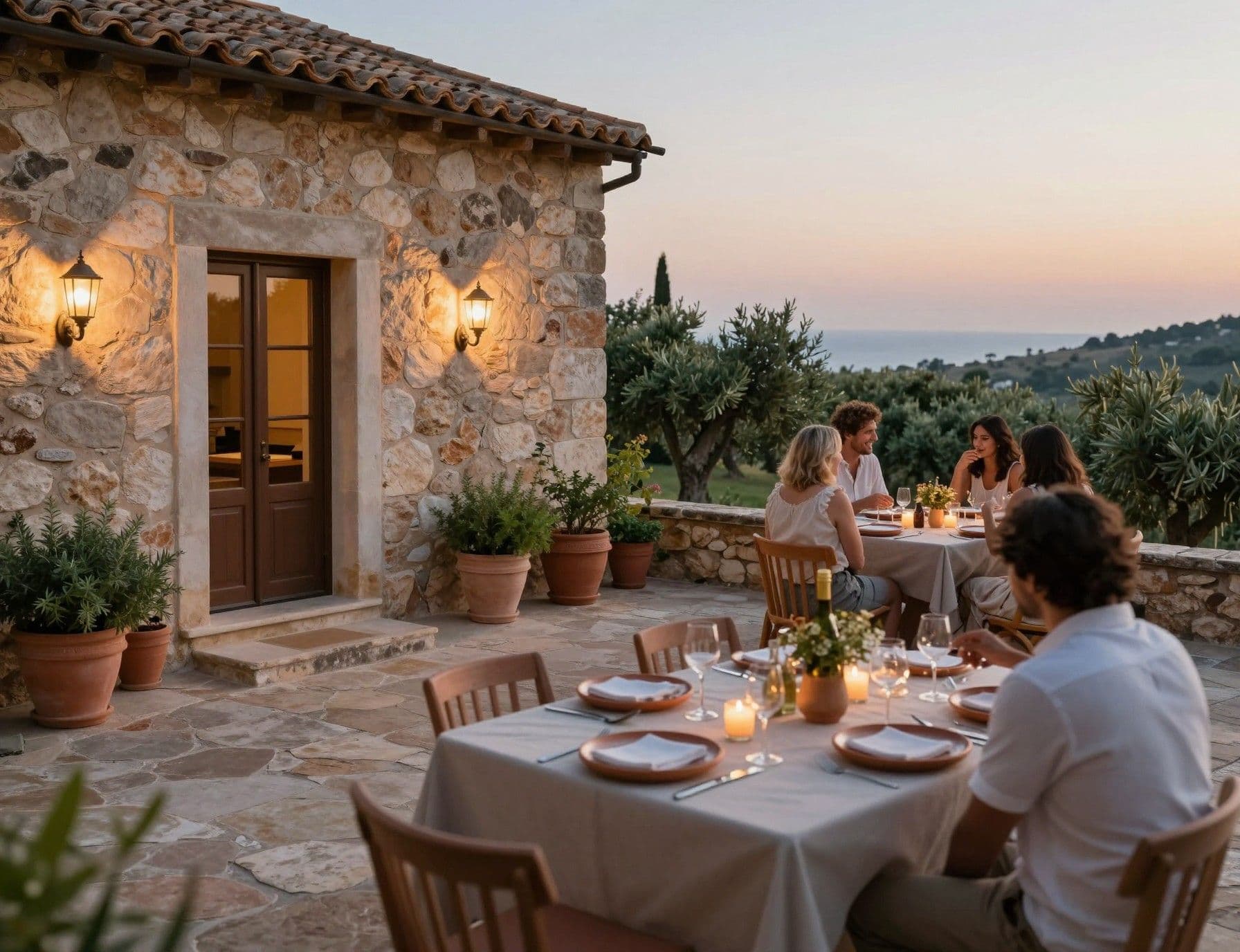
Your dream of forested mornings and cliffside sunsets meets a market that is stabilising: official data show modest national price growth and stronger transaction volumes in smaller towns, where many verdant-region opportunities lie. That means more choice outside major cities, but it also means local due diligence is essential — land-use restrictions, seismic rules and protected-area regulations often shape what you can restore or extend.
Property styles and how they support life
Stone farmhouses, terraced cliff houses and refurbished mill conversions each carry distinct daily advantages. A stone casa in the hills will cool naturally in summer and favour wood-burning stoves in winter; a restored coastal apartment often trades garden space for sweeping sea views and immediate access to village life. Think first about how you want to live each season, then match that to construction, insulation and orientation choices.
Working with local experts who know place
- Steps that blend lifestyle and practical action: 1. Prioritise agents with proven local stewardship projects and knowledge of protected-area permits. 2. Request energy and water-history data — seasonal water access matters in dry summers. 3. Commission a landscape-aware survey to check terraces, retaining walls and erosion risks. 4. Build a small local team: architect familiar with traditional materials, a notary experienced in rural cadastral quirks, and a conservation-minded contractor.
Insider knowledge: what expats wish they'd known
Expat life in verdant Italy is full of small surprises. Neighbours will invite you to the olive press more readily than to a cocktail party; municipal offices often close midday; and the pace of repairs can be leisurely by northern standards. Those who find joy here learn to measure time by seasons and by the quality of local connections rather than by instant convenience.
Cultural integration, language and community
Even basic Italian opens doors — a barista’s banter, a neighbour’s repair tips, or an invitation to a harvest. Local associations run food festivals and trail maintenance days; joining them is the fastest route to belonging. Prepare to be curious, patient and generous: communal life in small towns is reciprocal, and stewardship-minded buyers who contribute tend to be warmly welcomed.
Long-term lifestyle and sustainability considerations
Think beyond the purchase: invest in passive measures (insulation, shutters, rainwater capture) and regenerative landscaping (native plantings, dry-stone walls, cisterns). These choices lower bills, strengthen biodiversity and often appease local planning bodies. Market reports note growing buyer interest in sustainability — a quality that supports both home life and resale value.
- Red flags to spot in verdant regions: unclear cadastral maps for terraced land; missing permits for retaining walls; evidence of past landslides or poor drainage; connections to mains water in remote hamlets; and renovations that ignored seismic reinforcement rules.
If you crave mornings among olive groves and afternoons on a rugged coastline, Italy’s green edges reward those who buy with place and stewardship in mind. Start by visiting in different seasons, hire local experts grounded in conservation, and imagine your home as part of the landscape — not apart from it. When you’re ready, a local, sustainability-minded agency can translate the sensory dream into a resilient, lived-in reality.
Norwegian market analyst who relocated from Oslo to Provence; guides investors with rigorous portfolio strategy and regional ecological value.