After the Offer: Closing, Negotiation & Green Stewardship in France
A lifestyle‑first closing playbook for France: negotiate seasonal contingencies, plan green upgrades, and steward your new home to thrive with place.
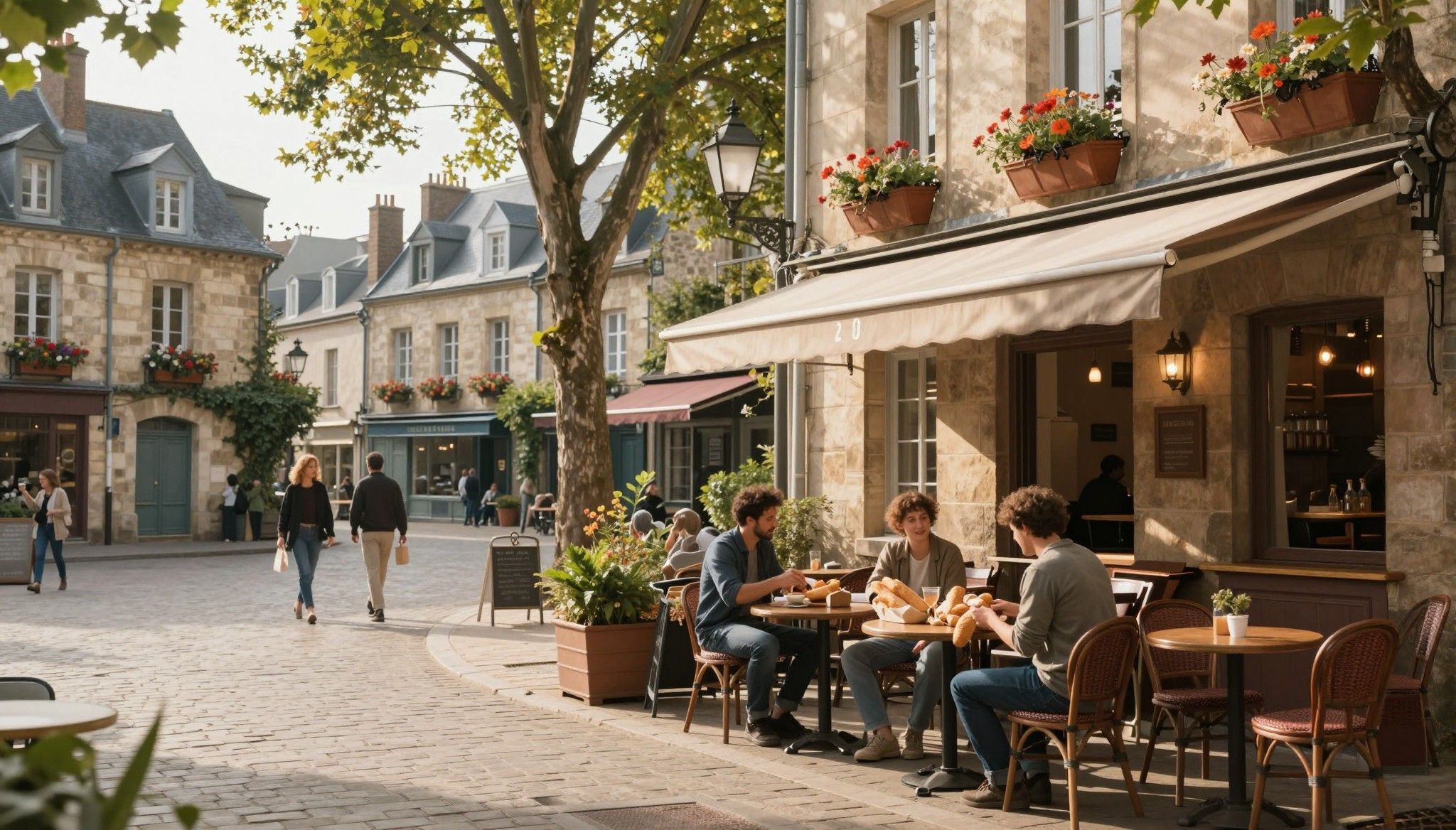
Imagine a late-summer morning in Aix‑en‑Provence: café cups clink on a shady terrace, cicadas pulse in the plane trees, and a stone townhouse across the square promises low‑energy heating and a south‑facing garden where lavender will thrive. That sensory first impression—place, season, people—should shape how you close and care for a home in France, not just the numbers on the contract. Recent market shifts mean negotiating power, timing and a sustainable stewardship plan can transform a purchase into a life rooted in place. (See recent market overview from the notaires.)
Living the French Life: What you’ll actually wake up to
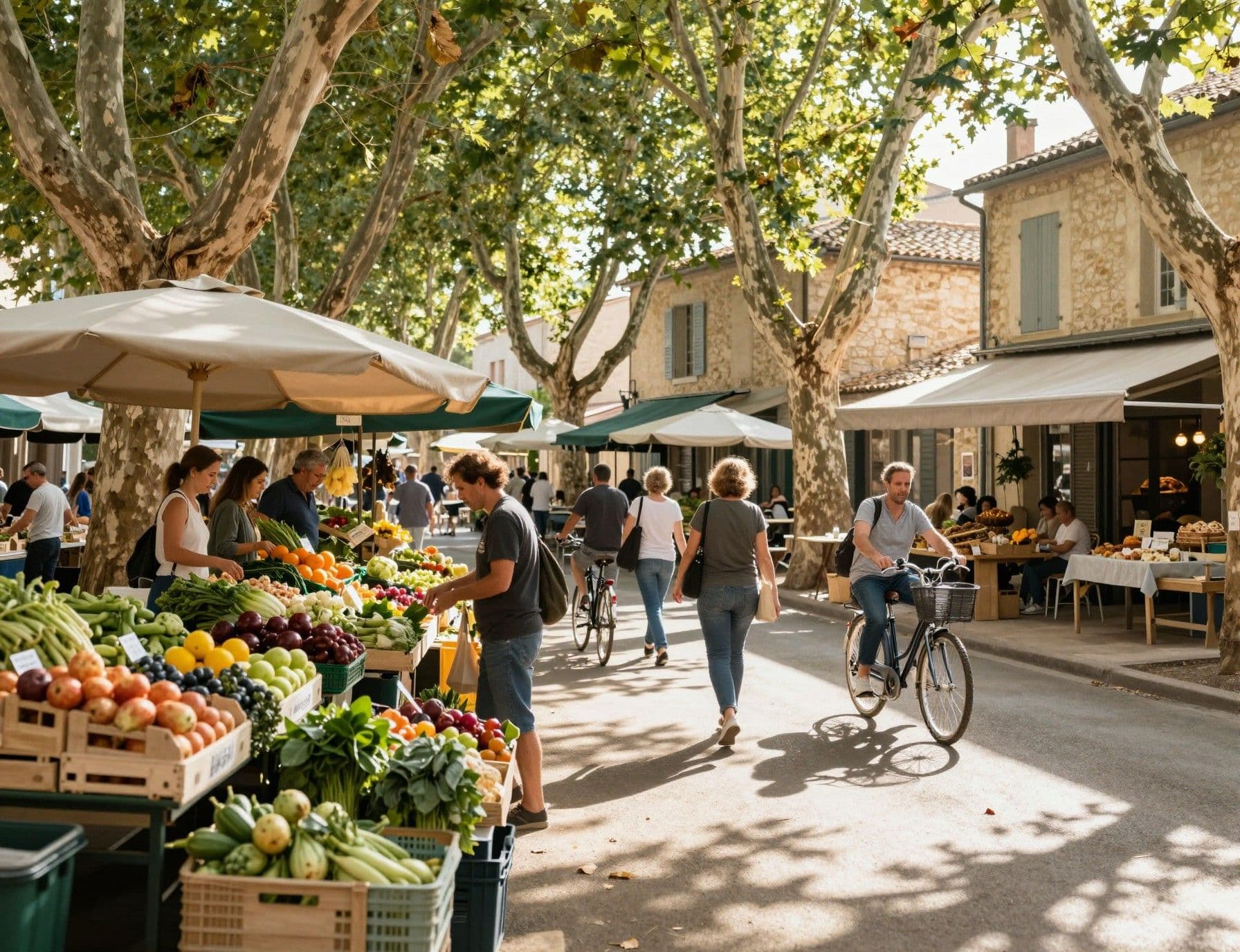
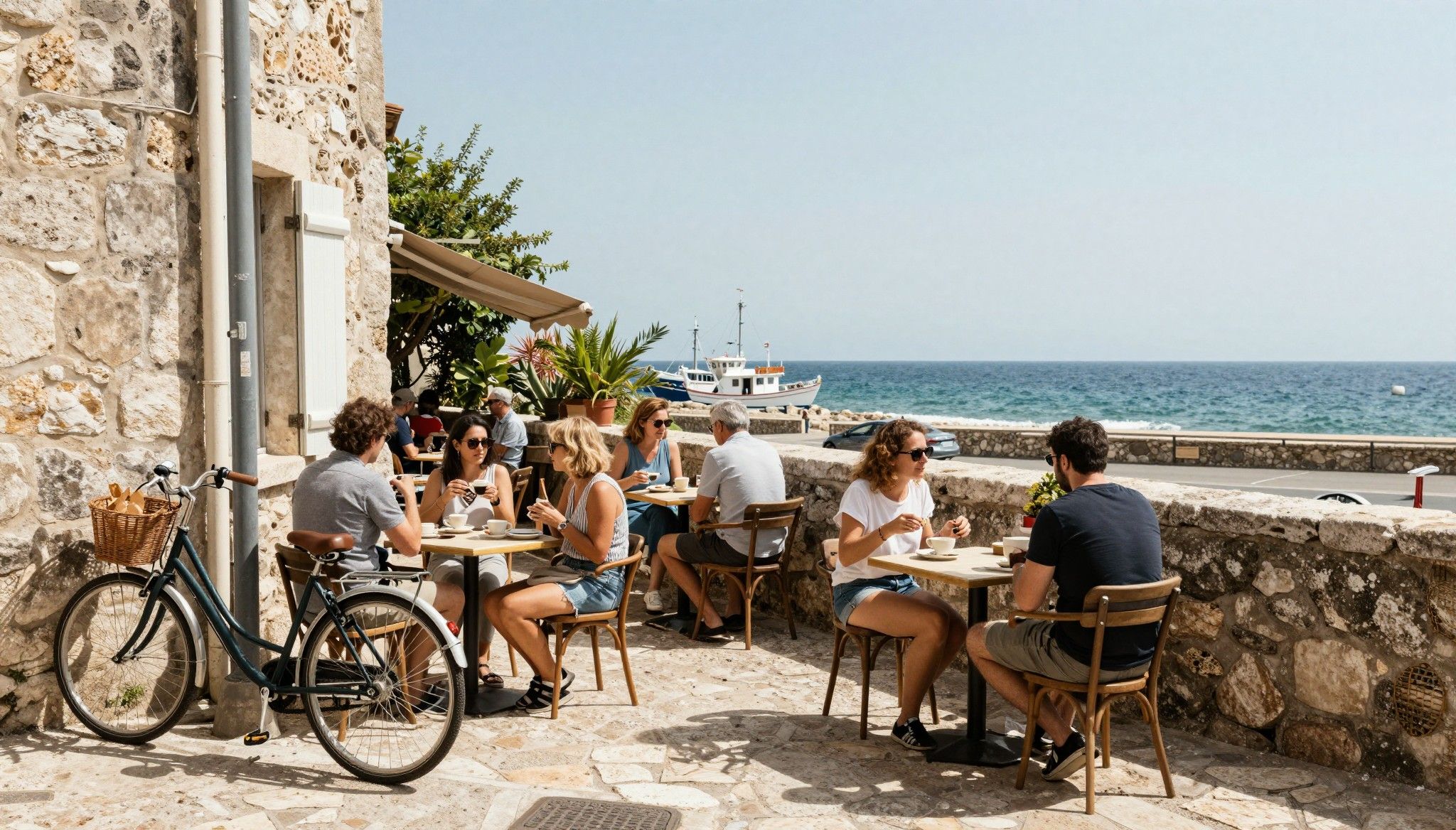
France is patchwork: coastal ease on the Côte d'Azur, bracing Atlantic beaches in Brittany, slow village rhythms in Dordogne, and Parisian mornings that move faster. Scent and season matter—markets and festivals, wet winters and hot, dry summers—so think of buying here as picking a way of life as much as a property. City centers hum with boulangeries and tucked‑away squares; rural homes answer to the land with vegetable gardens, stone walls and solar orientation. Recent price shifts favour buyers in many regional cities, but desirable pockets remain competitive. Knowing the local rhythm helps you close with confidence and steward the place well. (Market trends from national press.)
Neighborhoods that feel like home
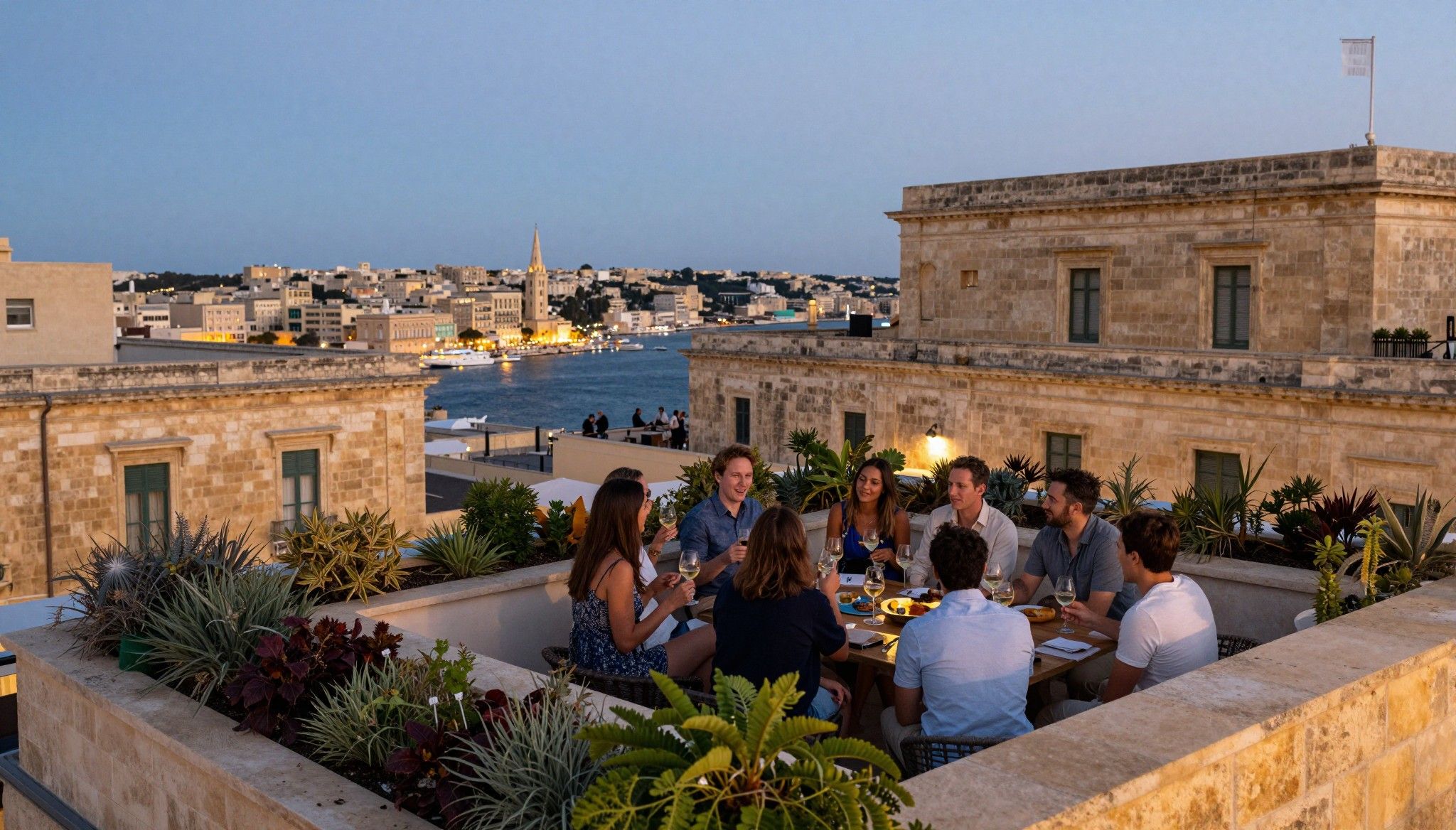
In Paris, walkable arrondissements such as the 10th and 11th offer lively markets and a daily street life; in Bordeaux, the Chartrons district hums with wine bars and craftsmen; in Provence, the streets around Rue de la République in Aix welcome morning markets and late‑afternoon siestas. For coastal living, Antibes’ old town and the quieter coves near Cassis give very different tempos—one social and bustling, the other slow and marine. Choose a neighborhood by routine: where you’ll buy bread, meet neighbors, and spend Saturday mornings.
Food, markets and rituals that shape property choices
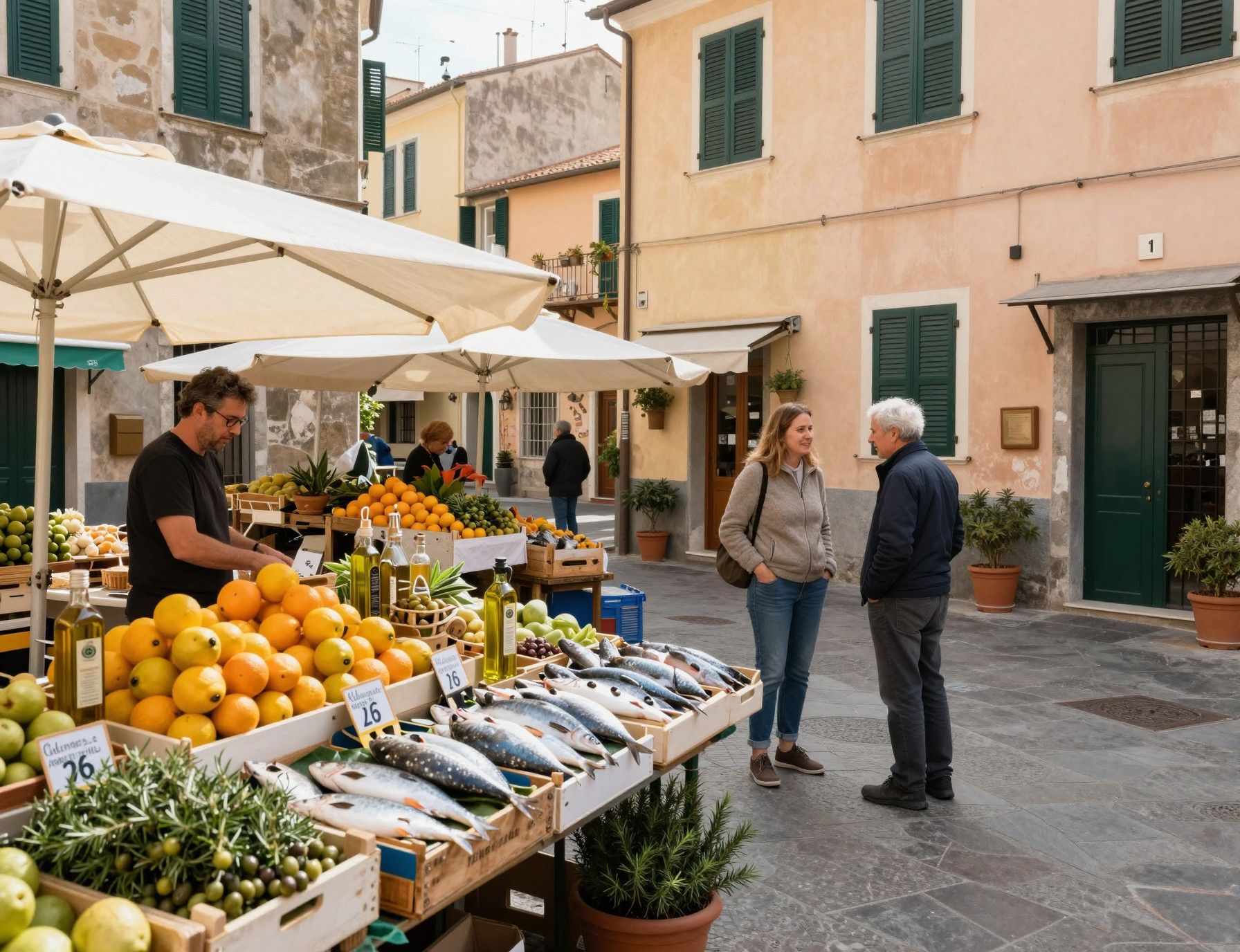
Weekly marchés, seasonal harvest festivals and the proximity of a bonne boulangerie influence more than mood—they shape how a home is used. A terrace facing the market street may be priceless for weekday breakfasts; proximity to a covered market in Lyon or Toulouse changes storage needs and pantry planning. In wine regions, look for cellars and shaded courtyards; near the sea, prioritize low‑maintenance gardens and salt‑tolerant planting. These lifestyle details translate into architectural choices at closing and a stewardship plan for the seasons ahead.
- Lifestyle highlights to scout during viewings: • Morning markets: Marché Forville (Cannes), Marché des Capucins (Bordeaux) • Café corners: Rue Cler (Paris 7e), Place du Palais (Aix‑en‑Provence) • Quiet beaches: Plage de l’Espiguette (Camargue), Plage de la Salis (Antibes) • Green escapes: Parc de la Tête d’Or (Lyon), Bois de Vincennes (Paris) • Seasonal festivals: Fête de la Musique, local harvest fêtes
Making the move: practical considerations that preserve the life you love
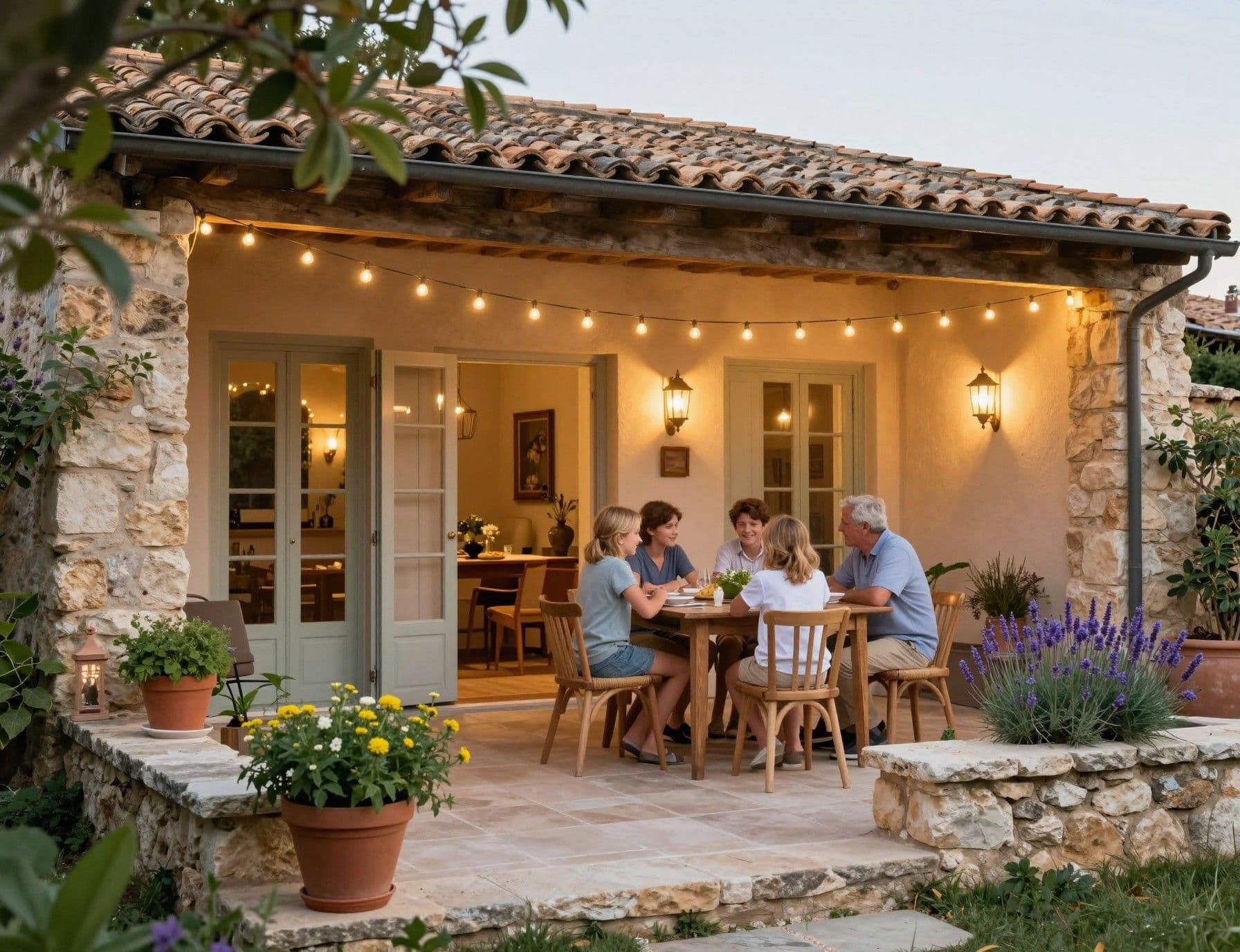
Turning a view into ownership in France involves local paperwork, but more importantly, a negotiation that protects the lifestyle. Non‑resident buyers represent a small but rising share of transactions in key areas; this gives you leverage in some regions and requires sensitivity in others. Begin by aligning the contract with seasonal realities: heating systems for cold months, roof care for winter rains, and garden plans for Mediterranean summers. Practical choices at closing will determine bills, biodiversity on the plot, and your day‑to‑day comfort.
Property styles and how they shape your life
Historic townhouses invite courtyard living and renovation opportunities—think lime plaster, stone floors and thermal retrofits—while modern villas often include solar-ready roofs and water recycling systems. A rustic mas in Provence gives space for orchards and off-grid experiments; an apartment in Nantes or Rennes plugs you into cafés and cultural life with less garden work. Match the property type to how you want to spend your time: gardening, entertaining, commuting, or creating quiet studio space.
Working with local experts who steward place and process
- Steps to close with ecological stewardship in mind: 1. Hire a notaire early to set realistic timelines and flag region‑specific obligations. 2. Commission an ecological audit (insulation, solar potential, water systems) before final offers. 3. Negotiate contingencies for discovered defects and seasonal maintenance (roof, damp, septic upkeep). 4. Include a written plan for immediate green upgrades (insulation, heat pumps, rainwater capture). 5. Agree on handover standards for gardens and boundaries to protect biodiversity.
Insider knowledge: expat truths and surprising local rules
Expat buyers often arrive with romantic images—lavender fields and weekend markets—and find practical surprises: summer water restrictions, strict planning codes in protected zones, and neighbour relations that prize quiet hours. Long‑term contentment comes from respecting local customs (bonjour etiquette, mairie relations) and planning for seasonal life: shading for hot months, cellars for wine, and native planting for drought resilience. These cultural and climatic realities should be woven into negotiations and your stewardship roadmap.
What buyers wish they’d known
- Common surprises from other internationals: • The value of a seasonal inspection: roofs and shutters behave differently after winter storms. • Local permit timelines can add months to renovations—factor this into closing dates. • A modest investment in insulation or a heat pump cuts bills and increases resale appeal in French markets. • Community ties—participating in village markets or municipal meetings—make maintenance and permissions easier.
Long‑term stewardship: care that keeps a property healthy and rooted
After signature, stewardship begins: a seasonally timed maintenance calendar, a modest green upgrade budget, and relationships with local craftsmen. Prioritise interventions that protect character and ecology: breathable lime renders, pollinator‑friendly hedges, a modest solar array sized to local rules, and rainwater capture tucked into terraces. These choices protect value, lower running costs, and make the home hospitable to the landscape and community.
- A simple post‑purchase checklist for thoughtful stewardship: 1. Schedule a full seasonal inspection within 3 months of purchase. 2. Book local artisans for lime, stone and joinery repairs to preserve fabric. 3. Start low‑impact garden projects with native plants and drip irrigation. 4. Apply for any regional green subsidies or renovation grants within the first year. 5. Join local associations (municipal, heritage or market groups) to build community support.
France rewards patience and place‑fulness. Recent notaires’ studies show non‑resident buyers remain a visible presence in cities and desirable regions, and national coverage points to renewed price momentum in 2025–2026 for many urban centres. Use those market signals to time negotiations; use a stewardship plan to make the property yours in body and ecology. (Sources: Notaires de France; Le Monde.)
Conclusion: fall for the life, close with care
Picture evenings harvesting vegetables, walking to the marché at dawn and knowing your house breaths with the seasons. That life is within reach if you treat closing as the start of stewardship, not the end of a transaction. Negotiate contingencies that protect seasonal realities, invest quickly in green upgrades that reduce bills and nurture biodiversity, and partner with local experts who value place as much as price. Reach out when you’re ready to translate longing into a responsible, lived‑in home in France.
British expat who traded Manchester for Mallorca in 2017. Specializes in guiding UK buyers to luxury Spanish estates with clear navigation of visas and tax.