Malta: Verdant Coast Living and Market Realities
From Valletta courtyards to Gozo farmhouses: Malta’s market blends steady price growth with character homes. Match lifestyle priorities to local market facts and stewardship upgrades.
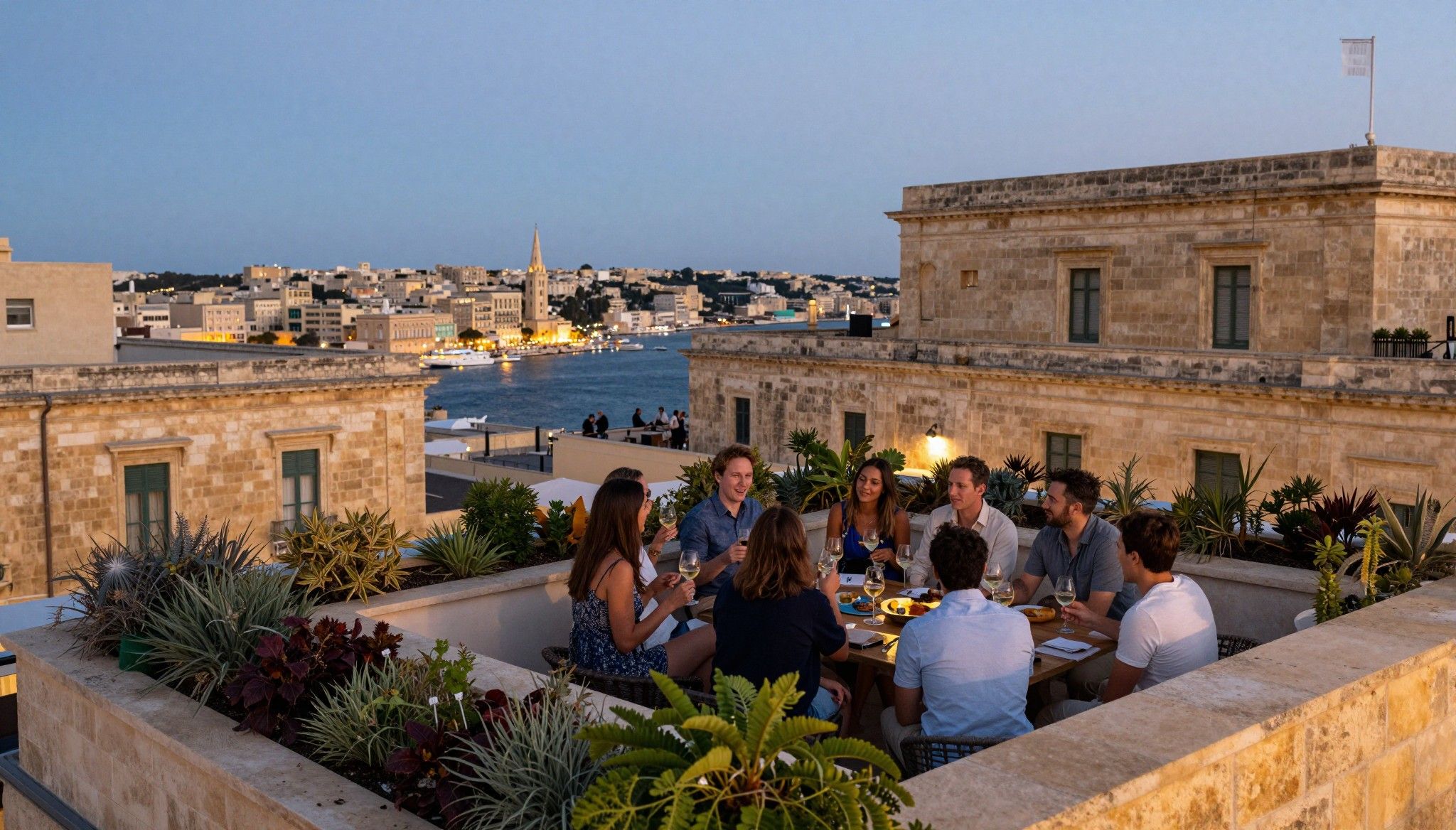
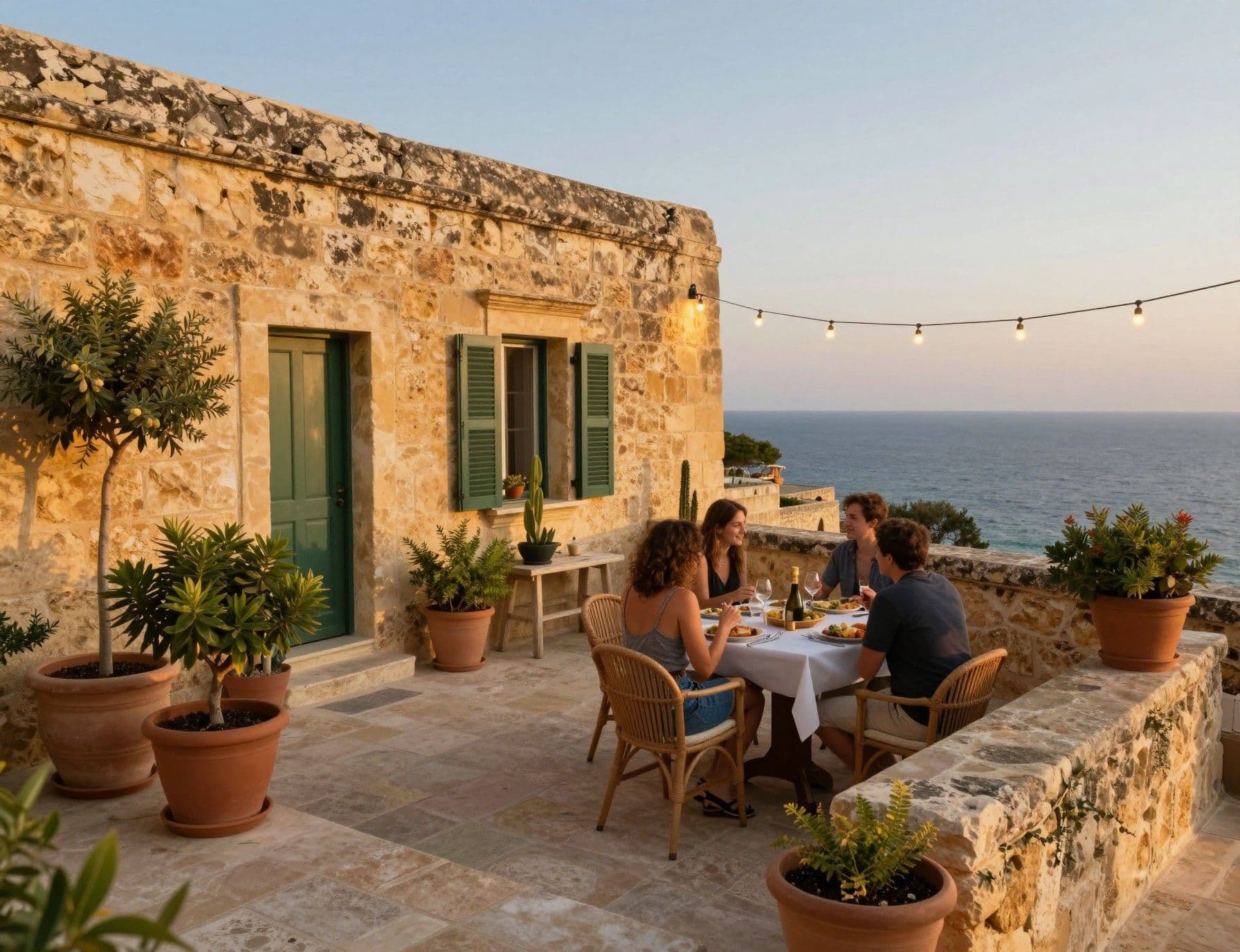
Imagine waking to the smell of espresso and sea salt, stepping onto a terrace where limestone walls hold the day’s warmth and bougainvillea drapes a shady lane. Malta moves at a measured Mediterranean rhythm — mornings for markets and coffee, afternoons for siesta‑slow beach walks, and evenings that belong to convivial dinners under fairy lights. For international buyers drawn to verdant coasts and compact communities, Malta offers an intoxicating blend of historic streets, rugged shoreline and surprisingly green living pockets — but the heart of a sensible purchase is matching this life to real market facts. Recent Maltese data show steady price growth and a boom in new apartments, so falling in love with place needs equal parts romance and rigorous local knowledge.
Living the Malta life — senses, places and rhythms
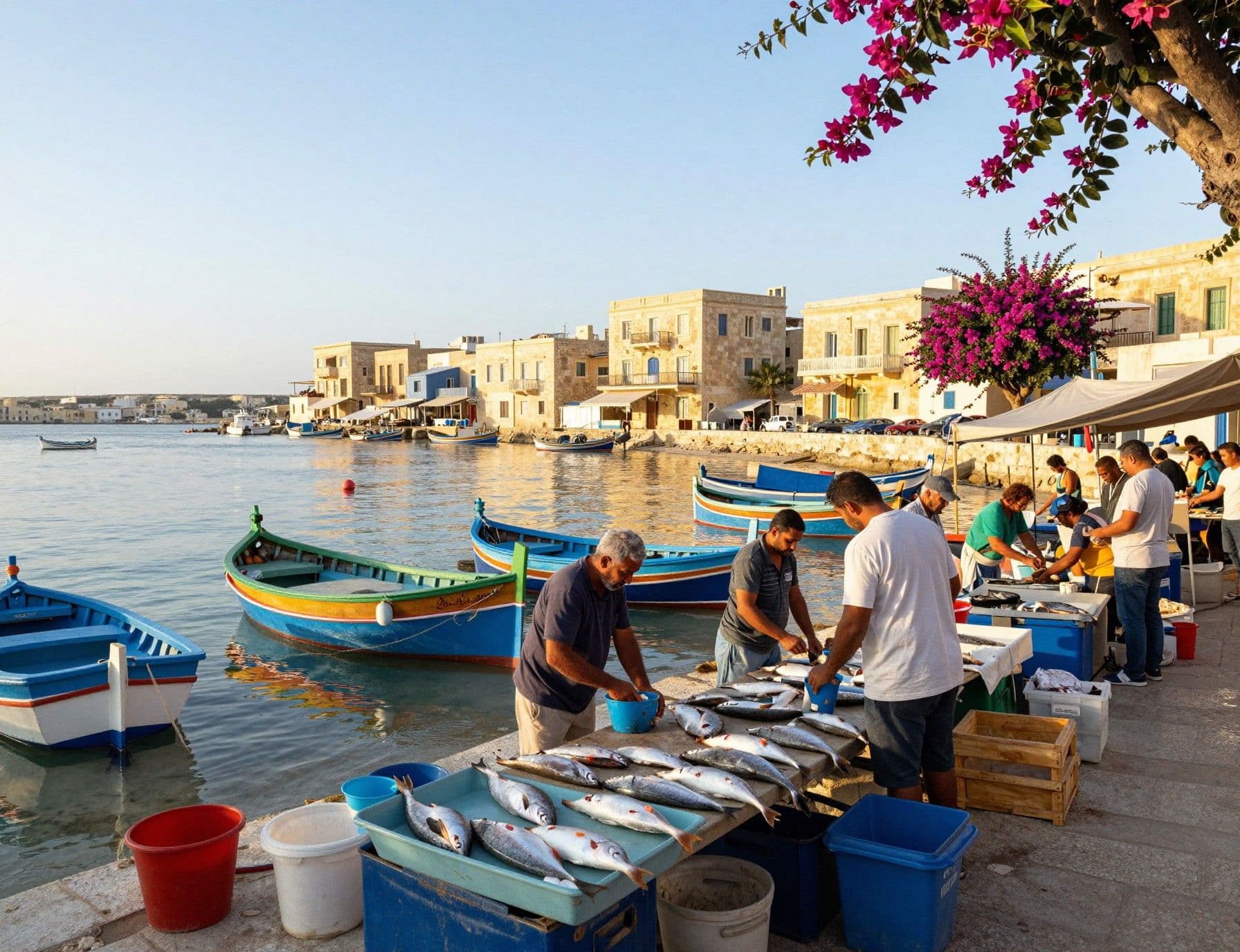
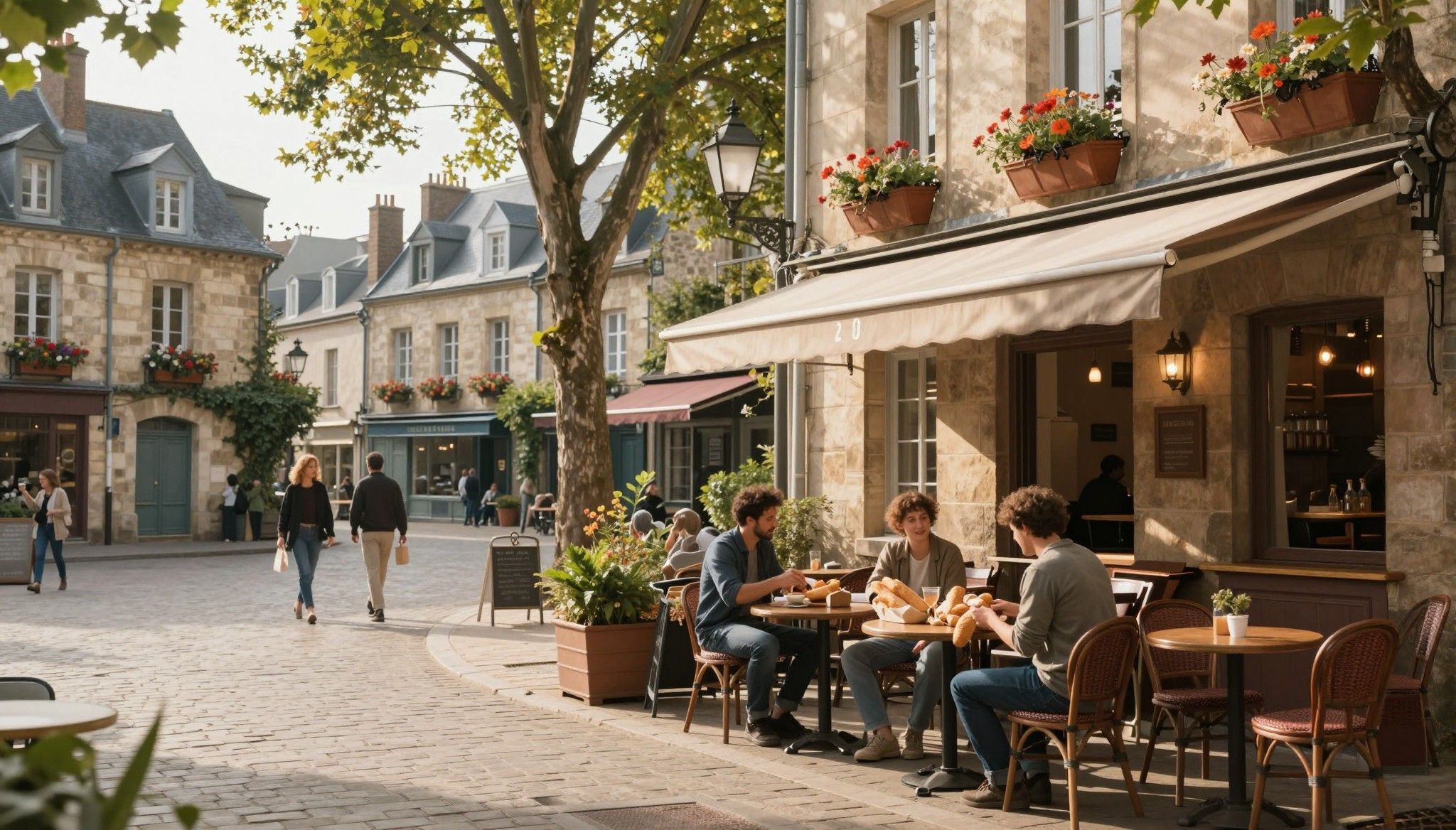
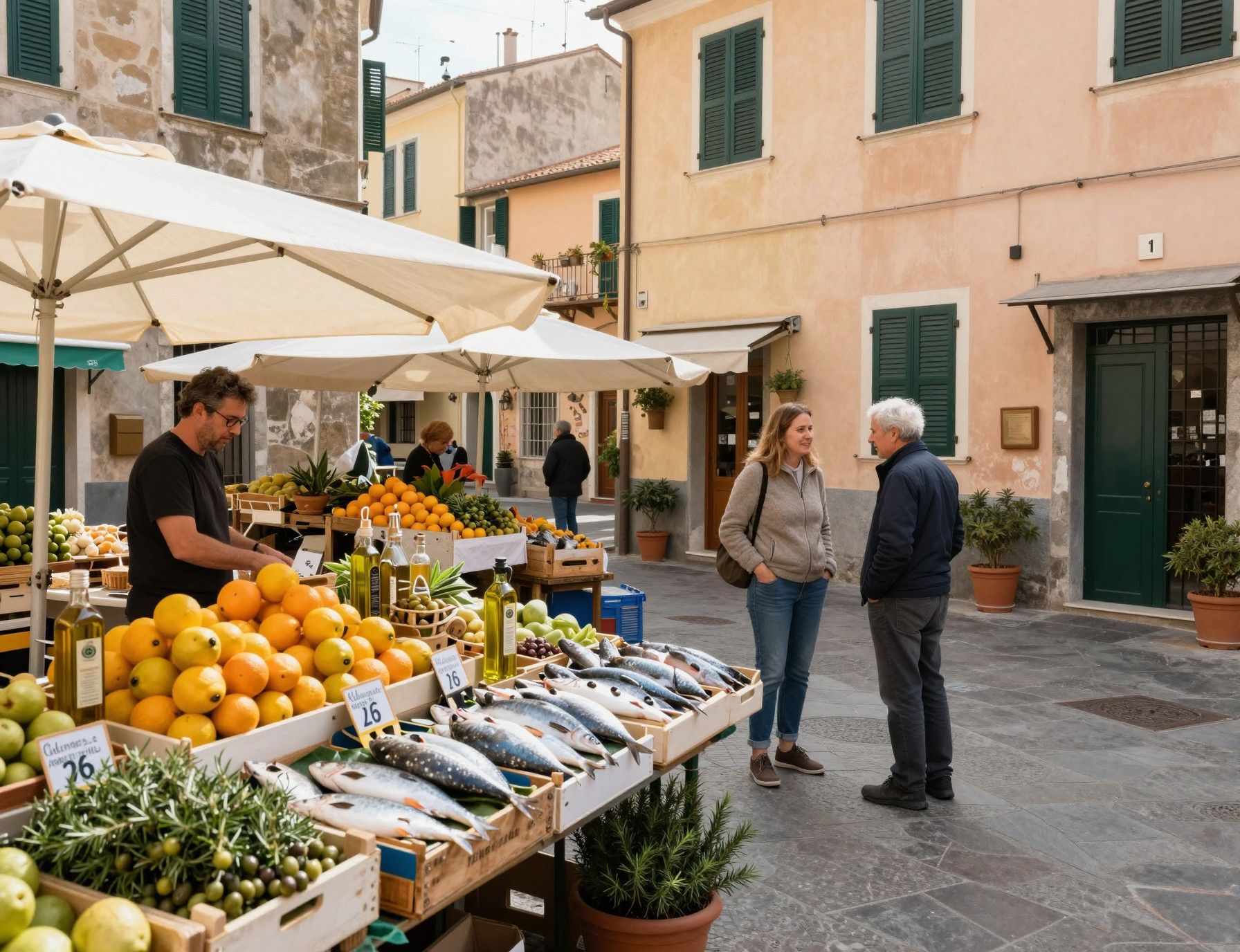
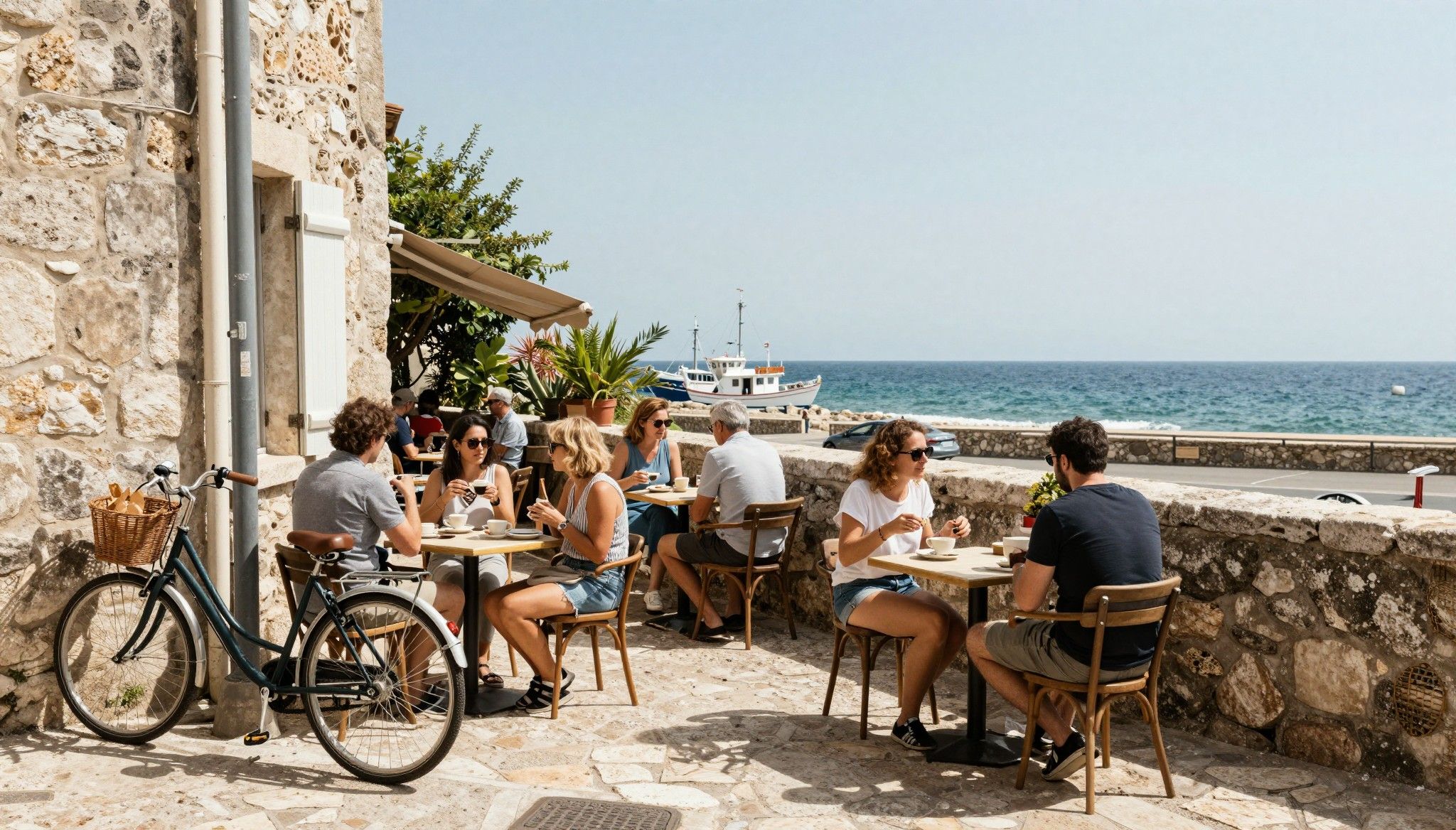
Daylight in Malta feels like a series of small rituals. You’ll see pensioners at the Valletta coffee shops by 08:00, fishermen mending nets in Marsaxlokk mid‑morning, and young families packing picnic rugs for Mellieħa Bay at noon. The island’s compactness means a weekend can hold a city museum visit, a coastal hike and a vineyard tasting without long drives; for many internationals that immediacy becomes a defining joy rather than a convenience. The natural world — limestone garigue, tidy terraced gardens, and small pockets of woodland on Gozo — threads through daily life and often dictates property choices more than square metres do.
Valletta & Three Cities: historic pulse, intimate streets
Valletta’s baroque facades and narrow streets feel like living inside a lovingly worn book. Here, restored townhouses and palazzos offer high ceilings, internal courtyards and rooftop terraces where sea breezes temper the summer heat; you’ll find espresso bars on St. Paul Street and quiet pockets of community on Old Bakery Street. Across the Grand Harbour, the Three Cities — Vittoriosa, Senglea and Cospicua — offer a different intimacy: boatyards, late‑afternoon light on weathered stone and a strong local identity that rewards patience. Choosing central heritage means embracing stairs, limited parking and conservation rules, but the payoff is a slice of Maltese history and immediate access to culture and harbour life.
Sliema, St. Julian’s & the north: seaside convenience and modern comfort
If seaside walks, waterfront cafés and a stronger international scene matter, Sliema and St. Julian’s answer with promenades, modern apartments and easy ferry links to Valletta. The north—Mellieħa and the quieter bays—delivers sandy beaches, birdlife and homes with gardens or private terraces where drought‑tolerant planting is common. These areas attract remote workers, families and buyers who want both a cultivated social life and practical amenities; expect newer builds with balconies and glazed terraces, and active renovation markets where traditional stone meets contemporary glass.
- Valletta: restored palazzo terraces, museums, harbour views; Three Cities: heritage community life and mooring culture; Sliema: promenades, cafes and commuting ease; St. Julian’s: nightlife and modern flats; Mellieħa: family beaches and quieter village life; Gozo: farmhouse charm, slower pace and countryside views.
Making the move: practical choices woven into lifestyle
Romance drives the first visit, but Malta’s market dynamics should shape the offer. Malta’s NSO and market reports show steady apartment growth and a surge in approved new dwellings in recent years, shifting supply toward modern units while demand for character houses remains resilient. That means your dream of a limestone farmhouse or an airy maisonette will have different timelines and negotiation dynamics: older houses need conservation-sensitive renovation, while new builds come with modern comforts but can cluster in denser developments. Connecting lifestyle priorities (garden, walkability, views) to these market realities keeps decisions grounded and purposeful.
Property types and what they mean for daily life
Townhouses and palazzos give you thick stone walls, internal courtyards and rooftop living that favor outdoor dinners and micro‑gardens, but they often need structural care and specialist trades for sympathetic repair. Maisonettes and apartments—now the fastest‑growing segment on the islands—offer easier maintenance, lift access and contemporary fittings, suiting part‑time residents or remote workers keen on convenience. Farmhouses and converted rural homes on Gozo reward slow living, space for edible gardens and natural insulation, but expect energy upgrades and water‑management solutions to align them with eco‑values. Match the property type to how you want to live each season: summers for terraces and sea breezes; winters for cosy courtyards and community connections.
Working with agencies who speak local life
Seek agents who live the Malta life rather than only selling it—those who know the best sunset walks in Dingli Cliffs, which neighbourhoods close for festa, and which architects specialise in lime mortar and traditional sash windows. Local expertise helps identify hidden gems: a quiet lane in Sliema with mature ficus trees, or a courtyard house near St. Ursula Street that captures morning light. An agency attentive to sustainability will highlight water‑wise landscaping, passive cooling features and recent permits for rooftop solar — all practical touches that deepen the lifestyle you’re buying into.
- Decide lifestyle priorities (garden, walkability, sea‑access); shortlist neighbourhoods with those rhythms; commission a local inspection focusing on masonry, insulation and water systems; ask agents about recent sales in the street and conservation restrictions; plan a renovation and biodiversity budget for gardens and rainwater capture.
Insider knowledge: what expats wish they’d known
Expats often discover that Malta’s compactness intensifies both pleasures and practicalities: neighbours are close, services are near, and town festivals can mean both charm and noise. Many newcomers underestimate the island’s microclimates — a seaside façade benefits from sea breezes but needs salt‑tolerant finishes, while inland terraces require different planting to thrive during dry summers. Understanding everyday life — where to post children for extracurriculars, how local garbage and recycling schedules work, and the rhythm of weekly markets — transforms a house into a home faster than any renovation. Recent analyses also point to regional price divergence, so choosing the right micro‑market matters for both lifestyle and long‑term value.
Language, community and making a place yours
English is an official language, which smooths the first months of living and dealing with agents, schools and utilities, while Maltese phrases open doors to deeper neighbourliness. Expat communities concentrate around Sliema and St. Julian’s, but real integration happens at festas, village bars and community kitchens where Maltese hospitality is quietly generous. For families, short school commutes and extracurriculars in quieter northern towns often weigh more than central glamour, while retirees prize Malta’s medical services and compact access to specialists. Investing time in local rhythms — learning a few Maltese words, joining a gardening or beach‑cleanup group — pays social dividends that make daily life feel settled and reciprocal.
Long‑term sustainability and stewardship
If you care about low‑impact living, look for homes with thick stone walls, north‑facing courtyards, and room for drought‑tolerant gardens; these features support passive cooling and reduced water use. Consider rooftop solar feasibility and the presence of modernised plumbing for greywater reuse — upgrades that local contractors increasingly offer as standard. Conservation laws around heritage buildings mean restorations must use traditional materials (lime mortar, timber shutters) which both protect local character and often improve the building’s breathability and longevity. Planning for stewardship — a small pollinator garden, rain cistern, or native‑plant courtyard — is as much a long‑term lifestyle choice as it is an environmental commitment.
- Budget for specialist stone masonry and lime mortar; prioritise solar and efficient hot‑water systems; plan water‑catchment and drought‑tolerant planting; ask agents about conservation notices and permit histories; select contractors familiar with traditional Maltese techniques.
Malta’s market can surprise: national indices from the NSO and central bank point to steady growth and a wave of new dwellings concentrated in apartment form, yet local scarcity of restored townhouses keeps demand high for character homes. For international buyers, the smartest offers balance a love of place with respect for the practical — hire a local lawyer familiar with Maltese conveyancing, work with an agent who knows the island’s seasonal life, and commission technical surveys that include masonry, roof lead flashings and water systems. Once those foundations are in place, you’ll be free to lean into the lifestyle: market mornings in Marsaxlokk, evening swims off the Dingli cliffs and slow Sunday lunches with neighbours.
Next steps to make Malta a home
- Visit in shoulder seasons to feel everyday life; shortlist neighbourhoods by daily routine rather than headline views; commission a local technical survey with eco‑upgrade estimates; negotiate with awareness of recent local comparables; build a stewardship budget for gardens and energy upgrades.
Malta is a place that rewards curiosity and patience. Fall in love with its limestone courtyards and sea‑tinted evenings, but build a purchase around sustainable stewardship and local knowledge. When you pair a life‑first vision with research—NSO indices, local market reports and a hands‑on agent who knows which builder uses traditional lime rather than modern cement—you’ll buy more than a property: you’ll join a living island community. Start by choosing a season for a return visit, asking for recent street‑level sales, and mapping how your daily routines will fit into the neighbourhood rhythms.
Danish relocation specialist who moved from Copenhagen to the Algarve; supports families with seamless transitions, local partnerships, and mindful purchases.