Italy’s Seasonal Truths: Buy for Life, Not Summer
Italy’s layered lifestyle rewards buyers who pair seasonal, sensory insight with data—use off‑season visits, local experts, and national market signals to buy for life, not just view.
Imagine waking to a bakery bell in a cobbled lane, an olive grove visible from your kitchen window and a weekly market where producers still barter over the day’s best tomatoes. Italy is many lives at once—sea and hill, artisan ritual and slow-season quiet—and that layered life is the real reason buyers fall in love before they buy. Yet beneath the sunlit scenes are measurable market rhythms that change when and where a purchase makes sense; recent market signals show steady, modest price growth in 2025–2026 and regional variation that rewards the patient buyer.
Living Italian: Everyday Scenes That Shape Where You Live
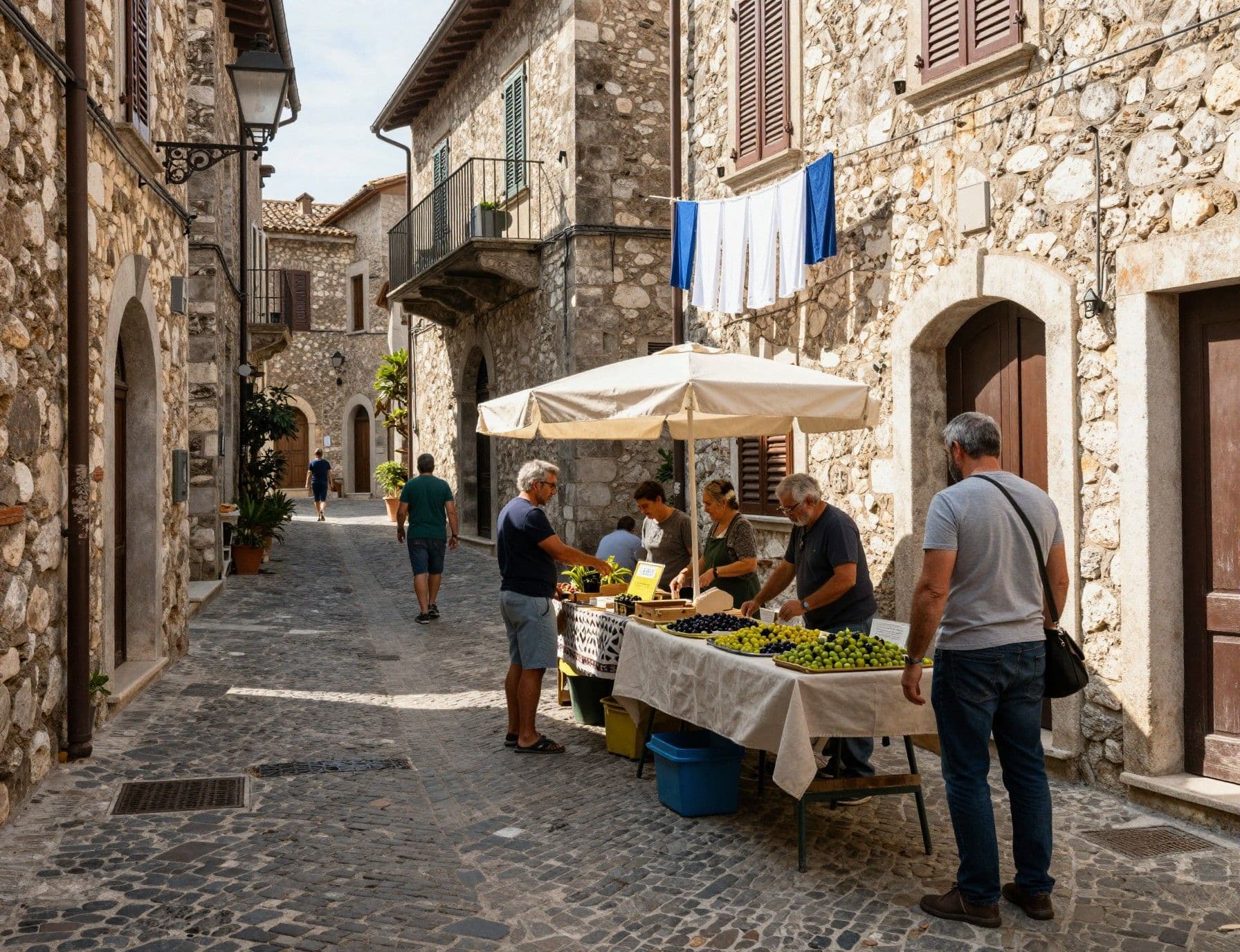
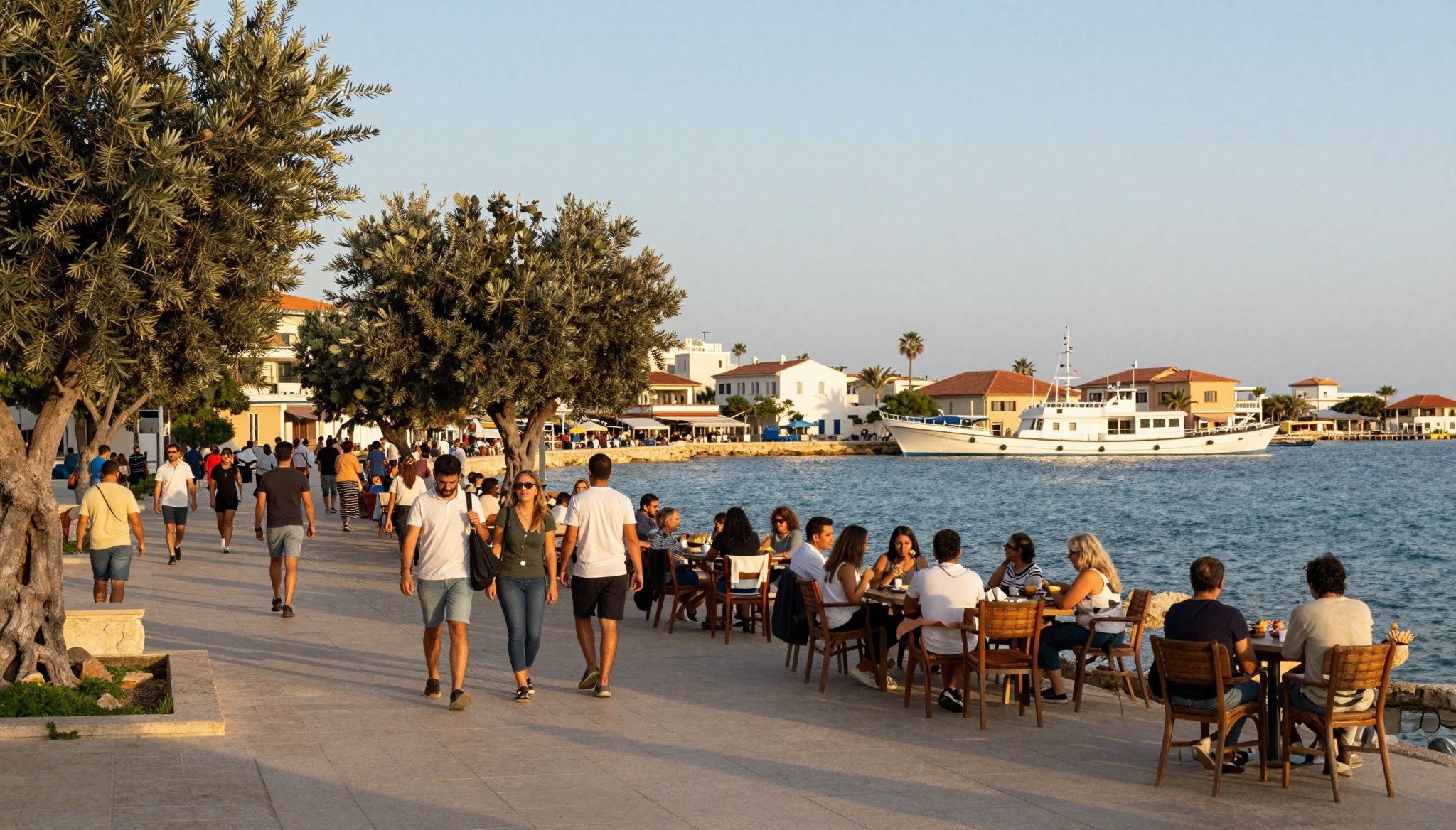
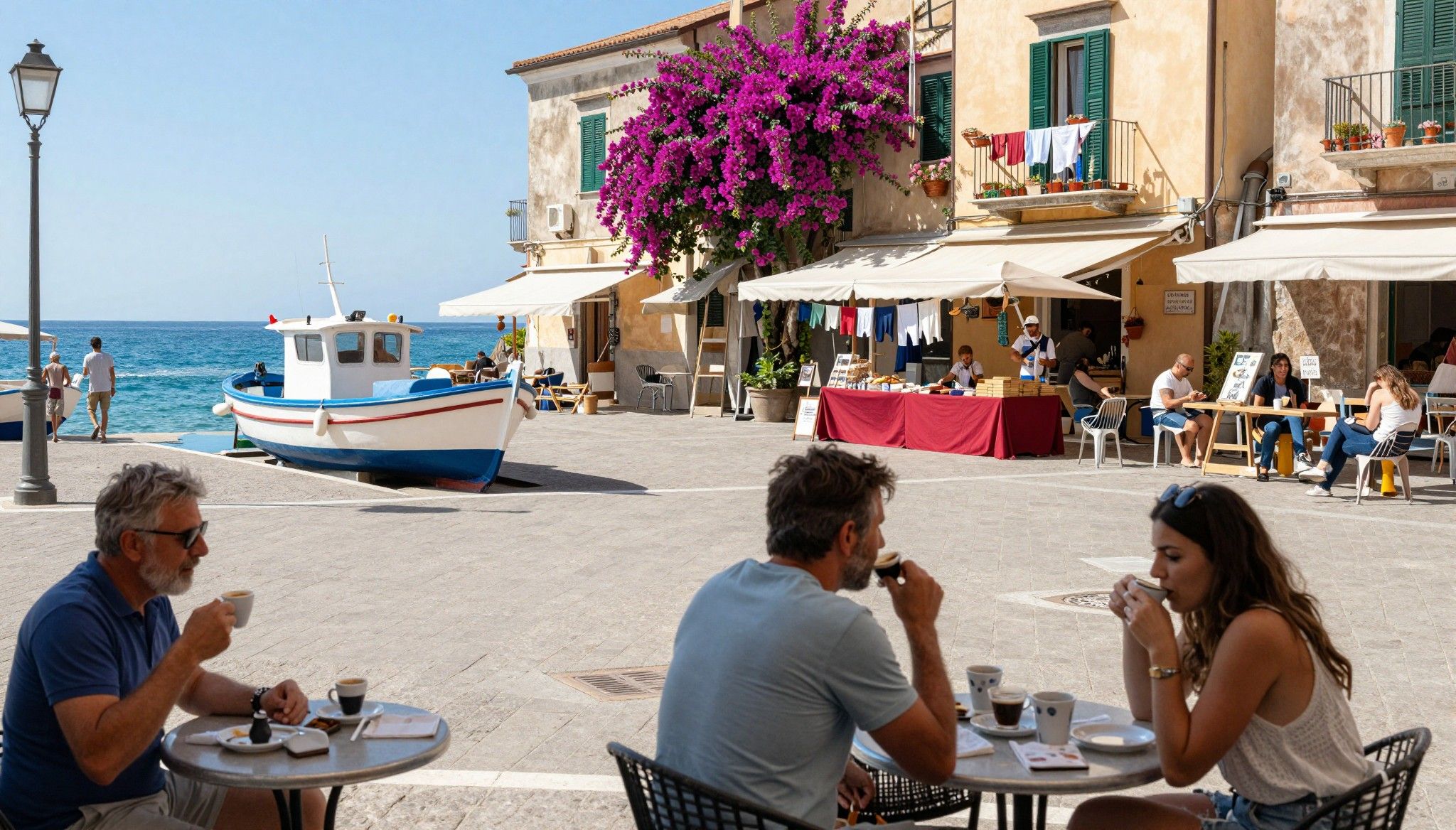
Italy’s daily rhythm is small gestures—an espresso at 8 a.m., a passeggiata at dusk, shutters closed against the hot afternoon. How you live here depends on scale: a seaside town like Cefalù is paced by tides and tourist seasons, while a neighborhood in Bologna is organized around markets, university cafes and covered porticos where life carries on in all weathers. Picture terraces with potted lemon trees, community vegetable plots, and tradespeople who still repair rather than replace; those details shape both the feel of a home and the practicalities of ownership.
Neighborhood Spotlight: Trastevere to Le Marche Hilltowns
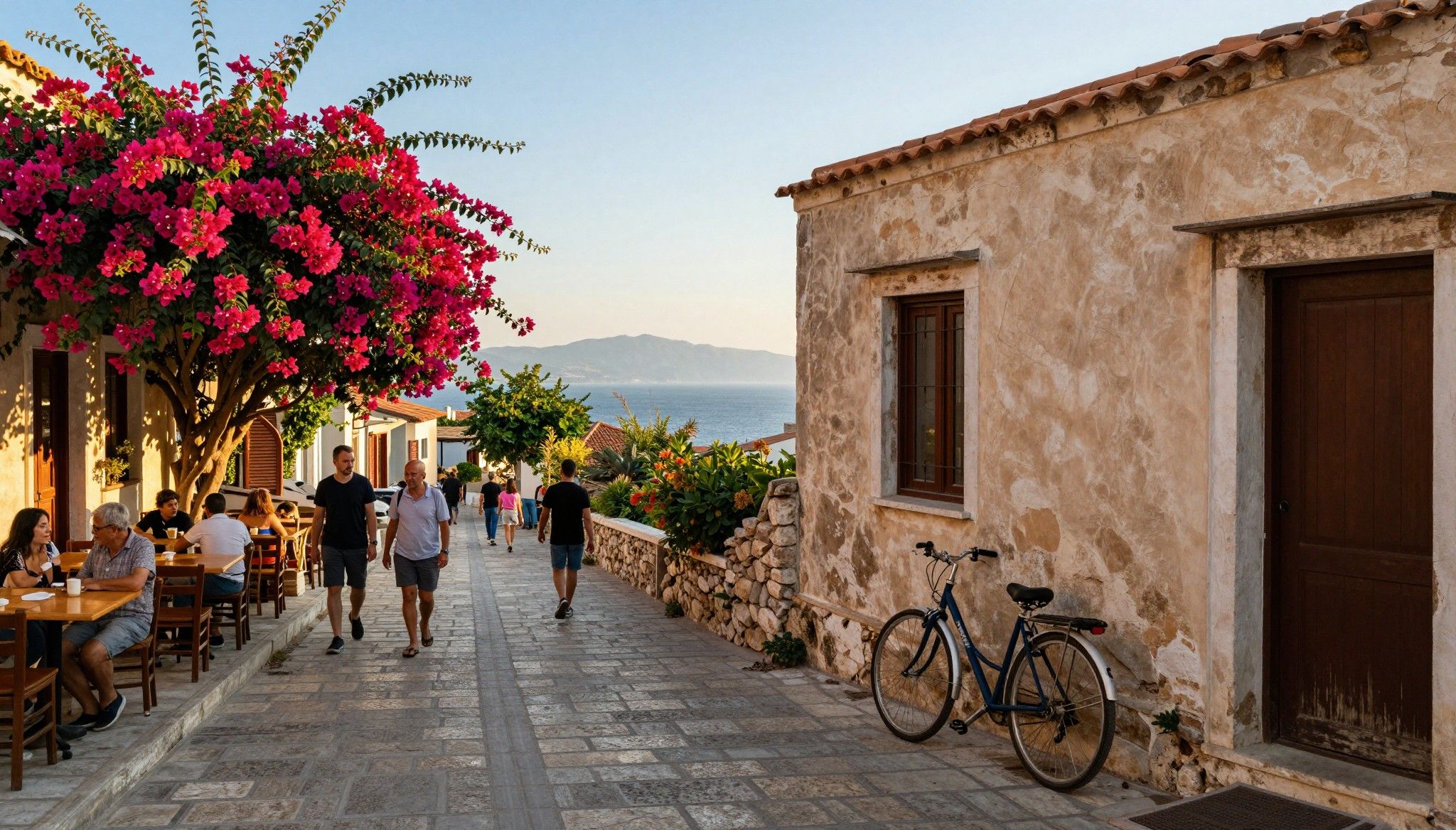
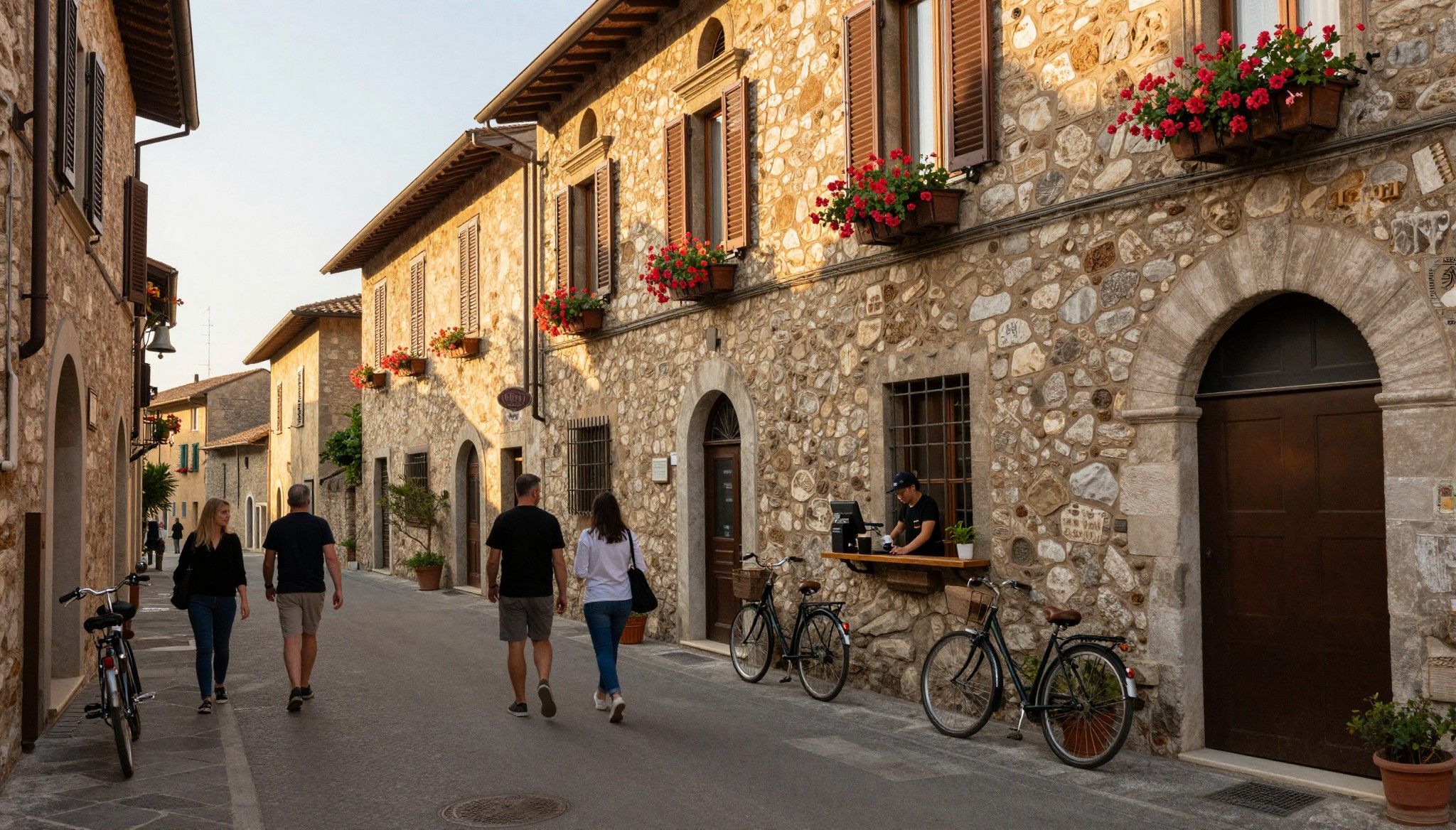
If you crave street life and late dinners, Rome’s Trastevere or Florence’s Oltrarno offer lantern-lit alleys, artisans’ workshops and cafes that hum until midnight. For quieter stewardship, the hilltowns of Le Marche—think Offida or Cingoli—give you stone houses, community olive presses and local cooperatives that teach traditional building repairs. Each place carries its own seasonal choreography: beach towns empty and breathe in winter; inland towns swell with harvest and festival activity.
Food, Market Life and Seasonal Texture
Markets define neighborhoods: Palermo’s Ballarò at dawn is a cacophony of fish, citrus and conversation; Mercato Centrale in Florence mixes young chefs with old vendors; small-town morning markets often end with shared coffee. Seasonal life—truffle hunts in autumn, grape harvests in late summer, spring wildflower walks—dictates how a property feels through the year and suggests different uses: second-home retreats that thrive in autumn and spring, year-round homes that need winter insulation and reliable heating.
- Morning markets, aperitivo spots, hidden beaches, artisan workshops, village festivals, communal olive presses
Making the Move: Practical Choices that Protect the Lifestyle
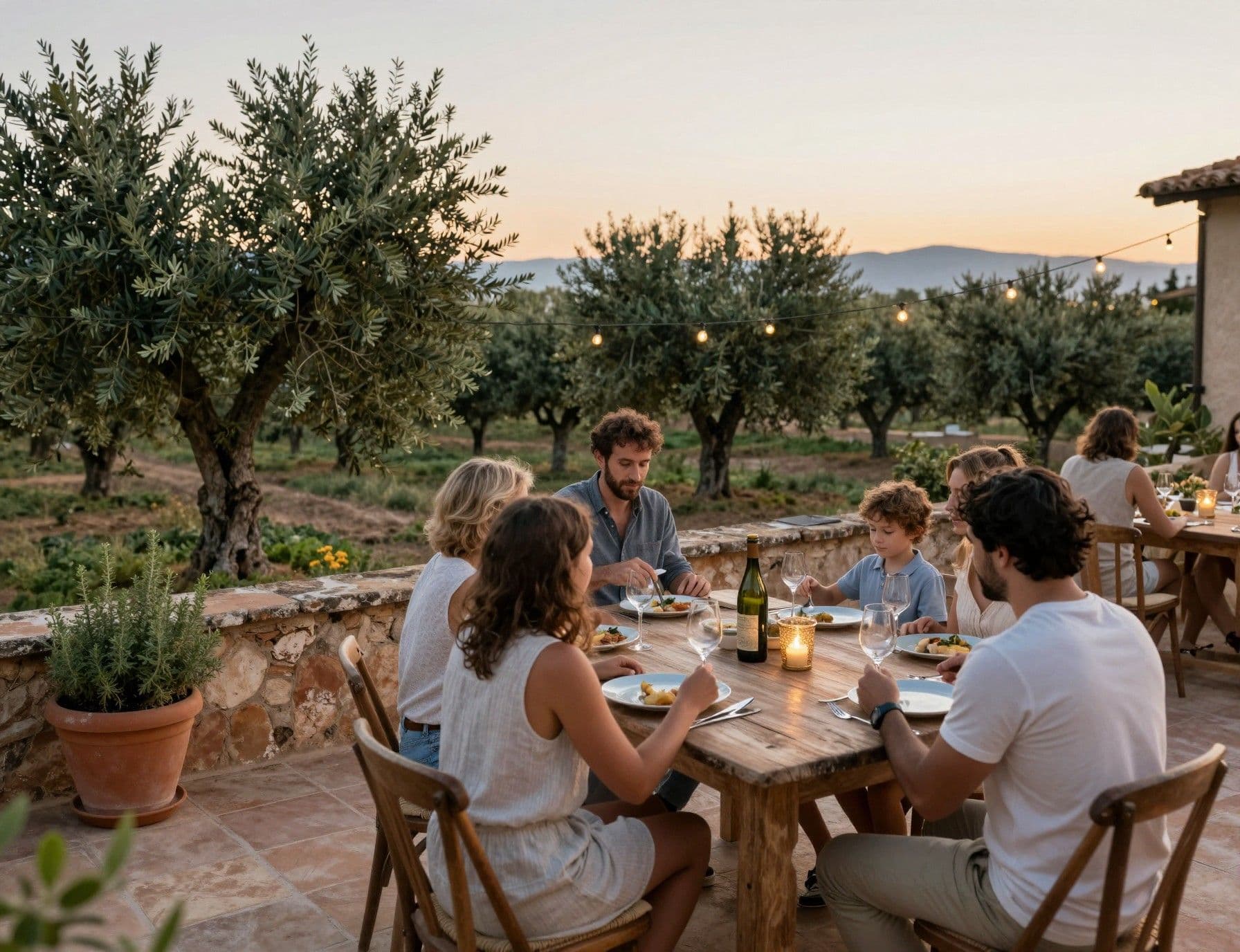
The romance of Italy meets paperwork and seasonal realities. You’ll want an agent who can translate daily life into property features—does the home have summer shade and winter heating? Is the garden suitable for edible planting or olive trees? Recent national data show modest, uneven price growth across regions, underscoring why local expertise matters: a coastal commune’s value behaves very differently from an inland hill village. Use market data to time viewings outside the peak-summer illusion so the neighbourhood’s true tempo is revealed.
Property Types and How They Shape Daily Life
A restored stone farmhouse invites slow mornings, wood stove warmth and rain-soaked moss on terraces; a seaside apartment offers morning swims and easy access to markets but often higher seasonal maintenance. New builds promise insulation and efficient systems, while historic restorations give character—and sometimes layers of hidden maintenance. Match the property’s architecture to your daily habits: if you dream of a kitchen garden, prioritize outdoor space and sun aspect; if you want urban life, pick neighborhoods with market access and walkable amenities.
Working with Local Experts Who Know the Life
- 1. Hire an agent with local conservation and renovation contacts so restorations respect traditional materials. 2. Ask for seasonal photo diaries of the property (winter, spring, summer) to see living conditions across the year. 3. Check energy performance and heating systems—seek agents who can explain practical insulation steps. 4. Confirm access to local services (doctors, markets, post) and public transport—this shapes day-to-day living. 5. Work with a notary and tax advisor familiar with non-resident purchases to avoid surprises at closing.
Insider Knowledge: Real Talk from Expats and Locals
Expats often tell the same small regrets: they under-estimated seasonal maintenance, over-valued summer impressions, or chose properties without easy access to local services. Market reports from respected portals and national statistics underline these patterns—prices rose modestly across 2025–2026 with strong local variation, meaning a coastal bargain can still carry higher running costs. Use these sources to validate what an agent tells you and to calibrate expectations about price and upkeep.
Cultural Integration and Everyday Language
Learning a few phrases changes interactions—vendors smile wider when you know the right greeting—and joining local circles (cooking classes, volunteer olive harvests) accelerates belonging. Town councils and community associations often run the best introductions; they can point you to trusted craftsmen, local markets, and seasonal rituals. Accept that bureaucracy is slower here; patience is part of the rhythm and often rewarded with deeper local ties.
Long-Term Stewardship: How Life Grows Around a Home
Think of a property as a member of the local ecosystem: olive trees, rainwater capture, and solar arrays change the running costs and the rhythms of care. Many buyers find that modest investments—improving insulation, adding a drip irrigation system, or restoring terraces—multiply daily joy and long-term value. Consider stewardship not as extra cost but as an invitation to ground your life in place, and choose local partners who favour natural materials and regenerative approaches.
- Check recent national price indexes; ask for neighborhood comparables; obtain a codice fiscale and review registration tax implications; see the property across seasons; prioritise local agents with sustainability and restoration experience.
If Italy feels like an invitation to live more slowly and more beautifully, let the practical steps act as a map, not a barrier. Start with visits out of season, bring a local expert who understands both markets and ecology, and choose a property that supports the life you want—shade in summer, hearty heat in winter, and soil that will yield fruit. When you pair lifestyle choices with data from national statistics and respected portals, you make a purchase that is both heartfelt and wise.
Dutch property strategist who helped 200+ families find sustainable homes in southern Europe; expert in legal pathways and long-term stewardship.