Why Autumn Closings Win in Cyprus: Timing, Tactics, Stewardship
Autumn and winter closings in Cyprus often give international buyers clearer inspections, better negotiation leverage and a cleaner path to green upgrades.
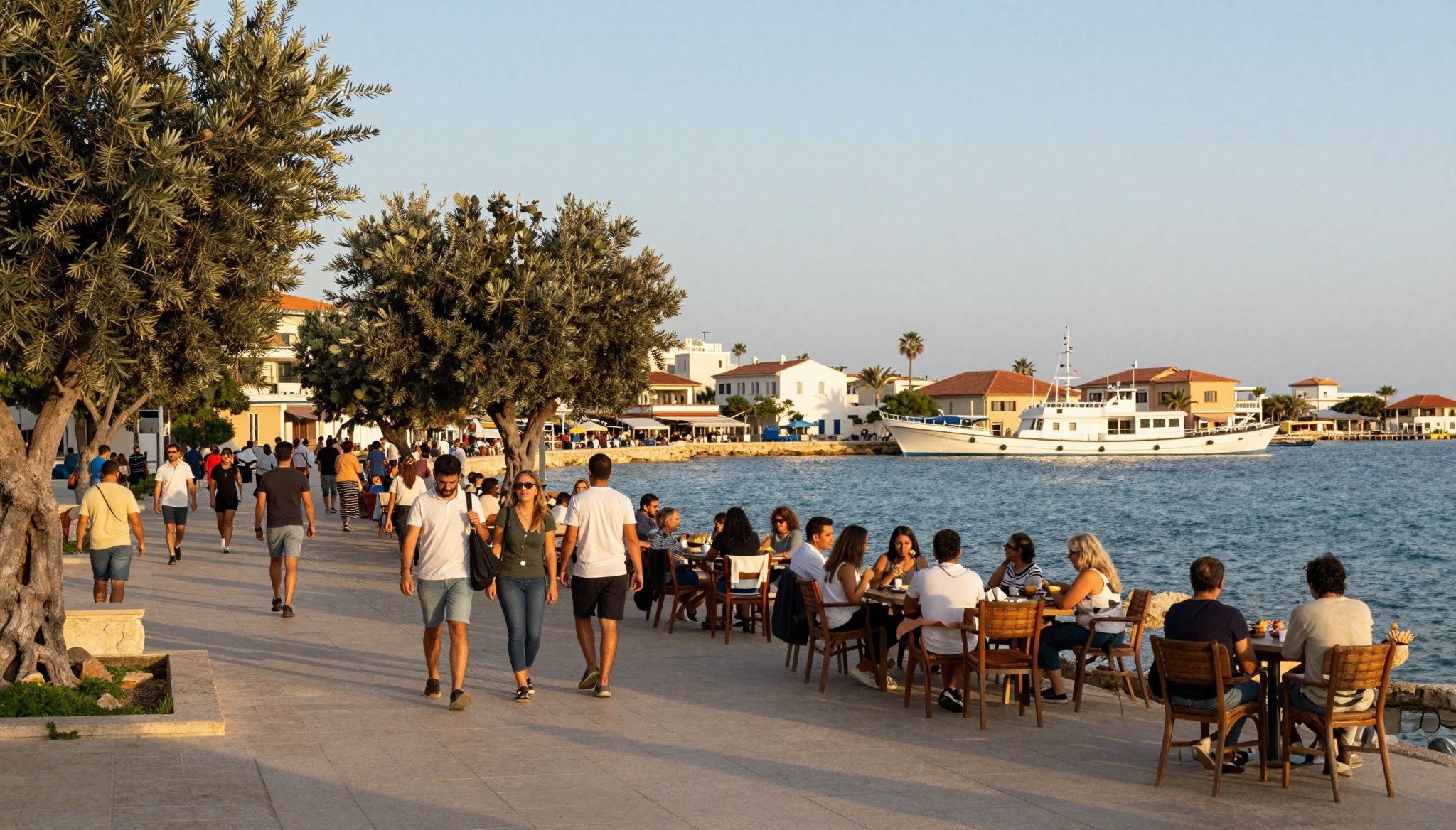
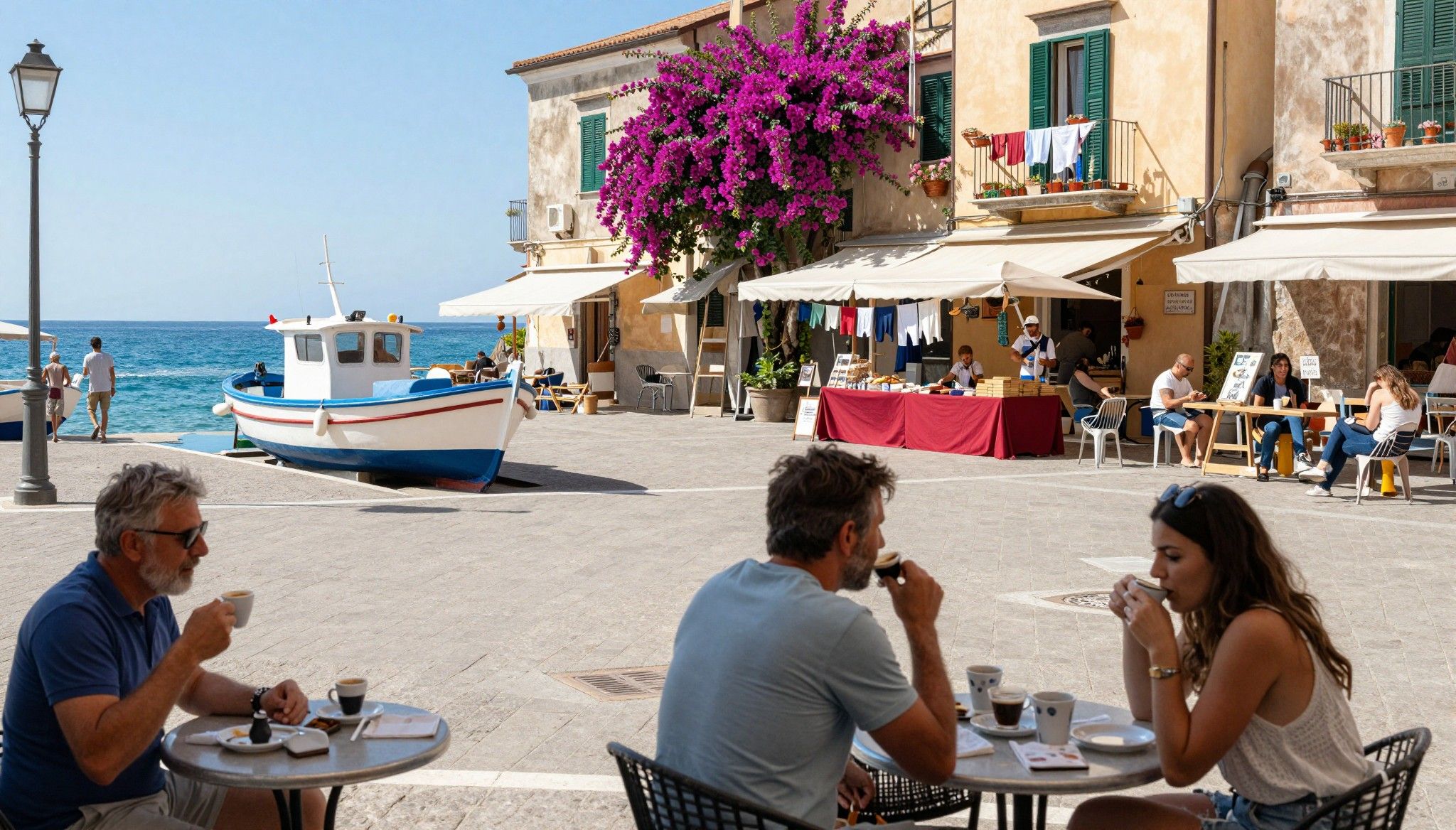
Imagine stepping out at dawn to a narrow street in Kato Paphos, the sea a slow silver behind fishermen’s crates, the smell of baking bread drifting from a kafeneion. This is the kind of daily rhythm Cyprus offers: sunlight that structures your day, neighbourhood rituals that stitch strangers into neighbours, and a landscape that insists you slow down. Yet the moment you move from longing to offer, timing and stewardship matter as much as the view—especially if you want a home that honours place, reduces bills and grows in value. Recent data from the Central Bank of Cyprus shows steady price growth across 2024–25, a reminder that good timing can save both money and ecological headaches.
Living Cyprus: light, sea, village rituals
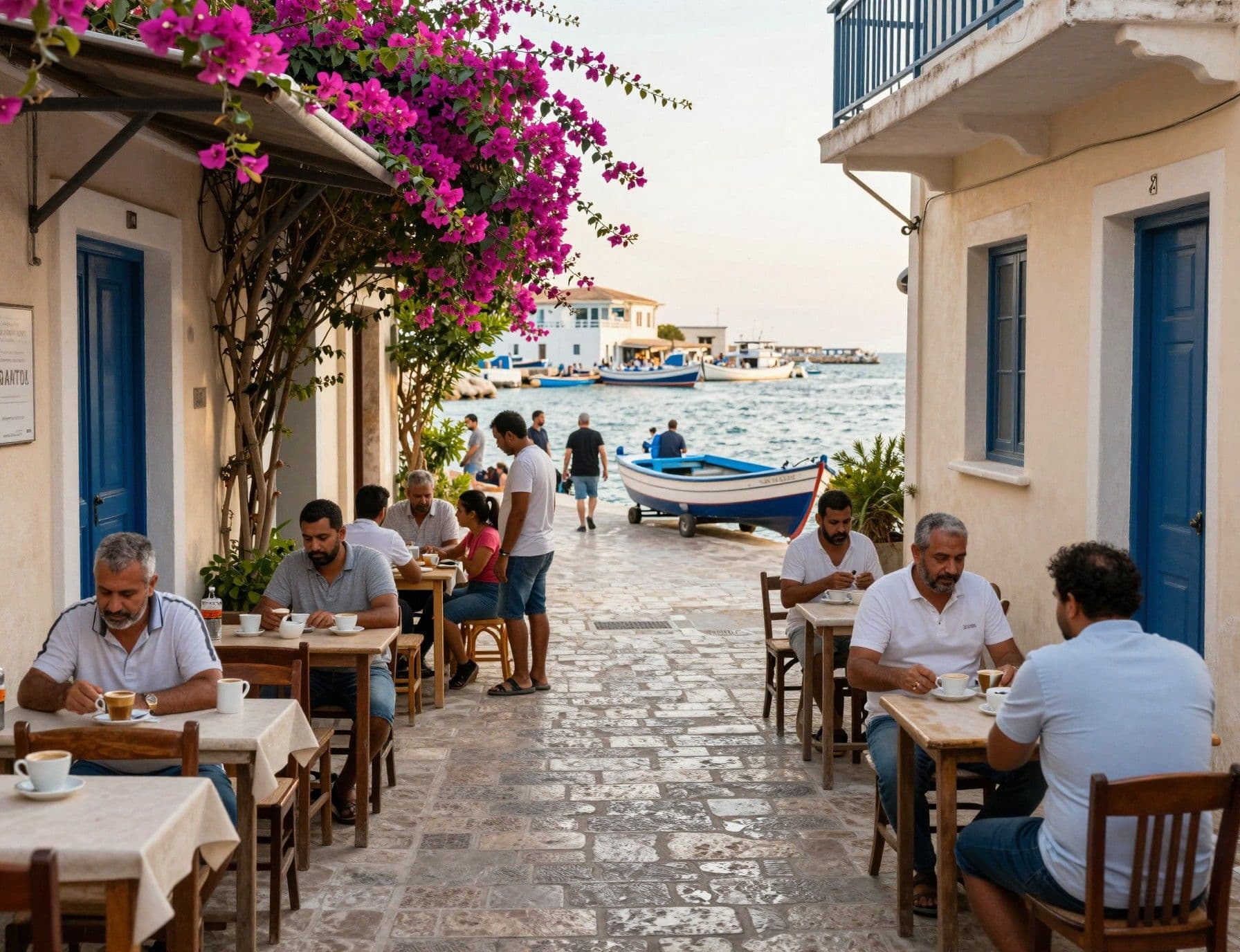
Cyprus is not a single life but many: coastal mornings in Limassol where cafés hum and yachts slip past, slow afternoons in the stone alleys of Omodos where winemakers argue over grape varieties, and quieter winters in Troodos villages where cedar pines smell like home. The island’s climate and culture shape daily choices—terrace gardens, shaded pergolas and homes built to catch the cool evening breeze are lived necessities, not design affectations.
Coastlines & harbours: Limassol, Paphos and Fig Tree Bay
On the coast you’ll trade early morning swims for waterfront espressos and late sunsets for fish meze. Limassol’s Molos and old port attract a lively, year‑round crowd; Kato Paphos offers a gentler harbour life where archaeology meets tavernas; Protaras and Fig Tree Bay keep a holiday ease that becomes comforting off-season. Properties here favour glazed terraces, salt‑tolerant planting and flexible indoor‑outdoor rooms.
Mountain and village life: Troodos, Omodos, Pissouri
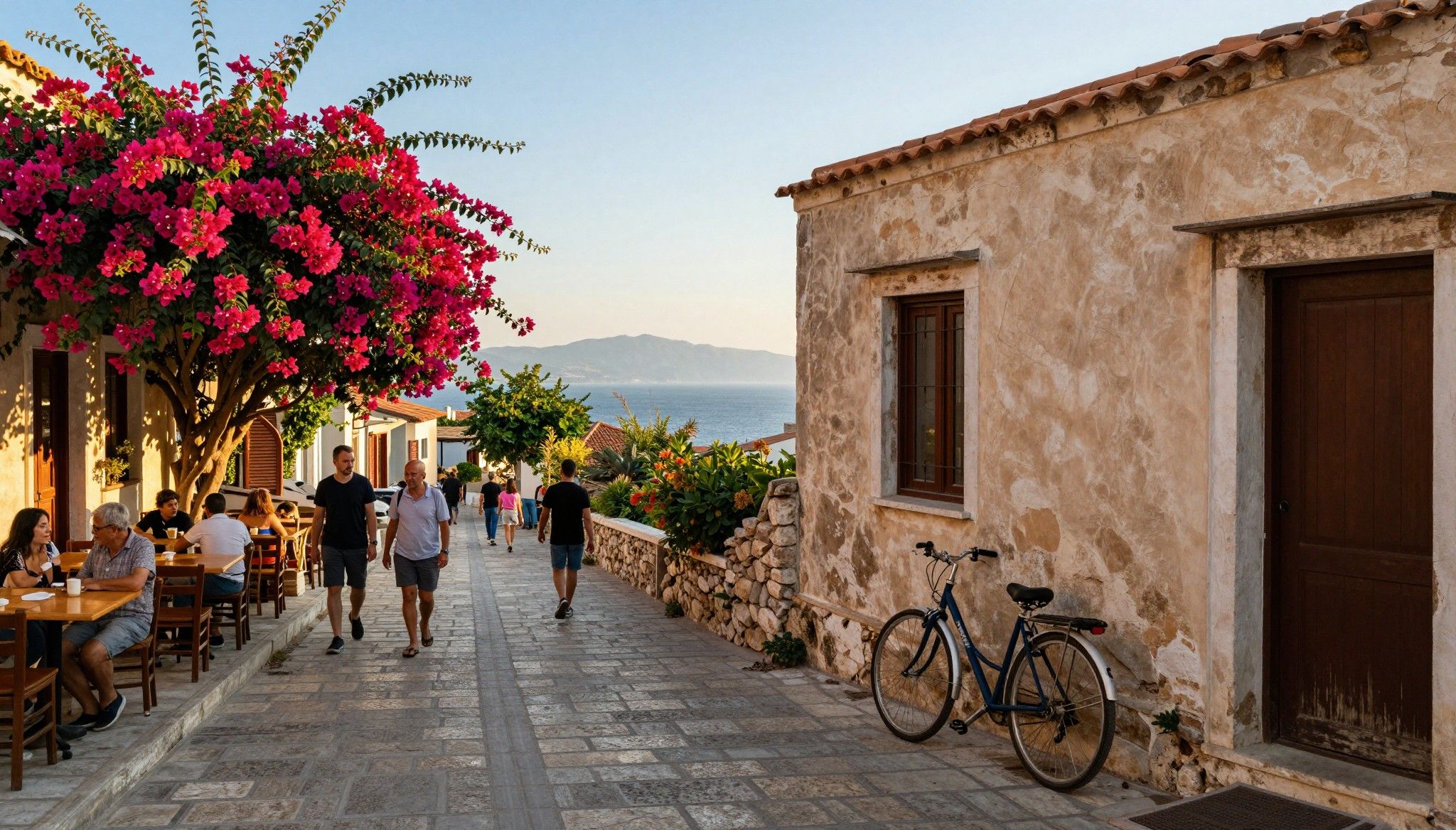
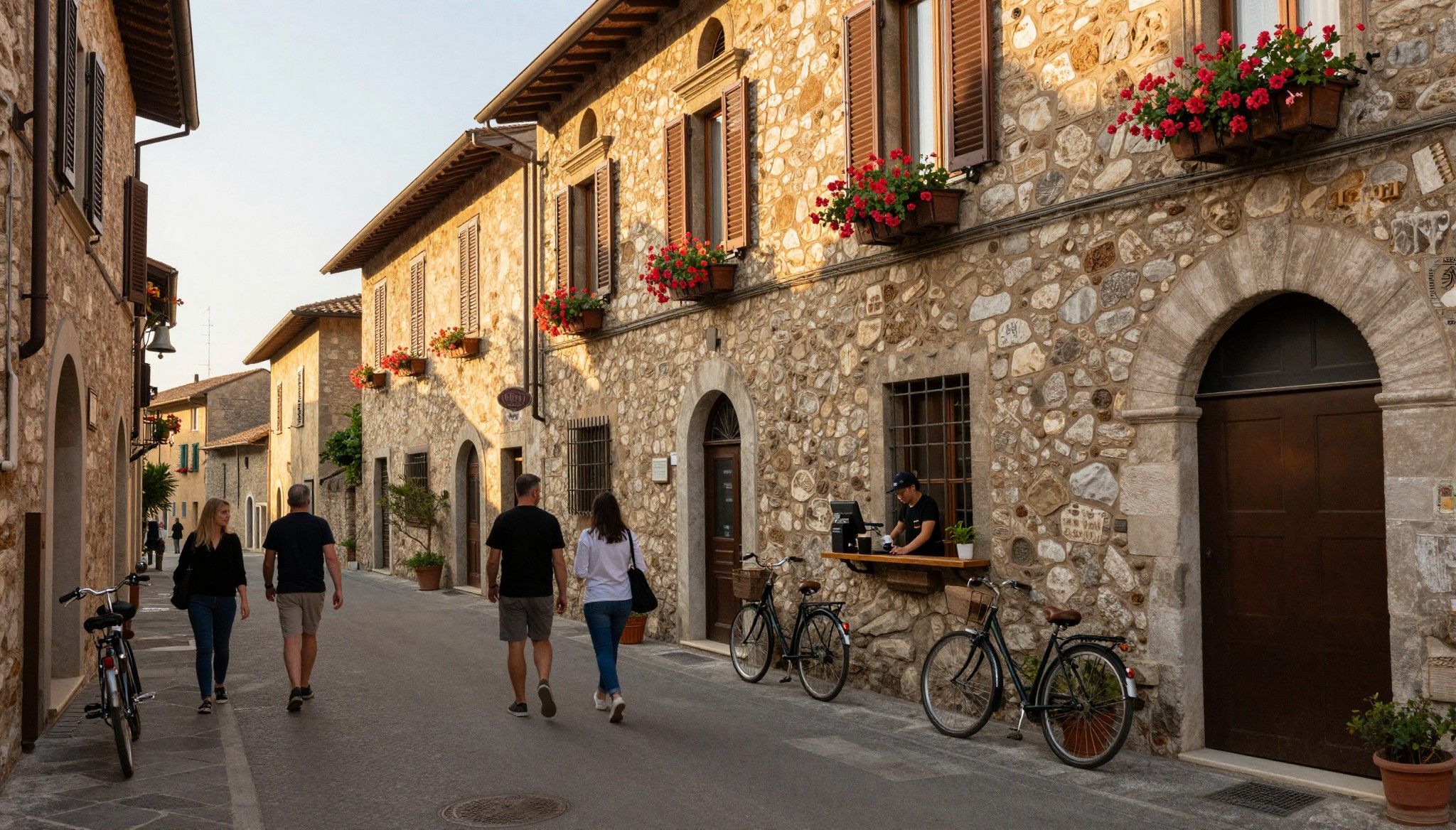
Move inland and the rhythm changes: winters bring mist and wood fire; summers offer hiking and village festivals. In Omodos you’ll find stone cottages with thick walls and shady courtyards—homes that naturally moderate temperature and lend themselves to eco‑retrofits like thermal insulation and passive solar glazing. Pissouri balances village calm with easy coastal access—perfect for buyers who want both a garden and a short commute to the sea.
Making the move: timing, negotiation and green stewardship
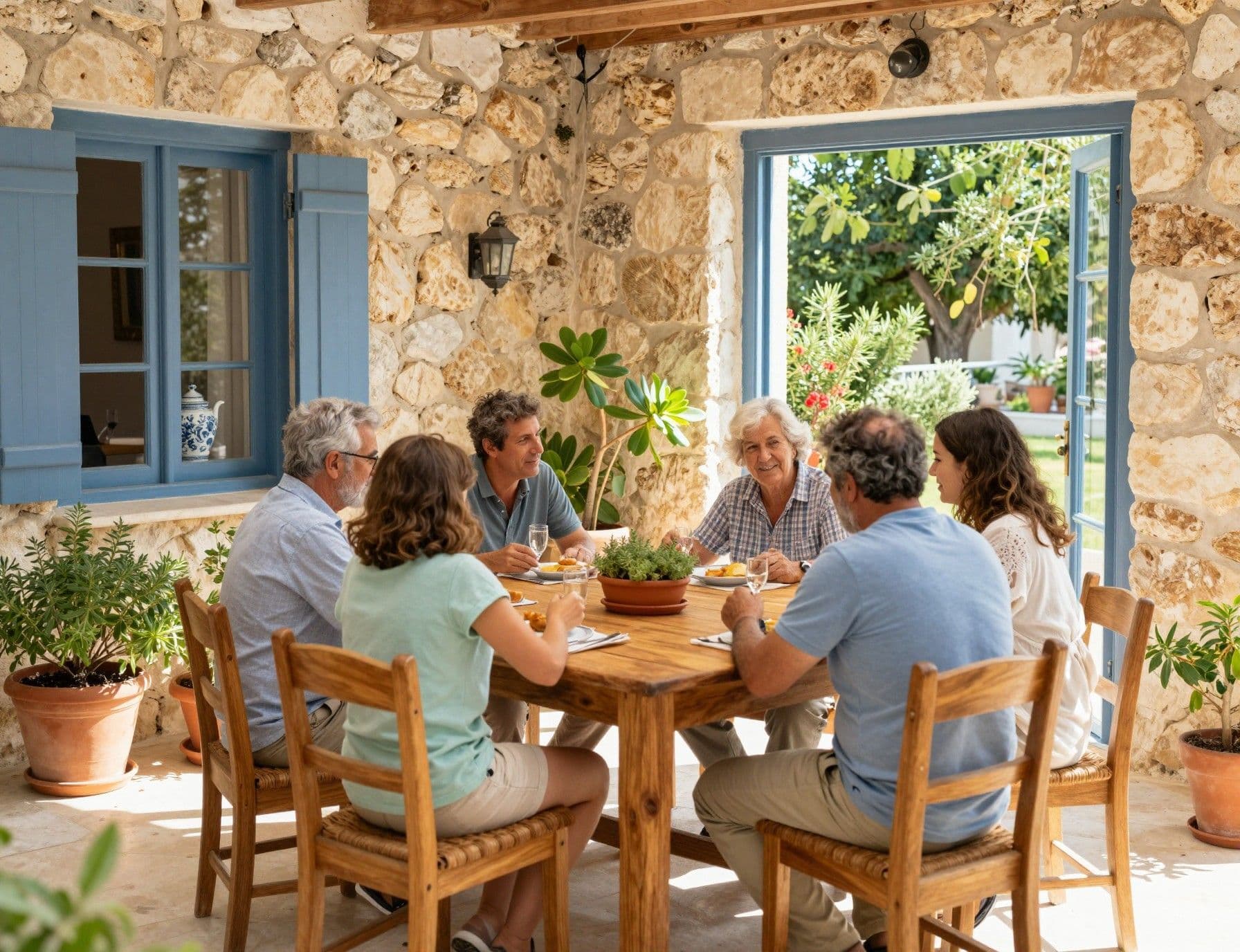
If lifestyle is the why, timing and negotiation are the how. Island markets show pockets of strength and moments of softness: official indices and Eurostat show overall upward pressure on prices in recent years, yet local micro‑cycles exist (Paphos has outpaced some coastal submarkets recently). For the eco‑minded buyer this means choosing not only when to sign but how the contract embeds stewardship—clauses for energy upgrades, garden protection and a sensible schedule for works.
Property types that suit life and low impact
Traditional stone houses with thick walls are brilliant for passive cooling and cozy winters; new developments often promise solar readiness and EV charging. When you weigh options, look beyond sq m and sea view: roof orientation, existing insulation, planted terraces and rainwater systems tell you how much additional investment a property will need to meet low‑impact living goals.
Work with experts who understand place and purpose
A local agent who knows where old stone meets good sun exposure will save you months of guessing. Attorneys versed in recent residency‑by‑investment updates, surveyors who check damp and orientation, and a sustainability‑fluent contractor will keep the closing aligned with the life you imagined. Ask agencies for examples of past eco‑retrofits or solar installs—they should tell stories, not buzzwords.
Insider knowledge: what expats wish they’d known
Expats often arrive enchanted, then discover small frictions: the rhythm of bureaucracy, seasonal business hours, and the fact that the glorious summer can hide structural issues during inspections. Many wish they’d negotiated seller commitments for repairs, a phased closing to allow green upgrades, or an explicit energy‑performance target in the sale contract.
Cultural practicalities: language, community and pacing
English is widely spoken in Cyprus, but local relationships matter. A kafeneion conversation can open doors; a recommendation from a neighbour can speed permits. Respect the island’s measured pace: planning permissions, utility connections and cadastral searches often take longer than you expect, so build time into the closing schedule.
Longer view: stewarding your Cyprus home
Treat your purchase as an ecological project. Start small: a rain barrel and native planting reduce water use; add photovoltaic panels and tie into a local installer network for warranties and maintenance. Over five years, these measures lower bills, increase market desirability and create a property that feels in tune with the island rather than a seasonal artefact.
- Lifestyle highlights to look for when house‑hunting
- Kafeneion mornings in Kato Paphos and the fish market atmosphere at Limassol’s Old Port
- Sunday village wine festivals in Omodos and farmer stalls selling halloumi and thyme honey
- Troodos hikes, cedar forests and winter snow that tempers home heating needs
- Sunset terraces in Paphos for slow, social evenings
- Steps to a thoughtful closing and post‑purchase steward plan
- 1) Reserve with a conditional deposit that allows a full survey and energy check.
- 2) Contractually require seller disclosures about roof, insulation and any past water ingress.
- 3) Include a phased completion clause for agreed green upgrades (solar, insulation, native landscaping).
- 4) Ask your notary to register any easements for shared wells, access ways, or native tree protection.
- 5) Build a 12‑month stewardship budget: maintenance, garden, and energy upgrades (typically 1–3% of purchase price annually).
Red flags that cut against the lifestyle you want
- Sparse or missing documentation of past water damage
- Rooftop orientation or shading that prevents effective solar installation
- Properties with landscaping of invasive species rather than native planting
Conclusion: Cyprus rewards patience and purpose. When you buy after you’ve lived the place in small ways—returned in different seasons, talked to neighbours, and tested the morning coffee routine—you reduce the chance of buyer’s remorse and increase the likelihood your home will feel regenerative. Consider autumn and winter closings for clearer inspections and stronger negotiating positions, lean on local experts who can translate culture into contracts, and fold stewardship into the sale so your Cyprus home becomes a place that gives back.
Danish relocation specialist who moved from Copenhagen to the Algarve; supports families with seamless transitions, local partnerships, and mindful purchases.