Verdant Coasts & Forests: Why Off‑Season Italy Wins
Why Italy’s green coasts and forested hills reward off‑season house hunting and eco-minded due diligence—seasonal life beats postcard views.
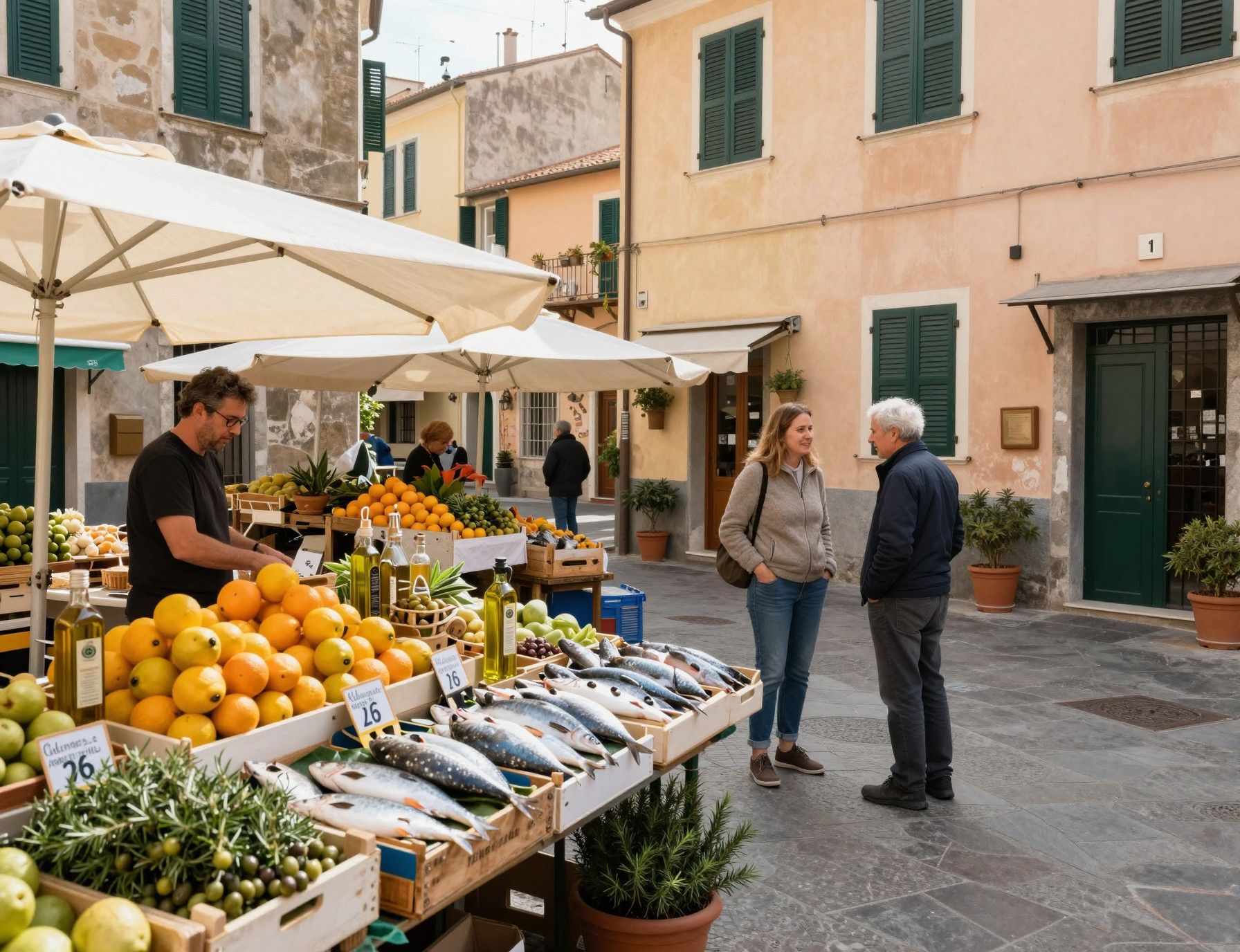
Imagine waking to a mist-soft morning above a rocky Ligurian cove, the air stitched with rosemary and salt. You walk down a narrow street to buy bread from a corner forno, exchange a few words in halting Italian and feel, quietly, that you belong. Italy’s verdant coastal belts and forested hills don’t sell a lifestyle so much as steward one: seasons, craft, slow food and an architecture that leans into the landscape.
Living the Italy Life: Coast, Forest and Slow Rhythms
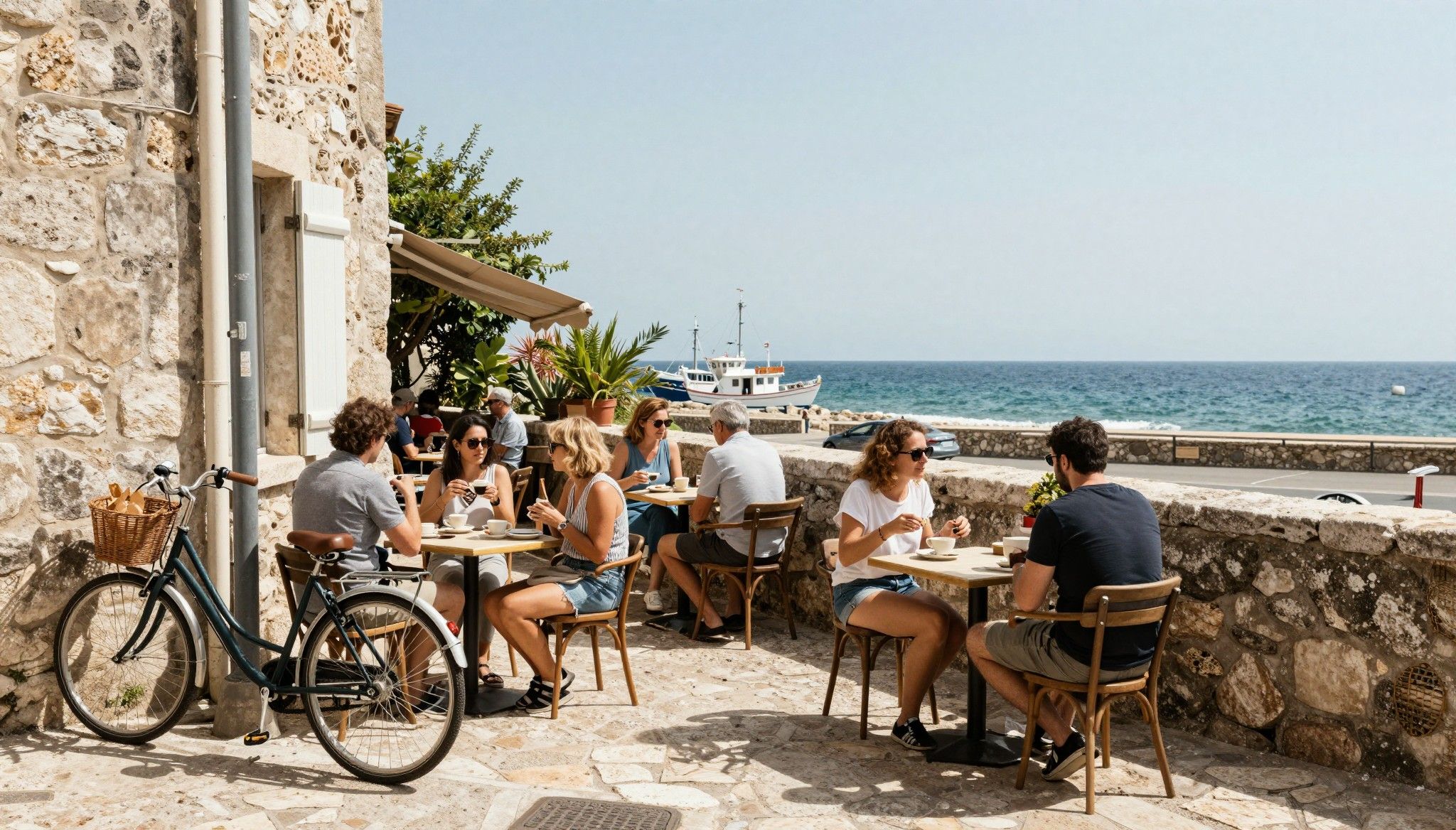
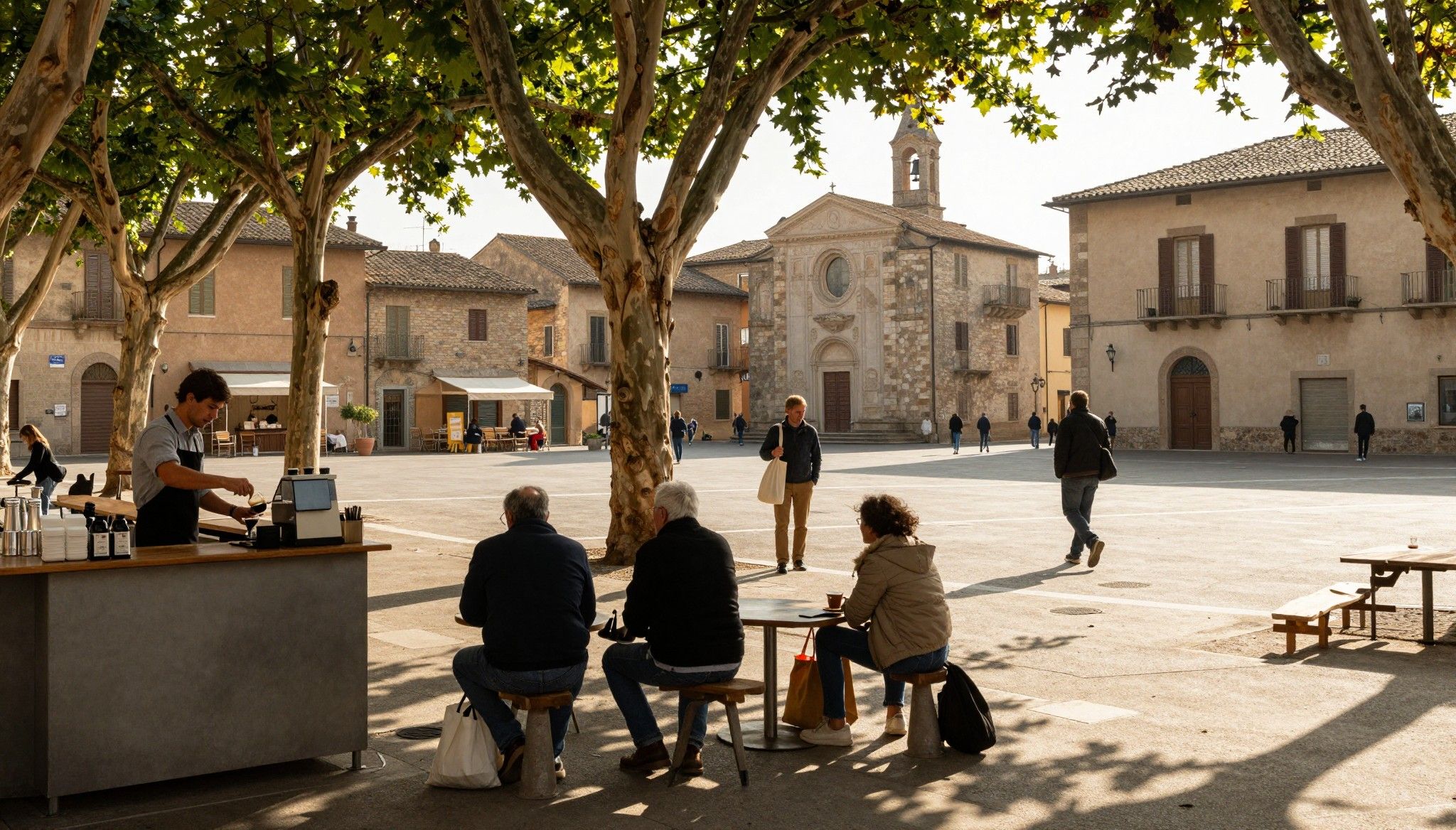
Daily life in Italy is sensory: espresso steam at 8 a.m., afternoon shade under plane trees, the metallic cry of market vendors and evenings that gather around shared plates. Along verdant coasts—from Liguria’s cliffside lanes to Calabria’s pine-fringed bays—outdoor life is built into the day. In forested hinterlands like the Tuscan-Emilian Apennines or the beech woods of Molise, homes are anchored to seasonal cycles: chestnut harvests, mushroom foraging, and fireplaces that determine the architecture of comfort.
Neighborhood Spotlight: Liguria’s Riviera dei Fiori
Traceable in tiny towns like Diano Marina or the terraced lanes above Sanremo, life in Riviera dei Fiori is Mediterranean and intimate. Cafés cluster around small piazzas on Via Roma, fishermen bring in the morning catch near the port, and olive groves fold into hiking routes. Properties here often pair stone façades with planted terraces—perfect for buyers who want a low-footprint life with immediate access to sea and micro-scale agriculture.
Food, Markets and the Green Pulse
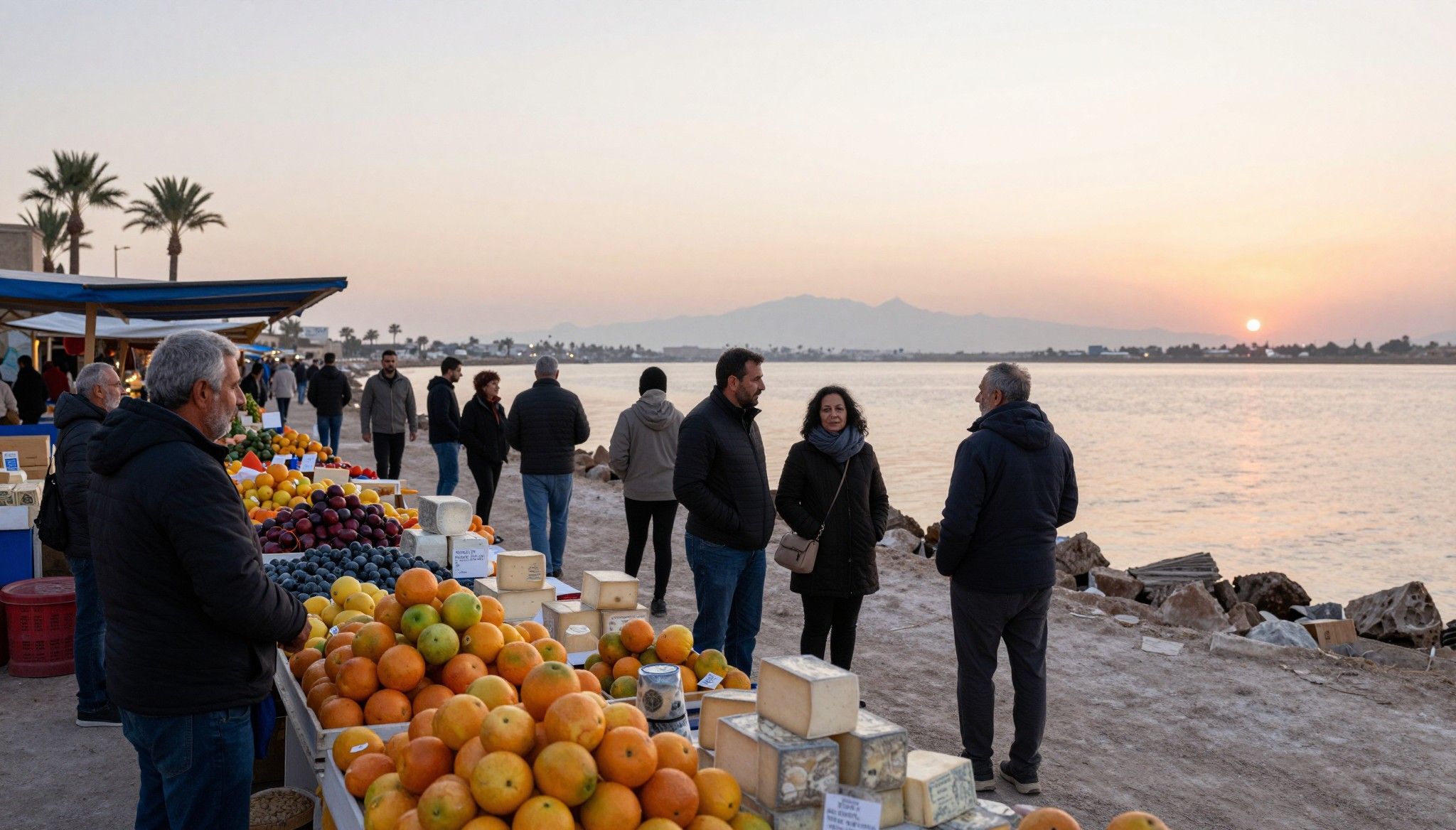
From morning mercados in Palermo to the hilltop farmers’ stalls outside Lucca, local markets are the social infrastructure of a verdant life. Eating is seasonal, often local—cicchetti near Venice; porcini and truffles inland—so a property’s garden or proximity to producers changes how you live. The rising interest in regenerative farming and local supply chains is visible in community gardens and agriturismi that double as local food hubs.
Lifestyle highlights: morning espresso at Bar Black in Camogli; weekend market at Piazza del Mercato (La Spezia); sunset walks on the Punta Corvo trail (Liguria); chestnut festivals in Tuscan villages; small-scale organic olive farms offering local pressing.
Making the Move: Green Living Meets Practical Reality
Dreams of a terraced garden and solar-shaded windows meet paperwork, notary appointments and local zoning rules. Italy’s buying process rewards preparation: a Codice Fiscale, a notary (notaio) for the deed, and clear checks on cadastral records. For eco-minded buyers, assessing a property’s orientation, insulation, and any existing renewable systems turns aspirational living into a lower-bill reality.
Property types and what they mean for life
Stone hamlets and renovated farmhouses invite low-impact living: thick walls, timber beams and gardens for vegetables. Coastal apartments prioritize cross-ventilation and salt-ready materials. Newer builds can offer insulation and heat-pumps, but often lack the charm of traditional homes. Choose the type that supports your day-to-day: vegetable plots and wood stores for seasonal living, compact pied-à-terre for frequent coastal escapes.
Working with local experts who know the landscape
A local notary and a buyer‑side lawyer (avvocato) are essential—especially if you’re buying remotely. Look for agents and architects who understand eco-retrofitting, and planners who can advise on solar, rainwater capture and permitted extensions. Agencies that specialise in verdant regions will often connect you to local craftsmen who know traditional breathable plasters and reclaimed timber techniques.
Steps to align lifestyle and process: 1) Get a Codice Fiscale and open a local bank account; 2) Engage a buyer’s lawyer and an eco-savvy architect for pre-purchase surveys; 3) Prioritise orientation, insulation and garden potential in property searches; 4) Build a roster of local artisans for low-impact retrofits and maintenance.
Insider Knowledge: The Unspoken Rules and Seasonal Truths
Expat buyers often discover that prized summer scenes don’t reflect daily life year‑round. Coastal towns that pulse in July quiet to honest, local rhythms in November; forested villages widen in community through autumn harvests and contract inward in winter. Recent reports show rising foreign interest in Italy’s prime and second‑home markets and stronger momentum in smaller towns—so acting on seasonal insight can reveal value and lifestyle alignment.
Cultural integration: small courtesies, big returns
Learn a handful of local phrases, attend the village festa, and seek out the market vendor who remembers your name. Italians value reciprocity; neighbors who share olives or lend tools become your best resource. Participation—whether volunteering at a harvest or joining the parish festa—opens doors that paperwork cannot.
Long-term living: stewardship over spectacle
If you plan to stay, think beyond surface beauty: local building regulations, fire risk in forested zones, and community services matter. Stewardship also means investing in climate‑sensible upgrades—insulation, water management, and native plantings—to keep maintenance low and biodiversity high. Reports indicate growing foreign relocation to Italy; choose a property that ages with you, not one that will be unsustainable five years out.
Red flags and quick checks: unclear cadastral records; impossible access roads; signs of unmanaged hillside erosion; lack of permission for extensions or terraces; evidence of non-breathable modern finishes on old stone walls.
Italy gives you seasons and neighbors in equal measure. If you’re dreaming of a life where the day’s rhythm is set by market hours and light through cypress trees, start by visiting outside of peak season, consult specialists who understand low‑impact retrofits, and look for homes that foreground landscape over ornament. An agent who knows which towns protect their woodlands or which villages still run seasonal community olive presses is not selling a house—they’re introducing you to a life.
Next practical steps: 1) Read a regional market note and shortlist three towns; 2) Book off-season viewings to see real life; 3) Hire a buyer’s lawyer experienced in rural and coastal parcels; 4) Plan a small, staged retrofit budget for insulation and water management.
Conclusion: Italy isn’t a postcard; it’s a set of living traditions. Choose places that let you breathe with the land—stone houses warmed by slow fires, terraces that grow your food, and coastlines that offer honest, year‑round life. With the right local team, you can turn an Italian property into a low‑impact home that belongs to its landscape as much as you do.
Danish relocation specialist who moved from Copenhagen to the Algarve; supports families with seamless transitions, local partnerships, and mindful purchases.