Close with Care: Cyprus Living, Negotiation & Stewardship
Fall for Cyprus’s rhythm — then close with care. Practical closing steps, neighbourhood secrets and stewardship checks to protect your island life.
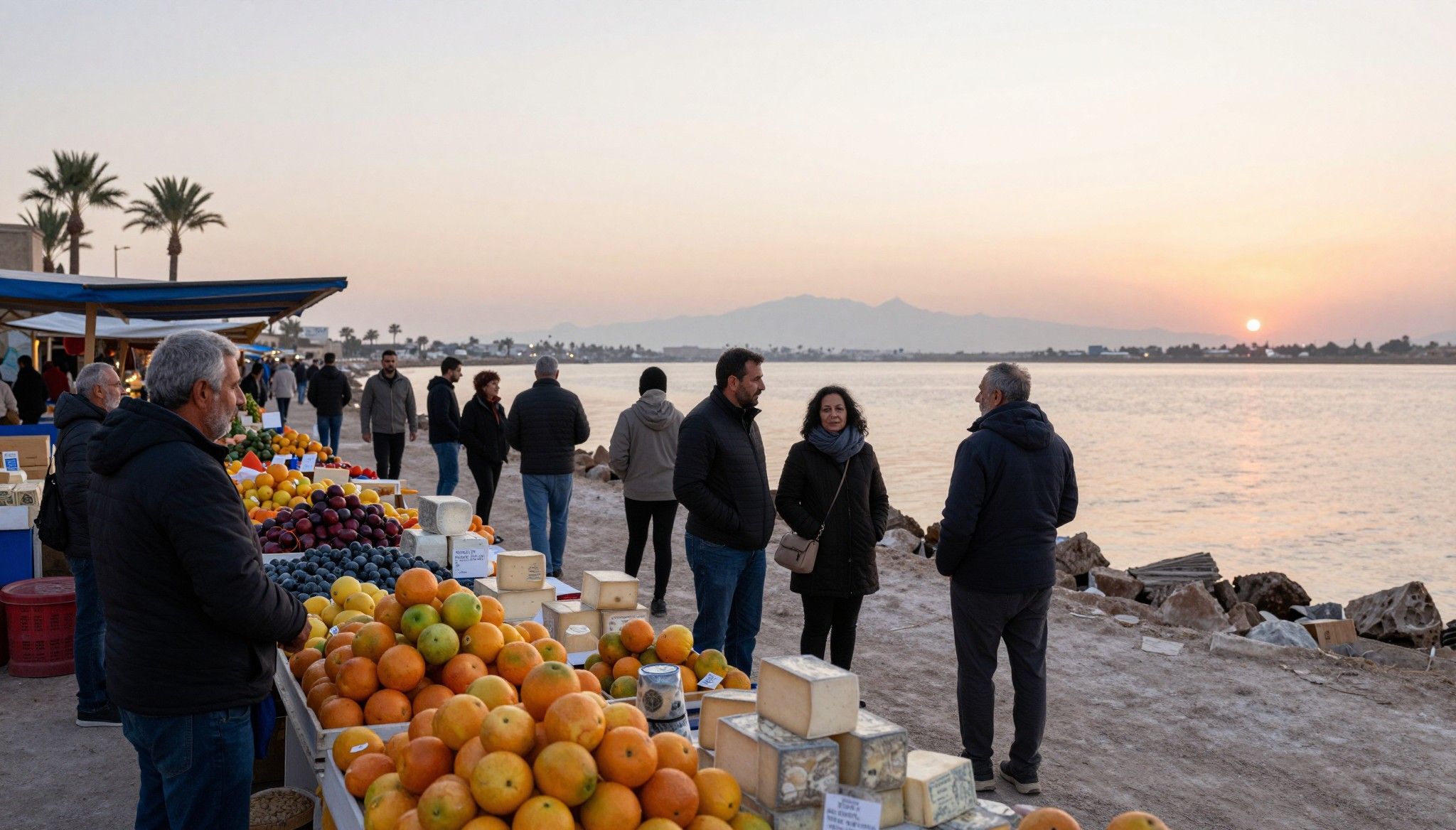
Imagine waking to the smell of freshly baked halloumi and sea-salted air, then walking down a sun-warmed lane in Limassol toward a café where neighbours gossip about the harbour restoration and the best local olives. That easy, sunlit rhythm is Cyprus — a place where stone courtyards, citrus trees and a layered, island time shape daily life. For many international buyers, the dream is as much about this slow, sensory life as it is about the bricks and mortar. But between that first espresso and a signed contract sit negotiations, closing nuances and the long, quiet work of stewardship — the things that turn a holiday feeling into an everyday home.
Living Cyprus: senses, seasons and neighbourhood character
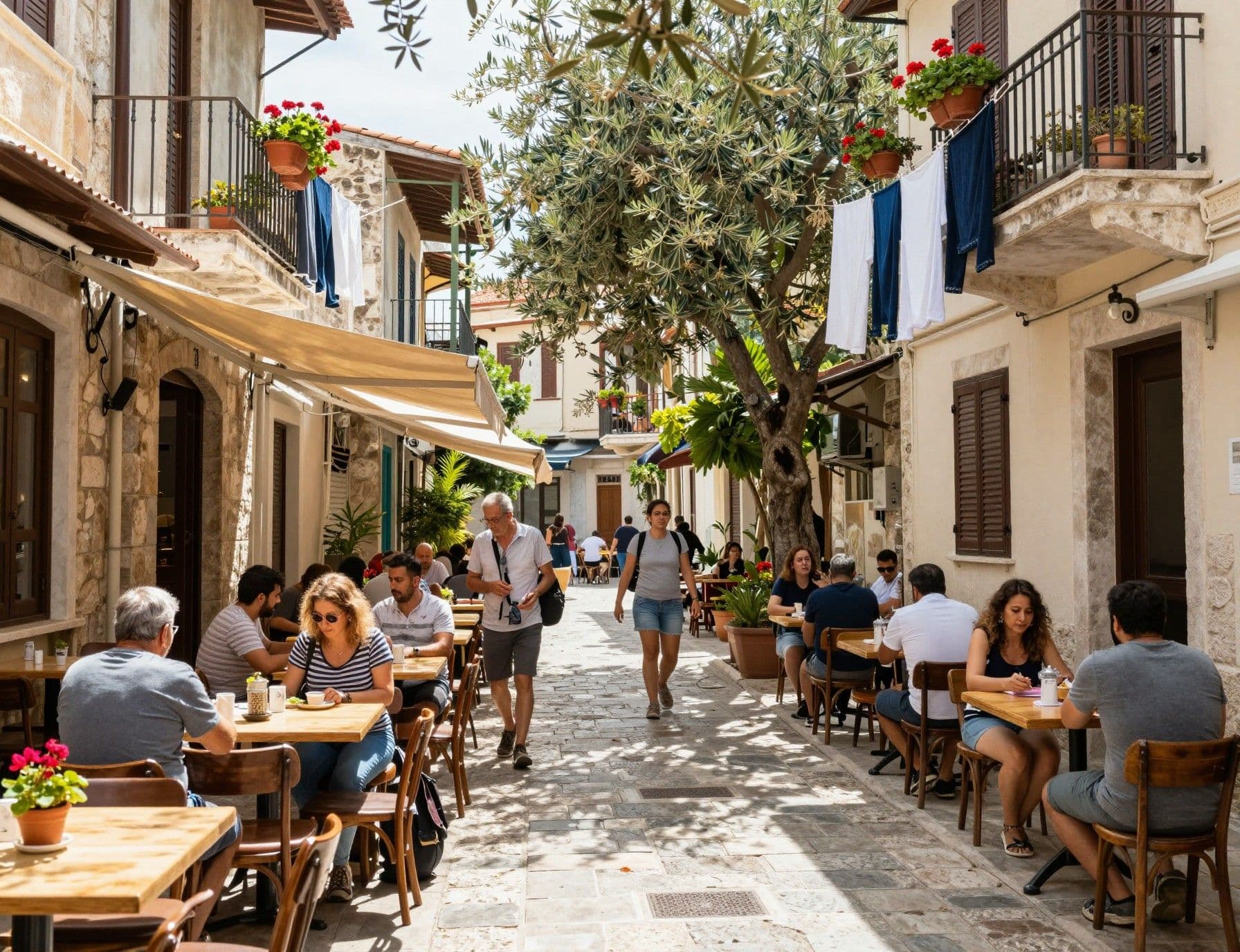
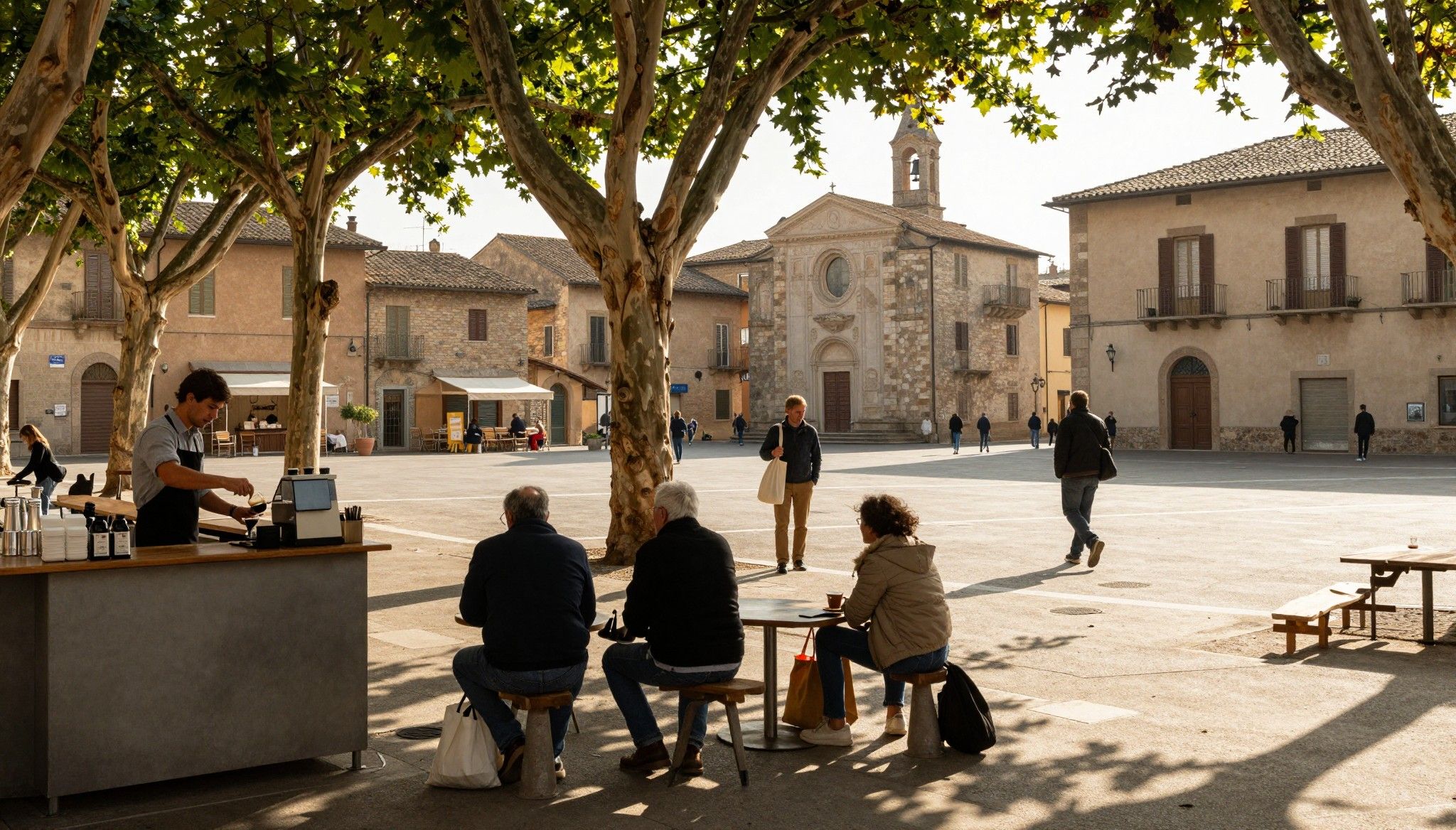
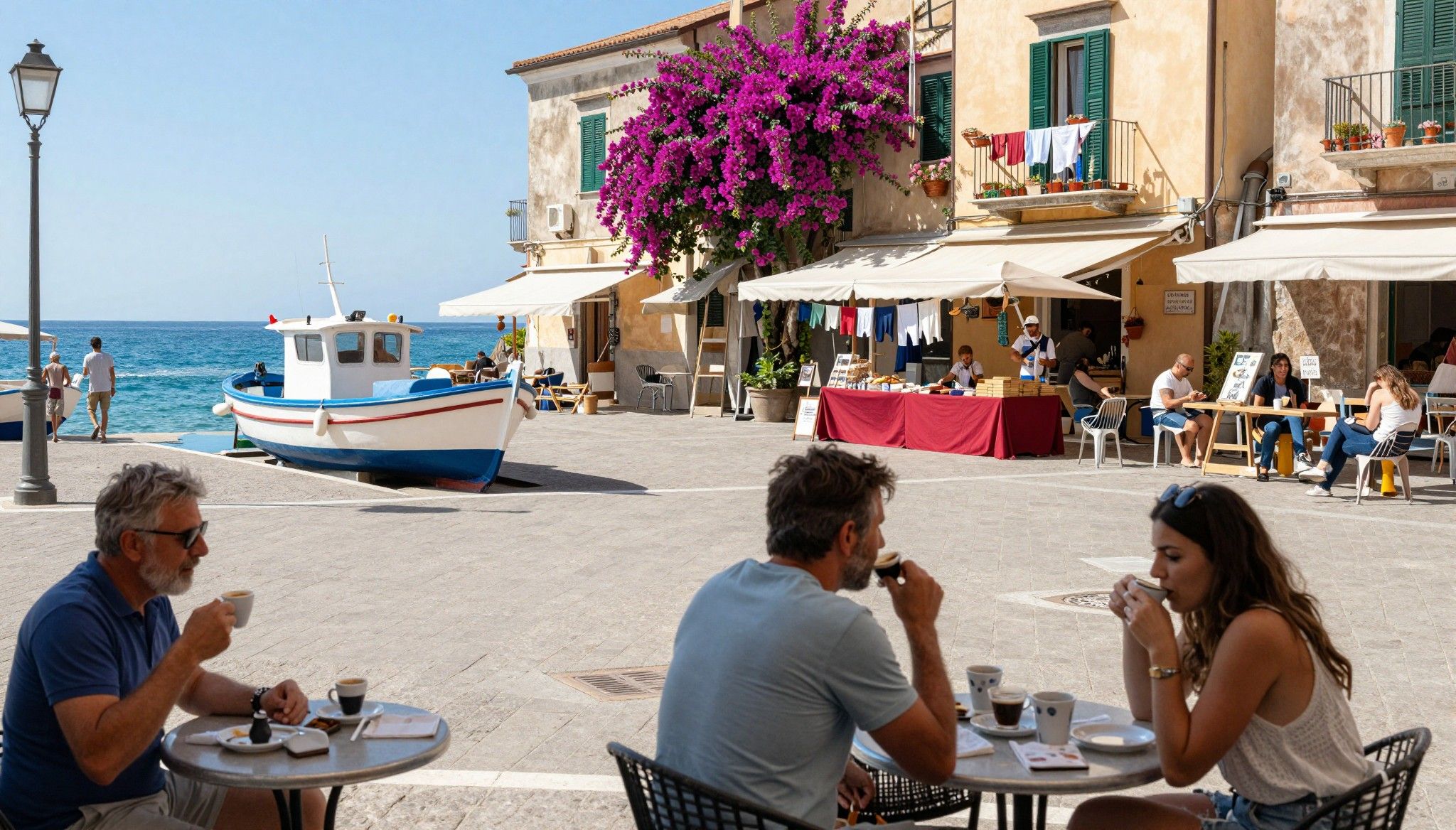
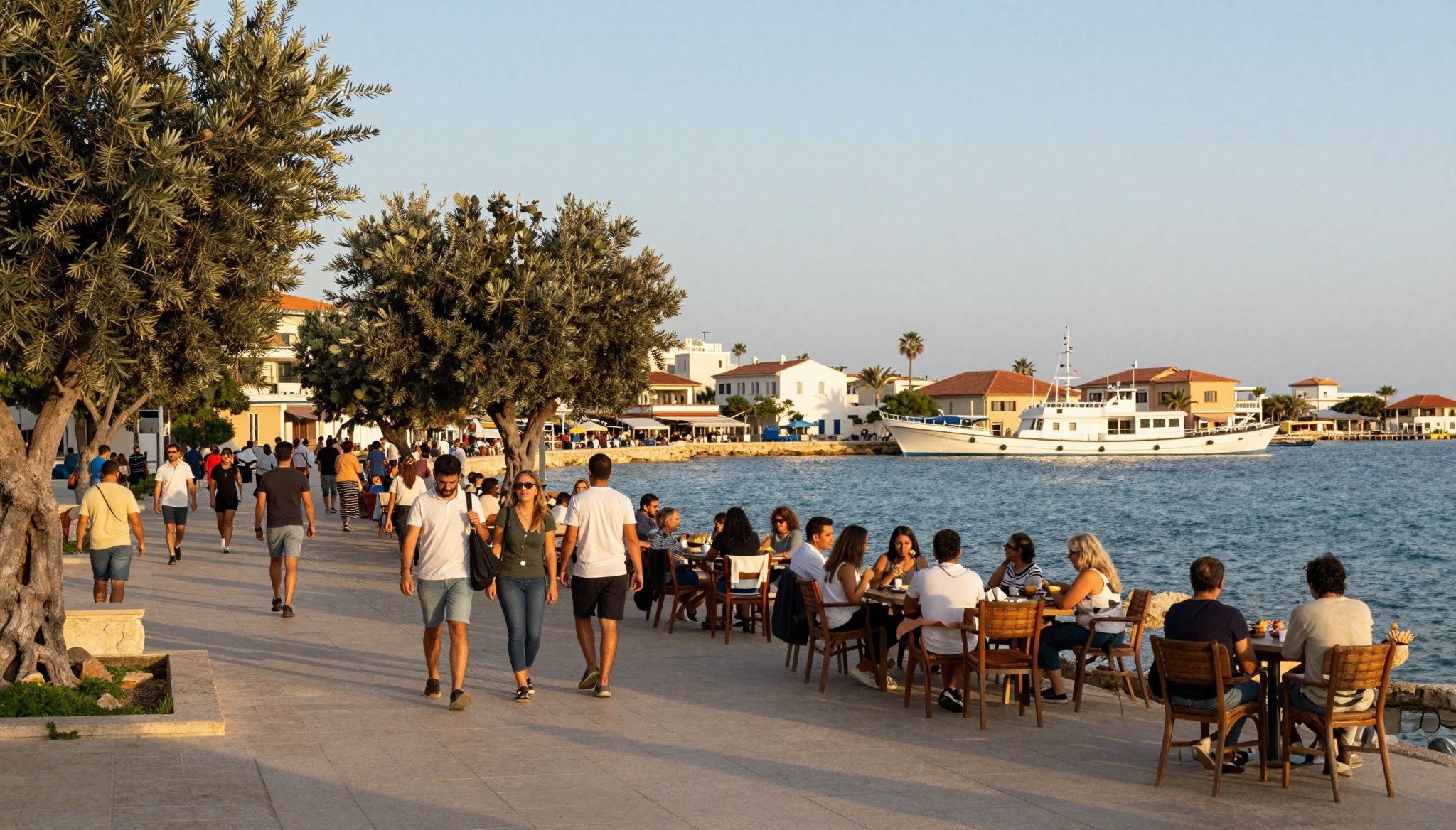
Cyprus lives at the intersection of Greek island ease and Mediterranean Mediterranean bustle — warm, social and tactile. In Limassol you’ll feel the coastline’s energy: morning joggers on the Molos promenade, late-night tavernas filled with live bouzouki, and apartment terraces that catch the low winter sun. Nicosia is quieter by comparison: walled lanes, packed bakeries, and an atmosphere shaped by government, universities and museums. Paphos and Latchi offer village-quiet living with seaside rituals, while Larnaca’s salt lake and relaxed café strips make it a favourite for people seeking balance between community life and easy airport access.
Neighbourhood notes: where locals actually gather
If you want to feel like a neighbour quickly, look for streets where locals meet: Agios Lazaros in Larnaca for coffee and village feel; the old town of Nicosia around Ledra Street for markets and craft shops; and the old harbour district of Paphos, where morning fishermen and late‑afternoon restaurateurs set the day’s rhythm. These are the blocks where you’ll practice the language, join modest festivals, and notice how the seasons — citrus harvests in winter, grape festivals in autumn — punctuate everyday life.
Food, markets and rituals
Food anchors social life in Cyprus. Picture buying herbs and fresh fish at the Larnaca municipal market, sharing meze on a shaded terrace in Polis, or stopping for a mid-morning frappe beside a church courtyard. For buyers who imagine a low‑impact life, these rituals matter: a small roof garden, a balcony citrus tree and a kitchen designed for local ingredients change how a property feels and how you use it year-round.
- Lifestyle highlights to look for when choosing a street or property
- Morning market or weekly farmer’s market within walking distance — supports seasonal cooking and local stewardship
- Tree-lined lanes and shade structure for passive cooling — a natural energy saver in summer
- Access to a small harbour, beach or communal green space — vital for community life and day-to-day wellbeing
From dream to closing: Cyprus market realities that shape offers
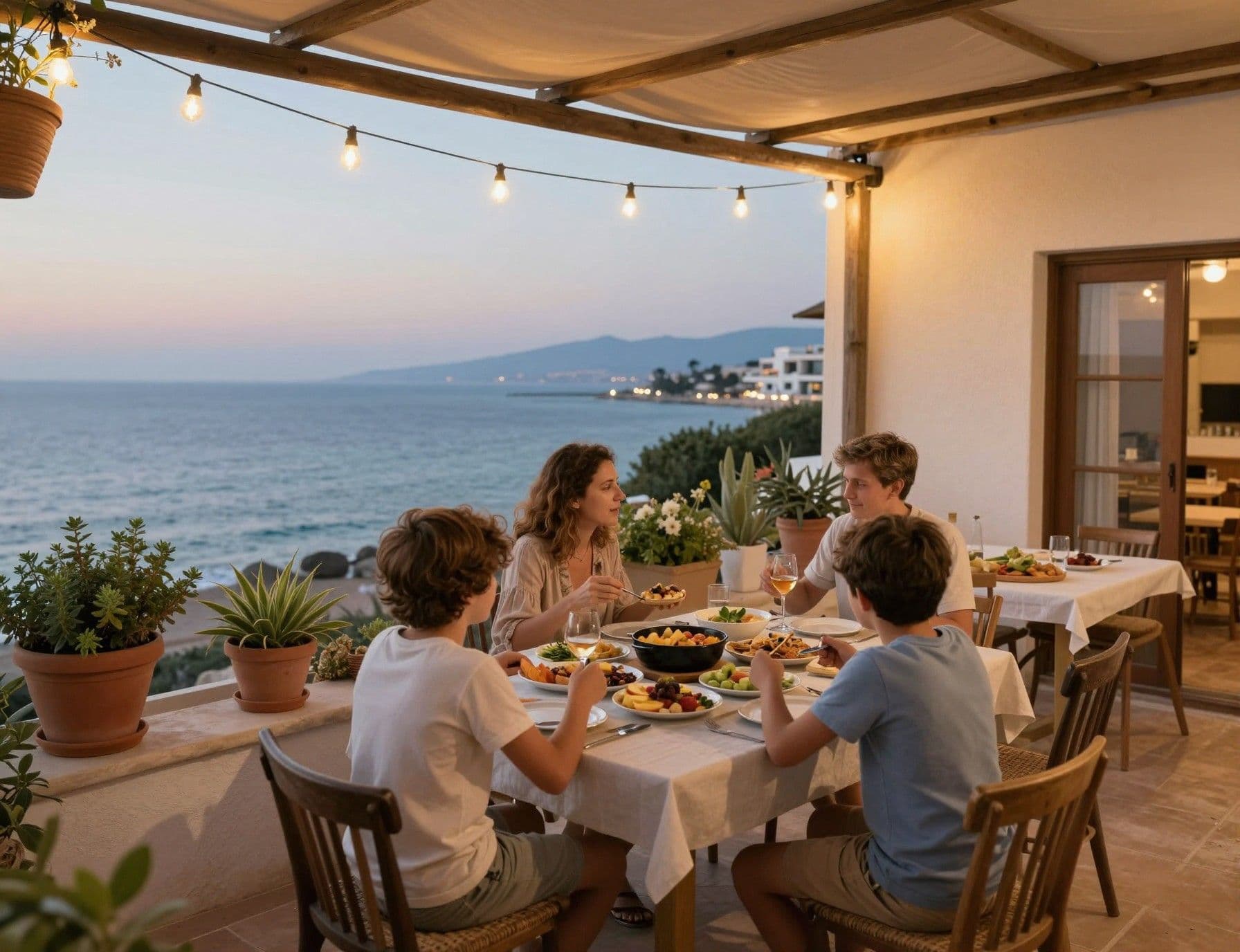
The island’s market has been active: recent Central Bank data show steady price growth, with apartment segments leading in coastal areas and renewed transaction volumes across districts. That matters when you negotiate: sellers in Limassol and Larnaca are encountering multiple offers more often than in smaller inland villages, while Paphos still offers pockets of relative value for buyers focused on stewardship and long-term life plans. Understanding where demand is concentrated helps you craft an offer that respects local expectations and avoids overpaying for lifestyle premiums.
Property styles that match different island lives
Traditional stone village homes with thick walls are quiet, cool in summer and perfect for gardeners who want established olive and citrus trees. Modern seafront apartments prioritise light, balconies and proximity to cafés but often need mechanical shading or upgraded insulation to perform sustainably. Rural plots invite regenerative gardens and waterwise landscaping, yet require more active stewardship — olive tree pruning, well repair and water permit awareness are part of that work.
Work with agents who speak lifestyle
Choose agents who understand both market momentum and stewardship: local firms that can point to neighbourhood-level water access, heritage restrictions, or condominium rules that affect solar PV fitment. A good agent translates lifestyle needs — morning market access, a small productive garden, community festivals — into practical property criteria, and helps you negotiate clauses that protect that life (e.g., a clause for transfer of existing garden infrastructure or a co-op agreement on renewable upgrades).
- Steps to an offer that honours place and price
- Inspect the micro‑environment: shade patterns, prevailing winds, access to local water — these affect both comfort and running costs.
- Ask for a roasted‑down cost estimate: modest improvements (shading, thermal curtains, greywater systems) often buy more comfort than cosmetic upgrades.
- Include a stewardship clause: a short contract addendum that clarifies responsibility for garden trees, shared solar arrays or private wells at handover.
Insider knowledge: what expats wish they’d known
Many newcomers arrive enchanted and learn practical lessons the hard way: summer viewing can mislead (terraces may feel beautiful but lack shading), small municipal fees can add up, and the charm of a village house often comes with ongoing repair needs. Expats tell us the quietest wins come from buying for lifestyle durability rather than short-term gains — a house that performs through heat and seasonal storms, with local relationships to call on for repairs and harvest help.
Cultural cues that change where you belong
Language is warm but practical: English is widely spoken in urban and expat-dense areas, but learning basic Greek warmly shifts how neighbours treat you. Expect slower bureaucratic rhythms; hospital visits, municipal permissions and some legal steps require patience and clear local representation. Social life often orbits the kafeneio or church square — invest time in those nodes and your stewardship tasks (gardeners, builders, local electricians) will become simpler and cheaper.
Long-term stewardship: care that keeps place alive
Think of purchase as the first season of a long stewardship. Practical actions — installing a rainwater tank, fitting adjustable external shading, and choosing native plantings — reduce bills and support biodiversity. Budget 2–4% of purchase price annually for maintenance in older stone houses; in new developments, check condominium rules for renewable upgrades and reserve funds for shared systems.
- Red flags and quick checks before you close
- Unregistered extensions or terraces — these can complicate resale and insurance.
- Shared well or greywater rights not clearly documented — clarify in writing.
- Condominium minutes and reserve fund transparency — essential for communal sustainability projects like solar arrays.
If you spot one of these issues, ask your lawyer for a conditional close that leaves a small portion of funds in escrow until the matter is corrected. This is a negotiation tool that protects both price and the life you expect to lead there.
- A practical closing checklist for eco-minded buyers (6 items)
- 1. Clear title and cadastre extract; confirm any easements or rights of way.
- 2. Utility status and permit checks for wells, septic systems and solar PV.
- 3. Recent condominium minutes, reserve fund balance and planned works.
- 4. A local contractor estimate for urgent maintenance (roof, shutters, irrigation).
- 5. An agreed stewardship handover note: who will maintain existing fruit trees, garden beds and beehives.
- 6. A final negotiated clause: a modest escrow or price holdback until agreed works are complete.
Buying in Cyprus is both an affair of the senses and a set of careful, place-aware decisions. When you balance the music of neighbourhood life with concrete closing protections and an honest stewardship plan, the island rewards you: a home that lives well, seasons that change you, and a small community that becomes daily refuge.
If you’re ready to move from imagining to living, start with three local conversations: a lawyer familiar with district cadastre practice, an agent who can show you homes and neighbourhood rhythms off-peak, and a local gardener or builder who understands how the island breathes. These voices will help you close with care and steward your Cyprus life with curiosity and respect.
British expat who traded Manchester for Mallorca in 2017. Specializes in guiding UK buyers to luxury Spanish estates with clear navigation of visas and tax.