Harvest Season Advantage: Buy in France with Green Finance
Buy in France with season‑aware timing and green finance: pair lifestyle viewings with energy audits, MaPrimeRénov’ pathways and local experts to steward a low‑impact home.
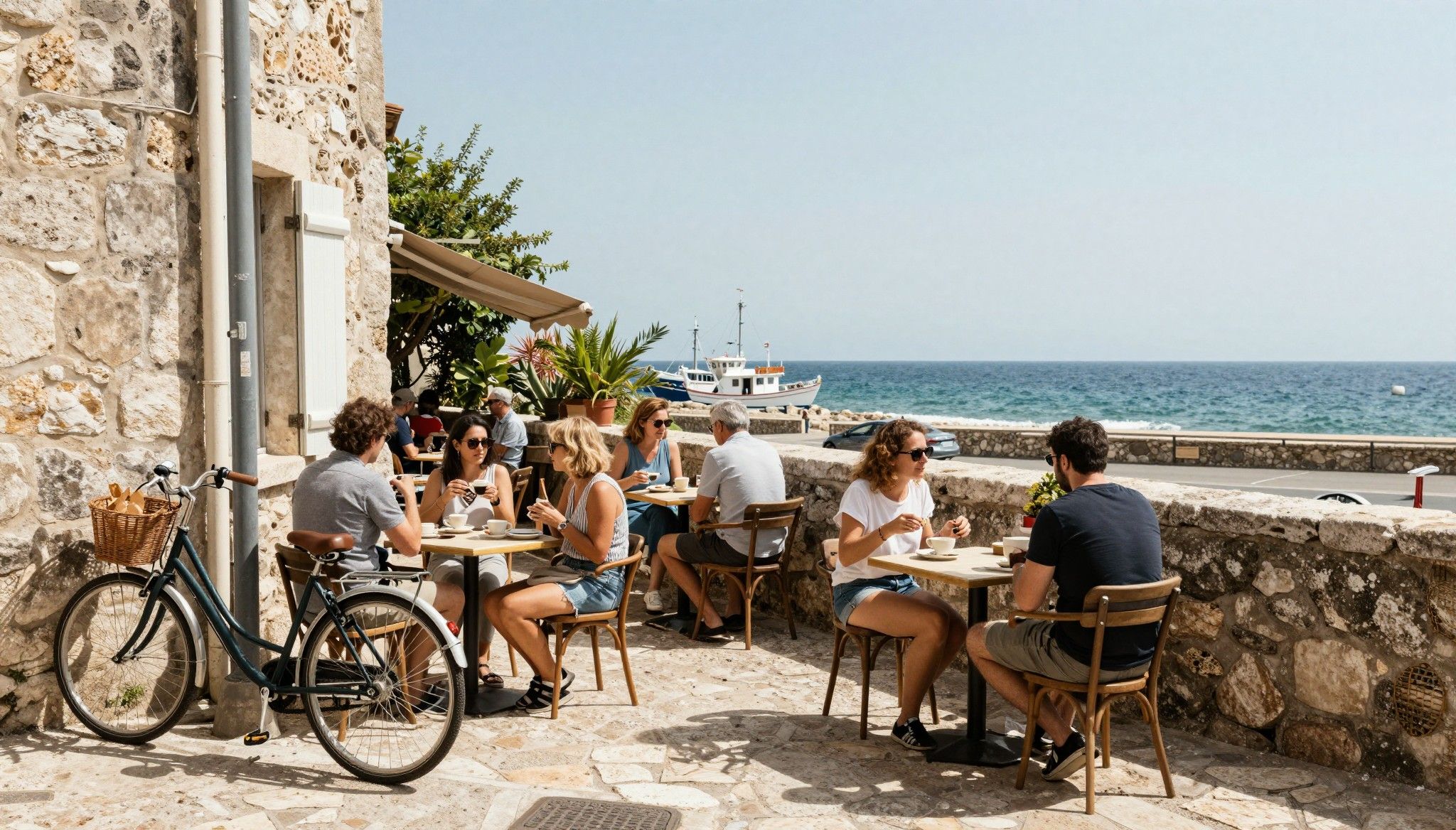
Imagine waking to a basket of peaches from the marché, cycling past limestone village houses framed by wisteria, and closing a purchase that funds a rooftop solar array. In France the romance of stone, markets and slow meals is real — but so is a complex financing landscape. Recent data show prices stabilising in many cities while sustainability programmes reshape renovation choices. For international buyers who care about place and planet, timing your move around seasons and green finance can change both experience and cost. (See INSEE quarterly price update.)
Living the France you taste each morning
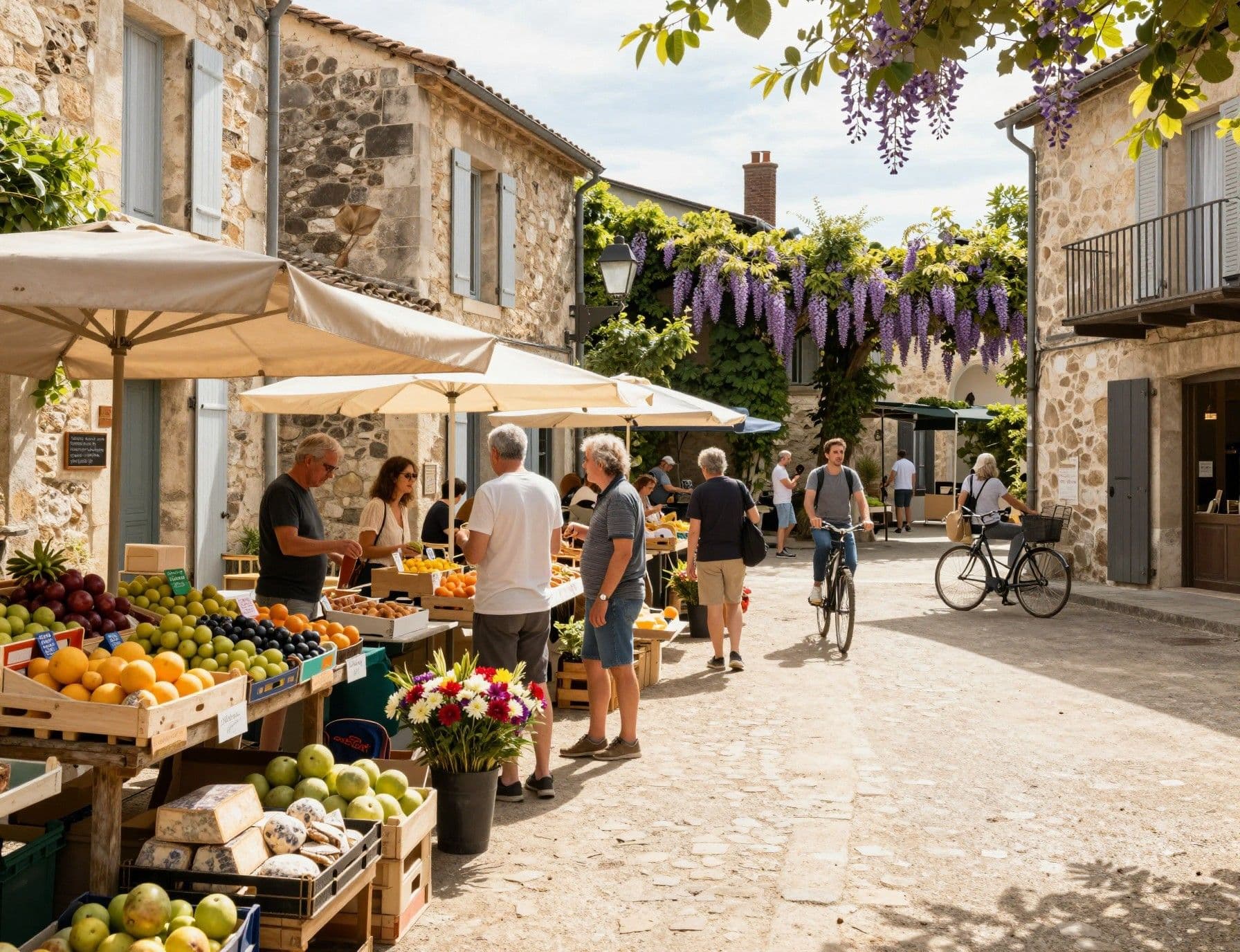
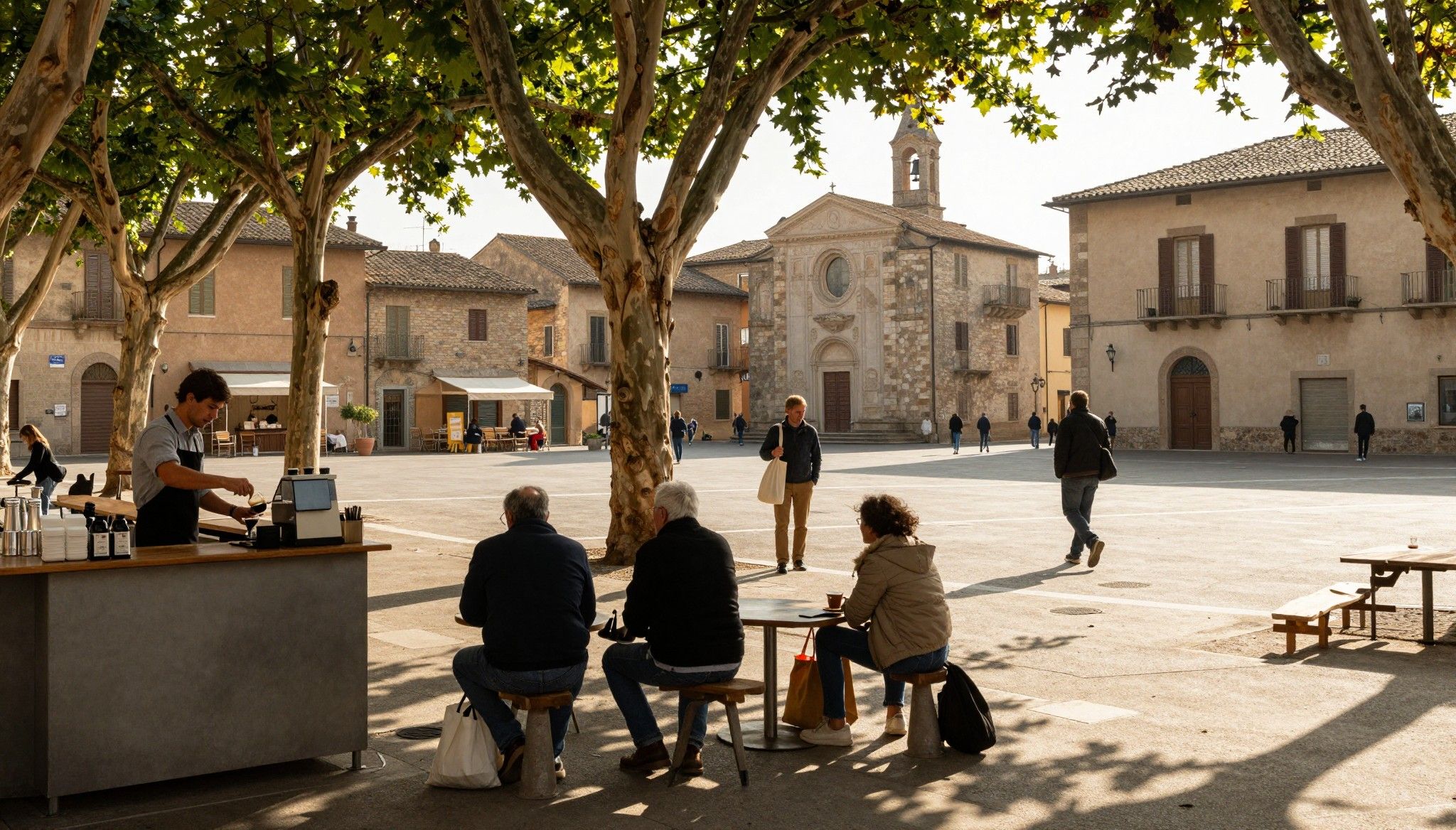
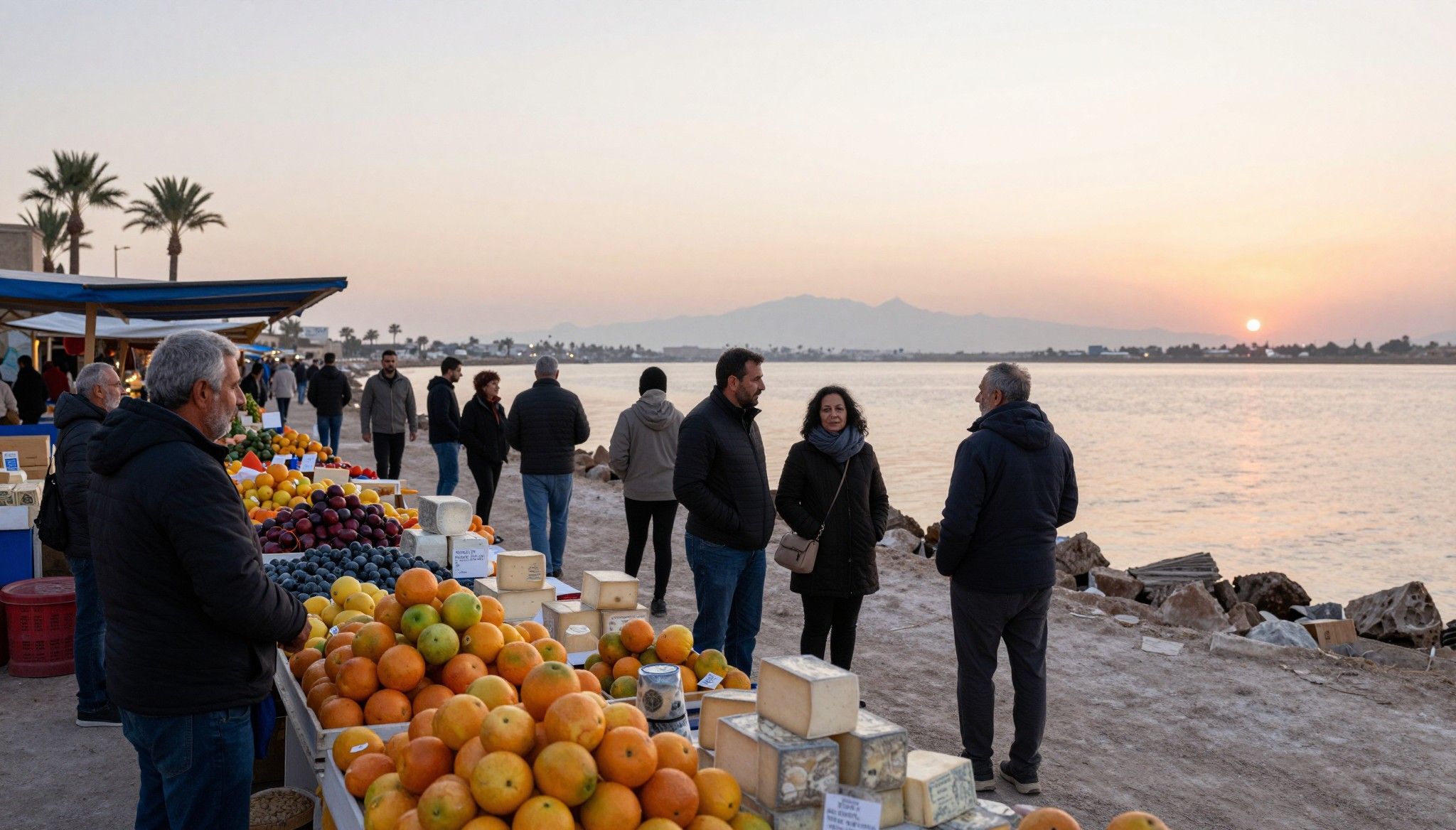
France is less a single lifestyle and more a palette of rituals. In Marseille you smell bouillabaisse simmering by the port; in Bordeaux the early market is a conversation about the day’s harvest; in the Loire Valley weekend rituals are garden‑first — pruning, potting, and long lunches. That rhythm shapes how you’ll use a home: generous kitchens, courtyards for late‑summer meals, cellars for wine and preserves. These everyday scenes are the reason buyers fall in love — and why property choices should reflect seasonal living, not just view or square metres.
Neighbourhood spotlight: Paris’ 11th vs coastal villages
Walk Rue Oberkampf at dawn and you meet bakers, bicycles and cafés that define Parisian life; choose a Haussmann apartment and your green choices are about insulation and efficient heating. Contrast that with a seaside village on the Côte d’Argent where hedged gardens, rainwater capture and passive cooling matter more. Both places reward eco‑minded buyers, but in different ways — urban retrofit versus small‑scale regenerative gardens.
Food, markets and seasonal rhythms
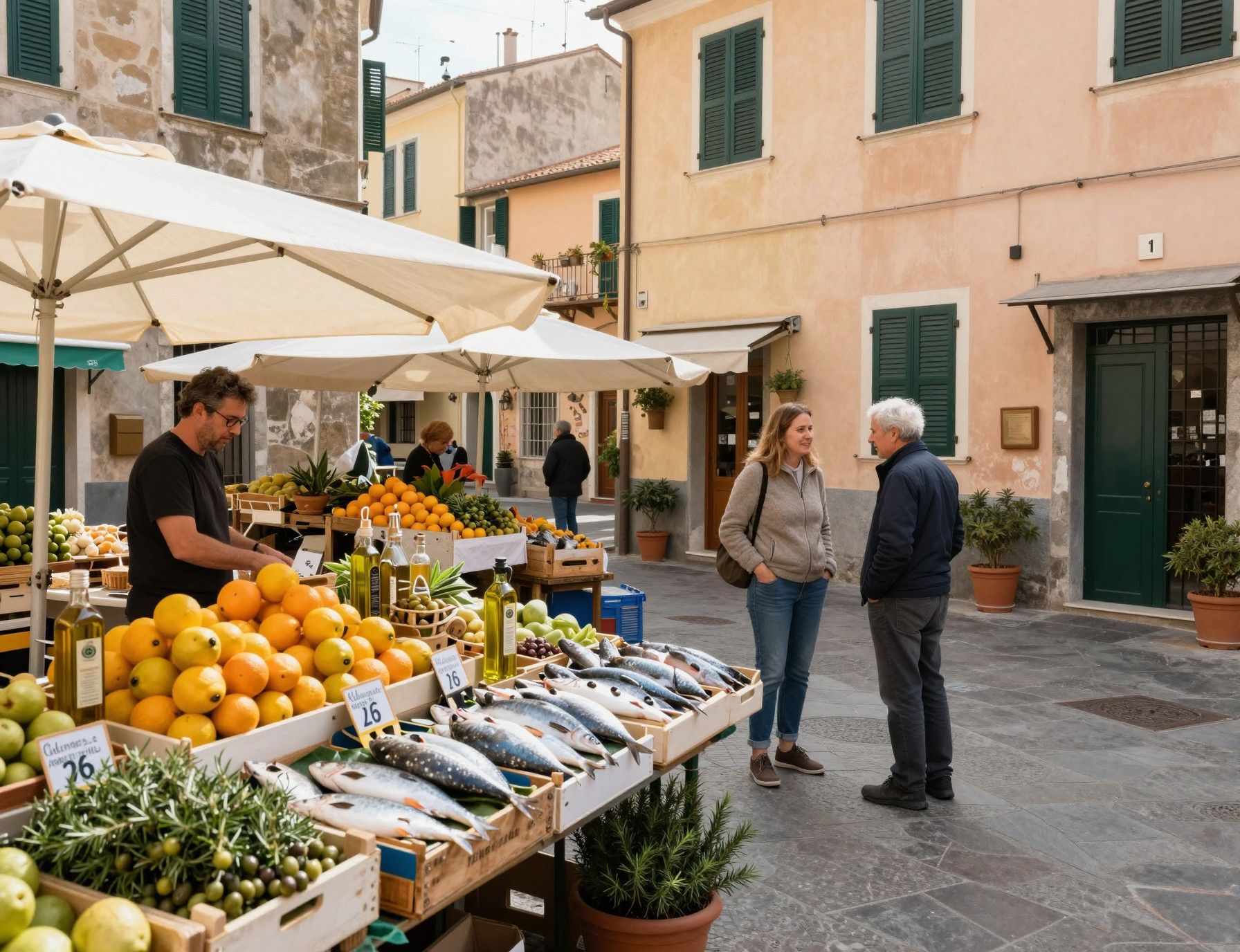
Markets are the calendar. Buy outside high tourist season and you’ll see neighbourhood life: the boulangerie that closes two afternoons a week, the marché that trades in local shellfish each Wednesday, and nearby artisans who can help with low‑impact renovations. Programmes such as MaPrimeRénov’ (for eligible renovations) can be combined with other offers to lower long‑term energy costs, so pairing a purchase with an energy plan is often smart. (See MaPrimeRénov’ guidance.)
- Lifestyle highlights to look for when scouting neighbourhoods
- Morning markets on a weekday (real local life)
- Proximity to community gardens or AMAP boxes (local produce collection points)
- Shops and craftsmen within cycling distance (low‑carbon living)
- Neighbourhood cafés where regulars trade local tips (social capital)
Making the move: practical considerations with a green lens
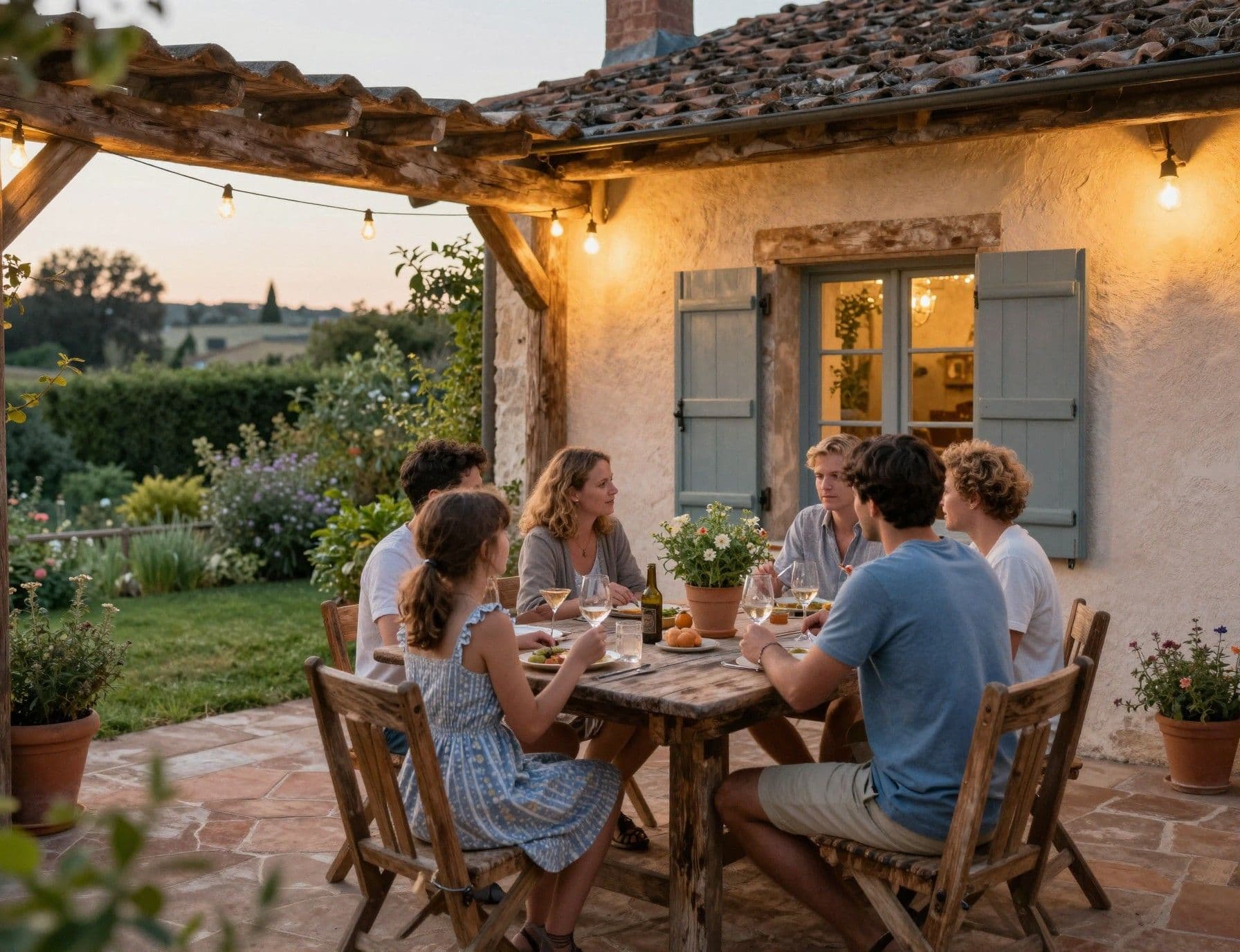
The dream must meet paperwork. National reports and notarial indices show the market stabilising in 2026, with region‑by‑region differences. Interest rates and local demand affect offers, but so do energy performance and renovation potential — a poorly insulated stone cottage may have a lower purchase price but a higher renovation bill unless you plan carefully. Notaires’ data can help you identify market momentum; pair that with an energy audit before you bid.
Property styles and how they shape life
From narrow Parisian pied‑à‑terre to stone longère in Brittany, each form asks for different stewardship. Urban flats reward window upgrades, heat‑pump conversions and shared rooftop gardens; country houses reward passive solar tweaks, reclaimed wood repairs and rainwater systems. Match the property’s DNA to your daily rituals: a chef needs a kitchen with light and storage; a gardener needs south‑facing soil and space for compost.
Working with local experts who know both finance and place
A French notaire, an architect experienced in historic fabric, and a mortgage broker who understands non‑resident lending form a compact dream team. They translate local rules, secure green loans or éco‑PTZ (zero‑interest eco‑loan) possibilities, and help structure conditional offers that include an energy audit. Seek advisors who have completed projects like yours — the right team saves months of frustration and euros in avoidable works.
- Practical steps to blend lifestyle and finance (a 5‑point plan)
- Arrange a pre‑purchase energy audit so bids reflect true costs.
- Ask your mortgage broker about green mortgage options and éco‑PTZ eligibility.
- Include conditional clauses for permits or renovation quotes in offers.
- Plan seasonal viewings (spring or harvest months show the property’s true light and garden life).
- Consolidate grants (MaPrimeRénov’, local subsidies) early to lock financing for works.
Insider knowledge: what expats wish they’d known
Buyers tell the same small truths: visit a place off‑season, budget for invisible works (damp, wiring, roof timbers), and don’t underestimate the slow paperwork rhythm. Many regret paying tourist premiums; others wished they’d started green upgrades before the first winter. Local press and market commentary show 2026 movement back toward activity in cities and coastal towns — good news if you time offers with realistic renovation plans.
Cultural integration and daily life
Language opens doors. Learn basic French for market days and tradesmen, and you’ll find better quotes and warmer community invitations. Neighbourhood associations often drive local sustainability projects — from shared solar co‑ops to communal orchards — and these are the quickest routes to belonging. Expect a gentle pace: bureaucratic steps take time, but the payoff is deeper local ties and more sustainable practices.
Long‑term stewardship: buy with the next decade in mind
France is actively shifting incentives toward energy performance. Even as some programmes evolve, planning a phased renovation — prioritising insulation and efficient heating first — keeps carbon and cost down. Talk to local councils about grants and zoning changes before finalising plans: municipalities often have small but valuable subsidies for biodiversity‑friendly gardens or solar permits. Small early steps yield long term comfort and lower bills.
Conclusion: live the life, steward the place
France rewards patience. Choose a season that shows the property’s true character, build a local advisory team, and pair a purchase with an energy plan that suits the home’s style. Start small (an audit, a conditional offer, grant checks) and let the lifestyle lead the financing choices. When you buy this way, you don’t just own a house — you inherit a way of living that is quieter, greener and deeply rooted in place.
Norwegian market analyst who relocated from Oslo to Provence; guides investors with rigorous portfolio strategy and regional ecological value.