Why Malta’s Price Story Hides Green‑Living Opportunities
Malta’s charm is sensory—stone, sea and small‑town rhythms—but steady price growth masks overlooked green‑living opportunities for buyers who know where to look.
Imagine waking to a baker’s cart on a narrow Valletta lane, the sea’s salt threaded through the morning air, and a terraced stone home shaded by grapevines where the light leans honey‑warm every afternoon. That sensory life—the markets, the small harbours, the compact villages folding into wild coastal headlands—is what pulls people here. But beneath the postcard is a steady market and practical rules that shape what you can actually buy and how you’ll live sustainably. We’ll show you the green‑rich corners that money often overlooks, and the pragmatic steps to make one of them yours.
Living Malta: small island rhythms, big natural rewards
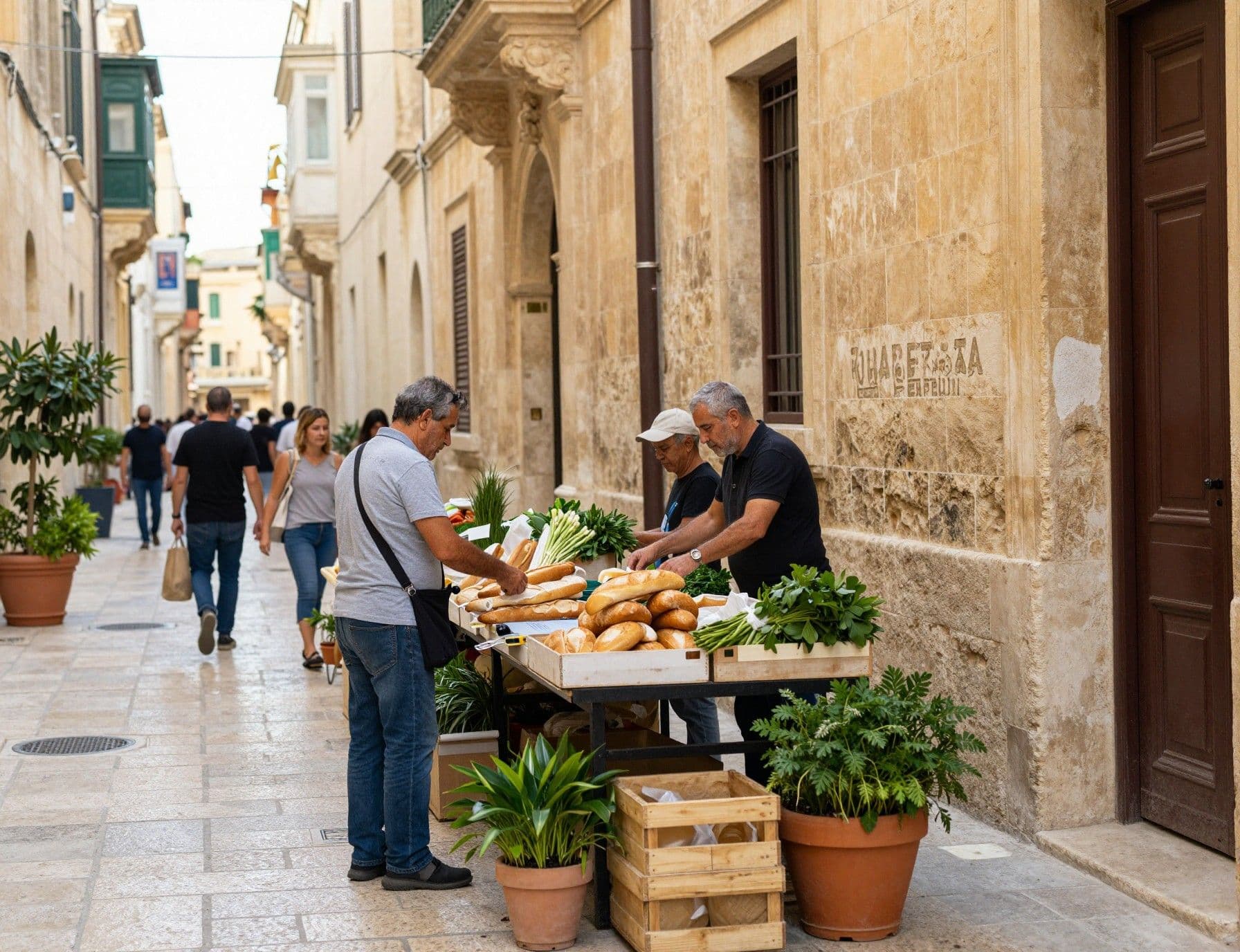
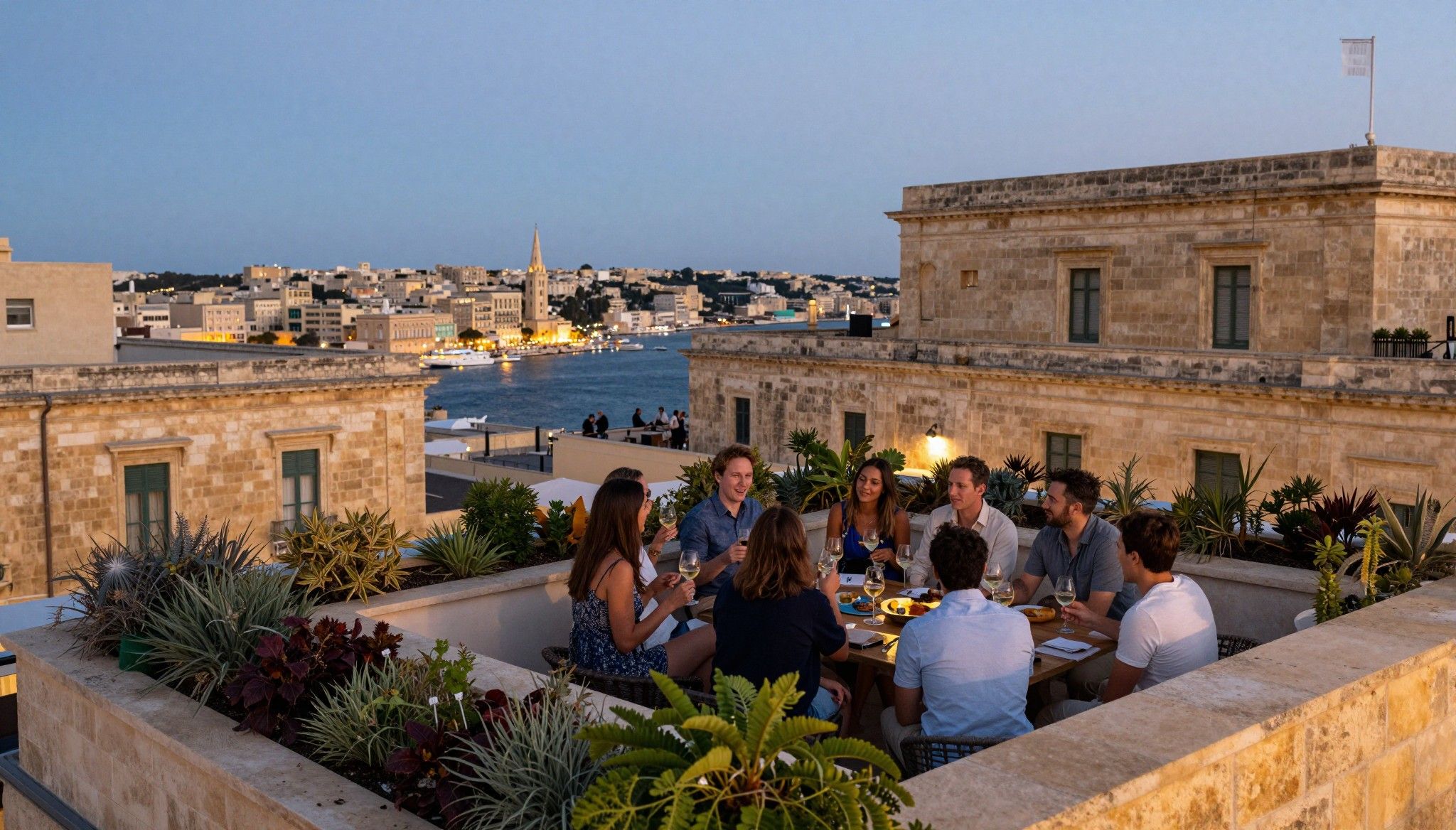
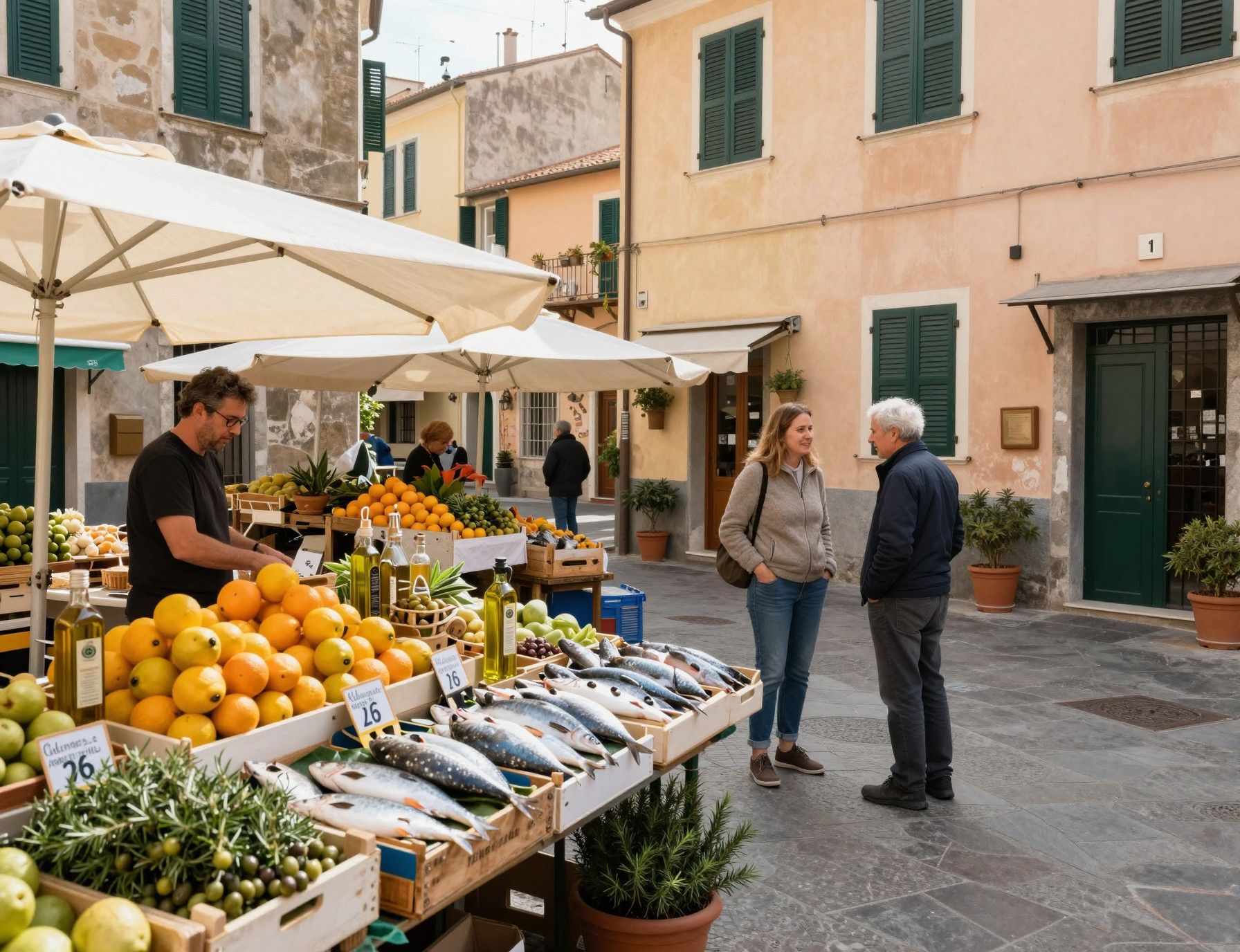
Malta’s daily rhythm is compact and tactile: espresso perched on limestone ledges, late‑afternoon swims at quiet coves, and neighbours who know your preferred fish at the market. Life feels outdoorsy even when you’re indoors—balconies, roof terraces and small courtyards are essential living rooms. For buyers seeking verdant living, the surprise is how much green life fits into tight spaces: container gardens, rooftop photovoltaics, and community orchards soften the stone and make a home feel alive year‑round.
Valletta, Sliema and St Julian’s: historic heartbeats and social flow
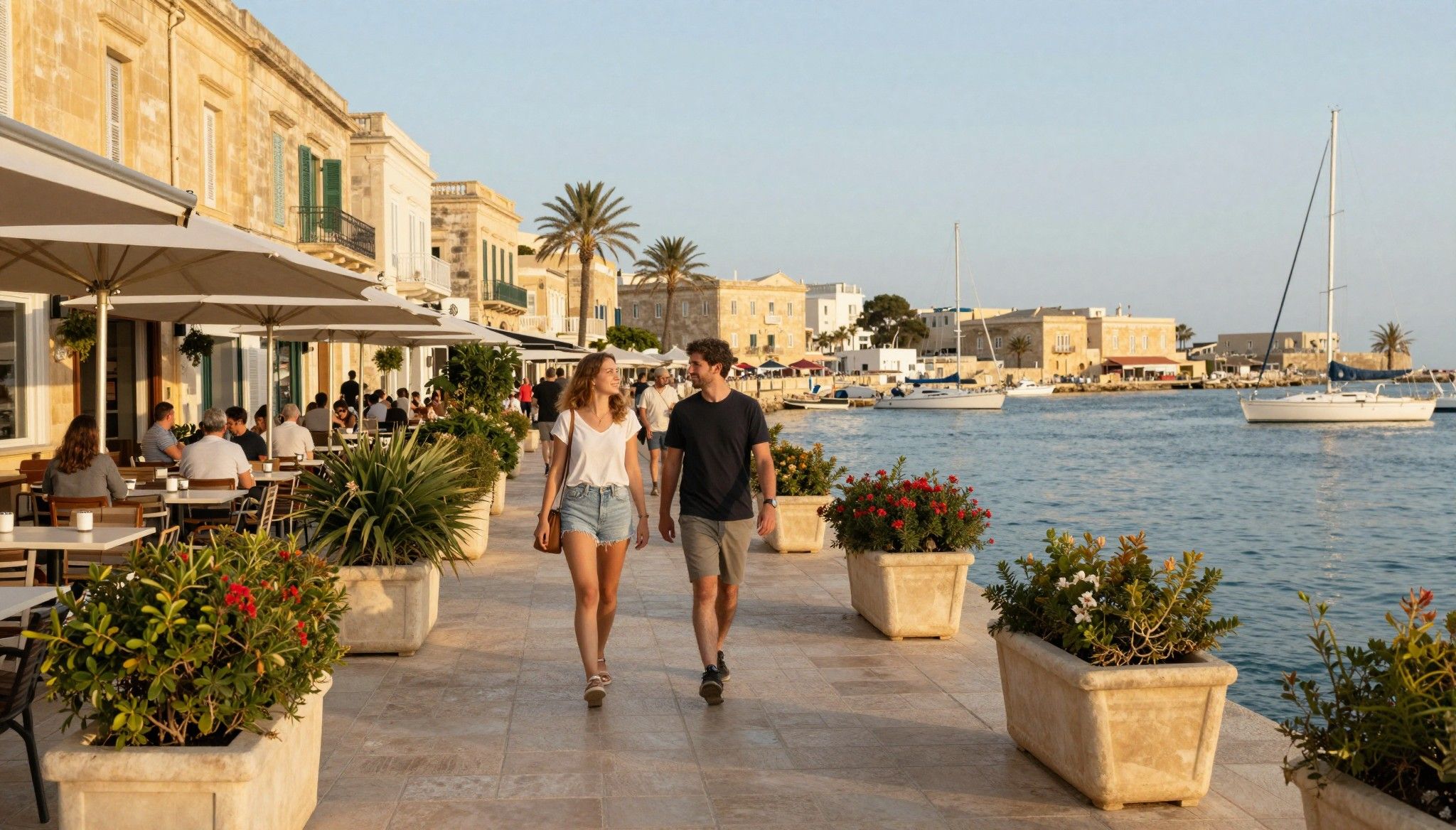
Valletta’s baroque streets deliver culture, small cafés and a walkable life where antiques sit beside modern bakeries; Sliema and St Julian’s pulse with seaside promenades, lively cafes and practical connectivity to services. If you love daily social life—markets, galleries and evening passeggiata—these neighbourhoods give you that constant, amiable presence. Expect smaller interiors but excellent outdoor seconds: roof terraces, communal gardens and balconies that become year‑round living rooms.
Gozo and the northern bays: quiet, green, coastal refuge
Cross to Gozo or head north toward Mellieħa and Għajn Tuffieħa and the pace slows: olive groves, cliff walks, and neighbours who keep bees. These places feel verdant not because of forests but from dense, intimate landscapes—terraced fields, dry stone walls and scrubby maquis that attract birds and herbs. For international buyers wanting a restorative life, these areas trade instant urban convenience for roomy outdoors, lower foot traffic, and the kind of quiet that invites slow gardening and small‑scale regenerative projects.
Making the move: how Malta’s market and rules shape green choices
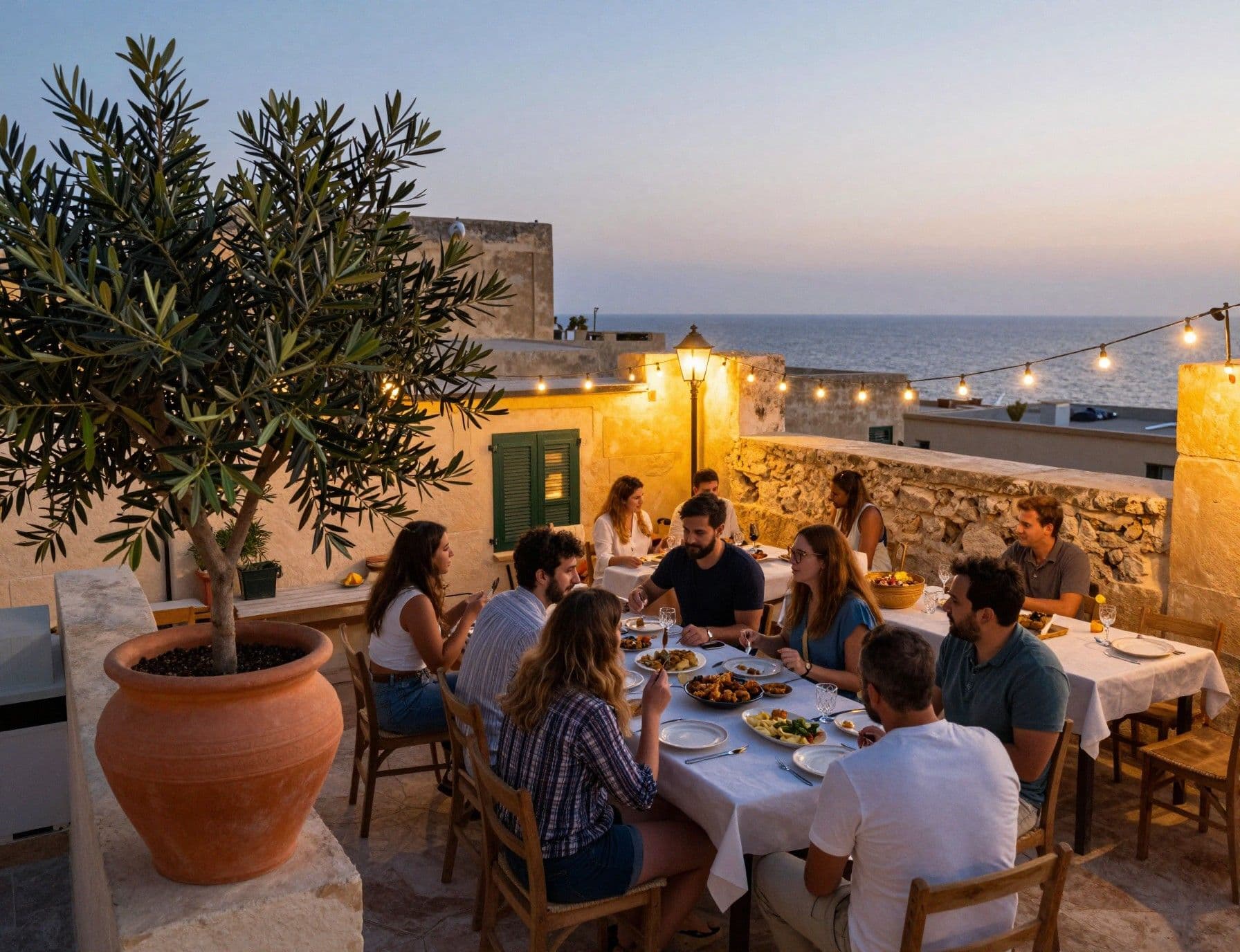
Malta’s property market has been steadily rising in recent years, with official statistics showing continued price growth and healthy transaction volumes. That reality means that while lifestyle spots exist at many price points, prime historic or promenade addresses carry premiums. At the same time, national residency schemes and planning rules influence which properties non‑EU buyers may target, and which homes are suitable for eco‑upgrades like solar panels or rainwater systems.
Property types that nurture a green life
Traditional Maltese homes—townhouses, maisonettes and terraced houses—offer thick stone walls that temper heat naturally, and compact footprints that make low‑energy living realistic. Where newer flats dominate (especially around St Julian’s and Sliema), look for top‑floor units with terraces or ground‑floor apartments with small private courtyards. In Gozo, standalone houses often include garden space suitable for permaculture beds or olive plantings, providing tangible biodiversity benefits for owners who want to steward the land.
Working with local experts who understand place and planet
Choose agents who know neighbourhood microclimates, local planning restrictions and the artisans who can sympathetically retrofit historic stone homes. A good local agency will point to north‑facing terraces for cooler summers, suggest native planting schemes to reduce irrigation, and connect you with contractors experienced in integrating PV into limestone roofs. Their role is cultural translator as much as broker—turning a lifestyle brief into a property search that honours Malta’s rhythms.
- 1. Prioritise outdoor living: list terrace, courtyard or roof access as a hard requirement. 2. Ask about past planning permissions and any restrictions for solar or water harvesting. 3. Engage a local surveyor early to check damp and insulation in stone walls. 4. Meet the neighbourhood: spend mornings in local cafés and evenings by the promenade. 5. Budget for sympathetic retrofit work—lime plaster, shutters, and native landscaping.
Insider knowledge: what expats learn the hard way
Many expats arrive enchanted by weekend beaches and quickly discover the island’s intimacy: neighbour relations, local council rhythms and the importance of timing in renovations. Practical realities—planning delays, seasonal tourism pressure on services, and variations in internet or transport connectivity—shape daily life in ways that glossy listings never show. Knowing local social customs and the rhythm of festa weeks makes integration smoother and helps you pick a neighbourhood that fits your tempo.
Cultural integration and everyday social life
English is widely used and that eases the first months, but learning Maltese phrases opens doors at the market and in smaller villages. Community life often revolves around the local parish, small‑scale events and cafés where tradespeople compare notes. For buyers who want to belong, volunteering with environmental groups or joining a neighbours’ gardening circle is both rewarding and a pragmatic way to learn place‑based stewardship.
How long‑term life changes your priorities
After a year living in Malta many buyers prioritise water‑wise landscaping, higher‑quality shutters for summer comfort, and battery‑ready PV systems that suit the island’s sunny profile. You begin to value local trades—stone masons, lime plasterers, and roofers—who preserve character while improving performance. If you plan to rent when you’re away, think about dual‑use features: easy‑care terraces, native planting, and simple tech for remote monitoring.
- Local red flags to watch for
- 1. No inspection of roof and party walls—ask for a local structural survey. 2. Overlooked drainage: flash floods are rare but blocked gullies matter. 3. Unpermitted extensions—verify with the Planning Authority. 4. Listings that ignore outdoor living—terraces and courtyards are core value drivers.
Conclusion: fall for the life, do the local work, steward the land. Malta offers an unusually intimate Mediterranean life—stone streets, sea air, and pockets of surprising greenery—that rewards mindful buyers. Start with clear lifestyle priorities (terrace? garden? village pace?), hire local experts who care for place and planet, and budget for sympathetic upgrades that make a home comfortable and low‑impact. When you balance sensory love for place with practical due diligence, Malta becomes not just a second address but a seasonally rich, regenerative home.
Danish relocation specialist who moved from Copenhagen to the Algarve; supports families with seamless transitions, local partnerships, and mindful purchases.