The Hidden Paperwork: Buying Life in France
Fall for France’s rhythms, then do the paperwork: municipal plans, cadastre checks, diagnostics and notaire searches protect lifestyle and landscape.
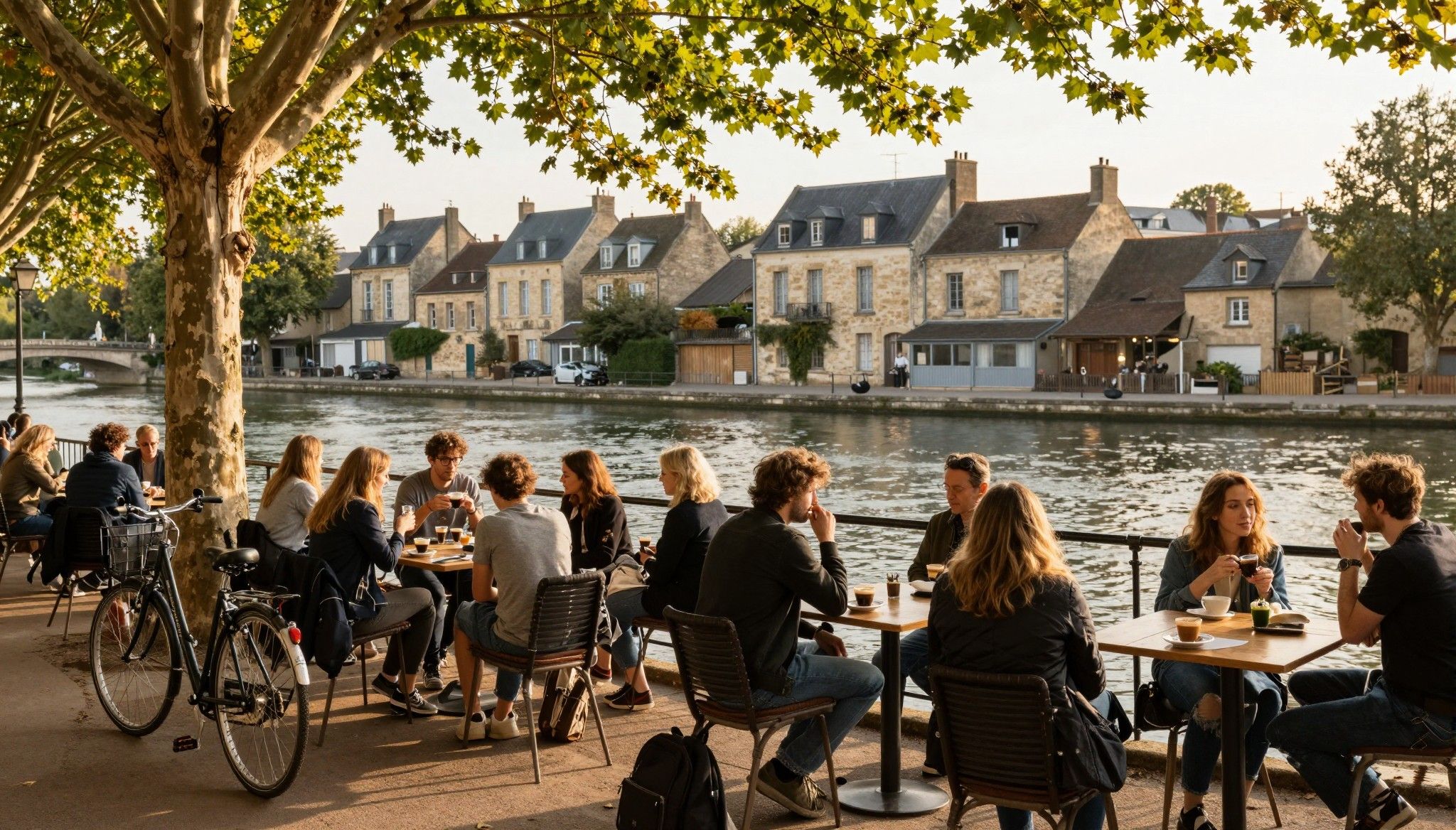
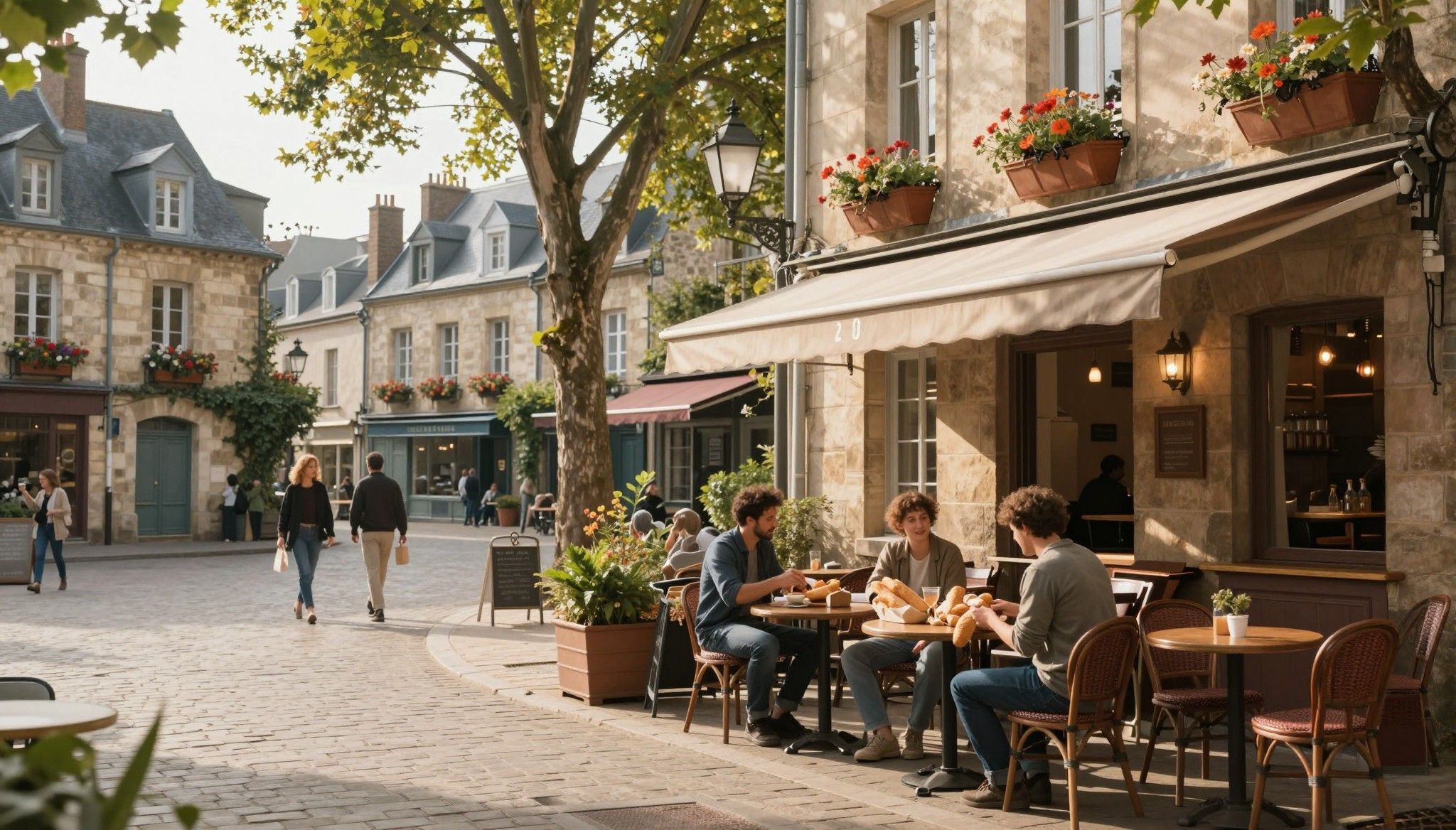
Imagine waking to the smell of fresh baked bread on Rue des Martyrs in Paris, or a pink-tinged sunrise over lavender fields in Provence. France feels like a film—stone streets, lively markets, and a slow day punctuated by café conversation—but under that romance is a lattice of local rules, municipal histories and paperwork that quietly shapes what you can build, restore or rent. For anyone buying here who wants a home that honours land and seasons, doing due diligence is not a chore; it’s part of learning how this country protects its places.
Living the France lifestyle
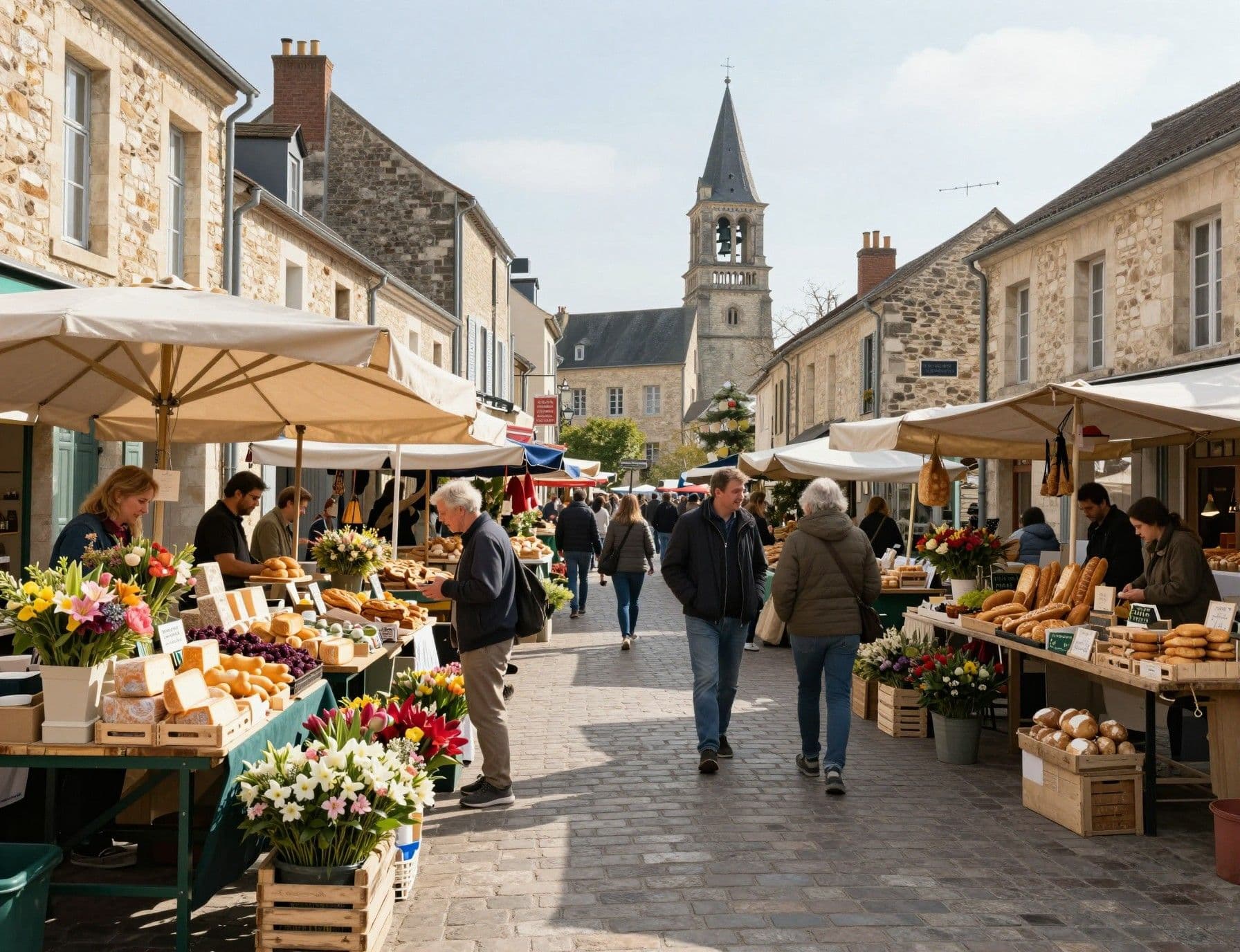
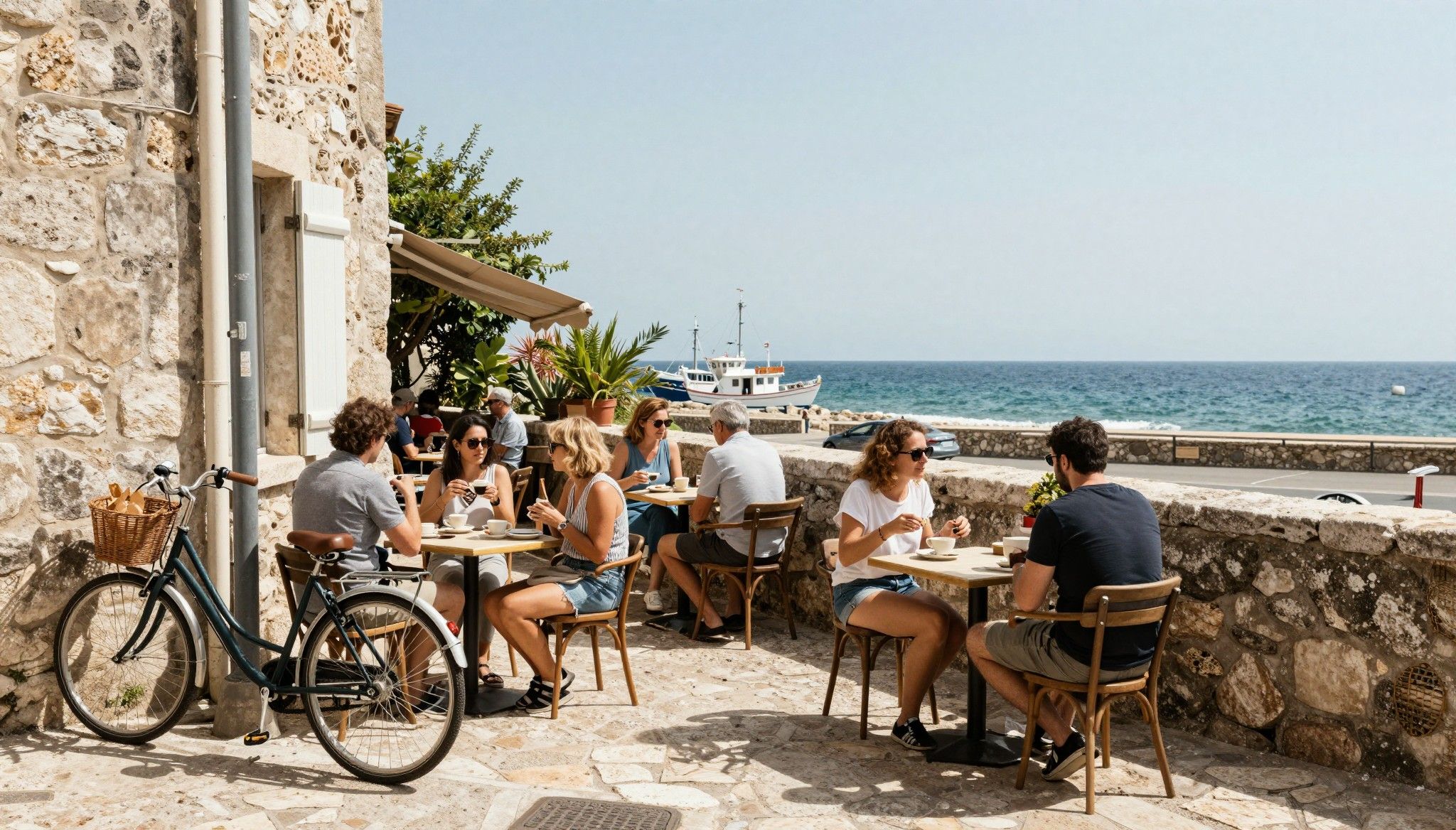
France is many Frances at once. In Marseille you feel the sea in conversations; in Bordeaux, mornings pivot around marchés brimming with oysters and vegetables; in small villages the rhythm follows harvest and church bells. These textures matter for buyers: the way neighbours garden, the presence of a morning market, and municipal attitudes to renovation all influence whether a property becomes a lived sanctuary or a frustrating project.
Neighborhood spotlight: Le Panier to Île Saint‑Louis
Walk Le Panier in Marseille at 9 a.m. and you’ll find fishermen’s grandchildren, old stone facades threaded with bougainvillea and small ateliers where wood is still worked by hand. Contrast that with Île Saint‑Louis in Paris, where townhouse courtyards hold centuries of municipal records and neighbours jealously guard building façades. These micro-histories influence permissions: coastal towns may limit extensions to protect views, while urban arrondissements enforce façade and roofline rules that preserve the collective aesthetic.
Food, markets and seasonal life
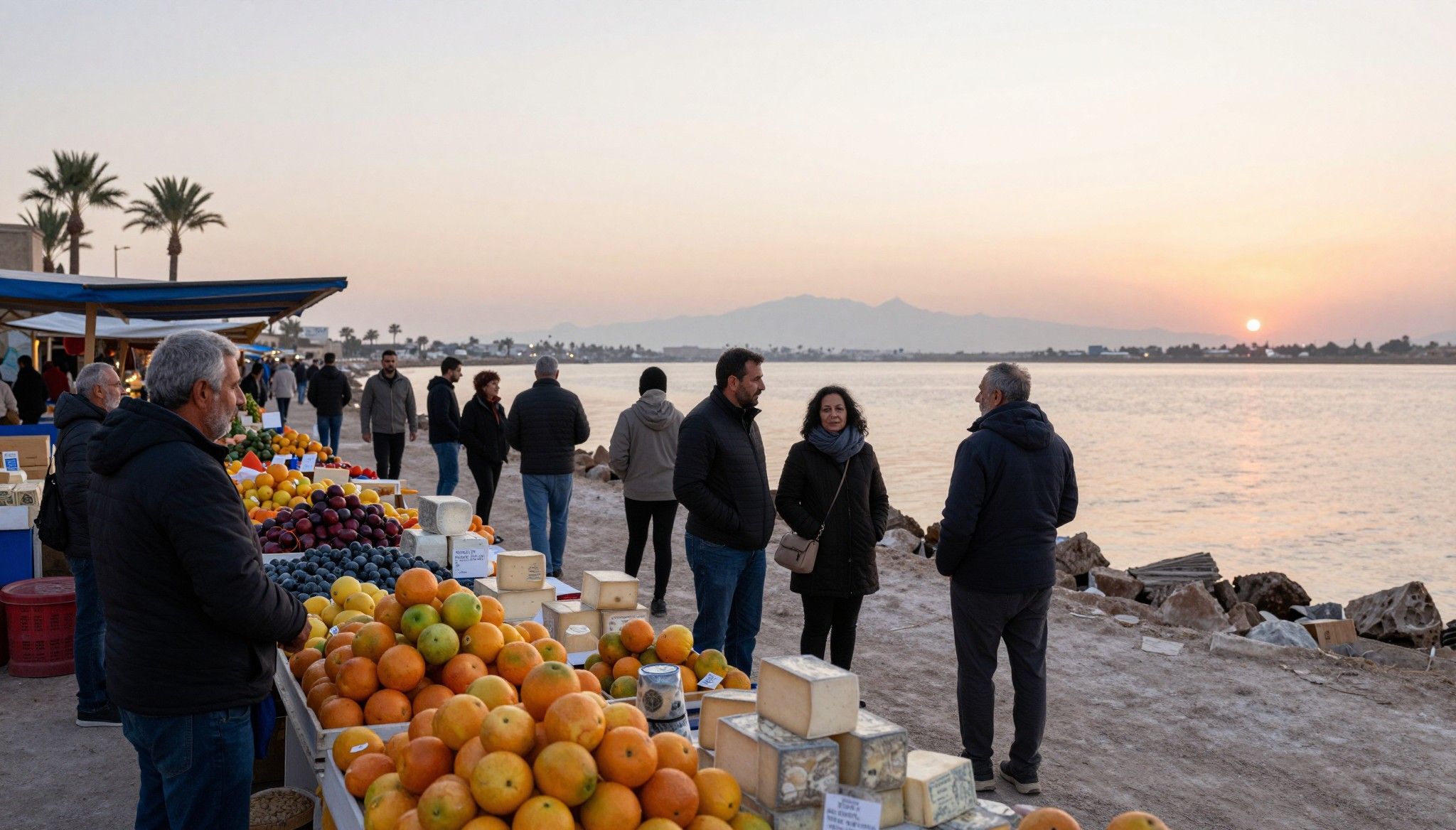
Markets are the heartbeat of French life—Marché Alcazar in Marseille, Marché des Enfants Rouges in Paris, and farmers’ markets across the Dordogne shape daily habits and neighbourly ties. Buying near a vibrant market often means accepting earlier deliveries, stricter waste collection rules and municipal market hours; it also means instant community. If you want a garden that contributes to local biodiversity, check whether the commune supports composting, community gardens or has tight rules on native plantings.
- Lifestyle highlights: markets, beaches, and hidden rituals
- Morning coffee on Rue Cler (Paris); seasonal oyster stalls at Le Grau‑du‑Roi; weekday boulangeries where locals swap news
- Sunday brocantes in small towns—perfect for finding reclaimed furniture that fits a low‑impact home
Making the move: practical considerations
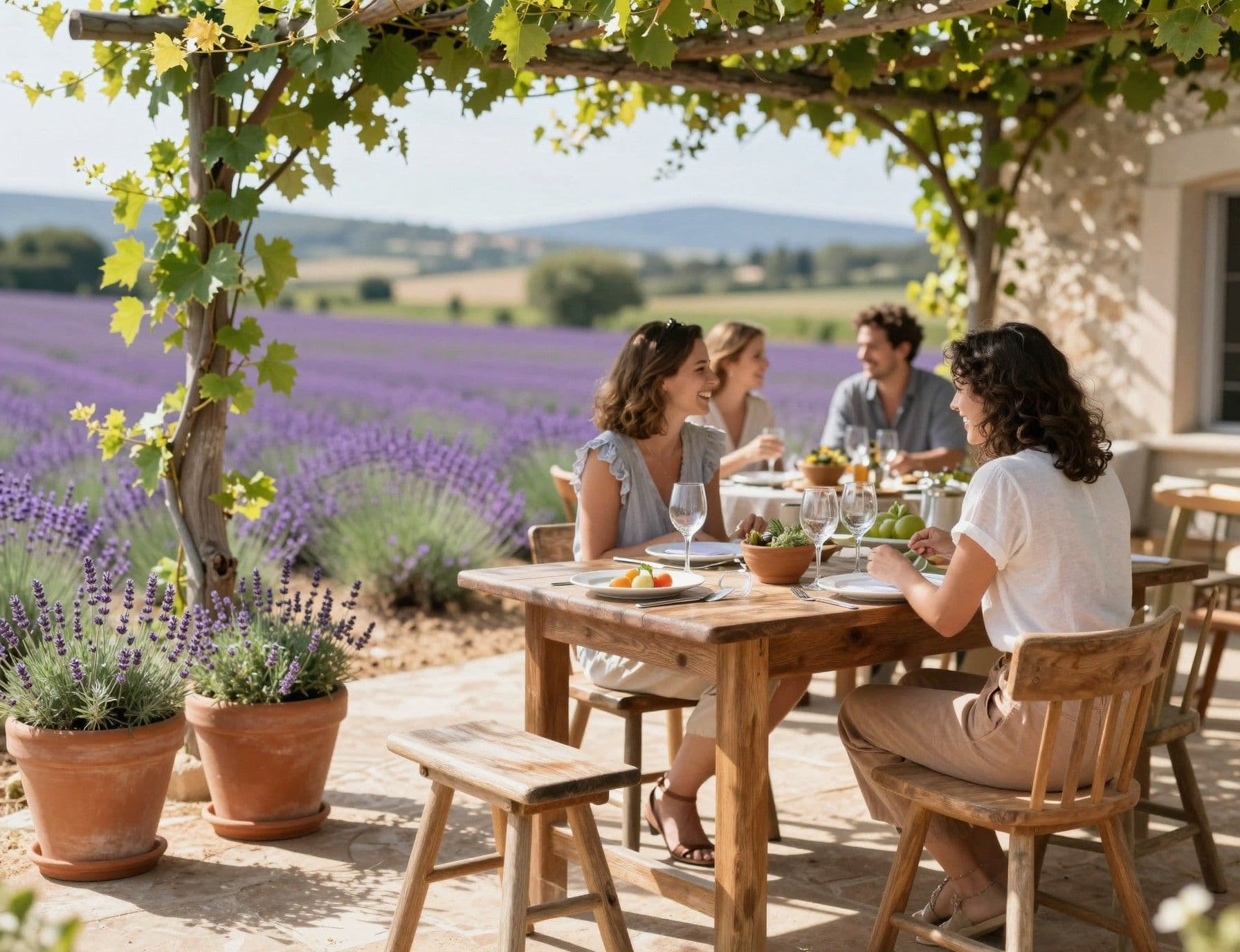
Dreams meet municipal reality when you open a dossier at your mairie. France’s planning system—local plans, historic protections and the much‑consulted cadastre—determines what you may do with a garden, a stone barn or a rooftop terrace. Before you place a bid, it’s wise to map out the permissions pathway and to read the local urban plan; what looks like a simple extension can trigger a lengthy 'permis de construire' application. Official guidance explains timelines, required forms and the situations that need prior permission.
Property types and how they shape your life
A stone mas in Provence invites outdoor cooking, grapevines and thermal mass living, but also brings roof repairs, seismic checks and potential heritage constraints. A Parisian Haussmann flat offers light, proximity and strong co‑ownership rules (copropriété) that govern renovations and sustainability upgrades like shared solar panels. Understand how the type of home aligns with your daily life—outdoor routines, heating needs, and whether you’ll want to alter the footprint—because regulations often differ between rural, coastal and urban properties.
Local experts—maîtres‑notaires, architects and green‑minded agents—are essential. Notaires check titles, servitudes and cadastral boundaries; architects translate a lifestyle vision into permit drawings; agents who specialise in sustainable renovations can flag local incentives. Work with professionals who read municipal cadastres and conservation rules as fluently as they describe the best marché in town.
- Steps to align lifestyle and legal reality
- 1. Check the plan local d’urbanisme (PLU) at the mairie to understand permitted uses and heights.
- 2. Order a cadastral plan and an up‑to‑date titre de propriété from the notaire to confirm boundaries and servitudes.
- 3. Commission mandatory diagnostic reports (amiante, plomb, performance énergétique) to budget for remediation and energy upgrades.
Insider knowledge: what expats wish they’d known
Expats often discover that small details—taxe foncière due even to non‑residents, local waste collection rules, and the timing of heating seasons—shape monthly life more than a glamorous view. Local taxes are set by municipalities and calculated on 1 January’s situation, so if you buy mid‑year you should plan for pro‑rata bills and understand that second‑home surcharges can apply. Knowing these rhythms turns surprise costs into planned choices.
Cultural notes that affect property life
French communal life prizes neighbourly consultation: large renovations often require discussion with neighbours and the syndic; failing to do so can sour relations and complicate permits. Language is a kindness—learning basic French for mairie meetings and contractor negotiations smooths the path and signals respect for local stewardship practices. In heritage zones you’ll meet the Architecte des Bâtiments de France (ABF), whose suggestions aim to protect character—work with them, not around them.
Money matters: notaire fees, taxes and diagnostic costs add to the purchase price. Notaire fees include public duties and searches such as cadastre consultation and land registry checks; they are a legal safeguard, not a negotiable commission. For eco‑minded buyers, budget also for energy diagnostics and potential upgrades that local authorities may incentivise—these investments lower long‑term bills and increase property resilience.
- Red flags and green opportunities
- Red flag: missing diagnostics or unclear cadastral boundaries — insist on documents before offers.
- Opportunity: communes offering renovation grants for insulation or heat pumps—ask the mairie about local incentives.
Conclusion: buy the life, not just the photograph. France rewards patience. Start with a lifestyle map—markets, routes, community rhythms—then layer in permissions, notaire checks and diagnostics. Bring on local experts who read both the municipal archives and the terroir; they will help you secure a home that fits seasons, neighbours and the fragile wildness you want to protect. When you buy like that, due diligence becomes a ritual of care, and your property joins the life of the place.
Norwegian market analyst who relocated from Oslo to Provence; guides investors with rigorous portfolio strategy and regional ecological value.