Buy the Light: Green Mortgages & Lifestyle Buys in Cyprus
Fall for Cyprus’s sunlit daily life while using green mortgages and regional RPPI data to make a confident, low‑impact purchase.
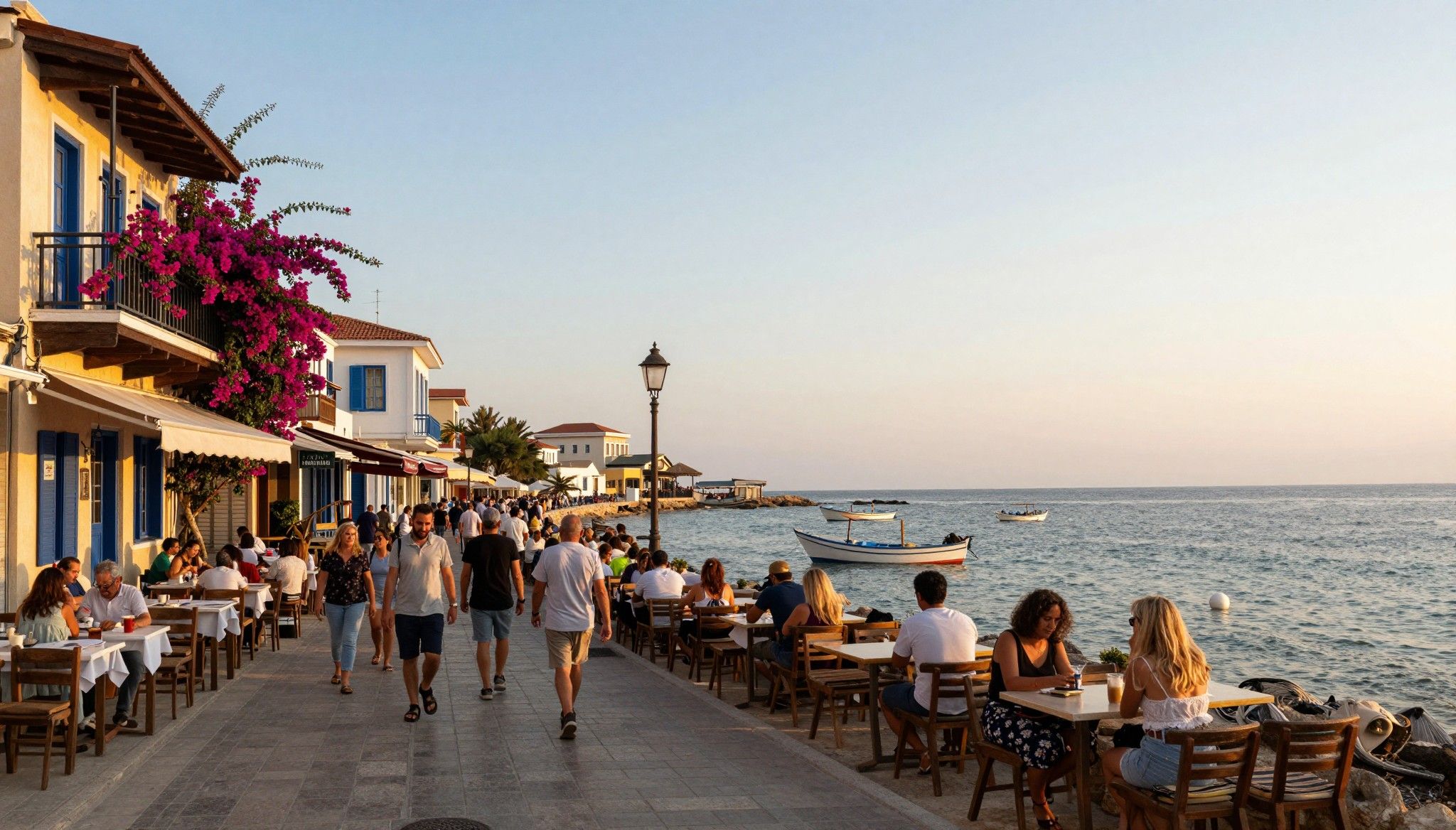
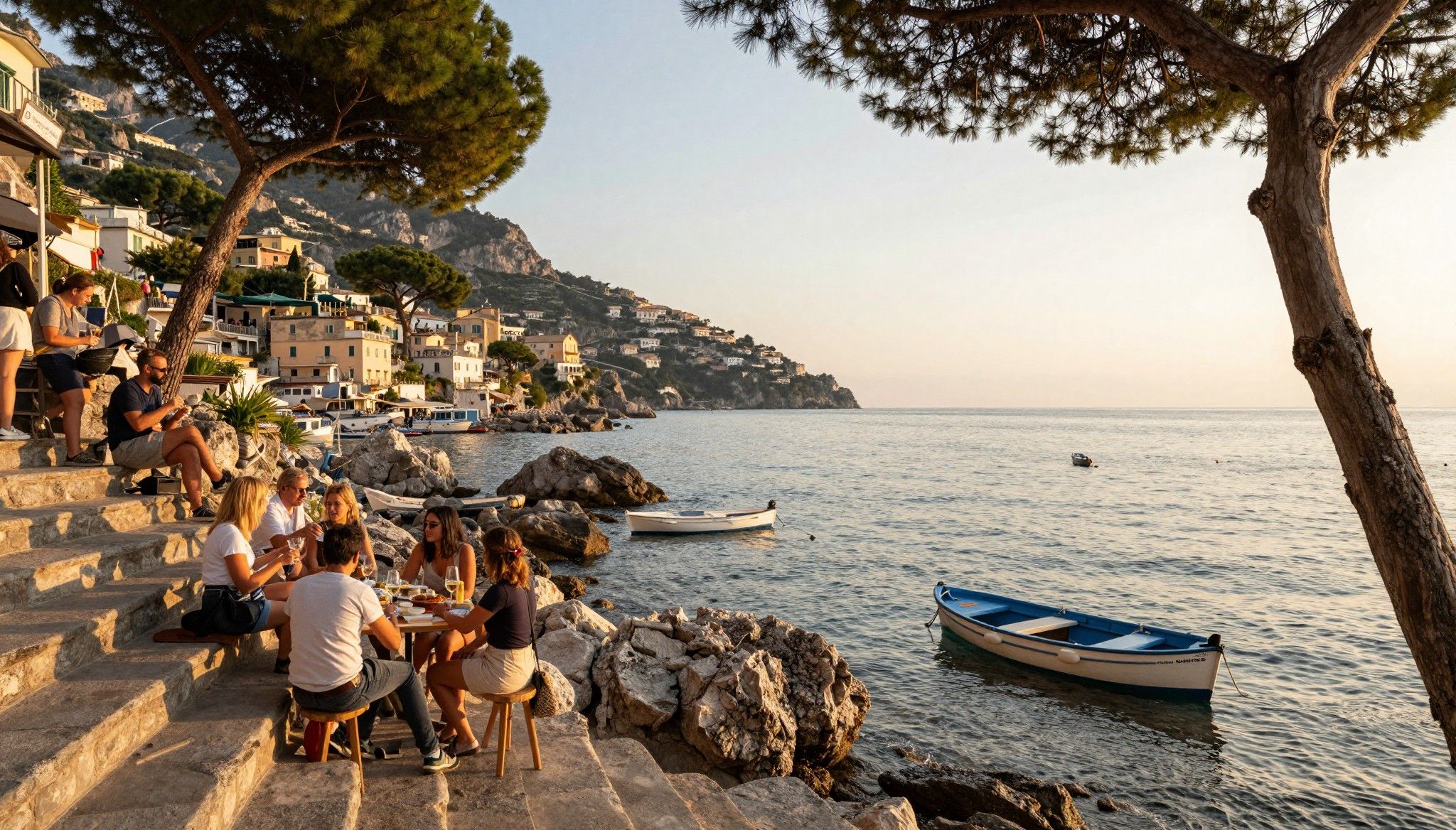
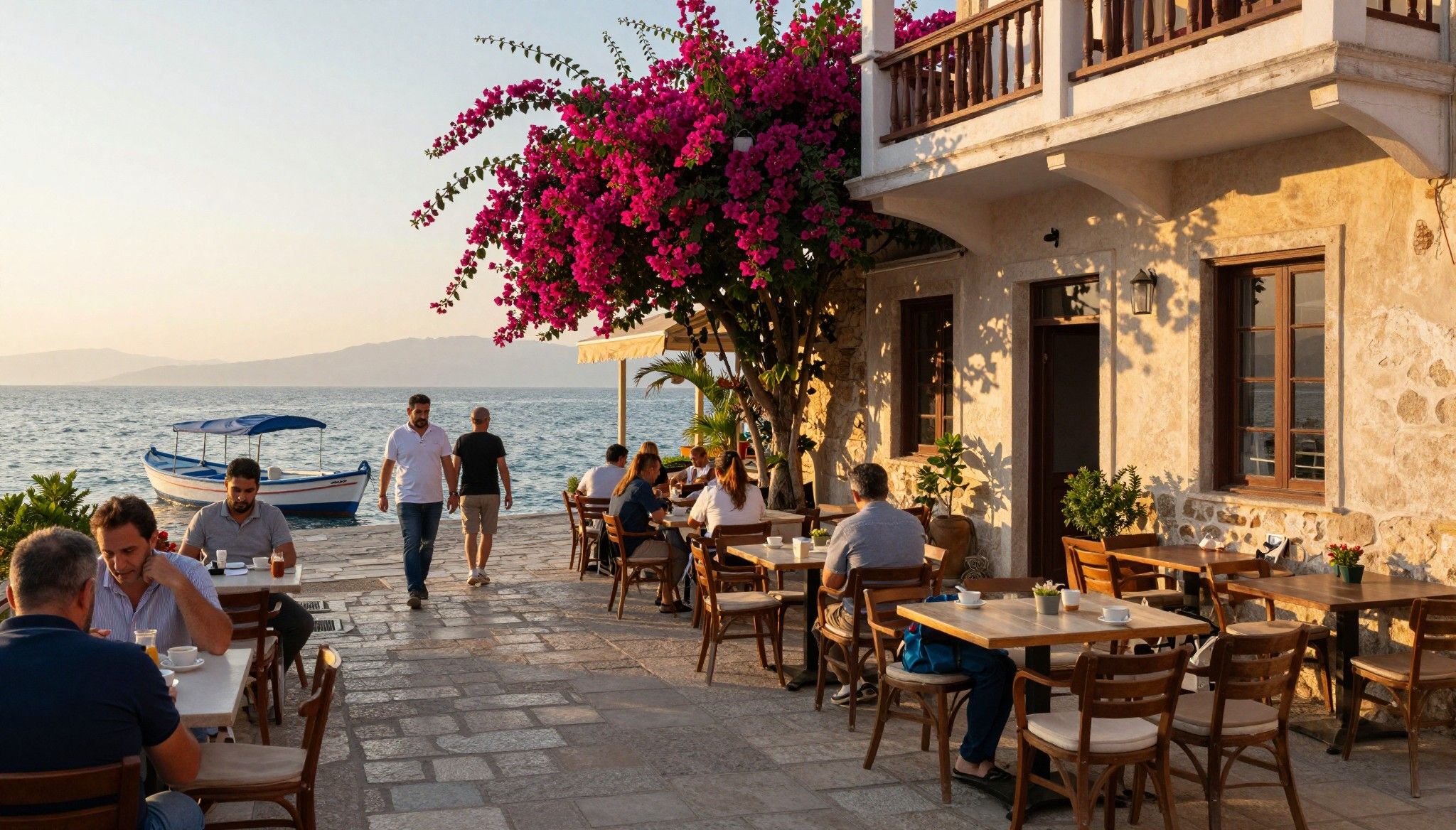
Imagine waking to a warm, salt-scented breeze on Limassol’s promenade, picking up a still-warm koulouri from a corner baker in Larnaca, or wandering stone alleys in Paphos where balconies drip with bougainvillea. Cyprus feels like a long, slow invitation to outdoor life — where sea, village and hill meet a practical island rhythm. For international buyers who care about light-filled rooms, low-impact living and financial clarity, this island offers both a vivid lifestyle and an increasingly structured market backed by green finance options. According to recent market analysis, prices have been rising unevenly across regions, and banks are beginning to price-in energy-efficiency when lending; that matters for buyers who want low bills and durable value.
Living Cyprus: sunlit rhythms and close-knit corners
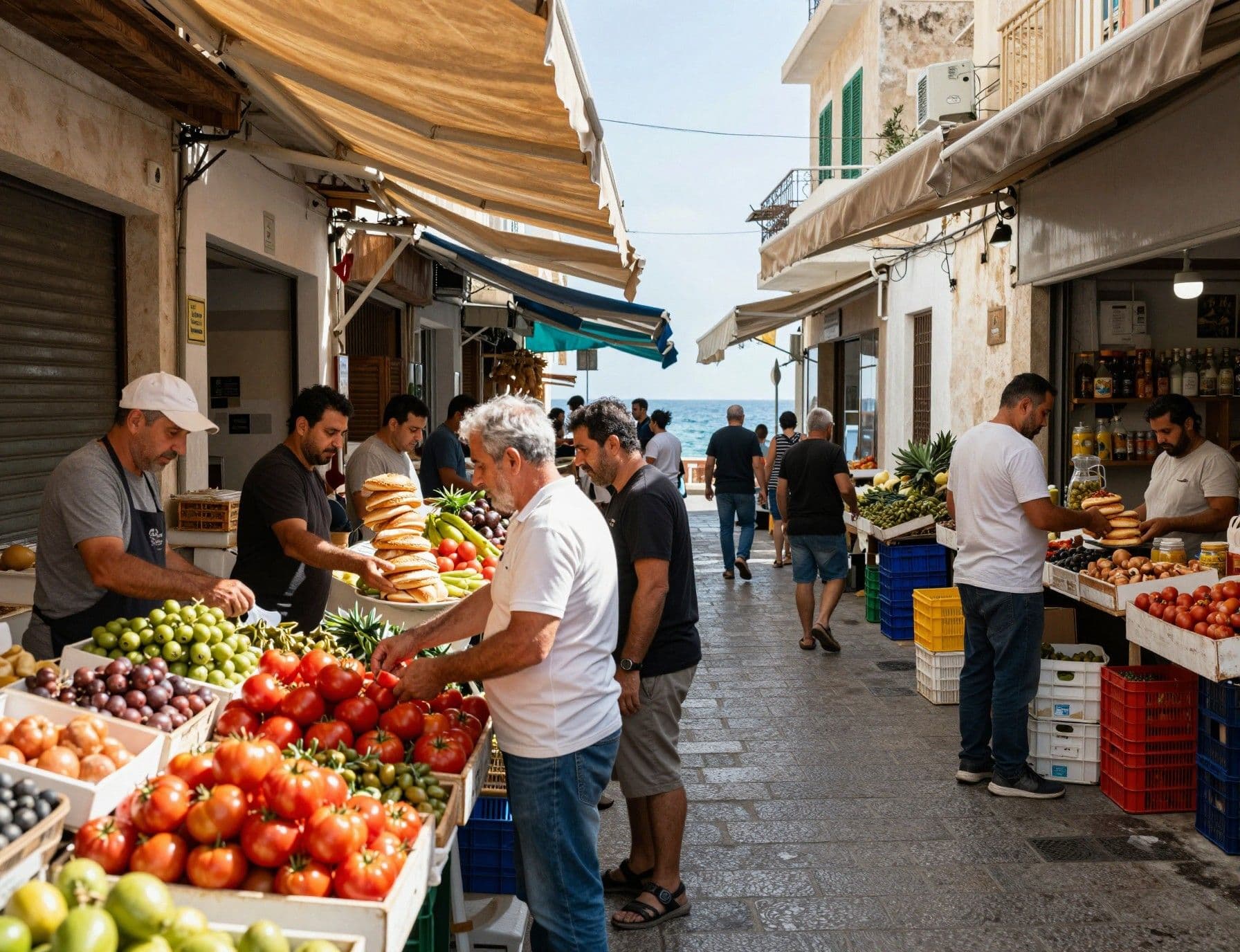
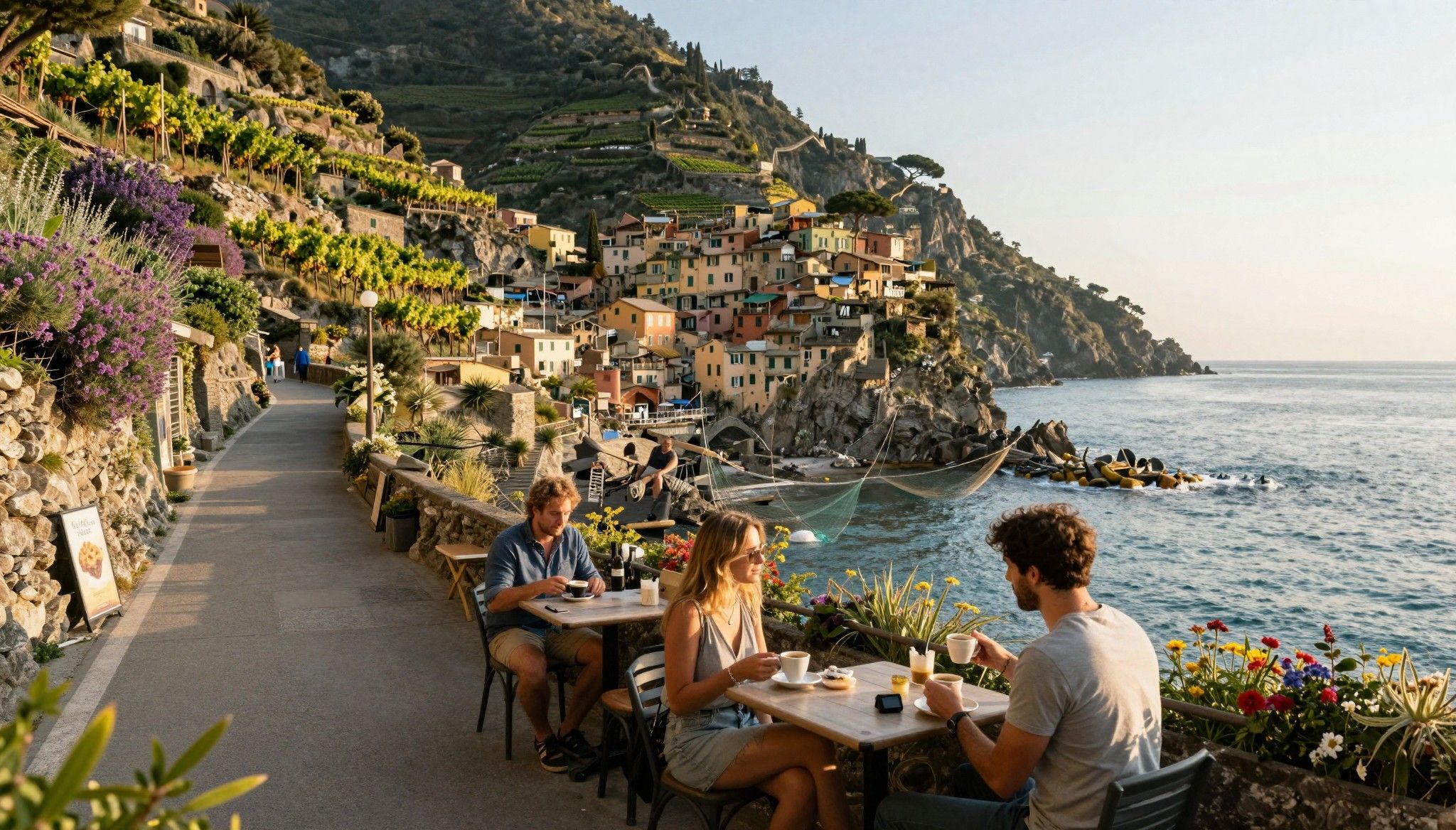
Mornings in Cyprus are sensory: fishermen drawing nets at Finikoudes, cafes filling with espresso steam, and village women sweeping steps in shaded lanes. Life here is famously outside — terraces, roof gardens and shaded courtyards extend living seasons from early spring into late autumn. The island’s genial pace means neighbours know one another, local taverna owners remember your order, and seasonal rituals — olive harvests, Lazarus Week processions, grape stomps — anchor communities to land and time.
Neighborhood pulse — Limassol's coastal stretch and calm inland villages
Walk east of Limassol to Agios Tychonas and you’ll find sandy coves, private gardens and a quieter luxury that feels village-rooted rather than theatrical. Up the coast, Germasogeia hums with families and seaside apartment life; inland villages — pale stone, terracotta roofs, communal squares — offer gardens and olive trees. These contrasts let buyers choose: a lively promenade with restaurants and seafront parks, or a patched-stone farmhouse near citrus groves.
Food, markets and the small pleasures that shape home life
Weekends are market mornings — slow coffee at Finikoudes, crates of sun-warmed tomatoes at municipal markets, and mezze that stretch past sunset. Restaurants lean on local produce: halloumi charred over wood fire, freshly caught sea bream, and mountain graviera. The sensory joys of food are also practical: short supply chains mean fresher food, smaller utility needs for storage, and neighbourhood economies that reward local stewardship.
- Lifestyle highlights to seek when house-hunting in Cyprus: - Morning espresso on Finikoudes promenade (Larnaca) - Walkable bakeries and weekly farmers’ markets - South- or west-facing terraces for long afternoons - Mature olive or citrus trees on small plots - Access to a local taverna that knows your name - Proximity to community festivals and seasonal markets
Making the move: how lifestyle choices shape financing
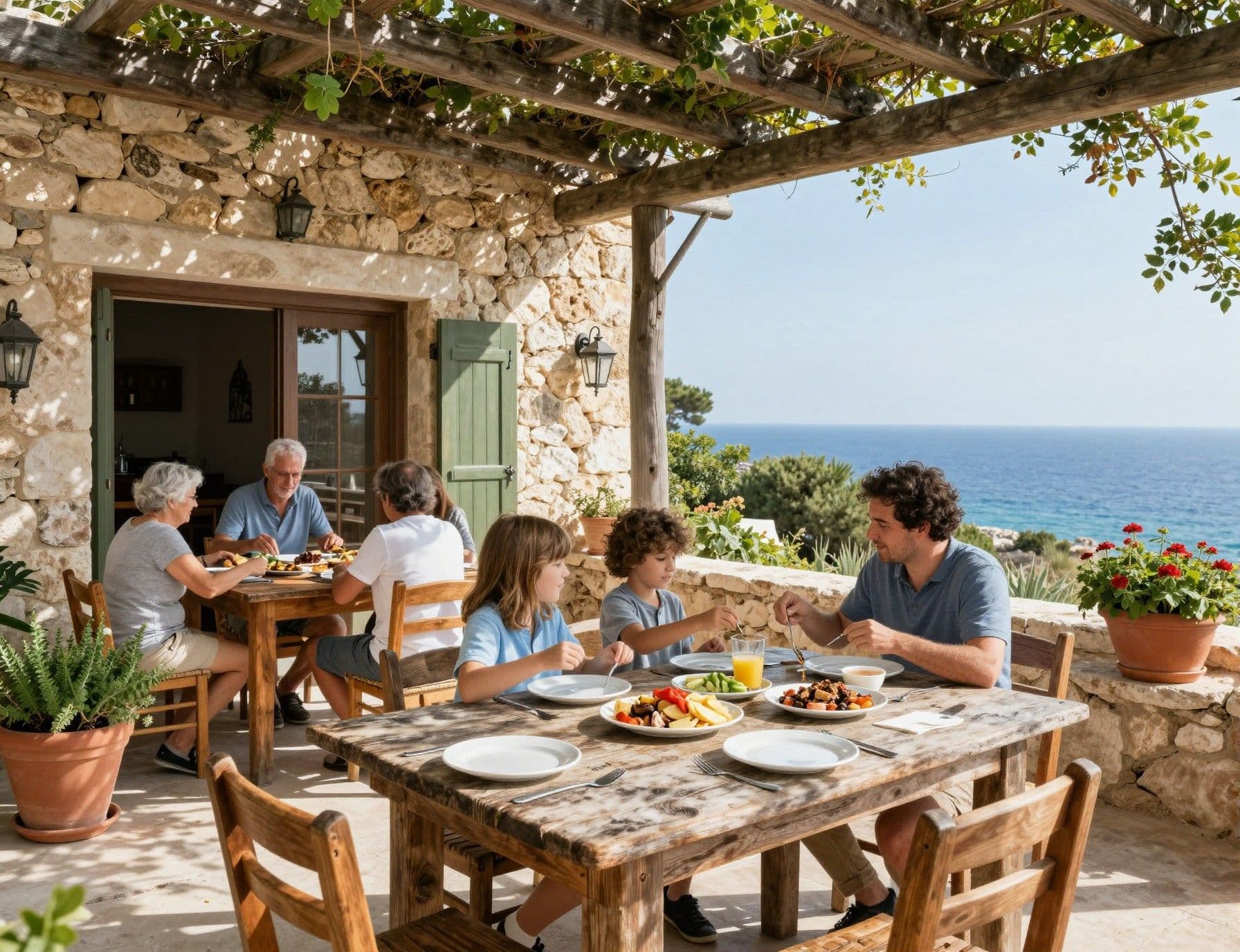
The dreamy parts of Cyprus matter — but so do price trends and financing logic. The Central Bank’s RPPI shows regional variation: Limassol and Larnaca saw notable price increases in late 2025, while some Paphos segments cooled, meaning timing and neighbourhood choice have measurable price consequences. For buyers thinking in terms of sustainable living, that also intersects with bank lending: Cypriot banks now offer green home loans and preferential terms for energy-efficient properties, which can reduce monthly costs and increase resale appeal.
Property types and the lived benefits of green features
A sun-drenched townhouse with thick stone walls will feel cool in summer and warm in winter; a seaside apartment with solar water heating will cut bills and ease reliance on grid electricity. Banks such as Bank of Cyprus and Eurobank list green mortgage products that tie reduced rates to category-A energy performance or retrofit plans. Look for thermal insulation, double glazing, solar PV or solar water heating, and energy certificates that lenders accept as part of their green-eligibility criteria.
How local experts turn lifestyle briefs into finance-ready offers
- 1. Start with a lifestyle brief: specify desired outdoors, community and utility goals. 2. Ask agents for EPC (energy performance certificate) or recent utility bills to show current performance. 3. Request lender pre-approvals that note green discounts or retrofit allowances. 4. Build simple retrofit costs into the purchase offer so a 'green discount' is tangible and bank-acceptable. 5. Use local architects or QS to cost energy upgrades before signing so financing wraps both purchase and green works.
Insider knowledge: expat truths, seasonal timing and red flags
Expats often say: ‘I fell for the light, but underestimated the paperwork.’ Local reality contains pleasant surprises and small frictions — municipal approvals can be slow for renovations, and coastal protection rules affect what you can build near the shore. The Residential Property Price Index and RERA data show market momentum in particular areas; use that to decide whether you want a lifestyle-first buy or a near-term value play. A useful rule: if a property’s low price feels like a secret, ask why — often there are utility, access or legal reasons.
Cultural integration and daily life — simple habits that accelerate belonging
Learn a few Greek phrases, attend a local festival, and patronise the bakery down the lane: small rituals speed trust. English is widely spoken in tourist and expat hubs, but village life rewards curiosity and a willingness to join communal rhythms — olive harvest volunteering, Sunday church sweets, or morning market bargaining. These social sockets matter for maintenance, neighbourly help and long-term stewardship.
- Practical red flags to watch when buying in Cyprus: - No energy certificate or recent utility bills on request - Unclear title history or missing cadastral reference - Properties sitting empty for years (often maintenance backlog) - Coastal setback violations or unclear building permits - Sellers reluctant to allow independent inspections
Climate and seasons shape long-term comfort: south-facing terraces and thermal mass matter for summer comfort, while rainwater collection and native planting reduce irrigation needs in drier months. For buyers who want low-impact living, prioritise passive solar orientation, existing PV or realistic roofs for panels, and mature shade trees. These choices save money and deepen the sense that your home is part of the place, not an imported object.
If you leave Cyprus next week, you’ll miss a market that’s quietly professionalising: official price indices now guide decisions, banks publish green loan criteria, and local agencies specialise in lifestyle-led searches. Use authoritative data — the Central Bank’s RPPI and bank green loan pages — to weigh offers and make retrofit-friendly financing part of your plan. An agent who understands both village life and lender requirements is worth their weight in olive oil.
- Next practical steps to turn longing into a responsible purchase: 1. Visit in shoulder season to feel year-round rhythms and see how a neighbourhood lives off-peak. 2. Request EPC and recent bills; factor retrofit costs into your offer. 3. Seek pre-approval from banks offering green discounts and ask about bundled green works financing. 4. Retain a local lawyer and a surveyor familiar with coastal setbacks and cadastral checks. 5. Build community checks into due diligence: speak to neighbours and visit local markets.
Cyprus is a place where light and stone, sea and table meet in daily rituals. Buying here with sustainability in mind is less about buying a label and more about choosing materials, orientation and community that keep life gentle on the island and on your bills. When lifestyle and financing align — a south-facing terrace financed with a green mortgage, a village home with mature trees and rainwater cisterns — your purchase becomes stewardship: a small, lasting gift to place and self.
Ready to see properties that match this life? Ask an agent for pre-approved green-finance examples, an energy-certificate scan, and three local references (neighbours, market vendor, and municipal office) before you make an offer. That way you buy the light and the lifestyle — and keep the island’s future greener for everyone.
Norwegian market analyst who relocated from Oslo to Provence; guides investors with rigorous portfolio strategy and regional ecological value.