Verdant Greece: Lived‑In Coasts, Market Realities
Greece’s verdant coasts and forested islands offer seasonal, low‑impact living — but rising prices and new rules make local expertise and energy upgrades essential.
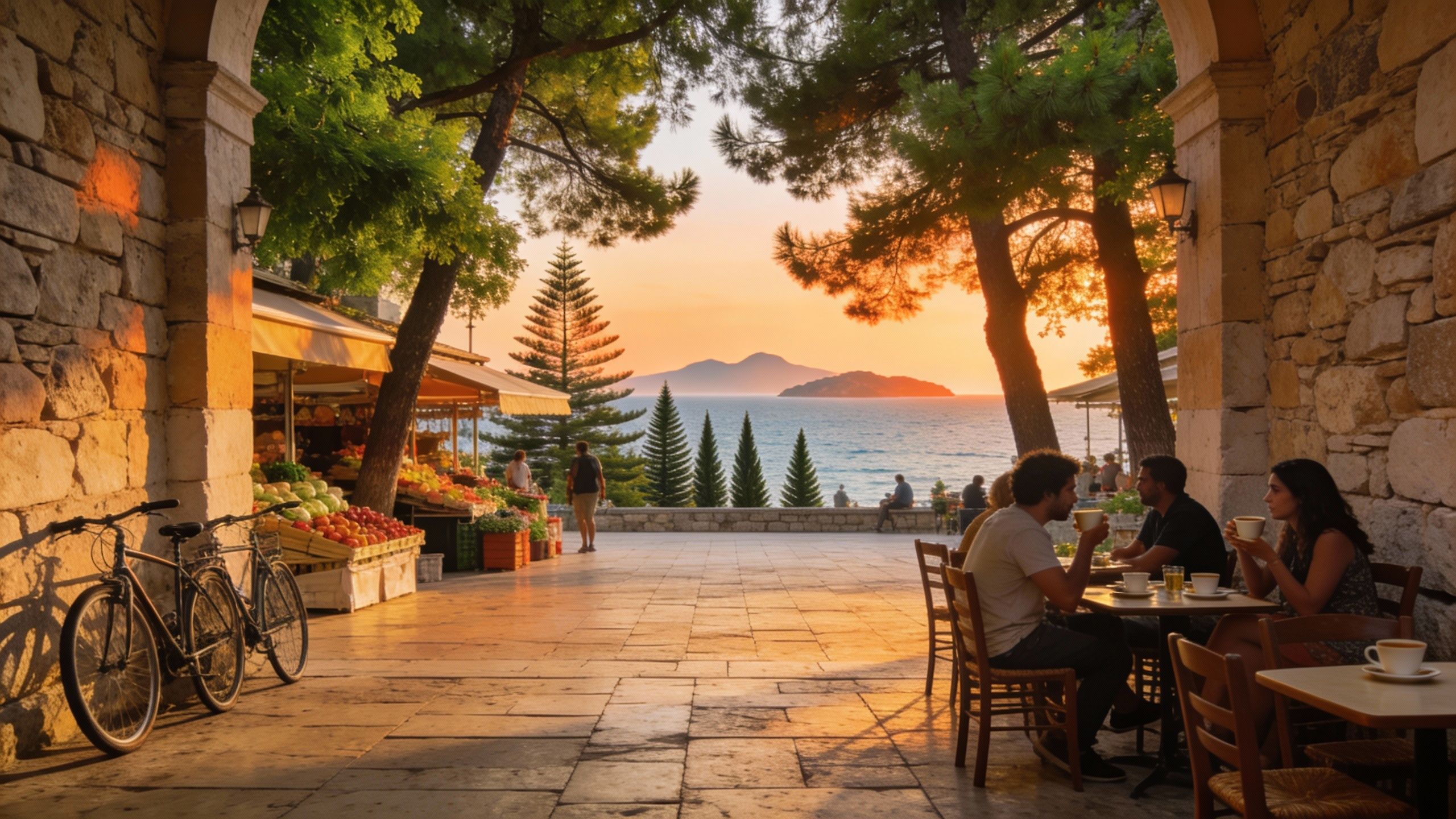
Imagine waking to the smell of lemon trees and sea salt, then walking a quiet alley in Ano Petralona or a pine‑fringed lane on Corfu before your espresso cools. In Greece, the day unfolds slowly — markets fill with tomatoes and tsipouro, terraces collect late light, and neighbourhood cats weave between stone steps. For international buyers drawn to lush coasts and forested hills, Greece is not only sun and islands: it’s village rituals, regenerating rural life, and a surprising range of property types that pair thermal comfort with low‑impact living. Yet the market has been changing fast; recent Bank of Greece figures show sustained price rises that reshape where value and stewardship meet.
Living the Grecian Verdant Life
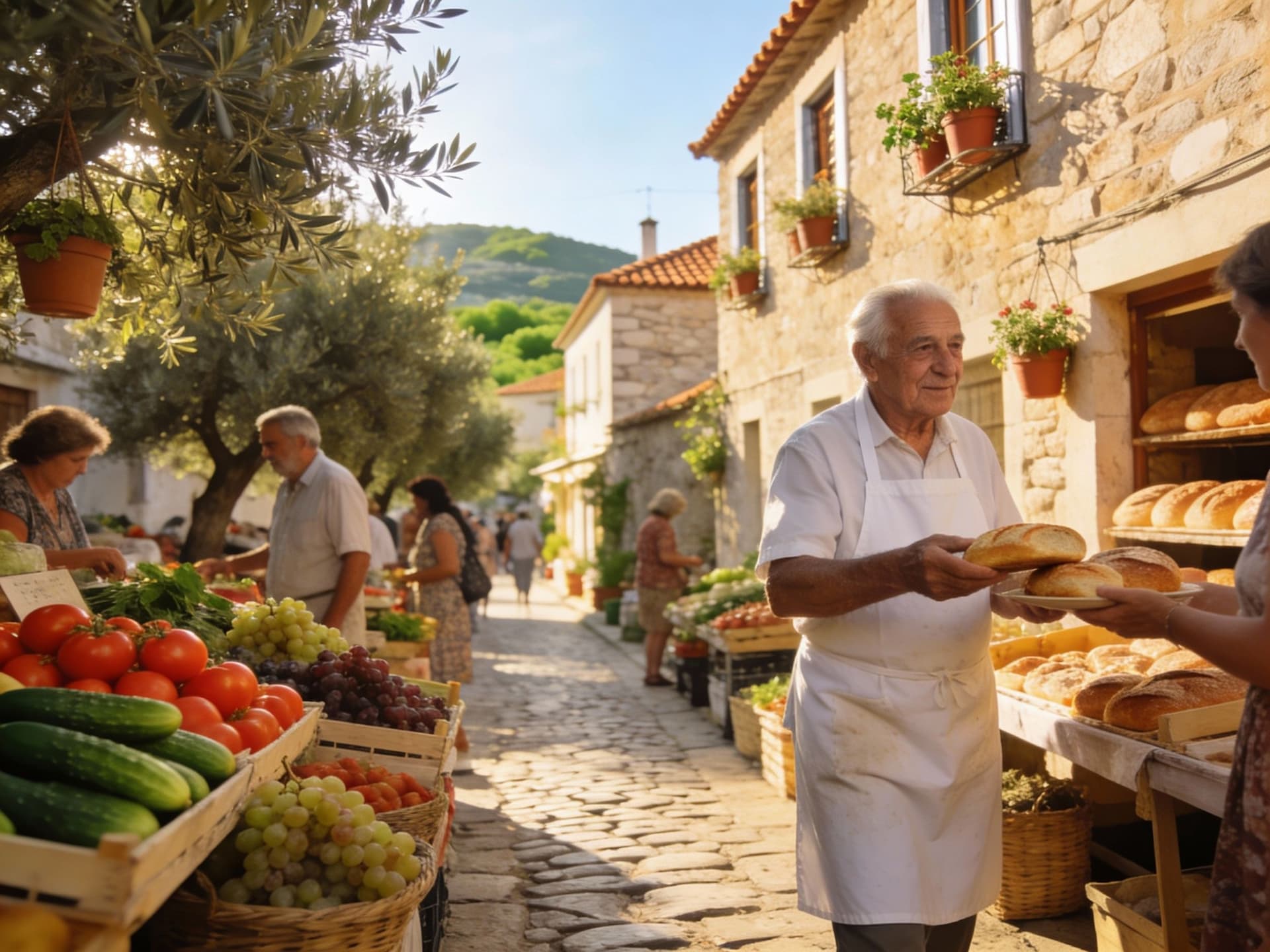
Close your eyes and picture this: a sunrise hike through the cedar groves of Pelion, a midday swim from an olive‑lined cove on Kefalonia, an evening marché in a village square where the baker saves you the last slice of bougatsa. Greek life is tactile — stone, timber, olive oil — and neighbourhoods are organised around cafés, small markets and municipal squares where the social life happens. Whether you prefer the marine pines of the Ionian or the cedar‑draped slopes of the mainland, homes here often bridge indoor and outdoor life: terraces become living rooms in warm months and gardens are extensions of daily routine.
Athens rhythms: Koukaki to Kifisia
Athens surprises buyers who expect only concrete. Walk from Koukaki’s narrow streets — coffee on the steps of To Kima, galleries tucked into neoclassical facades — then jump the tram to Glyfada for beachside promenades and pine‑backed parks. For green‑minded families, Kifisia’s parks and craft bakeries feel like small‑town refuge within the capital’s orbit. These micro‑neighbourhoods show why many buyers choose Athens not for the skyline but for accessible green pockets and a life that folds urban convenience into weekend forest escapes.
Islands and coasts: unexpected verdure
Think of Mykonos and Santorini as postcard islands, but seek Corfu’s green hills, Crete’s gorges, or the Peloponnese’s limestone ridges if you want trees and quiet. Recent regulation around short‑term rentals has changed island markets — central Athens and several tourist zones now face moratoria and stricter habitability rules — which makes quieter, forested coasts an appealing counterpoint for sustainable living. Buying on a verdant island often lets you design gardens, harvest olives, and fit PV and water‑saving systems without the congestion of peak tourism hubs.
Making the Move: Practical Considerations
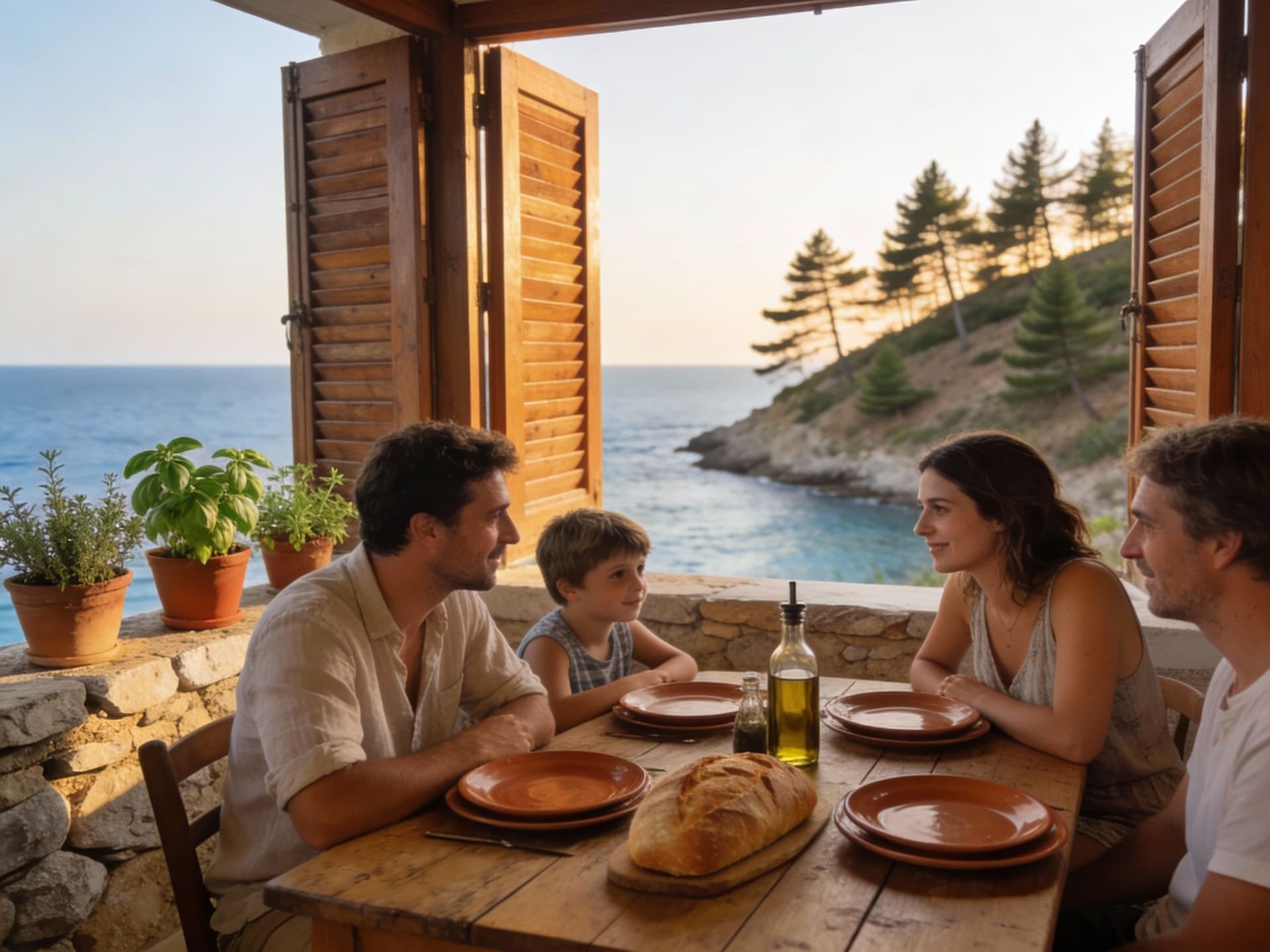
Loving the lifestyle is the easy part; matching it to legal and market realities is where a mindful purchase succeeds. Greece’s residential prices rose notably in recent years, driven by demand and constrained supply, so timing and location matter more than ever. For buyers seeking both green living and value, understanding regional price patterns — Athens versus Thessaloniki versus smaller islands — helps you choose a property that supports your lifestyle ambitions without overpaying for a 'summer illusion' only busy a few months a year.
Property styles that suit a verdant life
Stone village houses, timber‑framed renovations, and modern eco‑villas each offer distinct ways to live close to nature. Traditional stone homes often need thermal upgrades (insulation, new windows) but respond beautifully to Exoikonomo grants that support energy upgrades and heat‑pump installation. New builds can be solar‑ready and water‑wise from day one, though they may sit outside village centres. Match property type to how you intend to live: grow food and integrate with neighbours, or design a near‑off‑grid retreat with PV and rainwater harvesting.
Working with local experts who know the landscape
1. Find an agent versed in both local planning maps and traditional materials: they’ll help identify restoration candidates suitable for conversion grants. 2. Ask architects about seismic and insulation upgrades — many island homes need both; factor these into budgets early. 3. Use a lawyer familiar with coastal setbacks and forestry zones to avoid protected‑land pitfalls. 4. Seek contractors experienced with heat pumps and PV who can price Exoikonomo upgrades and warranties realistically. 5. Investigate municipal water availability if you plan gardens or olive terraces — some rural wells need permits.
Insider Knowledge: What Expats Wish They’d Known
Here’s candid advice from people who moved here: prices have jumped in the past few years, especially in Athens and the top islands, so the old rule 'buy any sea view and you’ll win' no longer guarantees a sensible life or yield. Instead, look for neighbourhoods with real year‑round life — village markets, a reliable health centre, municipal services — and favour properties that support low‑impact living: thick walls, passive cooling, and space for small‑scale permaculture. Regulatory tweaks (from Golden Visa thresholds to short‑term rental rules) are also shaping demand; keep up with official sources and local counsel.
Cultural integration, language and community life
Greeks prize hospitality and slow social rhythms: invitations to a neighbour’s taverna are common, and small acts — learning basic Greek greetings, shopping at the local farmers’ market — open doors fast. Expat communities cluster differently: families often choose Kifisia or Chania suburbs for schools and services; creatives find Koukaki and Syros’ Ano Syros for studios and quiet inspiration. Respect local practices around shared water, communal olive presses and municipal recycling, and you’ll be welcomed into practical stewardship networks that help you maintain a low‑impact home.
Long‑term lifestyle and stewardship considerations
Think beyond the purchase: the home’s embodied materials, access to renewable upgrades, and neighbourhood biodiversity determine the quality of life. Consider these practical factors when choosing a property:
Local water permits and well reliability — crucial for gardens and olive trees.
Potential for energy upgrades using Exoikonomo grants and heat‑pump subsidies.
Seismic retrofit needs for older stone homes and the costs of sympathetic restoration.
Municipal rules on short‑term rentals and the impact of moratoria in tourist hotspots.
Community services (schools, clinics, markets) that turn a scenic house into a livable home all year.
1. Start locally: spend at least two weeks living in the neighbourhood you’re considering off‑season to test services and community life. 2. Prioritise energy upgrades: secure Exoikonomo eligibility early and budget for insulation and heat‑pump work. 3. Use a local lawyer to check coastal setbacks and forestry restrictions before any offer. 4. Ask your agent for a history of occupancy — seasonal rentals can inflate asking prices but not year‑round value. 5. Build relationships with local tradespeople; restoration and maintenance are community crafts here.
If residency is part of your plan, note that Greece’s Golden Visa rules and thresholds have been updated in recent seasons, concentrating higher minimums in prime zones while keeping conversion projects and energy‑led restorations as lower‑entry options. Consult official sources and trusted immigration advisors before structuring a purchase around residency benefits — policy shifts have been frequent and can materially affect which properties are viable for that route.
Conclusion: Greece asks you to slow down, listen and join the rhythm. If you want a verdant coast, a community that values land, and a home that becomes part of a living landscape, choose with stewardship in mind: favour properties with upgrade potential, work with local specialists who understand ecological grants and building customs, and spend a season living locally before committing. When practical care meets daily life — morning market runs, olive harvests, grape fiestas — the dream becomes real. When you’re ready, a local agency steeped in green practice can help translate that life into a confident purchase.
Swedish advisor who left Stockholm for the Costa Brava in 2019. Specializes in sustainable, sea‑view homes for Scandinavian buyers and green finance insights.