Why Italy’s Verdant Coasts Outshine the Obvious Sea‑View
Italy’s verdant coasts and forested headlands often offer stronger lifestyle value and better price access than headline sea‑view markets—data and local insight show why.
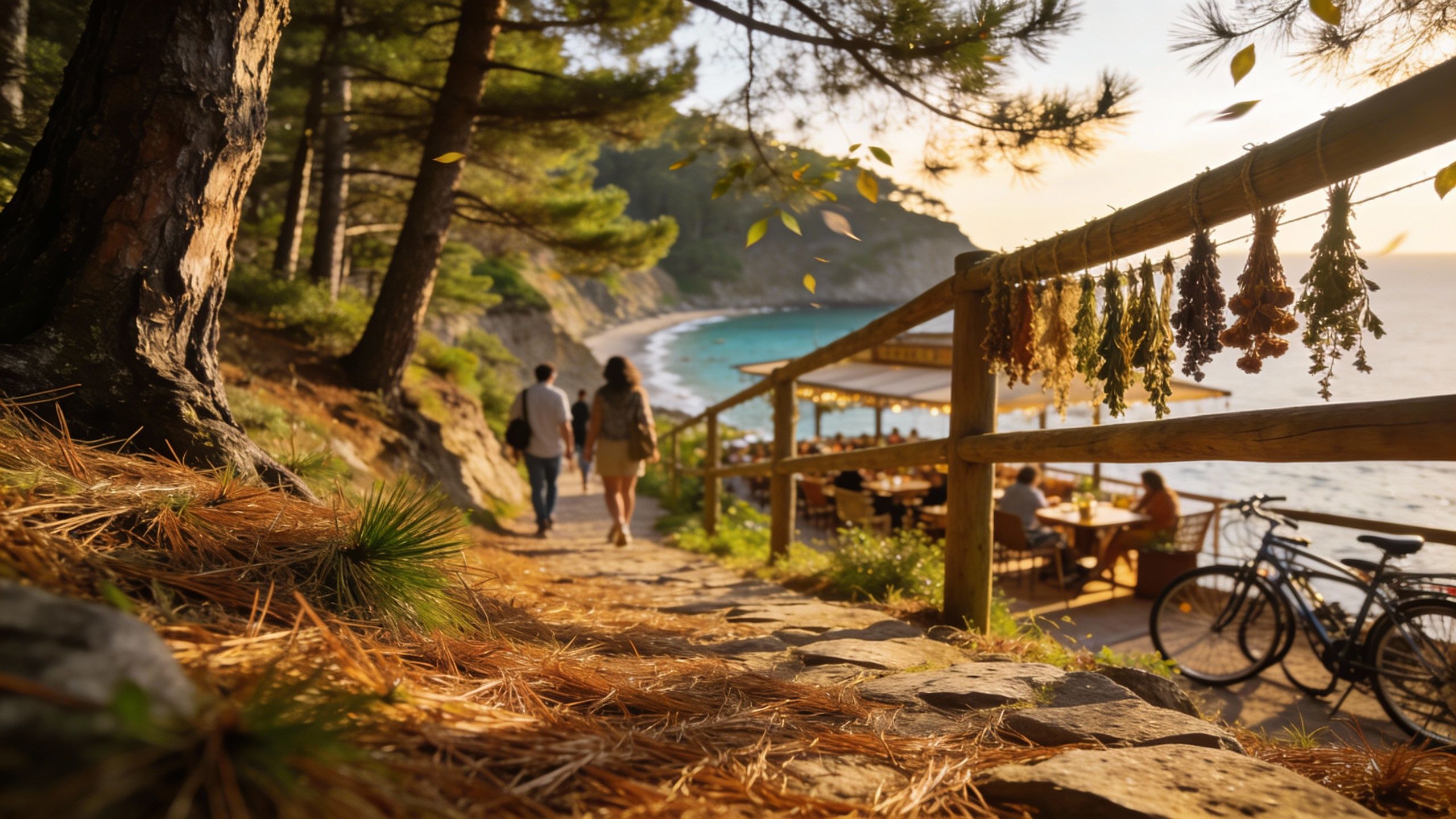
Imagine the hush of a pine-scented morning on Liguria’s cliff paths, then the warm, slow hum of an afternoon market in a Tuscan hill town—Italy is a mosaic of small, living landscapes where coast and forest trade secrets. For many international buyers, headlines about expensive sea-view villas miss a richer truth: verdant coastal stretches, forested headlands and inland valleys often offer deeper lifestyle value, lower competition and homes that belong to the landscape rather than merely overlook it. This piece pairs the felt life—the markets, cafés, shoreline walks, olive groves—with hard regional figures so you can fall in love and act wisely.
Living Italy: forested coasts, wild headlands, slow mornings
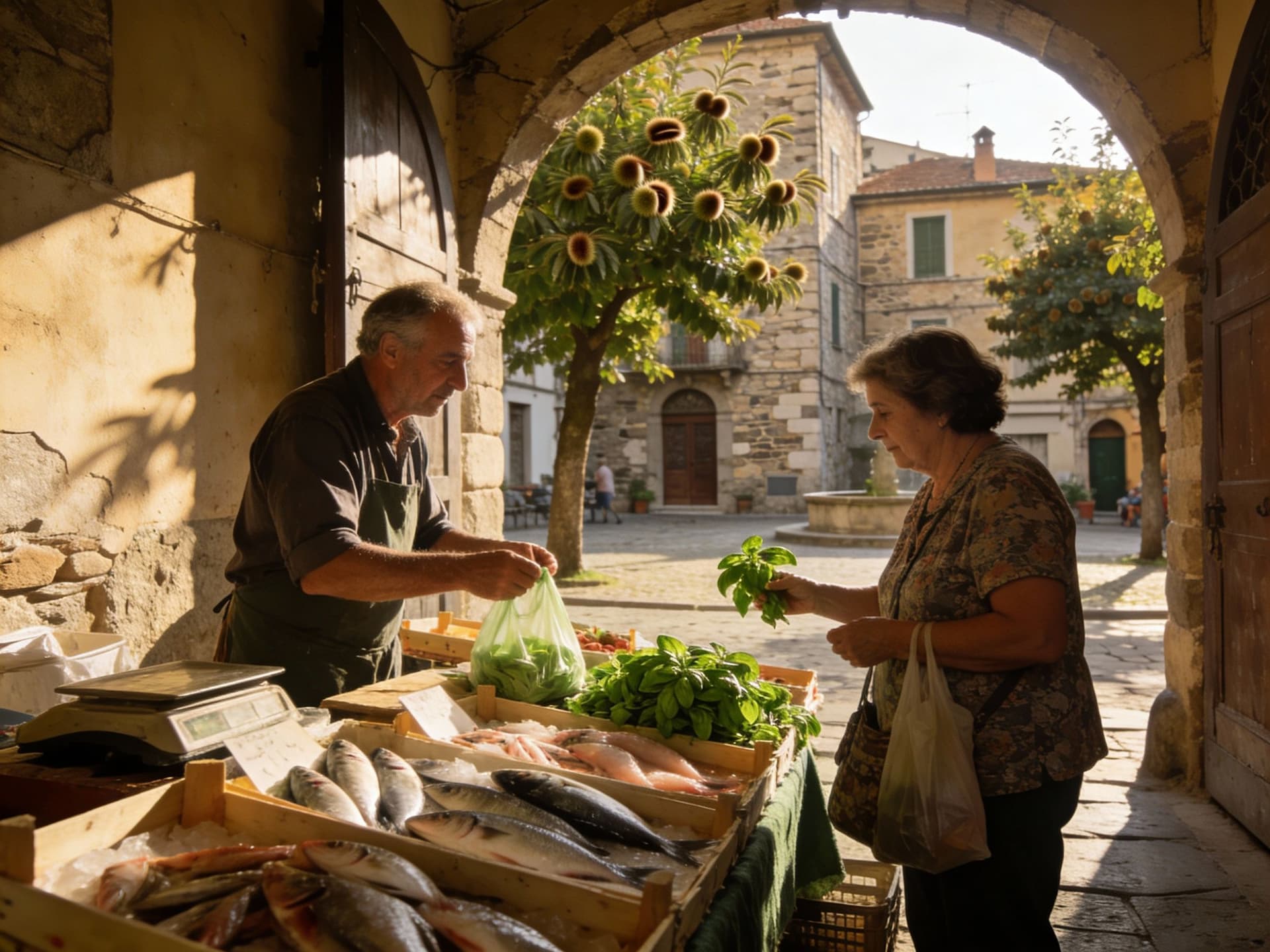
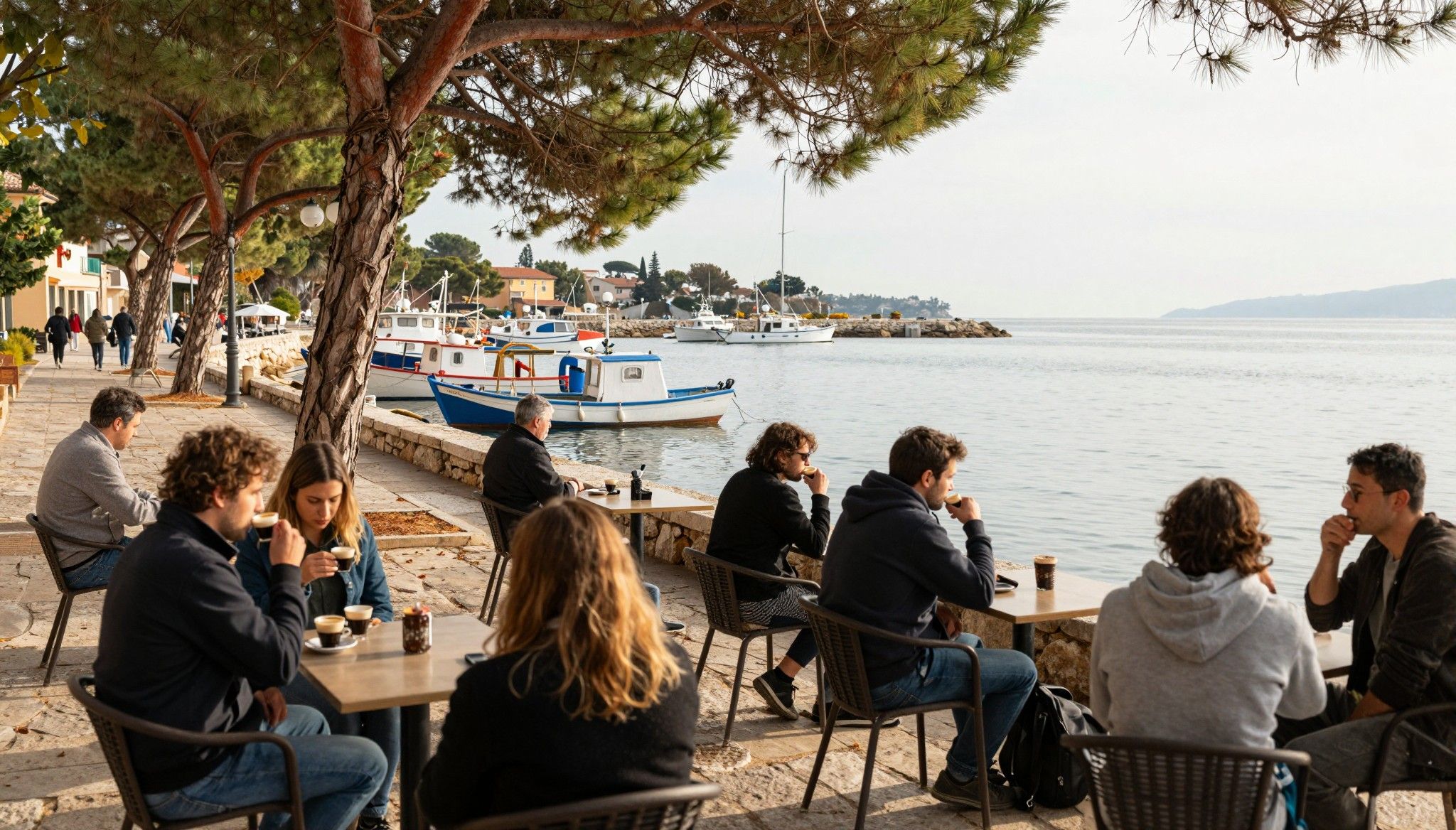
Wake up to small rituals: espresso at a bar on Via Garibaldi, a local fisherman’s catch offered beside a scrubby beach, afternoons pruning an olive terrace, evenings with friends at a piazza trattoria. In Italy the rhythm is seasonal and tactile—stone, wood, sea spray and slow food—and properties that respect that rhythm (thick walls, shutters, terraces for drying herbs) feel lived in from day one. Regional price patterns show why these lived-in places are within reach: outside major centre price peaks, verdant coastal provinces and inland forested areas frequently deliver both affordability and quality of life. See how national statistics and market reports map onto this lived experience.
Liguria’s quieter coves and the pine‑belt towns
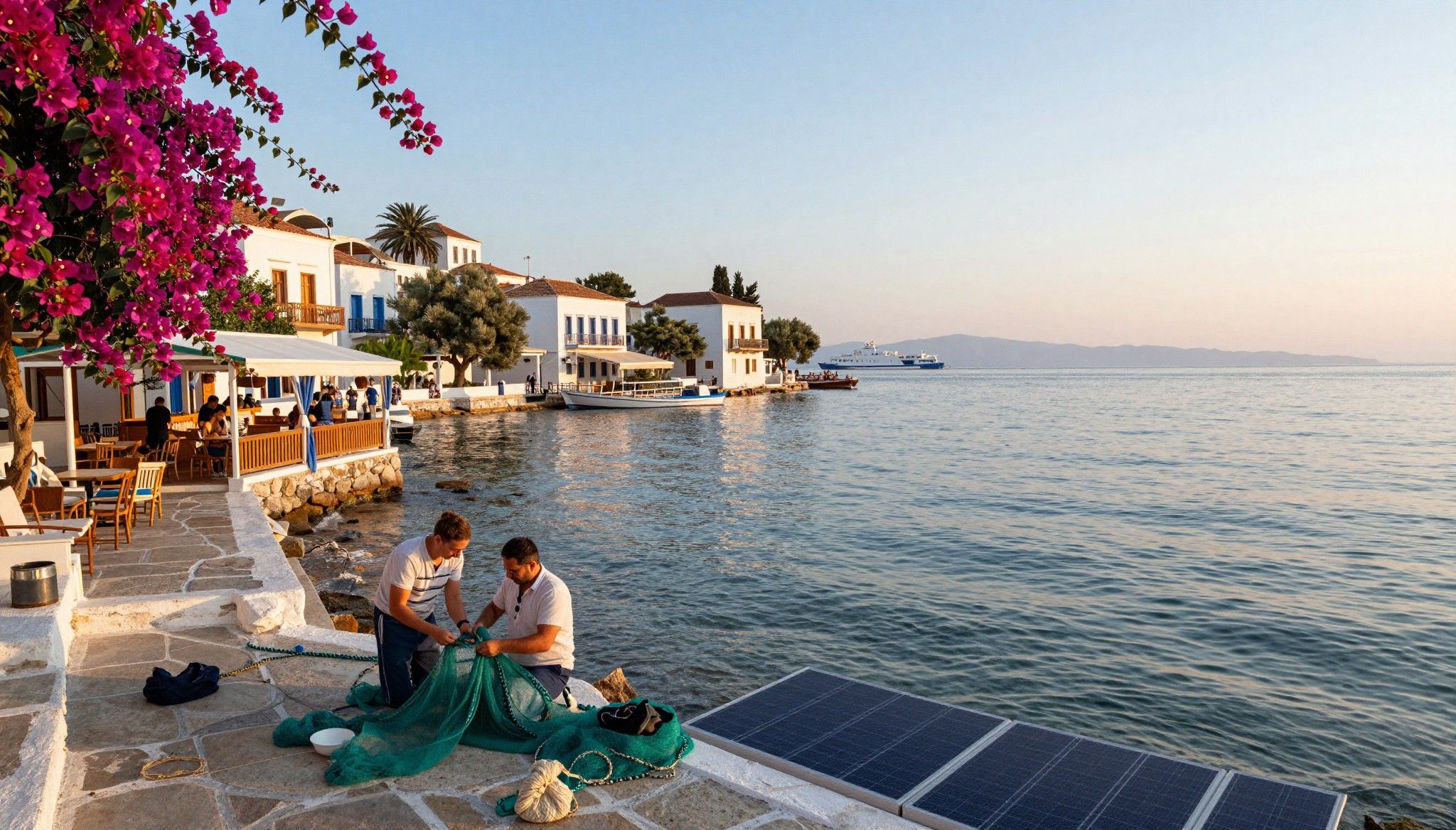
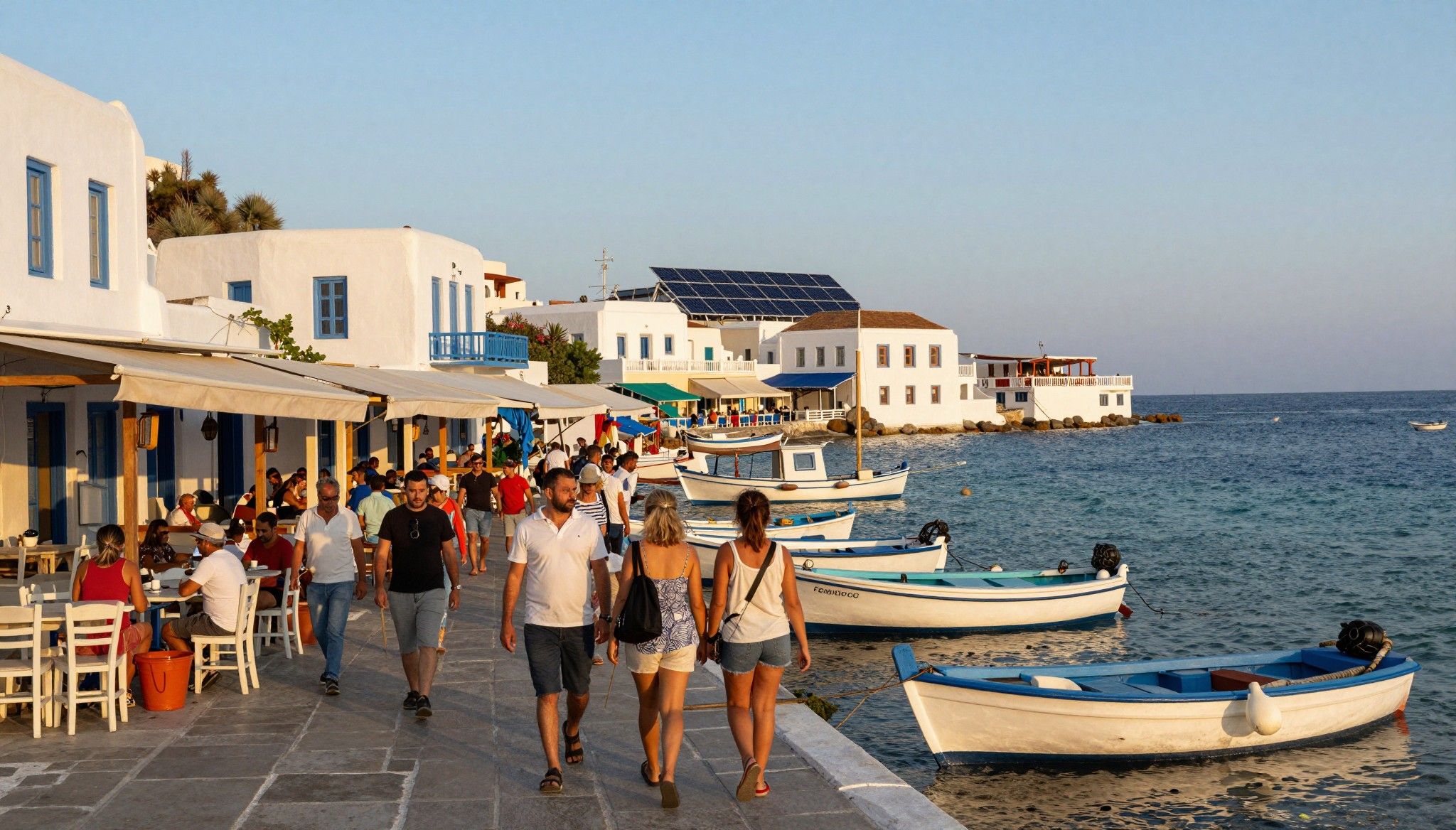
Skip the postcard marinas and look inland a few kilometres toward towns like Levanto or Moneglia: narrow lanes, chestnut woods above the sea, community markets where local pesto arrives fresh. Properties here often have small terraced gardens, solar-ready roofs and a stronger sense of year-round community than the flashy marinas. You get access to beaches without the price premium of front-line sea-views—and a house that cools naturally in summer thanks to shaded courtyards and stone construction.
Tuscany’s woodland edges and agrarian hamlets
Beyond Florence and Siena, places like Lunigiana or the Casentino valley offer restorative daily life—morning markets, wood-fired bakeries, and hiking routes that knit together olive groves and chestnut forests. Idealista and regional reports show second-hand prices shifting modestly in 2025: city cores hold value, but many verdant provinces are stable to gently rising, giving buyers confident entry points where stewardship and low-impact renovation can add real lifestyle value.
Lifestyle highlights to seek in verdant Italian regions
- Daily espresso at a bar with standing patrons (try Bar Centrale in small town piazzas)
- Saturday food markets selling porcini, fresh pasta and local cheeses
- Access to coastal walks or forest trails within 10–30 minutes by car
- Properties with mature gardens, terraces or orchards for seasonality and food growing
Making the move: lifestyle-first practical considerations
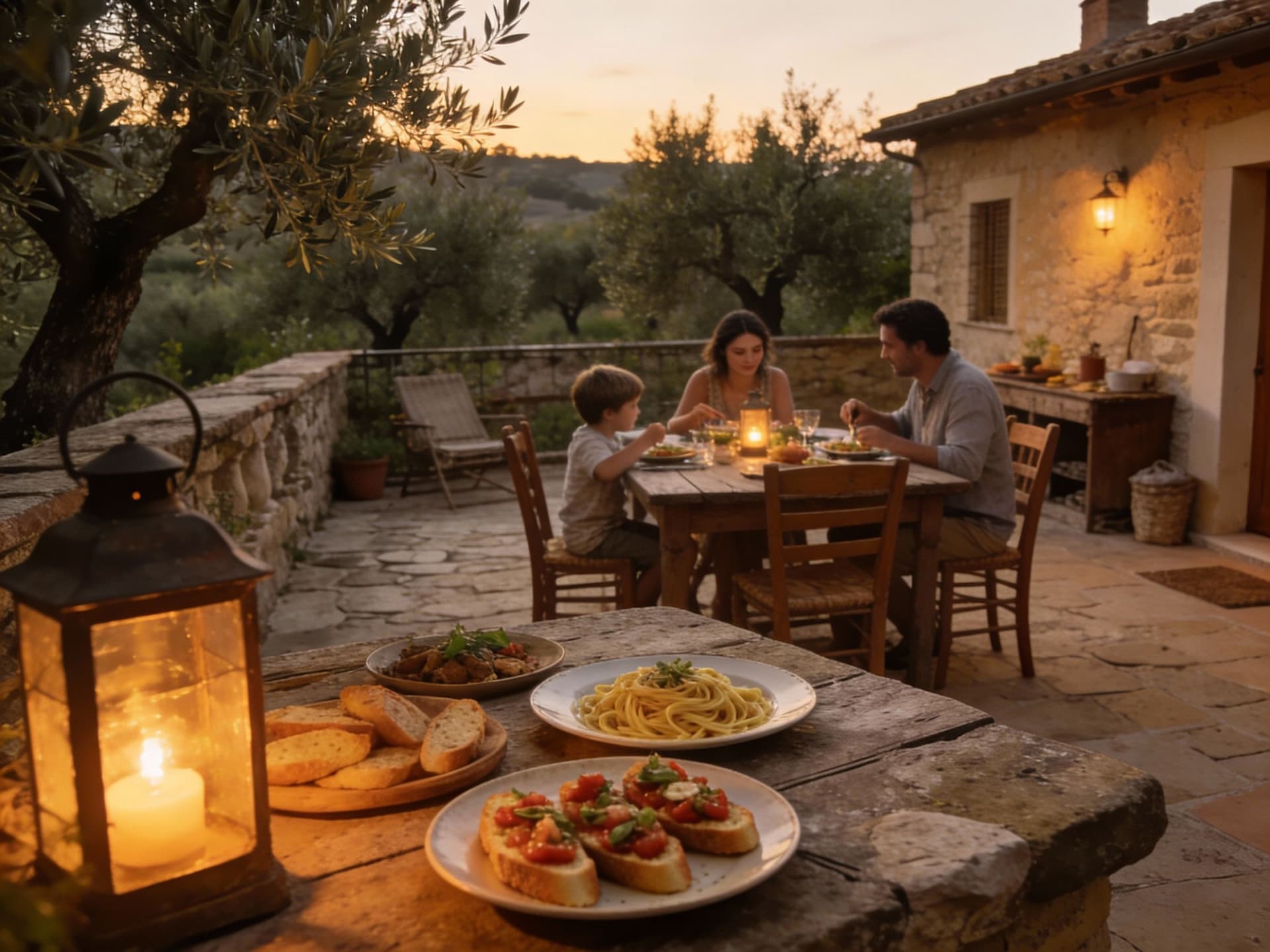
Dreams need scaffolding. National data from ISTAT shows the house price index rising year-on-year in early 2025 even as volumes increase—indicating demand remains solid, especially for existing dwellings that embody local character. That matters for verdant-region buyers: smaller stock, heritage building rules and seasonal demand can change both price sensitivity and renovation timelines. Work with local agents who understand micro-markets and conservation rules so your eco-minded plans—solar, rainwater harvesting, native planting—fit local permits and aesthetics.
Property styles that suit verdant coastal and forested life
Stone cottages with thick walls, terraced farmhouses and modest villas with courtyards are the workhorses of green living here. They bring passive cooling, a ready canvas for native planting, and opportunities for low‑impact retrofits. Choose properties with solar exposure on south-facing roofs, existing terraces that capture evening light, and space for a small productive garden—these features preserve lifestyle and ease sustainable upgrades.
How local experts translate lifestyle into a solid purchase
Local agents fluent in regional planning and traditions become your translators of place. They spot heritage constraints, seasonal rental windows, and the microclimates that determine garden success. Look for agencies with verified experience in eco-retrofitting, local craft networks (stonemasons, lime plasterers) and bilingual staff who can explain nuanced contract terms without losing the warmth of local relationships.
- Step-by-step blend of lifestyle and practical actions
- Visit in two different seasons (late spring and late autumn) to feel year-round light, access and community rhythms.
- Prioritise properties with passive features (thick stone walls, shutters, cross-ventilation) to reduce retrofit costs.
- Ask your agent for recent comparable sales within a 10 km radius to understand true local value, not just headline coast prices.
- Request contacts for local craftspeople and a seasonal maintenance estimate—landscape stewardship is ongoing and a cost to budget for.
Insider knowledge: expat truths and seasonal surprises
Expat buyers often arrive expecting overheated beach towns and find instead that life is quieter, greener and—ironically—more social. Small towns have strong neighbourly networks, and engaging with them (a weekly market, a festival, or volunteering at a local cooperative) is the fast-track to belonging. Note: national transaction volumes rose in 2024, so move deliberately—popular verdant pockets can fill with buyers seeking authenticity.
Language, customs and everyday integration
You don’t need perfect Italian to be welcomed; learn key phrases, attend local events and show curiosity about seasonal food cycles. Italians value reciprocity—bring a loaf, learn a recipe, join a communal olive harvest. That social currency often unlocks repairs, renovation tips and trusted tradespeople faster than any listing platform.
Long‑term stewardship: how life settles and grows
Over five years many buyers swap the idea of a ‘view’ for a relationship with place: a morning path becomes theirs, a neighbour’s chestnut tree shades summer dinners, and simple retrofits turn a house into a low-energy refuge. Budget for gradual improvements—local stone repairs, rainwater tanks, native hedges—and you’ll preserve the ecology that makes the lifestyle possible.
Warning signs and red flags to watch for
- Properties advertised as “sea-view” but perched on narrow, noisy roads—visit at different times of day.
- Large, neglected terraces that need structural work—get a survey before offers.
- Sellers who resist sharing recent energy or renovation documents—this can hide costly retrofits.
Conclusion: If your dream is rooted in green coastlines and forested headlands, let lifestyle lead and data temper. Italy’s verdant regions reward patience: lower frontline competition, deep seasonal life and homes made to be stewarded. Use the sources above to ground offers, work with agents who know conservation and renewable options, and plan upgrades that enhance both comfort and biodiversity. Fall in love with the place first—then buy with the quiet confidence of someone who plans to tend it for years.
Swedish advisor who left Stockholm for the Costa Brava in 2019. Specializes in sustainable, sea‑view homes for Scandinavian buyers and green finance insights.