Verdant Coast & Forest France: Lifestyle, Market & Insider Steps
France’s green coasts and forested interiors offer seasonal, nature-led living; 2025’s market rebound means prepared buyers can pair sustainable upgrades with lifestyle gains.
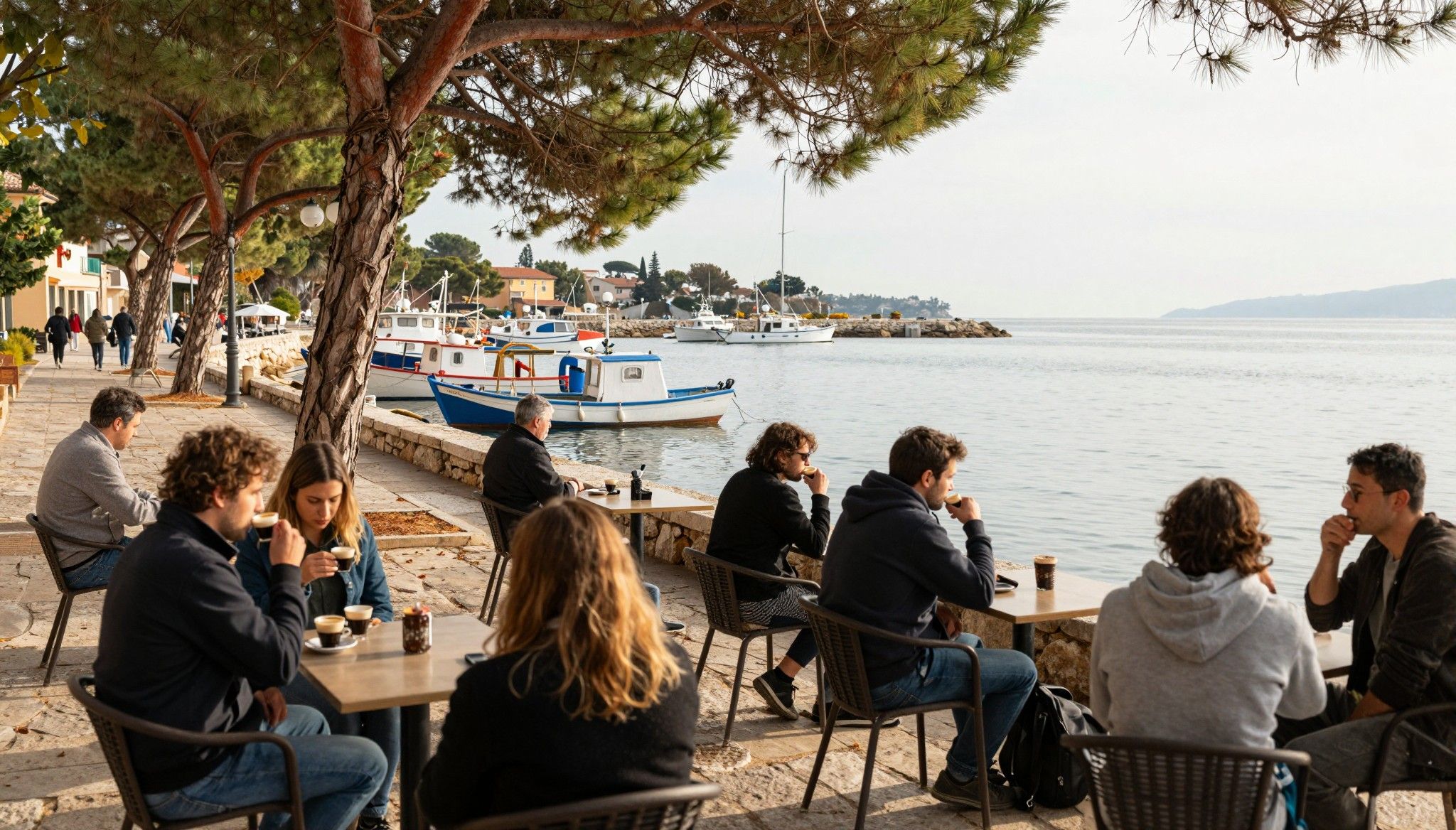
Imagine waking to steamed espresso on a narrow terrace in Biarritz, the wind carrying salt and pine; by afternoon you’re walking an ancient chestnut avenue in the Dordogne, and come evening neighbours bring bottles of local wine to share. That's France’s verdant coastal-and-forest life: a rhythm shaped by seasons, markets and timber-framed homes — and the property market is quietly shifting under those rhythms. According to INSEE, house prices began to rebound in early 2025, which changes timing and opportunity for buyers who prize green living. (See sources below.)
Living the Verdant French Life
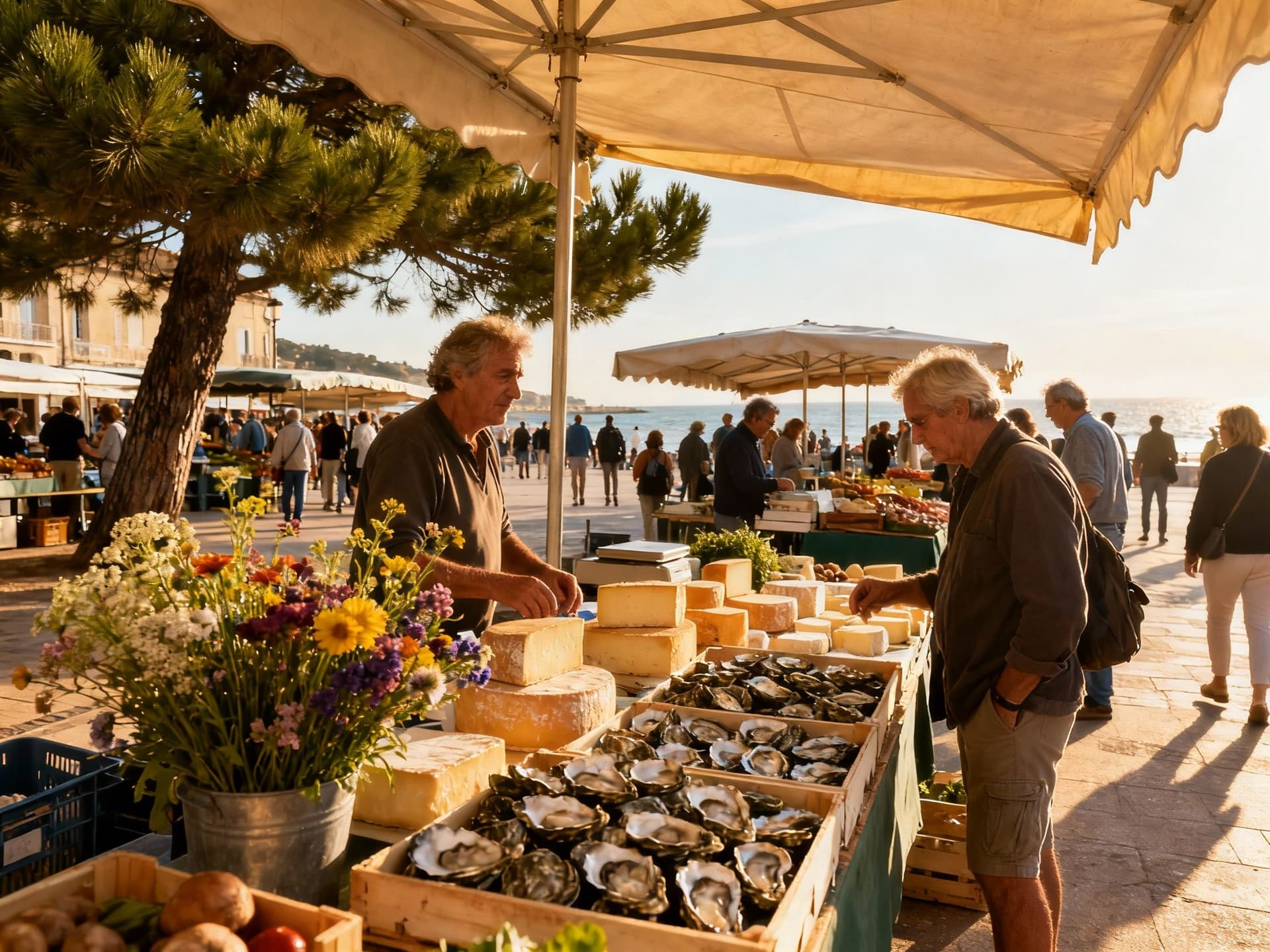
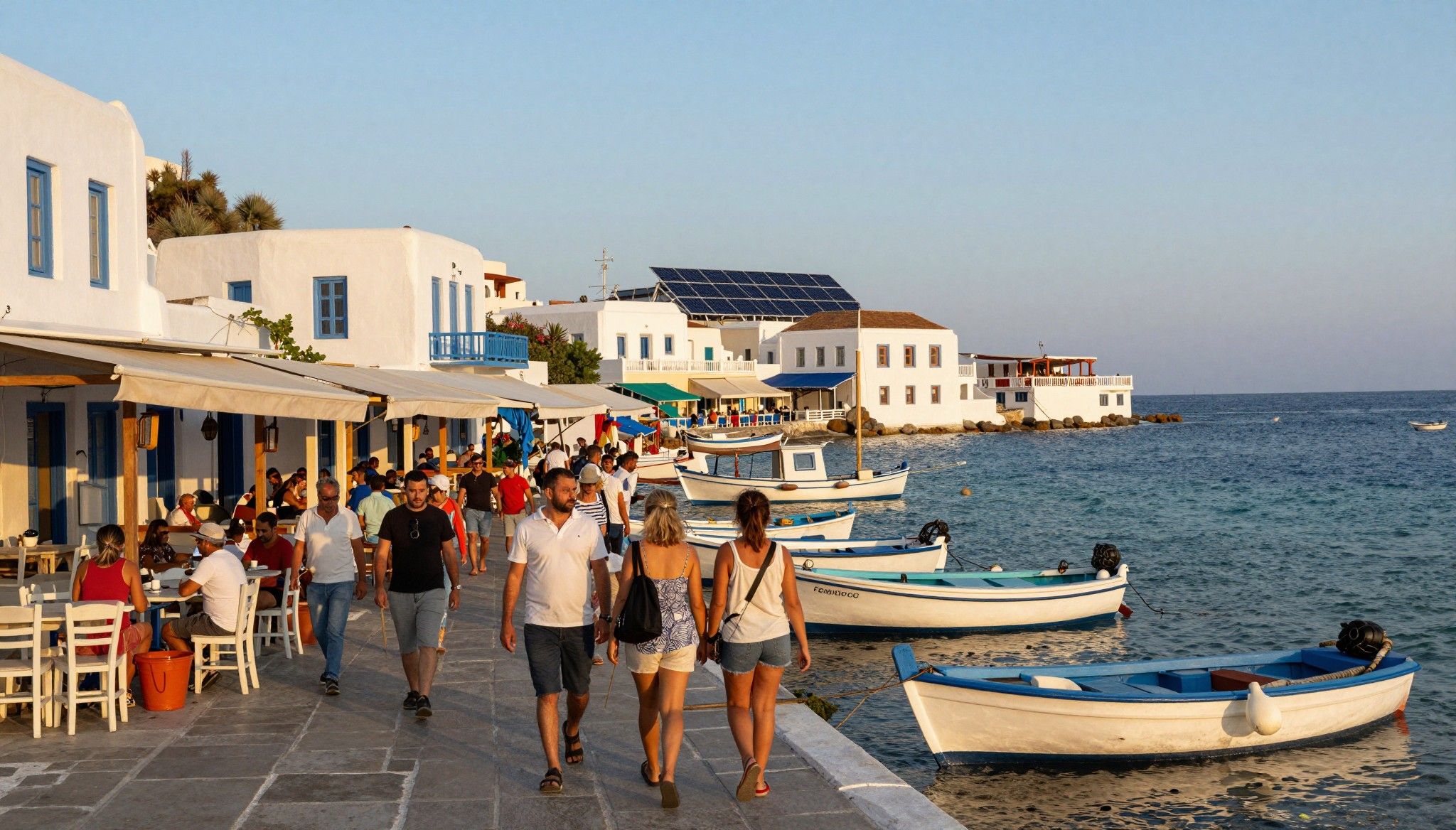
France is not one single mood but a collage: the Atlantic’s wind-creased pines and sand-dunes of Les Landes, the rocky, heathered coves of Brittany, the oak-and-walnut hills around Périgord, the steep terraces and maquis of Corsica. These places share a common thread — proximity to living landscapes — and local life unfolds outdoors: fishmongers at 7am, boulangeries at 8, village apéros at dusk. Notaire data shows regional variation in prices and renewed activity in 2025, so lifestyle choices matter as much as market averages.
Atlantic Coastlines: Wind, Forest and Low-Rise Calm
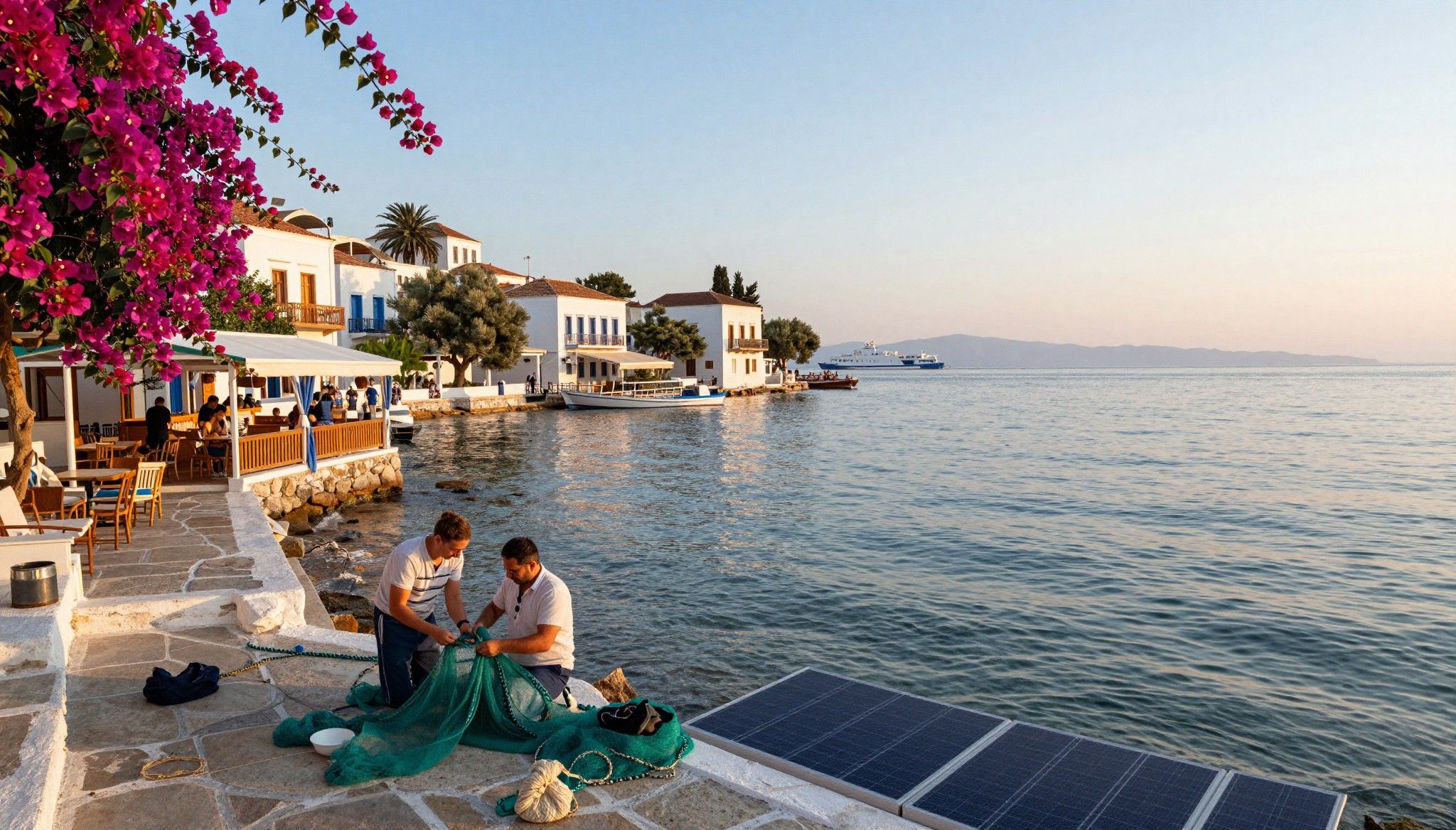
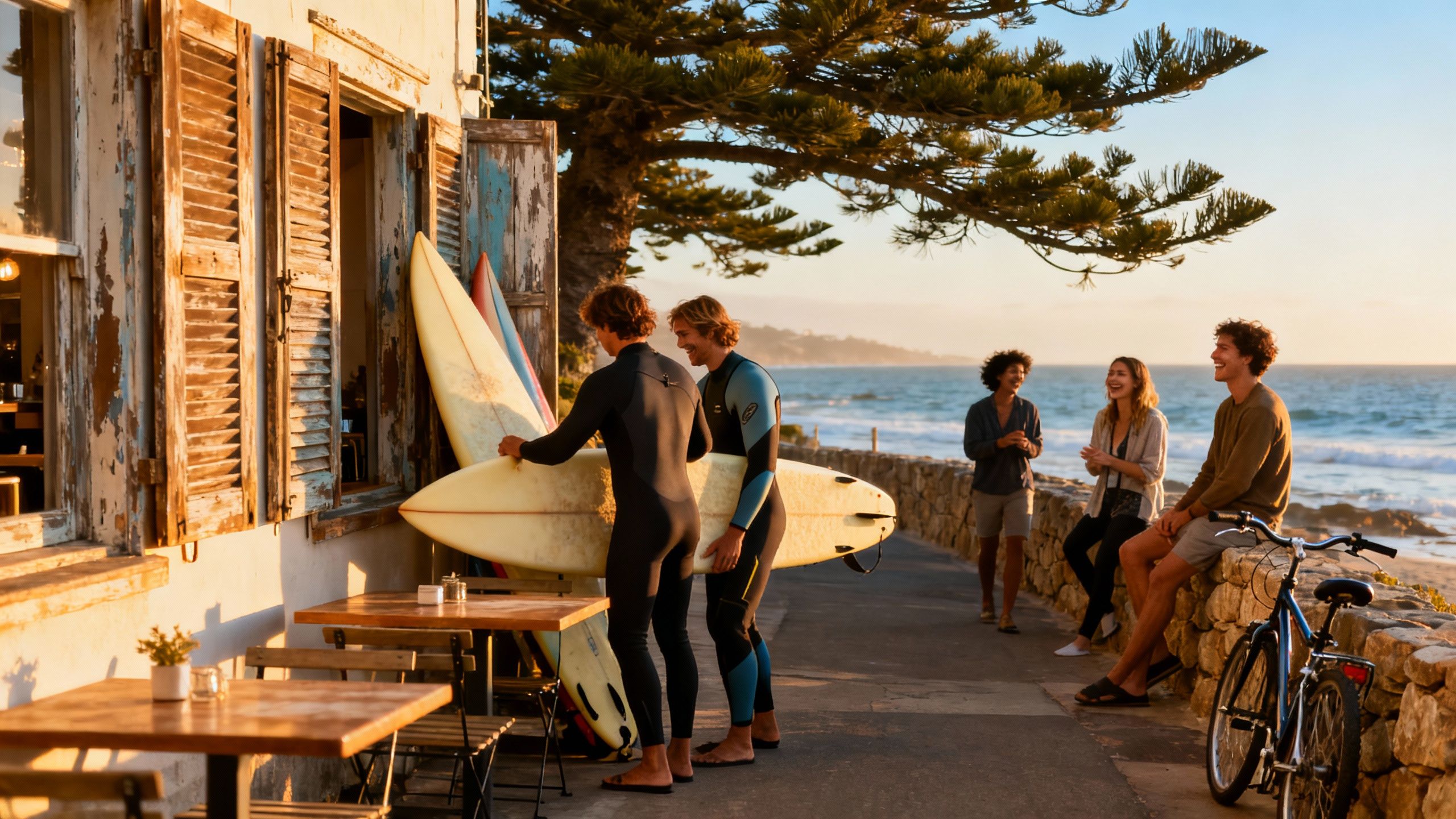
From Biarritz to Île de Ré, properties tend to be modest in height, with deep pine belts and dune-front ecosystems. Life here is outdoors-first: surfing at dawn, markets under canvas, and timber-clad holiday homes converted to year-round houses. For buyers seeking renewable-energy-ready homes, many coastal renovations now prioritise heat pumps, solar shades and wood‑fuelled stoves — adaptations that suit the sea-salted climate.
Inland Woods & Rivers: Stone Cottages and Long Summers
Regions such as Dordogne, Lot and the Ardèche offer stone houses, orchards and small chestnut groves. Summers are long and soft; winters ask for thermal upgrades. Here you live with old beams, limewash, and gardens that feed you. Buyers often pay less per square metre than on the coast and can invest in regenerative gardens, rainwater harvesting and passive-renovation projects that deepen habitat value as well as home comfort.
Making the Move: Practical Considerations
Dreams meet deeds here. The market’s rebound in early 2025 means competition is re‑emerging in desirable green regions; buyers who wait for big discounts may miss renovated, sustainably upgraded homes. Work with local experts who understand regional zoning (coastal protection zones, heritage rules) and energy regulations: a house’s charm can hide renovation obligations, and France’s recent rules on energy performance affect rental and resale options.
Property types and how they shape daily life
A stone farmhouse offers thermal mass and stored summer cool; a coastal villa will prioritise cross-ventilation and corrosion-conscious materials. Newer low-rise eco-developments near Nantes or Bordeaux may deliver solar-ready roofs and shared orchards. Think beyond rooms: what garden, south-facing wall, or barn matters to your way of life — foraging, olive trees, a workspace for remote work?
- How to match lifestyle to property: a simple five-step check
- Choose regions by mood (coast, forest, hill) rather than price alone — climate and daily rhythm matter more than headline €/m².
- Prioritise energy profile: ask for recent DPE (diagnostic de performance énergétique) and feasible upgrades such as heat pumps or solar PV.
- Plan for seasonality: properties near tourist hotspots have strong summers but quieter winters — factor in service access and community life year-round.
- Check local planning constraints (Littoral law, ABF heritage oversight) before imagining extensions or outbuildings.
Insider Knowledge: What Expats Often Miss
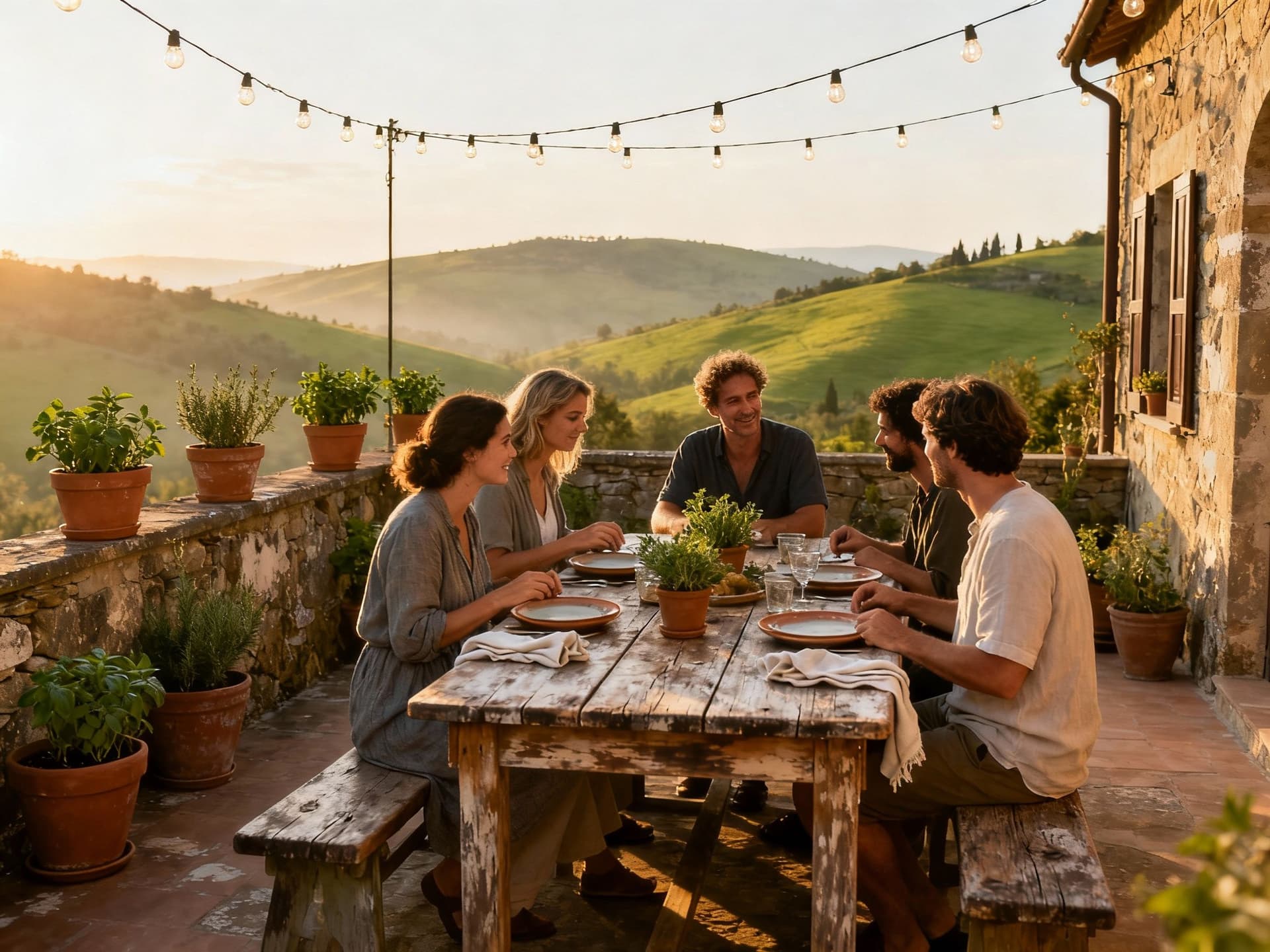
Expat life here is richer when you accept gradual integration. Locals value small, steady gestures — learning basic French, joining the local marché routine, or volunteering with a village garden project. Many buyers discover the social value of shared labour: repairing a barn with a neighbour is how friendships start, and it reveals the real rhythms behind weekend markets and seasonal fêtes.
Language, community and the slow art of belonging
You don’t need perfect French on arrival — but a willingness to learn opens doors. Small investments in daily language (boulangerie greetings, market buying) pay social dividends. Expats who host a communal table, or who contribute to local repair cafés, often find the most genuine integration and long-term relationships.
Long-term stewardship: buying with nature in mind
Consider how your property can enhance local biodiversity: planting native hedgerows, choosing low-water gardens, and repairing dry‑stone walls connects your home to place and often reduces long-term costs. Regional grants and the national move against low‑efficiency rentals (e.g., bans on class G rentals) also create financial incentives for energy upgrades — something that savvy buyers factor into purchase budgets.
Practical next steps: visit in two seasons (shoulder season and high season), bring a local guide or agent skilled in green retrofits, and budget for 10–20% of purchase price for immediate sustainability upgrades if needed. Use the market revival to be selective — prioritise homes already adapted to low-impact living or with clear upgrade pathways.
Conclusion: France’s verdant coastlines and forested interiors offer a life that moves at the pace of tides and light. The market’s stabilisation in 2025 means opportunities exist for buyers who pair imagination with local knowledge. Start with place-first questions — which morning light do you want, what trees do you want outside your window — then work with local, sustainability-focused agents to match that life to a property that will thrive for decades.
Dutch property strategist who helped 200+ families find sustainable homes in southern Europe; expert in legal pathways and long-term stewardship.