The Coastal Grove Advantage: Italy’s Verdant Areas That Outperform
Italy’s green coastal belts—terraced groves, forested coves and small-town rhythms—offer restorative living and rising value; here’s how lifestyle choices align with market realities.
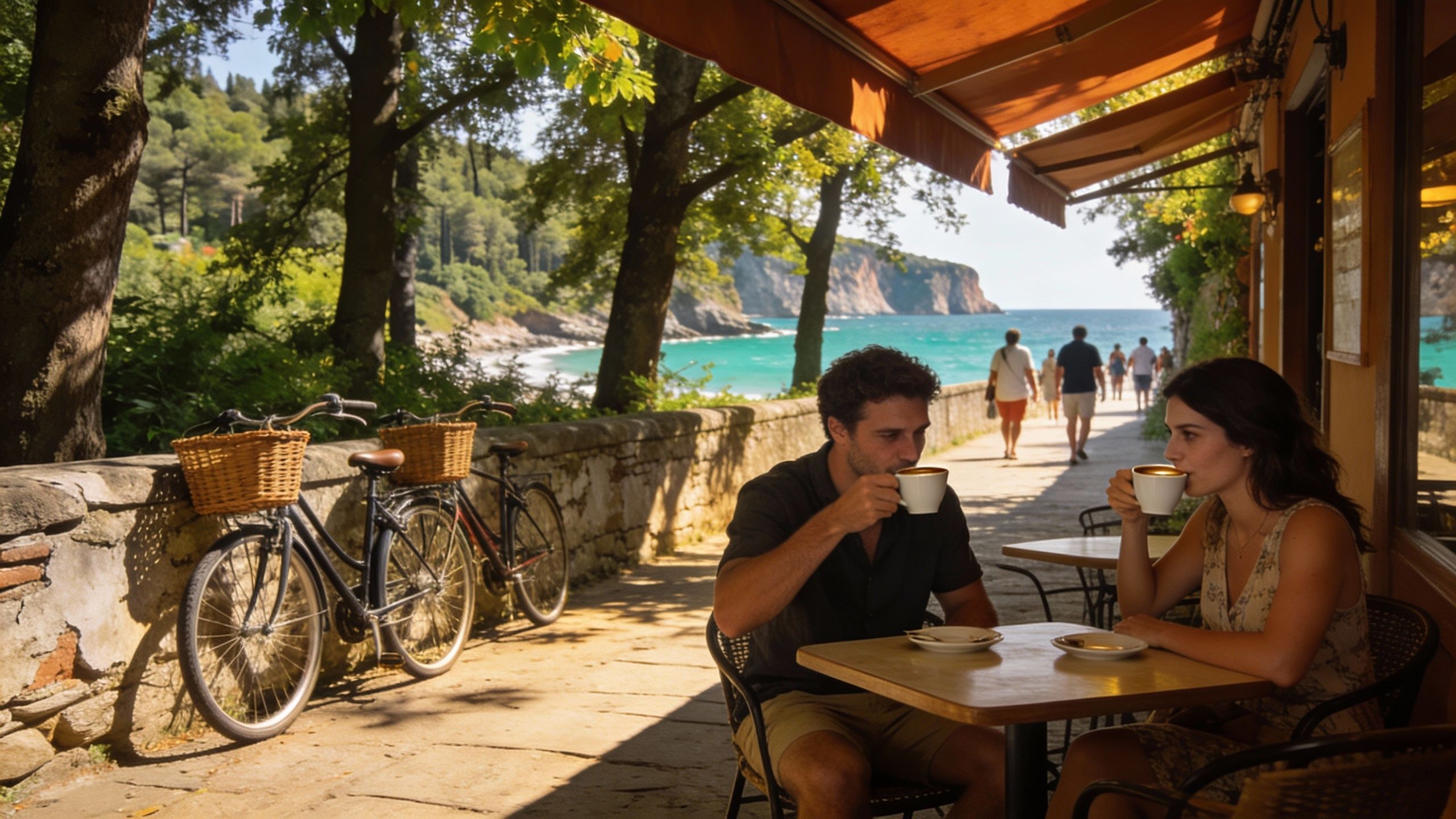
Imagine waking to pine-scented air, walking past a small market in a sun-flecked piazza, and finding that the house across the way opens on a pocket of private olive trees rather than an overwrought sea view. In Italy's greener coastal belts and forested coves — from Liguria's terraced groves to the cedar-shadowed inlets of the Marche and parts of Puglia — the life you crave often sits behind an uncelebrated façade. Recent market indicators show rising prices for existing dwellings even as buyers rediscover space, gardens and energy-efficient restorations. These are the places where ecological stewardship and daily delight meet; this piece explains why they deserve a closer look, and how to act with confidence.
Living the Italy Verdant-Coast Lifestyle
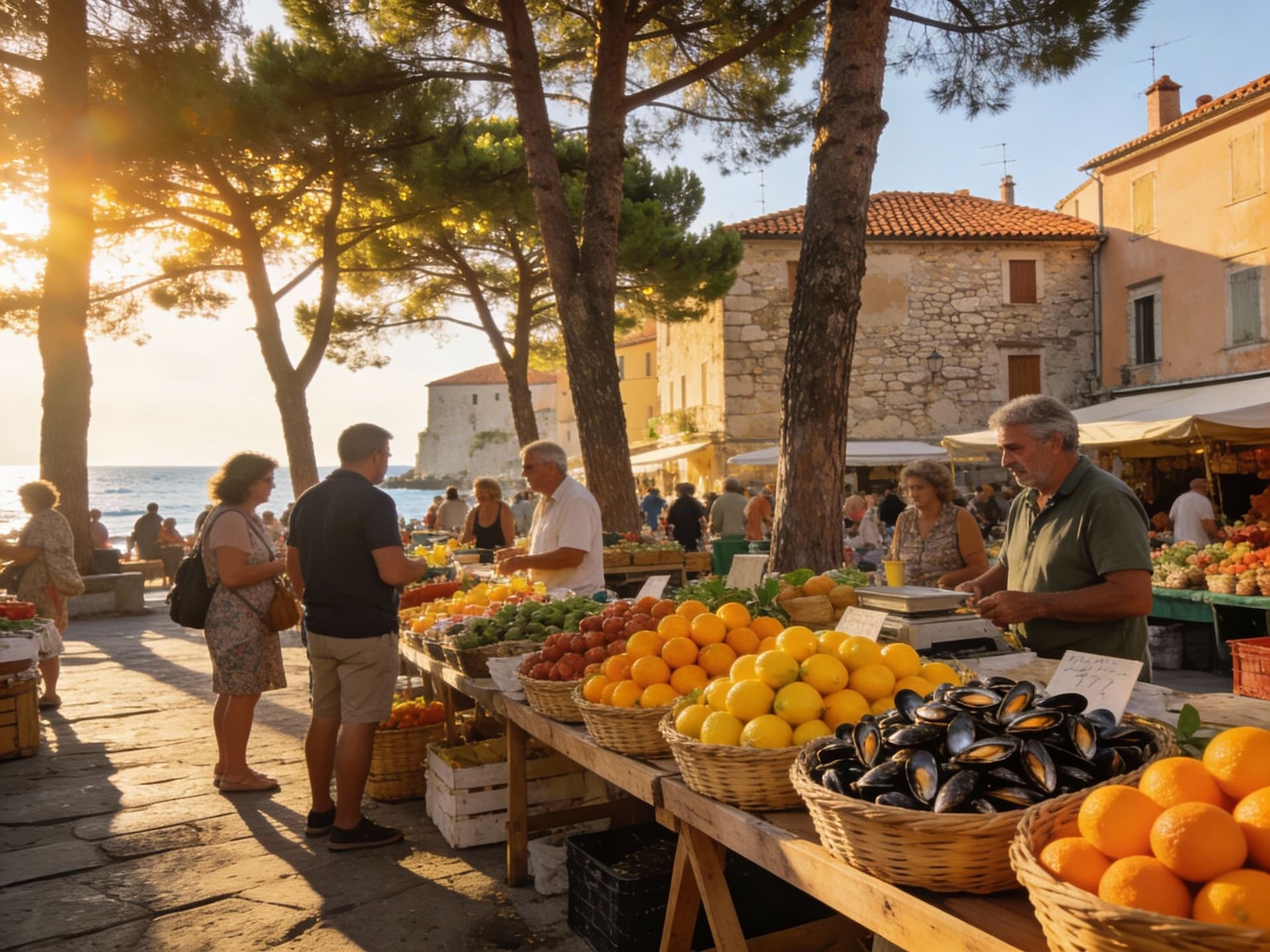
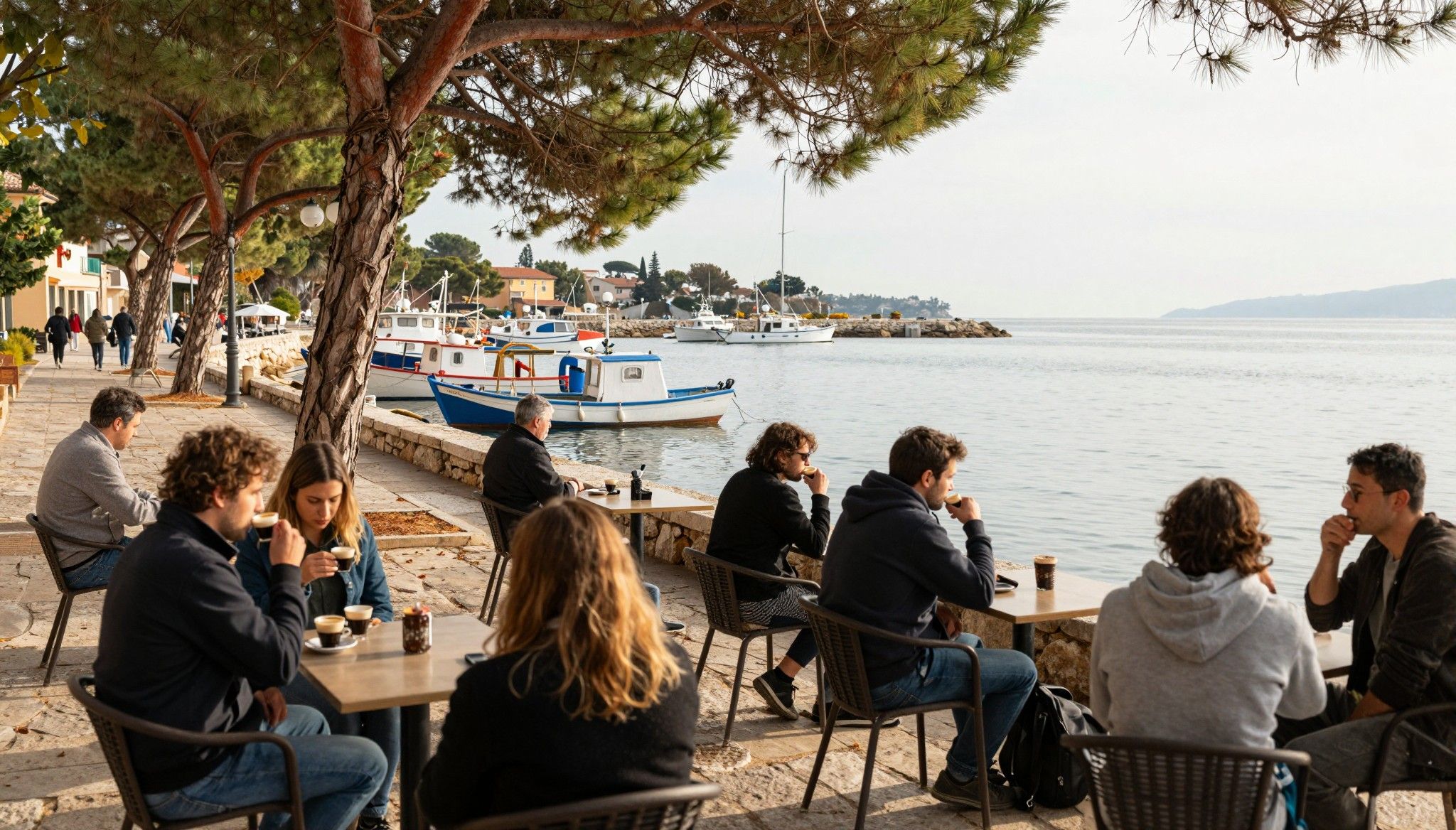
Mornings here start with an espresso under a striped awning, followed by a loop through terraced orchards or a steep cobbled lane. Neighborhoods feel human-scale: in Genoa’s quieter borghi you smell focaccia from corner bakeries; along the Le Marche coast you hear the surf softened by pine forests; in parts of southern Tuscany olives and stone walls shape the day. These rhythms influence what home life looks like — outdoor kitchens, pergolas for late‑afternoon shade, and cellars for preserving the harvest. Market signals show renewed demand for houses with gardens and efficient retrofits, not just views. This is where restorative living and practical stewardship overlap.
Neighborhood Spotlight: Liguria’s Terrazze and Genoa’s Hidden Streets
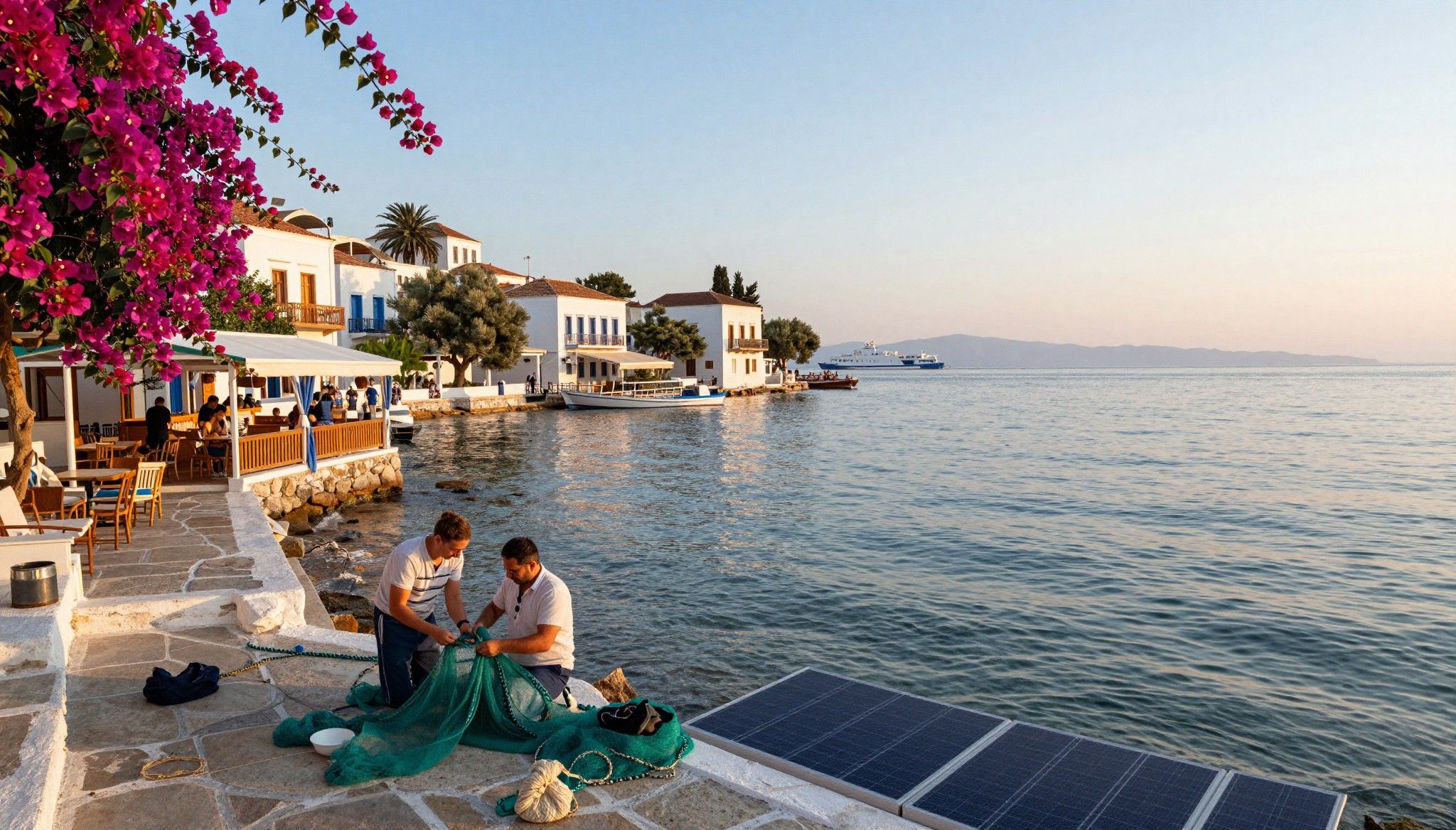
Walk Via Balbi or the quieter lanes above Boccadasse and you see why locals prize tucked-away terraces over flashy panoramas. Properties here are often narrow and vertically arranged — small courtyards, stone staircases, and roofs that catch afternoon light. For eco-minded buyers, the appeal lies in microclimates (lemons and figs thrive on sheltered terraces) and the chance to retrofit with modest solar arrays and insulation without losing character. Developers and owners increasingly tout energy-class upgrades — and that premium translates into everyday comfort, not vanity.
Food, Markets and Seasonal Life: From Morning Market to Evening Aperitivo
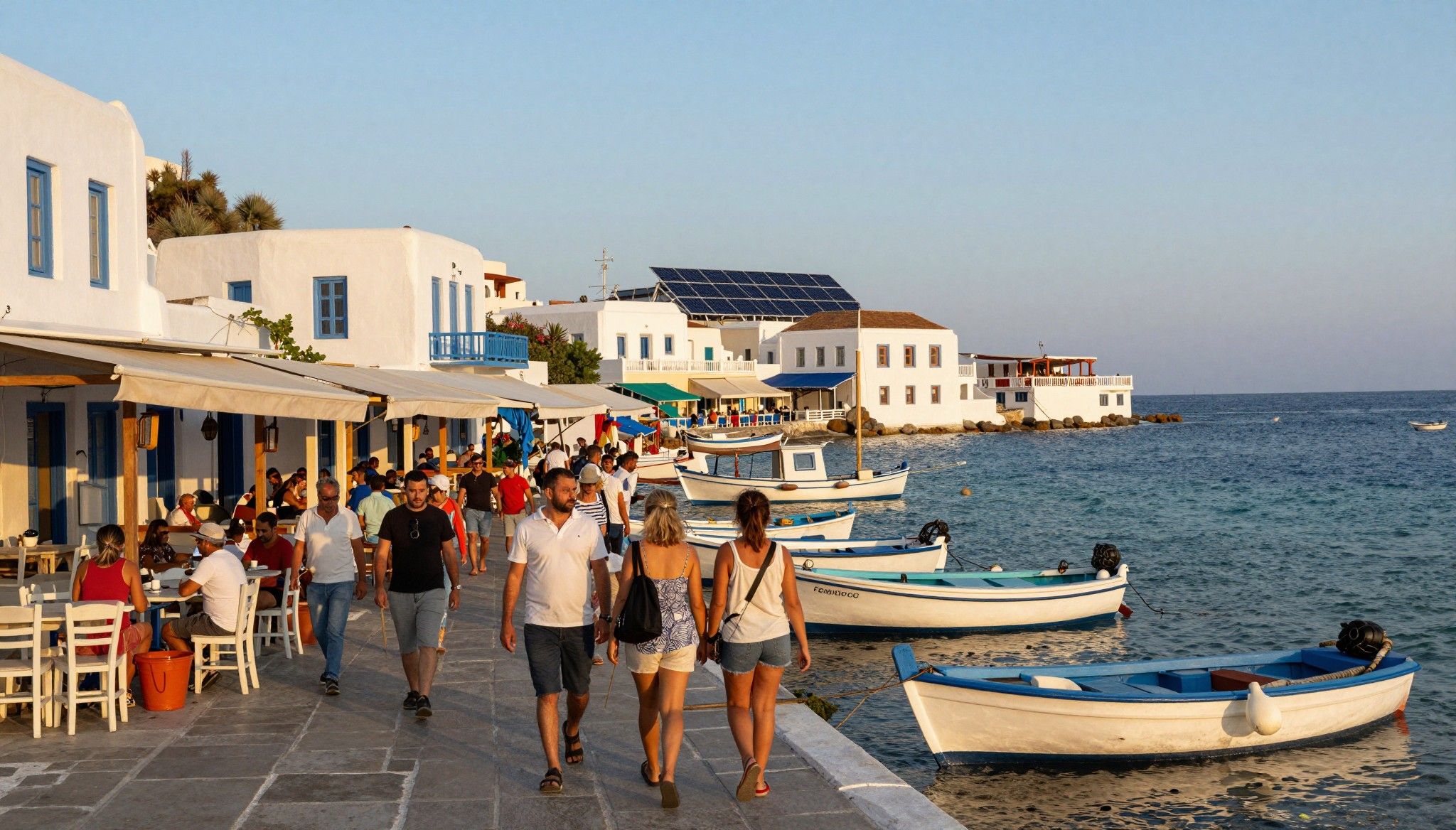
Begin with a morning market: Campo de' Fiori in Rome is famous, but every coastal town has its Saturday stall where local pescatori meet shepherds; catch the seller who remembers your name and the olive pressman who’ll recommend a small-batch frantoio. Evenings follow the slow beat of aperitivo, communal dinners of shellfish or wild greens, and the soft pull of neighborhood life. Seasonal festivals — porcini fairs, chestnut sagre, truffle weekends — anchor the calendar and reveal the social fabric that defines where you’ll belong.
Lifestyle highlights:
Markets and cafés: Genoa’s Mercato Orientale; Pesaro’s Saturday fish market; small agriturismo breakfasts in inland Le Marche.
Hidden beaches and forests: the secluded coves near Portofino (less touristy inland access), pine groves of Conero near Ancona, and the dune-backed bays of Gargano.
Making the Move: Practical Considerations
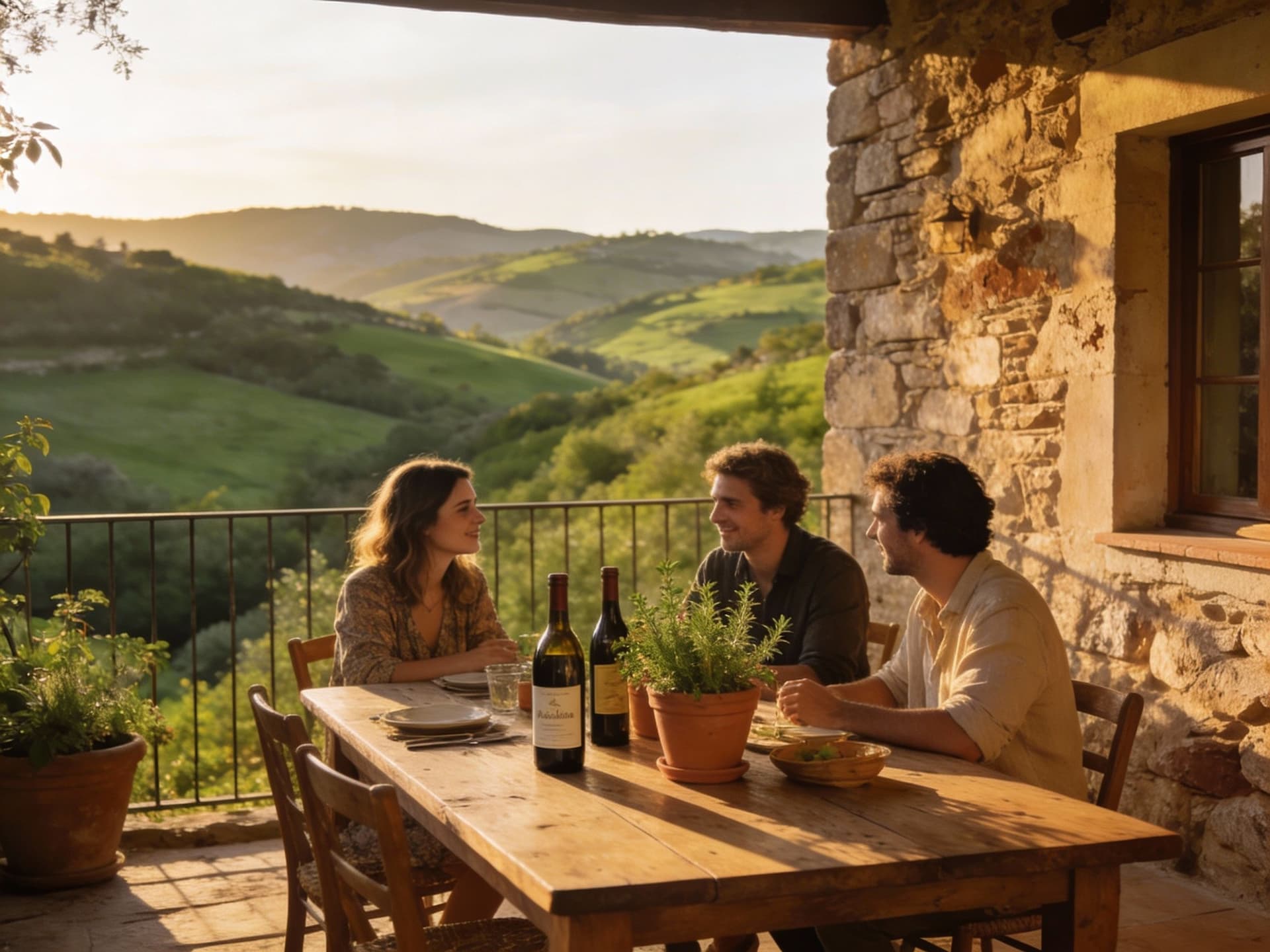
The dream of a gardened cottage beside a cedar wood meets paperwork, local practice and market reality. Italy’s House Price Index rose year-on-year in 2025 even as new-builds lag behind — a reminder that renovated, existing dwellings in verdant areas are where demand is tightest. That affects price momentum, financing availability and the type of due diligence you should prioritise. Below are the property types and the local expert help that convert lifestyle wishes into sound purchases.
Property styles: Restored stone farmhouse vs narrow coastal casa
A restored farmhouse gives room for a kitchen garden, rainwater harvesting, and a renewable‑ready roof; a narrow coastal casa places you within walking culture and community ritual. Consider insulation levels, roof condition, water access and access roads for repairs. Energy class (Classe A–G) matters in costs and resale value: an efficient retrofit can lower bills and attract eco-conscious tenants if you plan to rent seasonally or long term.
Working with local experts who understand green living
Choose an agency and a surveyor who speak both sustainability and local custom: someone who knows where permits for solar can be fast-tracked, which comuni favour albergo diffuso conversions, and which historical-centre regulations restrict external works. Your team should include a geometra or architect experienced with heritage fabric, and an agent who can read neighbourhood rhythms — market days, access issues, and where off-market opportunities quietly emerge.
Steps to align lifestyle with a safe purchase:
1. Visit in the season you plan to live there — spring and autumn reveal microclimate and community life.
2. Commission an energy and structural survey focused on insulation, damp and roof integrity.
3. Ask local agents about permitted renovations, communal water rights, and access for service vehicles.
Insider Knowledge: What Expats Wish They’d Known
Expats often underestimate the power of season and community. A town that feels sleepy in August (locals are at the coast or festivals) can be vibrant from September through May. Another surprise: financing patterns matter — mortgages returned strongly in 2025, but terms and local lending rules can shape what you can buy. Long-term happiness depends on small daily things: a friendly barista, reliable broadband for remote work, and a neighbour willing to help with olives in autumn.
Cultural integration and finding community
Learn a handful of phrases, attend local sagre, and volunteer at a seasonal market stall once — these simple moves open doors more reliably than formal expat groups. In many verdant towns, reciprocity matters: returning favours, sharing a batch of preserves, or offering to water a neighbour's garden builds trust and makes bureaucracy — from municipal permits to water consortia — smoother in practice.
Long-term stewardship: how your purchase becomes part of the landscape
Think beyond resale: plant species that suit the local ecology, restore dry-stone walls rather than replace them, and prioritise passive cooling and rainwater capture. These choices lower maintenance and reinforce your standing in the community — and they are increasingly reflected in market value as buyers prize low-impact, liveable homes over curated showpieces.
Conclusion: Fall in love, but do the homework. Italy’s verdant coastal belts offer a distinct, restorative life — convivial markets, shaded walks, and homes that invite stewardship. Use trusted local experts, prioritise energy and structural checks, and visit in the rhythm of the seasons. When you match lifestyle desire with careful due diligence, your Italian home becomes a place that gives back to you and the landscape.
Dutch property strategist who helped 200+ families find sustainable homes in southern Europe; expert in legal pathways and long-term stewardship.