Skip the Seafront — Where Malta’s Verdant Value Hides
Malta’s charm hides a truth: seafront glamour often costs lifestyle value. Inland courtyards, Gozo farmhouses and solar-ready retrofits offer greener, more livable returns.
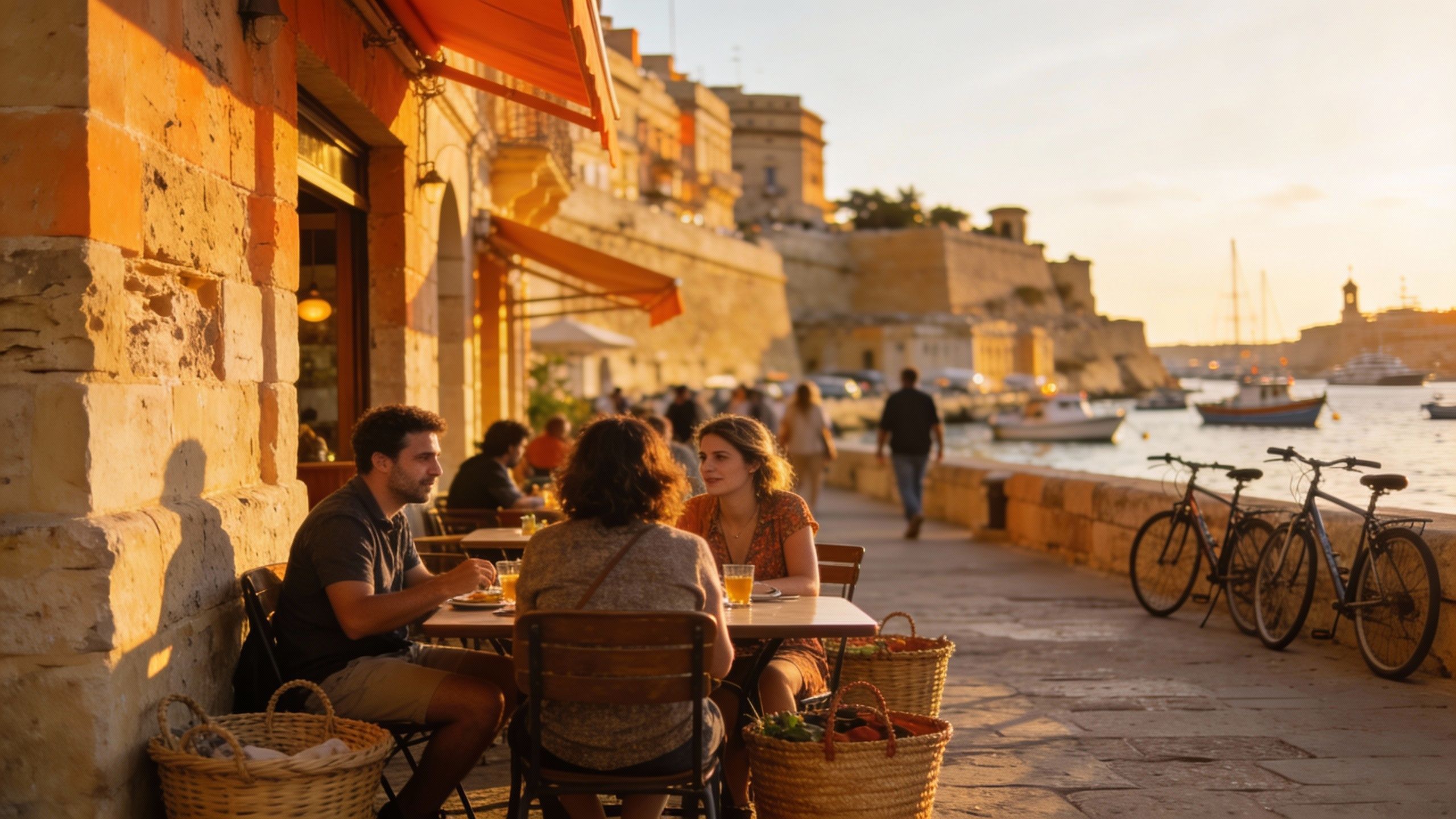
Imagine finishing an espresso at Café Cordina in Valletta, the limestone warming under your palms, then wandering down a narrow lane where bougainvillea drapes a quiet courtyard. That sun-washed intimacy is Malta: an island of small-scale rituals, ancient stone stitched to sea and maquis, where mornings smell of baking ftira and evenings knot around waterfront passeggiatas. For buyers who treasure green living—terraces with drought-wise gardens, homes that capture cross-breezes and morning light—Malta’s compactness feels like an advantage, not a constraint.
Living the Malta life: daily rhythms and places
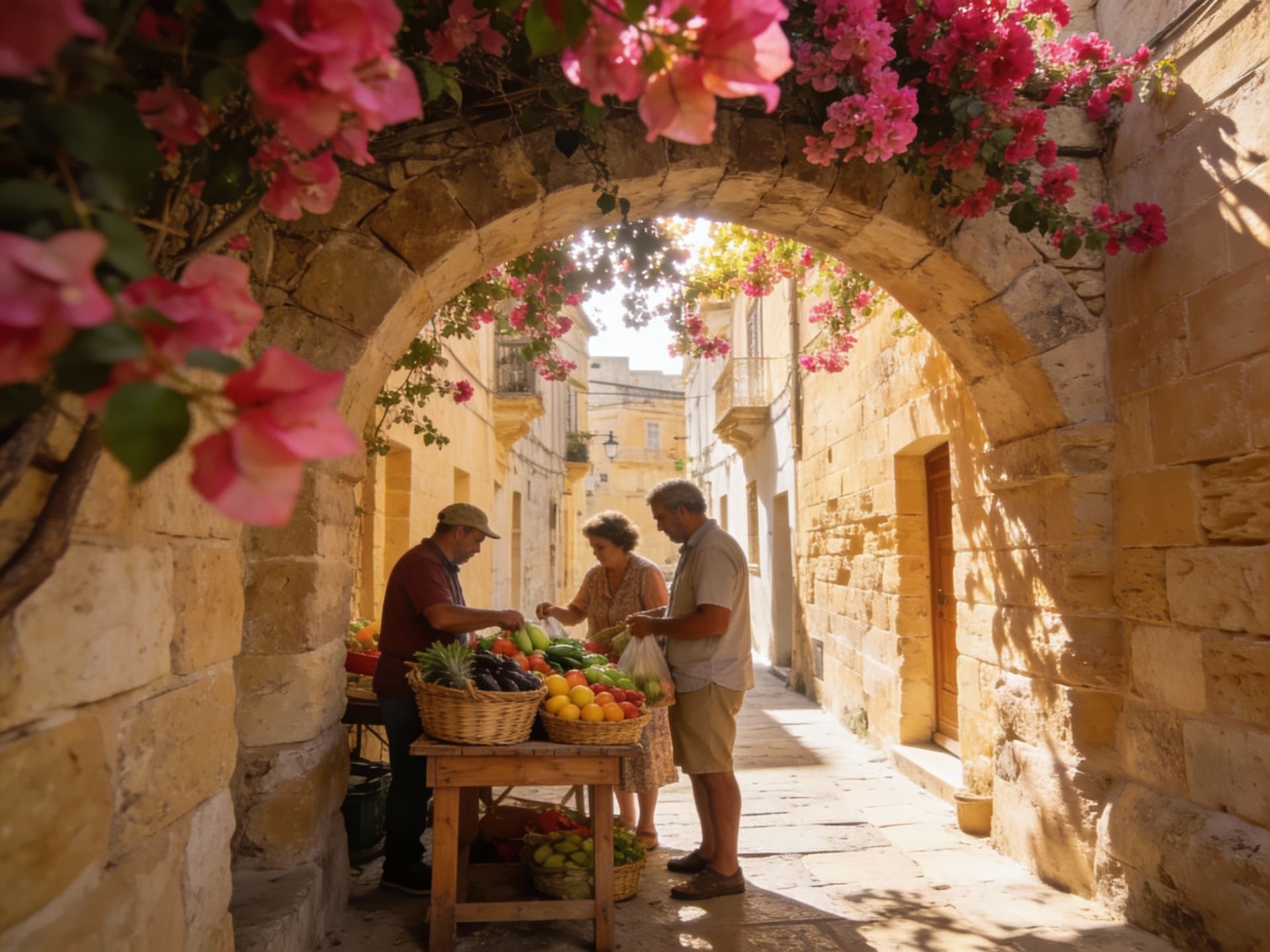
Days in Malta move between sea and stone. Valletta’s espresso-and-porch scene runs from early-morning trade to a twilight hum near the Grand Harbour; Sliema and St Julian’s pulse with cafés and seaside promenades; Mellieħa and Għajn Tuffieħa whisper of sand, salt and quieter mornings. Gozo offers the slow cadence of island life—olive groves, farm tracks and small markets—where a renovated farmhouse can feel like stewardship of land rather than simple ownership.
Valletta, Sliema, Gozo: different kinds of green
If you want ritual and walkability, Valletta’s alleys and rooftop terraces deliver. For sea promenades and daily cafés, Sliema and St Julian’s are practical and social. If your dream is a vegetable patch, native trees and genuine evening silence, Gozo—particularly villages around Xagħra and Għajnsielem—gives you room to garden and a community that prizes seasonal produce.
Food, markets and the rhythms of season
Weekends often begin at neighbourhood markets—Marsaxlokk for fish, Naxxar for rustic produce—or at small bakery windows for warm ftira. Local restaurants follow the season: swordfish and capers in summer, slow-cooked rabbit (fenek) in winter. The culinary scene is a practical compass for where to live: if you value farm-to-table routines, choose close to weekly markets and small-scale fisheries rather than tourist promenades.
- Lifestyle highlights to look for when house‑hunting in Malta
- Morning cafés: Café Cordina (Valletta), Mint (Sliema).
- Markets: Marsaxlokk fish market; Ħal Luqa and local village stalls for seasonal vegetables.
- Hidden beaches: Għajn Tuffieħa, St Peter’s Pool for quiet swims off-peak.
Making the move: practical realities beneath the romance
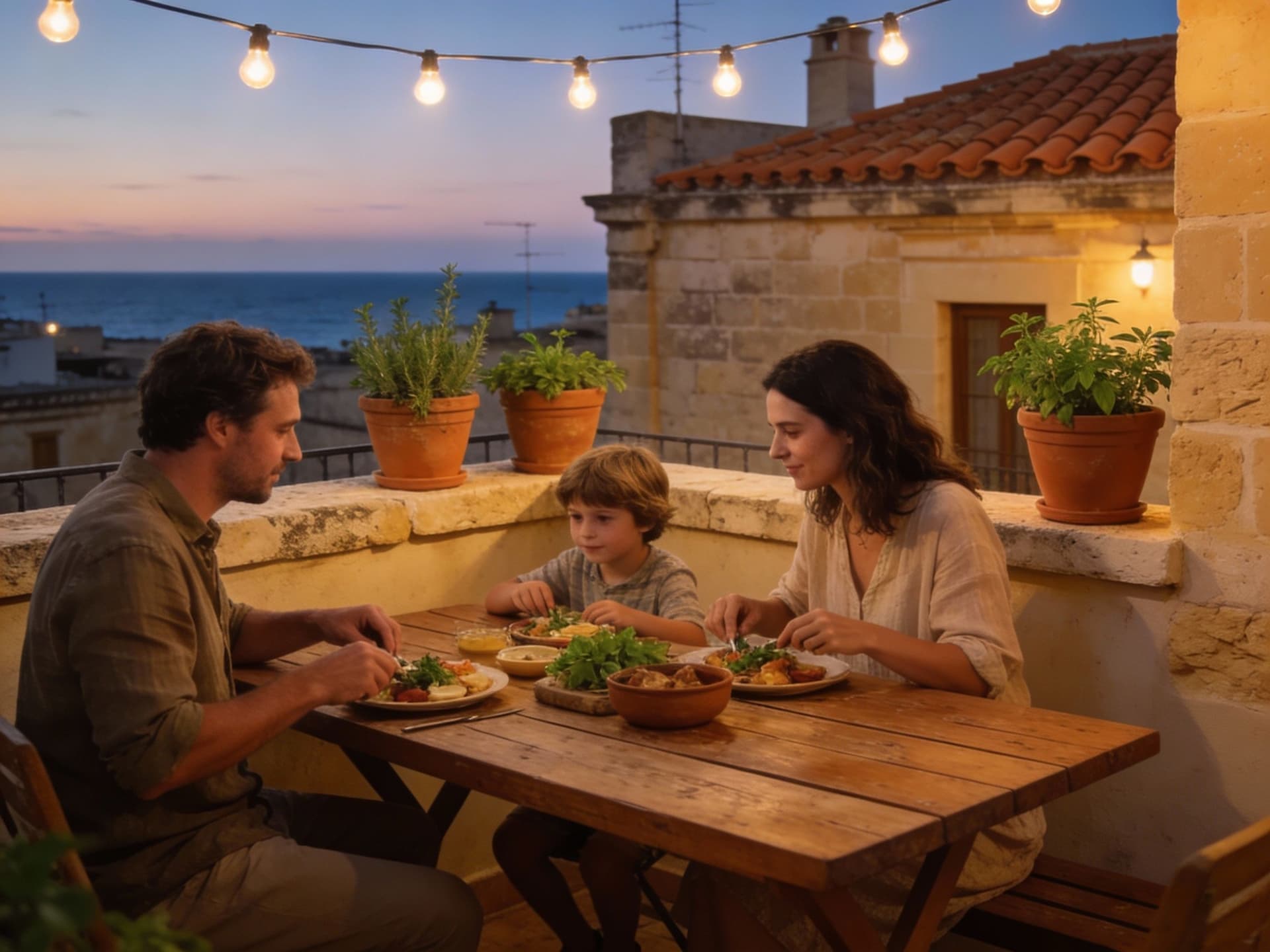
The romance of terraces and sea-light meets the reality of a tight market. Malta’s Residential Property Price Index rose by about 5% between 2023 and 2024, and land scarcity has pushed values sharply higher in recent years. That means smart buyers trade headline sea‑views for functional green value—courtyards, terraces with rainwater capture, and properties in quieter inland villages where garden space and biodiversity matter more than a promenade address. (See official RPPI data and market reporting below.)
Property styles that support green living
Traditional Maltese townhouses with internal courtyards, Gozo farmhouses with terraces, and modern apartments retrofitted with solar and green roofs each offer different sustainability payoffs. A courtyard in Valletta can be a micro-garden and passive-cooling system; a Gozo farmhouse offers edible-landscape potential; a newer development near the harbour may have better insulation and communal green areas. Think about daily routines—where you’ll grow herbs, hang laundry, or rely on natural ventilation—when weighing price per square metre.
Working with local experts who preserve lifestyle value
Choose agencies and architects who understand Maltese stone, vernacular courtyards, and rainwater strategies. A local agent will flag planning restrictions (limits on façade changes in conservation zones), advise on seasonal sun angles for solar panels, and connect you with artisans for lime-mortar repairs. These experts help translate your dream—an herb-filled terrace, passive cooling, native planting—into a realistic brief and a negotiation that respects both ecology and local regulation.
- Steps to blend lifestyle with smart purchase in Malta
- Prioritise the features that deliver daily joy (courtyard, cross-ventilation) over headline views.
- Ask for recent RPPI or transaction data for the micro-area to understand short-term trends. (NSO publishes regional indices.)
- Work with an architect who knows lime-mortar and traditional stone so restorations add value—both ecological and monetary.
- Factor in long-term costs: water harvesting, solar-ready roofs, and insulation can reduce living costs in Malta’s warm climate.
Insider knowledge: expat lessons and seasonal truths
Expats often arrive convinced the coast is essential, then discover that living well in Malta means choosing the right micro-climate and community. Summers are lively—dinner outdoors, late swims, festivals—while winters reward enclosed courtyards, slow cooking and close friendships. Many buyers regret prioritising a daytime tourist strip over a street with neighbours who become friends. Practical experience: pick where you’d like to spend a weekday morning, not just where the sunset looks best on Instagram.
Language, customs and social integration
English is an official language, so practical life—banks, doctors, contracts—runs smoothly for many internationals. Still, community life is shaped by festa calendars, local committees (għaqdiet), and neighbourly rhythms. Learn a few Maltese phrases, attend a village festa, and your integration accelerates. These small gestures unlock invitations to shared dinners and local knowledge about water, waste, and communal gardens.
Long-term stewardship: how life changes after the move
Over years, owners who invest in gardens, native planting and small-scale water capture find the home gives back—cooler summers, less dependence on mains water, and a calmer pace. Conversely, buyers who treat Malta like a short-term holiday market often face maintenance surprises and higher costs. Thinking like a steward—prioritising durable stone repairs, shading, and native species—keeps both the environment and your wallet healthier.
- Red flags local buyers and expats watch for
- New build on reclaimed coastal plots without proper drainage: risks of erosion and rising insurance.
- Façade changes in conservation zones that haven’t been authorised—can be costly to reverse.
- Overpriced seafront listings marketed to non-resident investors rather than everyday residents.
If you want to act: spend an extended week in the area you like, visit at different times of day and different seasons, and meet local tradespeople. That time will show whether a courtyard becomes your refuge or a maintenance headache, whether the ‘quiet’ street is quiet in July, and whether your chosen neighbourhood supports the garden and community life you crave.
- How Moss & Hearth helps: three practical next steps
- We match you with local agents who prioritise ecological features—courtyards, solar readiness, native planting—over glossy seafront listing photos.
- We provide curated checklists for stone maintenance, passive cooling, and rainwater capture tailored to Maltese micro-climates.
- We connect you with architects and artisans who understand lime-mortar repairs and the living systems that keep a Maltese home resilient and lovely.
Malta is a place of intimate pleasures: a citrus-scented stairwell, a neighbour’s lentils shared at dusk, a terrace that cools you with the sea breeze. If sustainability and lived-in beauty guide you, consider looking inland and to Gozo as much as to the promenade. The greener value—gardens, courtyards, and community—is often where Malta’s real, lasting joy lives.
Sources: National Statistics Office RPPI and recent market reporting give context to pricing and land-value trends noted above.
Dutch property strategist who helped 200+ families find sustainable homes in southern Europe; expert in legal pathways and long-term stewardship.