Skip the Sea‑View: Where Malta’s Value Hides
Malta’s real value lies off the headline sea‑views — quieter villages, courtyards and green terraces offer better daily life and long‑term resilience as prices rise.
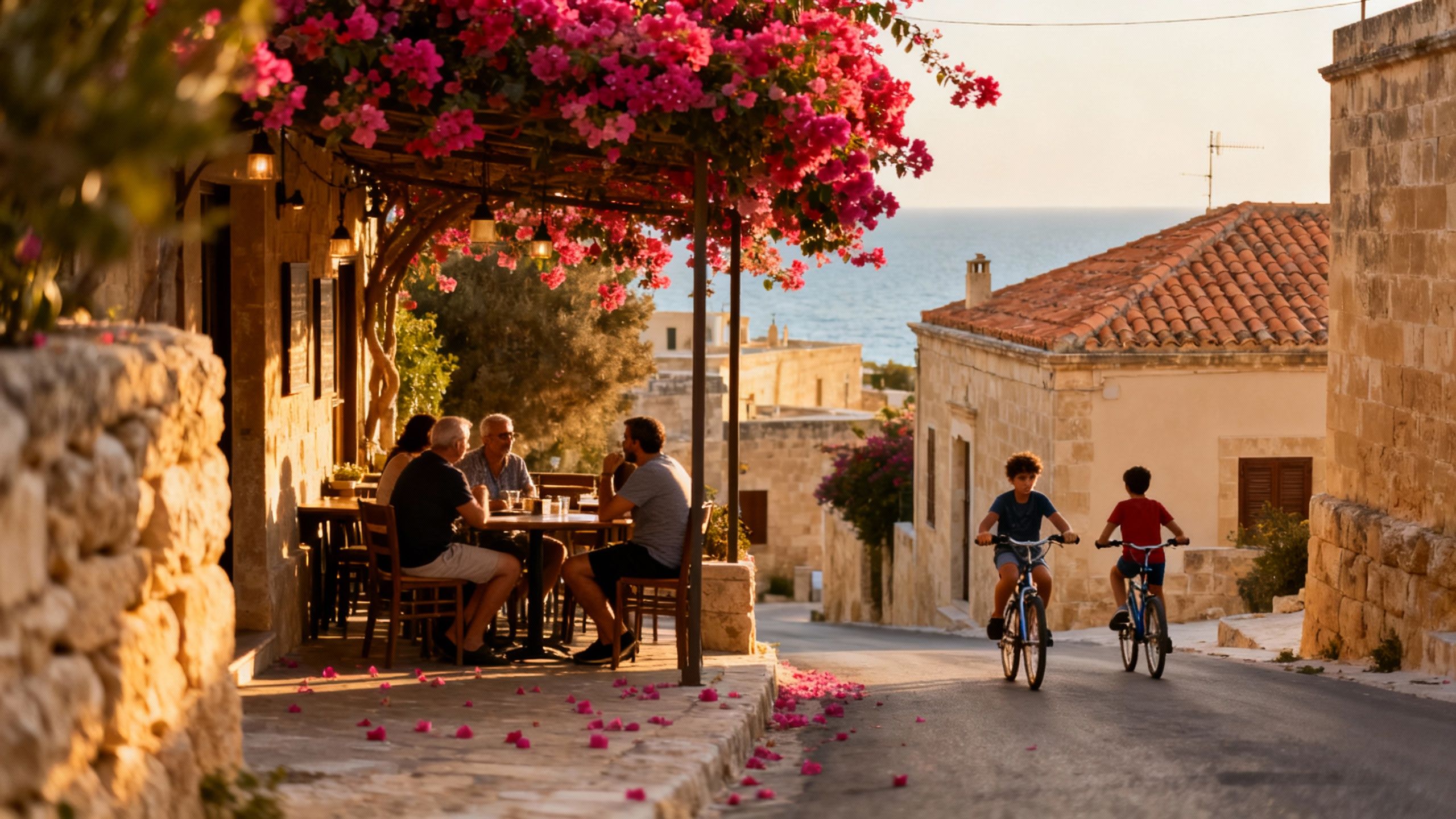
Imagine sipping an espresso under a bougainvillea‑draped balcony in a narrow Valletta lane, then stepping out to a limestone terrace that opens on a rugged cove. Malta feels intimate — a stitched map of harbours, chapels and small farms — where the sea is constant but life often unfolds inland among stone courtyards, village piazzas and hidden headlands. That close relationship between built life and wild coastline is why ecologically minded buyers can find more value and better long‑term living in Malta’s quieter, greener pockets than in headline sea‑view listings.
Living the Malta lifestyle
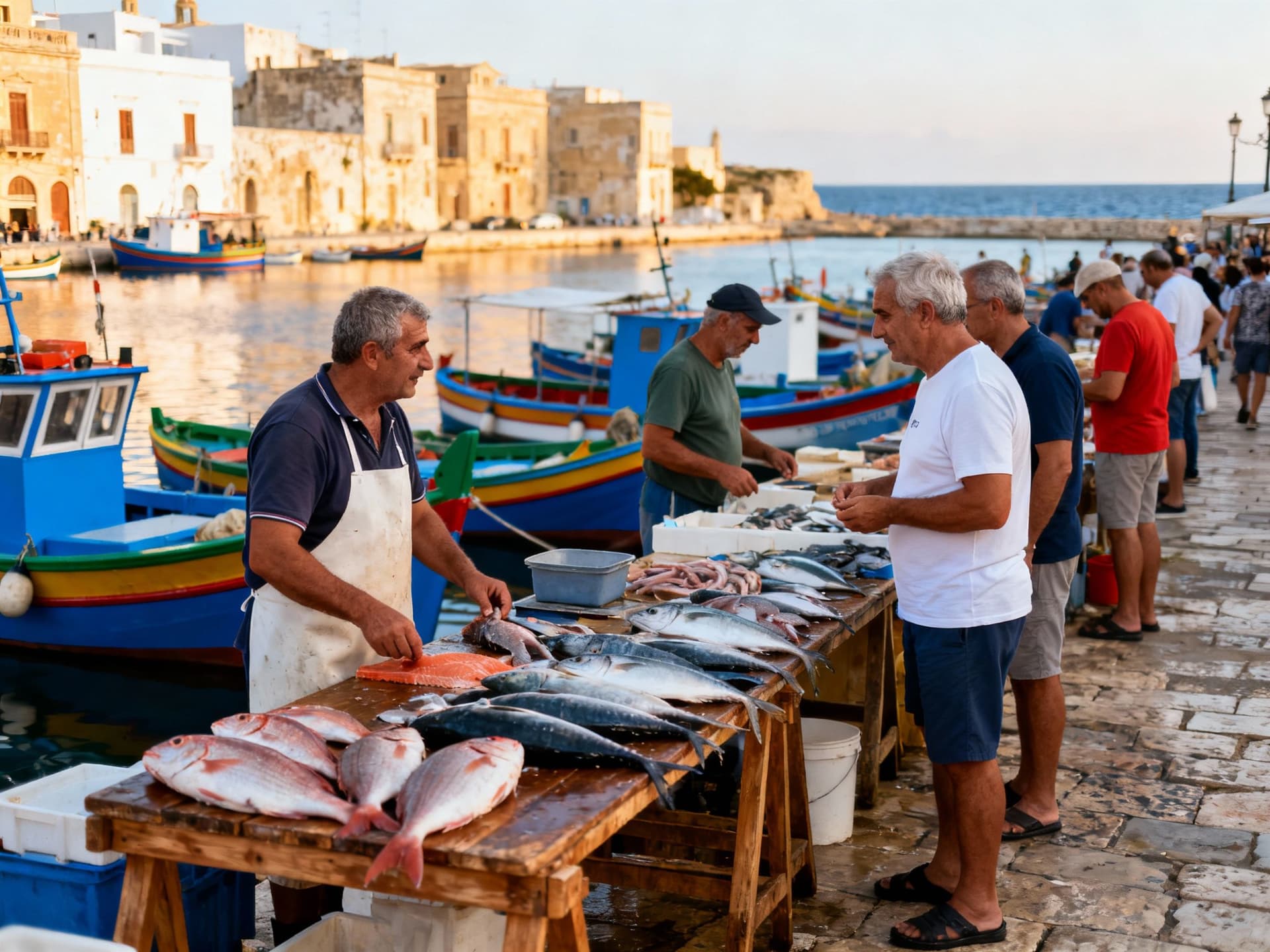
Living here is small‑scale and sensory. Mornings mean short walks to bakeries in Sliema or the market at Marsaxlokk; afternoons are for coastal rocks at Għajn Tuffieħa or a quiet swim off Żurrieq; evenings drift into neighbourhood festas with lanterns and church bells. The island’s compactness makes everything feel possible — a spontaneous fresh‑fish lunch, a ferry to Gozo for the weekend, or an hour’s walk through maquis and limestone ridges — and that rhythm shapes where you’ll want to buy.
Valletta & Three Cities: history with a pulse
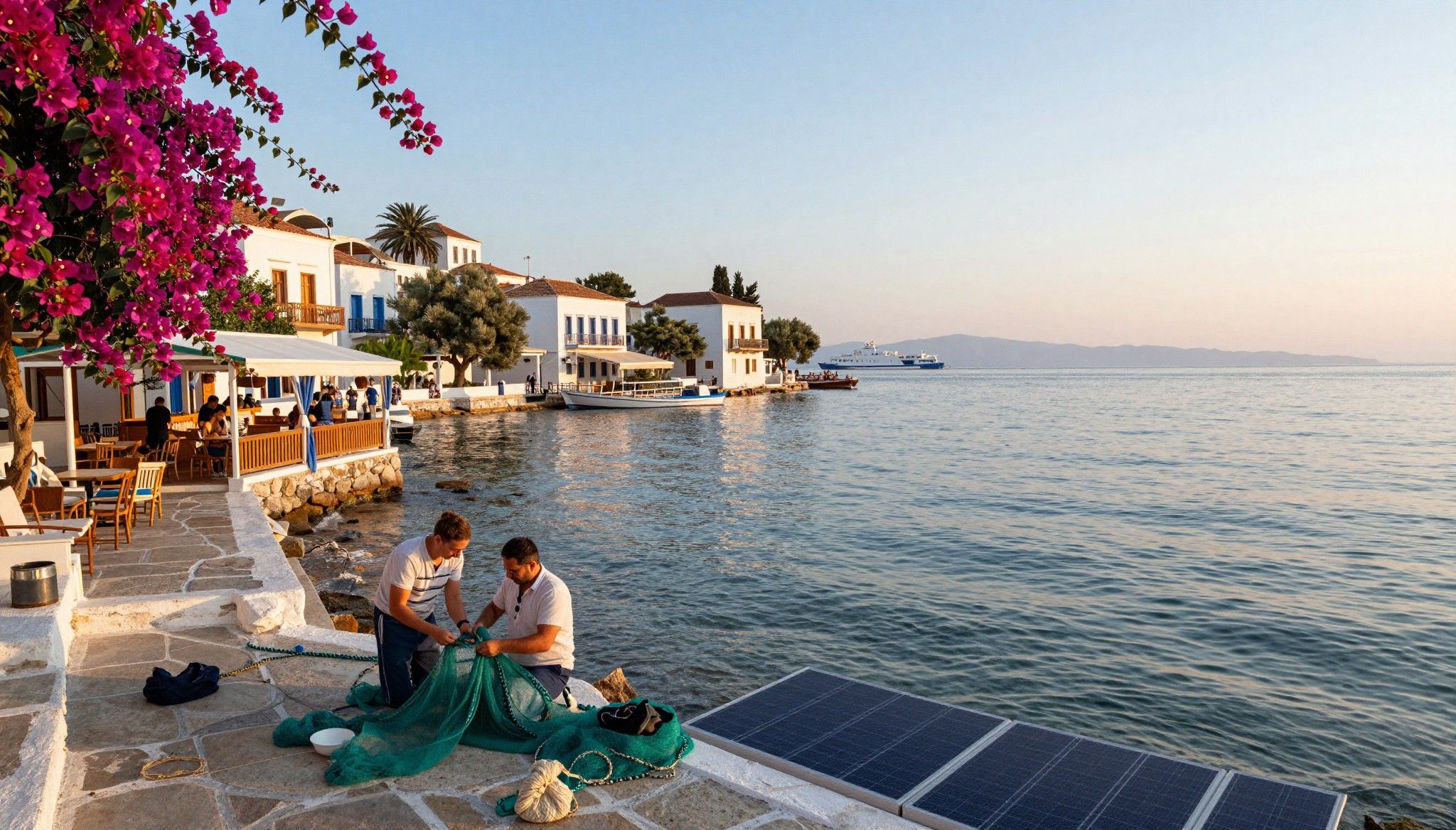
Valletta is theatre — baroque facades, buzzy cafés, and a coastline of fortifications. Across the Grand Harbour, the Three Cities (Birgu, Senglea, Cospicua) offer a quieter maritime life where fishermen still mend nets and restored townhouses open into secluded gardens. These central spots demand price premiums partly for heritage and proximity, but the lived experience is about dense street life rather than sweeping sea panoramas.
Sliema, St Julian’s & Pembroke: convenience and cafés
If you want a steady pulse — coffee culture, international schools, coworking spots, evening dining — Sliema, St Julian’s and Pembroke are the practical choice. They’re livelier and more built up, which means modern apartments are common but green space is patchwork. For ecologically minded buyers, look for buildings with solar readiness, planted terraces, or nearby coastal promenades that provide daily access to outdoors without losing urban convenience.
- Lifestyle highlights to taste Malta’s green and coastal life
- Early‑morning fish market at Marsaxlokk — a weekly ritual of sunlit boats and fresh catch
- Golden‑hour walks along Dingli Cliffs with wind‑tangled thyme and coastal scrub
- Weekends on Gozo — terraced fields, quiet bays and a slower pace that shows what island life can be
- Village festas in Rabat and Mgarr: communal dinners, fireworks and a sense of belonging
Making the move: practical considerations
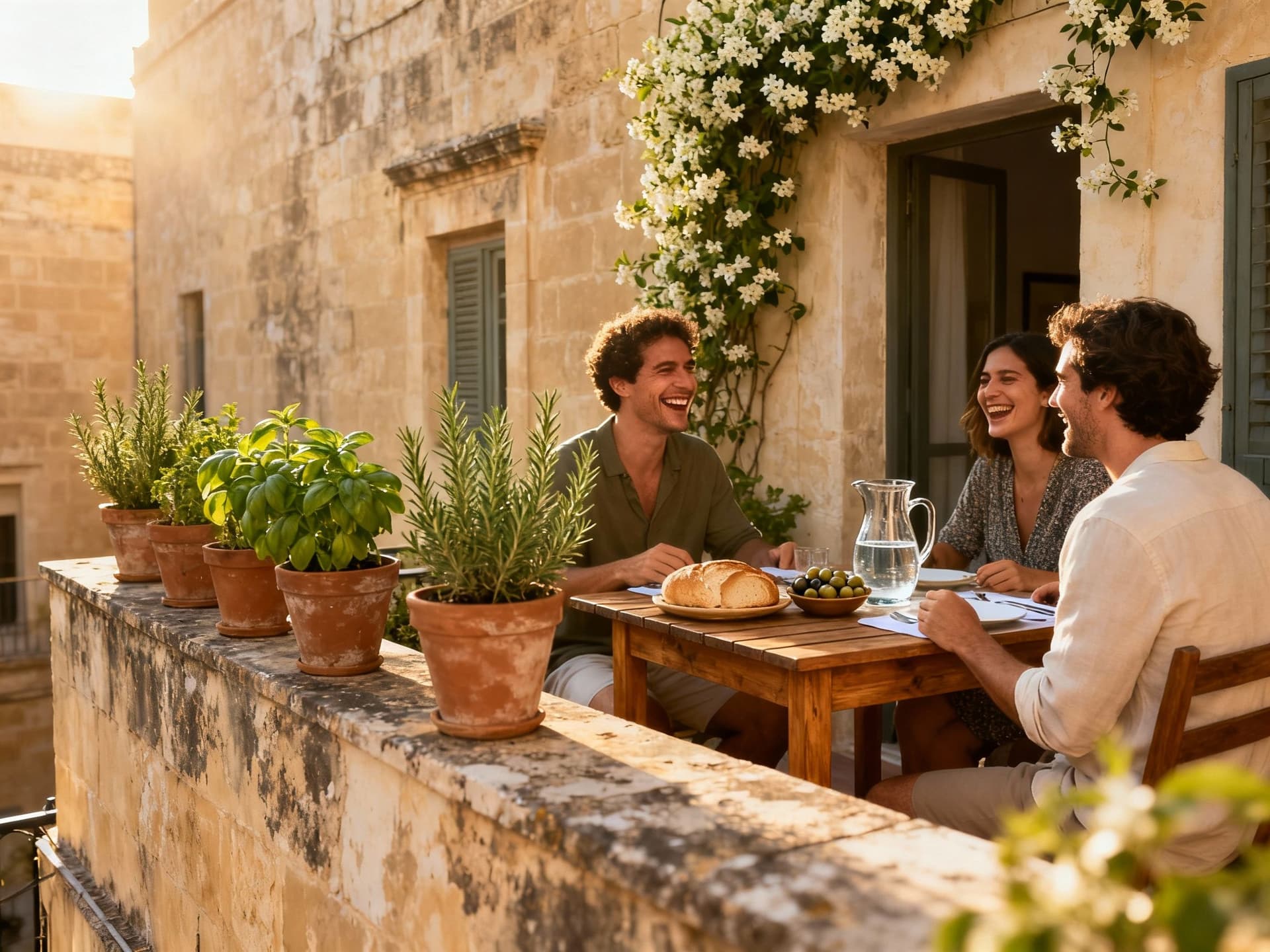
The dream of green courtyards and coastal walks meets a compact market: Malta’s Residential Property Price Index rose in recent quarters, reflecting steady demand across the island and particular pressure in central and sea‑front neighbourhoods. That means the lifestyle‑first buyer who looks beyond headline sea‑view listings — toward hinterland villages, elevated terraces and restored farmhouses — can often secure better value and a closer relationship to nature.
Property styles: limestone townhouses to low‑rise maisonettes
Limestone townhouses in Mdina and Rabat offer thick walls, natural cooling and scope for green courtyards, while contemporary apartments in Sliema bring convenience but less private outdoor land. Maisonettes with small terraces or roof gardens are the sweet spot for many: manageable upkeep, good orientation for solar panels, and potential for planted terraces that improve micro‑climate and comfort.
Working with local experts who understand place
A good local agent does more than list properties: they translate local customs (how festas affect weekends), know which blocks are solar‑permit friendly, and flag regulatory changes — for example, recent rulings have reshaped Malta’s investor residency and citizenship frameworks, shifting the buyer profile and market dynamics. That matters for pricing, availability, and for understanding long‑term stewardship obligations.
- Prioritised steps blending lifestyle and practical checks
- 1. Visit at least twice in different seasons — summer bustle and a quieter spring reveal different neighbourhood characters.
- 2. Ask for energy and orientation details — flat roofs, south‑facing terraces and wall thickness matter for passive comfort.
- 3. Insist on local planning history and solar/roof‑use permissions — not every roof can be legally converted for PV or green roofs.
Insider knowledge: what expats wish they'd known
Expat veterans often tell the same story: they chased sea‑views, paid a premium, and later realised the quieter lane three blocks inland offered better mornings, more natural light and room for a garden. Recent analysis shows Malta’s housing value has ballooned, largely from land scarcity, reminding buyers that location within a locality — a shady piazza, a pocket beach, a northwest‑facing courtyard — matters as much as the headline view.
Cultural integration: language, festa life and local rhythms
English is widely spoken, which eases practicalities, but social life is local. Neighbourly invitations, festa commitments and market days anchor communities. Showing respect — learning a few Maltese phrases, arriving at the festa with a small dish or wine — opens doors. For buyers, that communal rhythm influences where you’ll feel at home and which neighbourhood will truly sustain your desired lifestyle.
Long‑term stewardship: building with climate in mind
Think seasonality: summers are hot and dry; autumn brings windy storms that test roof details. Seek homes with thick limestone walls, shaded outdoor rooms, and good roof drainage. Prioritise passive measures first — shutters, pergolas, planted terraces — and then savings like PV panels and water catchment. These choices make life pleasurable and protect value in an island where land is the scarcest resource.
- Red flags buyers should not ignore
- Unclear title or boundary disputes in older village properties
- Missing planning history for rooftop works or extensions
- Properties marketed purely on sea‑view — neglecting orientation, shade or wind exposure
If you love Malta’s coast but also crave green days and quieter streets, consider this contrarian truth: the best island homes are often a short walk from the sea rather than perched above it. You’ll trade a postcard view for shelter, community, and the daily pleasures of a lived‑in garden or courtyard — and in Malta’s tight market, that trade often buys long‑term value.
Conclusion — how to start: visit, prioritise life not billboard views, and bring local expertise. Begin with a short scouting trip that mixes a festival morning in a village, a coastal walk, and at least one meeting with an agent experienced in green renovations and local planning. That way you buy the life, and the property becomes a stewarded place within Malta’s rich, compact landscape.
Danish relocation specialist who moved from Copenhagen to the Algarve; supports families with seamless transitions, local partnerships, and mindful purchases.