Skip the Sea‑View: Verdant Coasts Where Value Grows
Verdant Italian coasts — olive terraces, forested promontories and cooler summers — often beat headline sea‑views for sustainable living and long‑term value.
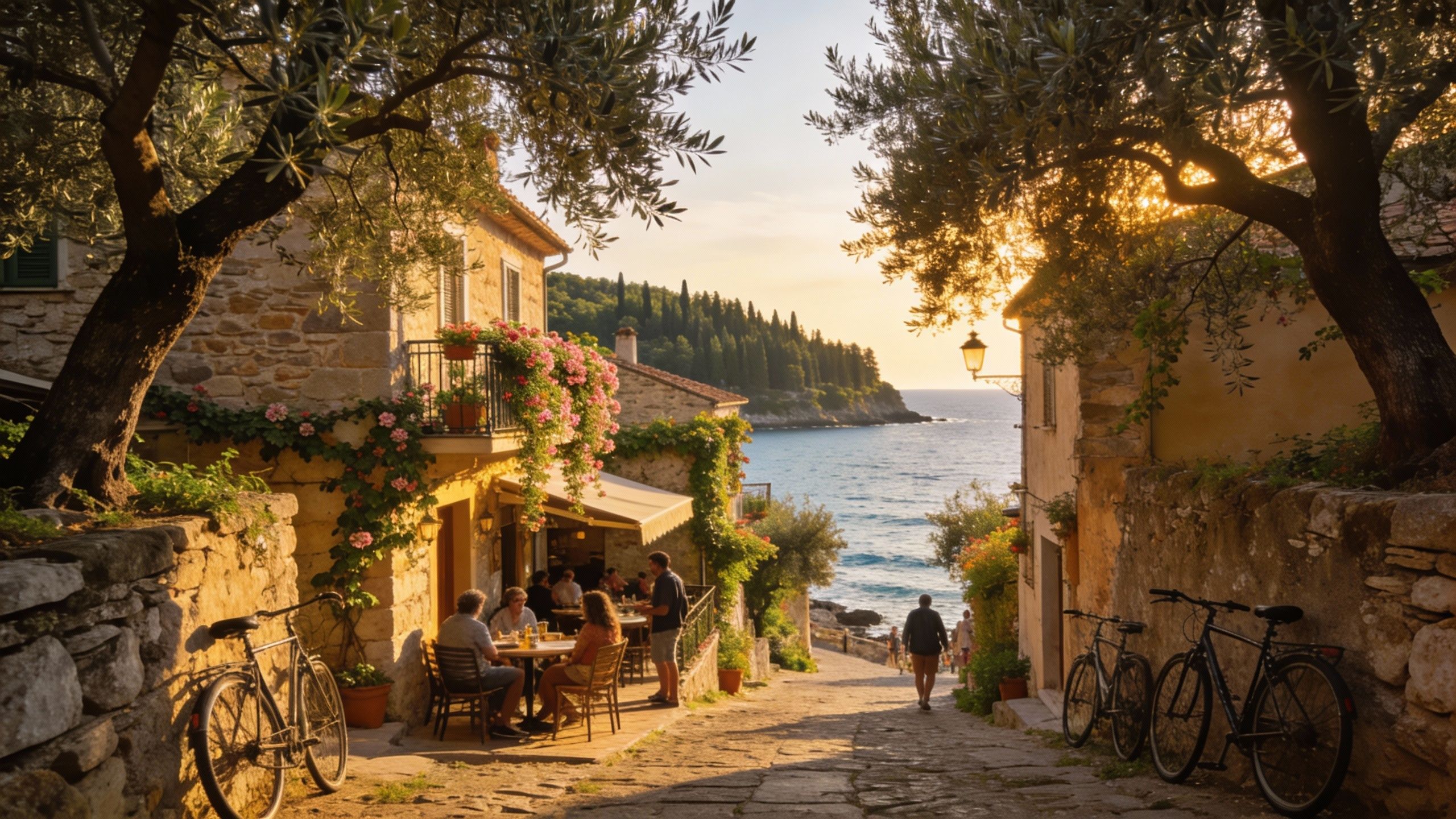
Imagine waking to a narrow street where the air smells of lemon groves and wet stone, then walking five minutes to a wild, craggy cove where the water is blue-green and the trail disappears into forest. In Italy, the dream often defaults to sea‑views and piazzas — but the verdant coastal strips, green hills above the shore, and forested promontories hold a different promise: quieter ecosystems, year‑round rhythms and properties that age gracefully with nature. For international buyers who care about sustainability, biodiversity and an authentic pace of life, these places offer a richer, more resilient lifestyle than the postcard sea‑view. Market signals back this up: official data show steady, regional growth even as new‑build dynamics shift, making timing and location choices more about microclimate and stewardship than spectacle.
Living Italy’s Verdant Coastlines
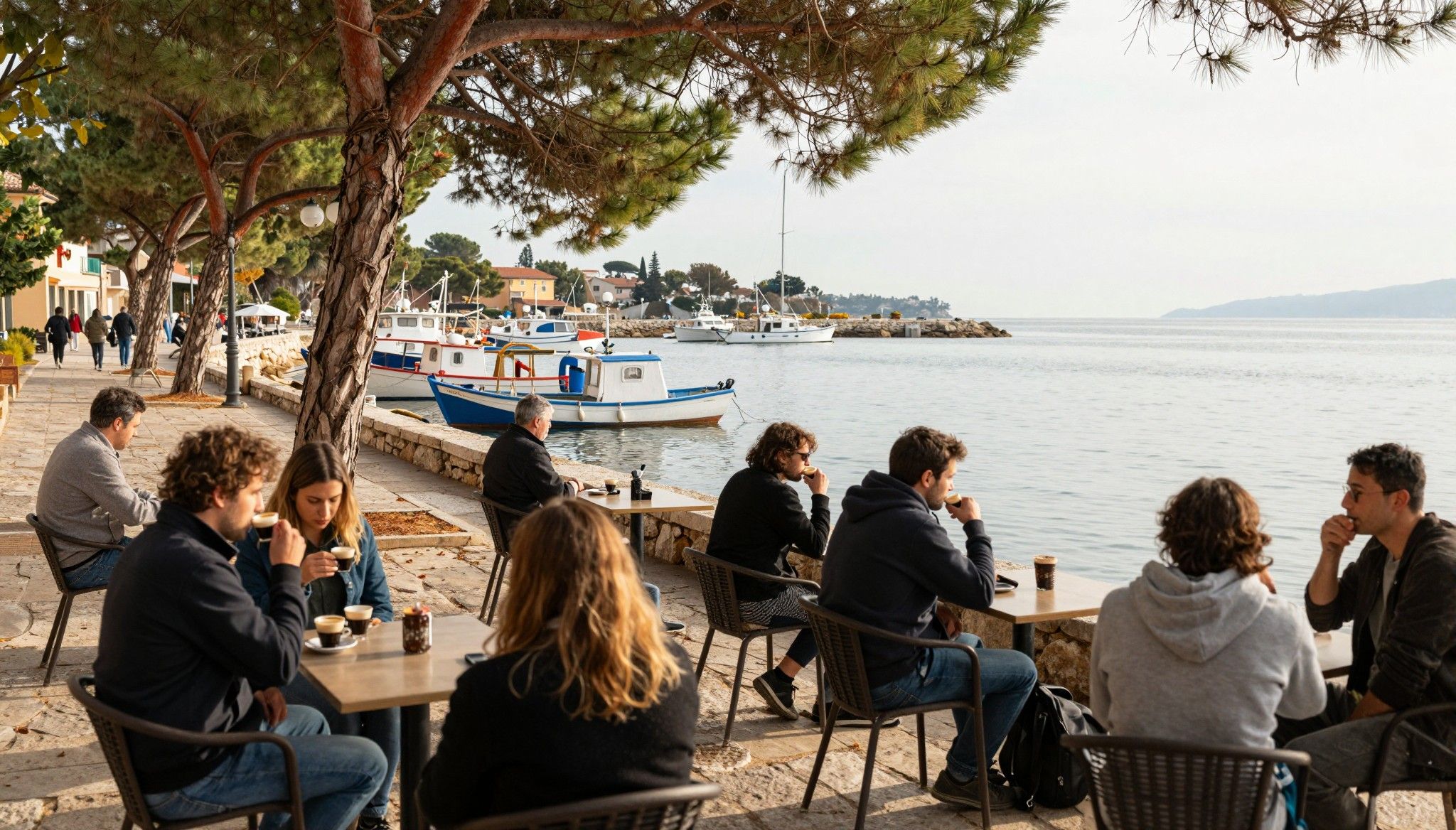
Life along Italy’s greener coasts is tactile: mornings threaded with espresso at an open window, afternoons hiking shaded coastal tracks, and evenings tasting local wine under wisteria. These rhythms are not slow by accident; they’re shaped by topography, micro‑climates and small, locally run markets that still sell produce from the same farmers. Official data from 2025 show modest national house‑price growth with strong regional variation — meaning the right hillside cove can be more affordable and more sustainable than the obvious seafront, while also offering solid demand from discerning renters and seasonal visitors. Choosing a property here means choosing a way of living that weaves architecture into landscape rather than setting it against it.
Spotlight: Liguria’s Olive‑belted Promontories
Walk the alleys above Monterosso or the quieter terraces near Levanto and you’ll find stone houses with planted roofs, terraced olive groves and narrow lanes where neighbors trade bread at the corner. Liguria pairs instant beach access with steep, biodiverse slopes that reward owners with privacy, shade and cooler summers. These homes demand less mechanical cooling, support native plantings, and often already have simple water‑wise gardens — small sustainability wins that add up in lifestyle and lower operational costs. For buyers, Liguria shows how verdant coastal living can outlive the sea‑view’s flash.
Food, markets and easy stewardship
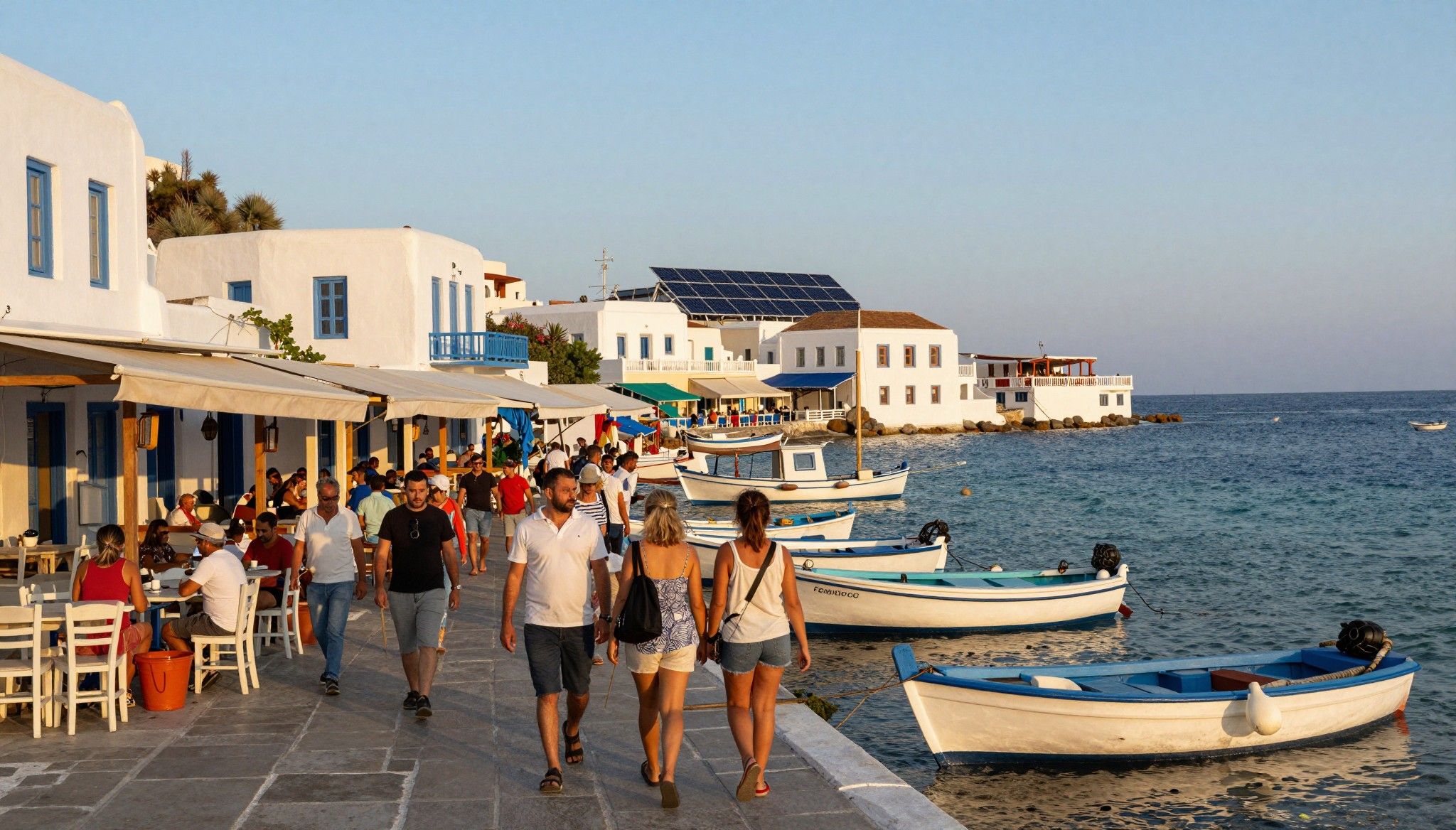
Picture Saturday markets in Camogli or small trattorie in Maremma where local chefs buy wild fennel, chestnuts and coastal seafood within a ten‑minute ride. Verdant coasts amplify the farm‑to‑table life: olive oil pressed from nearby trees, vineyards hugging slopes, and small producers who welcome the curious buyer. That neighbourhood food culture directly supports adaptive reuse of properties — old hamlets become energy‑efficient homes when local craftsmanship meets eco‑retrofit incentives. For buyers who want to live lightly, this day‑to‑day accessibility to local produce matters as much as the property’s orientation or its roof’s solar potential.
- Verdant coast lifestyle highlights:
- Morning espresso at Bar Pasticceria in a small piazza; coastal pine walks before breakfast; buying olive oil from the producer two doors down; evening aperitivo beneath pergola vines; weekend markets in nearby hill towns.
Making the Move: Practical Considerations
Dreams meet budgets and regulations here. Italy’s national indices in 2025 show overall modest growth but meaningful regional differences, with the north and certain tourist‑adjacent areas leading increases. That means your property choice should begin with micro‑research: which municipality has energy‑upgrade incentives, which coastal hillside is within reach of reliable transport, and where local planning favours small‑scale renovations over large new builds. Practical choices — orientation for solar capture, rainwater harvesting feasibility, and access for contractors — directly determine both sustainability outcomes and resale value.
Property types that suit this lifestyle
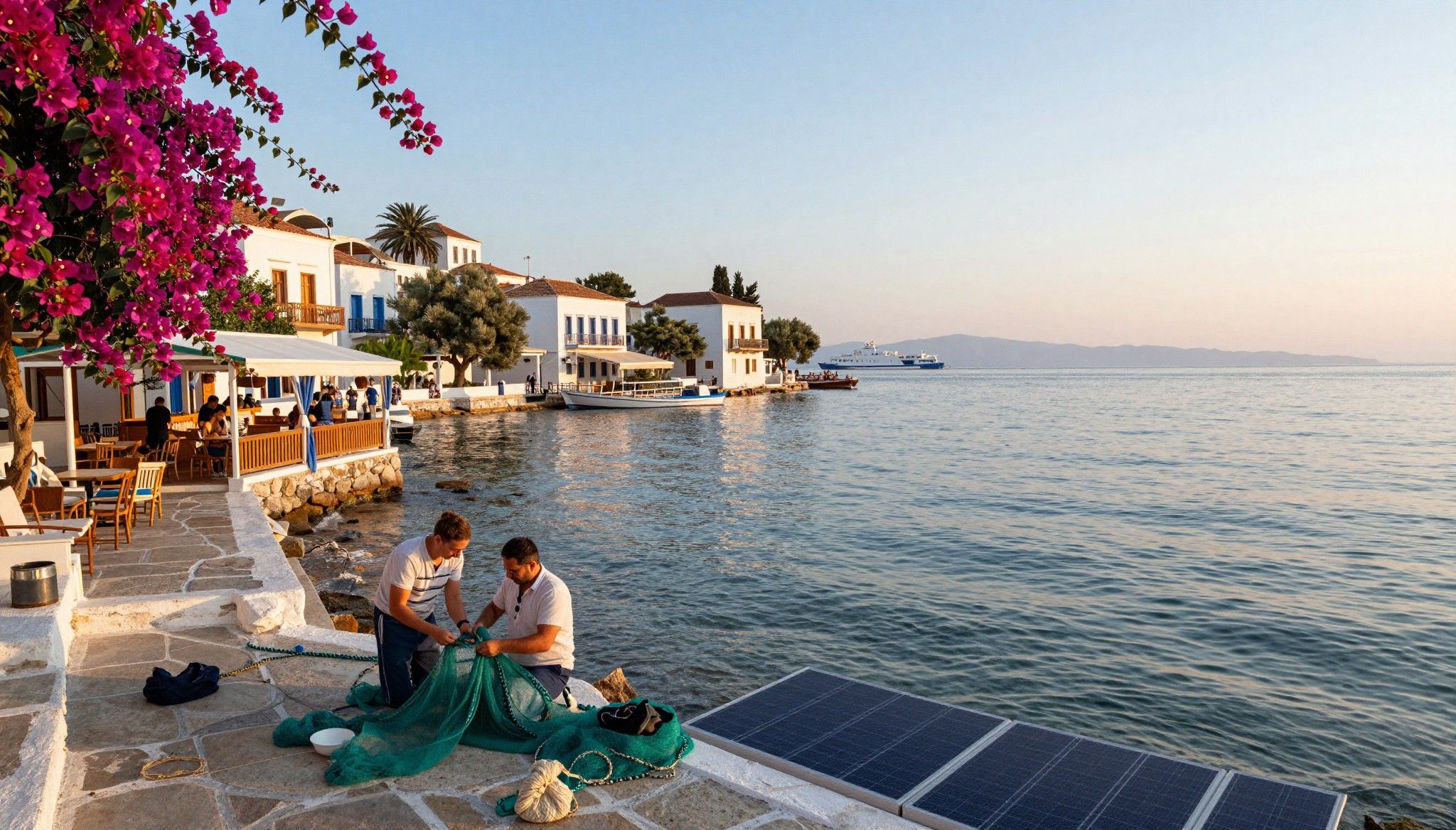
Stone terraced houses and converted farmhouses are often the best fit: thick walls that stabilise temperature, small courtyards that collect sun and rain, and roofs that can host solar panels without disrupting the aesthetic. New builds near green coasts can work if they integrate living roofs, native hedges and permeable surfaces. Prioritise properties with passive design features — north–south orientation, natural shading, and room for a small solar array — because those details shape whether your life will be comfortable and low‑impact year after year.
Working with the right local experts
- 1. Choose an agency with green‑retrofit experience and regional ties — they’ll know which permits and incentives matter. 2. Hire a local architect who understands traditional materials and modern efficiency — stone and timber that breathe. 3. Ask for energy‑class histories and recent utility bills to avoid surprise costs. 4. Vet neighbours and local services in person — verdant coasts live or slow depending on road access and seasonal tourism. 5. Reserve budget for landscape stewardship: terraced land needs maintenance to remain stable and biodiverse.
Insider Knowledge: What Expats Wish They’d Known
Expats often tell the same two things: first, the bond with the local food and landscape arrives faster than language; second, the unexpected costs are usually landscape care and adaptation, not headline taxes. Verdant coastal properties demand relationship management with neighbours, water systems and the terrain; when handled well, those investments pay back in privacy, cooler summers and a deep sense of place. International buyers who arrive with curiosity and local collaborators find community faster and steward the land better.
Cultural rhythms and community
In small coastal towns, scheduling and patience are part of daily life: shops close at midday for riposo, festivals happen on saints’ days, and local councils meet with their own tempo. Learn a few phrases, attend a mercato, and you’ll be invited in. These social rituals shape how property improvements proceed; neighbours who know and trust you will help when a tree falls or a terrace needs stabilising. That social capital is a sustainability asset in itself.
Thinking long term, verdant coastal homes tend to reward stewardship. Regions with active renovation incentives and rising demand for energy‑efficient rentals show resilient pricing even when headline seafront listings fluctuate. Check regional sales trends, energy class premiums and the local rental calendar — these indicators tell you whether the micro‑market values sustainability as much as scenery.
If you love forests, terraces and salt‑scented air, the verdant coastal strips of Italy offer more than cheaper alternatives to seafront glamour — they offer a lifestyle of seasonal depth, ecological connection and practical resilience. Start local: visit the hilltop bakery at dawn, meet an architect who respects stonework, and ask agencies for recent energy bills and permit histories. Moss & Hearth partners can introduce you to agents who prioritise green retrofits and neighbourhood stewardship, helping you translate this quieter life into a durable, low‑impact home. Take the trail less photographed — you might just find the life you imagined.
Dutch property strategist who helped 200+ families find sustainable homes in southern Europe; expert in legal pathways and long-term stewardship.