Malta’s Verdant Coast: Live Beautifully, Buy Sensibly
Malta’s sunlit lanes and coastal forests seduce—but steady price rises and restoration realities mean international buyers should pair romance with local, sustainability-minded due diligence.
Imagine waking to the smell of sea-salt and baking sourdough in a narrow street that has been lived in for centuries. In Malta that scene is everyday: limestone facades warm in morning light, laundry lines strung above quiet lanes, and a coastline that invites both salt-splashed swims and long, restorative walks through garrigue. Yet behind the romantic textures lies a fast-moving property market—prices have climbed steadily in recent years, and sensible buyers pair the dream with clear, local knowledge. This piece blends sensory life in Malta with the facts you need to buy thoughtfully, sustainably, and without surprises.
Living Maltese: daily rhythms, neighborhoods and green edges
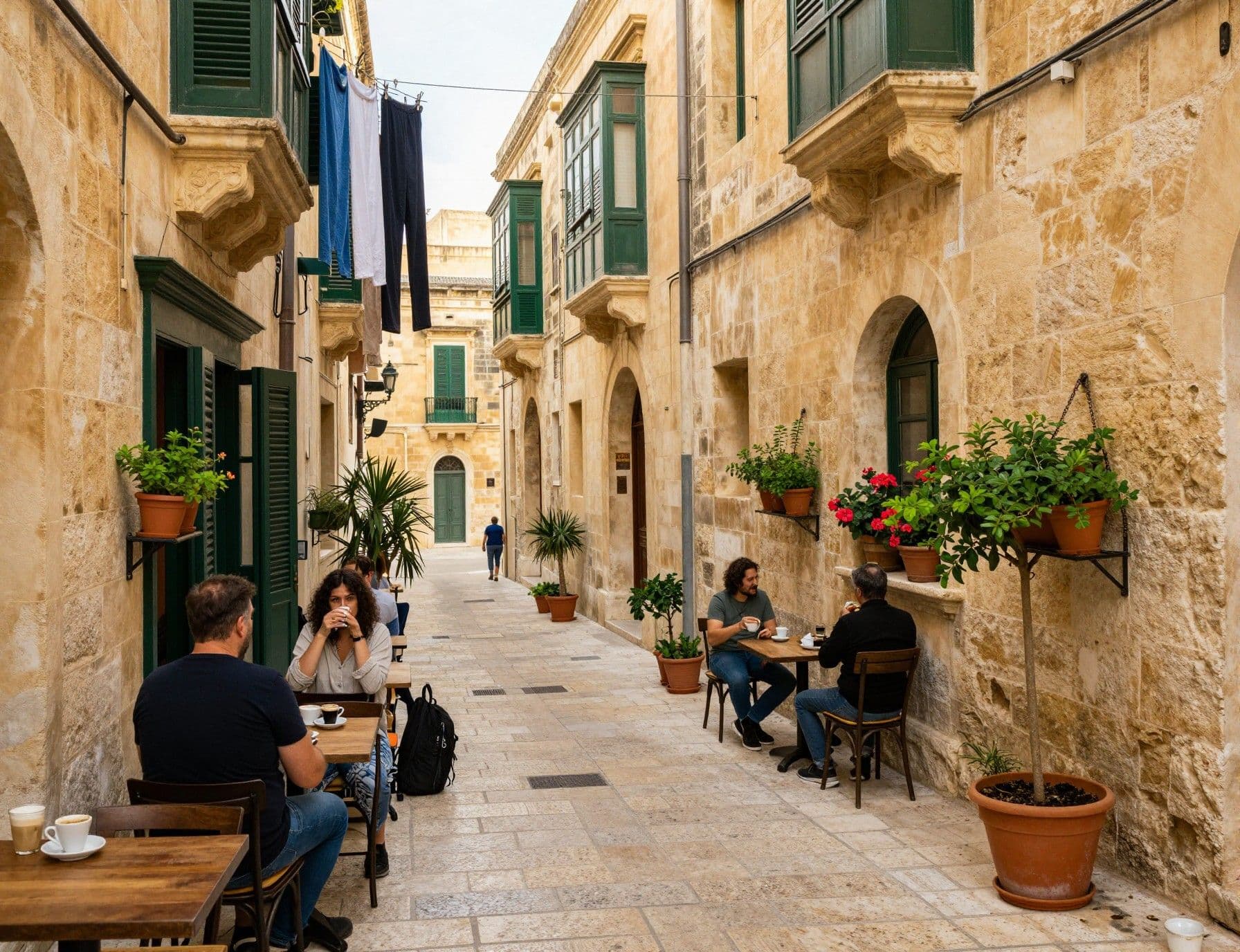
Living in Malta feels like belonging to a compact, layered village that stretches across islands. Mornings start with espressos in pastel-fronted cafés, afternoons drift to rocky coves or rooftop terraces, and evenings pulse with long dinners under jasmine-scented balconies. The island’s scale means everything is near—walkable towns thread into agricultural terraces and protected coastal zones—making it easy to embed sustainable practices like shopping seasonally at Marsaxlokk market, cycling short distances, or choosing homes with solar-ready roofs. For green-minded buyers, Malta offers a visceral connection between home and landscape; the trick is matching the right neighborhood to the life you want.
Neighborhood spotlight: Valletta, Sliema and St Julian’s
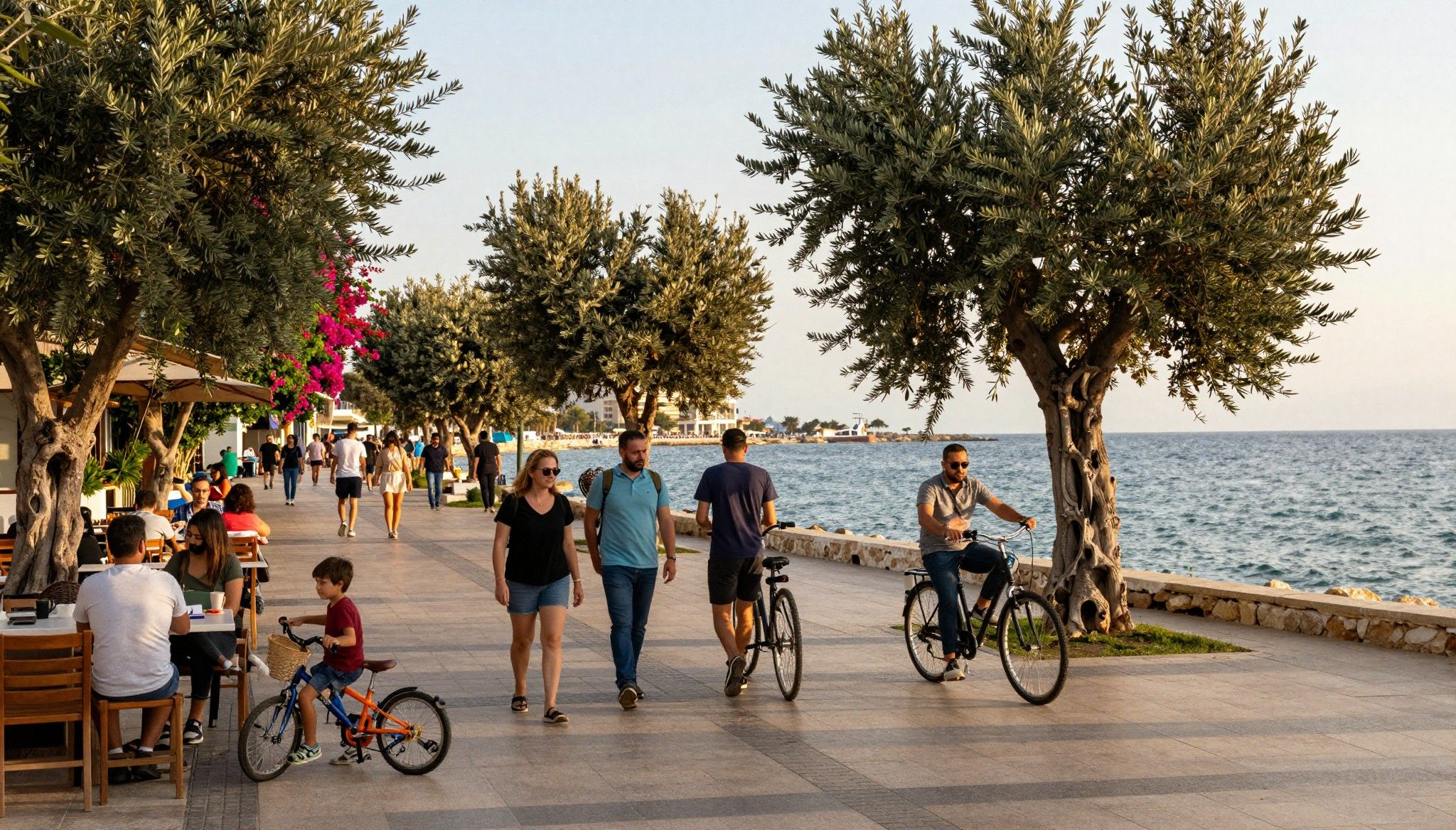
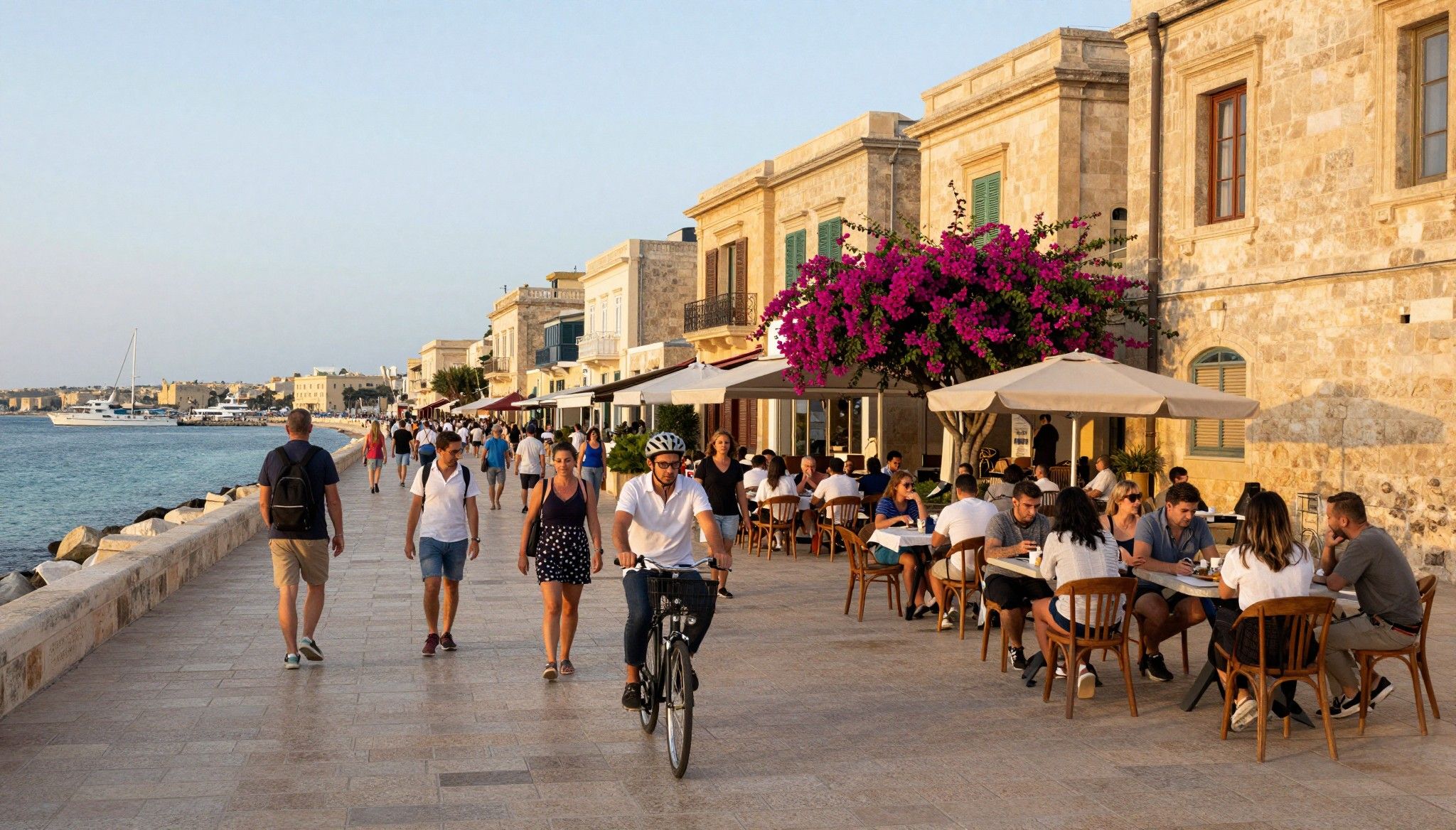
Valletta’s honeyed lanes are for people who crave history at their doorstep—baroque churches, small specialty grocers and quiet waterfront promenades. Sliema and St Julian’s feel more modern: Sliema’s seafront promenades and cafés suit long coastal walks and apartment living, while St Julian’s buzzes with nightlife and international eateries. Each area has micro-variations—older maisonettes with internal courtyards in Sliema, renovated penthouses facing the harbour in Valletta, and quiet residential pockets in St Julian’s where community gardens and rooftop terraces are increasingly prized.
Food, markets and the seasonal beat
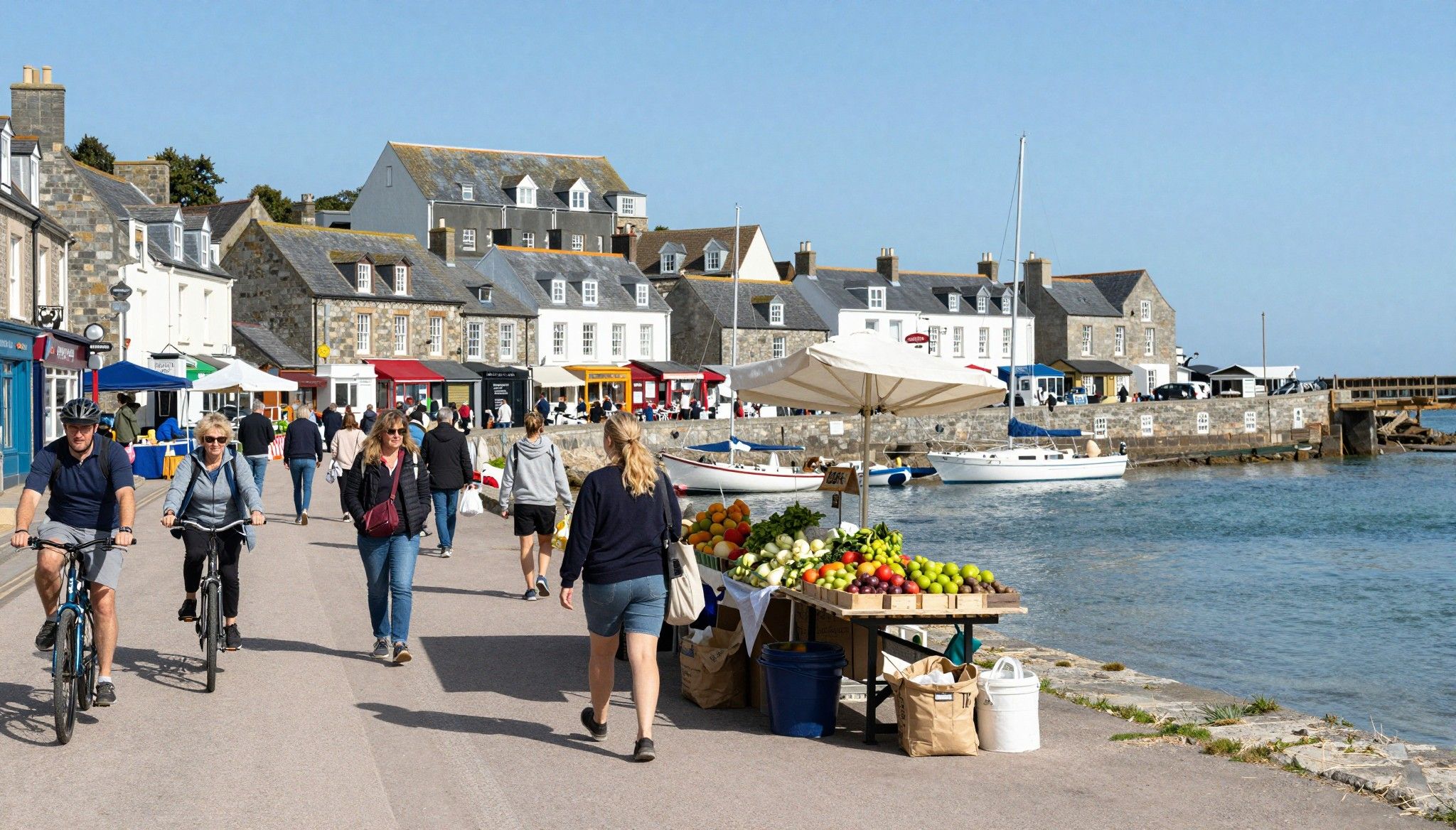
Weekends on Malta are sensory: fishmongers at Marsaxlokk calling out the day’s catch, bakers delivering ftira and pastizzi, and vineyards on Gozo opening for tastings in late summer. The island’s Mediterranean diet is intensely local—capers, small-scale olive farms, and seasonal figs shape menus and gardens alike. If sustainable living matters to you, look for properties near farmers’ markets and community food projects where local producers trade directly with residents.
Lifestyle highlights worth mapping
- Stroll Valletta Waterfront at dusk and join locals drinking wine along the Grand Harbour.
- Weekend seafood at Marsaxlokk market—buy from the fisher who caught it that morning.
- Sunrise swims at Golden Bay or small, hidden coves near Għajn Tuffieħa for quieter beach life.
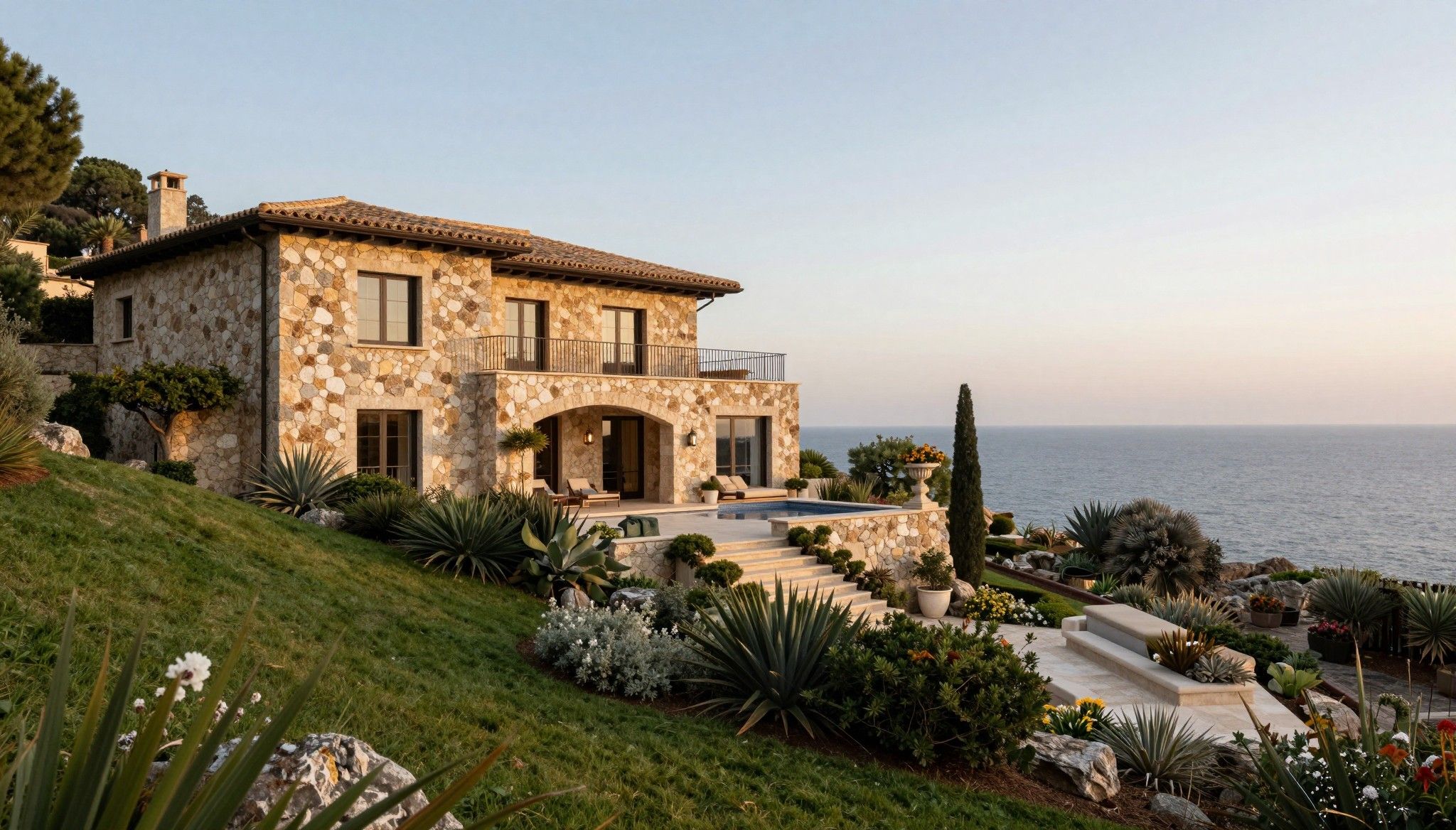
- Explore restored 'houses of character' with limestone balconies and internal courtyards in small villages like Zebbug or Mdina.
Making the move: property realities and sustainable choices
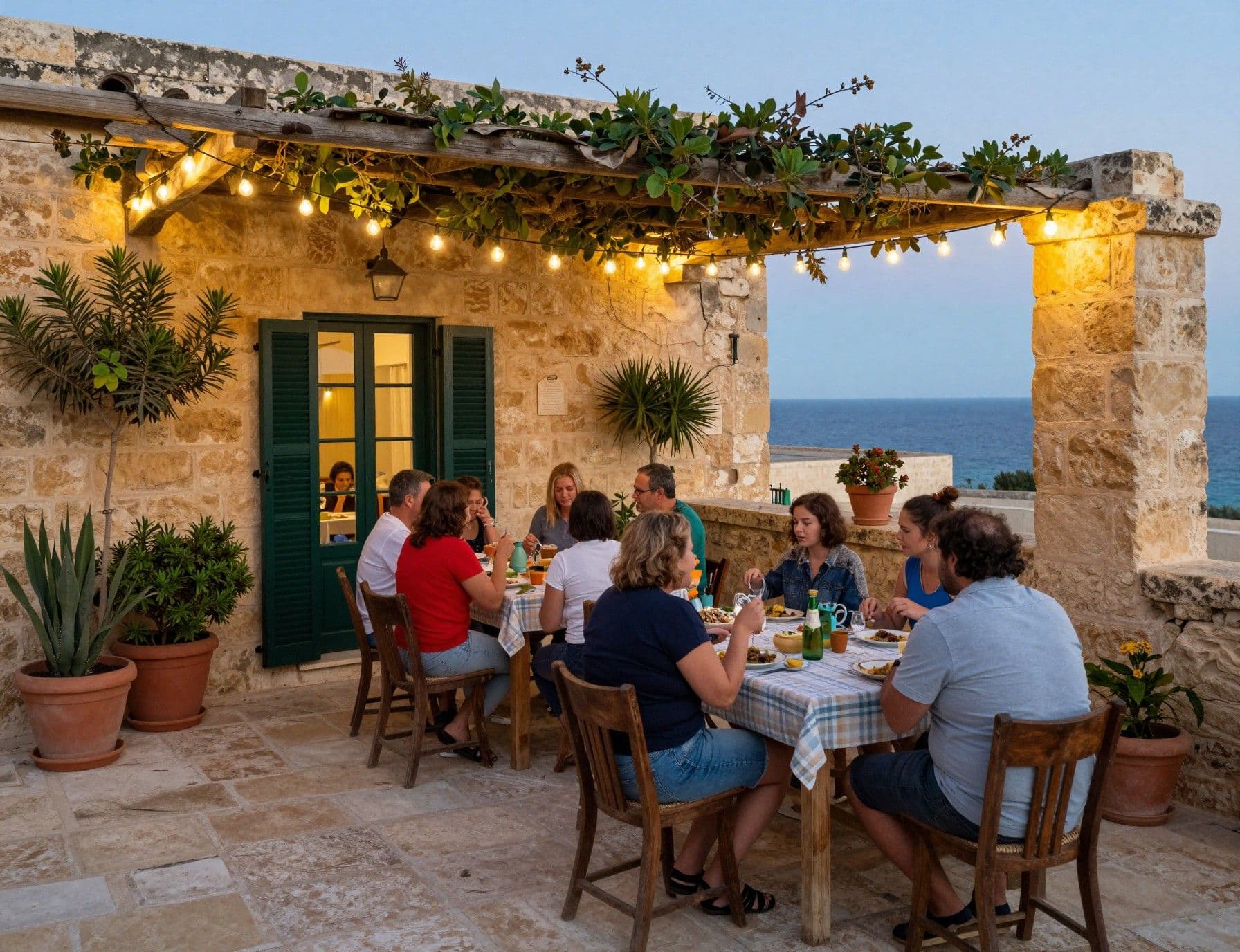
The romance of Maltese living meets a market that has been firming: official statistics show sustained price growth through 2024 and into 2025, driven by limited land supply and rising demand for apartments and restoration projects. That translates to real trade-offs: smaller homes command premium prices, and turnkey, sustainably retrofitted houses of character are particularly sought after. Practical buyers consider lifecycle costs—solar readiness, insulation, water harvesting and the cost of sympathetic restorations—because these features both improve daily life and protect value in a compact island market.
Property styles: what matches your life
Apartments and modern blocks suit buyers wanting low-maintenance, coastal proximity and easy rental potential. Townhouses and 'houses of character' offer courtyards, thicker stone walls that naturally moderate temperature, and opportunities for green retrofits like solar PV and rainwater capture. On Gozo, traditional farmhouses connect you more directly to rural rhythms and larger outdoor plots—ideal for edible gardens and biodiversity projects. Think less about size alone and more about how the building’s fabric supports a greener lifestyle.
Working with local experts who understand both place and sustainability
Choose agents who live the lifestyle they sell: local knowledge of neighborhood microclimates, restoration best-practices, and municipal planning restrictions is essential. For residency-seeking buyers, certified advisors can explain programmes like the Malta Permanent Residence Programme and how property choices interact with residency criteria. Ask agencies for examples of green retrofits they’ve negotiated, references for sustainable contractors, and how they balance heritage constraints with energy upgrades.
Steps to match lifestyle with purchase (practical + sensory)
- Walk the neighborhood at different times—morning markets, midweek quiet, Saturday evenings—to sense community rhythm and noise levels.
- Prioritize stone-wall or thick-wall buildings if you want passive cooling; sit inside in summer to feel the difference before bidding.
- Request a dossier on energy performance and roof orientation—south-facing terraces and roofs are gold for solar installations.
- Factor in restoration timelines and local planning permits when buying a house of character; attractive courtyards often require heritage approvals for changes.
Insider knowledge: expat truths, hidden costs and cultural cues
Expats often say the hardest adjustments are not paperwork but cadence: shops closing for long lunches, neighbors who value ritual over routine, and a sense that life on an island moves on its own timetable. Hidden costs show up in restoration: specialist stonemasons, slate or terrazzo work, and bespoke shutters can surprise budgets. Also watch for short-let regulatory shifts—demand for holiday rentals has influenced pricing, so understand local licensing if you plan to rent.
Cultural integration and community
English is an official language in Malta, which flattens many practical barriers for newcomers, yet learning Maltese unlocks deeper ties—market vendors, older neighbors, and village rituals respond to effort. Join local associations: olive-press cooperatives, community garden groups, or the festa committees that run village summer celebrations. These small social investments enrich daily life and often lead to practical introductions—trusted builders, neighborhood electricians, or sustainable landscapers.
Long-term lifestyle: stewardship, biodiversity and value
Homes that respect Malta’s ecology—native planting, rainwater capture, and low-impact hardscaping—tend to age better in both value and quality of life. For buyers who see property as part of place, investing in pollinator-friendly gardens, greywater systems, and discreet PV panels pays dividends beyond bills: you live more comfortably and create a home that future buyers will covet. In a small market, reputation matters—stewardship-minded buyers become community assets.
Red flags Maltese buyers should notice
- Unfettered development permits nearby—check local planning to avoid future high-density builds blocking light or views.
- Poorly documented restorations—ask for receipts and conservation approvals for any structural work.
- No roof survey on older properties—salt air and storms accelerate wear; a roof-ready report is non-negotiable.
Buying in Malta is a partnership with place: the island’s limestone, sea-salted air, and village rhythms shape how homes breathe and age. For international buyers, the winning approach combines sensory reconnaissance—walk the lanes, taste the markets, swim the coves—with rigorous local advice on planning, conservation and energy upgrades. Start with a short scouting trip, ask your agent for sustainability references, and commission technical surveys before you bid. When done thoughtfully, Maltese life yields a daily kindness: slow evenings, vivid food, and a home that feels rooted in both culture and ecology.
Ready to see Malta with an eye for green living? Begin with a focused visit—book viewings in two contrasting areas (one coastal, one inland), meet an agent who can show past green retrofits, and secure a roof and structural survey. Practical steps matter: verify municipal constraints, ask about rental licences if relevant, and get clear timelines for restoration approvals. Weaving lifestyle with due diligence turns a Maltese dream into a careful, lasting stewardship.
Danish relocation specialist who moved from Copenhagen to the Algarve; supports families with seamless transitions, local partnerships, and mindful purchases.