When Greece’s Renewables Quietly Change Value
Greece blends timeless coastal and island life with a fast-growing renewables transition. Learn where green infrastructure raises value and which neighbourhoods offer authentic, sustainable living.
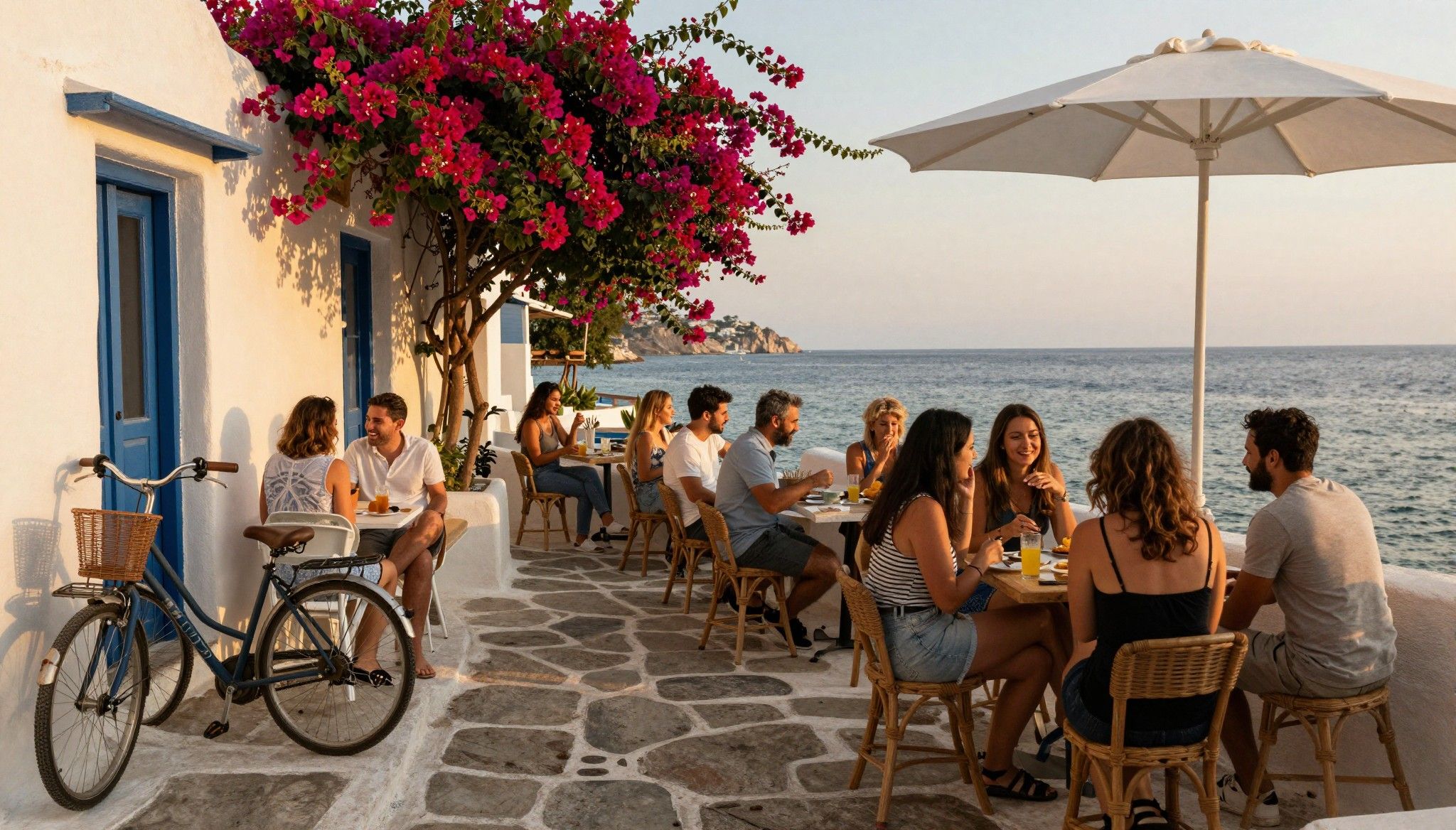
Imagine waking before dawn to the scent of sea salt and citrus trees, then walking from a sun-warmed stone terrace into a neighbourhood café where the barista already knows your name. In Greece, mornings often feel slow on purpose: time to breathe, barter at the market for fresh greens, and linger over single-origin espresso. But behind that gentle rhythm is a country transforming fast — renewable farms steaming ahead, new planning rules, and pockets of surprising value that only a local eye will find. For international buyers who care about landscape, community and long-term stewardship, Greece offers a rare mix: places that feel timeless and an energy transition that is reshaping neighbourhoods — sometimes quietly increasing demand where you least expect it.
Living the Greece lifestyle
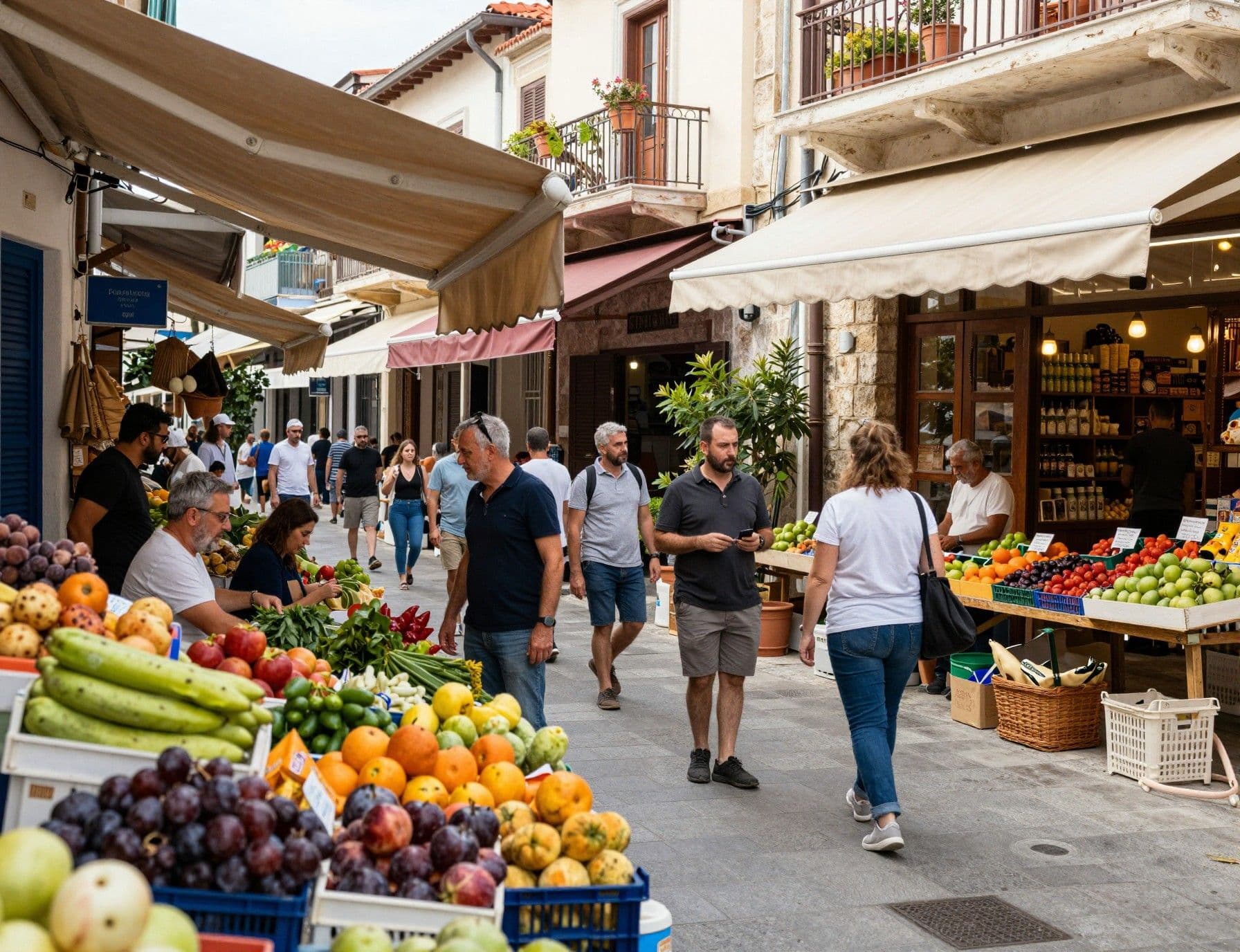
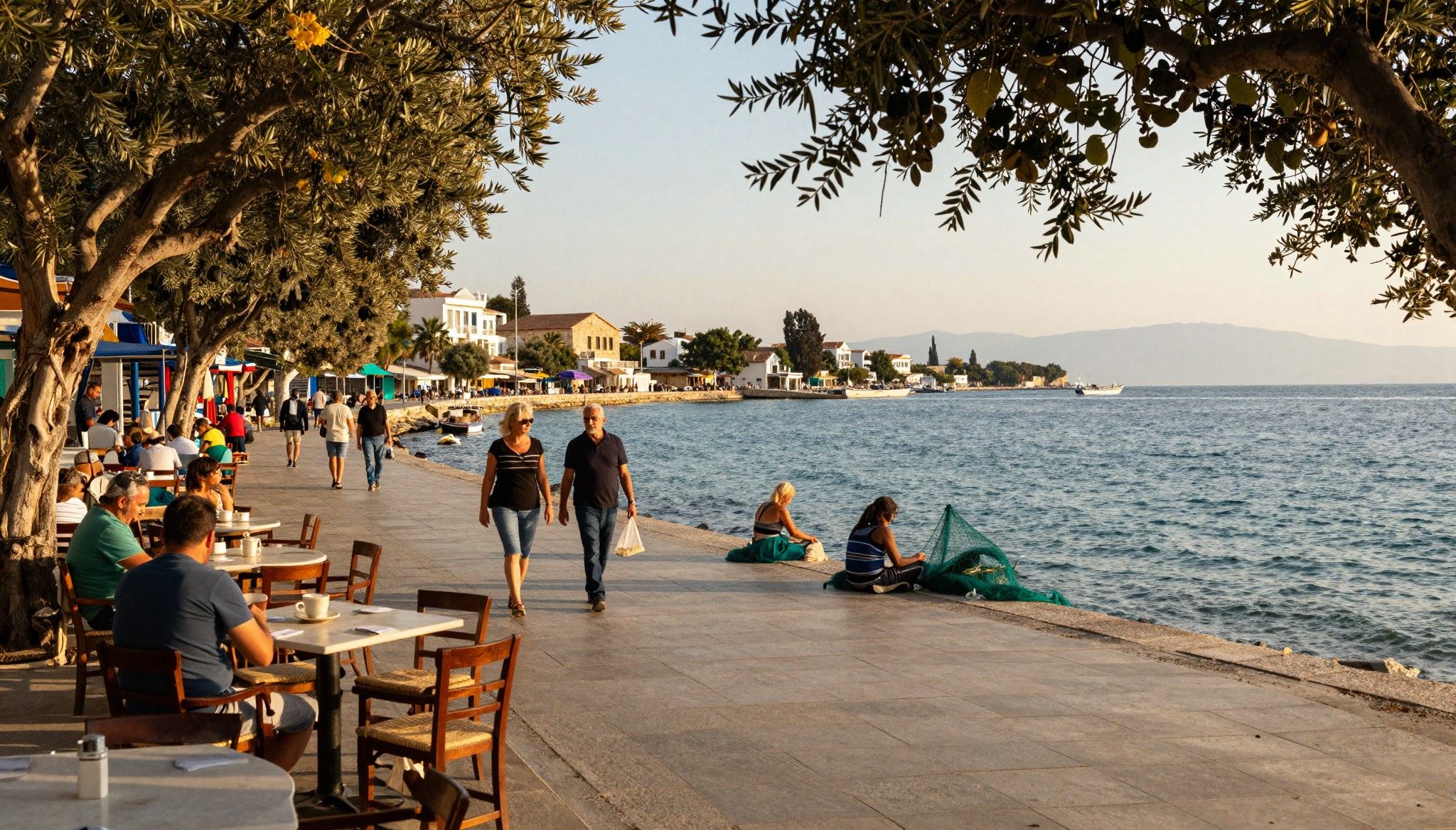
Greece is not a single mood but a patchwork of daily lives. In central Athens neighbourhoods such as Koukaki, narrow streets slope toward the Acropolis and evenings spill into small tavernas where locals trade recipes and gossip. On Cycladic islands like Naxos and Tinos, mornings begin with fishermen hauling nets and afternoons dissolve into long siestas and seaside mezze. On the Peloponnese coast and in Crete, olive groves and terraces shape both the view and the diet; life orients toward the outdoor room — a shaded courtyard, a verandah with rosemary, a shared piazza where children play until late. These patterns matter because they shape what kind of home will suit you: a compact apartment for neighbourhood life, a restored stone farmhouse for a garden-driven life, or a low-energy new build near island infrastructure for year-round comfort.
Athens' quieter charm: Koukaki over Plaka
Step away from the tourist-clustered streets of Plaka and you’ll find Koukaki: streets with weathered shutters, a cinema-turned-bistro, and a baker whose sourdough has fed locals for decades. It’s the sort of neighbourhood that rewards slow exploration — a hidden courtyard here, a natural wine bar there — and offers better value per square metre than the most famous tourist quarter. For buyers, that means lifestyle richness without the premium tag of postcard locations, and a greater chance to find properties that can be sensitively retrofit with solar, rainwater harvesting, and passive cooling.
Sea, olives and solitude: island rhythms
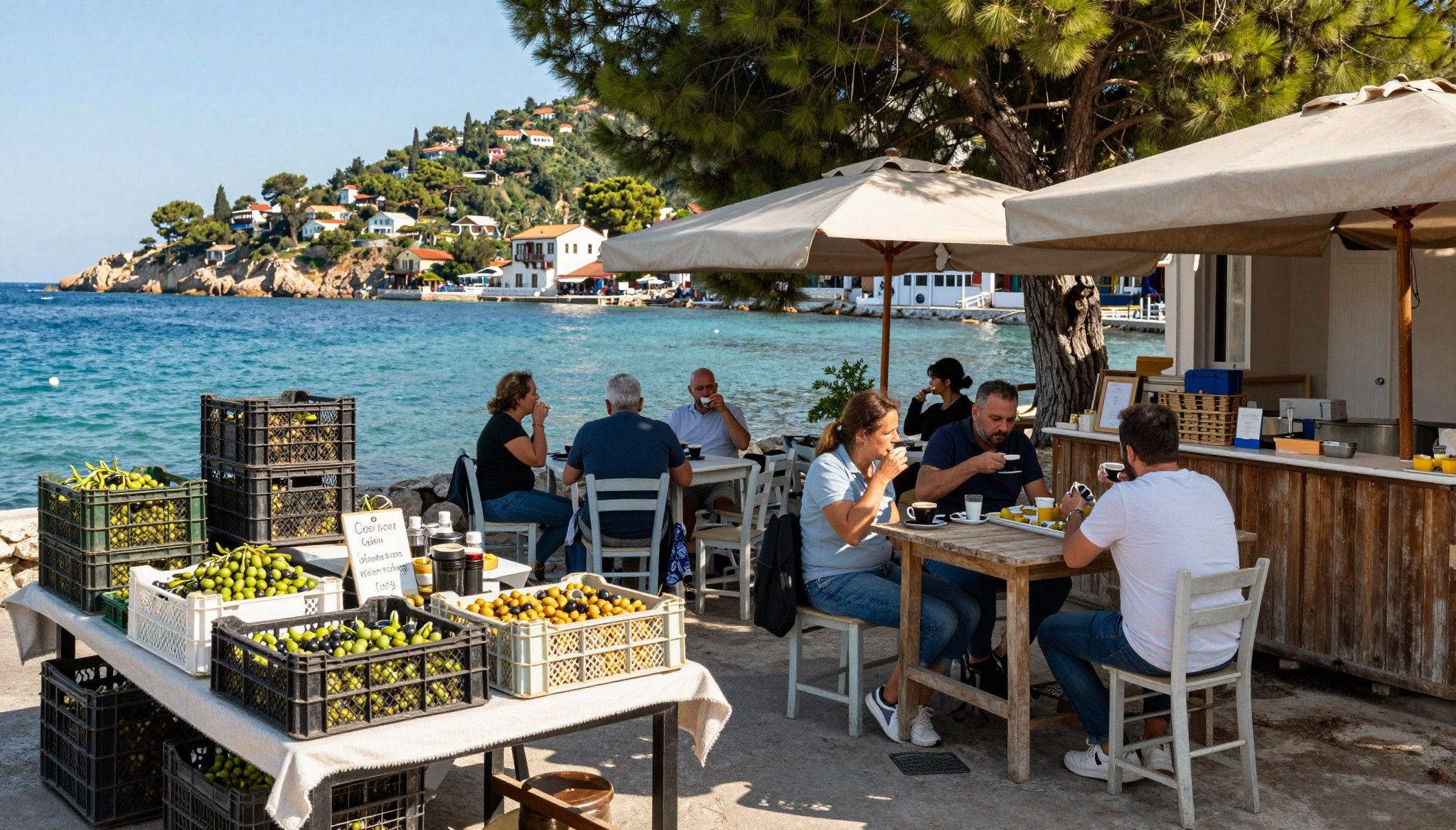
On islands like Naxos, Tinos and parts of Crete, living is tactile: children chasing goats along terraces, markets selling island cheese and wild greens, and late-afternoon swims from pebbled coves. These places favor low-rise architecture, stone walls and gardens — perfect for buyers who want to garden, keep bees, or restore a farmhouse using local materials. But seasonality matters: tourist peaks can mask the quieter winters when services thin out, so factor in year-round access to healthcare, ferry reliability and internet before you commit.
- Lifestyle highlights (real places you’ll love): Drakou pedestrian lane (Koukaki), Monastiraki flea market, Chania’s harborfront cafés, Agios Prokopios beach (Naxos), the olive groves of Mani, Tinos marble villages.
Making the move: practical considerations
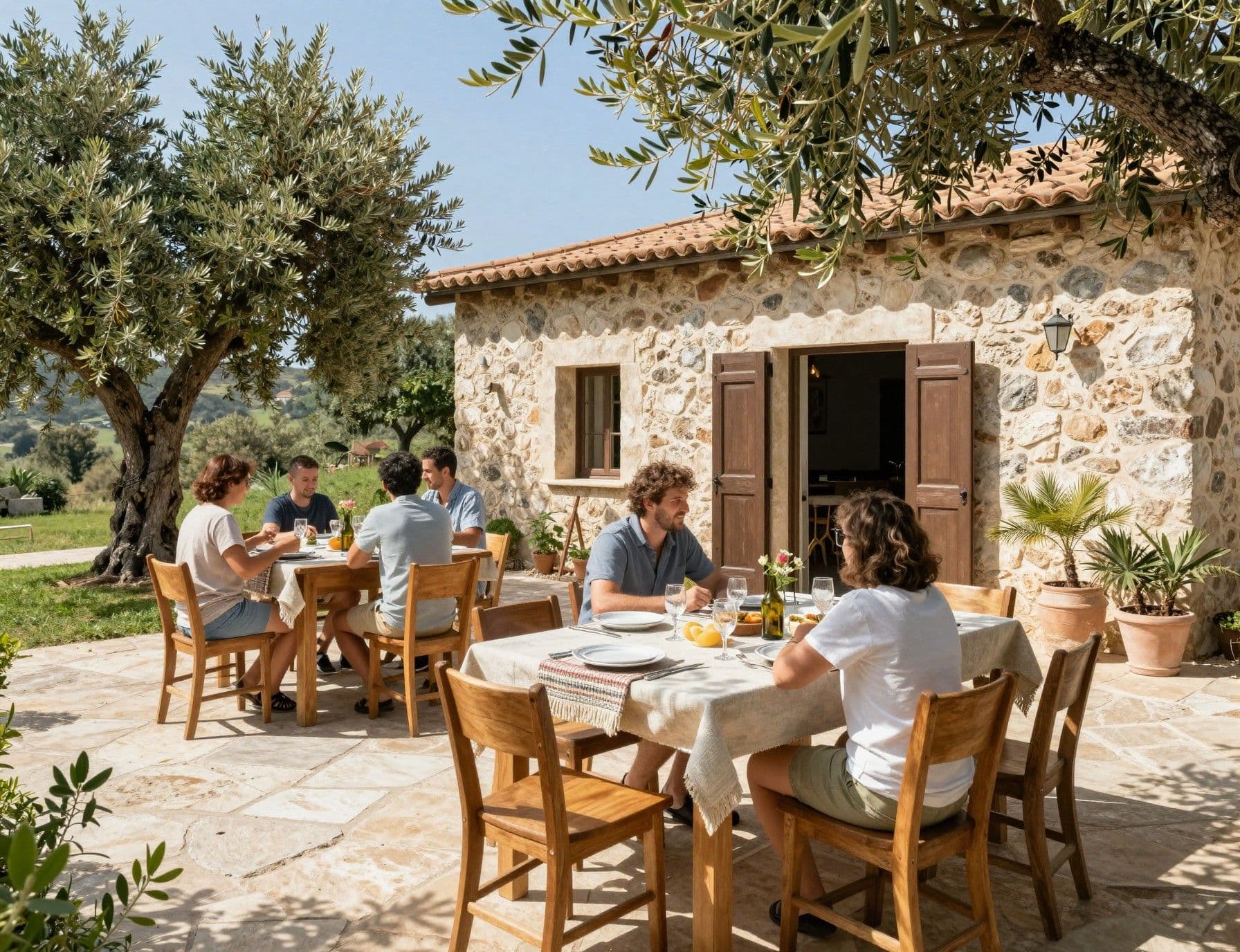
The romance of stone and sea meets a real estate market that is actively shifting. Recent analyses show rising prices in many coastal and island areas, driven partly by limited housing supply and renewed interest from international buyers. At the same time, national energy policy and a boom in solar and wind infrastructure are changing where demand clusters — properties near grid upgrades or microgrid pilots may see stronger long-term value. For buyers who prioritise green living, understanding local infrastructure plans is as important as an inspector’s report.
Property styles & what they offer for your lifestyle
Traditional stone houses with thick walls naturally regulate temperature and pair beautifully with modern renewable systems; they are ideal if you crave a garden and a sense of rootedness. New low-energy builds deliver better insulation, integrated PV and heat pumps — convenient if you want immediate energy independence and lower maintenance. If you plan remote work, favour properties with reliable fibre or 4G/5G coverage and a comfortable indoor workspace; islands vary widely, so check local connectivity before falling in love with a view.
Working with local experts who know both place and policy
A local agency that understands municipal permitting for solar panels, water harvesting and renovations is invaluable. They can flag planning proposals — for example, large-scale renewables or grid upgrades near a village — that will alter noise, traffic and future property demand. Choose advisers who can introduce trusted local builders experienced in traditional materials and green retrofits, and who can translate municipal timelines into realistic renovation windows so your stewardship plans don’t stall.
- Steps to pair lifestyle vision with practical purchase: 1) Map your daily life: markets, health, ferry/flight schedules. 2) Verify grid and broadband on site. 3) Ask agencies about local renewable projects and building permits. 4) Get a structural and energy inspection. 5) Budget for seasonally driven maintenance and stewardship.
Insider knowledge: what expats wish they’d known
Expat stories often repeat the same truths: the first winter is humbling, bureaucracy is patient but persistent, and the best neighbours are those who share olives, tools and a recipe. Many buyers underestimated the seasonal swings — services, shops and health access can shrink in winter on smaller islands — and many overestimated the ease of retrofitting without proper planning permission. Conversely, buyers who connected with a local community and invested in energy independence — solar panels, batteries, efficient stoves — often report the greatest satisfaction and the lowest long-term costs.
Cultural integration, language and everyday rituals
Learning a few phrases, showing up at local festivals, and buying from the same market stall builds trust faster than the best property contract. Greeks value reciprocity: neighbours exchange favours, invite you to help harvest olives or prune vines, and expect a human presence rather than an absentee investment. If you want a garden that gives fruit, plan to engage with local rhythms — pruning, watering and seasonal maintenance are community acts as much as individual ones.
Long-term lifestyle + green infrastructure realities
Greece’s rollout of solar and wind is rapid and will reshape energy access across islands and mainland alike. That can be a boon — lower local energy costs, opportunities for microgrids and community energy projects — but it can also mean visual and land-use trade-offs near planned installations. Smart buyers balance a desire for renewable infrastructure with respect for landscape: seek properties that benefit from grid upgrades or community energy schemes while avoiding sites directly adjacent to industrial-scale developments.
- Red flags and stewardship checks: unclear property title, lack of planning permission for terraces or pools, no records of past renovations, proximity to proposed renewable installations (check municipal plans), unreliable winter ferry/flight schedules.
Conclusion: Greece asks for patience and returns abundance. You’ll trade a hurried urban tempo for mornings that stretch with the light and neighbours who value continuity. Practically, combine a lifestyle checklist with local expertise: inspect energy and water infrastructure, read municipal renewable plans, and budget for stewardship that keeps both house and landscape healthy. When you do that, you’ll find properties that are not just a retreat but a contribution — a place where you live gently on the land and the land, in time, rewards you.
Dutch property strategist who helped 200+ families find sustainable homes in southern Europe; expert in legal pathways and long-term stewardship.