Croatia: Lifestyle‑First Due Diligence and Reciprocity
A sensorial, practical guide to buying in Croatia — lifestyle-led due diligence, reciprocity rules for foreign buyers, cadastral checks and sustainability signals.
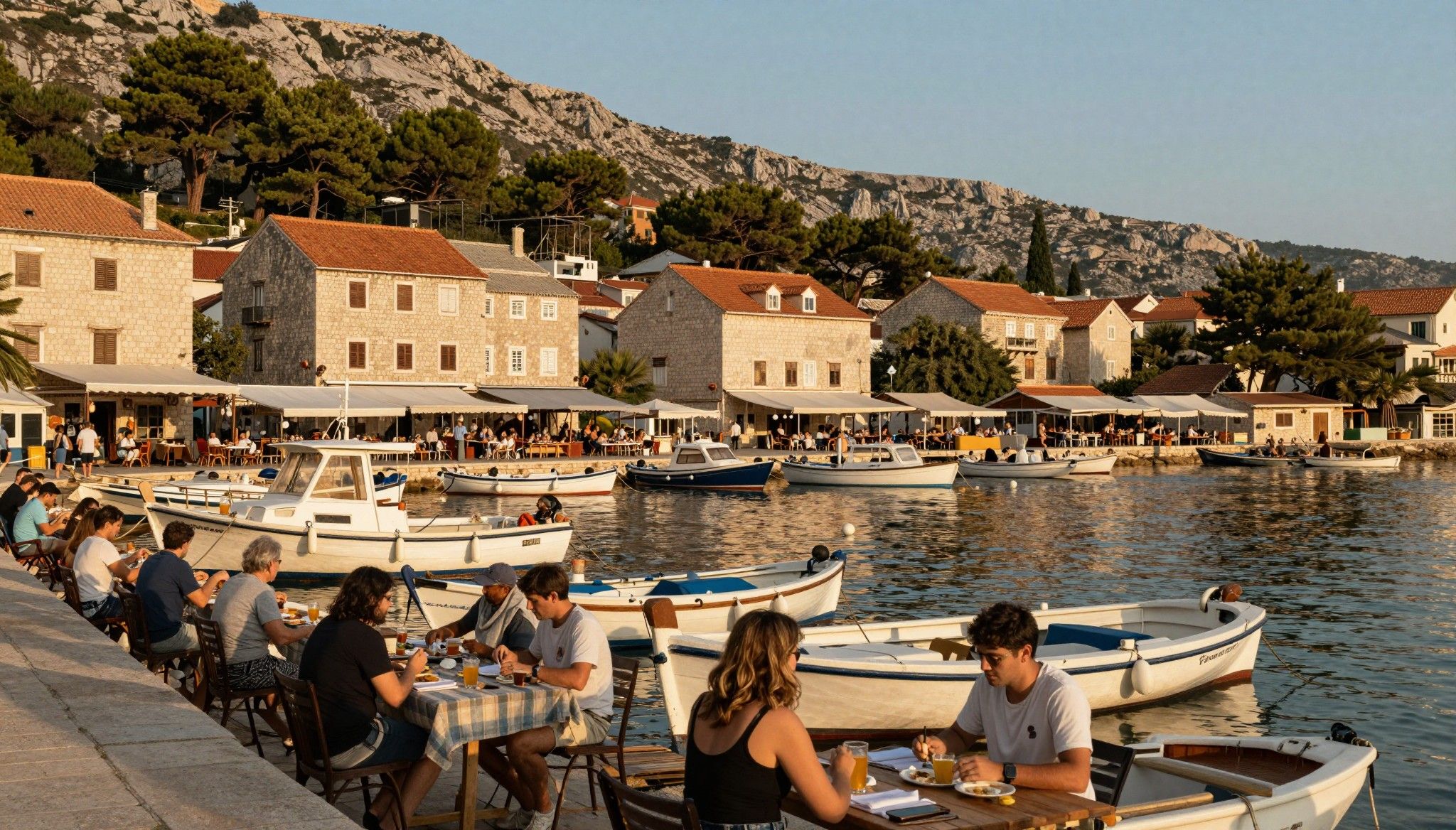
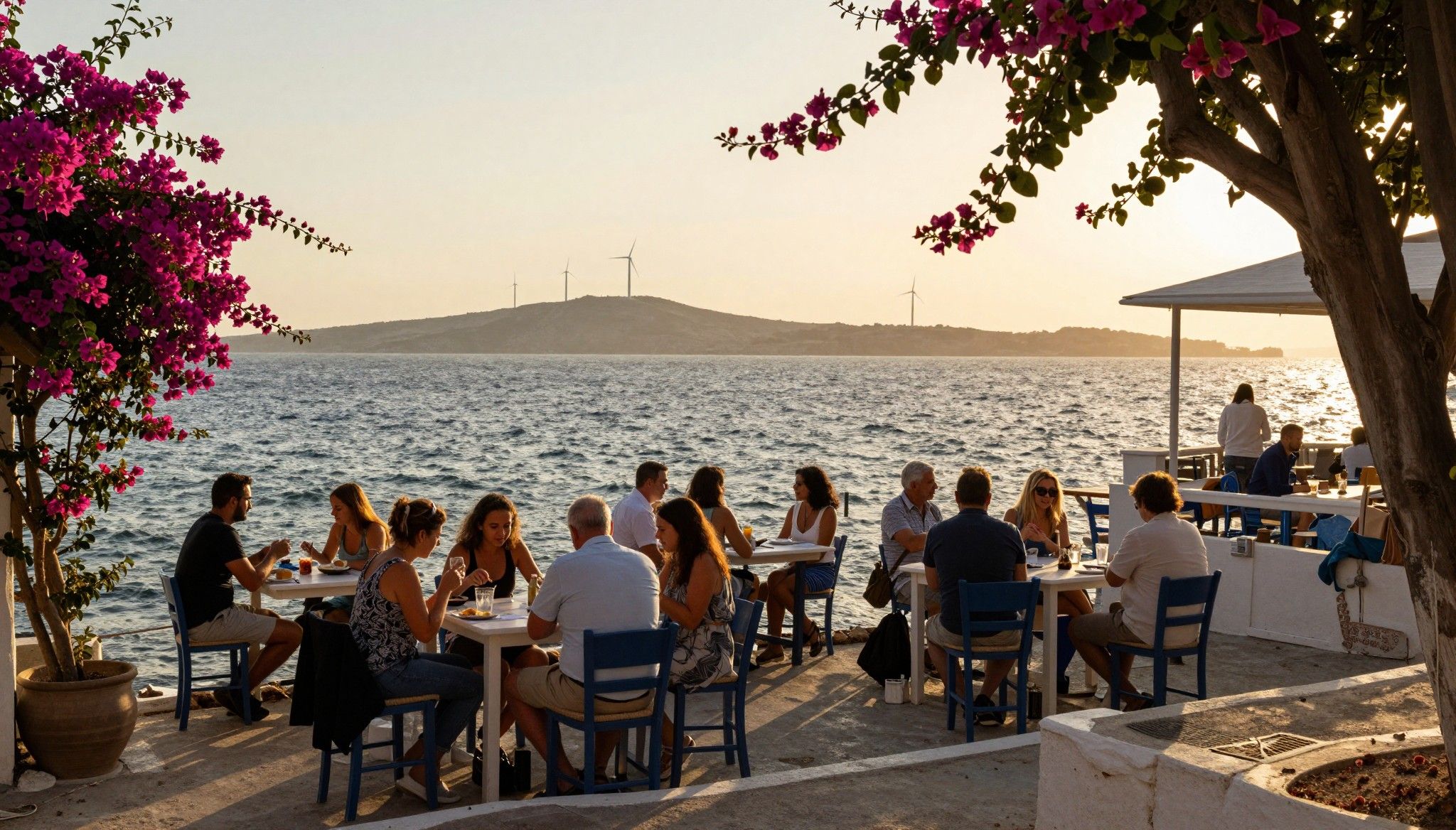
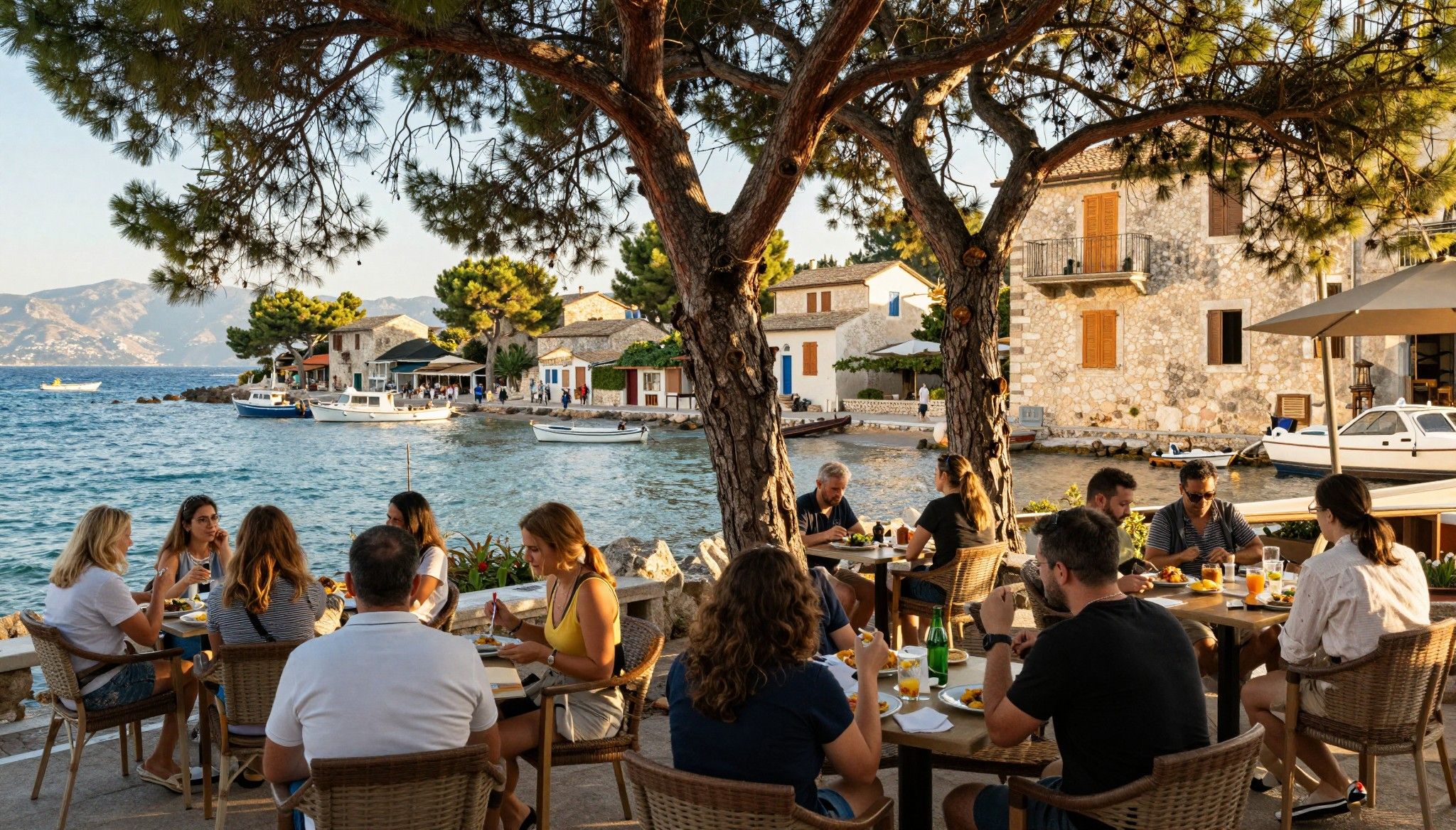
Imagine waking to the sea-salt air on a sun-warmed terrace in Split, then wandering through a morning market in Dolac in Zagreb, buying figs from a woman who remembers your name. Croatia feels like a stitched map of terracotta roofs, olive groves and pine-forested coves — a place where daily rhythms move between cafe-lined promenades and quiet inland orchards. But loving a place and owning a property here can feel different: local paperwork, reciprocity rules for non-EU buyers, building permits, and cadastral quirks all matter. This guide stitches lifestyle with hard-won due diligence so you arrive prepared and rooted.
Living Croatia: the small pleasures that shape choice
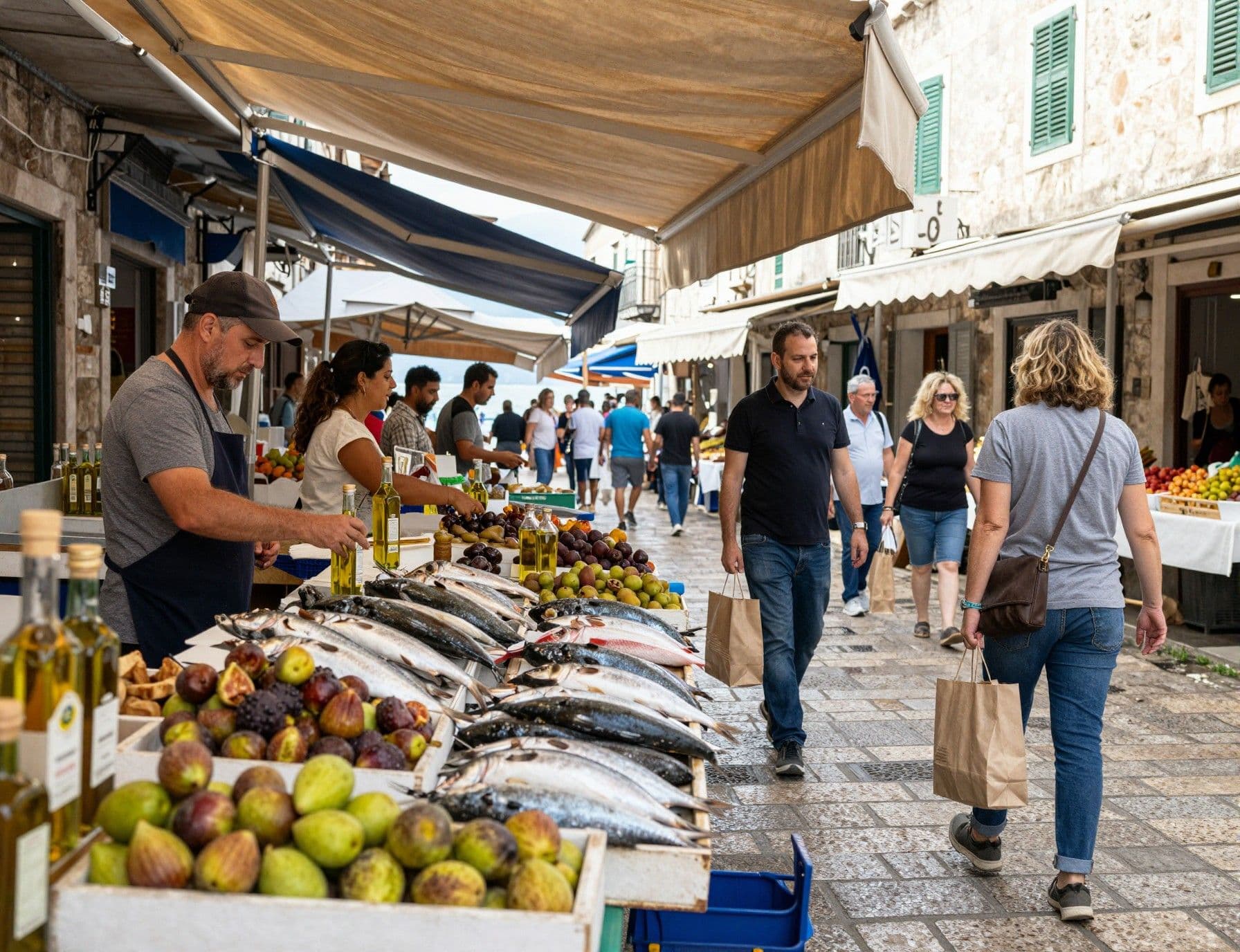
Croatia is a place defined by micro-communities. In Dubrovnik’s Old Town the day unfolds around stone stairways, evening light and slow seafood suppers; on Istria’s hilltops, truffle hunters and winemakers set the rhythm. Inland, towns like Šibenik and Trogir keep market mornings and church bells, while the islands — Hvar, Vis, Brač — trade bustle for a quieter cadence. Knowing which cadence you want will shape whether you pursue a coastal apartment, a stone village house, or a restored farmhouse among vineyards.
Neighborhood snapshots: where life happens
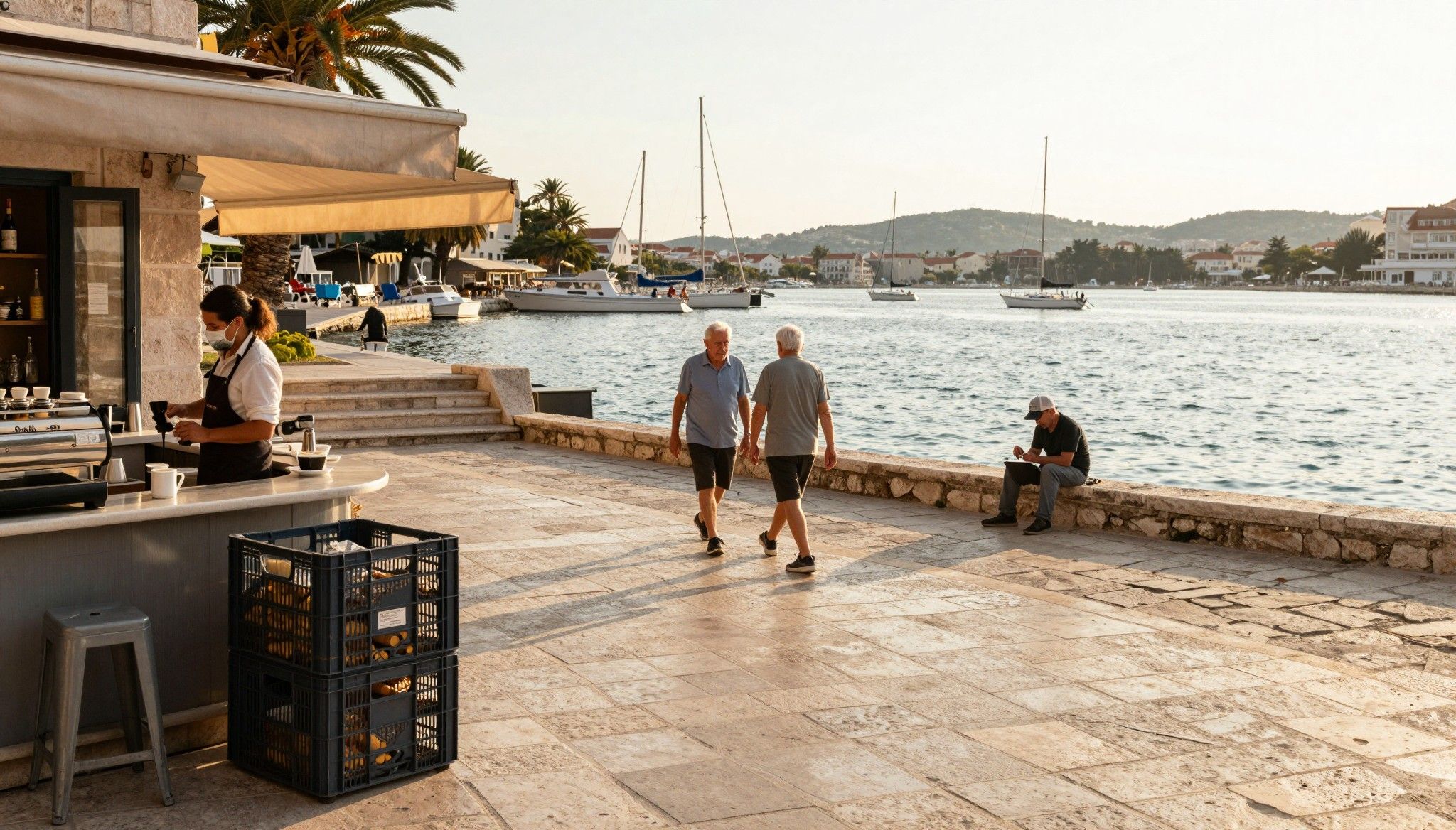
Split’s Varoš offers steep lanes, rosemary-scented courtyards and café tables where fishermen gossip; Zagreb’s upper town (Gornji Grad) mixes lazy afternoons at vintage bookshops with tram-side bistros. On the Istrian coast, Rovinj’s artful cobbles invite long walks, while Konavle’s inland villages give you olive oil producers and a slower calendar. These are not abstract labels — they determine whether your mornings are market-based, your evenings social, and whether neighbours will be year-round locals or seasonal visitors.
Food, markets, and season — how tastes pick your place
Picture a weekend where you forage for olives, bring home fresh sardines from the fish market, and close the day with a glass of plavac mali on a harbour-side stone bench. These routines matter for property selection: proximity to markets, good terraces for drying figs, and kitchens suited to slow, seasonal cooking. Practically speaking, Lisbon-sized grocery options are rare in smaller towns, so think about storage, deliveries, and whether you crave year-round access to fresh produce.
- Morning markets in Dolac (Zagreb); fish stalls at Split’s Riva; truffle routes around Motovun; Konavle olive presses; evening promenades along Rovinj harbour; island bakeries on Brač
Making the move: permits, paperwork and the reciprocity test
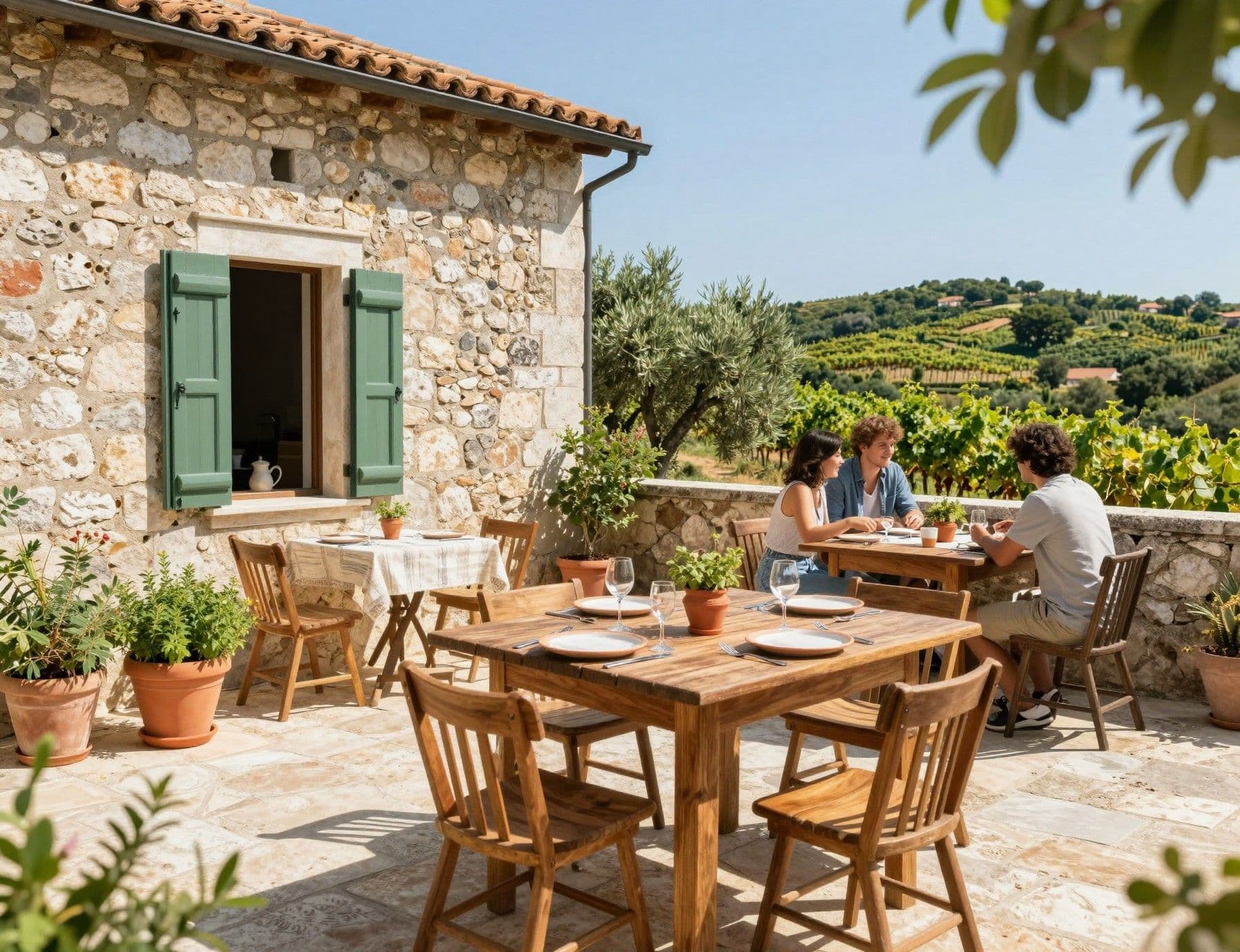
The romance of a stone house can run headlong into Croatian formalities. EU/EEA citizens generally buy under the same conditions as Croatians, but non-EU buyers face the reciprocity rule: Croatia allows non-EU nationals to buy only if their home country offers equivalent rights to Croatians. That means getting clarity early — sometimes ministerial approval, sometimes a simple registry step. Always confirm the current reciprocity status for your passport country before you fall in love with a plot.
Property registration, cadastre and why details bite
Ownership in Croatia is registry-centric: the sale isn’t final until your right is entered in the land registry. Building permits, use permits and energy certificates matter — a charming seaside structure without appropriate permits can become a costly headache. Expect to verify past permits, boundary lines in the cadastre, and whether the property appears in a single or combined land parcel. Good local lawyers and surveyors are non-negotiable insurance.
Practical checklist: pre-offer checks that save months
- Confirm reciprocity or required approvals; obtain certified extract from land registry and cadastral map; verify existence of building and use permits for all structures; check tax authority valuation and outstanding liens; order a local surveyor report confirming boundaries and any unregistered structures.
Insider knowledge: the sustainability signals and local traps
Sustainability here isn’t only about solar panels — it’s about stone walls that temper heat, terraces that harvest rain, and olive groves managed for biodiversity. Look for properties with south-facing terraces for passive solar gain, thicker stone walls for natural insulation, and legal space for small renewables. Conversely, watch for properties on coastal parcels where septic systems fail modern standards or where tourist-season short-term rentals have altered neighbourhood character.
What expats wish they'd known: real and human angles
Expats often expect paperwork to be a final barrier; the unexpected ones are social: noisy summer neighbours, building works in tourist hotspots, or the slow seasonal pulse of shops. Learn a few Croatian phrases, frequent a local konoba, and meet your future neighbours. Those relationships often surface hidden local risks (an unpermitted extension, a disputed boundary) before lawyers do.
- Practical tips from residents and agents: visit out of season; ask about winter heating and insulation; check water supply reliability; verify internet speed for remote work; meet local mayor or municipal official about plans for development.
Remember: buying does not equal right to live unrestricted. Property ownership rarely confers automatic residence — plan residency or long-stay permits separately. If you intend to rent, be mindful of local regulations and tax reporting. Local agencies that understand seasonal life and ecological stewardship can help align what you want to do with what the law, and the land, allow.
If the idea of living among olive groves, perched churches and a harbour that knows your name excites you, begin with curiosity and caution in equal measure. Start by visiting outside high season, ask for certified registry extracts, and engage a Croatian lawyer and surveyor before any deposit. Let local agents show places that match how you want to live — not just what looks picturesque online. Sustainability, community and paperwork can coexist; when they do, the result is a life that feels both rooted and restorative.
Dutch property strategist who helped 200+ families find sustainable homes in southern Europe; expert in legal pathways and long-term stewardship.