Cyprus: Lifestyle‑First Due Diligence — Permits, Title & VAT
Fall in love with Cyprus — then protect it. Lifestyle-first due diligence for international buyers: permits, title checks, VAT rules and on-the-ground tips backed by official guidance.
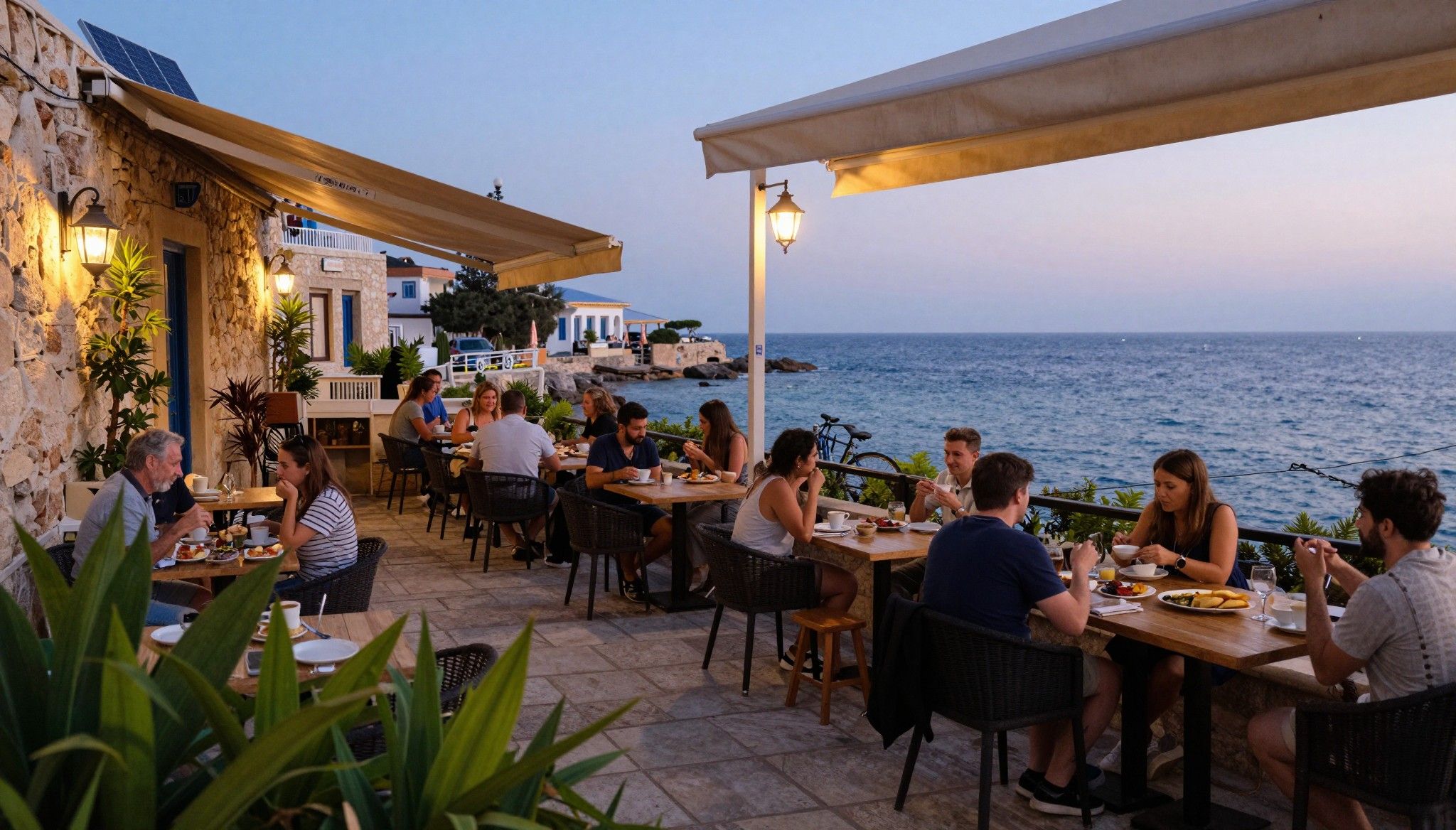
Imagine waking to the smell of citrus and sea salt, stepping out to a café table on a narrow street in Limassol, and knowing the house you bought is built of local stone, shaded by mature carob trees and wired for solar. For many international buyers, Cyprus begins as a feeling — sun-warmed terraces, slow-market markets and walled villages — and then becomes a web of checks, permits and paperwork that decides whether the feeling lasts. This guide mixes place-first stories with the concrete due-diligence steps international buyers must take to protect both lifestyle and investment. (Recent market analysis shows shifting rules around non-EU purchases and tax treatment that make careful checks essential.)
Living Cyprus: place, pace and seasonal rhythms
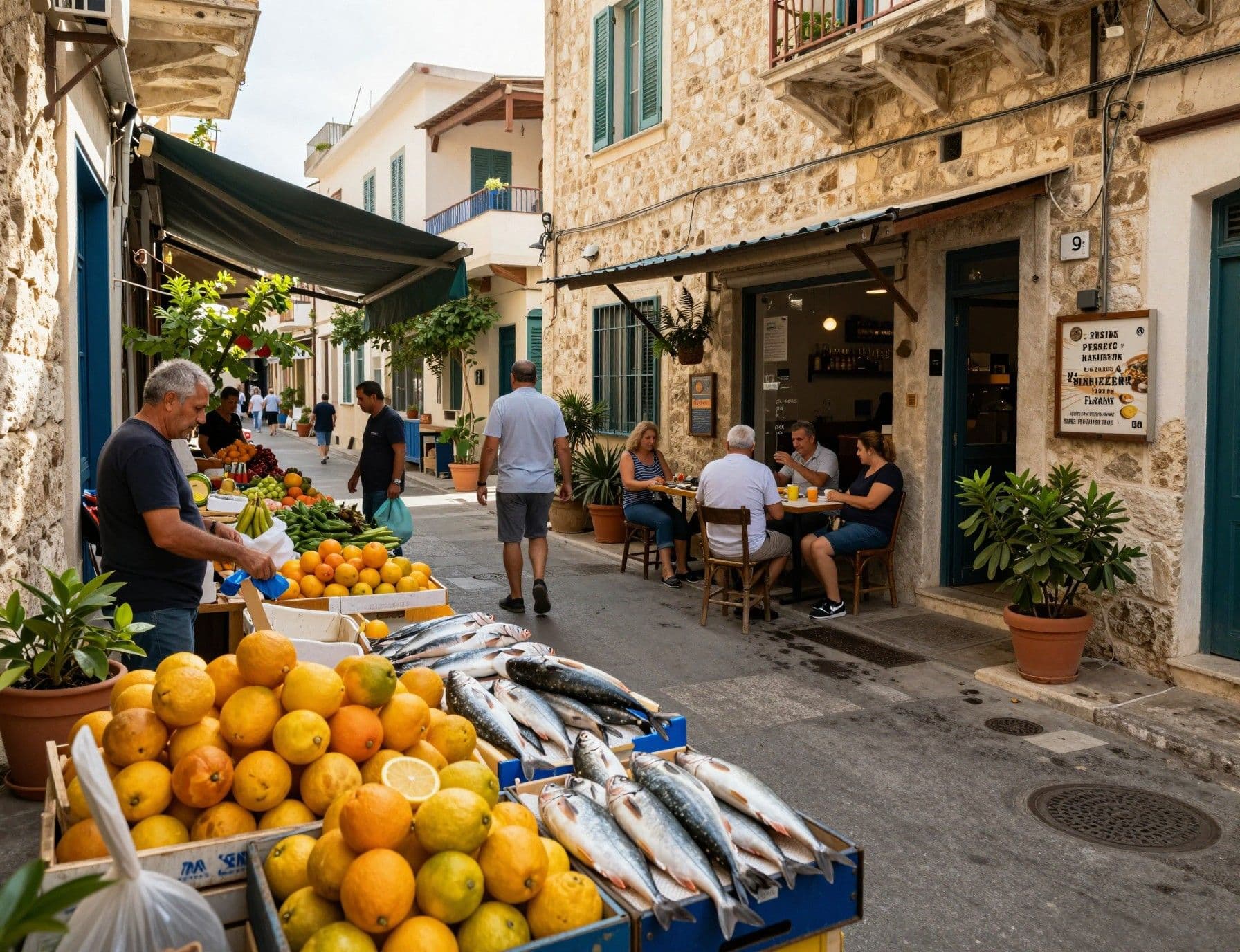
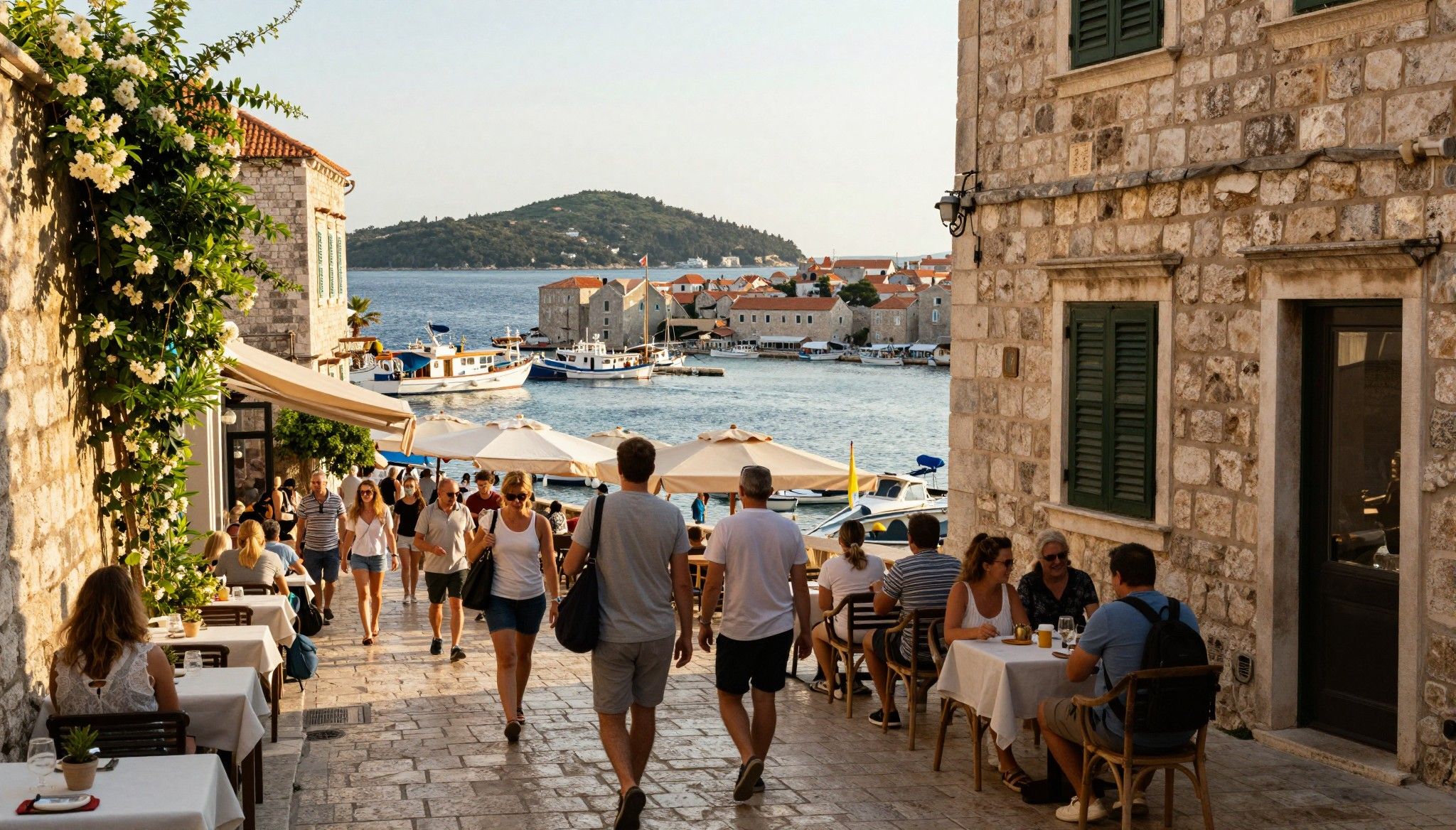
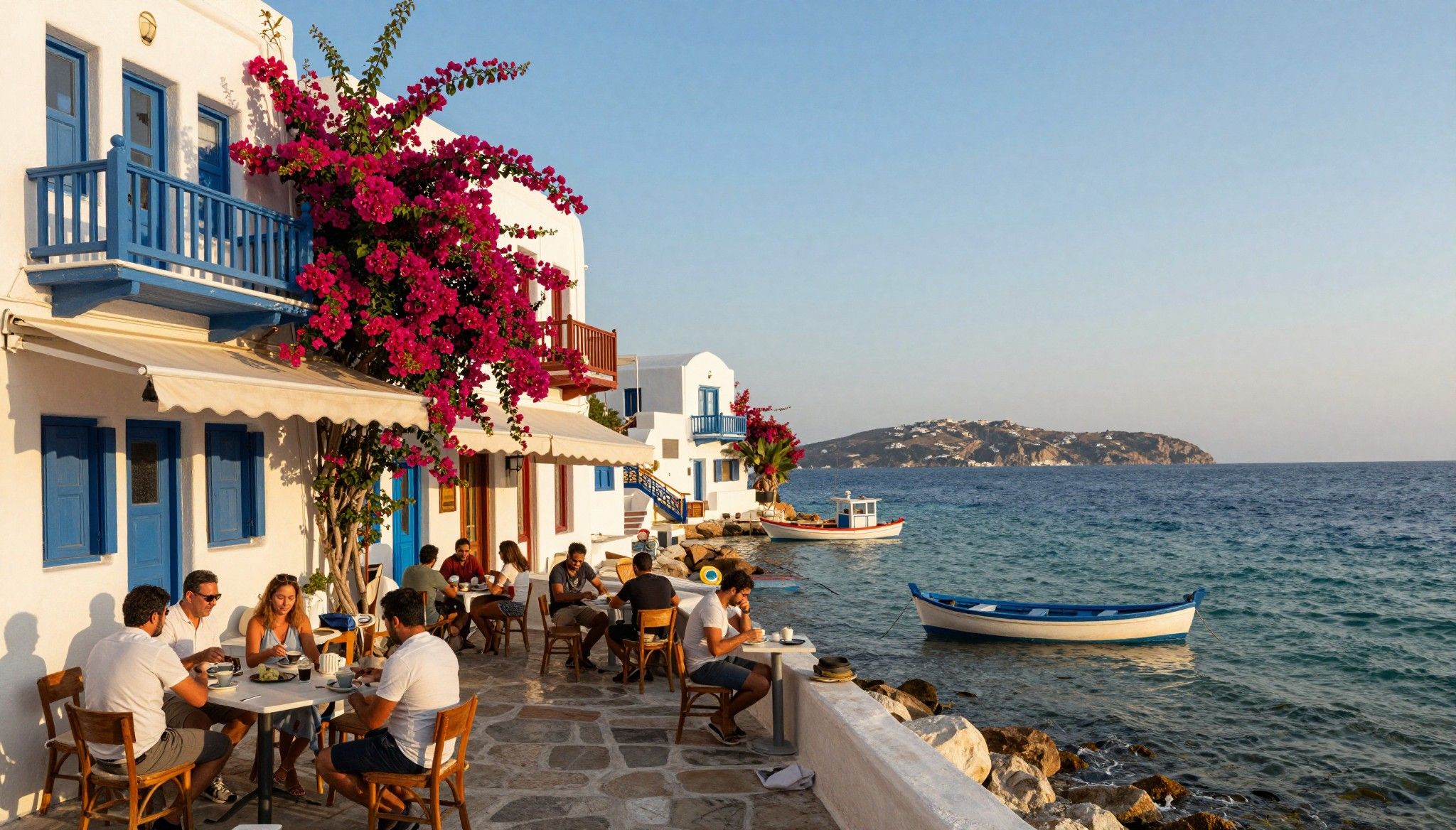
Cyprus feels simultaneously Mediterranean and idiosyncratic — a place where coffee rituals meet mountain villages and seaside promenades. Mornings begin in local kafeneions with strong espresso and halloumi breakfasts; evenings end with mezze shared slowly, olive oil still gleaming on bread. The environment is generous: wild orchids inland, rocky coves along the Akamas, and pine-scented trails around Troodos. Sensing how seasons shape life — heat-dulled afternoons in August, blossoming almond trees in February — will change the property you look for and how you use it.
Neighborhood snapshots: Limassol, Larnaca, Paphos and the Troodos hinterland
Limassol hums with seaside living and a growing green-construction scene; look for restored stone houses in Agios Athanasios and quieter lanes near Germasogeia where terraces and native gardens matter. Larnaca offers a gentler coast life with a tight-knit old town (Finikoudes) and emerging eco-developments. Paphos mixes archaeology and coastal calm — Peyia and Kissonerga still hide quieter coves and old village lanes. For slow living, small villages around Troodos (like Kakopetria) reward buyers seeking climate moderation, access to chestnut forests and traditional stone construction.
Food, markets and daily rituals that make a house feel like home
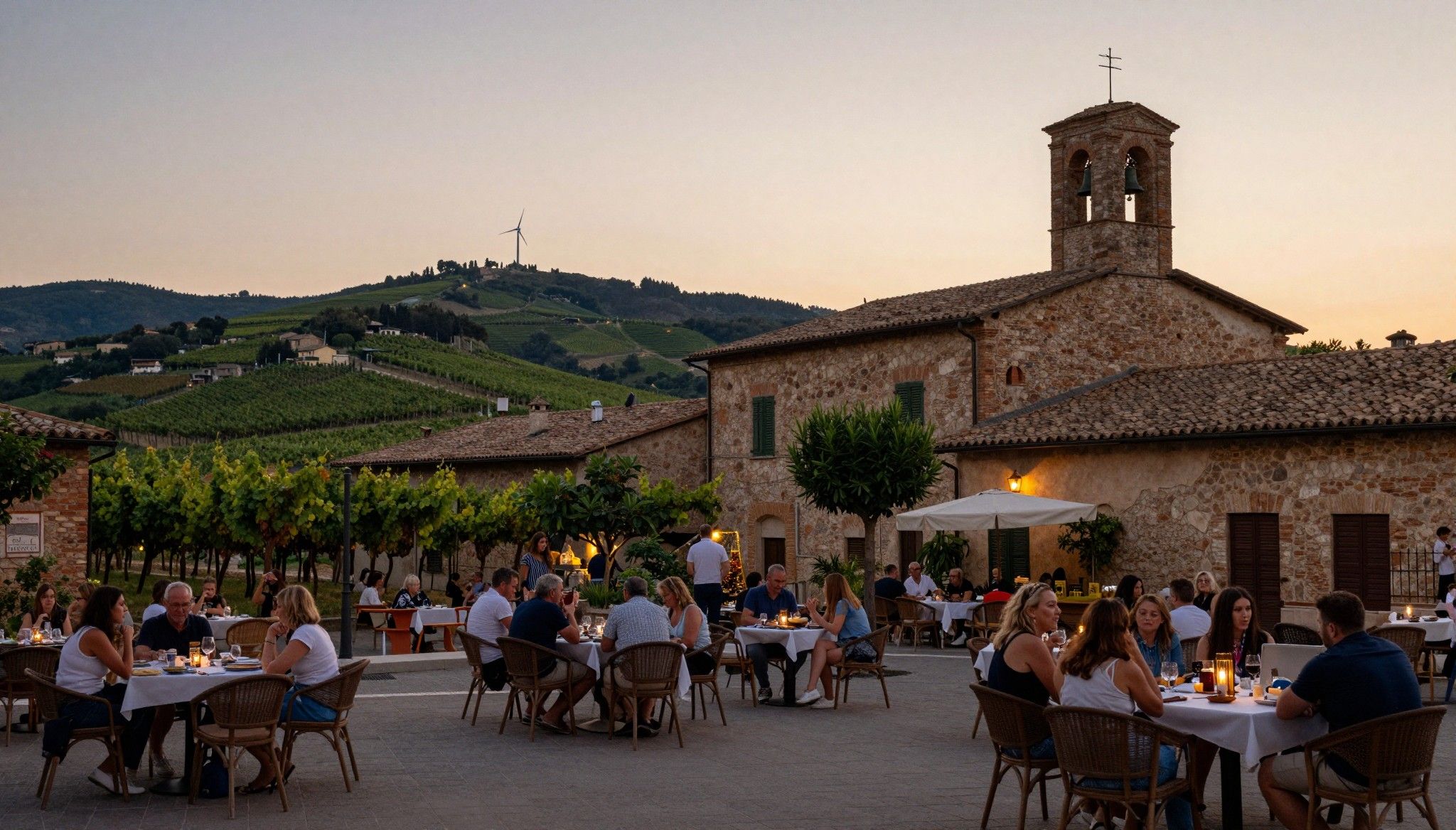
Weekends in Cyprus are sensory maps: the Nicosia municipal markets where citrus and wild thyme are bargaining tools, fishmongers unloading early in Paphos harbour, and village fetes where elders still trade gardening tips. If you picture yourself cooking with a neighbourhood olive press or buying halloumi from the same vendor every week, choose properties with adequate storage, a cool pantry, and outdoor cooking spaces designed for slow meals. These small choices — a shaded courtyard, a cistern, a north-facing cellar — materially change daily life.
- Morning espresso in Limassol’s Agios Nikolaos; evening swims at Lara Bay; buying citrus from Larnaca’s market; hiking Troodos chestnut trails; aperitivo on Paphos’ old harbour.
Making the move: practical considerations that protect lifestyle
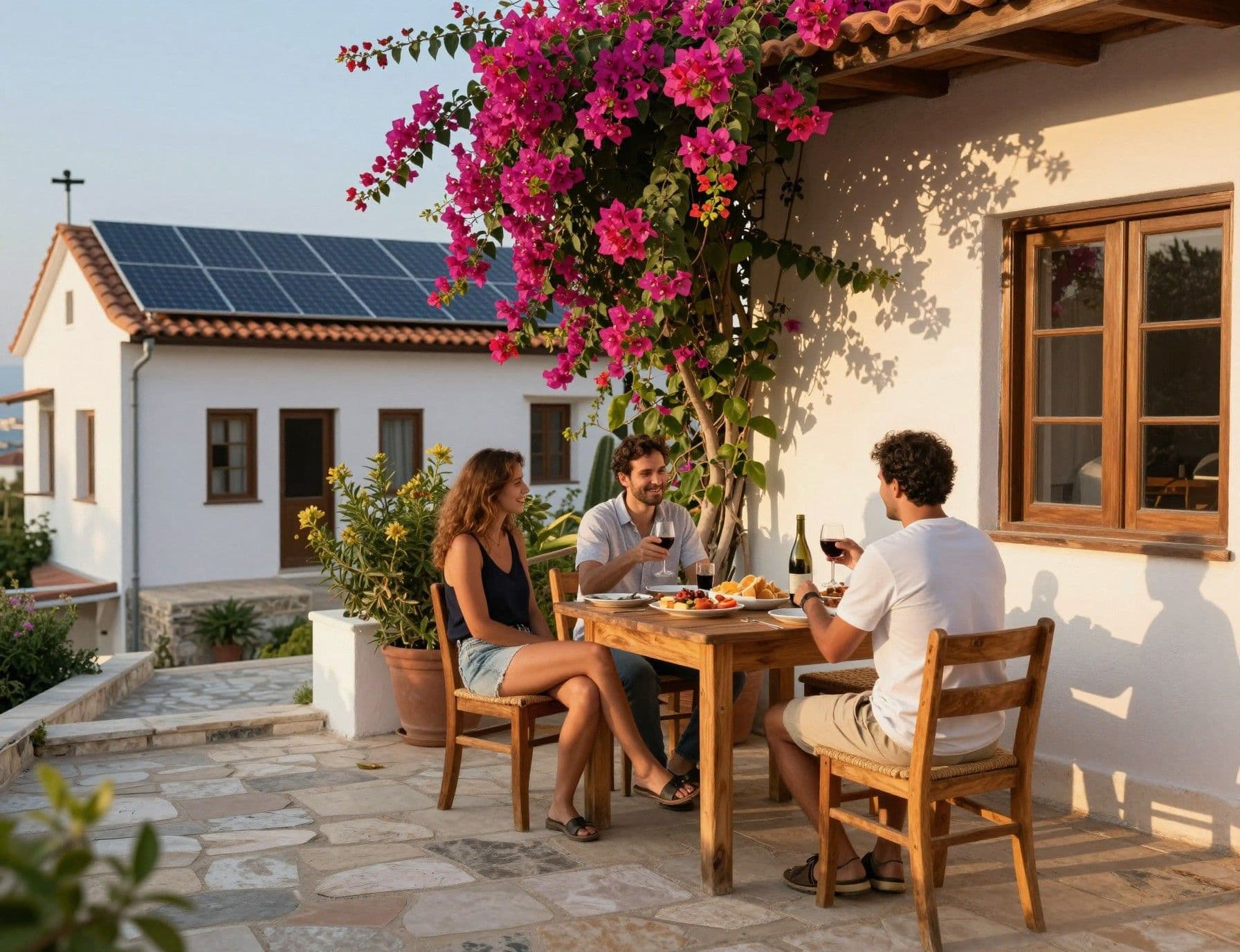
The dream of patios and olive groves must meet local rules. Non‑EU buyers cannot assume free rein: Cyprus law still requires permissions for many third‑country nationals and the District Administration and other bodies play a role in approvals. Equally important are planning and building permits, confirmation of clear title, and VAT versus transfer‑fee treatment on new builds — each of which affects both upfront cost and your long‑term stewardship of the property.
Property styles & what they mean for sustainable living
Stone village houses reward slow, low‑energy living — thick walls and shaded courtyards reduce cooling needs — but check the condition of roofs, insulation and electrical wiring before buying. New coastal developments often include communal pools and modern glazing which can raise energy use unless offset by PV panels or passive shading. When viewing a property, ask about orientation, existing solar installations, greywater systems and native landscaping; these shape monthly costs and the lived ecology of the home.
Working with local experts who protect lifestyle and legal standing
A local lawyer plus an architect or chartered surveyor should be your first hires. Lawyers verify title, check for encumbrances, and manage District Administration permissions for non‑EU buyers; surveyors verify planning compliance and structural integrity. Find agents who genuinely know the neighborhood — the cafes, the seasonal noise, the local council — rather than only selling product. That local knowledge often uncovers simpler, greener homes that big developers overlook.
- 1) Commission an English-language title search and encumbrance report. 2) Order a site inspection focused on insulation, roof, and water systems. 3) Confirm whether VAT applies (new build) or transfer fees do — VAT can mean no transfer tax. 4) For non‑EU buyers, initiate the District Administration permission early; expect weeks to months. 5) Ask for recent utility bills and any homeowners’ association rules; communal fees can be significant.
Insider knowledge: what expats wish they’d known
Some buyers arrive surprised by the bureaucracy; others misread the ‘pricey’ label and miss affordable, stewardship-friendly corners where old farmhouses offer garden space and local produce. Recent governmental and parliamentary debate about limiting non‑EU purchases in some districts means diligence is not just paperwork — it is timing. Contracts filed but not completed can still be caught in changing rules, so get early legal counsel and consider conditional clauses that protect deposits if a permit is refused.
Cultural cues and everyday integration
Language is forgiving — many Cypriots speak English — but social life is local. Expect neighbourhood rituals (market days, church festivals) to anchor relationships. Respect for communal rhythms — late lunches, siesta-like quiet in hot afternoons, and long family dinners — helps you become part of the fabric and makes property management easier; neighbours who know you are more likely to help with a broken pipe or recommend a trusted mason.
Looking ahead, think long-term stewardship: choose repairs and upgrades that lower running costs and promote biodiversity — native plantings, rainwater capture, efficient heat pumps and PV with battery storage. These investments make daily life quieter, cheaper and greener, and they often increase desirability in Cyprus’s maturing market where buyers now value low‑impact homes.
- Red flags to pause on: missing title deeds or only a filed contract; unclear planning permission for extensions; developer warranties that don’t include insulation or PV; disputed boundaries; and unusually cheap lots without road access.
If you fell in love with a shade-covered courtyard or a seaside balcony, protect that feeling with three practical next steps: hire a bilingual lawyer with title‑search experience, commission a sustainability‑aware surveyor, and ask your agent to draft conditional contract clauses tied to permit issuance. With those in place you can move from dreaming to stewardship — building a home that belongs to both you and the place.
Danish relocation specialist who moved from Copenhagen to the Algarve; supports families with seamless transitions, local partnerships, and mindful purchases.