Greece: Where Green Projects Meet Mediterranean Life
How Greece’s real lifestyle—markets, cafes, islands—and real green infrastructure (microgrids, solar pilots) combine to shape smarter, more durable property choices.
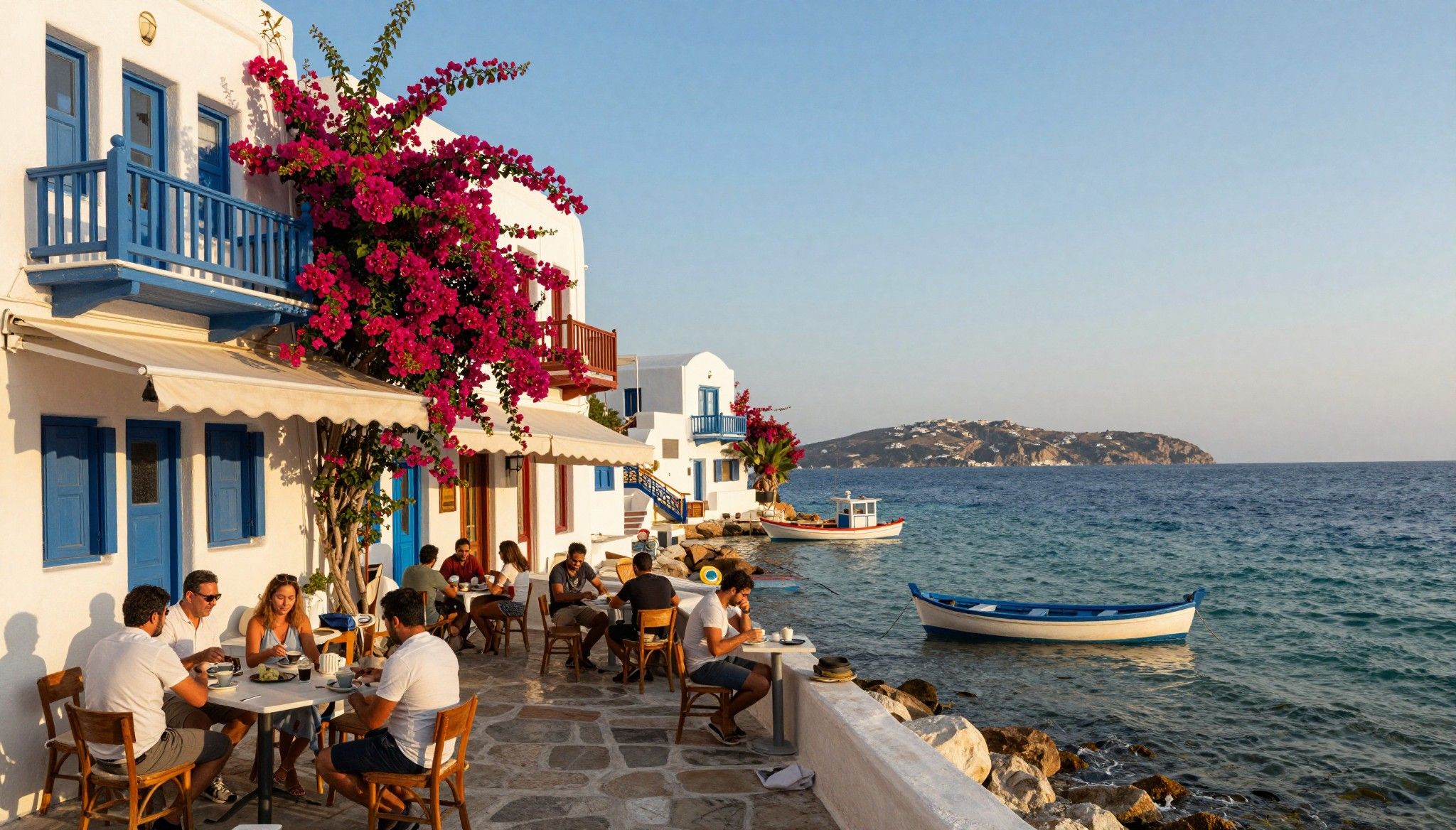
Imagine waking to the sound of church bells and sea wind, sipping an espresso outside a taverna on Drakou Street in Koukaki, or wandering a shaded olive grove in Chania while solar panels hum quietly on the barn roof. Greece offers that slow, sunlit rhythm—but beneath the postcard is a real story about green infrastructure reshaping where life feels easiest, most connected, and most future‑proof. Recent market analysis shows buyers are beginning to prize islands and regions that pair authentic Mediterranean life with tangible renewable projects and community energy initiatives.
Living the Greece lifestyle: mornings, markets, and microgrids
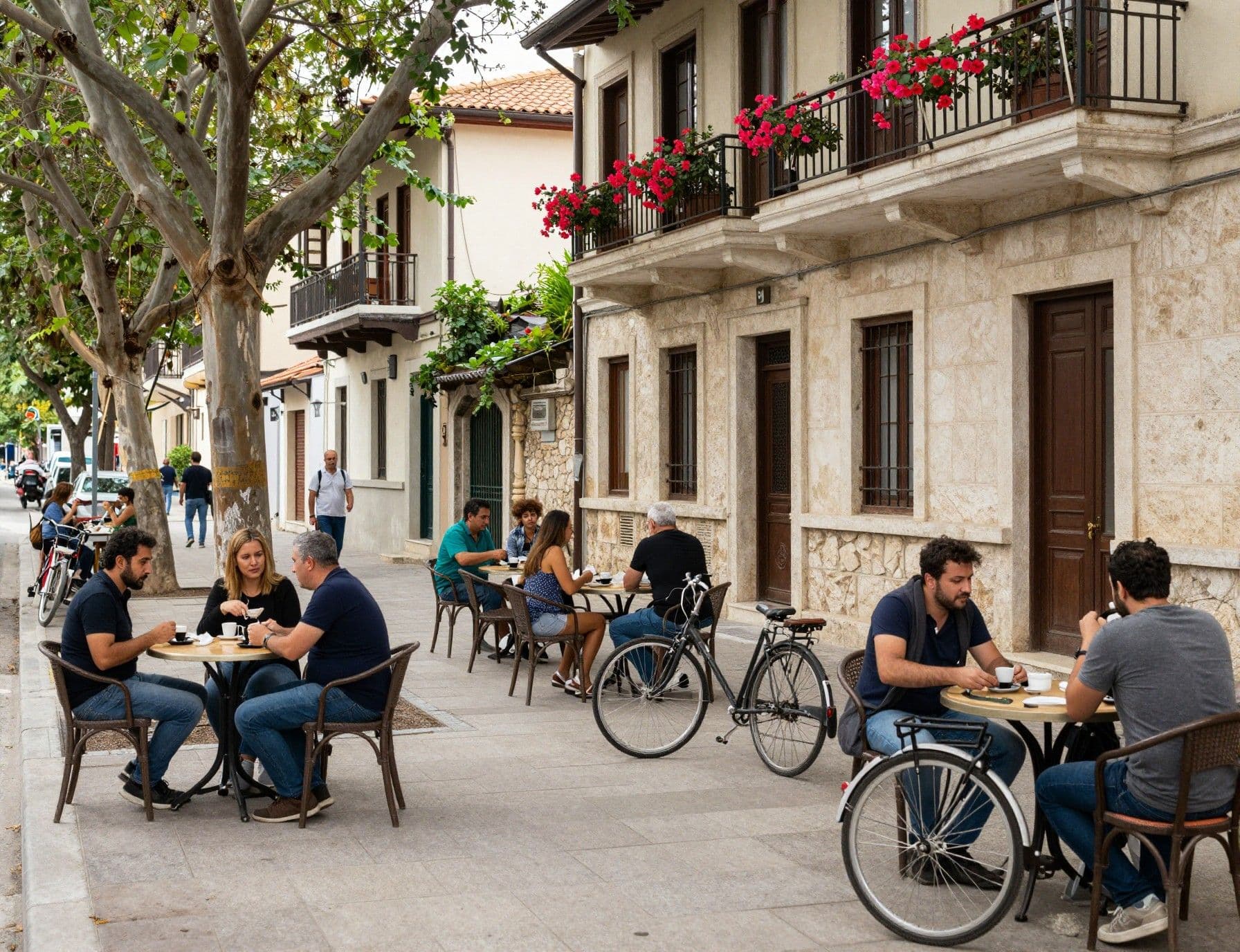
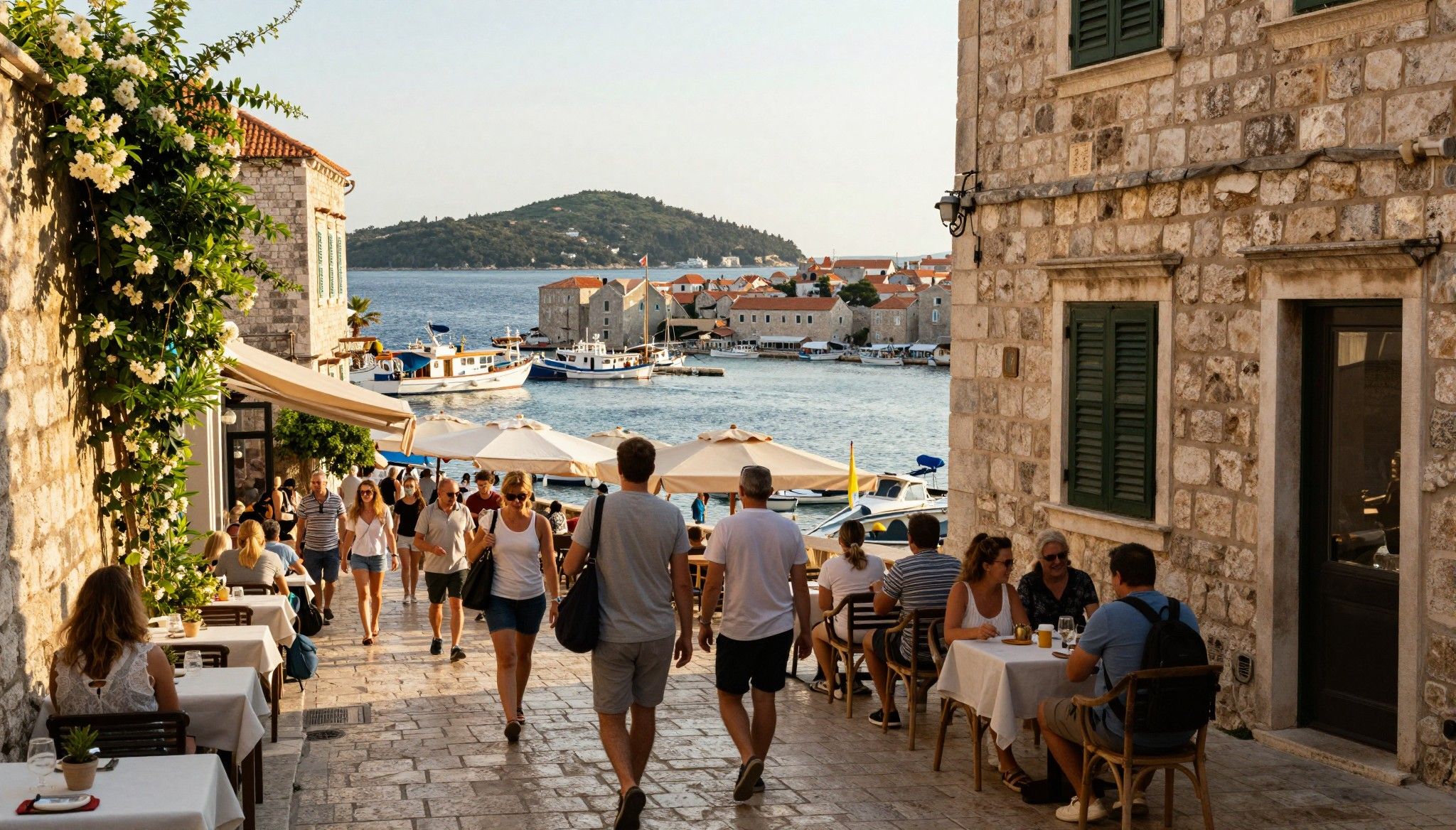
Walkable streets, daily markets, and a café culture that stages life outdoors—this is how many of us picture Greece, and for good reason. Neighborhoods like Koukaki in Athens put that vision within daily reach: espresso bars at sunrise, a neighborhood vegetable market on Fridays, and streets where shopkeepers know your name. That texture of local life is now layered with emerging green amenities: rooftop PV, rainwater catchment in restored courtyards, and community projects that make life both more sustainable and more affordable.
Koukaki, Athens — everyday charm with unexpected sustainability
Koukaki is quietly residential despite its proximity to the Acropolis. Picture narrow, plane‑tree lined lanes, small fish tavernas, and apartments with balconies full of herbs. For an international buyer who wants city life without tourist theatre, neighborhoods like this offer the best of communal urban living and practical green retrofits—condo-level solar boilers, compact composting, and courtyard gardens that cut summer heat and electricity use.
Islands and inland towns where green infrastructure is real
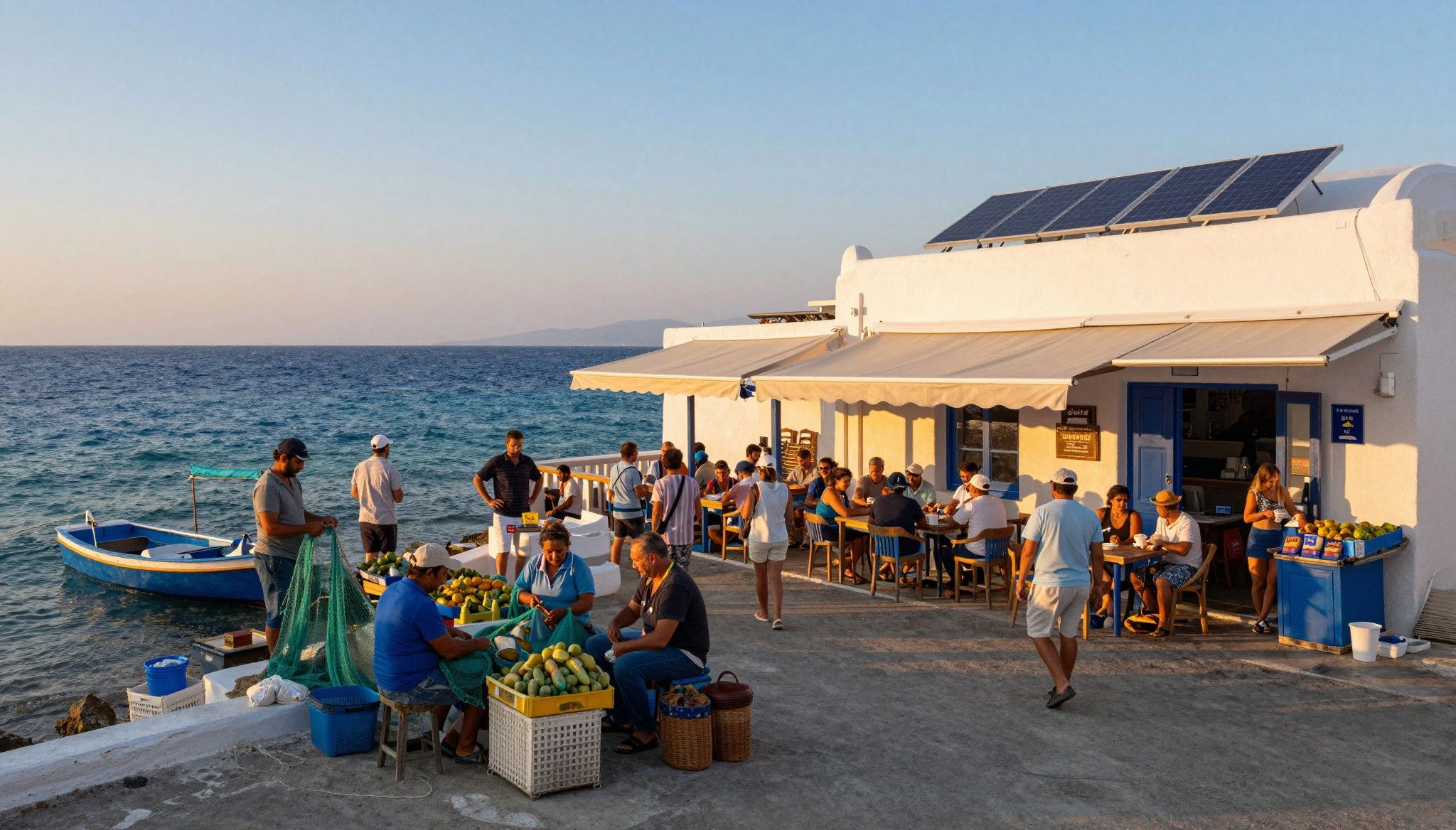
Look beyond the famous postcard islands and you’ll find pilots that matter: Chalki’s eco‑island model and Kythnos’s micro‑PV and desalination pilots are practical experiments in energy independence. They mean lower utility volatility, community engagement in energy decisions, and growing appeal to buyers who value running a home on clean power. For lifestyle‑minded buyers, these projects translate into predictable bills, more reliable water in summer, and properties that age more gracefully with the climate.
- Lifestyle highlights tied to green infrastructure:
- Morning espresso under plane trees — Koukaki’s Drakou Street cafes (local ritual and social safety).
- Community solar on Crete and Chalki — lower bills and shared stewardship models.
- Kythnos microgrid villages — quiet valleys with electrified summer homes and resilient service.
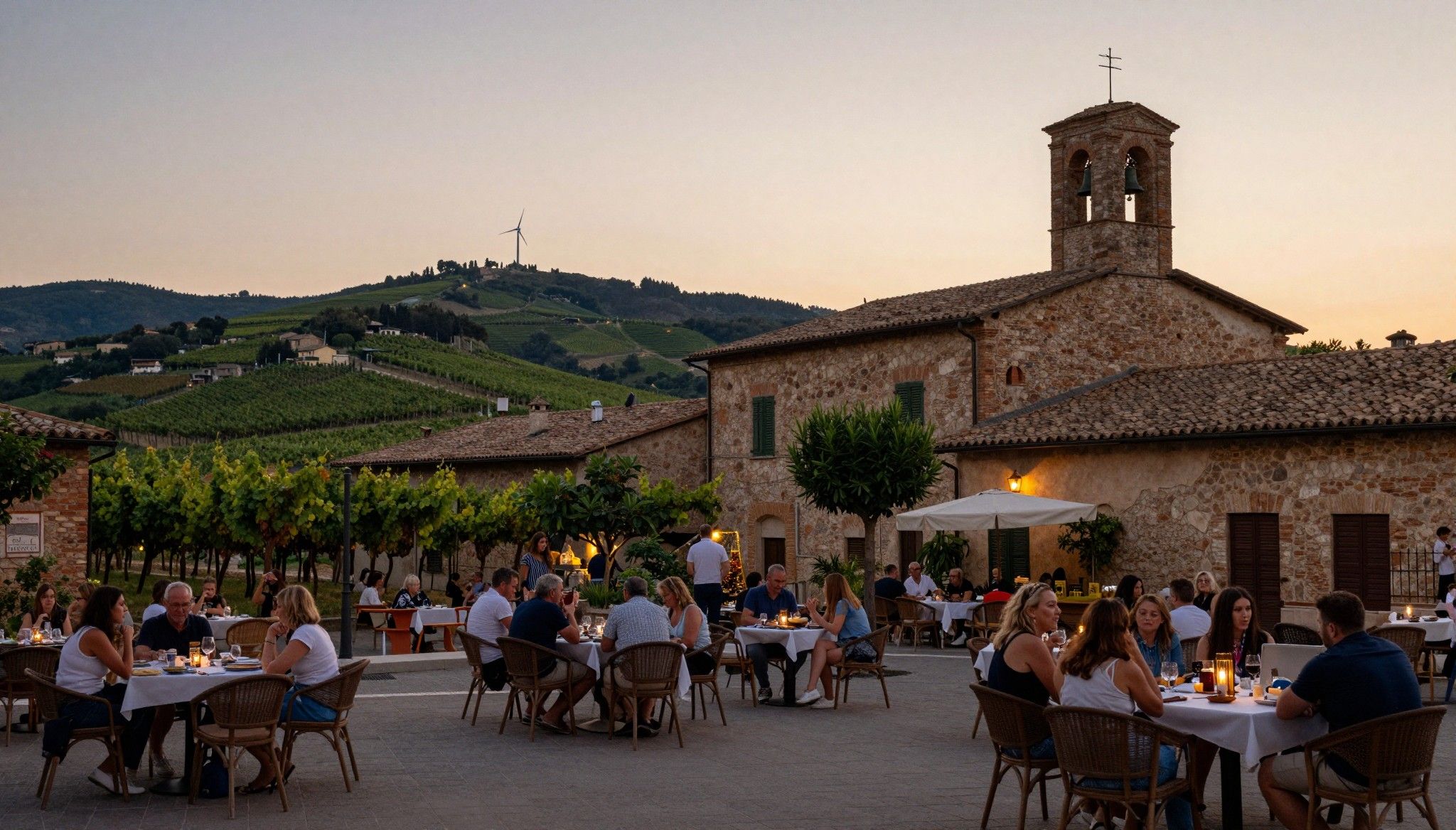
- Olive grove living in Chania — traditional stone houses retrofitted with heat‑reducing features and solar water heating.
Making the move: practical considerations that keep the dream grounded
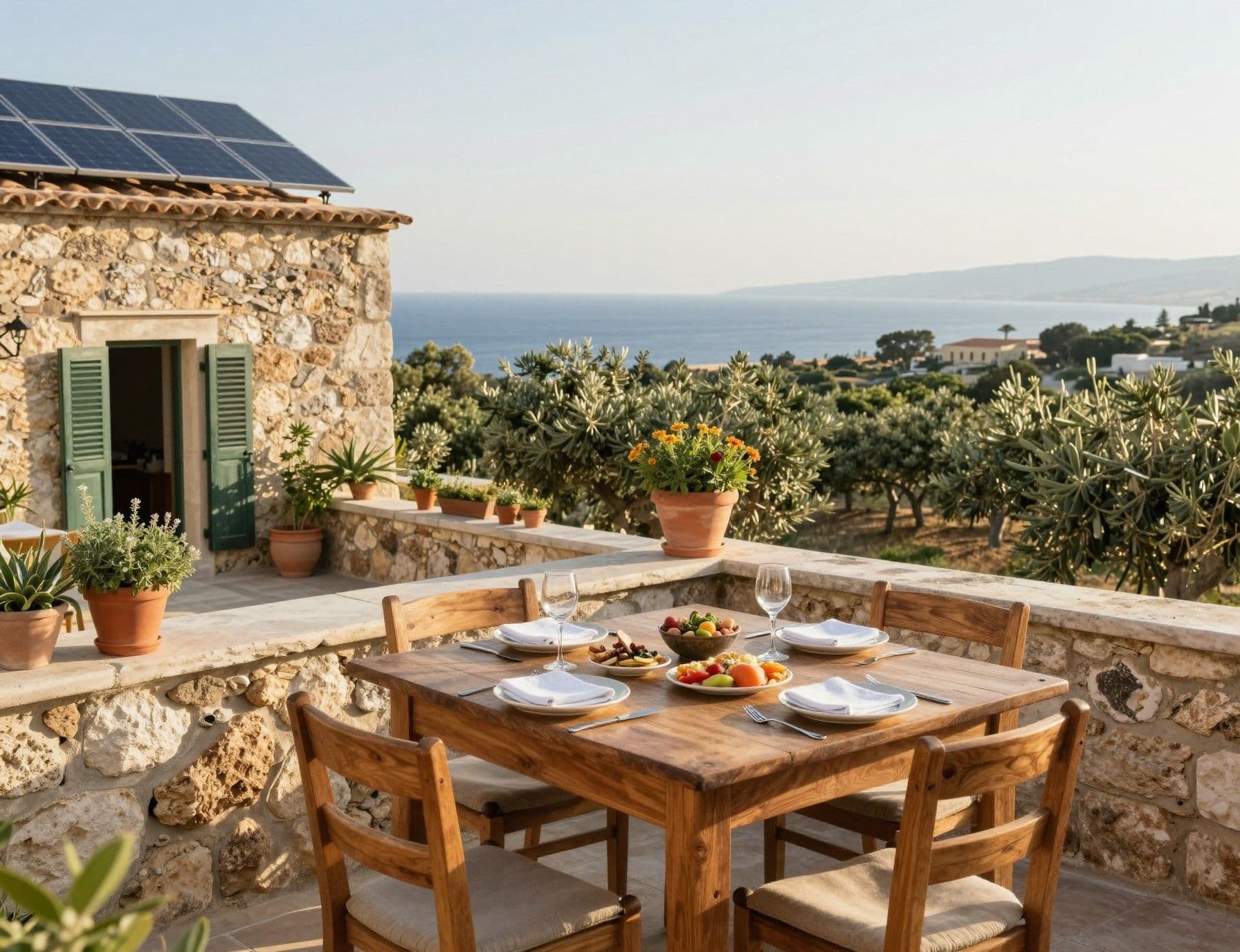
Daydreams of stone courtyards and sea views meet paperwork and infrastructure choices. Greece’s renewables rollout has accelerated—installed PV capacity climbed strongly in recent years—yet grid connection rules, permitting, and local municipality plans still shape what’s feasible for a private buyer. Factor in where public investment is heading: islands with funded microgrids or community projects (Chalki, Kythnos, parts of Crete) will often offer smoother transitions to solar‑first living.
Property styles and how they support green living
Traditional stone homes with thick walls and shaded courtyards are naturally cool; combine those features with modest PV, solar water heating, and passive ventilation and you have low‑maintenance, low‑energy living. New builds in Thessaloniki or Athens suburbs often include modern insulation and pre‑wired EV chargers—handy for buyers who want turnkey green tech. Choose a property type that matches how you want to live: village restoration for slow seasonal life, modern apartment for year‑round city rhythms, or a renovated farmhouse for regenerative garden projects.
Working with local experts who care about place
A local agent who knows which municipalities fast‑track roof PV permits, which coastal zones restrict retrofits, and which villages have active energy communities will save you time and heartache. Ask agencies about: recent green projects they’ve worked with, referrals to local installers, and lived examples of homes with integrated rainwater or greywater systems. The right advisor becomes a translator between your lifestyle vision and municipal reality.
- Six lifestyle‑meets‑practical steps when buying in Greece:
- Visit neighborhoods in two seasons (late spring and late autumn) to feel daily rhythms, water availability, and energy use patterns.
- Prioritize towns with active energy communities or funded microgrid pilots if stability of supply and predictable bills matter.
- Request recent electricity bills and municipal plans; compare them across properties to understand practical running costs.
- Budget for durable local materials and sympathetic retrofits—stone repointing, breathable lime plaster, and modest PV often outlast fad finishes.
- Interview local installers and community energy groups; ask for references and visit an operating system in person.
- Build a 5‑year stewardship plan: tree care, water conservation, and a phased renewable upgrade roadmap aligned to seasonal use.
Insider knowledge: what expats wish they’d known (and where myths break)
Common myths get you in trouble: “islands are always expensive” isn’t universally true—small, non‑touristy islands with green projects often have competitive pricing and better long‑term resilience. Conversely, central Athens pockets can see rapid price rises tied to urban renewal. Expat buyers tell us they underestimated seasonal service variations: summer brings vibrancy and strain, winter reveals community durability and where infrastructure truly performs.
Cultural integration and everyday living
Learn to live by the local clock: morning markets, long midday pauses, and late evening social life. Language matters for deep integration—learn basic Greek for market banter and neighbourliness—but many community energy groups and younger tradespeople speak English. Expect hospitality; you’ll be invited to share produce, a cup of coffee, and sometimes a repair tip for the olive press.
Long‑term lifestyle: how places age with green investment
Regions investing in clean energy and resilient water systems are becoming more than trendier—they’re more livable as seasons shift. Expect lower vulnerability to price shocks and a better tenant market if you rent. Over a decade, modest investments—insulation, solar water heating, community PV shares—change your daily life more than flashy finishes. For long‑term buyers, that slow transformation is the real payoff.
Conclusion: fall in love first, then choose the infrastructure that protects that feeling. Greece’s light, food, and neighborhood rhythms are irresistible; pairing that life with regions where green projects are mature makes the dream less fragile and more grounded. Start by visiting places in two seasons, ask agencies about local energy initiatives, and build a stewardship plan that lets your home grow into the landscape. When you buy that stone house with the sun on its tiles, you’ll be buying into a way of life—choose the one that runs on sunlight, community, and a quiet long‑view.
Swedish advisor who left Stockholm for the Costa Brava in 2019. Specializes in sustainable, sea‑view homes for Scandinavian buyers and green finance insights.