When the Riviera Sleeps: Off‑Season Green Opportunities
Explore why buying in France's off‑season reveals authentic neighbourhood life and greener, cost‑effective property opportunities backed by Notaires‑INSEE data.
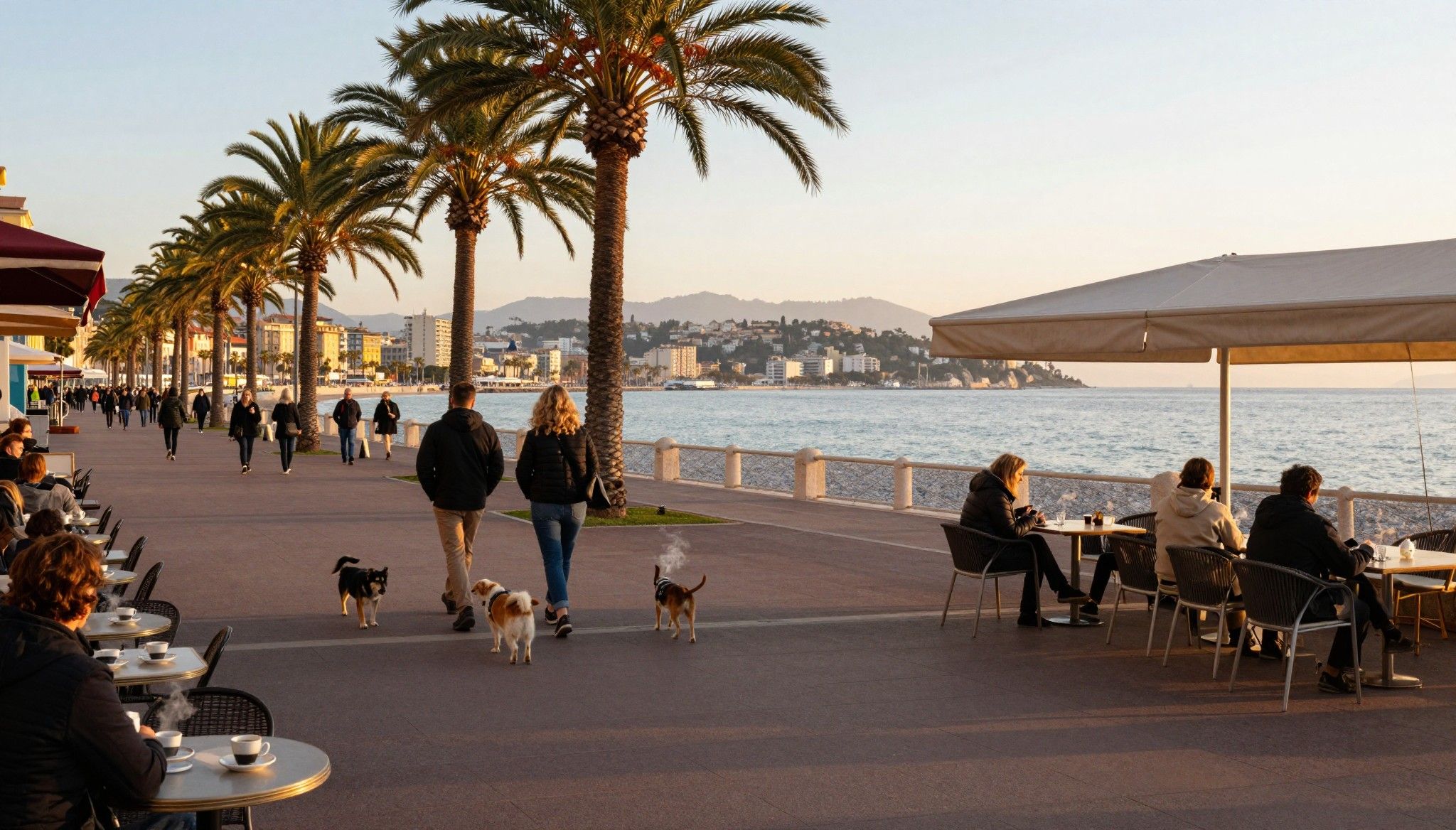
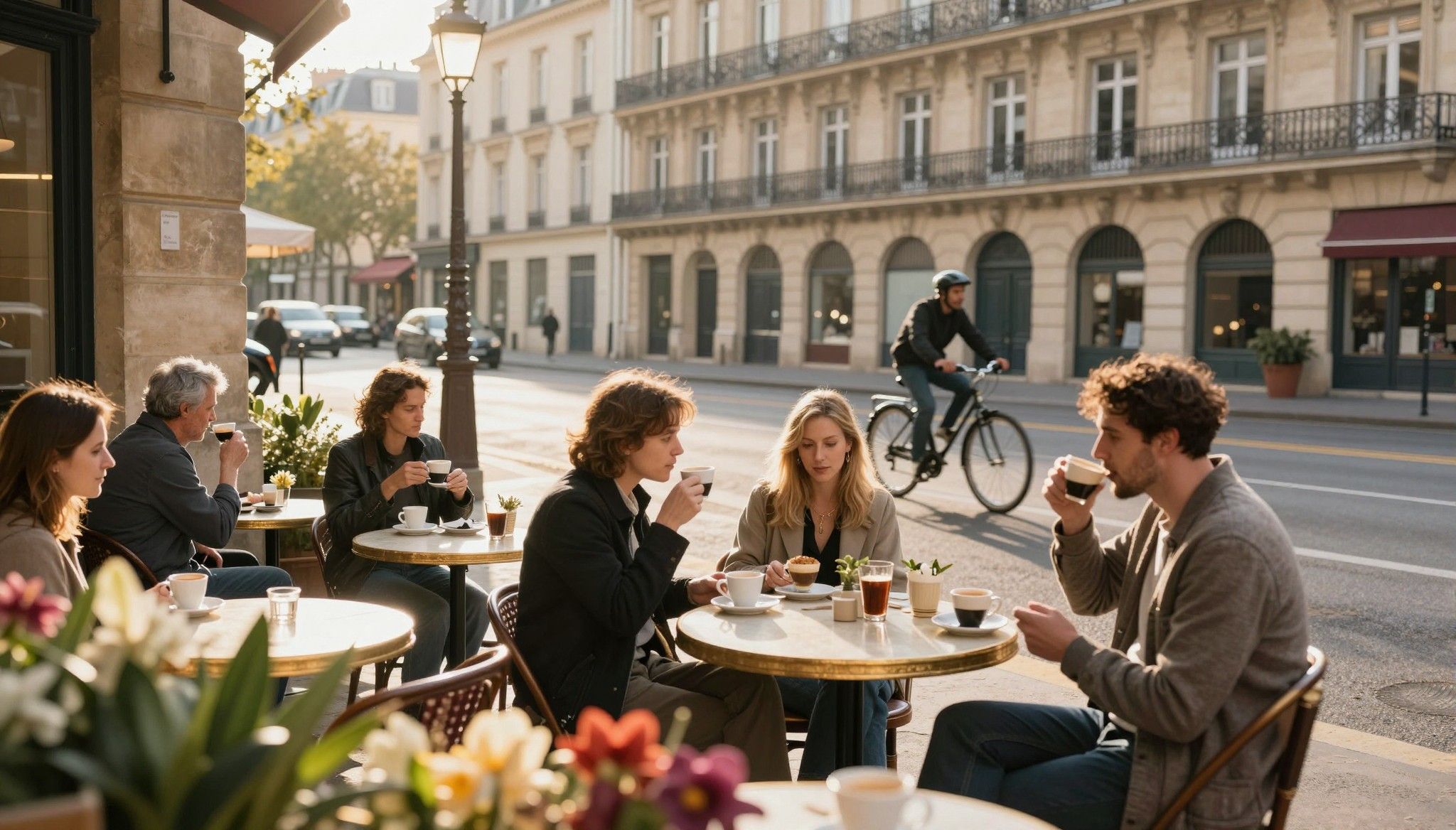
Imagine a Thursday morning in Nice in late October: market stalls smell of warm chestnuts and caught fish, a café on Rue Bonaparte pours espresso for a half-full terrace, and the light on the Promenade is soft and saline. That quieter season — when the Riviera exhales — is where many of France’s most honest property moments happen. For international buyers seeking a life that blends low‑impact living with authentic neighbourhood life, the off‑season rewrites assumptions about price, access and lifestyle.
Living the French life when the crowds leave
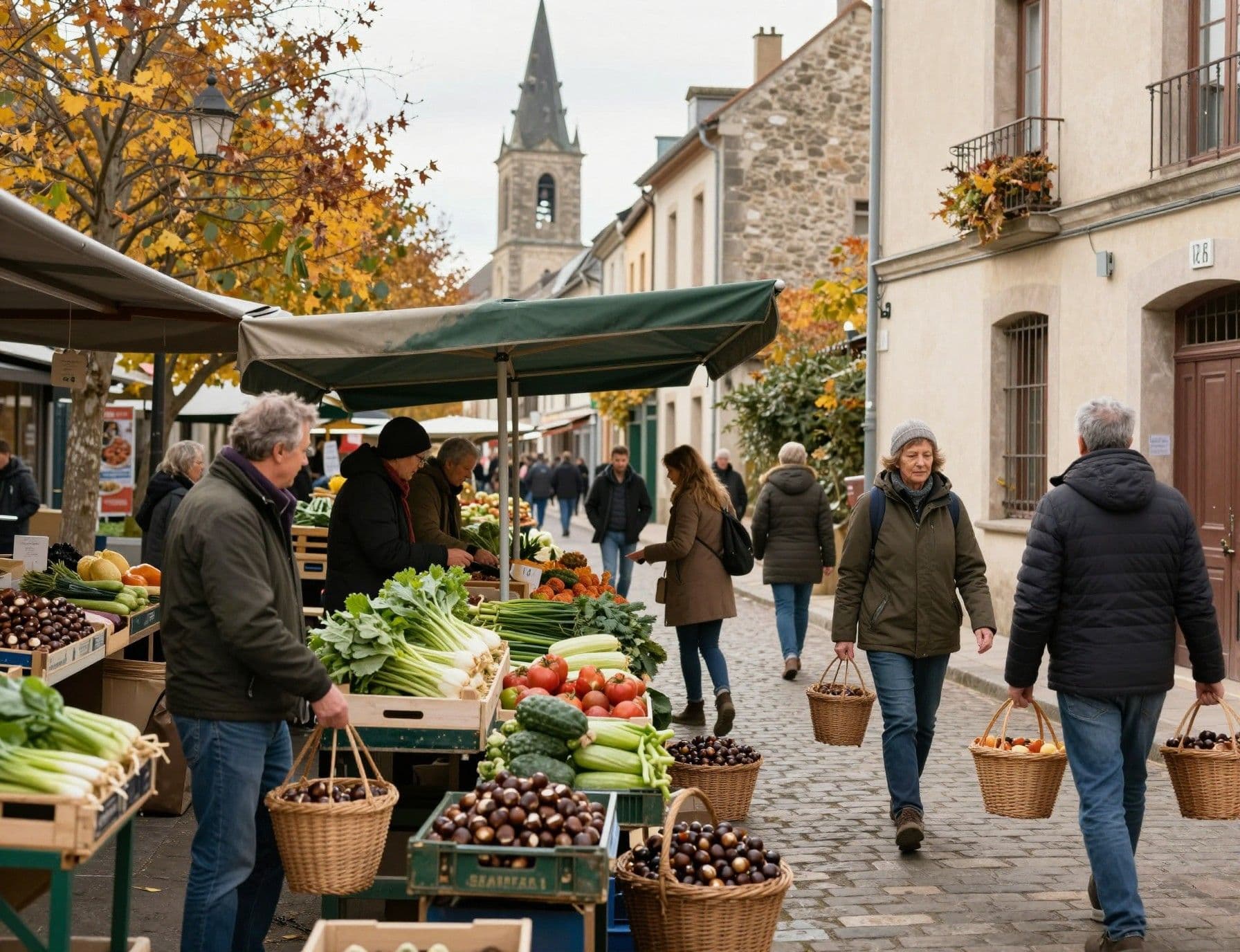
France is not one thing; it is a patchwork of markets, microclimates and rhythms. In summer, villages dress for visitors. In shoulder seasons you hear church bells again, markets reclaim their local lists and coastal paths belong to walkers, not tour buses. For eco‑minded buyers, these quieter months reveal how a place actually sustains itself: local shops open, community gardens receive attention, and municipal energy practices — from seasonal water management to winter heating patterns — become visible.
Provence and the Riviera: secret calm and everyday life
Walk the shaded lanes of Vence or the quieter end of Nice’s Liberation district and you meet long‑standing bakers, municipal olive groves and neighbours who repair rather than replace. These are pockets where older stone houses — thick walls, small windows, comfortable cool interiors — align with regenerative living because they already fit a low‑energy seasonal life.
Brittany to Dordogne: cottage life that’s inward‑facing and resilient
In Brittany’s fishing villages and the Dordogne’s river valleys, community markets, small coopératives and local craftsmen become most active outside the tourist spike. Buyers who arrive in autumn find access to local networks — from small‑scale organic producers to mason‑builders who understand lime‑based repairs — that make sustainable restoration both culturally rich and cost‑effective.
- Lifestyle highlights to explore in the quieter months: weekly marchés (e.g., Cours Saleya, Nice); municipal garden projects in smaller towns; cooperative bakeries and local olive presses; low‑season coastal walks and restored farmhouse visits.
Making the move: marry dream and due diligence
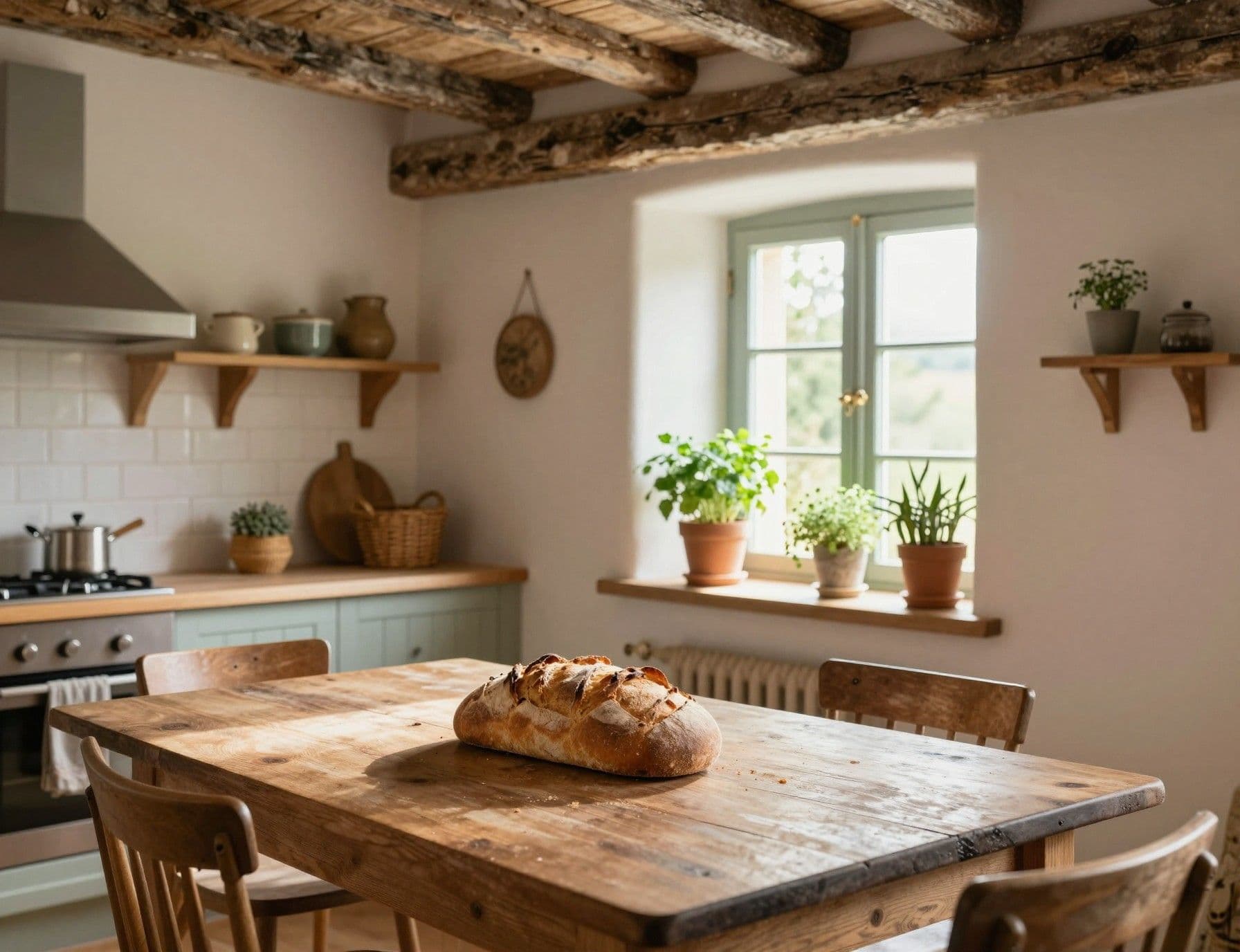
The romance of off‑season discovery must meet real data. National indices show that after recent market shifts prices have stabilised in many areas, and transaction volumes are recovering — context that can translate into negotiating space for buyers who come prepared with local timing and sustainability priorities. Use official pricing indices and notarial reports to test any ‘too good to be true’ listing against broader market trends.
Property types that fit a regenerative life
Stone village houses with thick walls and small footprints often require less heating and, with thoughtful retrofits (insulating lofts, installing wood‑pellet stoves, adding rainwater capture), can offer low embodied‑energy living. Small farmsteads with productive gardens give you food sovereignty; urban apartments with south‑facing balconies allow micro‑gardens and passive solar gain.
Working with local experts who care about place
- 1. Hire a notaire early to check servitudes, easements and historic protections; their reports reveal constraints and stewardship duties. 2. Find a local architect or mason familiar with traditional materials (stone, lime plaster) to estimate retrofit costs. 3. Talk with municipal planning (mairie) in low season — staff are calmer and more candid about future zoning or green infrastructure projects. 4. Choose an agency that lists energy performance (DPE), local water plans and biodiversity measures as standard property details.
Insider knowledge: what expats wish they'd known
Expats who settle happily in France often say the same things: learn to love the rhythm (mairie hours, long lunches), prioritise community ties over headline views, and treat the first year as listening time. Practical details — like seasonal heating costs, access to local tradespeople, or where the best neighbourhood marché runs in November — matter more than a picture‑perfect summer photograph.
Cultural integration and day‑to‑day life
Daily life in France is tactile: morning bread from the boulangerie, marché baskets, neighbourhood apéros, and volunteer garden days. Language helps, but genuine membership comes from shared rituals — helping at the harvest festival, joining a municipal compost scheme, or swapping recipes with a neighbour. Those small acts are also your best route to local recommendations for sustainable contractors and suppliers.
Long‑term stewardship: think beyond resale
Plan for the long arc: invest in fabric (roof, insulation, shutters) before cosmetic changes; prioritise passive measures (natural ventilation, thermal mass) over expensive mechanical fixes; and consider renewable steps that match the locale — solar on a Provençal tile roof, biomass heating in cooler valleys, or graywater recycling for Mediterranean gardens.
- Red flags and green checks to watch for: missing DPE (energy performance) report; evidence of rising damp without remedial invoices; parcels with unclear servitudes; homes marketed as “authentic” but with recent poor‑quality concrete repairs; presence of local restoration craftsmen and municipal sustainability initiatives.
Conclusion — When the Riviera sleeps you can listen. Off‑season visits in France reveal how neighbourhoods sustain themselves, where local supply chains and craftsmen live, and where small investments in fabric and ecology will pay lifelong dividends. Start with a short seasonal stay, bring a local notaire and a conservation‑minded architect on your shortlist, and treat the first year as an apprenticeship in place. If you want help finding agencies that publish energy data, local biodiversity initiatives and restoration partners, Moss & Hearth can connect you to curated teams in France who build homes as part of their ecosystem.
Danish relocation specialist who moved from Copenhagen to the Algarve; supports families with seamless transitions, local partnerships, and mindful purchases.