Malta: Why Sunlit Roofs Are the New Neighborhood Currency
Malta’s rising renewable projects and rooftop solar adoption are reshaping neighbourhood value—choose sunlit roofs, energy‑ready properties and local experts to turn lifestyle into long‑term advantage.
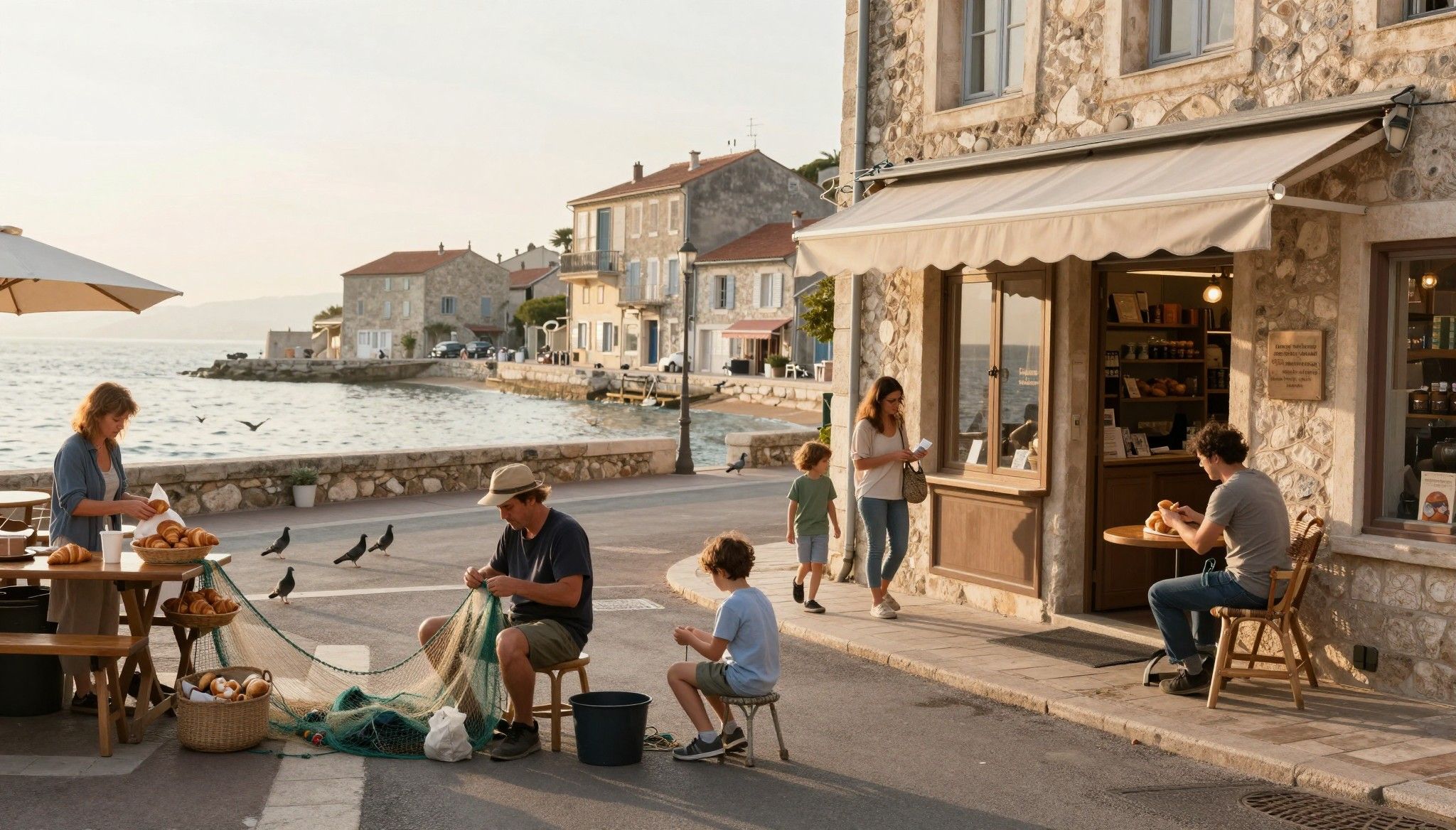
Imagine waking to the smell of baking ftira, stepping onto a limestone rooftop to catch early sun on solar panels, then walking five minutes to a bustling fish market where fishermen sell the day’s catch. In Malta, that compact, sun‑filled rhythm of life is now folding into a quieter revolution: renewables, small‑scale green infrastructure and lived-in sustainability are changing both how Malteses live and what international buyers should value when they look for a home.
Living Malta: light, limestone and seaside routines
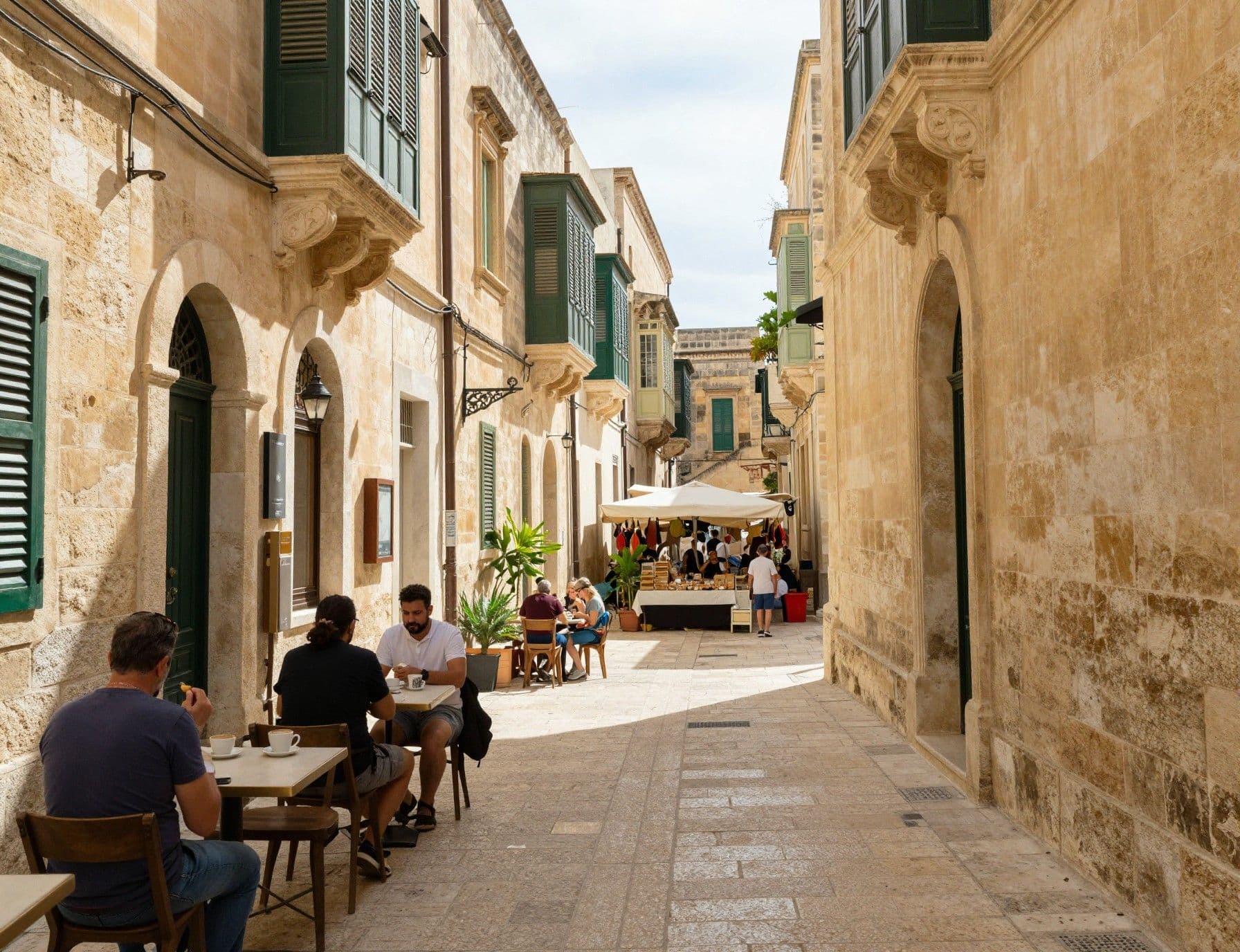
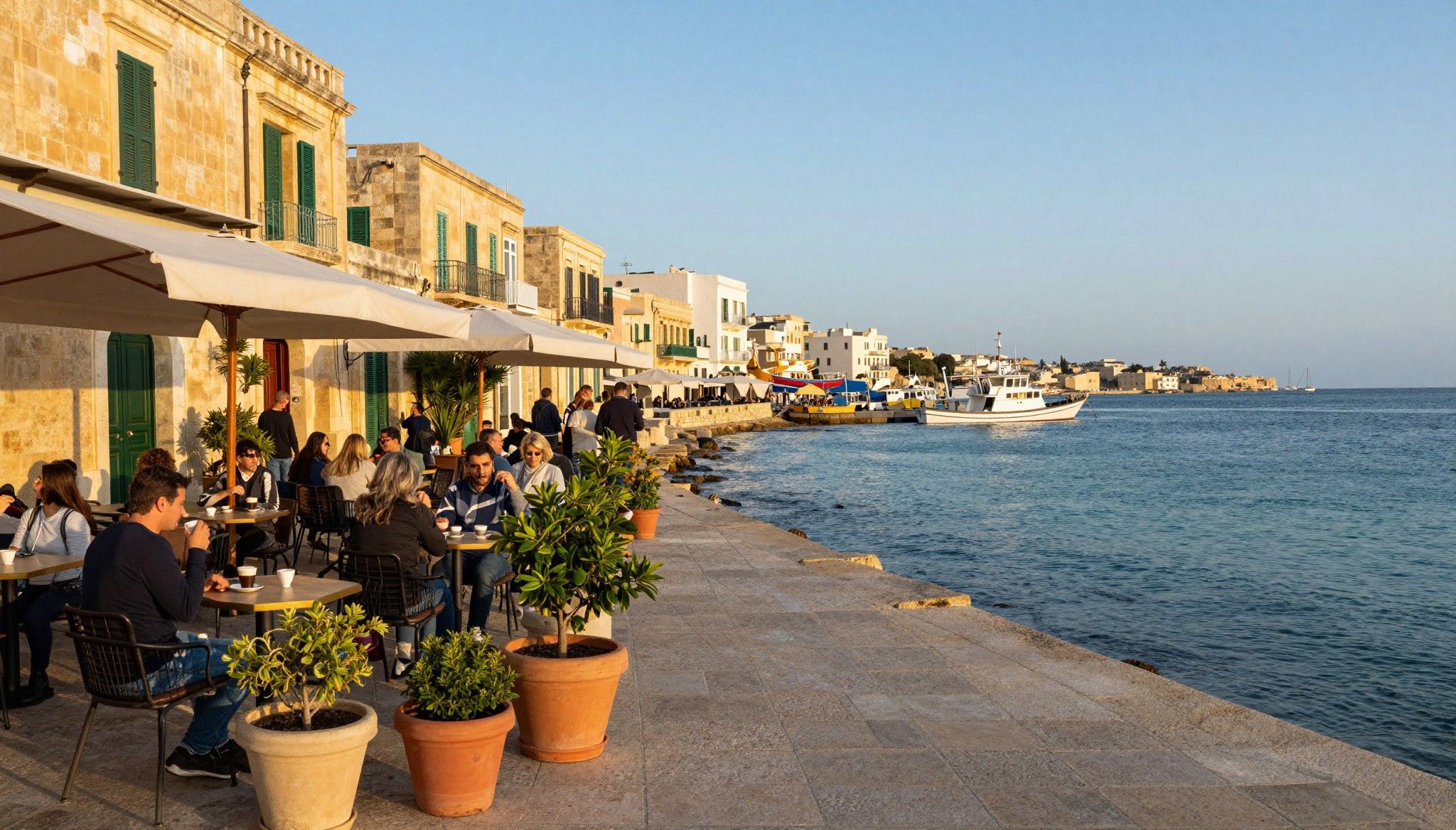
Malta’s personality is compact and immediate: Valletta’s bastions call for evening passeggiatas, Sliema and St Julian’s hum with café life and morning swims at Balluta Bay, while Gozo’s lanes reward slow afternoons and stone courtyards. The island’s limestone houses, rooftop terraces and narrow alleys shape daily life more than any single amenity—so neighbourhood choice becomes a lifestyle decision with instant effects on walkability, daylight and access to community rituals.
Valletta & the Three Cities: culture in every cobblestone
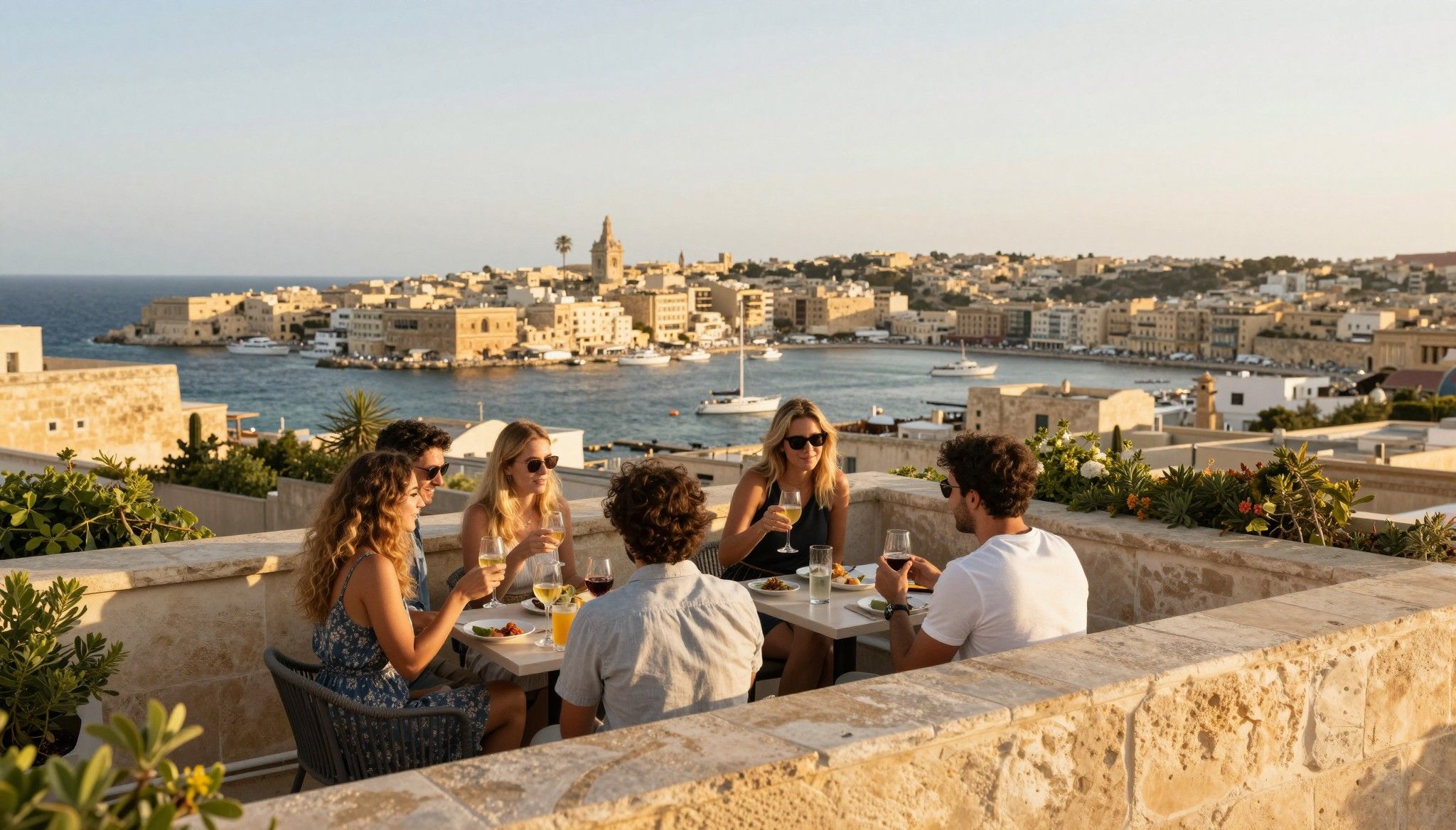
In Valletta, mornings begin in tea‑colored cafes on Strait Street, afternoons are for cathedral shadows and theatre, and evenings are for rooftop dinners watching the harbour lights. Nearby Birgu and Senglea—the Three Cities—offer restored townhouses where craftsmen still work on limestone façades. These areas reward buyers seeking history, cultural life and short, walkable days rather than big private gardens.
Sliema, St Julian’s & Gżira: modern flats, seaside rituals
If you want sea promenades, morning jogs and lively bistros, Sliema and St Julian’s deliver. Apartments with terraces and shared green courtyards are common; rooftop solar retrofits are easier here because of roof access and newer construction. Gżira is a quieter middle ground—coffee lanes, small galleries and practical proximity to Valletta make it a favourite for working expats.
- Lifestyle highlights: Balluta Bay swims, Marsaxlokk Sunday fish market, Valletta theatre nights, rooftop gardens in Sliema, quiet Gozitan courtyards, restoration workshops in Birgu.
Making the move: where green infrastructure reshapes value
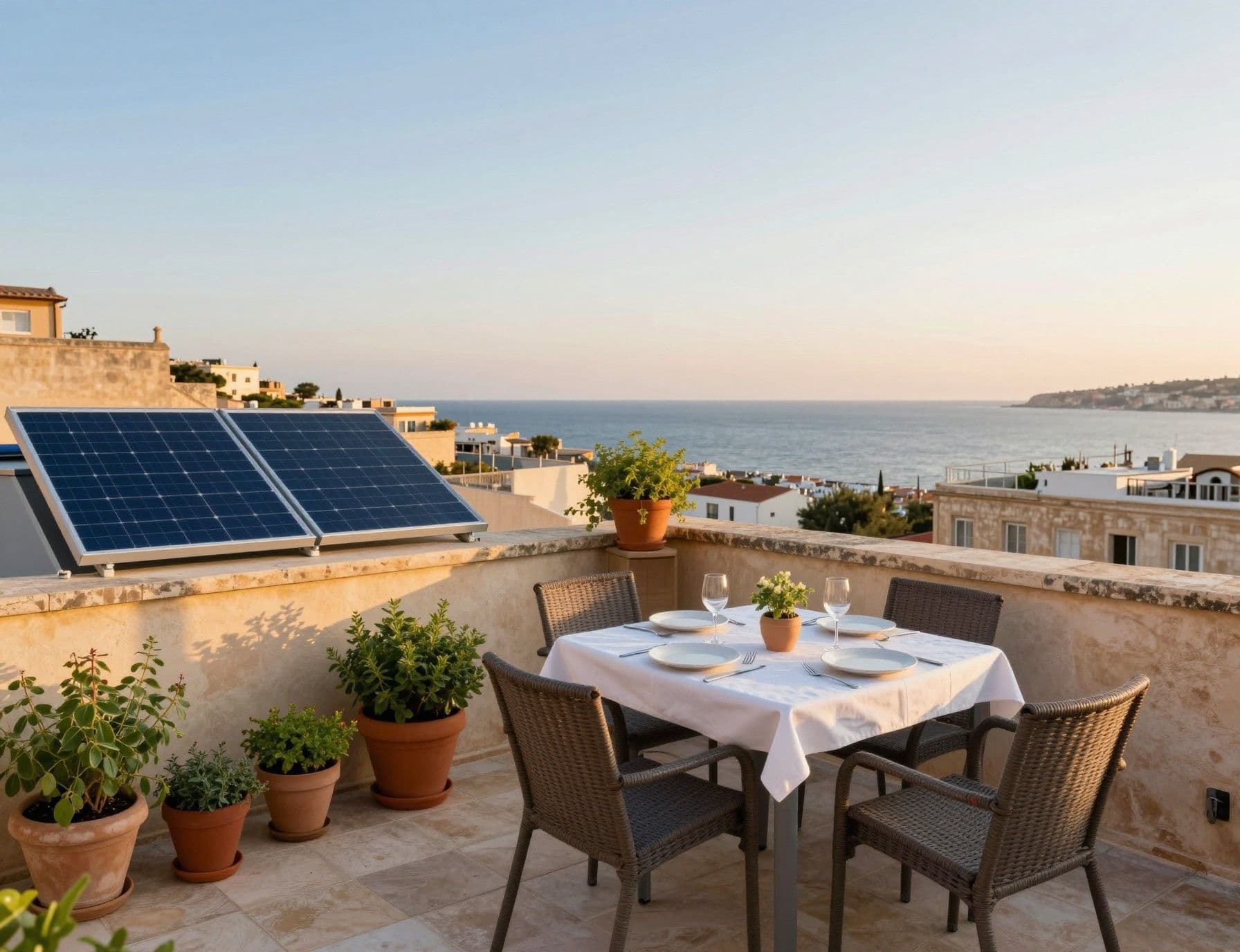
The practical landscape matters. Malta’s installed photovoltaic capacity and government grants are making solar panels and battery systems a visible part of neighbourhoods: NSO figures show strong growth in grid‑connected PV installations, and the government’s recent energy programmes are nudging household uptake. For buyers, this means that energy costs, roof‑ready properties, and the proximity to public green infrastructure (like municipal PV projects) are becoming value multipliers—not afterthoughts.
Property types & how they support green living
Traditional townhouses reward owners who want to craft green terraces, rainwater systems and passive cooling with stone mass. Modern apartments often come with networked energy meters, easier solar retrofitting and shared green roofs. Choosing between these is less about style and more about what you want to run—gardens and rainwater collection suit townhouses; shared solar and battery storage often suit apartment blocks.
Working with local experts who know the grid
- Find an agent who can point to: 1) recent roof surveys and PV compatibility; 2) local planning history for external solar or pergolas; 3) nearby municipal renewable projects that lower communal costs; 4) trusted installers and electricians who understand Malta’s grid constraints.
Insider knowledge: expat truths and seasonal realities
Expats often tell the same story: they fell for Malta’s light and social life, then learned quickly that the island’s size concentrates everything—sun exposure, noise, transport and microclimates. Summers feel expansive because of long, sociable evenings, but off‑season shows a truer picture: quieter streets, easier negotiations and local craftsmen with time for sympathetic renovations.
Language, community and daily integration
English is an official language and cafés, schools and services are used to internationals, which flattens the learning curve. But community integration often happens through small acts—joining a restoration workshop in Birgu, volunteering with a coastal clean‑up in Mellieħa, or becoming a regular at the Marsaxlokk morning market. Those activities lead to practical help when renovating or applying for energy grants.
Long‑term lifestyle tradeoffs
- Tradeoffs to weigh: rooftop solar vs. historic façade rules; courtyard gardens vs. modern insulation; island convenience vs. limited land for extensions; choosing Gozo’s slowness over Malta’s immediate services.
Step-by-step for lifestyle-first buyers: 1) Visit outside high season to feel real neighbourhood rhythms; 2) Commission a daytime and rooftop sunlight survey; 3) Ask agents for recent energy bills and PV export histories; 4) Reserve budget for sympathetic limestone work and certified installers; 5) Apply early for available household renewable grants.
Data snapshot: Malta’s PV installations and government schemes—NSO reports show rising grid‑connected PV output, and government press releases confirm national targets to scale renewables toward 2030—mean energy‑aware properties will increasingly command attention. For international buyers this is a practical axis of value: lower running costs, easier short‑term rentals and stronger community goodwill toward sustainable homes.
- Practical checks before you offer: confirm roof ownership and condition; check planning constraints for solar and pergolas; request recent electricity bills; ask about any communal energy-sharing schemes; verify eligibility for household renewable grants.
Conclusion: Malta is not just a summer postcard—its sunlight and growing green infrastructure reframe what 'value' means here. If you want a home that feels alive with neighbours, morning markets and limestone warmth, prioritise sunlight, roof potential and local energy projects. An agent who understands both neighbourhood life and renewable logistics becomes less a salesperson and more a steward of your future home.
Norwegian market analyst who relocated from Oslo to Provence; guides investors with rigorous portfolio strategy and regional ecological value.