Cyprus: Green Mortgages, Stone Homes & True Value
A lifestyle-first guide to buying in Cyprus — how green mortgages, village stone homes and smart timing turn Mediterranean dreams into lower-cost, sustainable lives.
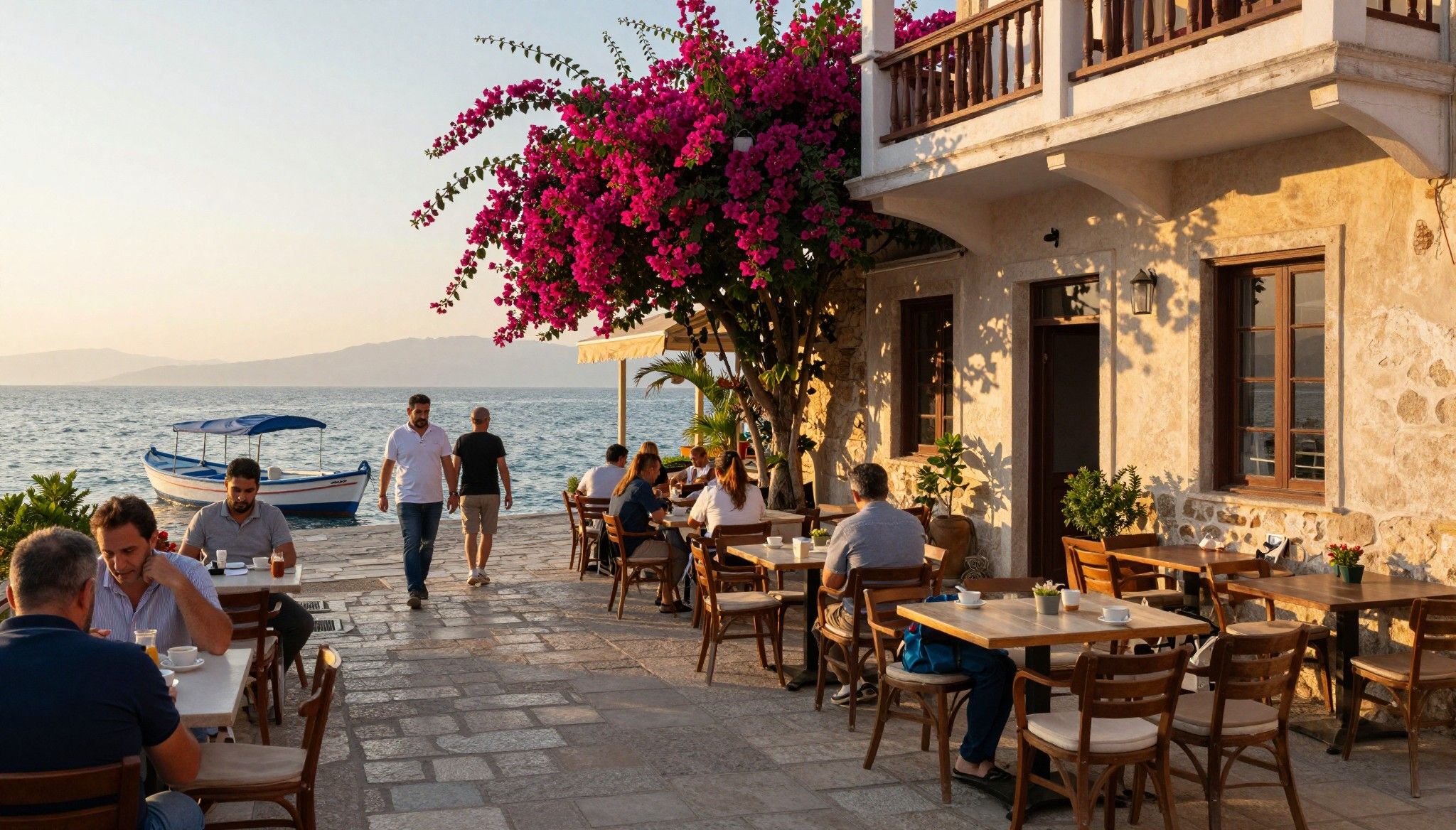
Imagine waking to the call of a café owner sweeping the cobbles on Ledra Street, or stepping out onto a terrace in Limassol where bougainvillea spills over low stone walls and the sea smells like citrus and salt. Cyprus moves slowly by design—long lunches, festival nights, and mountain mornings—yet its property market is quietly modernising. For international buyers who care about green roofs, solar-ready terraces and village-scale living, Cyprus offers a rare mix: sunlit beaches and ancient stone villages, improving regulations, and banks beginning to price sustainability into mortgage products. Small changes—choosing a home with passive cooling or a south-facing roof for PV—can turn a dreamy Mediterranean life into a lower‑cost, lower‑impact reality.
Living Cyprus: a day you won’t forget
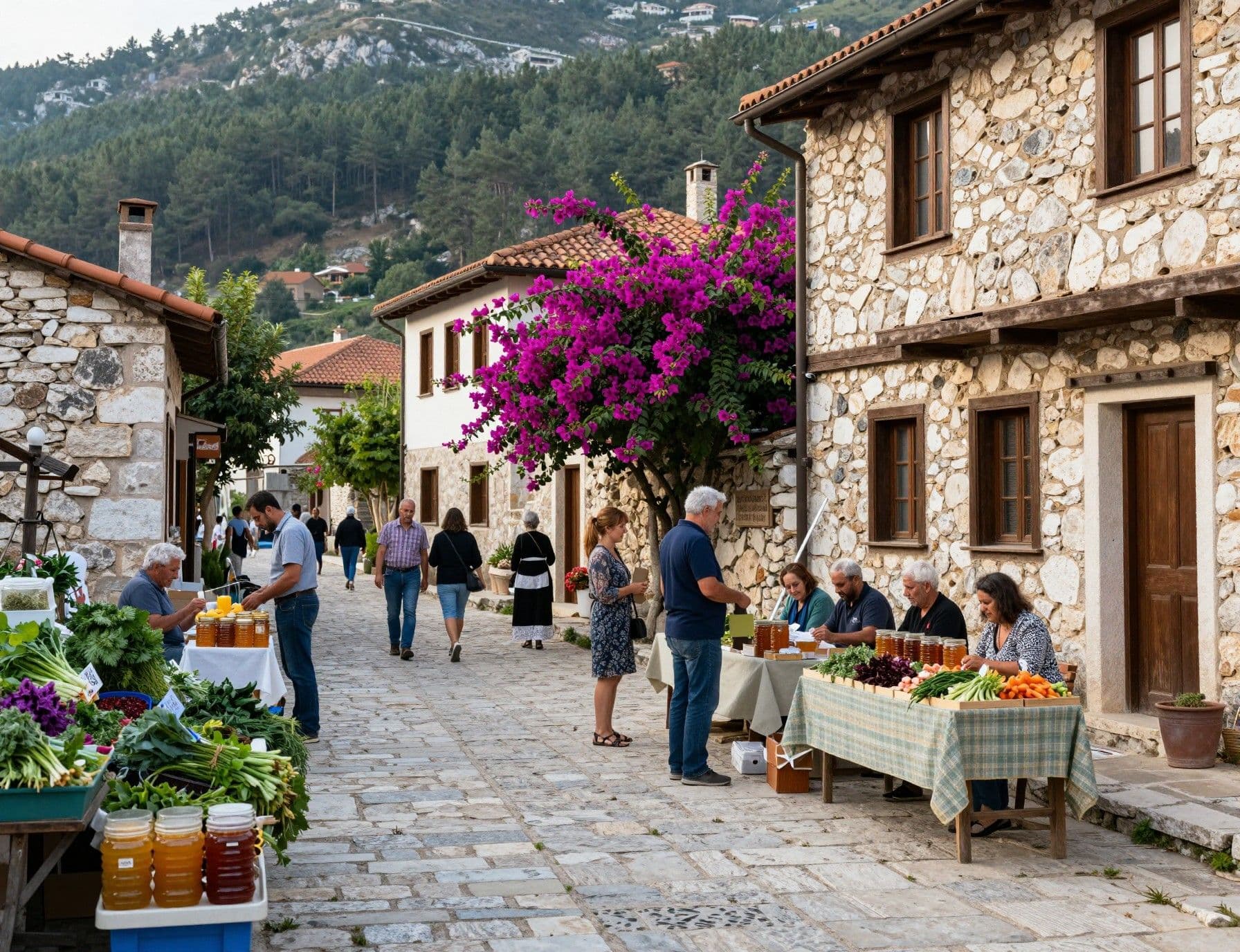
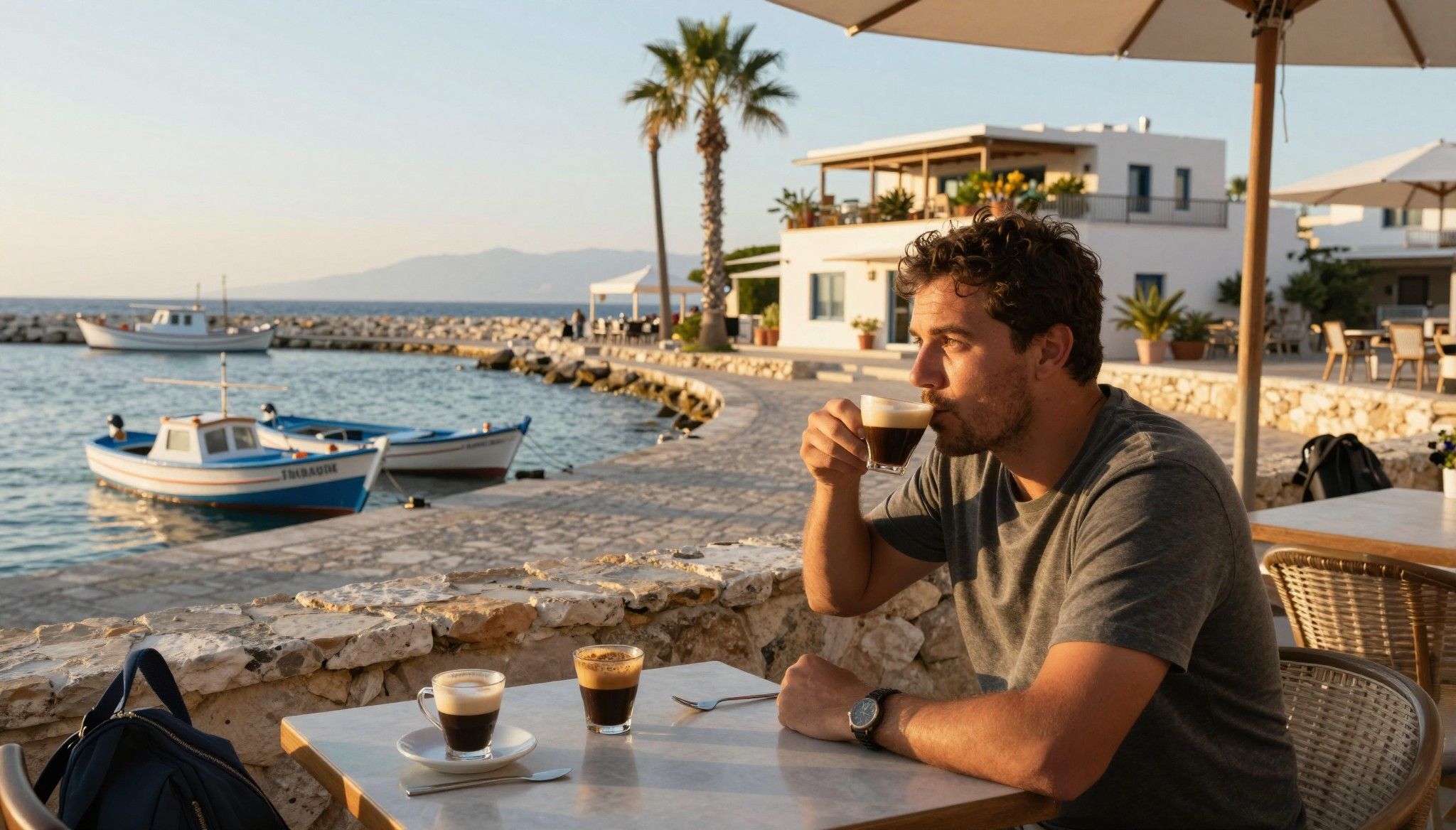
Morning in Cyprus often begins at a local bakery: warm koulouri, espresso, and quick greetings. By noon the beaches around Kato Paphos and Protaras hum with families and windsurfers; by evening the mountain villages of Troodos offer cool air, pine scent and evenings of meze, village wine and candlelit squares. That rhythm—coast for active days, mountains for summer refuge, towns for everyday life—shapes where people buy and how homes are used. If you prize al fresco life, look for homes with shaded courtyards, deep eaves and native planting that cuts the need for irrigation.
Coastlines and towns: Limassol, Larnaca and Paphos up close
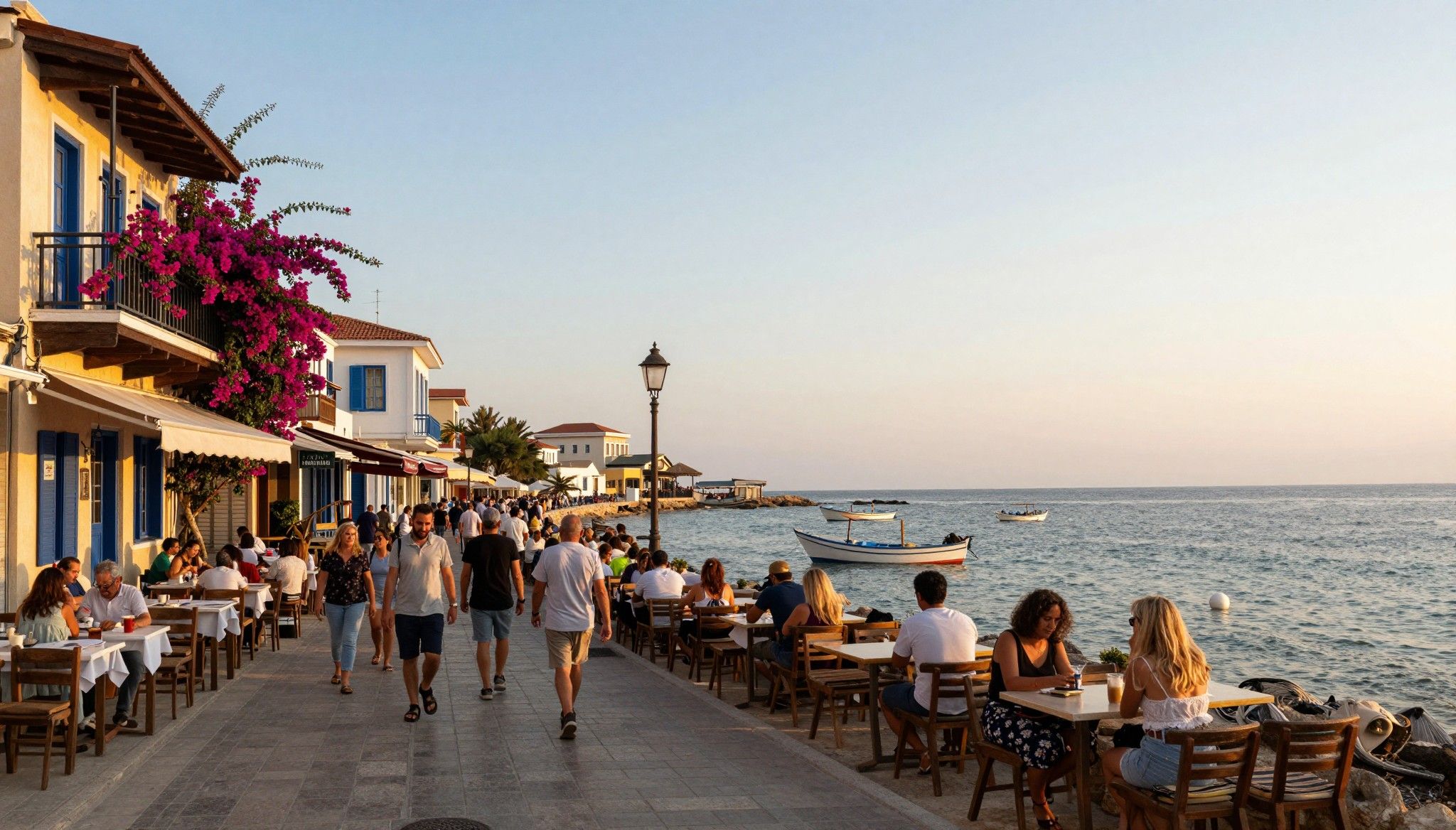
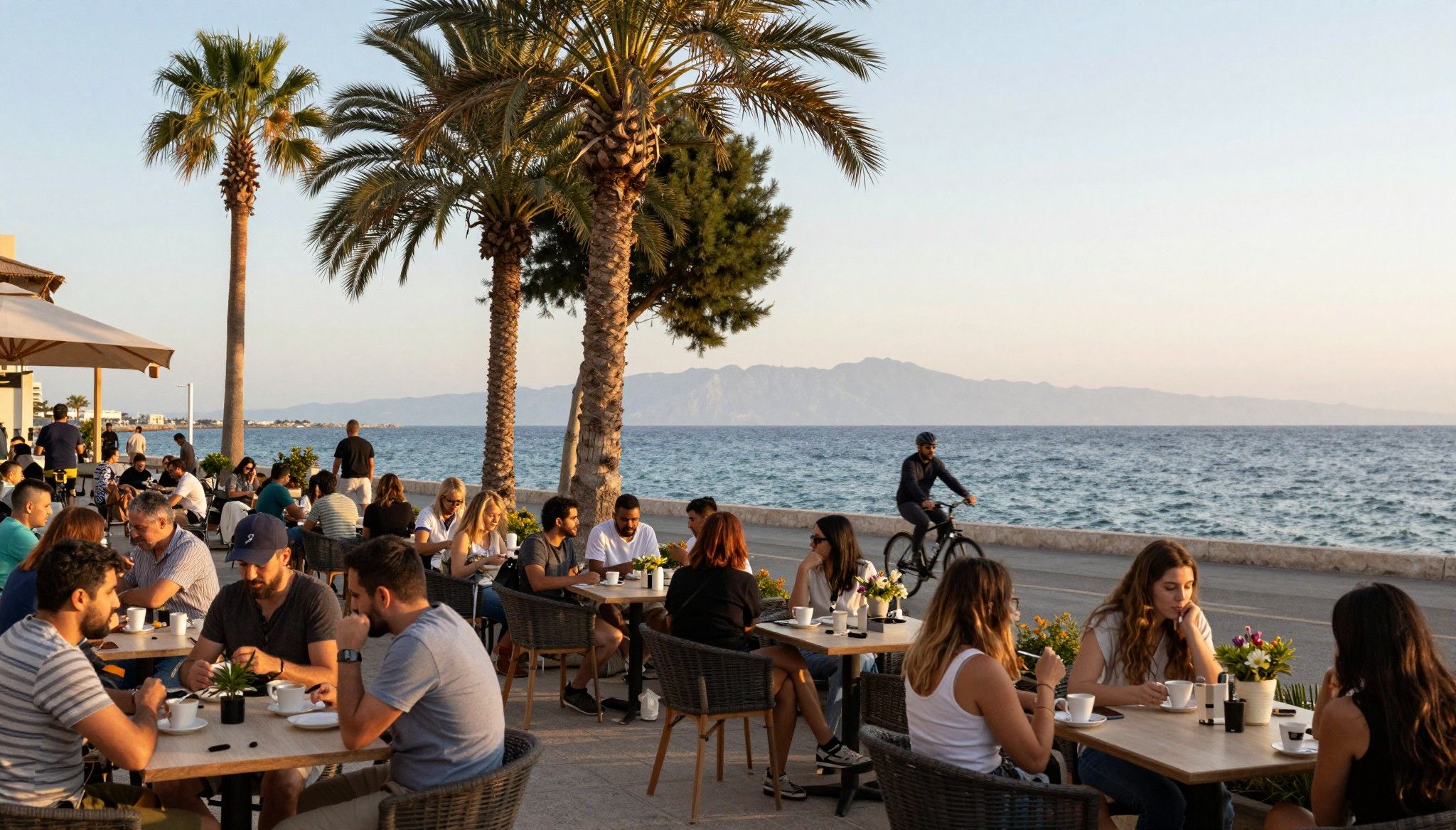
Limassol is maritime energy—cafés on Agiou Andreou, artful tapas, and apartment-lined promenades that draw buyers wanting a cosmopolitan seaside life. Larnaca is quieter, with neighbourhoods like Mackenzie offering wind-swept beaches and small harbourside tavernas. West, Paphos folds ancient ruins into a surprisingly affordable market for those who want seaside tranquillity with a tangle of local bars and markets nearby. Each town has microclimates and micro-economies: choose the one that matches your daily rhythm, not just the postcard view.
Troodos and mountain villages: slow, restorative living
Troodos villages—like Lofou and Kalopanayiotis—are revival stories: stone houses restored with local timber, narrow lanes that resist mass tourism, and community-led festivals. These places teach a useful buyer lesson: traditional materials (local stone, thick walls) are naturally energy‑efficient and age gracefully. If you love gardens, quiet streets and craft traditions, a renovated stone home will reward you both culturally and practically.
Making the move: finance, green loans and compliance
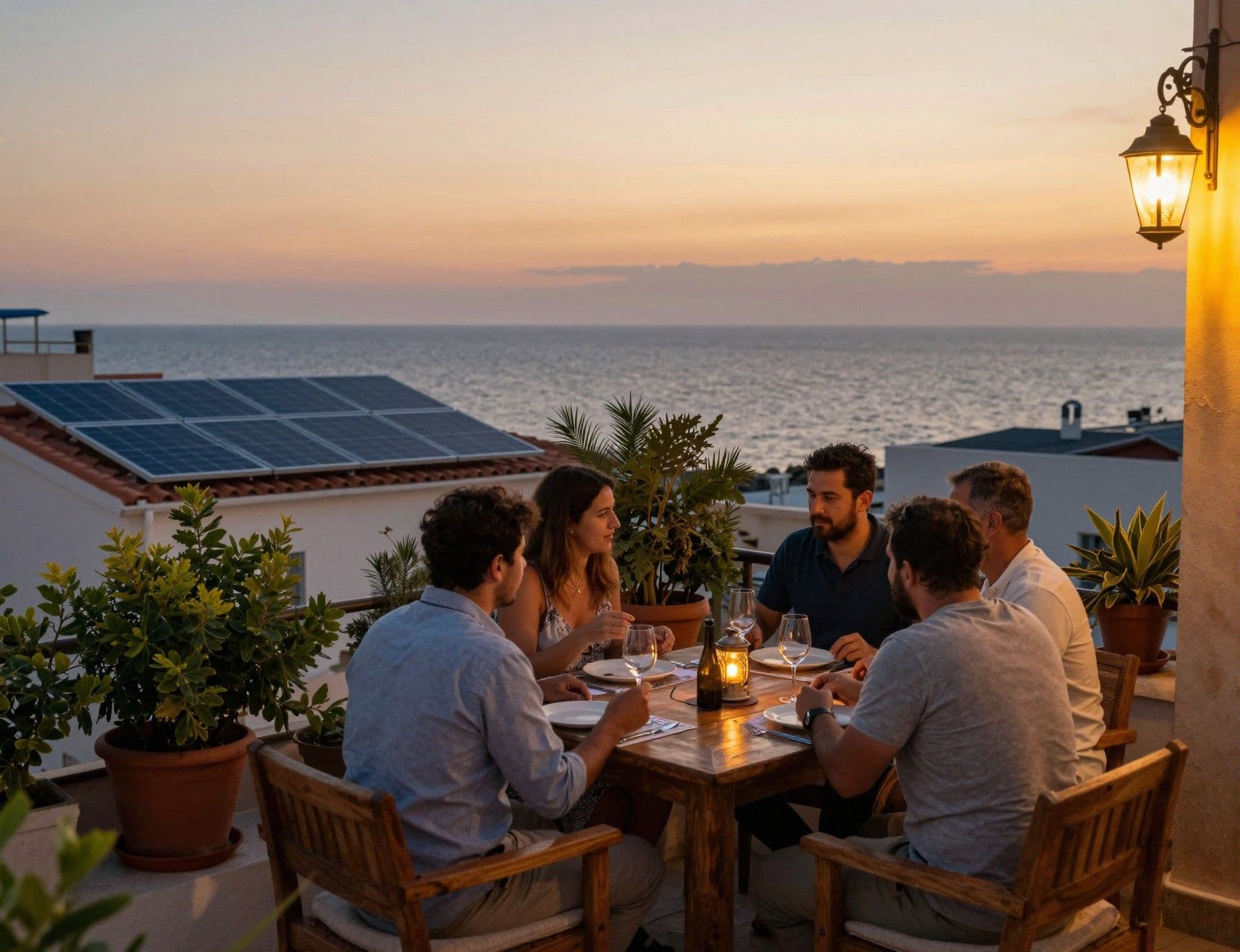
Dreams meet paperwork in Cyprus, but the admin is straightforward if you prepare. Non‑EU buyers must apply for acquisition permission under Chapter 109—usually a short process through the District Administration. Mortgages are widely available to residents and some international buyers; increasingly, Cypriot banks offer dedicated green home loans or incentives for energy upgrades. Treat finance as part of lifestyle planning: a lower‑interest green tranche can pay for PV panels or thermal windows and reduce operating costs over decades.
Green mortgage options: what’s real today
Major lenders—Bank of Cyprus and Eurobank among them—have introduced or announced green housing products aligned with international Green Loan Principles. These typically offer lower rates, linked discounts for energy-efficient certifications, or flexibility for renovation financing. But requirements vary: proof of energy upgrades, EPCs (where available), and a clear renovation scope can be needed. Contact lenders early and ask about green product criteria so your offer can include financing that rewards sustainability.
Practical steps to secure finance and stay compliant
1. Check acquisition permissions: non‑EU buyers must apply under Chapter 109—start this before signing. 2. Get a local survey and EPC-ready energy assessment to qualify for green rates. 3. Talk to banks about green products and required documentation. 4. Build renovation costs into loan planning—banks may lend for efficiency upgrades. 5. Use a notary and local lawyer experienced in Cypriot conveyancing and environmental permits.
Insider knowledge: myths, red flags and unexpected advantages
Myth: Cyprus is too expensive for sensible buyers. Reality: price growth is moderating—official HPI data shows modest rises rather than runaway inflation—and pockets of real value remain, especially inland and in traditional villages. Limassol and coastal hotspots command premiums, but inland properties with renovation potential often offer better life-first returns. The smart buyer thinks like a steward: buy for how you want to live, then use green finance to lower long-term costs.
What expats wish they’d known
Many expats underestimate seasonal life—summer is lively and loud; winter months reveal a home’s insulation needs. Others overpay for sea views and then neglect garden microclimates: choose native planting and shade to reduce water bills. Lastly, local networks matter: a recommended builder who understands traditional stone repair or a neighbour who knows the best water-wise trees will repay their social capital many times over.
Red flags and green checks to spot on viewings
• Misaligned orientation (no southern exposure for solar) • Old wiring and plumbing that will negate energy savings • Overly manicured gardens with non-native plants (high water use) • Missing planning permits for extensions or pool installations • Concrete balconies without thermal breaks (heat traps)
1. Ask sellers for recent energy bills and planning permits. 2. Commission a local energy assessment and structural survey. 3. Get bank pre-approval that includes green loan options. 4. Factor in long-term stewardship: native landscape design, rainwater capture, and PV readiness.
Local experts who make the difference
Find agents who live the lifestyle: those who can point to a street with neighbour-run compost systems, or recommend an architect experienced in thermal mass and lime mortars. A good local lawyer will read cadastre records and verify past permits; a green-savvy valuer will spot retrofit potential that ordinary surveys miss. Think of your agency as the cultural translator—someone who helps you buy a life, not just a property.
If Cyprus feels like a place you could belong, take one small step today: ask an agent to show you a south-facing roof and a stone courtyard in the same visit. Compare life-before-and-after: how much quieter will dinners be, how much cooler the house in July, how much less you’ll pay for electricity with a modest PV array? These comparisons turn dreamy postcards into measurable outcomes—lower bills, gentler footprints, and a home that feels right.
Dutch property strategist who helped 200+ families find sustainable homes in southern Europe; expert in legal pathways and long-term stewardship.