Malta: Stone, Sea & Sustainable Everyday Life
Malta’s compact, sunlit rhythms reward buyers who prioritise lifestyle: choose neighbourhoods with courtyards, south terraces and agents who know local permits.
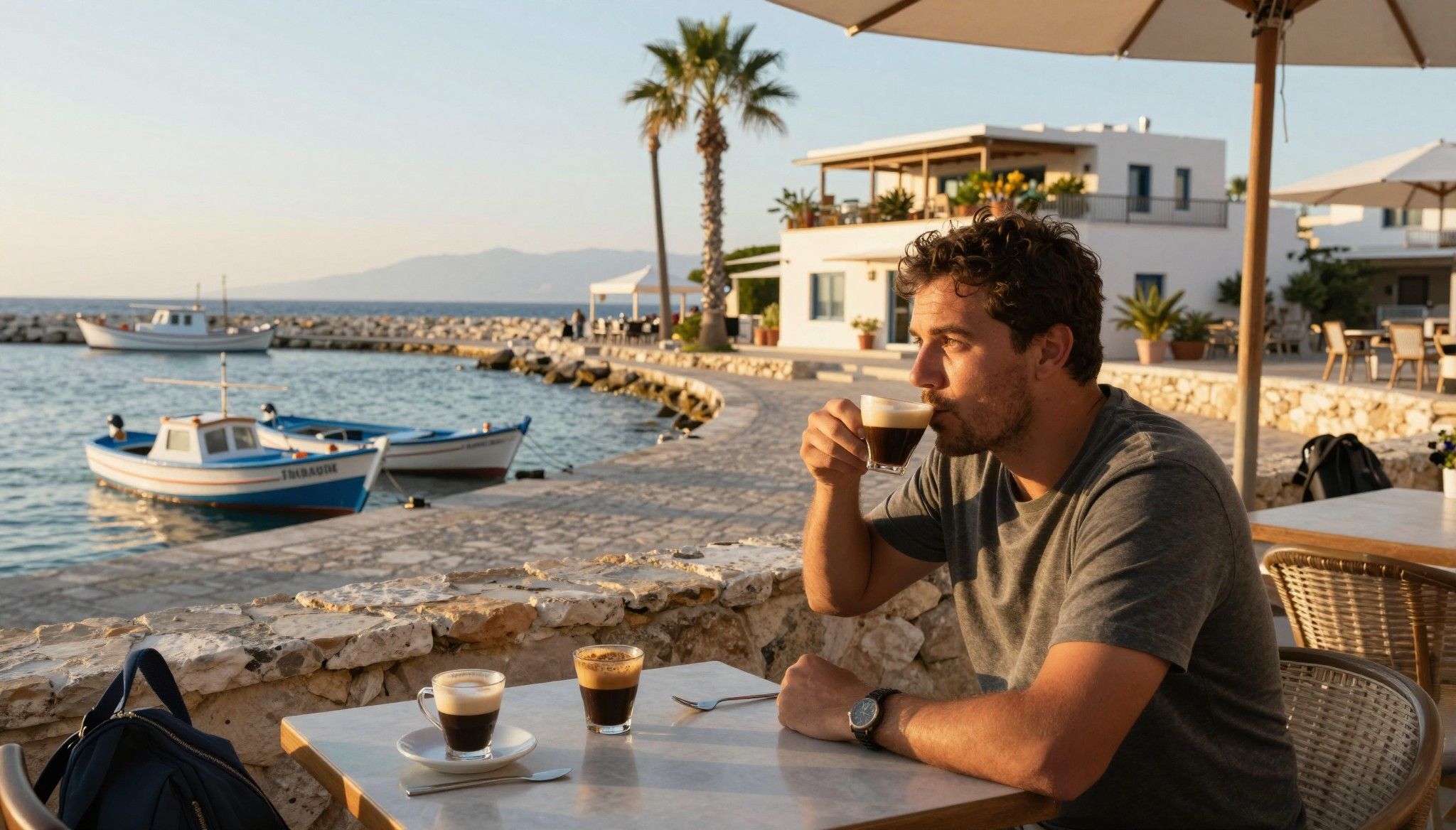
Imagine mornings in Mellieħa: a slow walk down Triq il-Mazz, espresso steam fogging a limestone doorway as fishing boats rock in the bay. By afternoon you’re tending a small terrace garden of fennel and rosemary, watching the sea turn a darker blue at the horizon. In Malta, the island’s scale makes life intimate — neighbourhood rhythms are immediate, trees and courtyards shape daily routines, and the coastline is never far.
Living Malta: light, stone and green
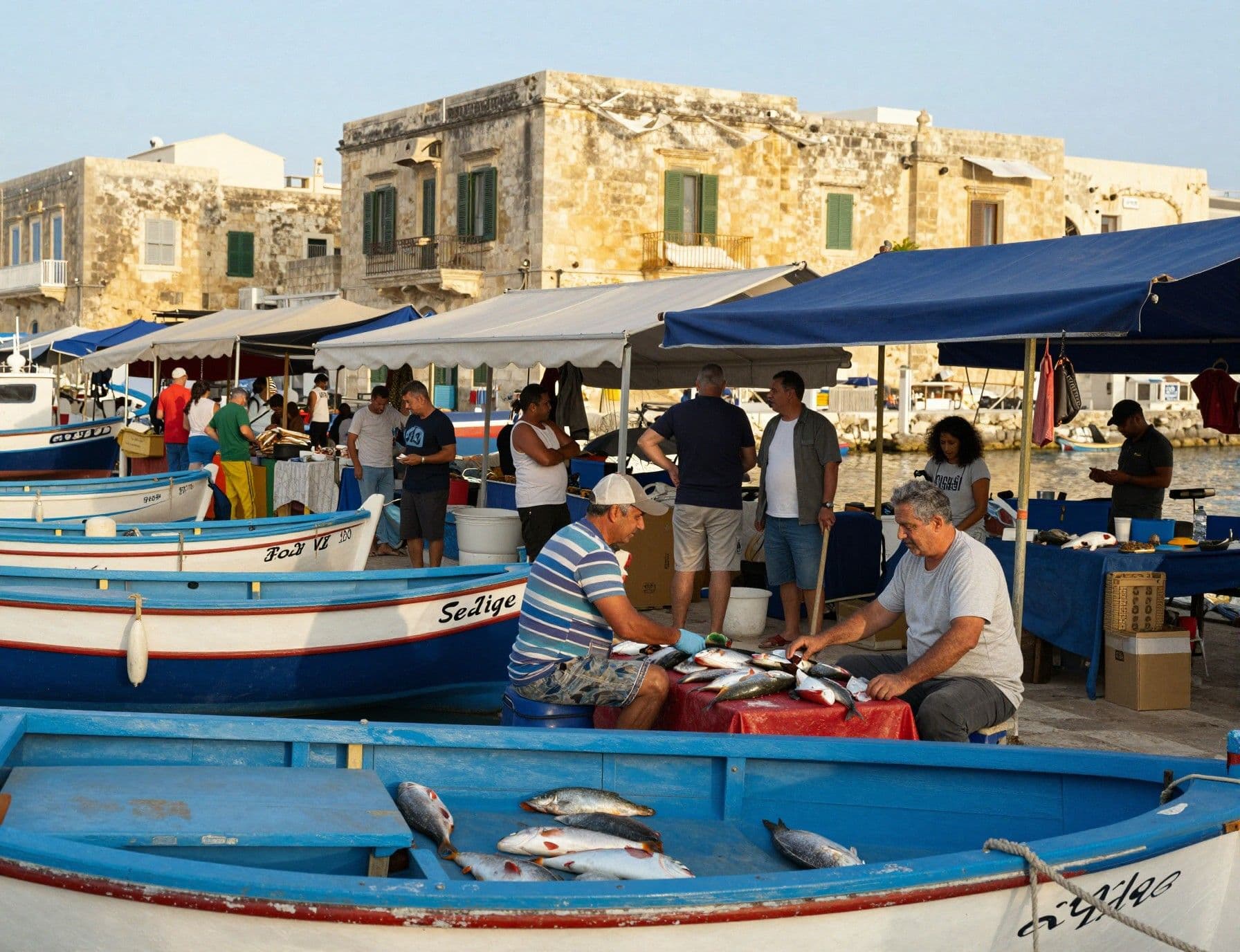
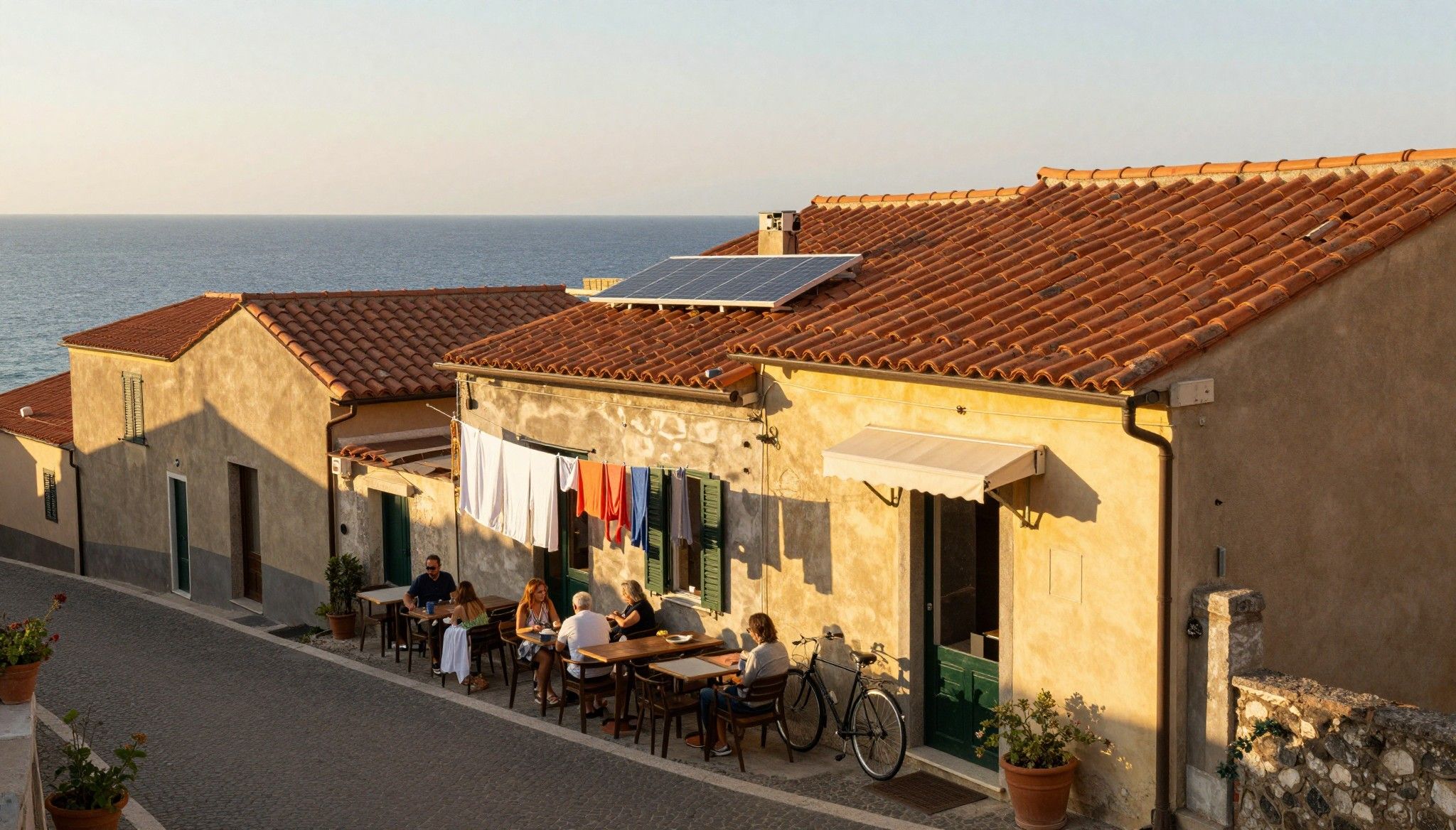
Malta’s daily life is a study in contrasts: the tactile warmth of limestone streets in Valletta and Mdina, the raw wind off Dingli Cliffs, and quiet residential lanes in Sliema where balconies are hung with laundry and herb pots. The language of place is Mediterranean — market chatter, late dinners, sirocco-swept evenings — and English as an official language means conversations and services feel accessible to internationals from day one.
Neighborhoods that matter: Valletta to Gozo
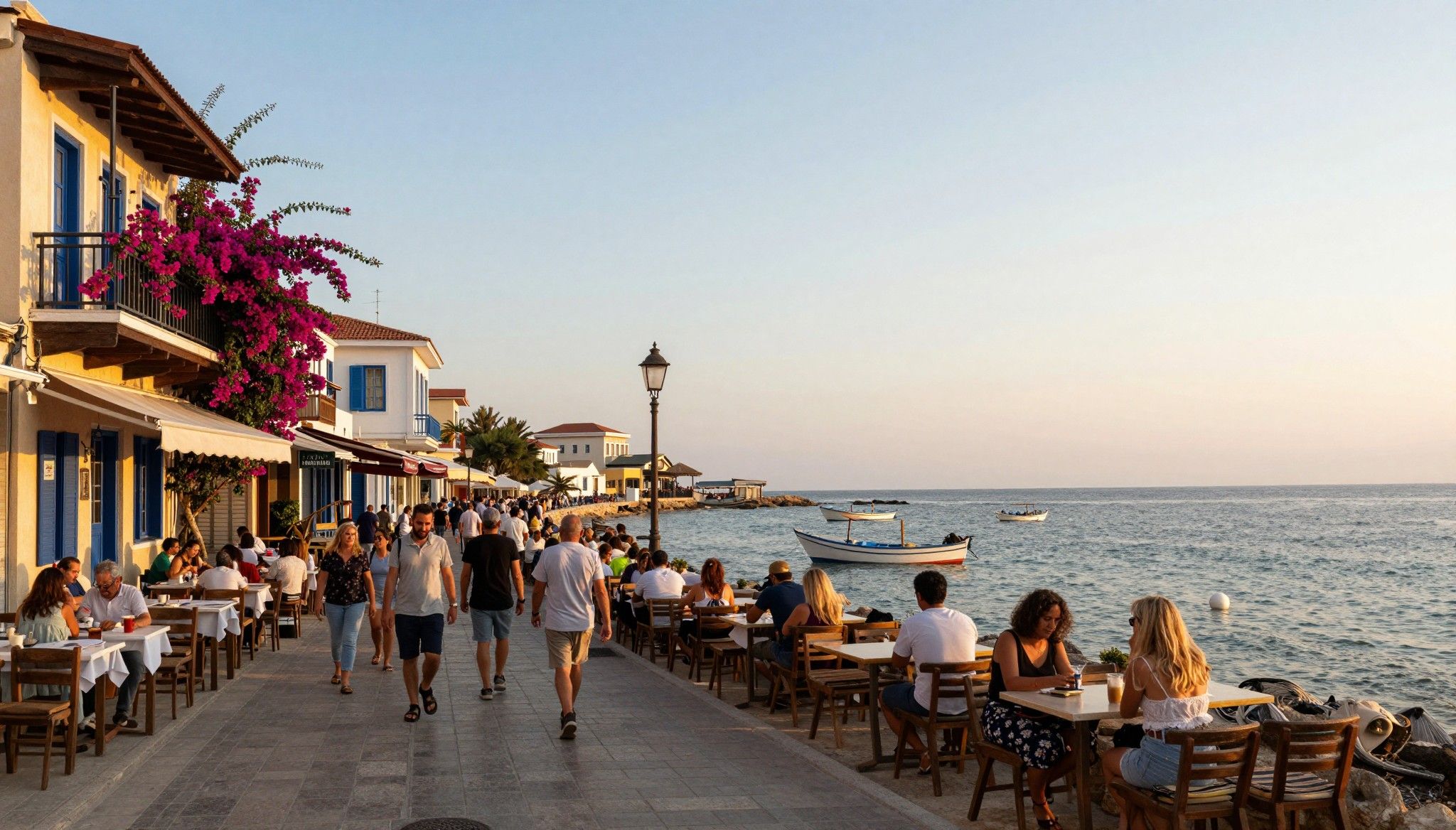
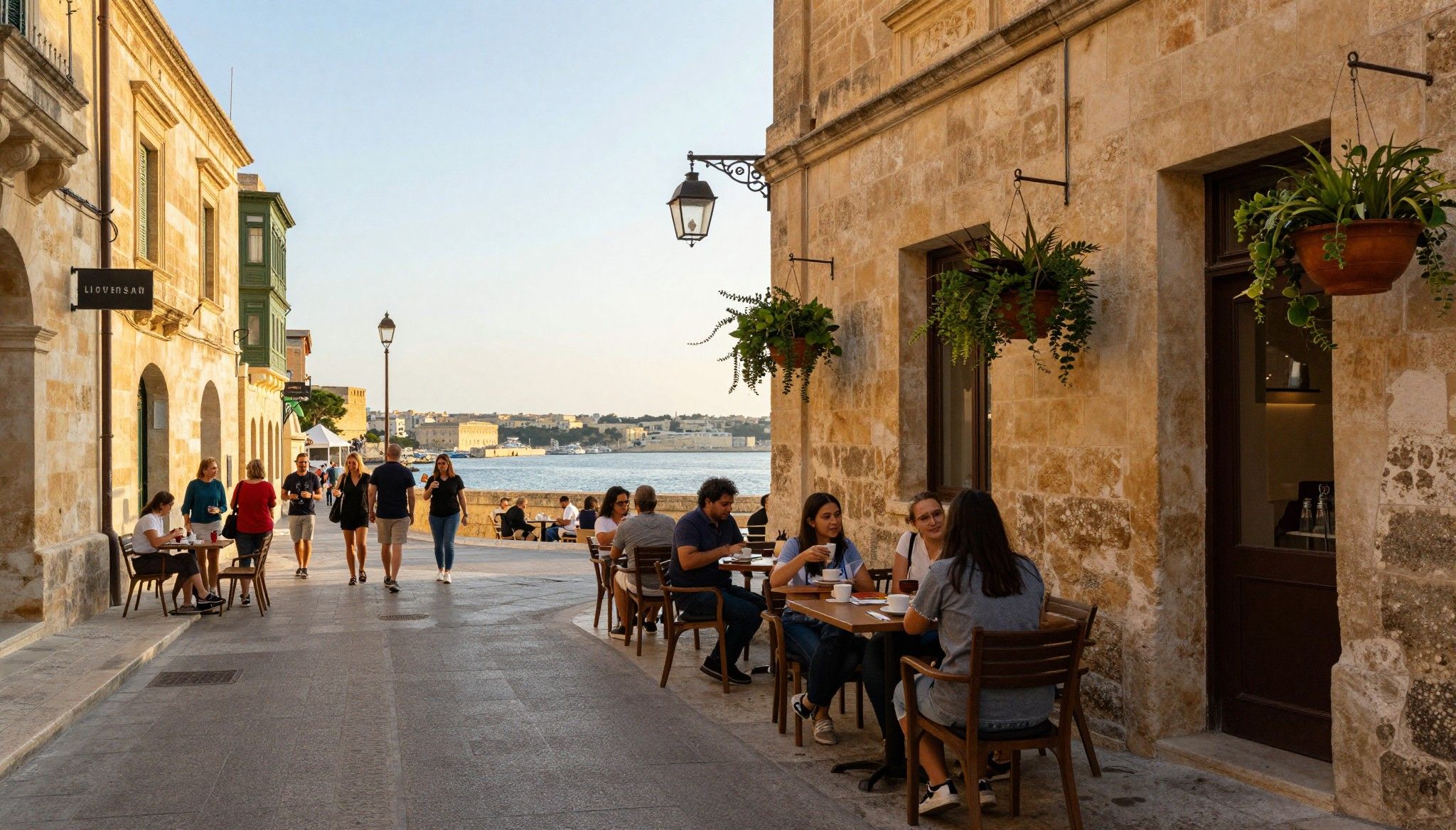
Valletta is theatrical: baroque facades, narrow streets that bloom with cafés at dusk, and a steady calendar of performances. Sliema and St Julian’s pulse with cafés, modern apartments and sea promenades; they’re easy for part-time residents who want services and social life. Head west to Għajn Tuffieħa or Golden Bay and you’ll find coastal tranquillity; cross-channel to Gozo and the pace softens again — stone farmhouses, inland fields and evenings lit by small community festivals.
Food, markets and the small luxuries
Local life orbits around produce: morning markets in Marsaxlokk, bakeries selling ftira, and neighbourhood delis where goats’ cheese and sun-dried tomatoes appear on the counter. For eco-minded buyers, look for neighbourhoods where urban gardens and rooftop herb beds are common — these micro-ecosystems signal communities already living a low-impact life.
- Lifestyle highlights: markets, beaches and rituals
- Morning coffee on Republic Street, Valletta; evening swims at Għajn Tuffieħa; weekend oysters and fish stalls at Marsaxlokk; stone-terrace gardens in Rabat; community festas in Żurrieq and Għarb.
Making the move: life-driven property choices
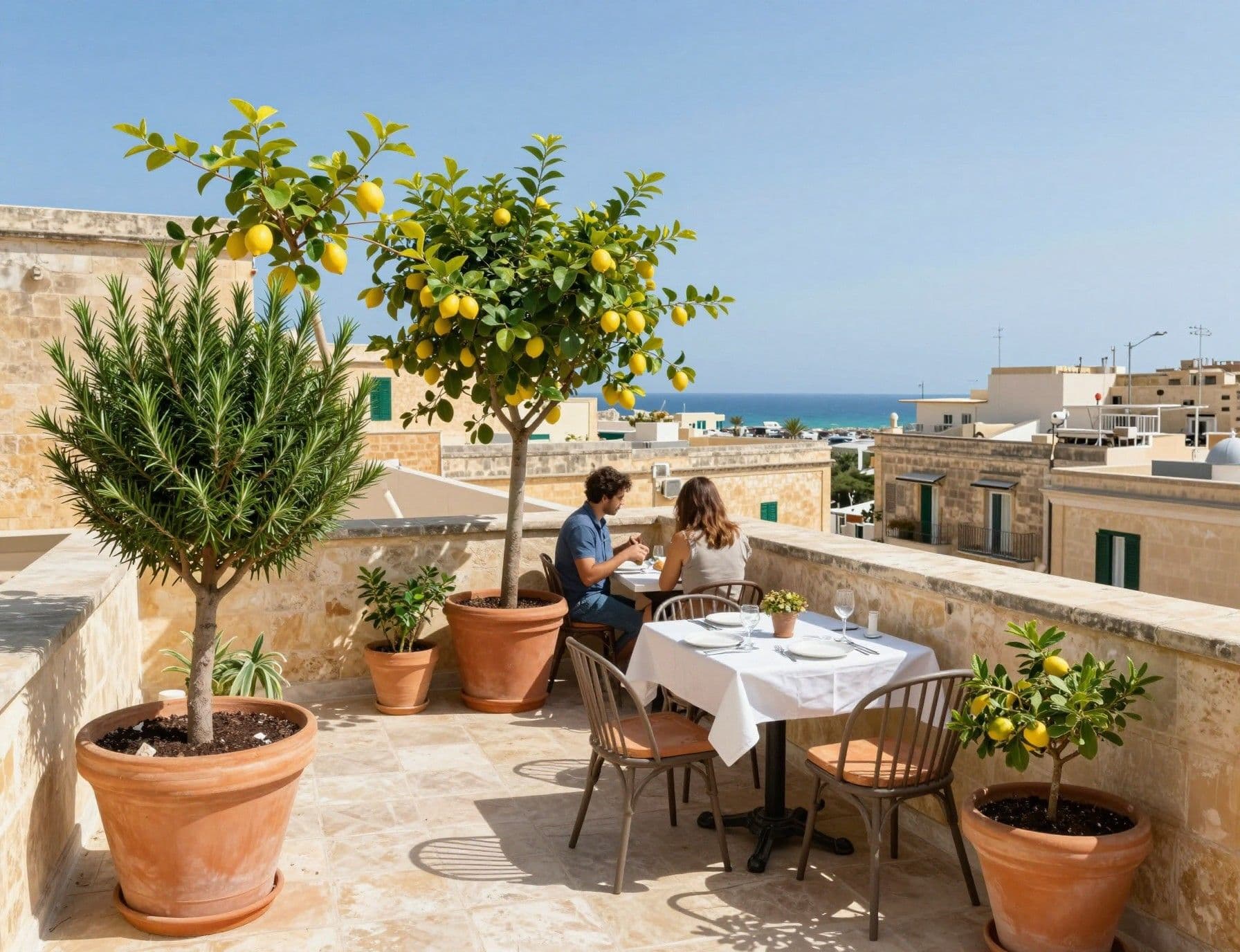
Your property search in Malta should begin with how you want to live: do you want a restored townhouse walking distance to cafés, or a small farmhouse on Gozo with room for an olive grove? Practical steps — permits, the konvenju (promise of sale) and searches — are important, but they should serve a lifestyle decision, not precede it. The government portal outlines purchase steps and restrictions that differ by residency and nationality.
Property styles: maisonette, townhouse, and rural farmhouse
Apartment living (Sliema, St Julian’s) gives easy access to amenities and promenades; traditional townhouses (Valletta, Vittoriosa) offer vaulted ceilings, internal courtyards and the chance to retrofit with solar and water harvesting. In Gozo, converted farmhouses and terraced homes come with land and lend themselves to vegetable plots and small orchards — a tangible step toward self-sufficiency.
Working with local experts who know life here
Local agents, notaries and architects are your bridge between desire and deed. Market data — including the NSO’s Residential Property Price Index and Central Bank analysis — shows steady price movement in recent years, so an agent who understands where lifestyle and value intersect can flag neighbourhoods where green retrofits or coastal setbacks protect long-term enjoyment.
- Steps that blend lifestyle and practical checks
- 1. Visit neighbourhoods at different times — morning market, siesta hour, evening festa. 2. Prioritise properties with south-facing courtyards or terraces for solar gain and outdoor living. 3. Ask agents about permitted development zones and any AIP/residency-linked rules. 4. Commission a structural and moisture survey before committing to renovations.
Insider knowledge: what expats wish they'd known
Expats often underestimate how much social life in Malta happens outdoors and on a local scale: shopkeepers remember names, neighbours expect composting rather than anonymous bins, and festas shape holiday calendars. This social fabric means that modest investments in garden space, pergolas and native planting pay cultural dividends as much as aesthetic ones.
Language, community and the pace of integration
English is widely spoken, but Maltese is the secret chord that opens neighbourhood life. Learning a few phrases, attending a festa, or volunteering at a local initiative connects you quickly. For eco-minded buyers, joining community garden projects or coastal-clean groups is both socially rewarding and a practical way to steward local landscapes.
Long-term living: climate, maintenance and sustainability
Malta’s hot, dry summers make water management and passive cooling central to comfortable living. Look for thick-walled masonry, shaded courtyards, high ceilings and options for rainwater capture. Retrofits — from low-e glazing to roof-mounted photovoltaics — are practical upgrades that protect comfort and reduce bills in the long run.
- Practical red flags to watch for
- Unclear title history or missing site plans; properties in ODZ (outside development zone) without permitted uses; inadequate insulation or moisture issues in older stone homes; sellers’ promises about rental potential that conflict with AIP or permit rules.
Conclusion: choose the life first, the address second. Malta rewards those who come with curiosity, a willingness to tend land (even a small terrace), and an agent who hears lifestyle priorities. Start with neighbourhood visits, bring a local expert for paperwork, and plan modest retrofits that root your home in the island’s climate and community.
Norwegian market analyst who relocated from Oslo to Provence; guides investors with rigorous portfolio strategy and regional ecological value.