Why Italy’s Green Homes Aren’t as Costly as You Think
Italy’s renewable transition and local green initiatives make energy-wise homes more attainable for international buyers than many assume.
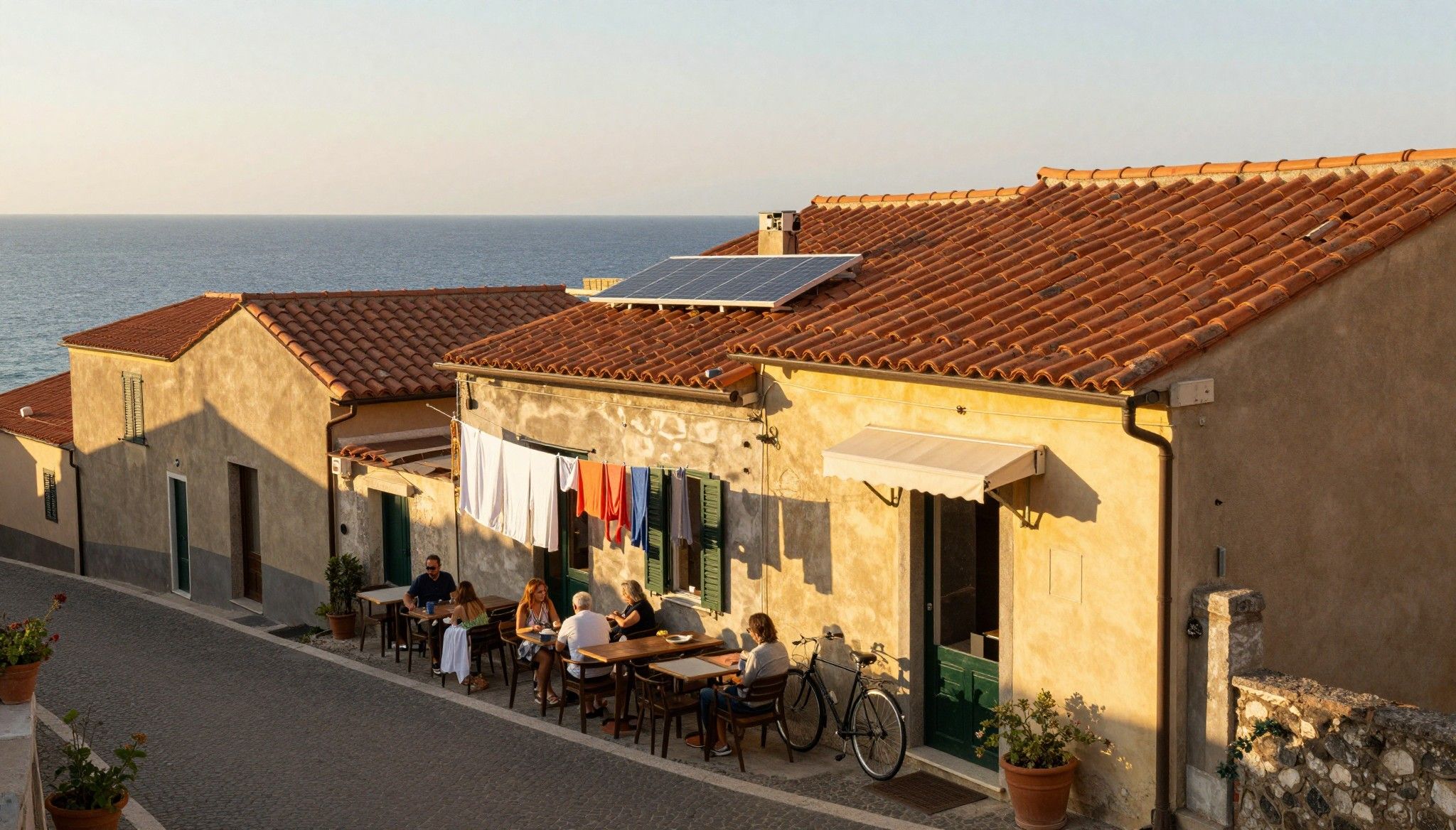
Imagine waking to the smell of baking focaccia in a sunlit piazza, then stepping out to a short stroll past olive trees where a rooftop solar array glints on a hilltop villa. In Italy, green infrastructure no longer lives only in glossy sustainability manifests — it’s stitched into how towns power themselves, how farms irrigate, and how neighbours share energy. For international buyers dreaming of a life where stone and soil, community and clean energy meet, that stitched-together reality is both romantic and practical. Recent market analysis shows a recovery in demand and a renewed interest in energy-efficient homes that cut bills and deepen local ties.
Living the Italy life — small rituals, big green gains
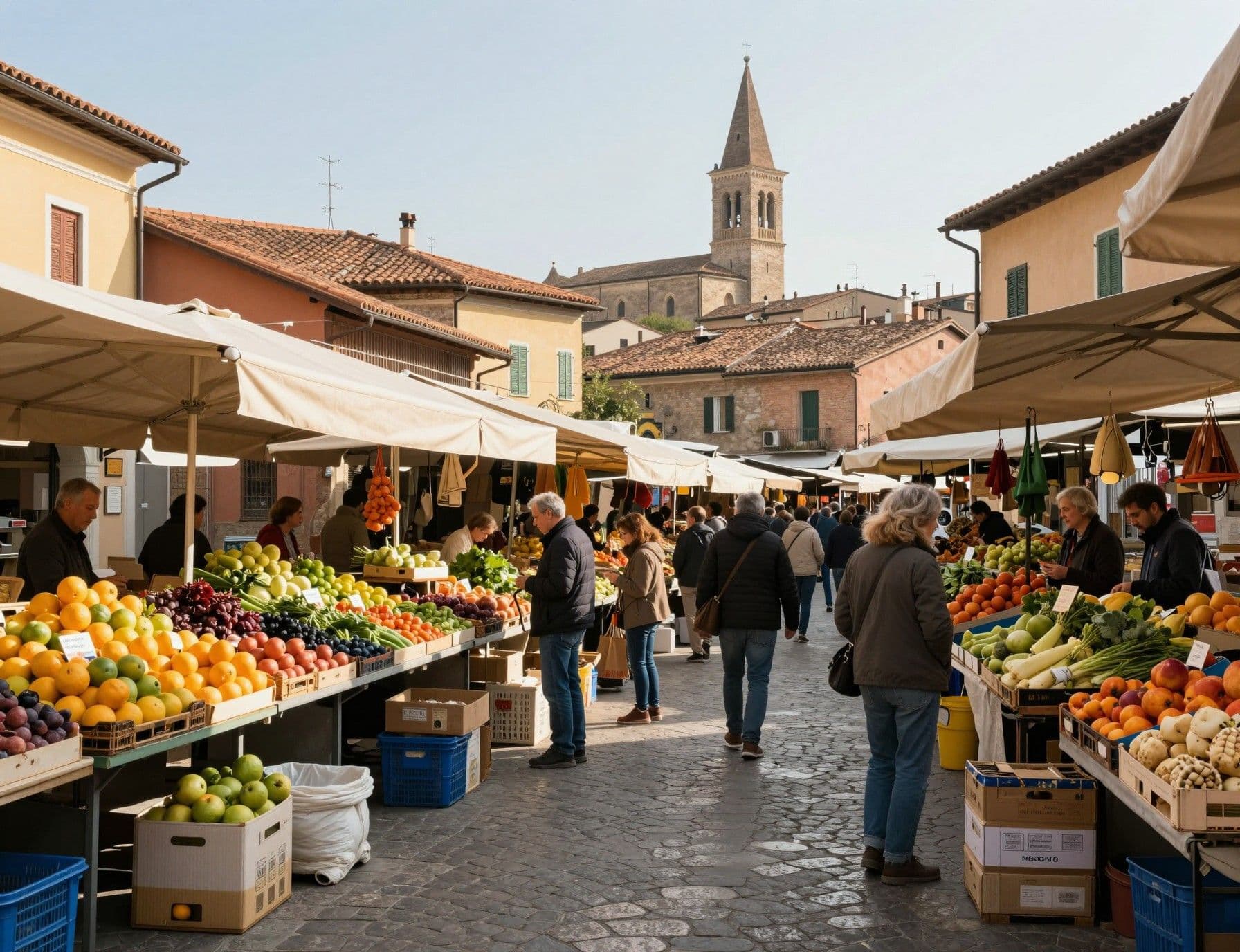
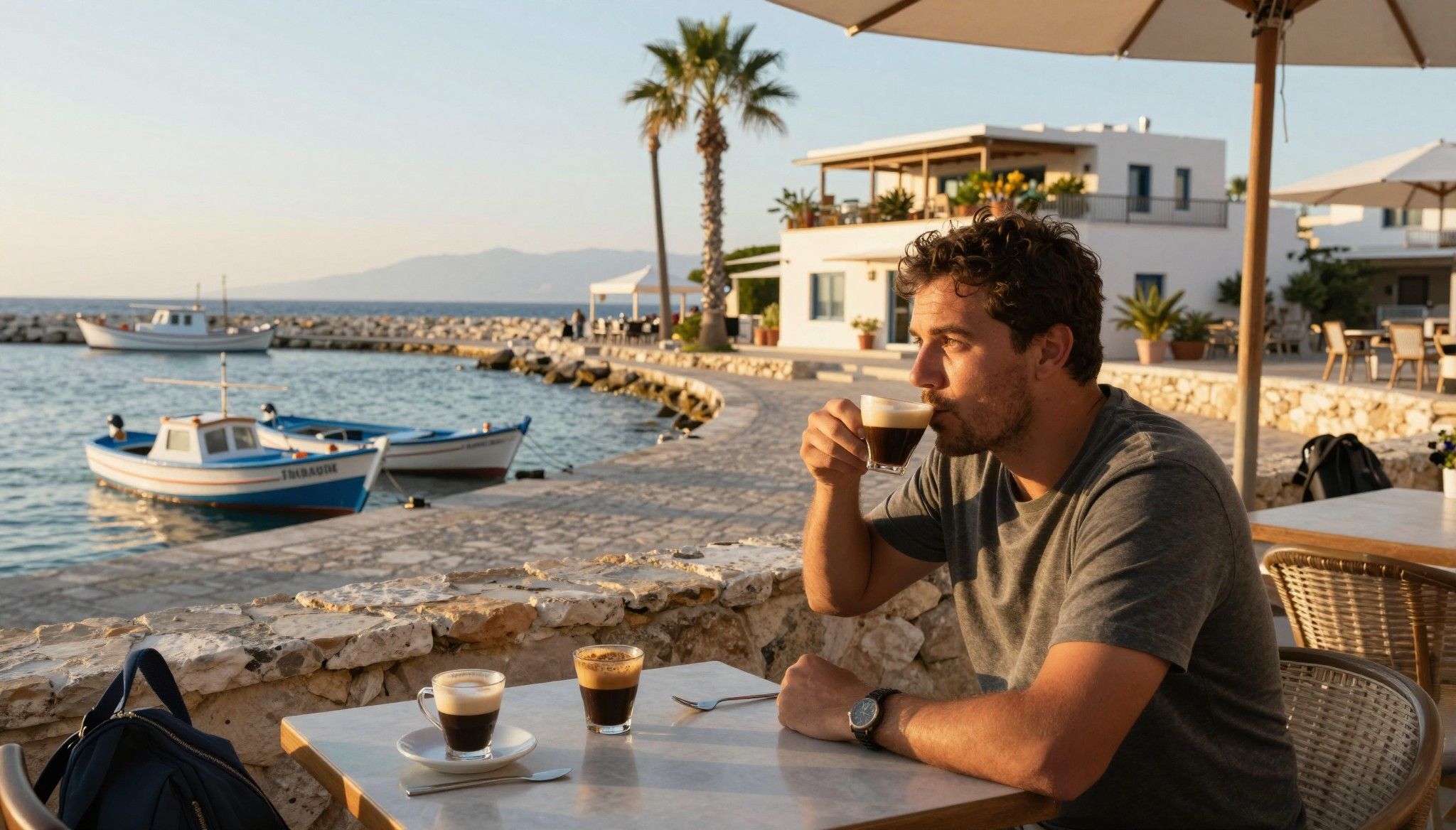
Living in Italy feels like a slow exhale: mornings for espresso at the corner bar, afternoons at the market picking seasonal produce, and evenings spent lingering over local wine beneath wisteria. But look closer and you’ll see practical green threads — a neighbour’s heat-pump quietly humming, grape growers using solar-powered irrigation, and historic stone houses adapted with discreet insulation. Those everyday choices shape the property you’ll buy and the life you’ll lead.
Neighborhood pulses: From Trastevere lanes to Amalfi terraces
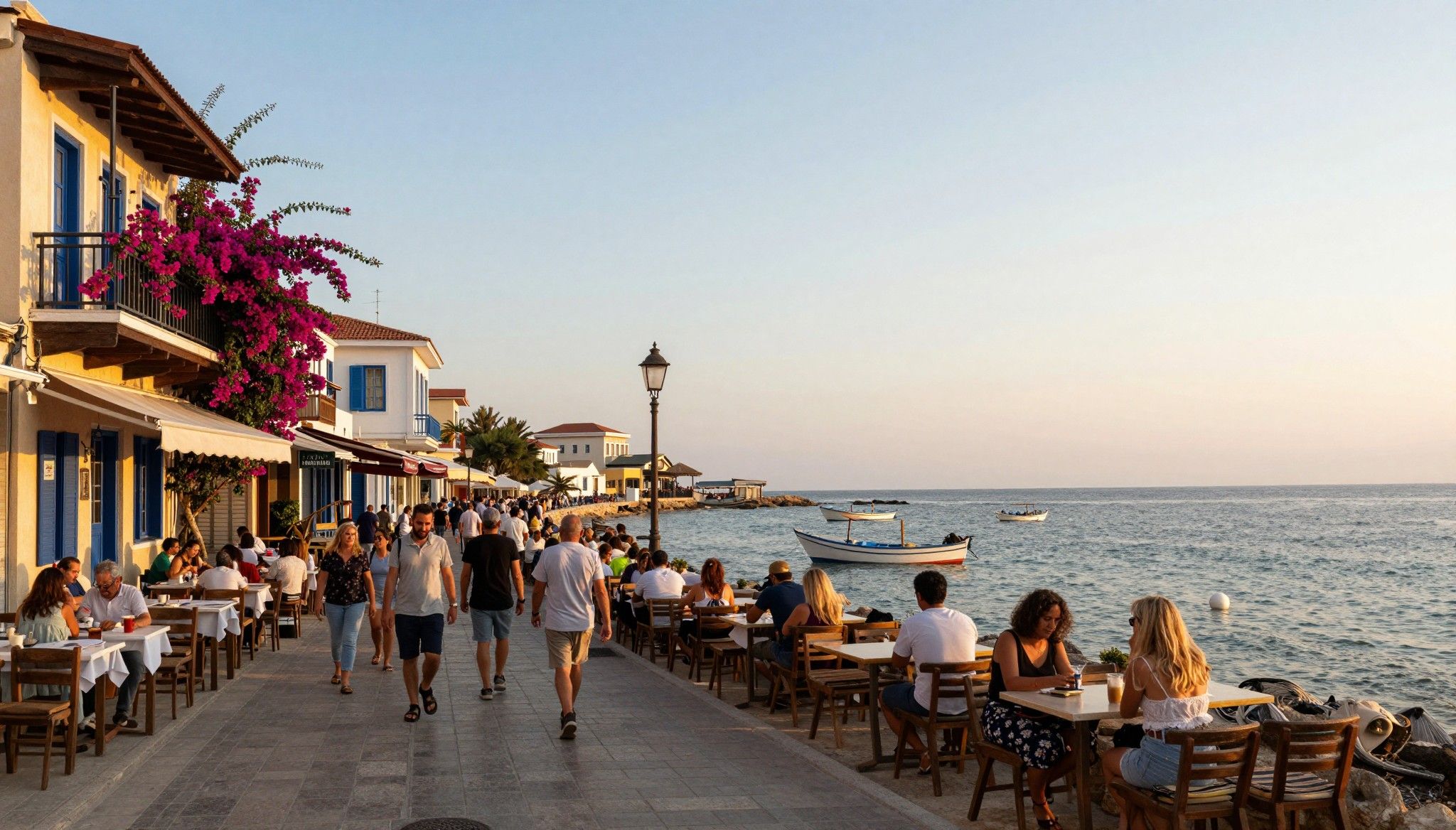
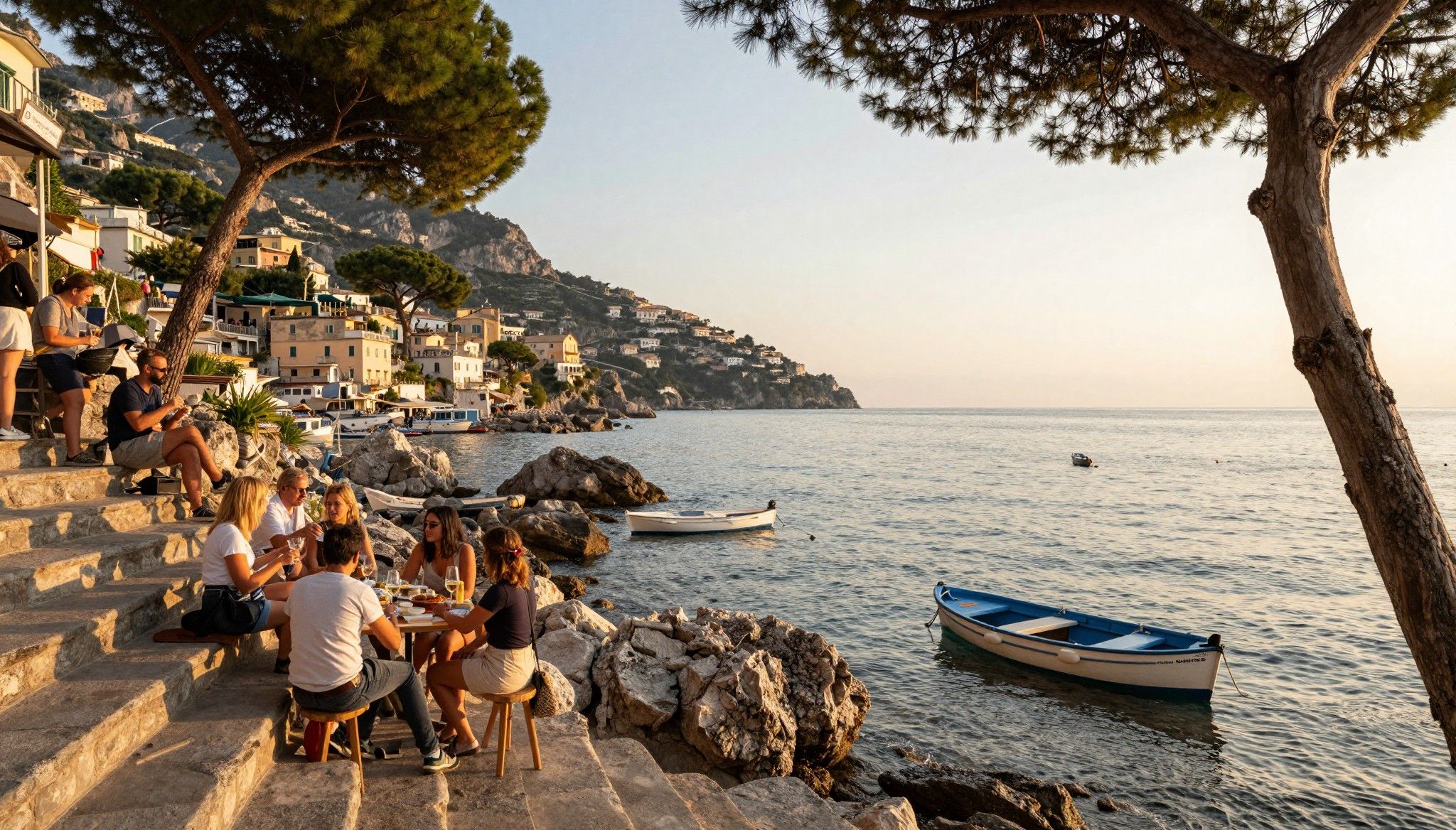
Each place in Italy moves at its own rhythm. In Rome’s Trastevere you feel the city’s layered history and thriving cafe culture; in Mantova’s canals life revolves around food markets and river walks; along the Amalfi Coast terraces spill into lemon groves and tiny coves demand low-impact maintenance. For green-minded buyers, micro-choices — a courtyard garden, a small PV array on a tiled roof, or rainwater capture for the terrace citrus — convert lifestyle into resilience.
Food, ritual and seasons: how climate and cuisine guide where you live
Seasonality shapes daily life. Spring markets overflow with asparagus and artichokes; autumn is for chestnuts, truffle hunts and harvest festivals that bring villages to life. Choosing a property that supports those seasons — a home with space to dry grapes or a sunny loggia for autumn light — matters more than a sea view when it comes to long-term joy and utility.
Pockets of place that feel like home: Campo de' Fiori (Rome) markets, the bohemian lanes of Bologna’s Quadrilatero, the olive-scented lanes above Ravello, and the thermal villages of Tuscany.
Making the move: how Italy’s green infrastructure affects buying
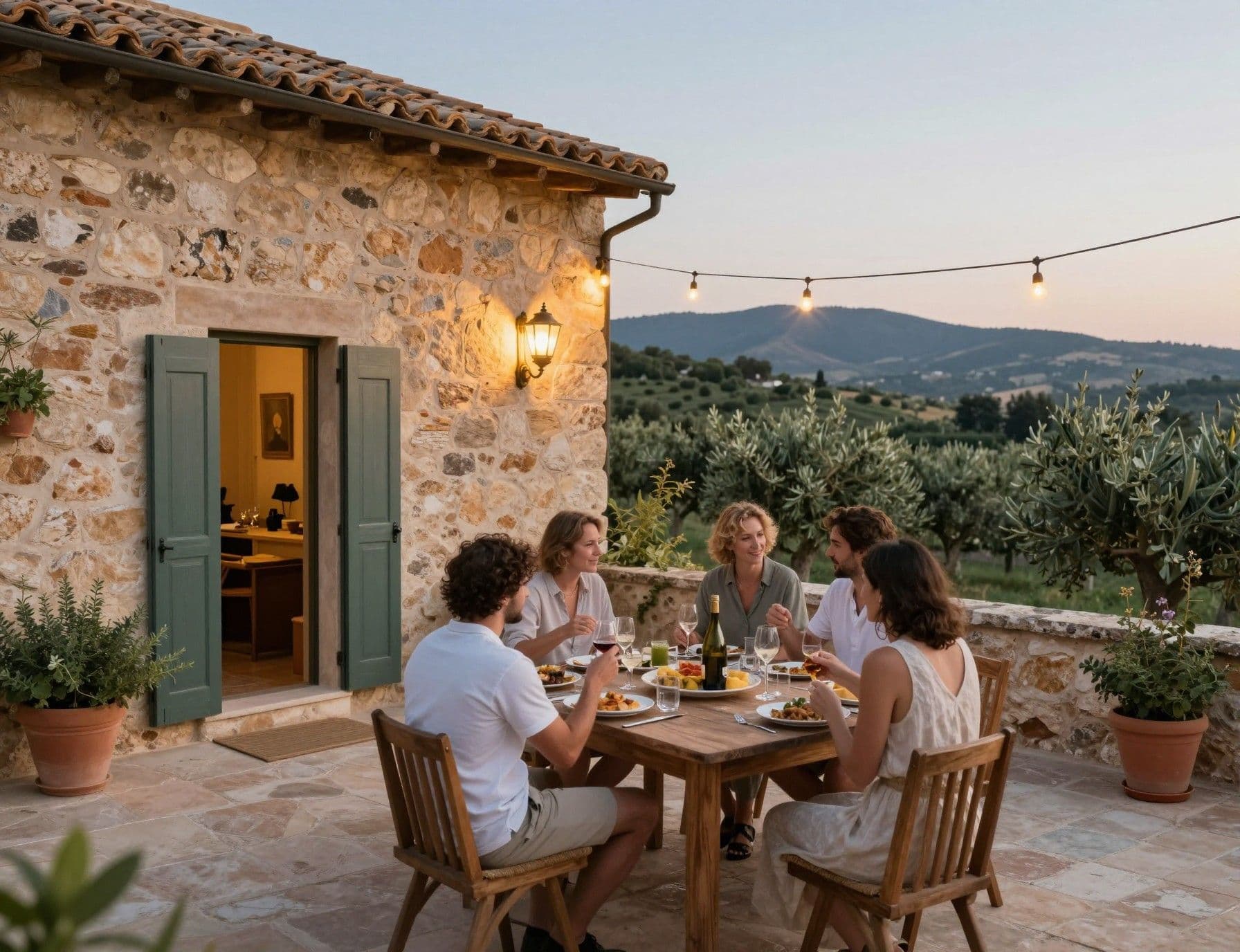
Here’s the practical heart: Italy’s grid and local green policies meaningfully lower the running costs of a house. National data show an increasing share of electricity from renewables and falling energy intensity, which translates into lower overall bills and greater regional opportunity for buyers who prioritise energy-efficient homes. Those trends also shape financing, resale value and the kinds of retrofits that yield real returns.
Property styles that match a life of low-impact living
Stone farmhouses in Tuscany and Umbria offer thick walls and passive cooling; northern Alpine chalets pair traditional timber with modern heat pumps; coastal town apartments can be retrofitted with smart shading and compact PV. The trick is to choose a property where the necessary green interventions are simple and proportionate — roof-mounted PV on terracotta tiles, insulating internal plaster layers rather than invasive structural change, or adding a condensing boiler and solar thermal for hot water.
Working with local experts who know place and policy
Look for agents and architects who understand Italian incentives (Superbonus, regional grants, and local rules for energy communities) and who can connect you to qualified artisans. A local agency that knows which comune approves rooftop PV easily, and which historic centre imposes strict conservation limits, becomes your most powerful ally.
Steps to marry lifestyle with low-impact property buying: 1) Visit in the off-season to feel day-to-day life; 2) Ask for EPC (energy performance certificate) and recent utility bills; 3) Get a local architect to estimate retrofit costs; 4) Check for local renewable projects or energy communities you can join; 5) Factor in seasonal maintenance (olive pruning, rainwater gutters).
Insider knowledge — myths, surprises, and things expats wish they’d known
Myth: green homes in Italy are always costly. Reality: many energy-wise improvements are incremental — attic insulation, smart thermostats, modest PV — and market data show buyers increasingly prize lower-energy homes, lifting their value. Expats often underestimate the social value of joining a local energy community, which can offset costs and build instant neighbourhood ties.
Cultural cues that change where you choose to live
Italians treat the home as an extension of social life: shared outdoors, communal festivals, and a preference for rooms that open onto courtyards or terraces. That means a modestly sized, well-oriented home with a courtyard often delivers more pleasure and lower environmental cost than a larger, isolated villa.
Long-term thinking: how this life grows with you
Buyers who invest in simple, reversible sustainability — better insulation, smart heating controls, drought-resistant gardens — find those choices age well. As Italy’s grid incorporates greater renewables (recent reporting places renewable coverage of power demand at record levels), homes that are ready to plug into local clean energy systems become more comfortable and cheaper to run.
Practical red flags to watch for: unclear roof ownership for PV installation, unregistered land used for olive groves, conservation restrictions on historic façades, lack of proper EPC documentation, and poor drainage in hillside properties.
Conclusion: Italy is at once a sensory country of markets, seas and seasons and a rapidly greener place to own a home. For international buyers, the smart move is to let lifestyle lead — choose the town, street and routine you love — then let green infrastructure and local expertise inform the practical steps. With local agents who understand incentives, artisans who respect traditional materials, and a community-oriented approach to energy, Italy offers a life where beauty and sustainability live side by side.
Dutch property strategist who helped 200+ families find sustainable homes in southern Europe; expert in legal pathways and long-term stewardship.