Paper, Place & Sea: Due Diligence That Protects Life in Cyprus
Fall for Cyprus’s daily rhythms — then secure them. Practical due diligence (title, planning, permissions) plus seasonal, eco‑minded buying transforms a seaside dream into a lasting life.
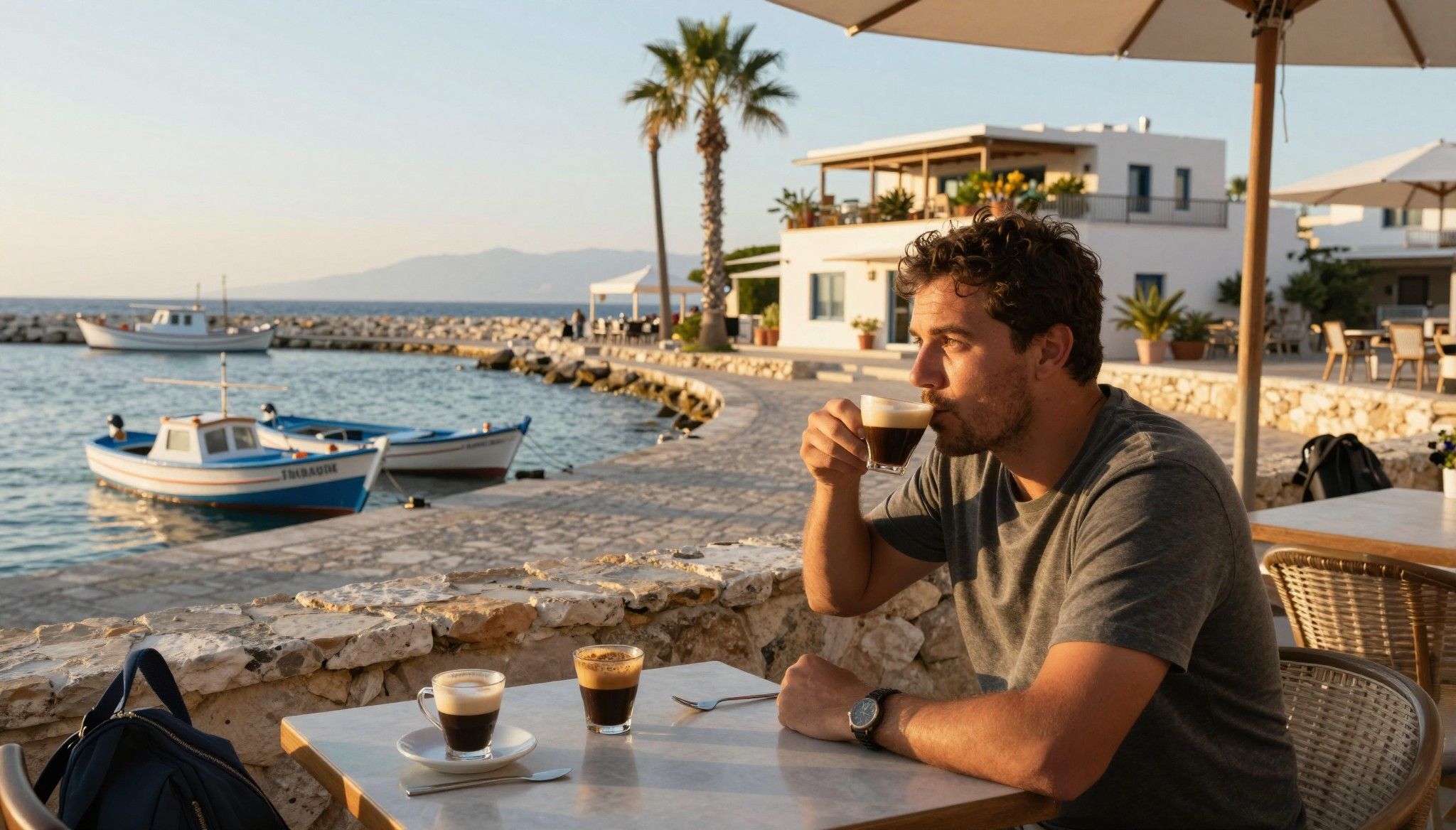
Imagine waking to the smell of coffee at a shaded table in Limassol’s Old Port, then wandering home past bougainvillea and low stone walls to a terrace that catches the evening breeze. Cyprus feels like a Mediterranean rhythm slowed down: sun, close-knit neighbourhoods, markets that still know your name and a built environment where stone, timber and courtyards meet sea and hill. For international buyers drawn to low‑impact living, Cyprus offers a rare mixing bowl of warm light, traditional craft and a growing modern eco‑consciousness — but the practical steps to own that life need grounded, local knowledge.
Living Cyprus: daily life, seasons and places
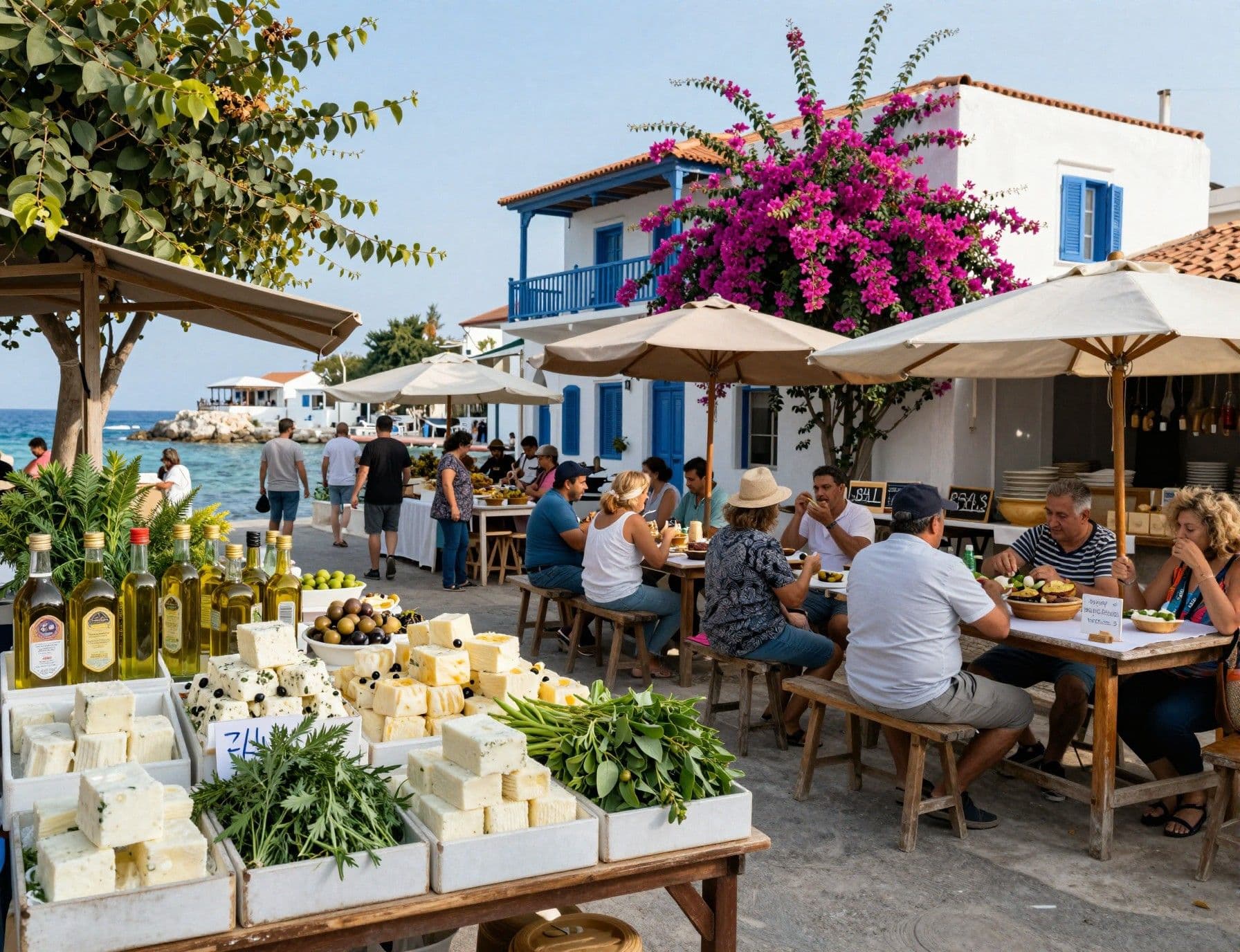
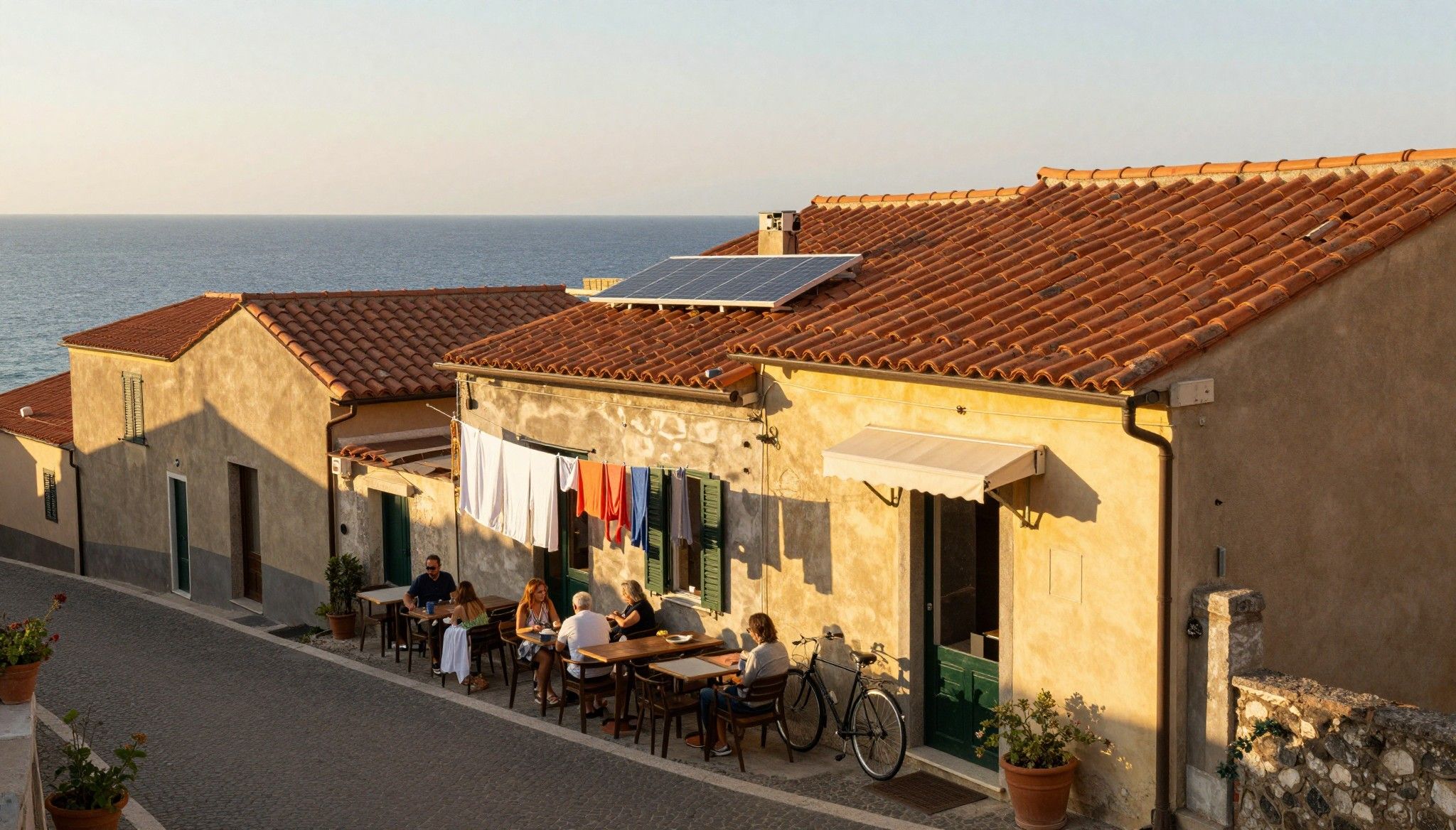
Cyprus is sunlit mornings and slow, sensory afternoons. In coastal towns like Limassol and Paphos you’ll find a cafe culture that spills onto narrow streets; in Larnaca the salt lake and seaside promenade shape weekend rituals; in Troodos villages wood smoke and stone roofs mark a different season. Each place writes its own daily script — fishermen hauling nets, bakers selling warm shepherd’s pie (pitta) at dawn, taverna tables that light up at dusk — and your property choice determines which chapter you live in.
Neighbourhoods that feel like home
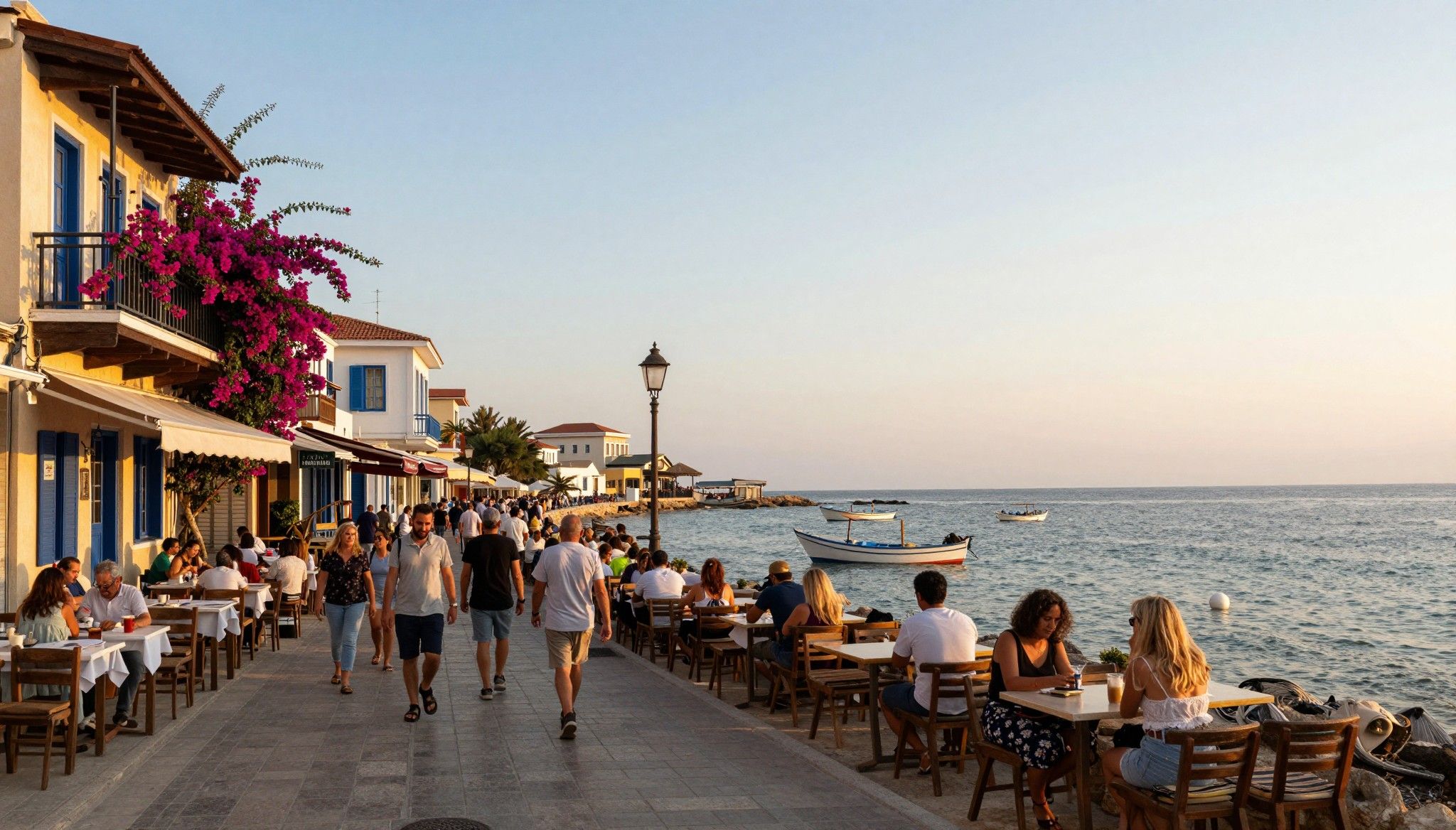
If you crave coastal sociability, Limassol’s Germasogeia and Old Port neighbourhoods offer seaside promenades, artisan bakeries and a lively expat scene. Paphos’s Kato Paphos rewards walkers who love harbour sunsets and old‑stone lanes. For a quieter, earthier pace, the mountain villages of Platres and Omodos are where seasonal gardens, vineyards and craft workshops shape community life. Each area comes with practical tradeoffs — access to international schools, hospital proximity and planning protections — that will affect due diligence.
Food, markets and small rituals
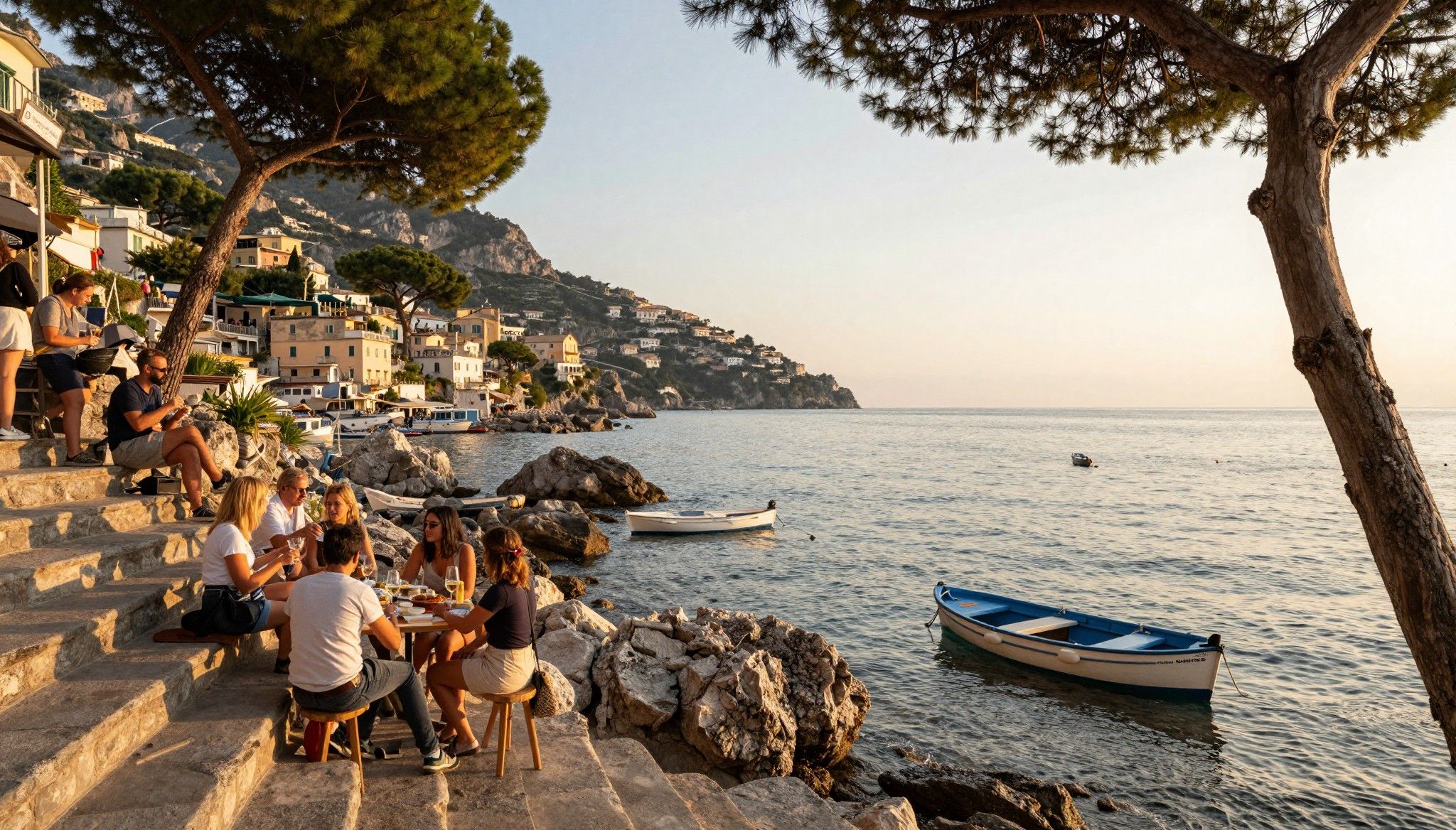
Weekends in Cyprus are sensory: morning markets piled with halloumi, local olives and vigorous herbs; seaside tavernas serving fresh fish over shared plates; and late‑afternoon siestas in shaded courtyards. When choosing a home, consider proximity to the market that will anchor your slow food life, and whether the property supports seasonal practices — a south‑facing terrace for solar gain, a small plot for kitchen herbs, or space for rainwater capture.
- Lifestyle highlights to look for when house‑hunting in Cyprus: - A morning cafe that becomes your social hub (e.g., Limassol Old Port cafés) - Easy access to a weekly farmers’ market or municipal market - A sheltered outdoor living area for year‑round use - Proximity to walking trails or vineyards (Troodos foothills) - Local craftspeople and builders experienced in stone and timber restoration
Making the move: paperwork, permits and the real tradeoffs
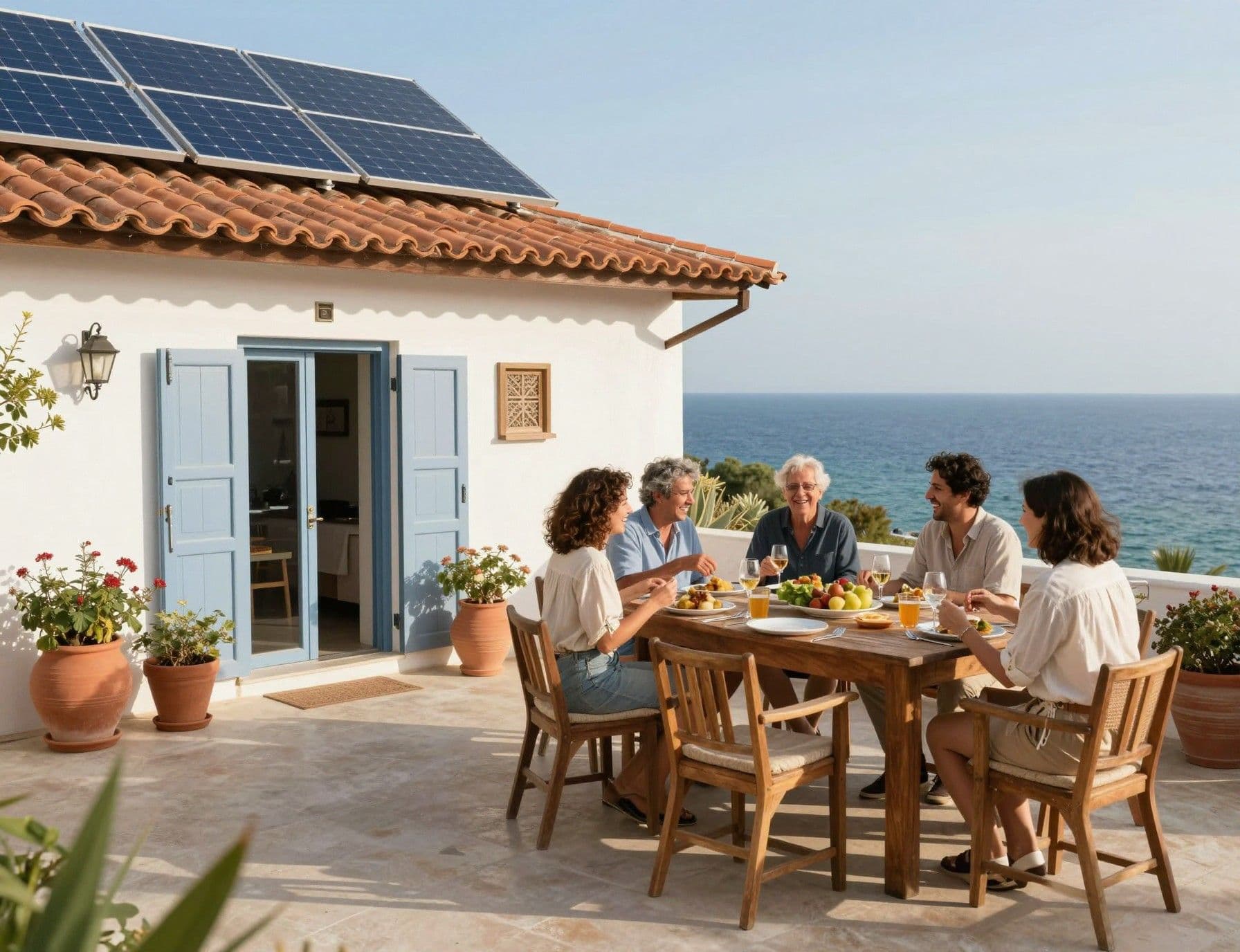
The romance of a terrace and sea view meets concrete realities: title deeds, planning permissions and, for many buyers, a one‑property limit if you are a non‑EU national. Cyprus law generally allows foreigners to buy, but the District Administration permission and careful checks on planning and title are essential. Treat paperwork as part of the lifestyle: the deed, survey and planning consent are the hinge between dreaming and owning.
What to verify before you sign
- Check these items in order — they protect your lifestyle and investment: 1. Title deed status and registered boundaries (is the property fully titled?). 2. Planning permission and building permits (look for authorised extensions or unregistered works). 3. Survey and as‑built plans (confirm what you actually buy matches plans). 4. Outstanding mortgages, charges or legal disputes registered against the property. 5. Utilities and connection status (water, sewage, grid connection for PV if present).
Working with local experts who protect your life here
- A practical, lifestyle‑aware due diligence process often flows like this: 1. Hire a bilingual lawyer to vet title deeds and lodge the preliminary contract with the Land Registry. 2. Commission an independent surveyor and an architect’s check on planning permissions. 3. Confirm tax and municipal fee status and ask for recent utility bills. 4. If non‑EU, apply for District Administration permission early (it can delay transfer). 5. Negotiate contractual protections: contingencies for clear title, completion dates, and agreed remedies for unauthorised works.
Insider knowledge: red flags, timing and a few contrarian moves
Buyers often romanticise summer viewings and sea vistas. But in Cyprus, buying in the quieter shoulder seasons (late autumn or early spring) reveals the everyday life — quieter streets, utility noise patterns, and how a neighbourhood functions outside tourist hours. Market data shows steady price growth and rising mortgage activity, so use seasonality to inspect life, then use evidence for negotiation rather than postcards of midsummer.
Red flags that erode lifestyle value
- Watch for these practical issues that kill the slow‑life dream: - Properties without clear title (ask exact timelines for deed issuance). - Unauthorised extensions that breach planning rules. - Lack of insulation or poor orientation — leading to high summer cooling needs. - No provision for solar panels or limited roof access for PV installation. - Overbuilt plots where hard landscaping leaves no space for trees or gardens.
Contrarian take: Cyprus’s reputation as "expensive" in certain coastal pockets hides accessible opportunities inland and in older apartment stock where sustainability upgrades (insulation, heat pumps, PV) can transform living costs and comfort. With rising apartment volumes in the market, an eco‑minded buyer can pick a modestly priced unit and invest in low‑carbon retrofit to create a long‑term, low‑cost sanctuary.
- Steps to protect your purchase and lifestyle (quick checklist): 1. Confirm title and planning before you pay a large deposit. 2. Run an energy and orientation audit to prioritise passive gains. 3. Budget for retrofit works (insulation, shading, solar, greywater) in negotiations. 4. Ask local agents for off‑season viewings and speak to neighbours about year‑round life. 5. Ensure your lawyer lodges the sale contract with the Land Registry to record your interest.
Conclusion: the life you buy matters as much as the price
Cyprus gives you a chance to build a life that blends Mediterranean ease with eco‑minded stewardship. Start with a lifestyle map — the cafes, markets and seasons you want — then let a careful due diligence process translate that map into a secure purchase. Work with a local lawyer, a surveyor and an agency that understands low‑impact homes. In doing so you’ll protect more than your money: you’ll protect the quiet rituals and natural rhythms that made you fall for Cyprus in the first place.
Dutch property strategist who helped 200+ families find sustainable homes in southern Europe; expert in legal pathways and long-term stewardship.