Malta: Buy for Stewardship, Not Summer Buzz
Malta’s compact, craft-rich life invites green stewardship—buy with seasonal sensibility, value restoration over speculation, and prioritise PV-ready roofs and native gardens.
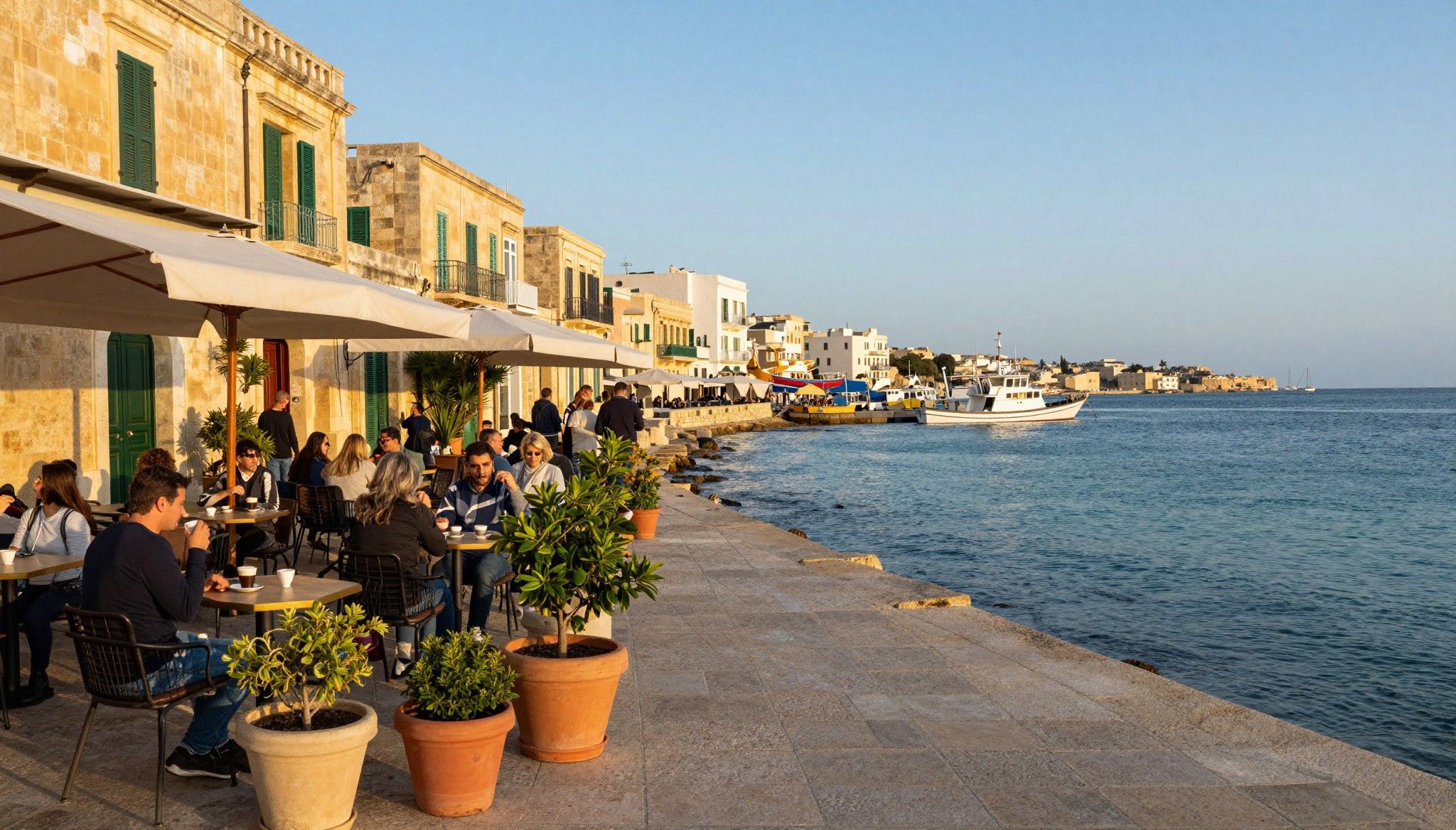
Imagine morning light warming honey-coloured limestone façades as an espresso steams on a narrow Sliema balcony, or fishermen bargaining at Marsaxlokk as lemon trees scent the air. Malta lives small and vibrant — a stitched-together archipelago where centuries of craft, sea and seasons shape daily life. For international buyers seeking green-minded living, that compactness is an asset: nature is never far, traditional stonework cools interiors, and a local rhythm celebrates outdoor kitchens, neighbourhood markets and slow Sundays.
Living the Malta life
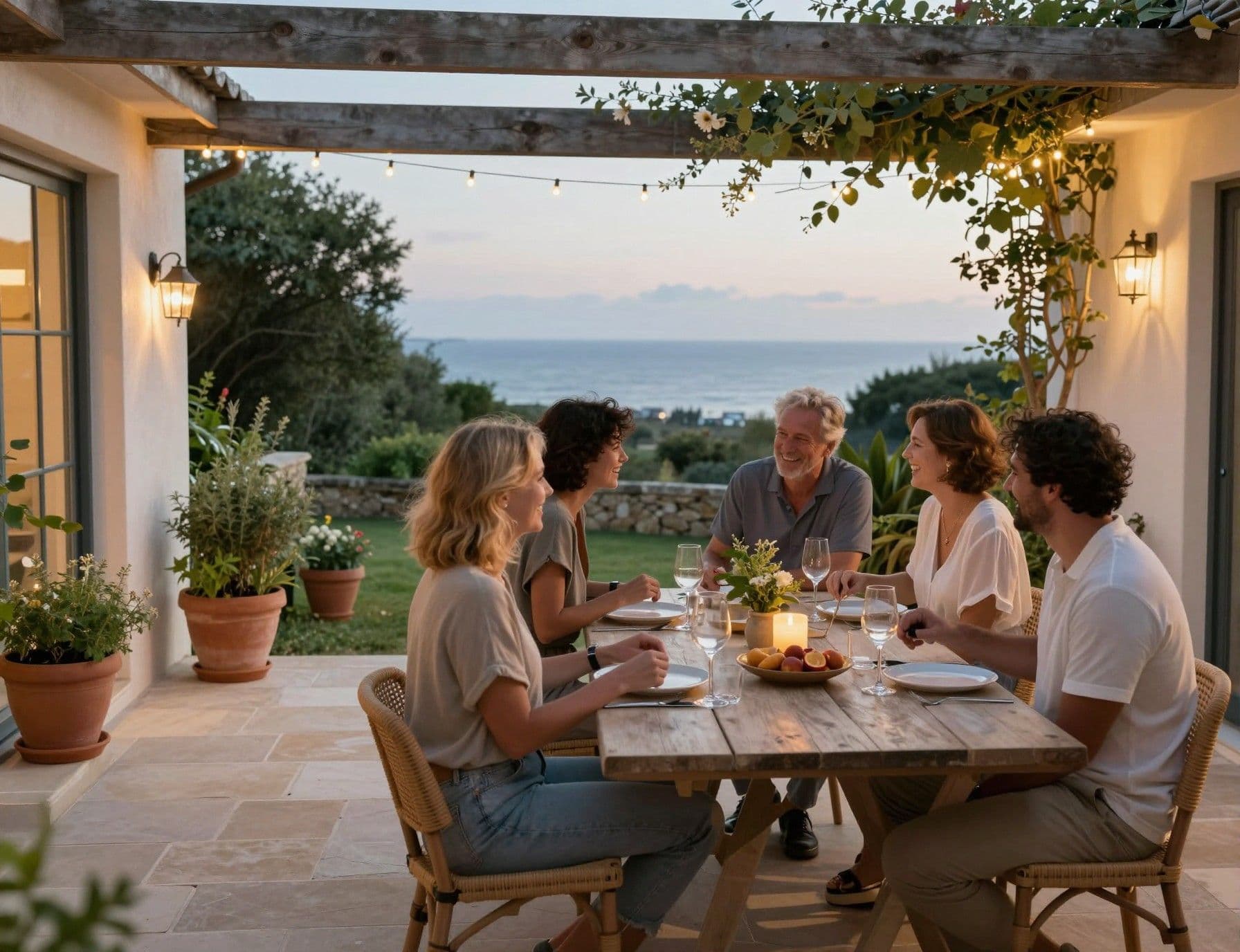
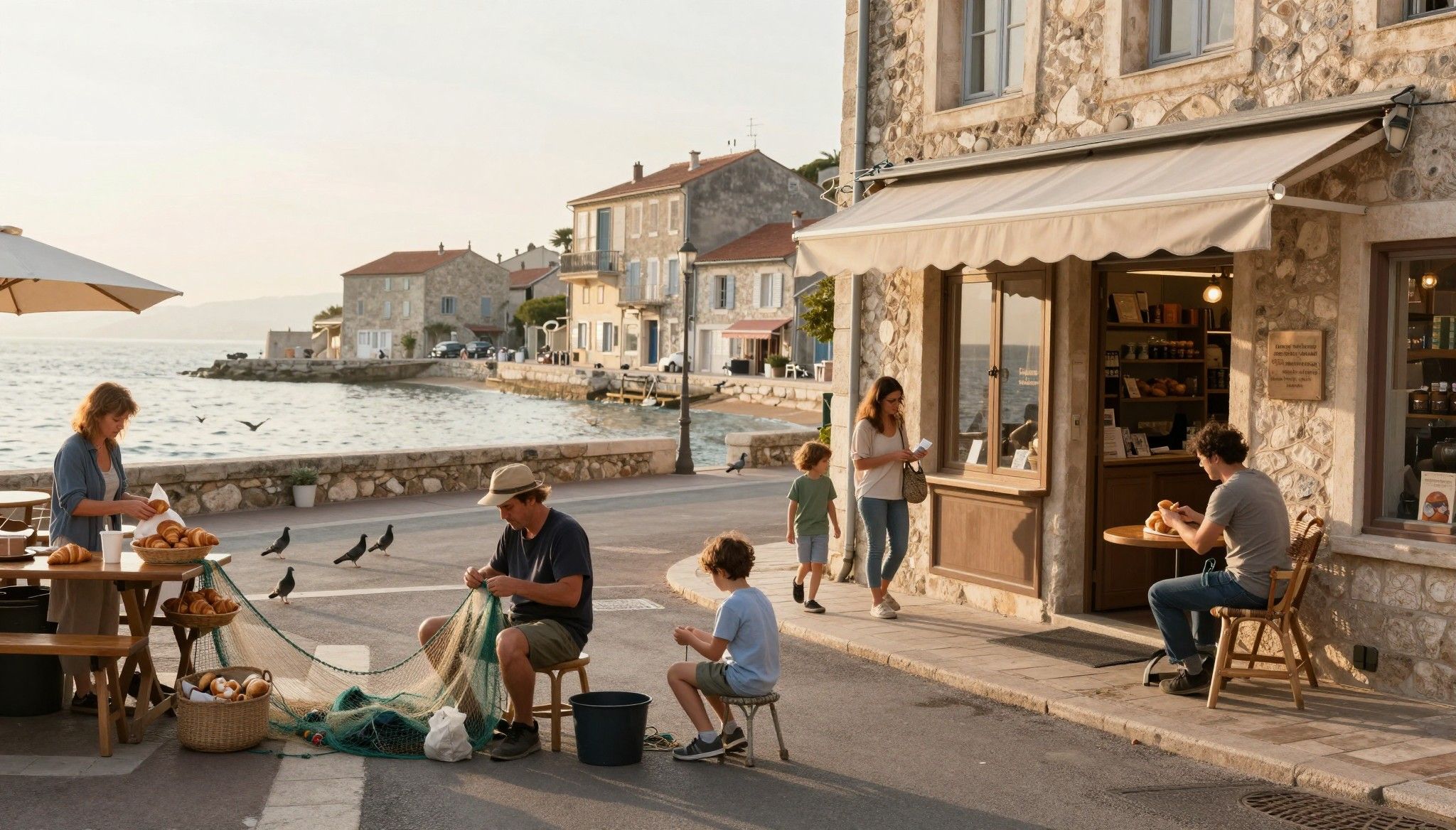
Living here is sensory — the clack of shutters, limestone dust on shoes, thyme and wild rosemary along coastal paths. Days often begin with a stroll to a local bakery, move into long lunches shaded by vines, and end with sea-breezes off the Grand Harbour. For those drawn to green living, Malta rewards simple, place‑rooted choices: rooftop vegetable patches, restored stone terraces that retain cool, and a culture of small‑scale craft repairs rather than throwaway replacements.
Neighborhood spotlight: Valletta, Sliema, and Marsaxlokk
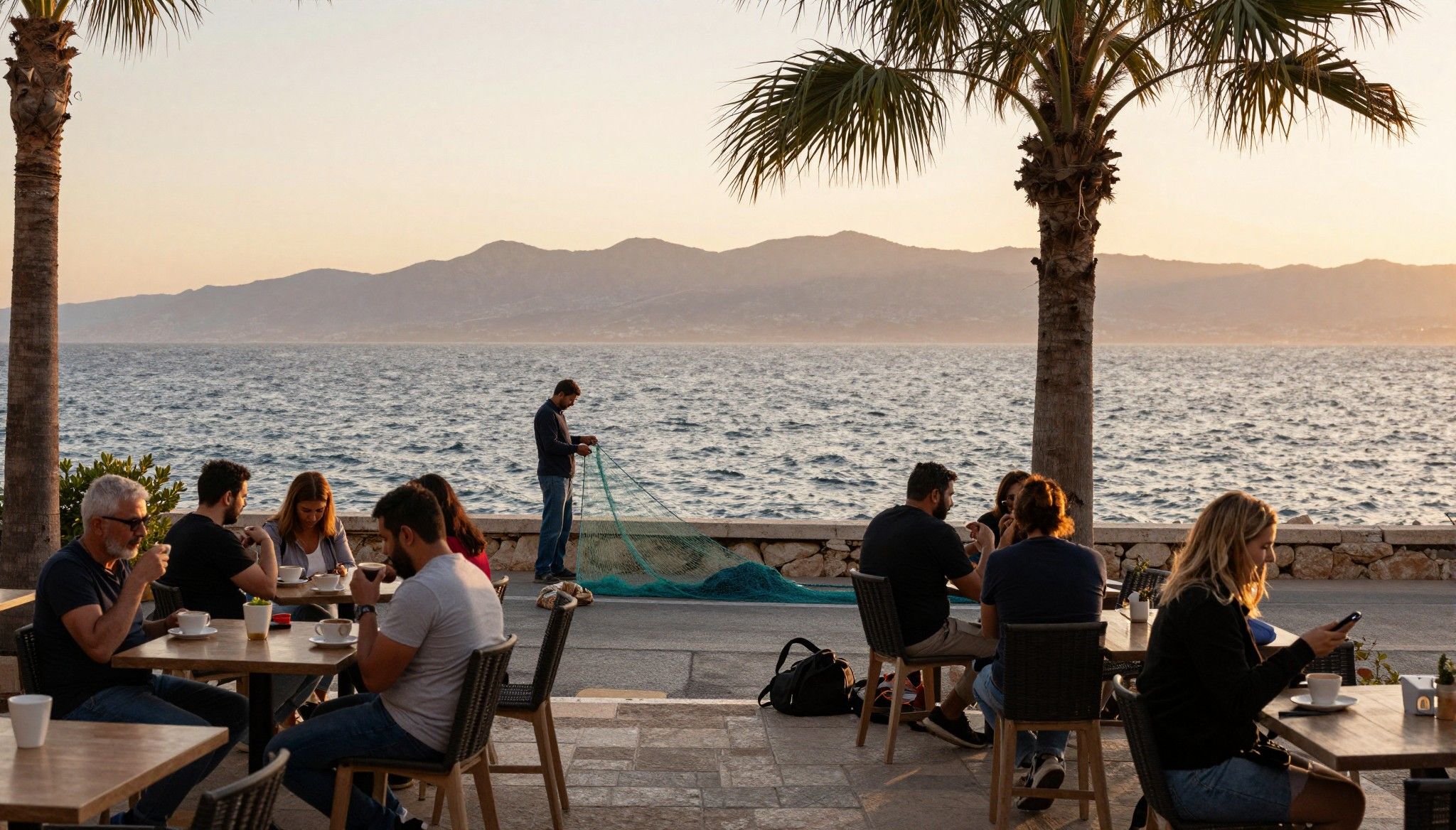
Valletta hums with heritage — baroque facades, tiny palazzetti and a surprising number of rooftop gardens that catch afternoon light. Walkable and heavily protected, it’s perfect for buyers who prize history and community over sweeping views. By contrast, Sliema and St Julian’s offer sea‑front promenades, buzzy cafés and easy ferry links — a more modern social life. Marsaxlokk is quieter but alive at dawn, where fishermen’s boats bob and you can taste the day’s catch in harbour trattorias.
Food, markets and seasonal rhythms
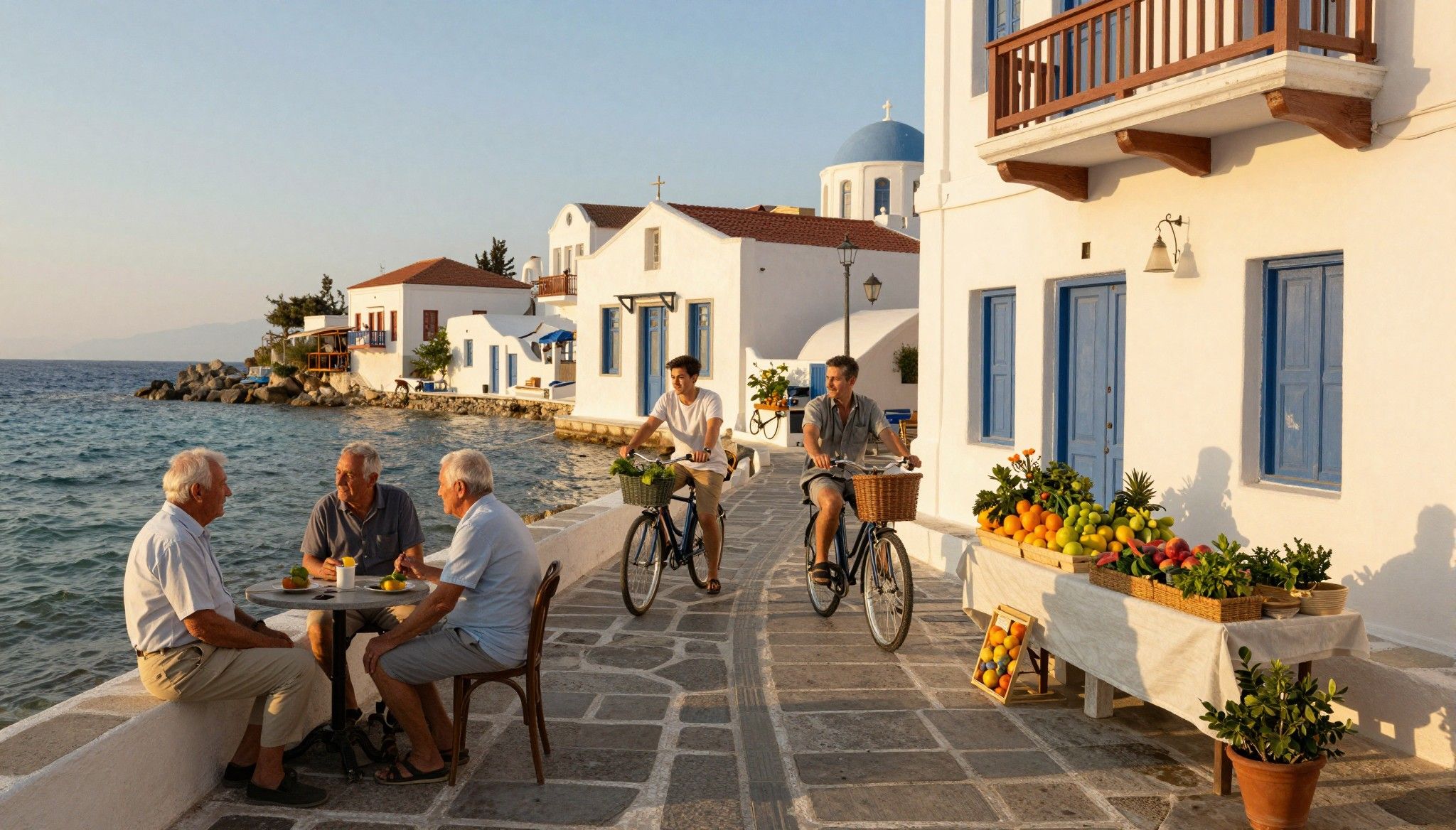
Weekends are for markets: Valletta’s Is‑Suq tal‑Belt and Marsaxlokk’s fish stalls connect you to local growers and fishers. Seasonal eating is central — prickly pears in late summer, capers in spring, and fig preserves through winter. If you love farm‑to‑table living, Malta’s micro‑producers and rooftop gardens let you knit food into daily life even in compact urban settings.
- Lifestyle highlights to taste and try: Valletta’s narrow café-lined streets; Sliema promenade and sunset swims; Marsaxlokk’s Sunday fish market; Dingli Cliffs walks at golden hour; local band marches in village festas.
Making the move: lifestyle‑aware property realities
The dream of an idyllic Maltese life meets a compact, dynamic market. Recent NSO figures show residential prices rising steadily — an important context if you prefer to buy into long-term stewardship rather than short-term speculation. Local supply is tight in cherished historic cores, so buyers looking for gardens, native plantings and renewable-ready roofs often find better value by considering smaller towns or Gozo, where space invites regenerative landscaping and solar installations.
Property styles and what they mean for living
From narrow Valletta townhouses to modern apartments and rural farmhouses on Gozo, Malta’s typologies dictate how you’ll live. Traditional town houses (palazzetti) offer high ceilings, internal courtyards and natural ventilation — excellent for passive cooling. Newer developments can deliver insulation and PV-ready roofs but often sacrifice character. If sustainable living matters, prioritise stone restoration, cross‑ventilation, and space for native plantings when you view.
Work with local experts who care about place
- How a place‑attuned agent helps: 1) Match you to neighbourhoods where your daily rituals—morning mercato, evening swim—fit the property type; 2) Prioritise homes with passive cooling, roof solar potential, and rainwater capture; 3) Connect you to local craftsmen for lime-mortar repairs and native garden design; 4) Advise on seasonal occupancy patterns so you buy for life, not just summer.
Insider knowledge: expat truths and green trade‑offs
Expats often arrive enchanted — and then learn the small tradeoffs that shape long-term contentment. Summers are lively but crowded; winters are mild and intimate. Expect neighbourhood festas, a slow bureaucracy for permits, and neighbours who value continuity. For eco-minded buyers, the hidden work is in retrofitting: adding insulation, planting native hedges, and negotiating solar panels with heritage rules.
Cultural integration: language, community, and customs
English is an official language, which smooths many early steps, but Maltese social life leans on local networks and festas. Learn a few Maltese phrases, join a village event, and you’ll be invited into kitchens and conversations. Practical kindness — recycling correctly, respecting quiet hours, and using local craftsmen — fast‑tracks acceptance and supports a regenerative local economy.
Long-term life: stewardship over speculation
If you plan to make Malta home for the long run, think stewardship: invest in building fabric and biodiversity, not only market churn. Residency routes exist for international buyers who commit to local ties, and a long-term view lets you budget for green upgrades that reduce bills and deepen your connection to place. In practice, buyers who choose restoration and native planting report richer daily life than those chasing short-term rental yields.
- Practical red flags and quick checks: Ask about insulation and passive ventilation; check roof rights for solar; confirm water-storage options; verify local planning constraints in heritage zones; meet neighbours to learn about quiet hours and festa schedules.
Picture this: six months after you arrive, you’re harvesting herbs from a sun-warmed rooftop, walking to a grocer who knows your name, and hosting friends under string lights on a limestone terrace. Your home feels rooted because it was chosen with seasons, craft and community in mind. Practical steps — local agency partnership, RPPI awareness, and a plan for green upgrades — close the gap between dream and daily reality.
Next steps: visit off-season to feel true neighbourhood life, bring a local architect or conservation mason to viewings, and ask agents for recent RPPI-backed sales in the street. If stewardship and seasonal living are your compass, Malta rewards patience: the most joyful homes are those that grow greener with care.
Swedish advisor who left Stockholm for the Costa Brava in 2019. Specializes in sustainable, sea‑view homes for Scandinavian buyers and green finance insights.