Why Cyprus Feels Pricier Than It Is
Cyprus’s headline prices mask seasonal and neighbourhood nuance—choose micro-locations and small sustainable retrofits to turn cost into long-term lifestyle value.
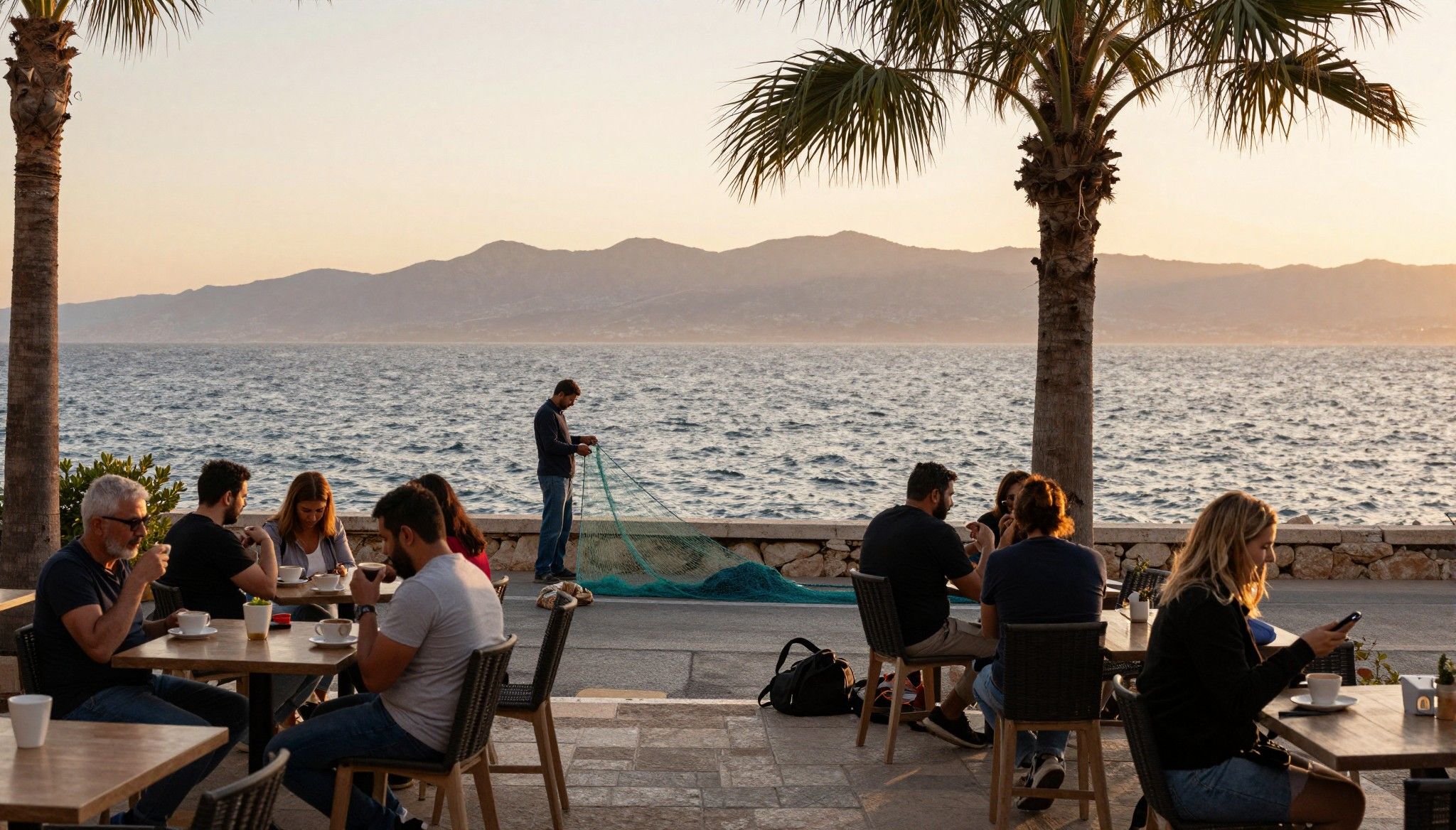
Imagine waking to the sound of a fishing boat horn in Larnaca, sipping strong coffee under bougainvillea on Ledra Street in Nicosia, or walking a stony path through a cedar-scented mountain village above Paphos. Cyprus offers a rhythm that moves between sea and hill, a culture of long lunches and later sunsets. But many international buyers arrive convinced the island is simply "too expensive." Recent price data and local realities tell a different story — one where seasonality, property type and sustainability upgrades reshape value in surprising ways. (See Central Bank data for price trends.)
Living the Cyprus life — more than sea and sun

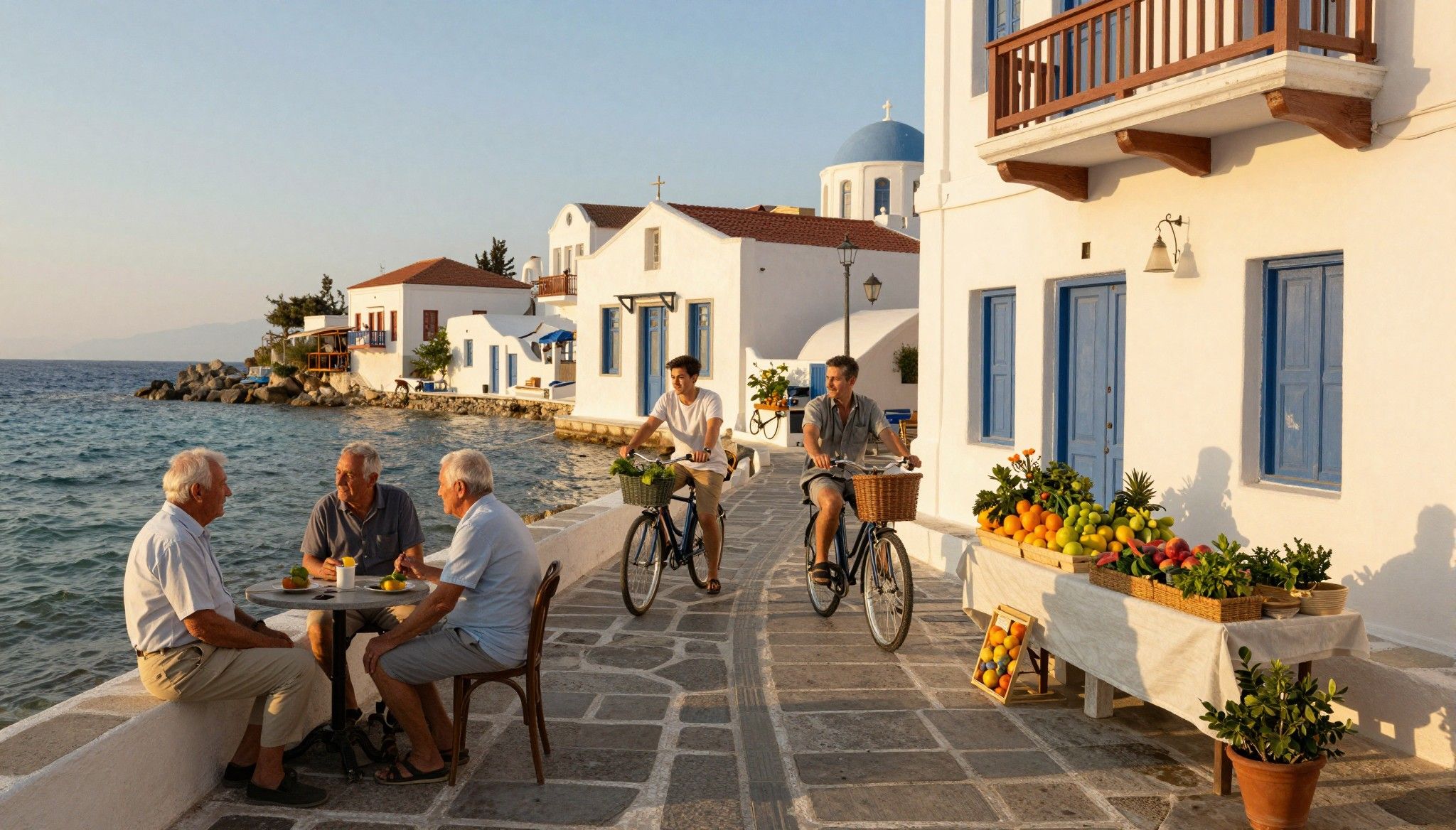
Cyprus is not a single mood; it’s a set of connected daily rituals. Mornings belong to markets and bakeries, afternoons to siesta-lit beaches, and evenings to tavernas where the olive oil tastes of the hills behind town. The island’s five districts — Nicosia, Limassol, Larnaca, Paphos and Famagusta — each bring a distinct tempo. That variety is exactly why a price headline alone misses the mark: where you buy on the island determines lifestyle and long-term costs far more than a blanket national label.
Neighborhood spotlight: Limassol’s layered coast and old port
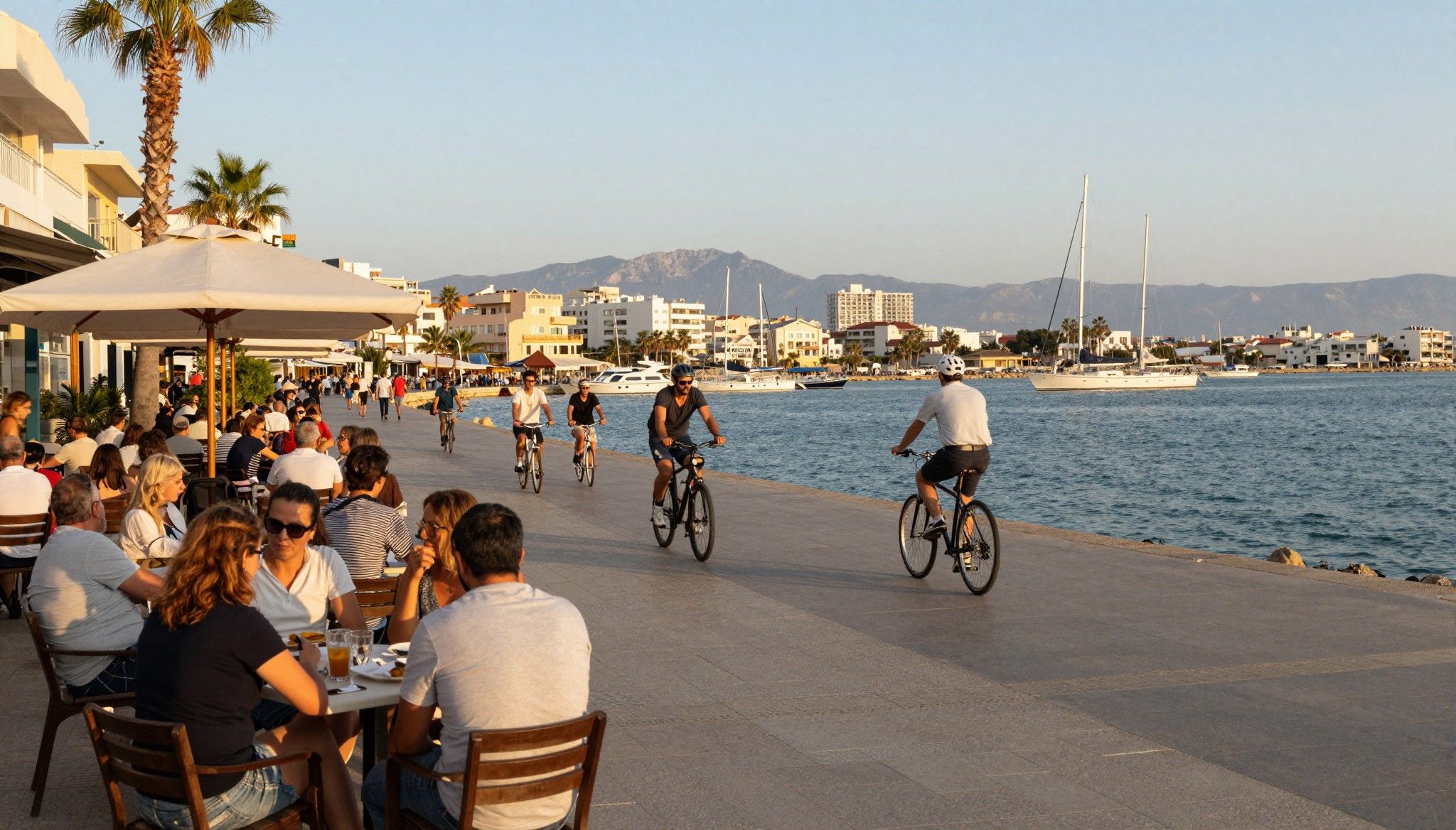
Limassol can look expensive if you only see the marina towers. Walk ten minutes inland and you find narrow streets of low-rise apartments, family-run bakeries, and community gardens where elderly men play backgammon in the shade. For buyers seeking an eco-minded life, neighborhoods like Agios Nicolaos and parts of Kapsalos offer modest terraces, mature trees and short commutes to the sea — the kind of places where retrofitting for solar panels or rainwater capture makes real financial and lifestyle sense.
Food, markets and micro-routines that shape where you live
Weekends in Cyprus are sensory: Paphos’s fish market at dawn, Limassol’s Saturday organic stalls, and Nicosia’s small cafés where farmers exchange local pistachios and halloumi. Living near a market not only enriches daily life but reduces grocery bills and car use, increasing the value of smaller, well-placed homes. The seasonality of produce means garden plots and apartment terraces pay back quickly for buyers who want low-impact, delicious living.
- Lifestyle highlights to look for in a property
- Morning market access — cuts food costs and builds community
- South-facing terraces and courtyards — natural heating in winter
- Shared green spaces or village gardens — biodiversity and neighbour ties
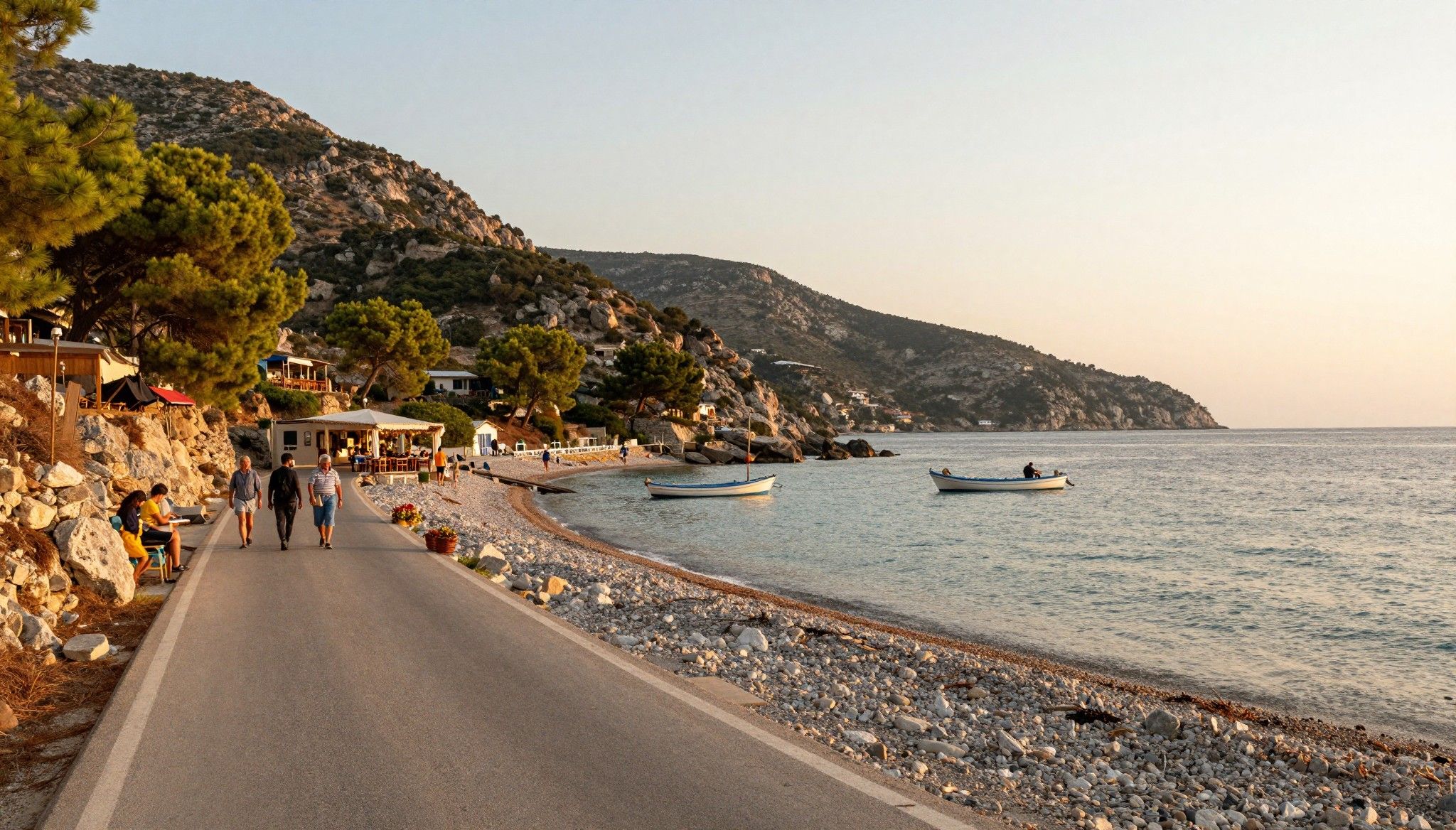
- Proximity to small harbours or mountain trails — year-round lifestyle, not just summer
Making the move: small choices that change price and lifestyle
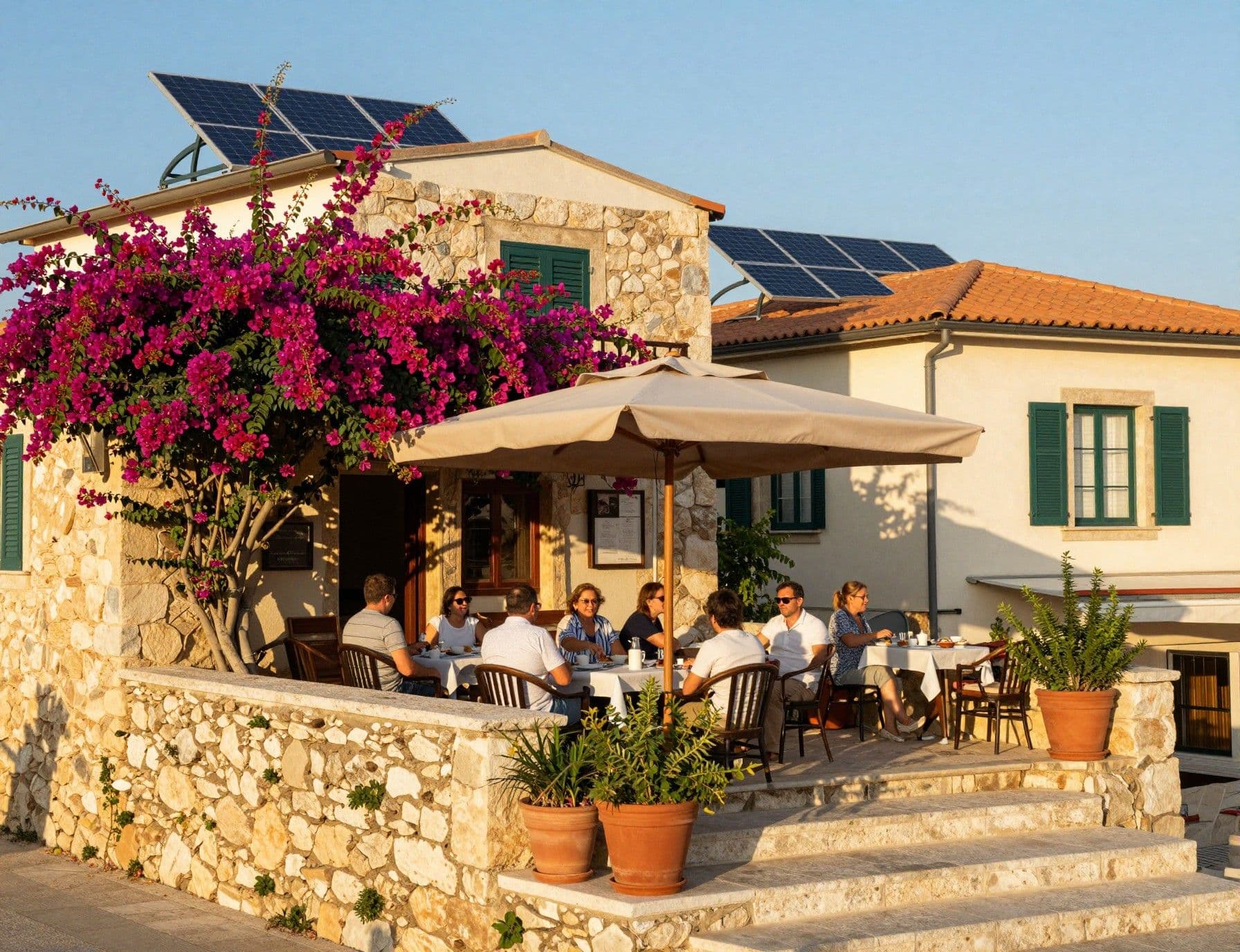
If a listing snapshot makes Cyprus look uniformly costly, look closer at the components driving price: district, building age, and usable outdoor space. An apartment near a marina will carry a premium; a traditional stone house in Tala or Kannaviou may need renovation but offers unique insulation and lower embodied energy. Choosing the right micro-location and embracing modest retrofits can reduce lifetime costs and connect you more deeply to local life.
Property styles and what they mean for daily life
Modern coastal developments promise pools and concierge services but often demand higher service charges and more imported materials. Stone village houses, by contrast, bring thick walls, shaded courtyards and cheap local labour for sympathetic renovations. For sustainable buyers, older homes frequently allow simpler solar integration, greywater systems and permaculture gardens — all practical moves that lower bills and improve quality of life.
Working with local experts who understand place and process
Local agents, architects and lawyers are your translators — of language, custom and practical possibility. An agent rooted in a neighbourhood will point out a south-facing courtyard that news headlines miss; an architect familiar with Cypriot stonework will estimate restoration costs honestly. For residency questions, specialists can explain Category F residency-by-investment thresholds and documentation so you know how a specific property aligns with your life plan.
- Steps that blend lifestyle choices and practical checks
- 1) Map daily routines — markets, schools, transport — before shortlist
- 2) Visit in different seasons; what’s glorious in August can be empty in November
- 3) Get a local architect’s retrofit estimate for solar, insulation and water reuse
- 4) Ask your lawyer to check land registry notes and any past disputes (Department of Lands & Surveys guidance is essential)
Insider knowledge: expat truths and seasonal surprises
Expats consistently tell the same two stories: they underestimated how much community matters, and they over-emphasised headline prices. A modest home in a lively quarter often yields more joy — and better long-term value — than a twice-as-expensive seafront apartment where neighbours are transient. Equally, buying without thinking about seasonal life — when towns empty or festivals start — leads to disappointment.
Cultural integration: language, neighbours and shared meals
Cypriots prize local ties. Learning a few phrases, visiting the bakery regularly, and joining a village festa will unlock invitations and repairs alike. English is widely spoken in urban and tourist areas, but small gestures — a Greek greeting, a question about the olives — open doors. These social currencies can transform a house into a home faster than any renovation.
Long-term lifestyle and the sustainability payback
Think beyond purchase price: energy bills, water scarcity adaptation, and community services shape real cost. Investing in solar PV, proper roof insulation and a simple rainwater tank often pays back within a few years on the island’s sunny climate. Market reports show continued demand for homes that offer year-round living rather than summer rentals — a trend that favours durable, low-impact upgrades.
- Red flags and green signals to watch for
- Red flag: missing land registry entries or unclear common-area responsibilities
- Green signal: existing rooftop orientation and shading that ease solar installation
- Red flag: claims of "investment returns" without transparent rental data or occupancy seasonality
- Green signal: close-knit community ties and local shops that lower everyday costs
Conclusion — come for the light, stay for the neighbourhood
If you want an island home that fits your values, start with place and season, not price headlines. Walk neighbourhood streets, talk to your future neighbours, and prioritise small sustainable investments that return comfort and savings. Local experts — agents who know markets and architects who work with stone and solar — will translate the lifestyle you crave into concrete, affordable choices. When you buy this way, Cyprus stops being a distant dream and becomes the life you already imagined.
Dutch property strategist who helped 200+ families find sustainable homes in southern Europe; expert in legal pathways and long-term stewardship.