Green Levers: Why Cyprus’s Quiet Corners Win
Discover how Cyprus’s quieter villages and energy upgrades often beat glossy coastal buys — practical green finance options and local actions to make sustainable living affordable.
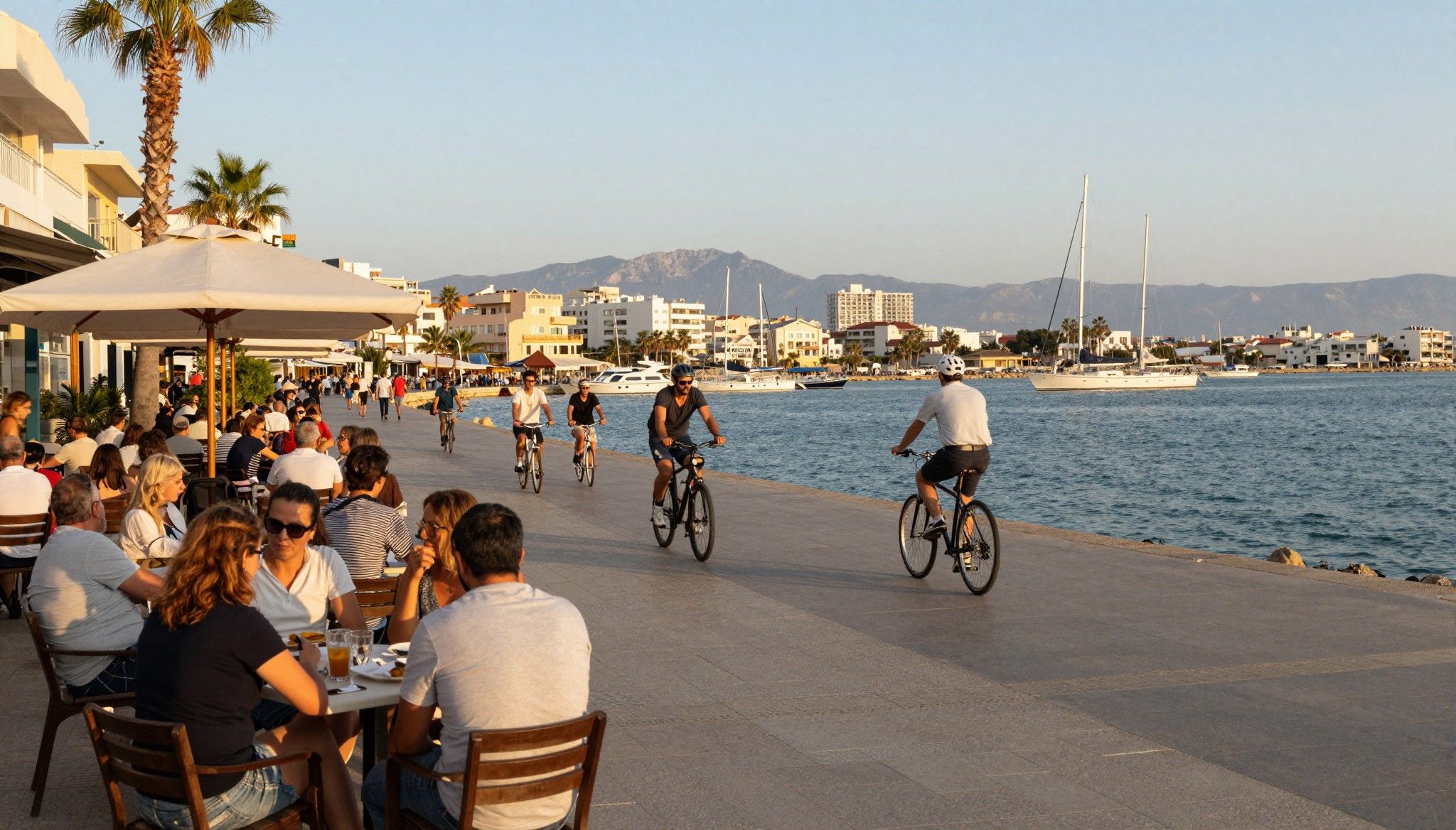
Imagine waking to the sound of church bells and the scent of citrus trees, then walking five minutes to a café where fishermen haggle and a barista remembers your name. That easy, sunlit rhythm is Cyprus: an island where ancient stone meets new design, and where life still bends toward outdoor tables, morning markets and lazy coastal afternoons. For many international buyers the challenge isn’t falling in love — it’s translating that romance into a practical, sustainable purchase that fits both lifestyle and finance.
Living the Cyprus life
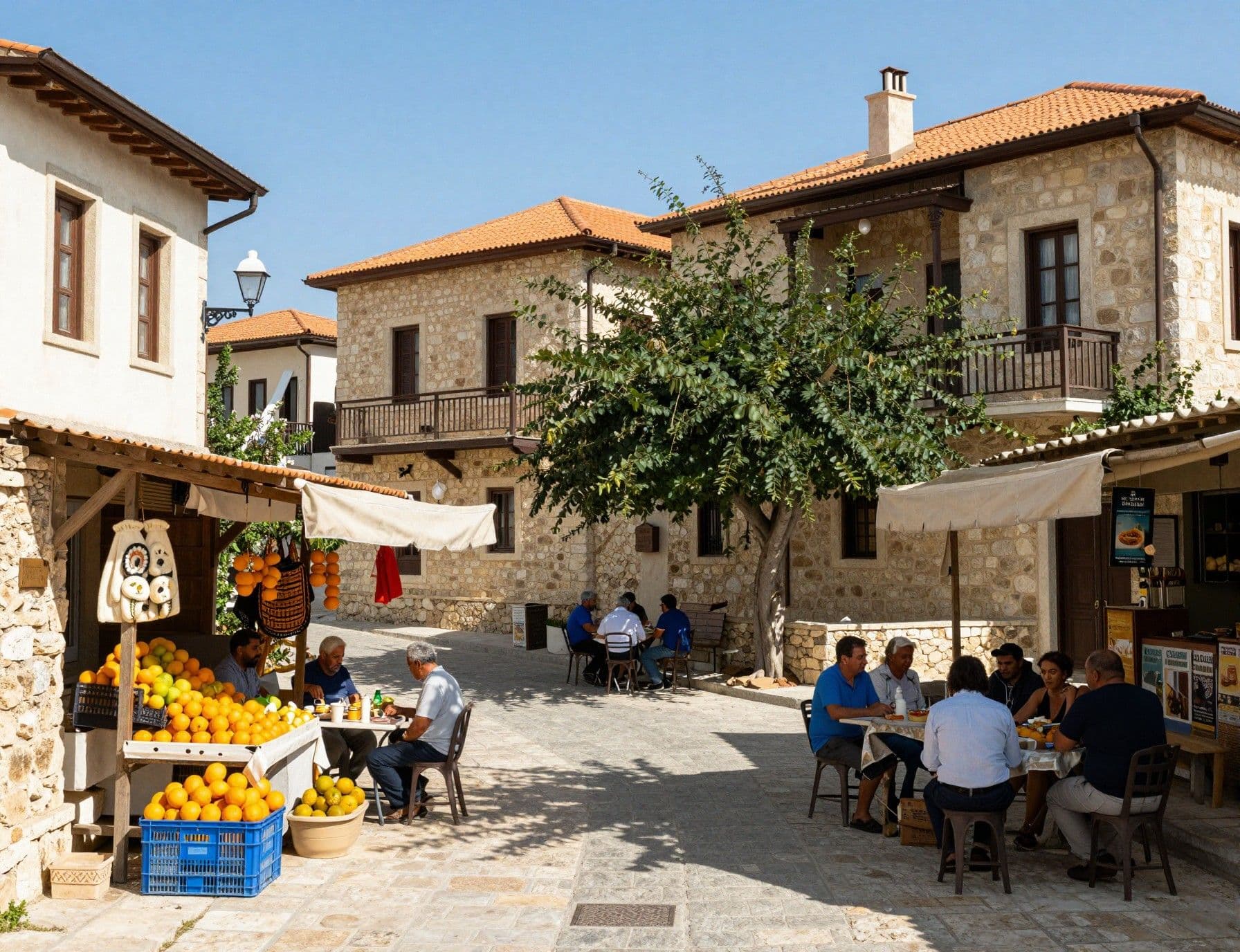
Cyprus life is a study in contrasts: Limassol’s polished marina evenings and rooftop bars sit alongside mountain villages where neighbors trade olives and news. Days are spent between beach swims and late-afternoon walks in shaded squares; evenings find you at a taverna for halloumi with wild oregano. For the eco-minded buyer, the island’s small-scale agriculture, quiet coves and long sunlight hours make renewable energy and low-impact living not only desirable but eminently practical. These rhythms matter because they shape the property you’ll choose and the financing that will make it possible.
Neighborhood notes: where to feel instantly local
Aim for more than view and square metres. In Paphos' Kato Paphos you’ll find morning fish markets and coastal promenades; in Nicosia’s old quarter, narrow streets and small courtyard cafés reward curiosity. For a quieter, greener pace, villages like Lefkara or Kakopetria offer stone cottages, community gardens and immediate access to olive groves. Each micro-neighbourhood defines daily life: the cafés you’ll visit, whether you’ll cycle to the market, and how easily you can add solar panels or a rainwater tank.
Food, festivals and the seasons that shape home life
Weekends in Cyprus are sensory calendars: farmers’ markets brimming with halloumi, fresh citrus and za’atar; autumn brings chestnut festivals in Troodos and spring unfurls jasmine-scented streets. These cycles influence maintenance, energy needs and the value of outdoor living — a south-facing terrace is worth more in winter sun, and a mature almond tree can be as valuable as a small renovation. Small practical choices — pergolas for shade, shutters to cool interiors, cisterns to capture winter rains — dramatically change both monthly costs and quality of life.
- Lifestyle highlights you can buy into
- Morning coffee at To Kypriako in Nicosia’s old town; a Sunday stroll on Limassol’s Molos promenade; olive picking with neighbours in Pafos; chestnut-roasting festivals in Troodos; a late-afternoon dip at Lara Bay followed by an open-air meze.
Making the move: practical considerations that keep the dream intact
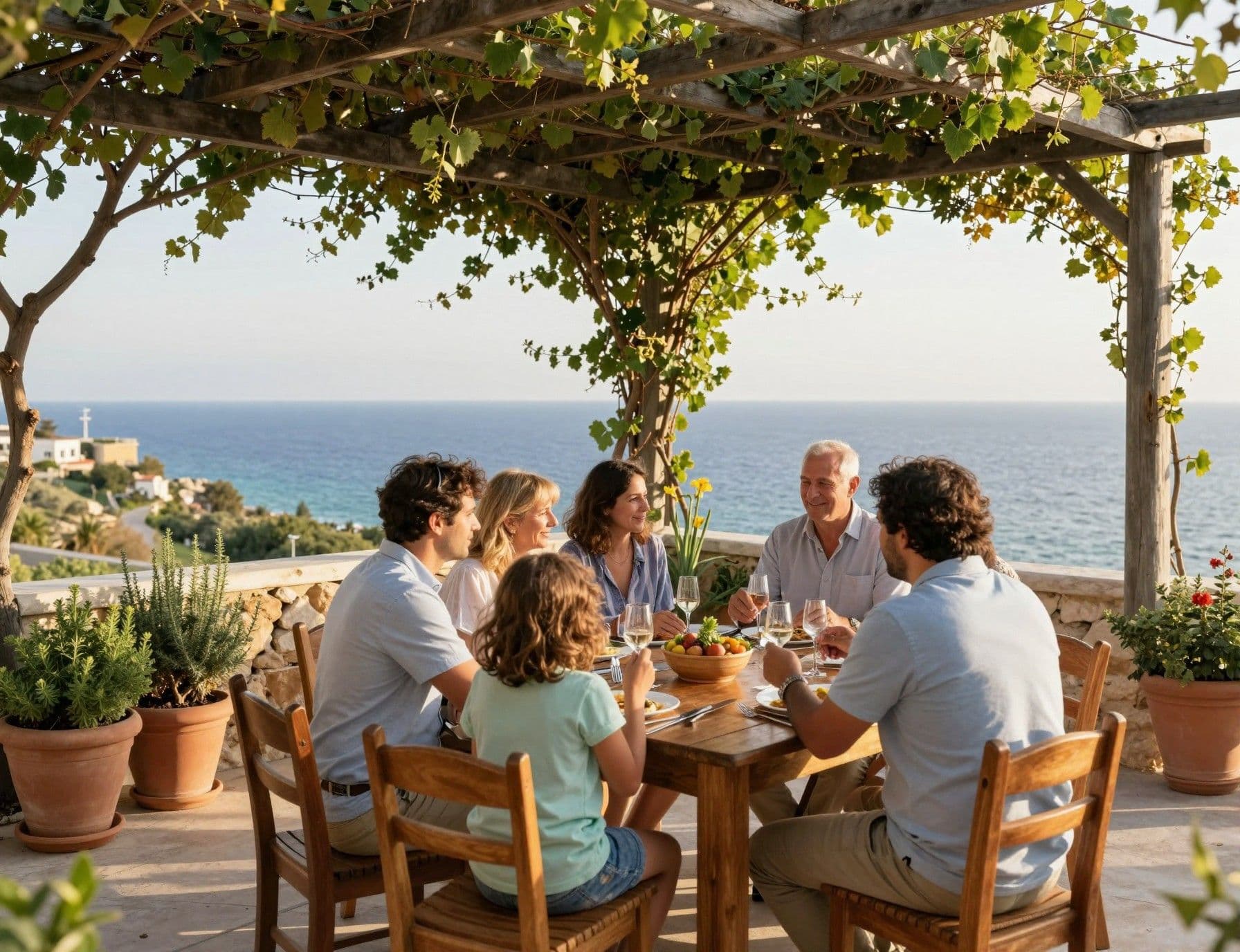
Cyprus’ market has been active and evolving: apartment sales dominated recent years while price growth varied regionally. That momentum matters for buyers because it changes negotiation power, loan terms, and the appetite of banks for certain property types. Before you bid, understand the local price rhythm — in many coastal pockets new apartments are the market darling, whereas traditional stone houses in the mountains often offer more immediate potential for sustainable retrofits and lower purchase prices.
Property styles and what they mean for green finance
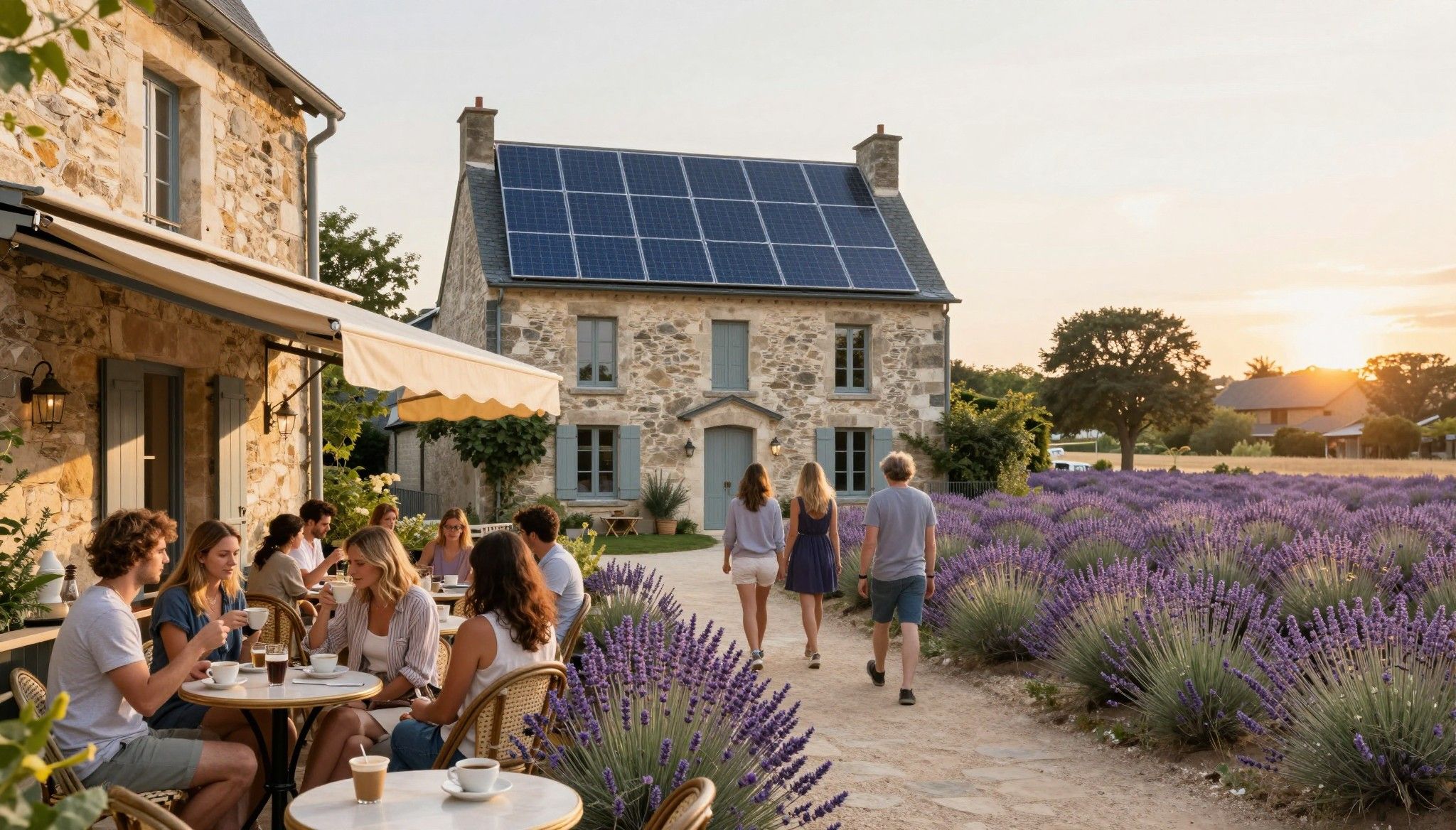
If you crave a traditional stone cottage you’ll likely plan renovations — insulation, double glazing and solar PV are typical upgrades that reduce energy bills and often unlock green loan discounts. Local banks such as Bank of Cyprus and Hellenic Bank now offer green housing products that reward A-grade energy performance or fund efficiency upgrades directly. Structuring a mortgage to include a renovation green top‑up can be both sensible and cheaper over time, but it requires early proof-of-intent and sometimes staged disbursement tied to energy certificates.
How local experts turn lifestyle wishes into financeable plans
A local agent who knows which district issues quick EPCs, where municipal permits for cisterns are straightforward, and which lenders favour solar-equipped properties will save you weeks and often thousands of euros. Seek advisors who can connect you to certified energy assessors, trusted contractors and green mortgage officers at local banks. Their role is practical: they translate your lifestyle — morning market rituals, terrace dinners, vegetable beds — into a financial and compliance plan banks will accept.
- Steps to combine lifestyle upgrades with green finance
- 1. Get an energy assessment early to know the EPC band and realistic retrofit scope. 2. Ask lenders if their green product requires Grade A or accepts staged upgrades. 3. Bundle renovation estimates with the mortgage application so the lender can size a green top‑up. 4. Reserve 10–15% of your budget for unexpected compliance or permit costs.
Insider knowledge: what expats wish they'd known before buying
Expats often come for the sun and stay for the rituals: a bakery on the corner, a local committee that organises olive harvests, and neighbours who fix fences together. The surprise is logistical: rural properties can be cheaper to buy but cost more to retrofit; coastal apartments are easy to rent but may limit opportunities for solar and rainwater systems because of condominium rules. The pragmatic lesson is to align the property’s form with the life you intend to live, then let financial products like green loans make that life affordable.
Cultural quirks that affect ownership and costs
Neighbours and municipal customs matter in Cyprus: shared walls, communal terraces and informal agreements about water or garden use can become negotiating points in contracts. Language isn’t a barrier — many officials and professionals speak English — but local ways of doing business do matter: expect handwritten invoices for small trades and a preference for trusted, repeat contractors. These human details can influence compliance timelines for permits and the documentation lenders require for green works.
Long-term living: how your choices age with place
Think long-term: an insulated, solar-ready house will feel warmer in winter, cooler in summer, and be cheaper to run — benefits that compound over decades. Where market data shows steady apartment demand, owning a sustainably upgraded house in a quieter village may deliver richer living and modest capital growth, especially when energy costs and rental competition push buyers toward greener homes. Choose the trade-off you’ll be happiest living with ten years from now, not just the one that looks good on paper today.
- Red flags to watch for when financing a green project in Cyprus
- Banks that promise a green discount but require final EPC proof only at completion; renovations with no certified contractor or paperwork; communal ownership rules that prevent roof‑mounted PV; missing municipal permits for cisterns or septic changes; under‑budgeting for VAT and small compliance fees.
- How to protect yourself — a short action plan
- 1. Ask for an EPC and bank confirmation that it meets green product criteria. 2. Get written quotes and contracts from licensed contractors for all green works. 3. Structure the mortgage with staged disbursements linked to energy milestones. 4. Keep 10–15% contingency for compliance and unforeseen municipal fees.
If you leave Cyprus tomorrow and your home still hums with bees in the garden and an efficient solar array on the roof, you’ve succeeded. Practical next steps are straightforward: meet an agent who knows the neighborhoods you love, book an energy assessor before you offer, and speak to lenders about green top‑ups that match your ambitions. With the right local team you keep the island’s warm mornings and market rituals at the heart of a purchase that also makes ecological and financial sense.
Swedish advisor who left Stockholm for the Costa Brava in 2019. Specializes in sustainable, sea‑view homes for Scandinavian buyers and green finance insights.