Verdant Greece: Forested Coasts, Lifestyle & Key Checks
Verdant Greek coasts and forested headlands offer immersive, seasonal living—pair that romance with market facts (rising prices, tourism data) and stewardship checks.
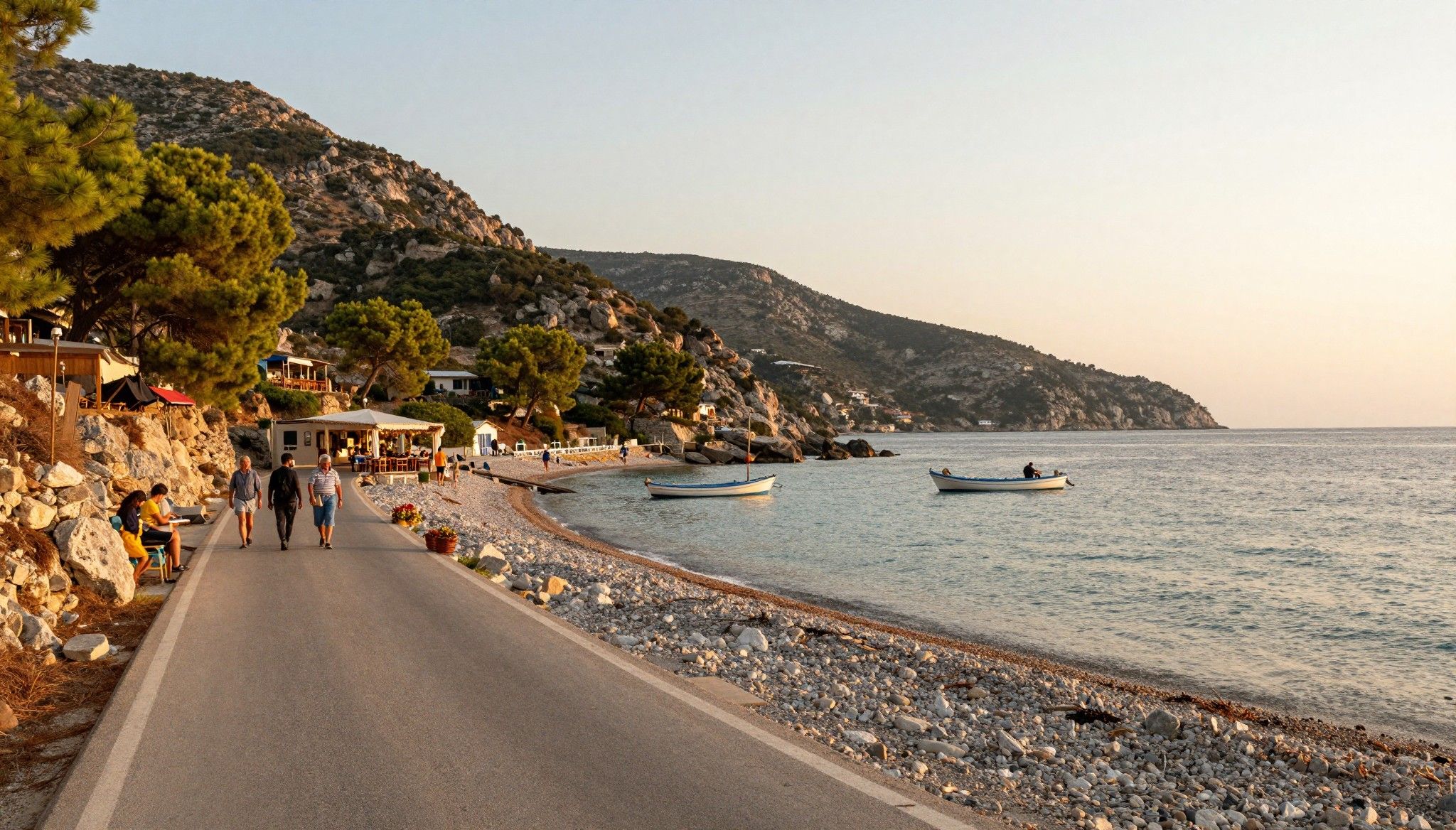
Imagine waking to the scent of pine and sea salt, walking to a village café on a stone street where locals greet you by name and the barista knows your coffee order. In Greece’s verdant corners — think the forested headlands of the Pelion peninsula, the cork‑oak slopes of Kefalonia, or the wild coves of the Mani — the coast is rugged, gardens are productive, and life moves to a rhythm of seasons. This piece blends that lived feeling with concrete, research-backed insight so you can love a place and buy into it with confidence.
Living Greece: forested coasts, market mornings, slow afternoons
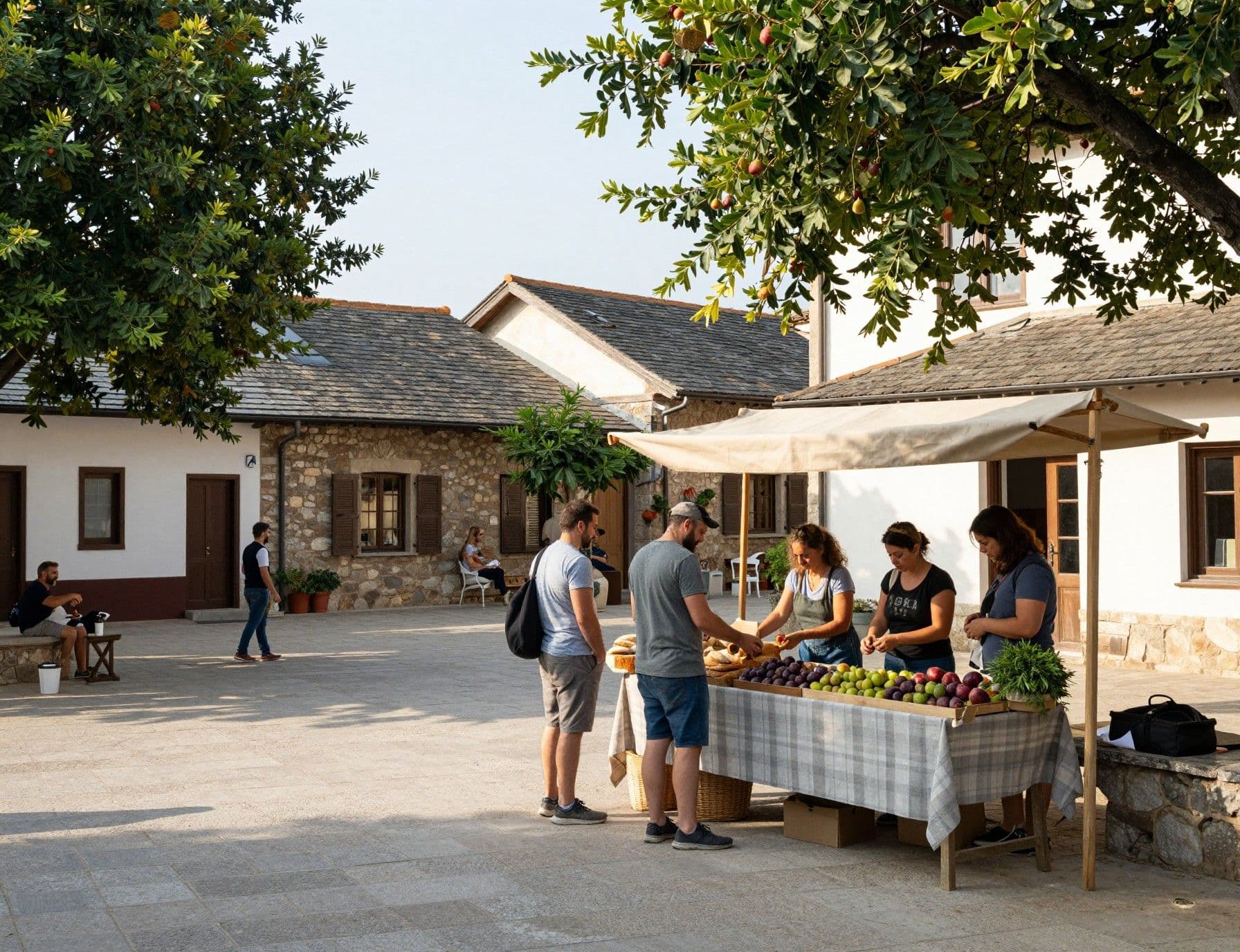
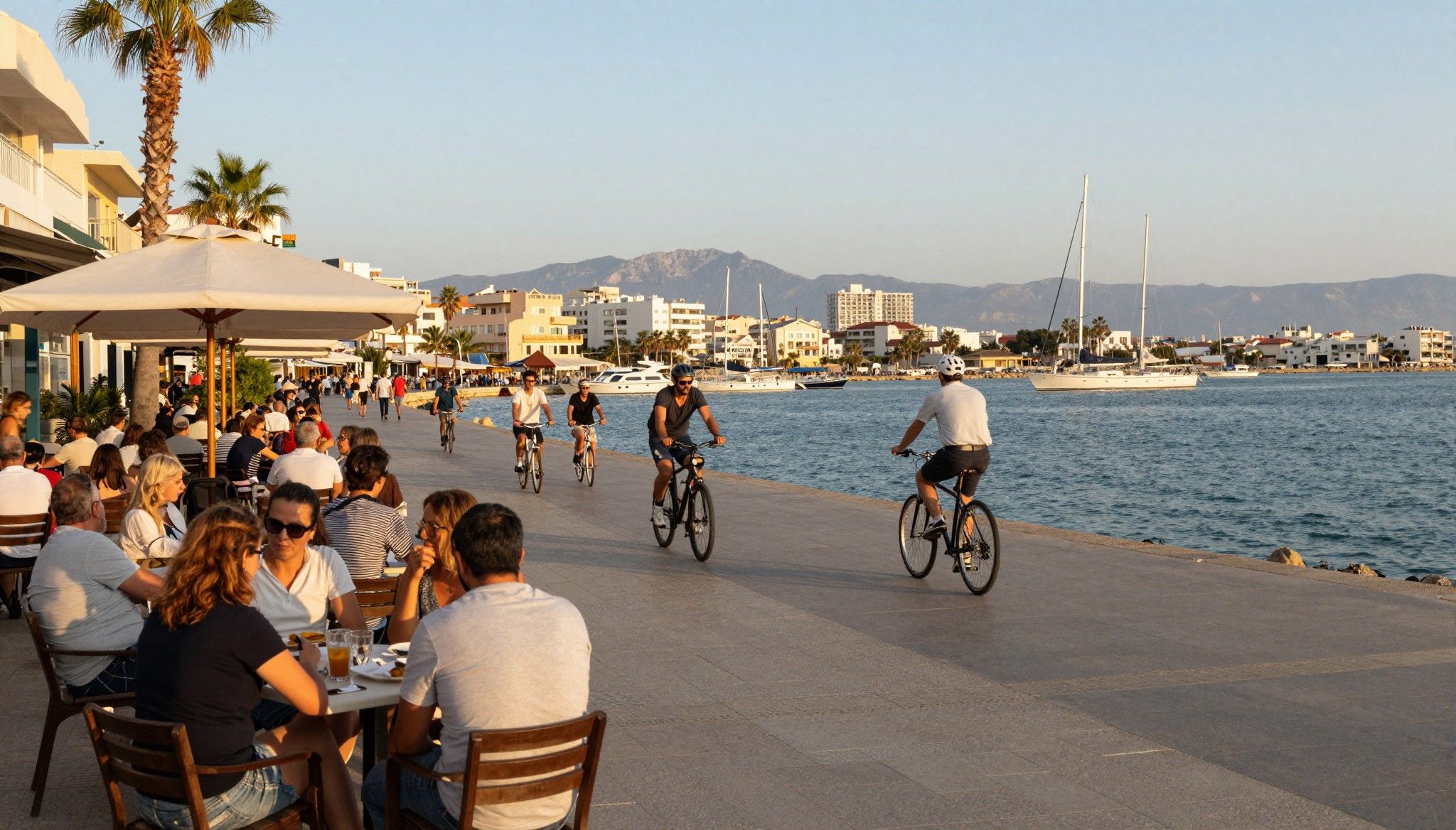
Days here begin with a slower tempo: fishermen hauling nets at dawn, markets filling with figs and wild greens, and afternoons that tempt you outdoors. In verdant regions where pine meets sea and terraces hold olive groves, living is tactile — gardening, foraging, dipping in secluded bays. Greece’s national energy mix is increasingly green, meaning rural homes are better candidates for solar and hybrid systems than you might expect, and small-scale renewables are becoming part of everyday life.
Pelion: villages in the trees
Drive a winding road through chestnut and fir to sleepy villages — Milies, Makrinitsa — where slate roofs, stone steps and shaded kafeneia form a living postcard. Neighbourhoods cluster around squares: children chase each other under plane trees, women bring home bread from the local baker, and tavernas open late with mountain herbs on the menu. Properties here are often stone restorations with thick walls — perfect for passive cooling — and terraces that catch every late‑afternoon light.
Ionian islands: green, rain-fed and quietly covetable
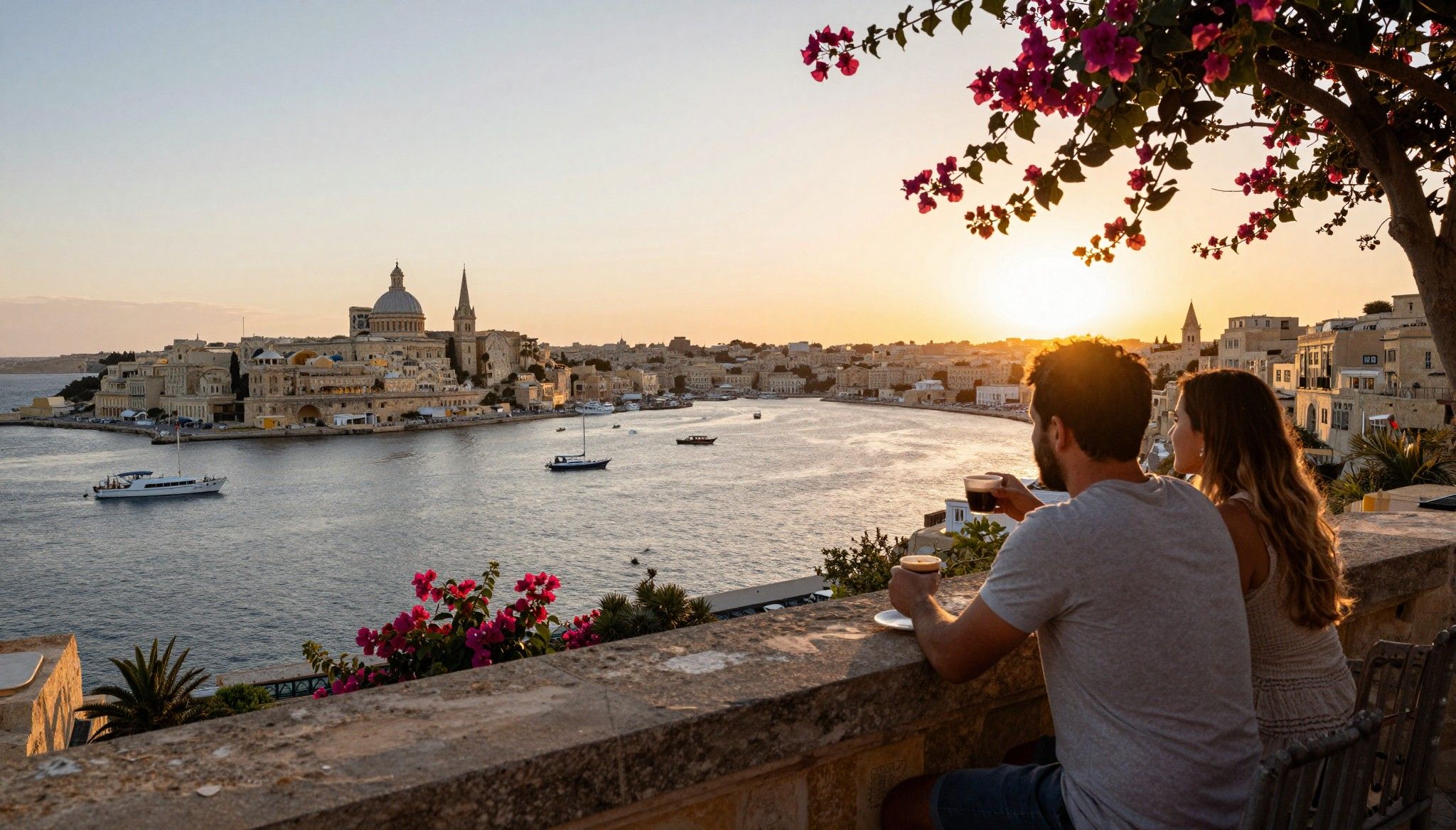
Kefalonia, Corfu and pockets of Crete feel less brittle than the Cyclades — rain and rivers feed oak and cypress, creating lush drives and secret beaches. Local cafés cluster on harbours — try Corfu’s Liston at evening — and small producers sell honey, cheese and rare mountain herbs. These islands are where rustic villas with regenerative gardens and rainwater capture systems outperform polished but ecologically disconnected developments.
- Lifestyle highlights — what pulls buyers here
- Morning market routines: central squares — e.g., Nafpaktos, Chania’s Agora — where producers trade directly.
- Hidden coves and multi-season beaches: Agioi Saranta in Pelion, Myrtos in Kefalonia off‑season peace.
- Traditional craftsmanship: local stonemasons, timber joiners and olive‑oil presses that keep small economies alive.
Making the move: lifestyle-forward practicalities
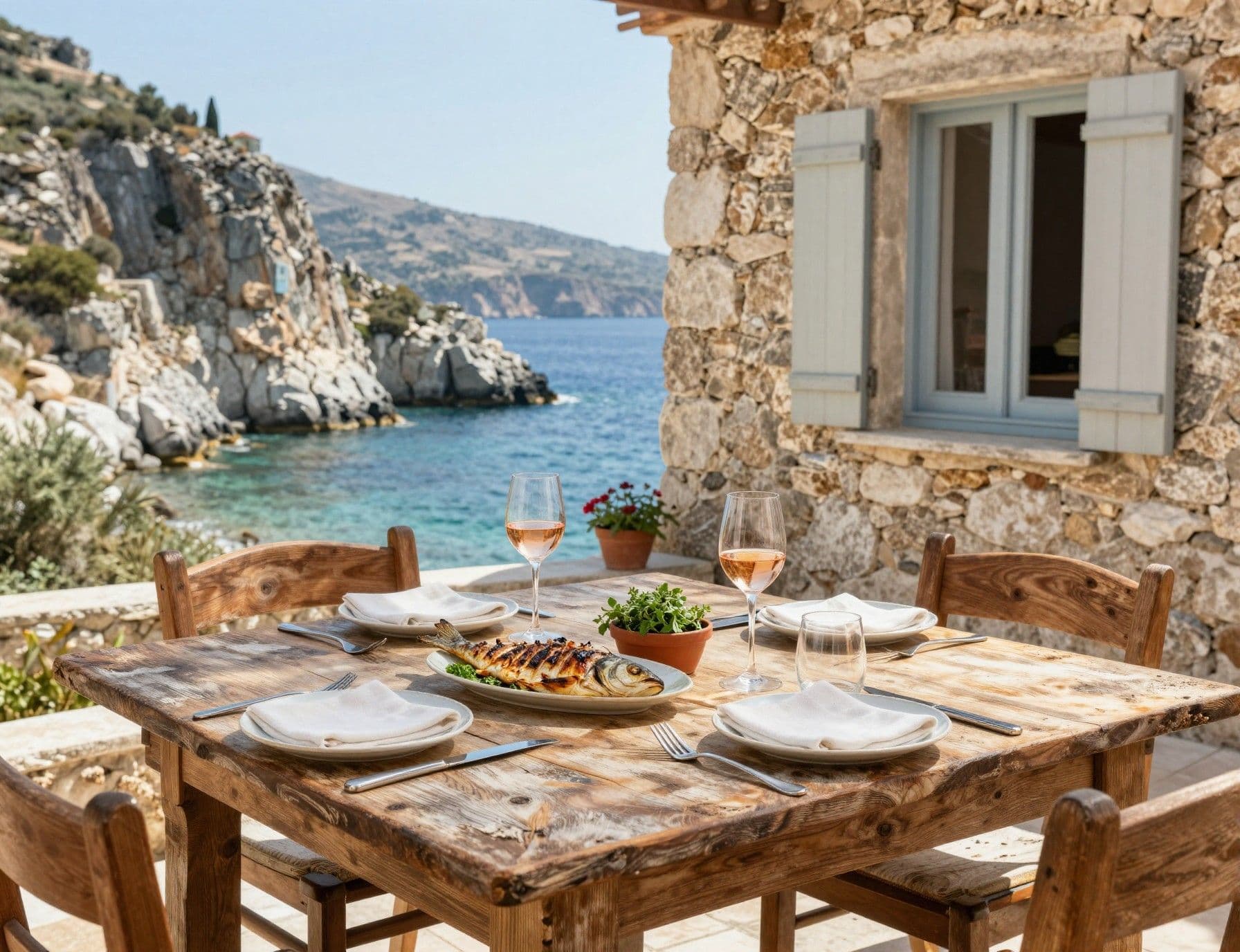
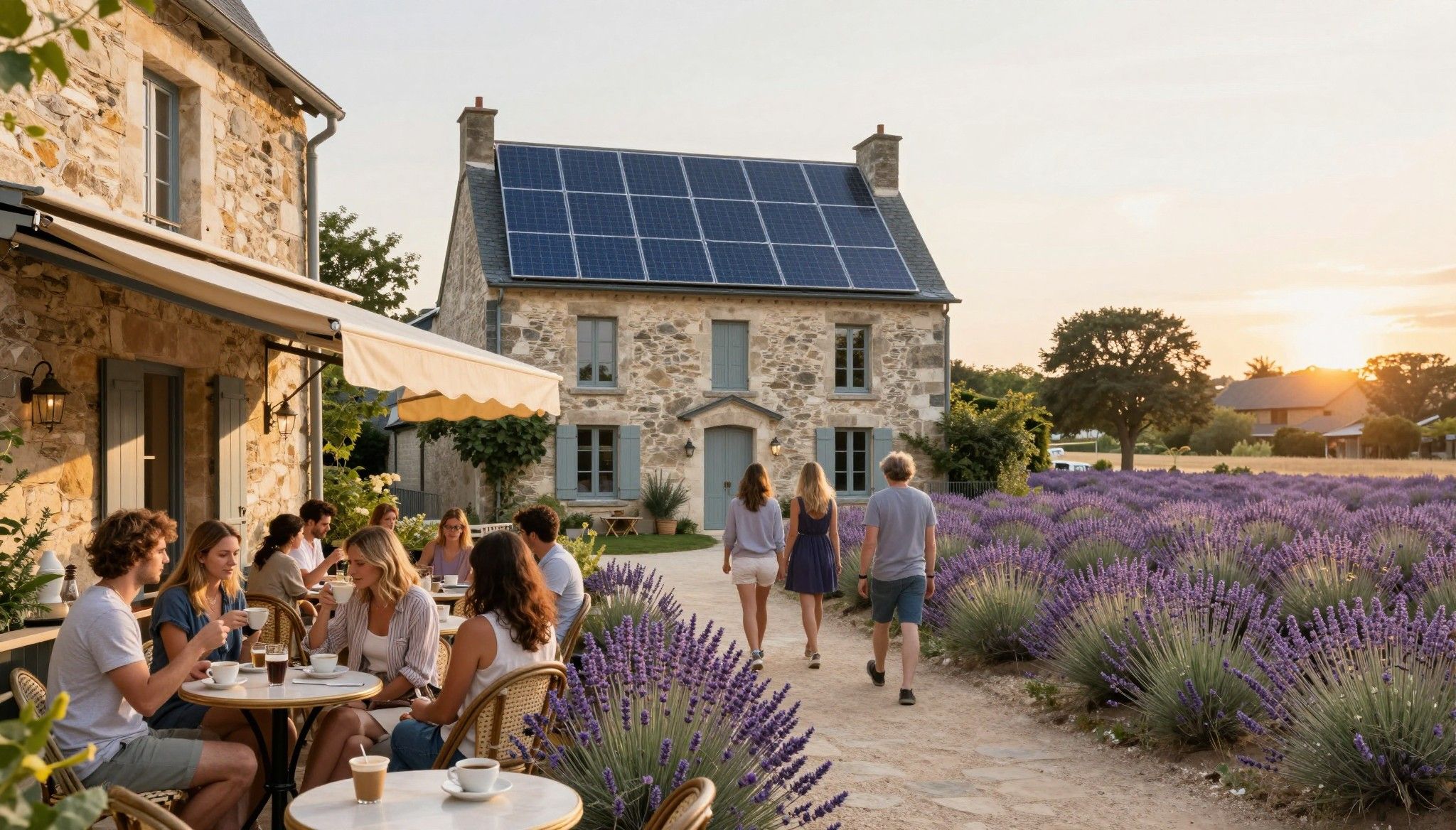
Your romantic map meets market realities here. National data shows sustained price growth in residential property and record tourism arrivals, which has pushed demand into quieter coastal and forested pockets as buyers search for authenticity. That means values are rising but so are opportunities to buy properties that align with low‑impact living — think renovated stone houses with solar, cisterns and permaculture gardens.
Property styles that match verdant living
From centuries‑old stone farmhouses (tholos roofs, original flagstones) to modest modernised villas with photovoltaic arrays, each type shapes daily life. Stone houses keep summers cool and have thick thermal mass; modern wooden builds can be more energy-efficient but need careful siting. If you want a productive garden, look for land with existing olive or fig terraces — they tell you the soil and microclimate before you sign.
Working with local experts who understand the place
Choose agents and architects who live the region — they know which houses flood, which wells run dry in August and which village has a baker who’ll teach you local bread. Good local experts help translate lifestyle desires into practical checks: water access, microclimate orientation, connection to village services, and the likely renovation costs of traditional materials.
- Six combined lifestyle + practical checks before offering
- Inspect orientation and shading — will windows bake in August or catch cooling sea breezes?
- Confirm water source and storage — seasonal shortages can hit islands and headlands.
- Ask about local materials and restoration costs — traditional stone and timber work require skills but repay in comfort.
- Check connection to services — healthcare, ferries or road access, and year‑round grocery supply.
- Confirm permitted uses and local planning rules if you plan an eco‑project (small agritourism, beehives, solar).
Insider knowledge: truths expats learn slowly
Expat life here is generous but uneven. Neighbourliness is real — shared harvests and invitations to local festivals — yet services can be seasonal, with some villages quiet outside summer. Expect a rhythm of intense community in spring and autumn, and a patient, slower pace that rewards those who invest in relationships and local craft. Practicalities like permit times and contractor schedules are part of the experience; plan timelines longer than you would at home.
Language, social life and small‑town codes
Greek is woven into daily life; a few phrases open doors. In smaller communities, showing respect for local rhythms — arriving at market times, supporting the local kafeneio, participating in a harvest — builds trust. Many expats find a small circle of bilingual friends and then a wider web of warm acquaintances who share seasonal work, recipes and repair skills.
Long-term lifestyle: stewardship and community investment
The best moves are stewardship-minded: restoring terraces, planting native hedges, or joining a local cooperative for olive pressing. These choices keep landscapes productive and preserve the quiet that drew you there. Over time, homeowners who invest in low-impact upgrades — rainwater, solar, greywater reuse — find lower running costs and deeper integration with community life.
- Red flags and gentle deal-breakers to watch for
- Missing documentation for terraces or water rights — these cause future headaches.
- Properties with cosmetic upgrades but hidden foundation or roof issues — bring specialists.
- Isolated access routes cut in winter — seasonal roads can be charming until they’re not.
Conclusion: Greece’s verdant coasts reward patient buyers who love seasonality and stewardship. If you dream of a life where the olive harvest is a social calendar and the sea is a short walk from a pine‑framed terrace, pair that dream with deliberate checks: local experts, water and energy planning, and respect for seasonal rhythms. Find an agency that lives in the region, asks the right questions, and helps craft a low‑impact home where landscape and life grow together.
Dutch property strategist who helped 200+ families find sustainable homes in southern Europe; expert in legal pathways and long-term stewardship.