Close with care: Stewardship-first closings in France
Fall in love with France’s rituals, then close with clauses that protect sunlight, biodiversity and local craft — use notaire and INSEE data to negotiate stewardship.
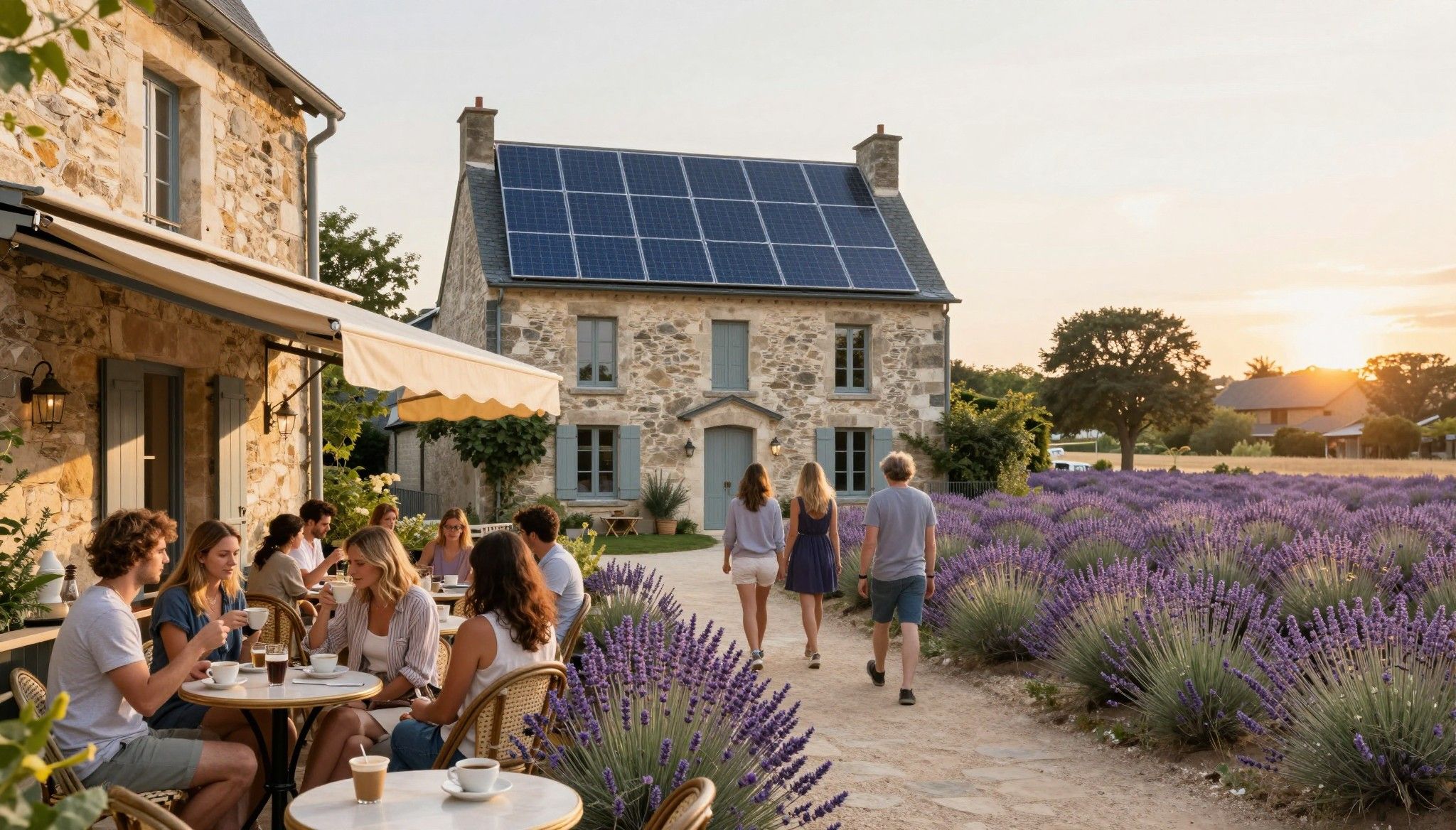
Imagine sipping café noisette at sunrise on Rue Cler in Paris, then driving two hours to a limestone farmhouse in the Loire where lavender scents the air and the roof harvests its own solar energy. In France, daily life is stitched from markets, seasonal rhythms and a deep respect for place — and those rhythms should shape how you close a purchase and care for your home afterwards.
Living the France life — small rituals, big payoff
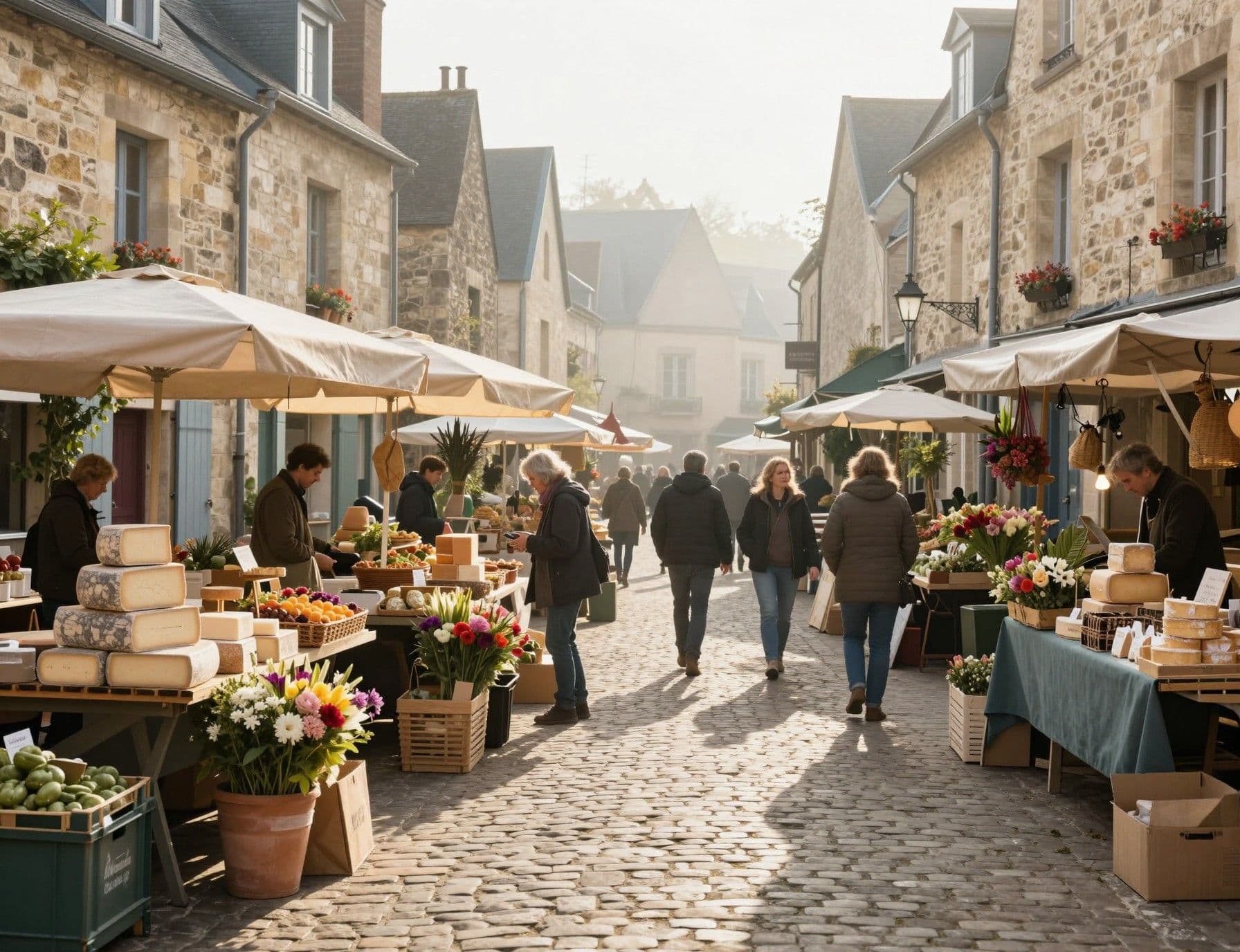
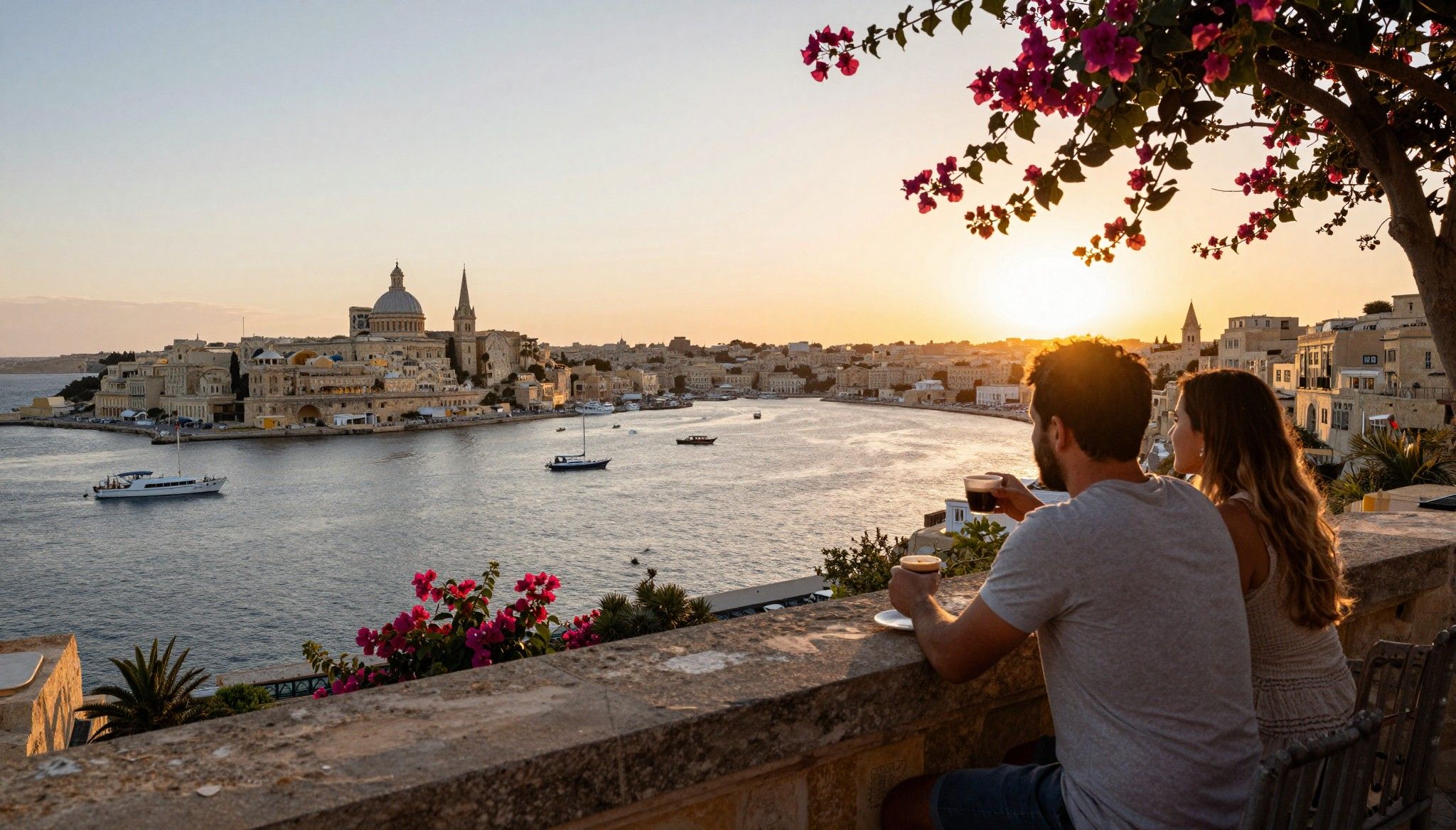
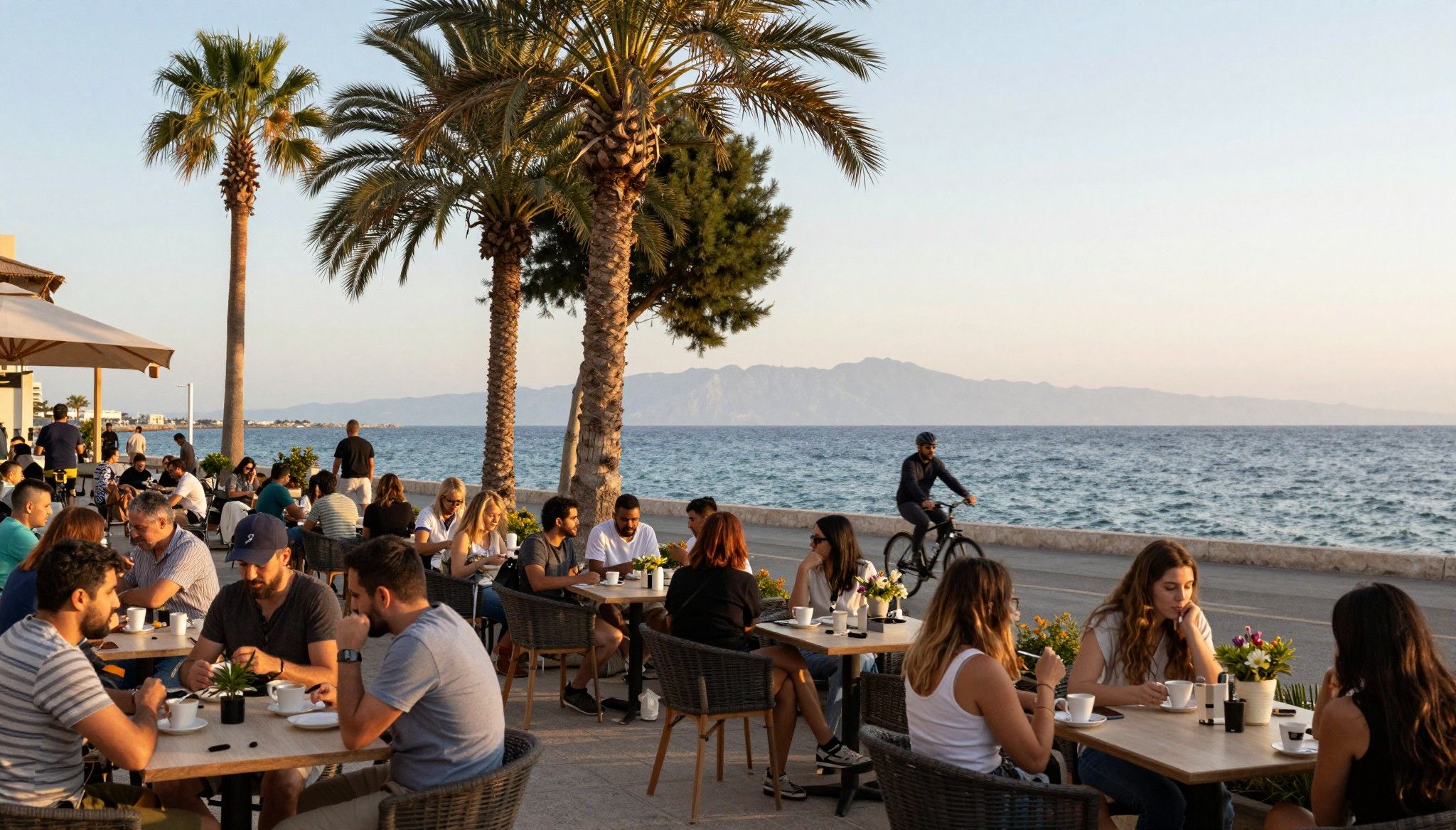
France is not a single mood but a chorus: the hushed alleyways of Le Marais, the brassy seafront cafés of Nice, the rolling, olive-spattered hills of Provence. For international buyers, the magic is in the rituals — morning boulangeries, Saturday markets, aperitif hour — that turn a house into home. When negotiating and closing, centre these lived rhythms: proximity to market days, sun orientation for gardens, and the practicalities that preserve seasonal life.
Neighbourhoods that teach you how to live here
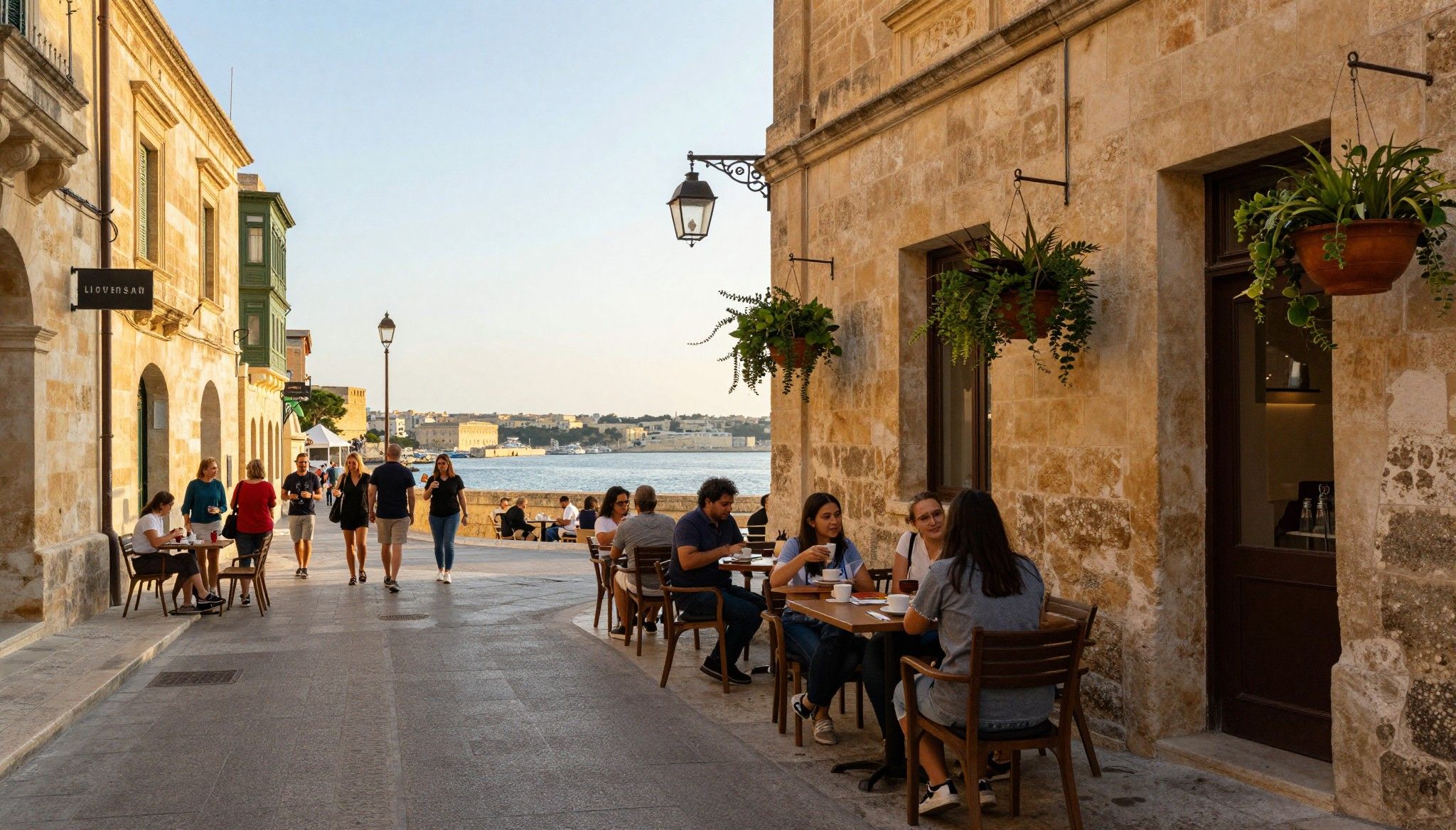
Walkability and local institutions matter more than square metres. In Paris, Le Marais hums with cafés, independent bookstores and small grocers where neighbors exchange recipes. On the Côte d'Azur, Vieil Antibes and the promenade at Juan-les-Pins promise morning swims and evenings of market-grown produce. In the Loire and Dordogne, village squares and cooperative bakeries are the social infrastructure that sustain slow, seasonal living.
Food, markets and the calendar of life
Living here means timed pleasures: truffle fairs in Périgord, rosé season along the Luberon, and the crab boats of Brittany at dawn. These events shape maintenance cycles (harvests demand storage, coastal homes need storm-ready shutters) and should inform negotiation points — think storage, ventilation, and the condition of cellars for wine.
- Lifestyle highlights to weigh into negotiations: • Rue Cler market strolls (Paris) and delivery routes that matter to morning life • Antibes’ old town for daily sea-swim culture and its impact on humidity-proofing costs • Perigord truffle season — cellar condition and food-processing space • Provence lavender fields — sunlight exposure and drought-resistant gardens • Brittany fishing harbours — storm insurance and shutter-resistant windows
Making the move: practical choices that keep the romance intact
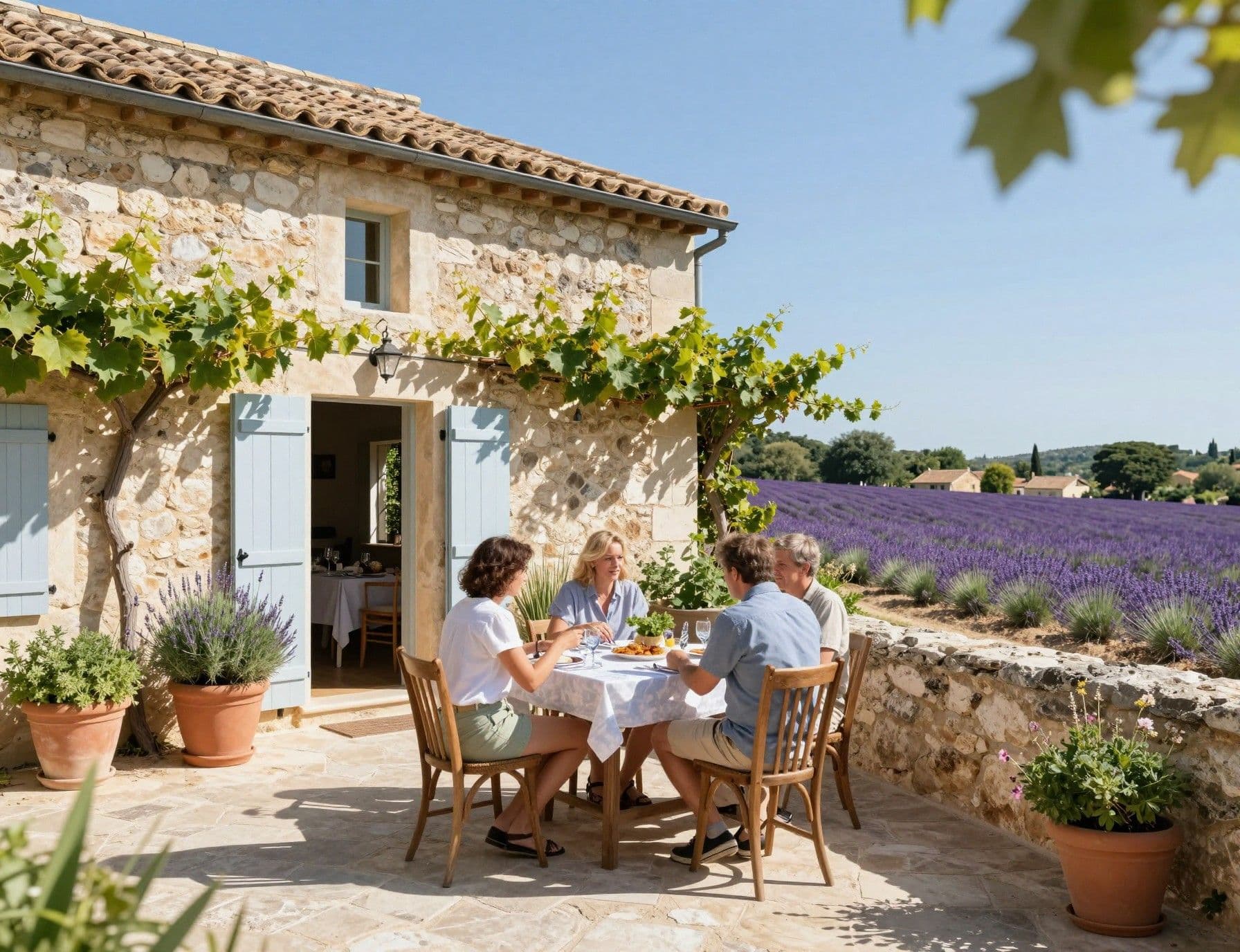
Dreams must meet paperwork. France’s transaction landscape has steadied recently: national indices show relative price stability into 2025–2026, while transaction volumes recover — a context that gives patient buyers leverage and time to insist on stewardship clauses in contracts. Use market data to temper urgency and negotiate repairs, energy improvements and biodiversity clauses before signing.
Property styles and how they shape stewardship
Stone longères in Brittany need different care than contemporary villas on the Riviera. Old stone homes offer thermal mass and character but may require insulation upgrades; newer builds may promise photovoltaics but force lifestyle trade-offs (smaller gardens, more artificial landscaping). Match the property type to how you want to live: a garden for food, south-facing windows for light, stone walls for thermal comfort, or a courtyard designed for rain capture.
Working with local experts who protect place-first values
A trusted notaire and a local architect who knows regional building traditions are your frontline stewards. Notaires administer purchase funds, hold deposits and ensure clear title; an architect or maître d’oeuvre can cost-effectively specify insulation, greywater recycling or native-plant landscaping during closing negotiations. Ask agents for references to craftsmen who repair roofs with local slate or reinstate lime mortar — small choices that protect long-term value and biodiversity.
- Steps to close with stewardship in mind: 1. Insist on a condition report (diagnostics) that includes humidity, lead, asbestos and energy performance. 2. Negotiate a 'repair and green-up' escrow — a portion of proceeds held until agreed ecological works are completed. 3. Require clear meter and title readings, and confirm any easements affecting sunlight or water use. 4. Build a timeline for energy upgrades into the sale contract, with local craftsmen named where possible. 5. Use the notaire’s account (compte CARPA) for deposits and ensure transparent fee breakdowns.
Insider knowledge — what expats wish they'd known sooner
Expats often arrive enchanted and overlook seasonal costs and local customs. Heating bills spike in older homes; municipal bylaws can restrict exterior paint or solar panel placement in historic villages; and simple community rituals — market days, waste sorting systems — determine daily happiness. Use local data to set realistic budgets and ask sellers about communal plans for road repairs or forest management.
Cultural integration: small practices, big returns
Learning a few phrases, showing up at the Friday market and joining the mairie meeting can transform neighbours into allies who protect your property and local biodiversity. French towns value longevity and reciprocity; gardeners trade seedlings and tips, and your participation reduces friction when you later request permission for a green roof or orchard planting.
Long-term stewardship and legacy planning
Think beyond the sale: factor in inheritance customs, local tax shifts, and climate resilience when building a stewardship plan. Simple measures — native hedges to shelter birds, permeable driveways to ease runoff, and attic insulation — reduce bills and preserve character. Inscribe these measures into your closing documents so they survive ownership changes.
- Red flags to spot before you sign: • Cracked masonry that points to structural issues, not aesthetic wear • Missing diagnostics for termites or lead — request them in writing • Unclear easements on wells, access lanes or tree rights • Roofs with improper ventilation that hide humidity and mold • Sellers’ vague promises about community repairs — insist on timelines
France’s market offers the rare combination of everyday beauty and robust legal process. Use official data — notaire fee guidelines and INSEE price indices — to craft calm, informed negotiations that protect both your lifestyle and the landscape. Close with clauses that fund immediate green improvements and name local stewards to ensure the place you buy remains a living, breathing home.
Next steps: visit in market-neutral months, bring a notaire-savvy checklist, and prioritise one ecological upgrade in your closing negotiations. These small, concrete acts turn a purchase into a pledge — to place, to neighbours, and to seasons yet to come.
Dutch property strategist who helped 200+ families find sustainable homes in southern Europe; expert in legal pathways and long-term stewardship.