Close with Care: Stewardship‑First Closings in France
Fall for France’s seasons, markets and community—then close with notaire clauses, diagnostics and stewardship plans that protect place and value.
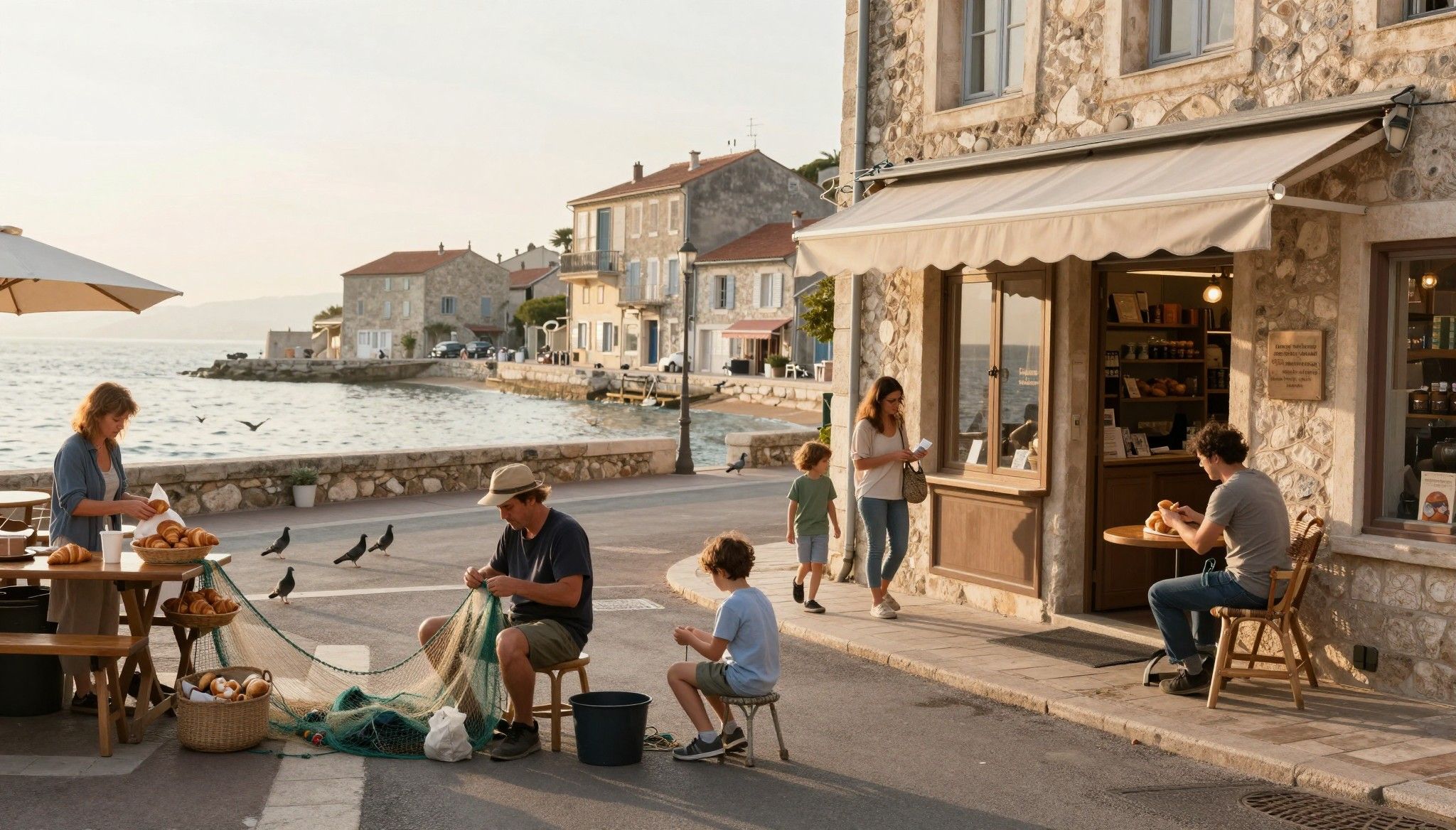
Imagine waking before dawn in Provence, the air threaded with lavender and fresh bread, then meeting a neighbour at a village café to plan the week’s market haul. That sensuous everyday—slow, seasonal, richly textured—is what draws so many of us to France, and it should shape how you close on a property here: not as a single transaction but as the first chapter of stewardship in a living place.
Living the France lifestyle
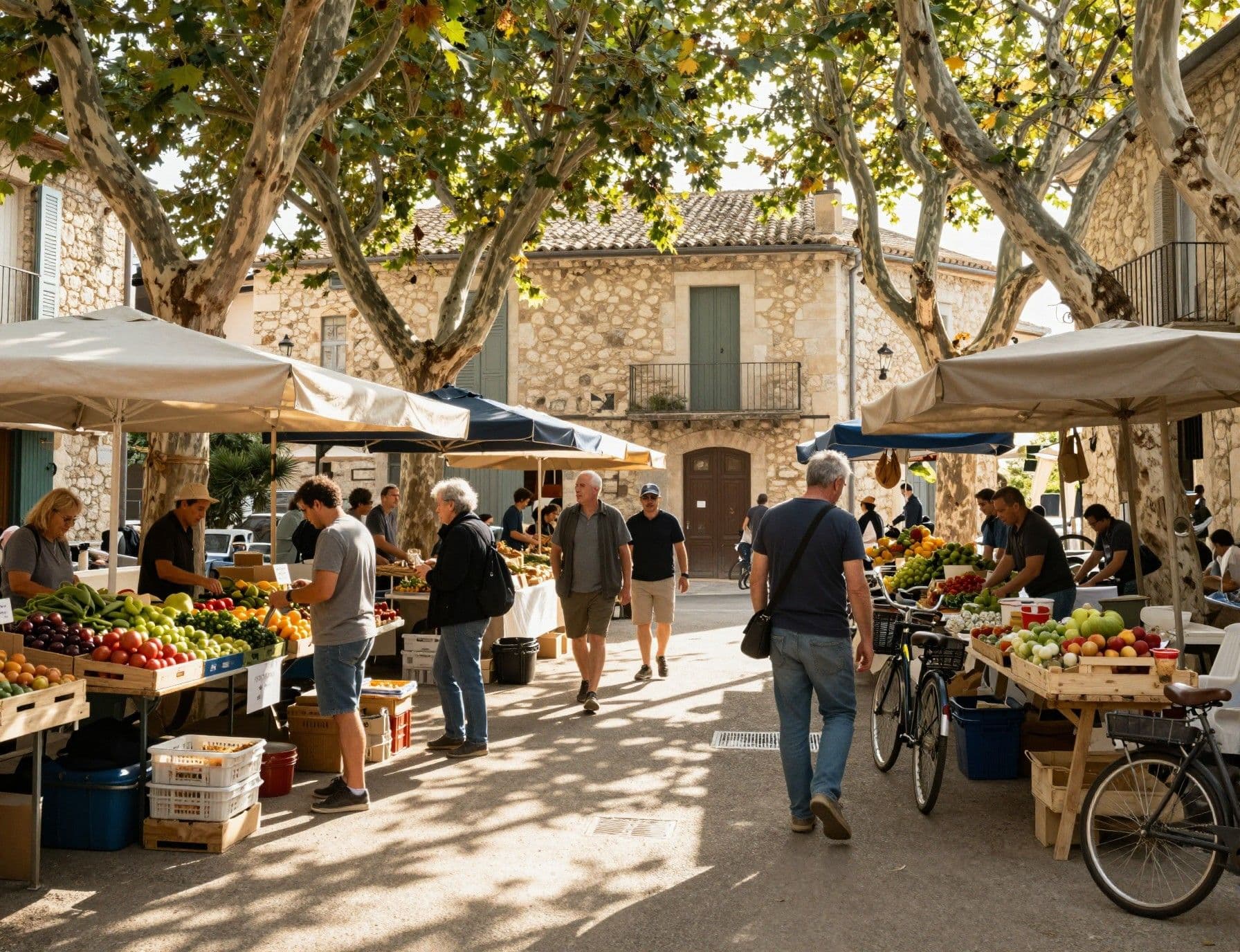
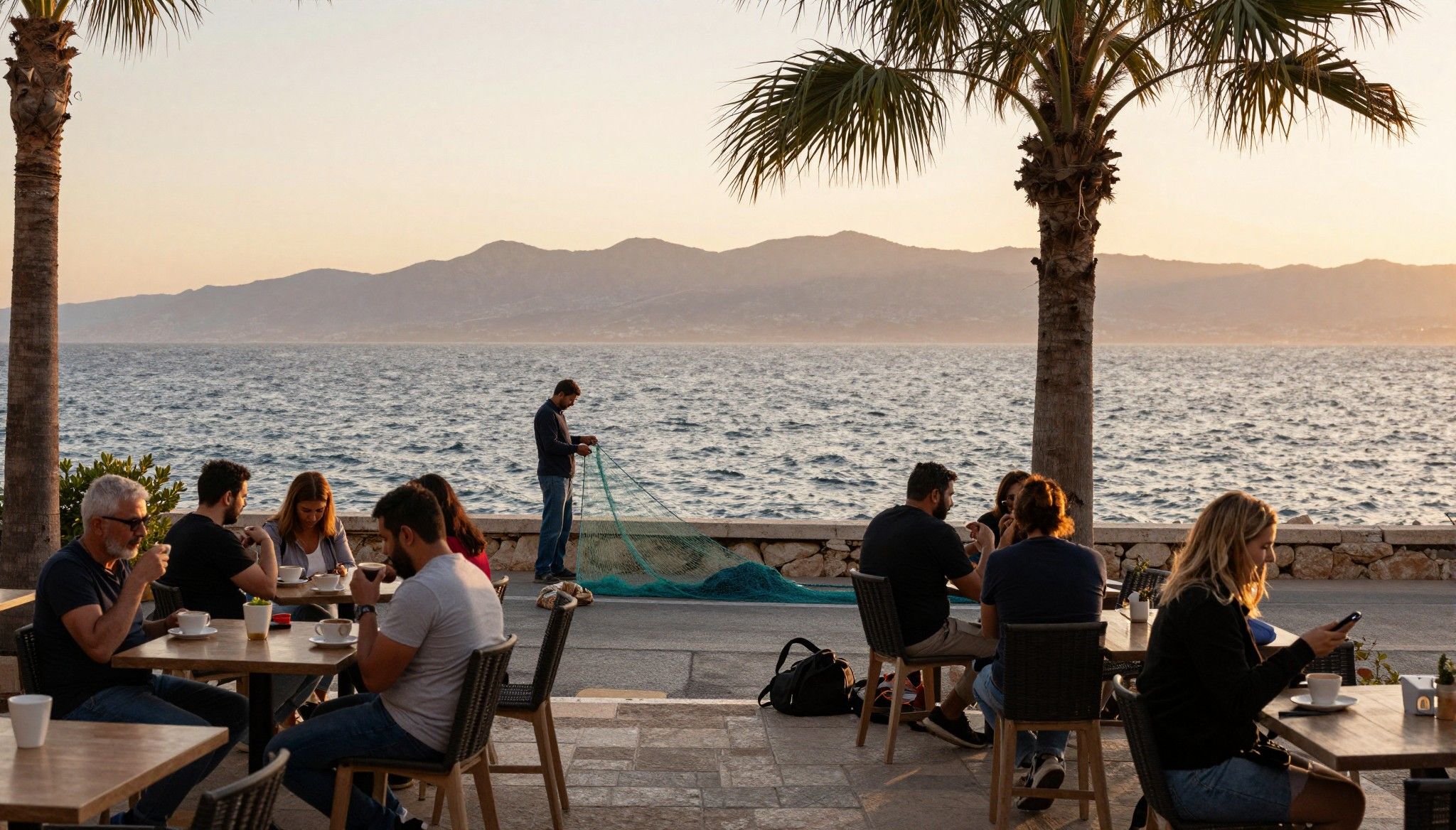
France is smaller than many expect but grand in variety: fishermen in the Côte d’Opale start their day differently to winemakers in Loire Valley, and Parisian courtyards offer an intimacy unlike any global capital. When you buy here you’re buying into rhythms—weekday markets, long lunches, and neighbourhood fêtes—that change with the seasons and give a property its soul.
Neighbourhood spots that define daily life
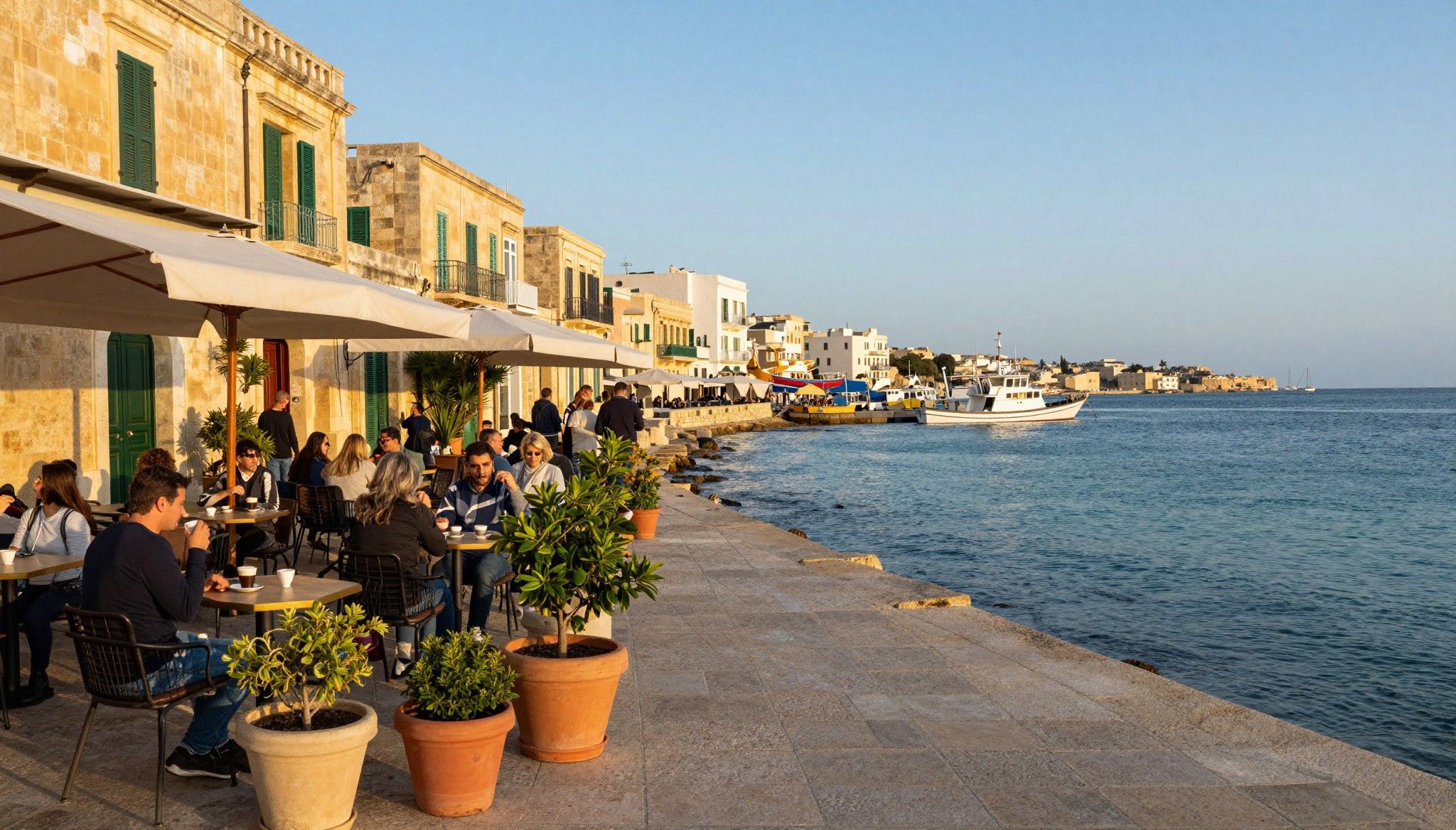
In Lyon, stroll the traboules near Croix‑Rousse between bakery and bouchon; in Biarritz the morning surf community wraps itself around rue Gambetta cafés; in Aix‑en‑Provence, the Cours Mirabeau sets the tempo for evening passeggiata. These are the streets where grounded living meets conviviality—and where your stewardship begins with simple, place‑specific choices.
Food, markets and seasonal rituals
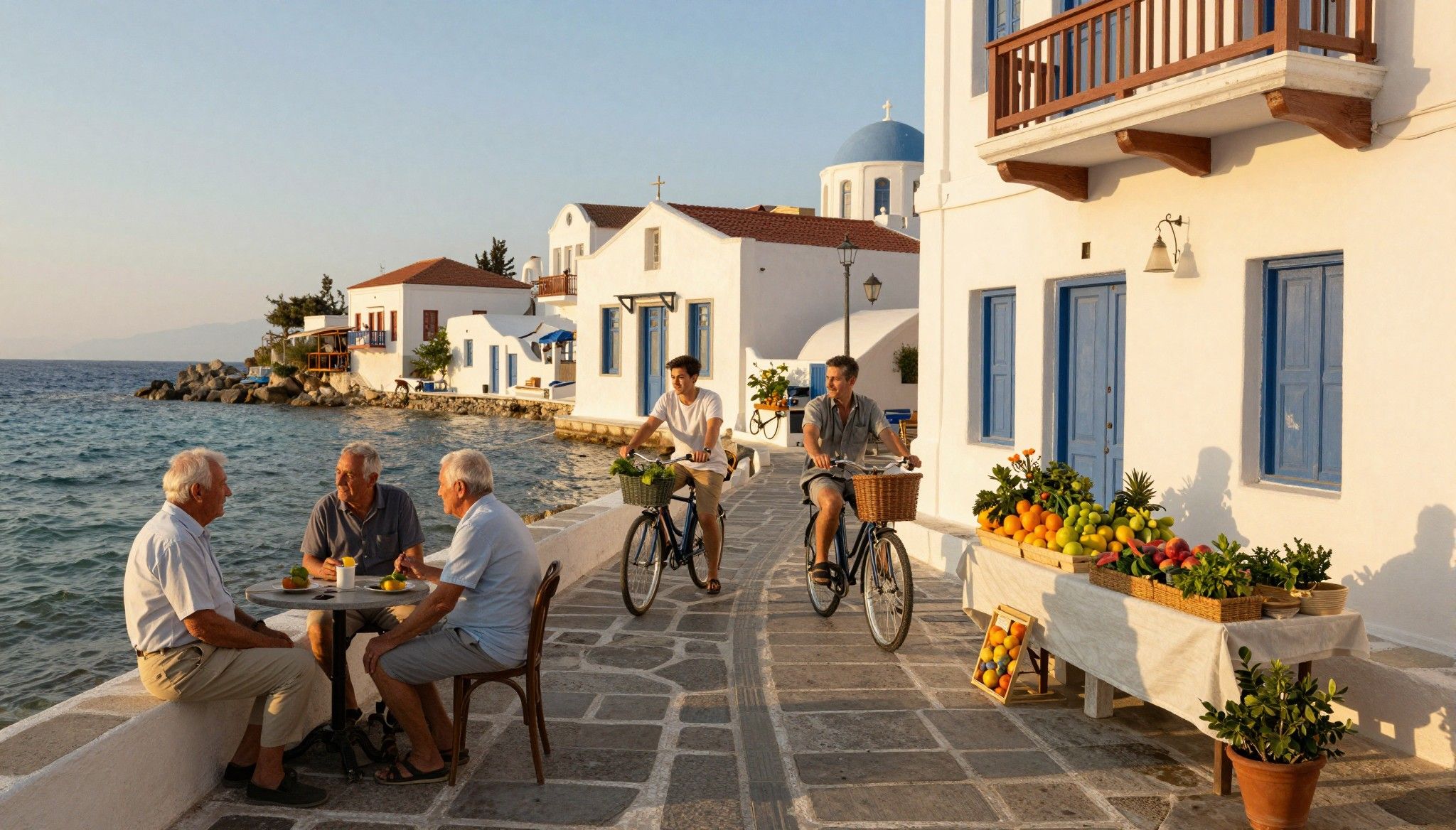
Markets are life here: marché paysans in Brittany, poissonniers in Marseille, truffle season in Périgord. Buying a home near a reliable market not only nourishes daily life but supports local biodiversity and low‑impact eating—choices that pay dividends for quality of life and long‑term stewardship.
- Lifestyle highlights to look for when house‑hunting
- A morning market within a 10‑minute walk (fresh, seasonal produce and local growers)
- Neighbourhood green spaces that double as community hubs (squares, churchyards, coastal paths)
Making the move: practical considerations
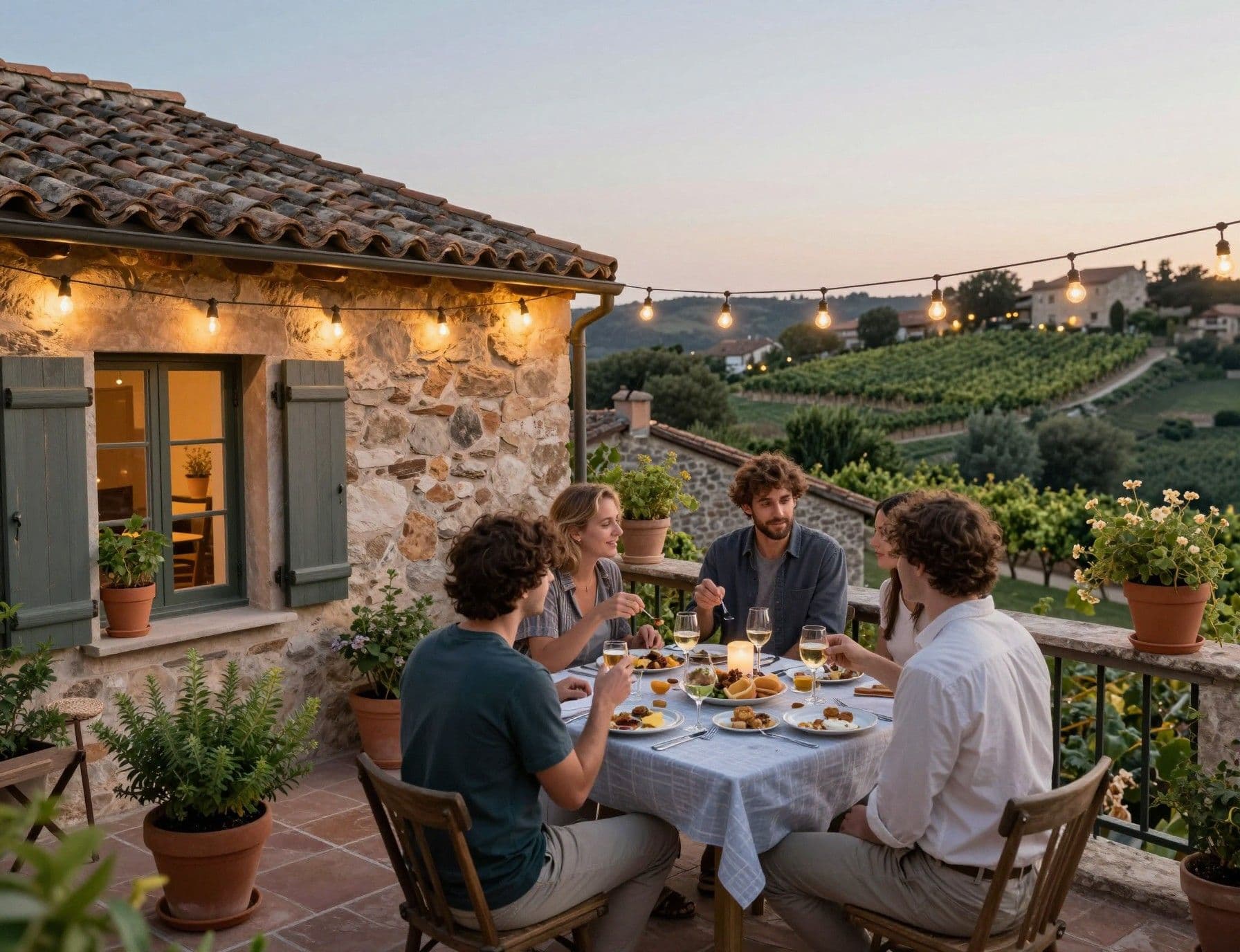
The poetry of Pommiers‑sur‑Loire must meet the paperwork of Parisian apartment buying. Practicalities—fees, notaire formalities, and regional variations in taxes—shape how smoothly you close and how easily you can be a good steward afterward. Recent government guidance clarifies notary fees and the parts that go to public revenues versus professional emoluments.
Property styles and how they support sustainable living
Stone farmhouses in Dordogne, Haussmannian flats with thick walls, and renovated coastal cottages each offer different sustainability potentials. Look for passive advantages—orientation that captures winter sun, original shutters for cooling, mature trees for micro‑climate—and plan modest interventions (insulation, efficient heating, rainwater capture) rather than wholesale remodelling that erases character.
Working with local experts who understand place
A French notaire is mandatory for closing and is a protector of legal certainty; an eco‑minded architect or local artisan helps translate stewardship goals into sensitive upgrades. Choose agents and advisors who speak the language of place—literally and culturally—to protect both value and the local ecosystem.
- Steps to close with stewardship in mind
- 1) Commission a local diagnostic (DPE energy report, termite, lead where relevant).
- 2) Build environmental conditions into the compromis de vente (clauses for solar, trees, water systems, or conditional repairs).
- 3) Confirm final costs with notaire early—regional rights of mutation changed recently and can alter acquisition costs.
Insider knowledge: what expats wish they'd known
Expats often arrive with romantic expectations and learn quickly that seasons matter: coastal summer bustle can mask winter quiet; Paris feels different in January than June. Market cycles have also shifted—after mid‑2020s softness many cities saw renewed activity—so timing and local nuance, not broad headlines, should guide offers.
Language, customs and being part of the community
A few words in French open many doors: greet your boulanger, ask a neighbour about the composting rules, RSVP to the village fête. Stewards of place are those who listen first—attend a marché, volunteer for local clean‑ups, and learn municipal waste sorting. These small acts build goodwill and protect the life around your property.
Long‑term stewardship and costs to watch
Beyond the purchase price, plan for maintenance of roofs, lime‑mortar pointing on stone, septic system upkeep in rural areas, and insurance for flood‑prone zones. Also account for possible departmental variations in transfer tax rates introduced in recent finance laws—these can affect closing sums and should be checked with your notaire early.
- Red flags to investigate before you sign
- Unresolved servitudes or unclear boundaries (cadastre mismatches)
- Missing or outdated diagnostics (DPE, asbestos, termite reports)
- Large mature trees close to foundations without management plans
- Unclear communal rules (copropriété) about renovations, rentals or short‑term letting
Conclusion: buy the life, close with care. Let the sensory pleasures—sunlit kitchens, market‑laden Saturdays, evening cicadas—be your north star, and let meticulous local advice be your map. Work with a notaire who respects the land, an agent who knows where the local market quietly values green credentials, and artisans who can help your home grow into its place.
Dutch property strategist who helped 200+ families find sustainable homes in southern Europe; expert in legal pathways and long-term stewardship.