Why Autumn House‑Hunting in France Often Wins
Contrary to summer myths, autumn and quieter months often reveal France’s best buying opportunities; negotiate with stewardship clauses and plan green upgrades post-closing.
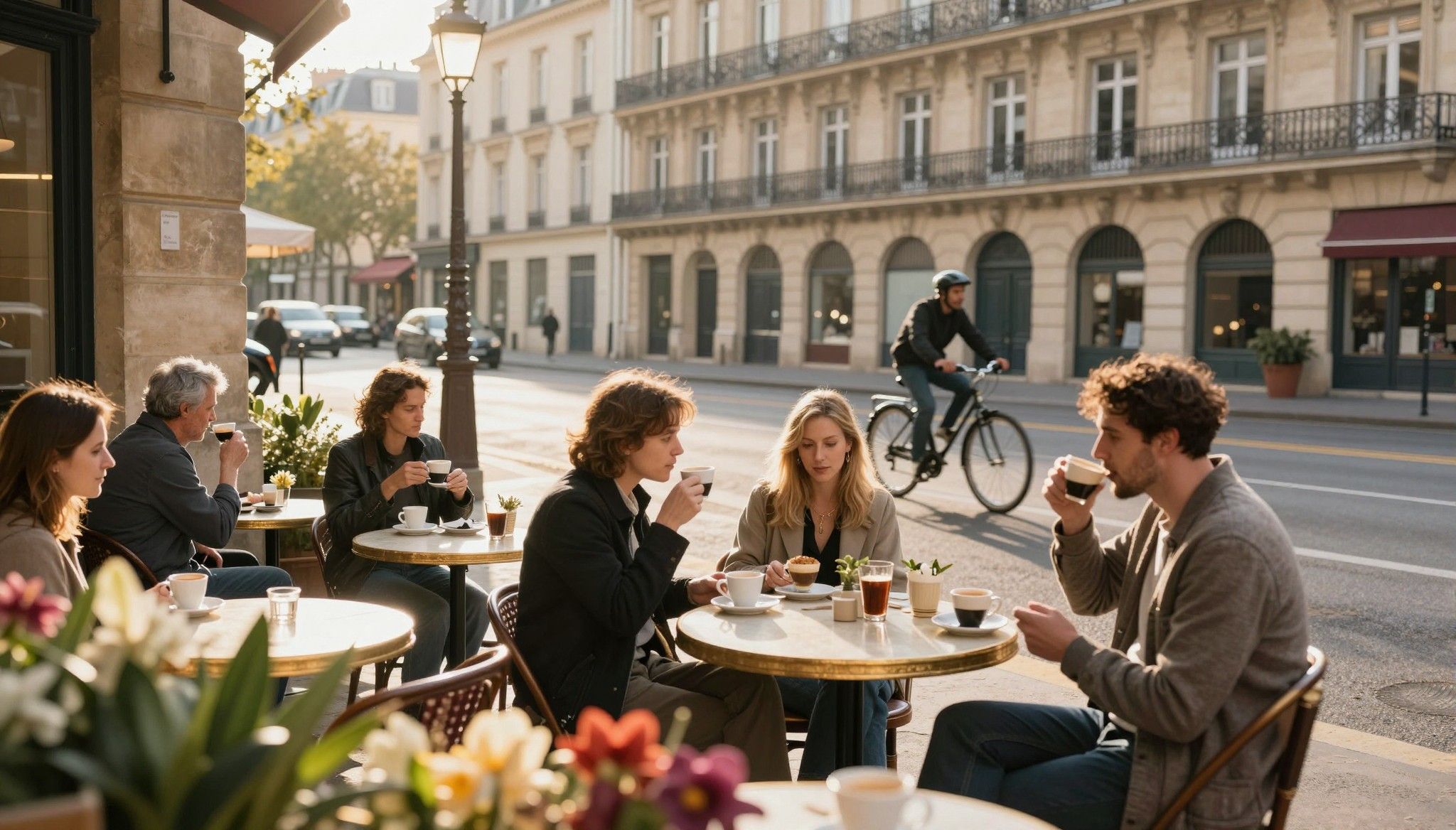
Imagine wandering a Saturday morning marché on rue Cler, the scent of baked bread and chestnuts in the air, an elderly neighbour tending window boxes of lavender, and a stone stairwell warmed by late-summer sun. That weekday rhythm — slow cafés, communal gardens, the hush of olive-green shutters closing at dusk — is the living heart of France and what many international buyers want most. But the months when life feels most alive aren’t always the months when the smartest offers are made. This guide shows how timing, negotiation and stewardship after the keys are handed over can turn that romantic image into a practical, sustainable home.
Living the French life: seasons, streets and senses
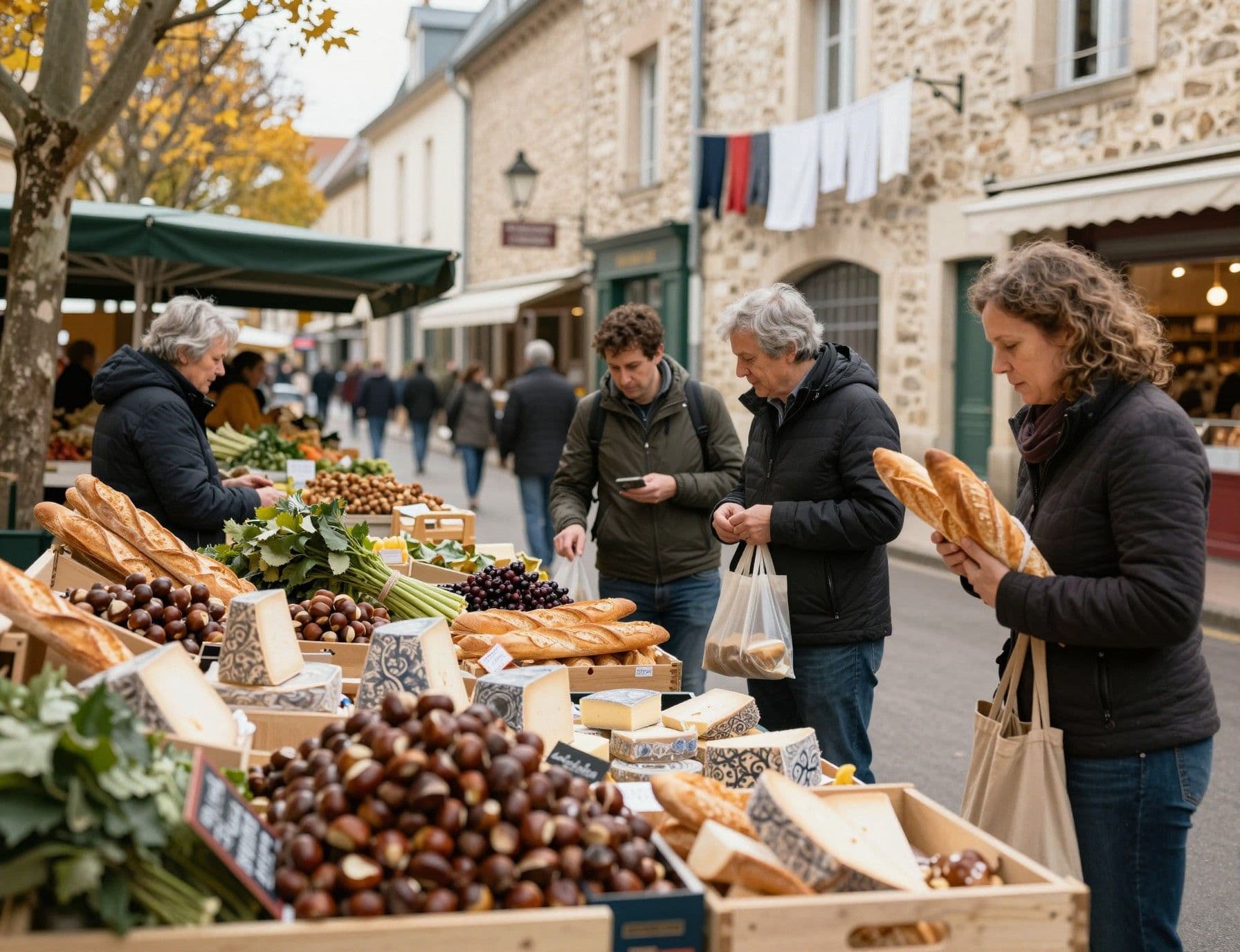
France isn’t a single mood — it’s a palette. Paris mornings mean espresso at a zinc bar; Bordeaux afternoons drift between marchés and riverside promenades; Provence offers cicadas, stone walls and kitchen gardens; Brittany delivers iron-washed winds and oyster shacks. For an international buyer, understanding these rhythms matters: the season you arrive shapes what you see, the neighbours you meet, and the types of properties that will suit your daily life. I’ve learned that the place you fall in love with in high summer can feel very different in autumn or late winter, and that reality should shape offers and stewardship plans.
Neighbourhood spotlight: Marais to Montmartre (Paris) and the quiet arrondissements
Walk the Marais at 9am and notice how petites boulangeries fill the air with brioche; cross to the backward lanes near rue des Rosiers and the community feel is immediate. Montmartre keeps its village heartbeat — artists’ terraces, steep cobbles and small cafés where neighbours exchange news. For buyers, these differences mean trade-offs: a central flat offers constant life and easy resale, while a quieter arrondissement can give space for a courtyard garden or a solar-ready roof. Think about how you want to live daily, not just how a place photographs in summer.
Food, markets and ritual: how meals map to property choices
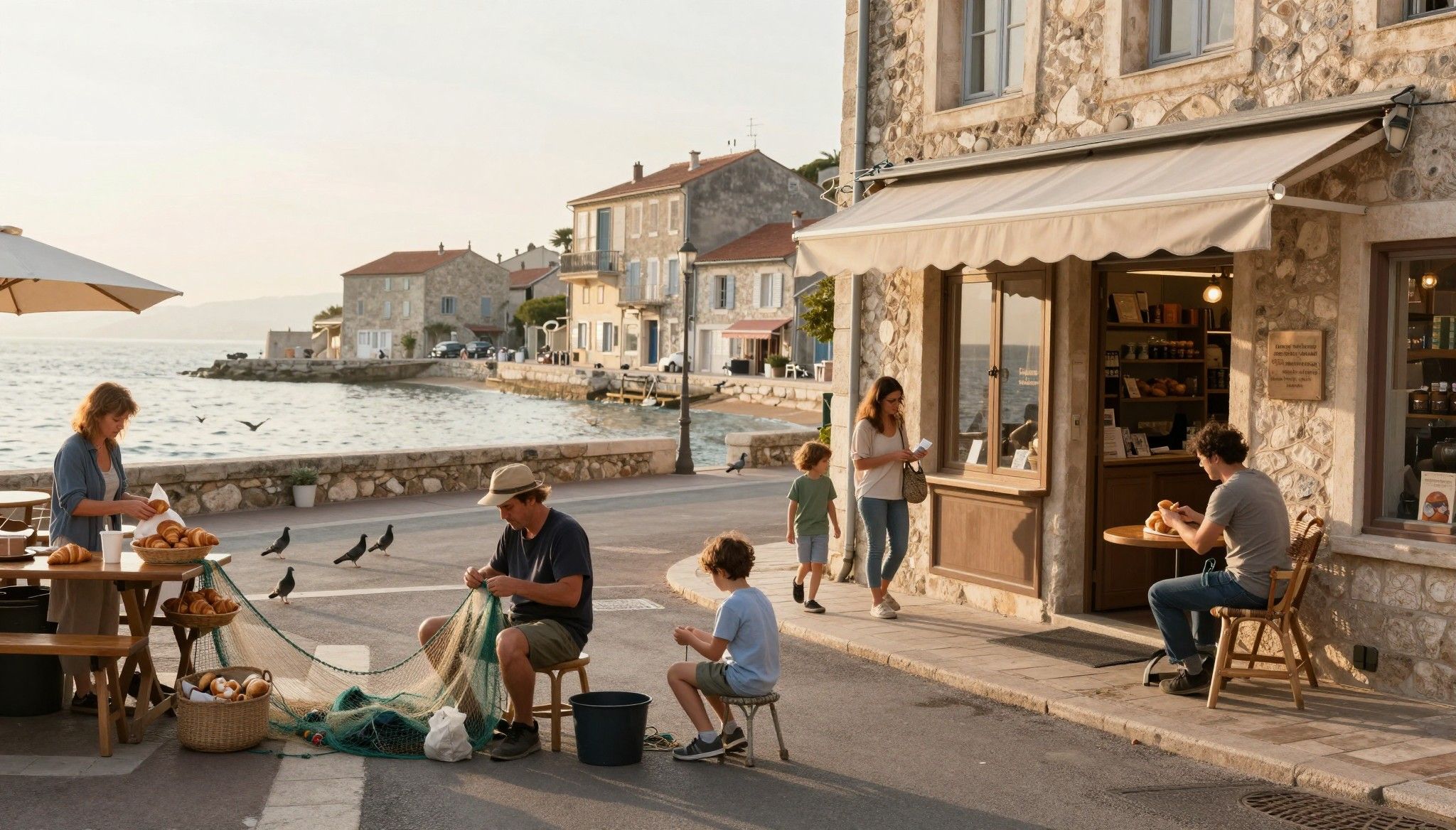
If weekend markets and in-season produce matter, prioritise kitchens with good light, storage for preserves, and balconies or terraces for potted herbs. Coastal buyers chasing seafood dinners should check for easy access to fish markets and cold-storage space at home. In rural France, a simple barn or garage can be the difference between an urban apartment and a home that supports a small kitchen garden, composting and seasonal canning — practical features that nurture the lifestyle you imagine.
Making the move: timing, negotiation and the surprises of seasonality
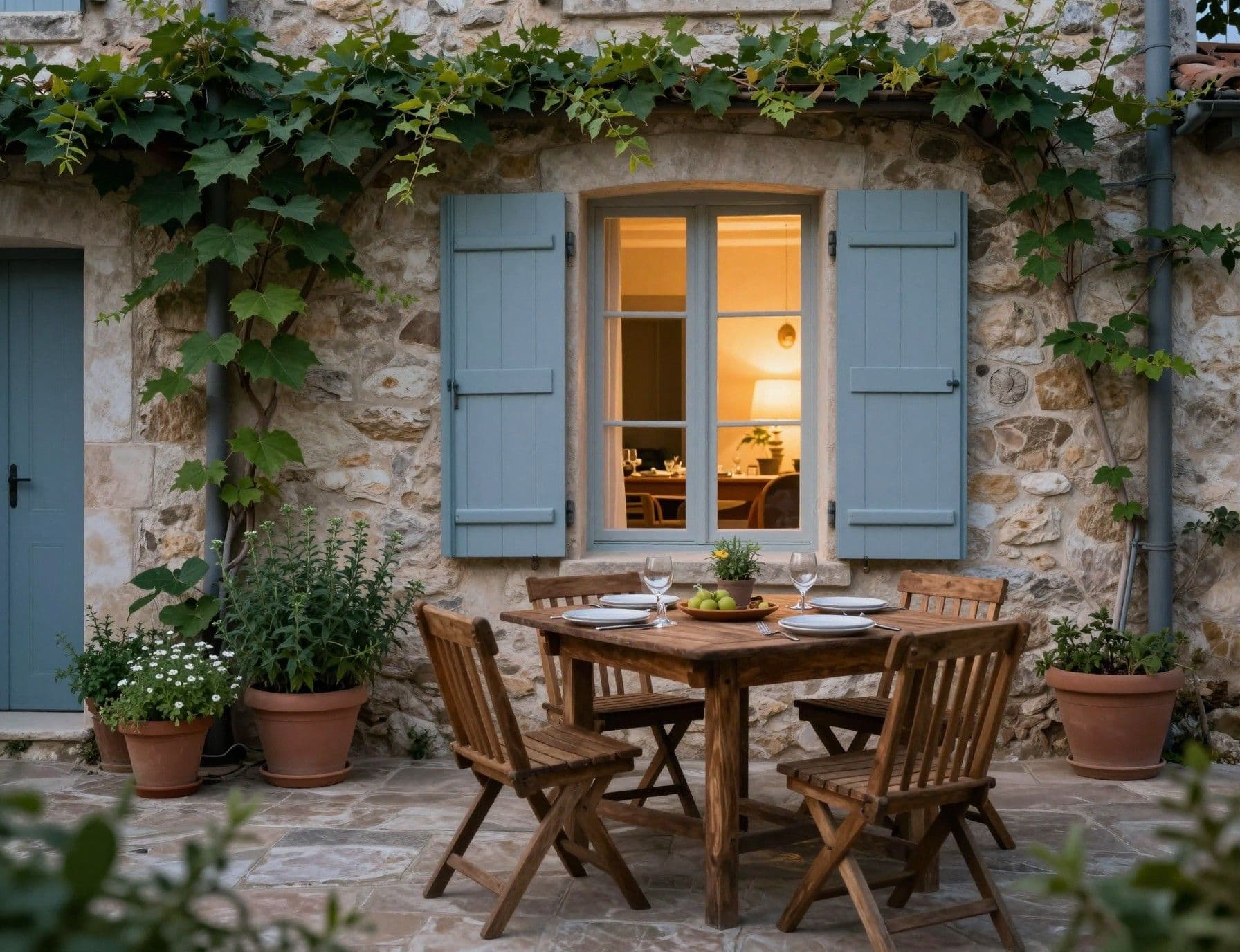
Contrary to what many buyers assume, peak tourist months can be the worst time to make an offer. High-summer viewings show manicured light and festivals, but they often mask structural issues, heating needs, and how a property performs in quieter months. Recent notaires-INSEE trend notes show market fluctuations tied to seasonal activity and credit conditions — meaning autumn viewings and late-year negotiations often reveal motivated sellers and clearer pricing. Planning your search around those quieter windows gives you the leverage to negotiate and to imagine stewardship measures like insulation upgrades or solar additions.
Property styles and what they mean for life (and stewardship)
Stone village houses in Provence offer thermal mass and thick walls that keep summers cool but may need retrofitting for efficient heating in winter. Haussmannian flats in Paris promise high ceilings and light, yet they often lack outdoor space and require communal agreement to install green features like shared solar or rainwater systems. New builds bring lower immediate maintenance and better baseline energy performance, while older homes reward patient buyers with potential for regenerative renovation using local materials. Match the building type to your stewardship goals: low-energy retrofit, garden regeneration, or passive heating upgrades.
Steps to build negotiation leverage that preserves place
- 1. Arrive informed: request past energy bills, recent charges, and any condominium minutes before you bid. 2. Bring local knowledge: a vetted local notaire and an architect or builder who understands regional materials can spot hidden restoration costs. 3. Offer smart contingencies: include time for an energy audit or structural survey rather than blanket waivers. 4. Propose stewardship clauses: ask the seller for a schedule of maintenance (roof, gutters, stone pointing) or negotiate a credit to fund immediate green upgrades. 5. Use seasonality: offer flexible closing dates to suit the seller’s tax or residency timing — small timing concessions can win price flexibility.
Insider knowledge: expat pitfalls, cultural cues and post-purchase stewardship
Expat buyers often overlook small rituals that become daily life: registration for local water and refuse collection, the rhythm of marché days, and the need to pay taxe foncière or to declare property details on impots.gouv.fr. Misreading these local customs leads to friction with neighbours or missed obligations that can be costly. Equally important: long-term stewardship requires relationships — a trusted local notaire, a bilingual builder who knows regional stone techniques, and a gardener who understands native planting cycles. These people protect your investment and the ecology around it.
Cultural cues that shape offers and closings
Tone matters in France: a courteous, patient approach in negotiations often goes further than aggressive tactics. Sellers value a buyer who demonstrates intent to belong — not just to extract value. Attend a neighbourhood event if possible, ask local questions, and let your agent introduce you to the notaire and neighbours. These soft gestures can unlock off-market tips or persuade a seller to accept realistic stewardship clauses that protect both parties’ interests.
- Red flags to spot before you sign (and how to handle them)
• Incomplete energy documents or missing historical bills — insist on an energy audit. • Unclear property boundaries or shared access routes — commission a cadastral check through the notaire. • Deferred maintenance on roofs or pointing — negotiate a repair schedule or escrow. • Evidence of damp or poor ventilation — ask for a hygrometry inspection and remedial quote. • Over-polished staging in high season that hides garden drainage issues — view the property in wetter months where possible.
How local agencies help — beyond listings
A thoughtful local agency acts as cultural translator, project manager and steward. They bring contacts for green builders, they can advise whether a property is eligible for local grants for energy renovation, and they understand departmental quirks like recent changes to transfer duties that affect closing costs. Use an agency that values stewardship: ask about their experience with low-impact renovations, native landscaping and renewable installations, not only their portfolio of listings.
Practical next steps: a checklist for an eco-minded closing in France. First, commission an energy and structural survey and have the notaire review cadastral and tax records. Second, confirm all charges and the precise montant des frais de notaire; recent changes allow departments to adjust transfer tax rates, so budget accordingly. Third, negotiate stewardship items into the compromis de vente or ask for a seller credit to fund immediate green upgrades. Fourth, build a year-one stewardship plan: energy efficiency, native-plant landscaping, water management, and local waste routines. Lastly, introduce yourself to neighbours — stewardship is social as much as technical.
First-year stewardship plan (6 actions)
1. Conduct an energy retrofit scoping with a certified auditor. 2. Replace old heating controls and prioritise insulation where it yields the fastest payback. 3. Install rainwater capture and start a composting routine. 4. Rewild a portion of the garden with native species to support biodiversity. 5. Schedule roof and gutter repairs before winter rains. 6. Register property details and occupancy with impots.gouv.fr to avoid late penalties.
Conclusion: buy the life, then steward it. France rewards patience — the best offers are often made after the festival lights have dimmed and the real rhythms of a place reveal themselves. Approach negotiation as a continuation of local life: blend respectful offers with practical contingencies and a clear plan to care for the home and its landscape. When you close with stewardship in mind — thoughtful negotiations, realistic budgets for repair and a year-one sustainability plan — you don’t just acquire property, you join a living place.
Swedish advisor who left Stockholm for the Costa Brava in 2019. Specializes in sustainable, sea‑view homes for Scandinavian buyers and green finance insights.