Malta’s Green Premium: Myth or Market Edge?
Malta’s charm masks a growing green reality: rooftop solar, community projects and lifestyle-first upgrades are turning premium perceptions into sustainable opportunities.
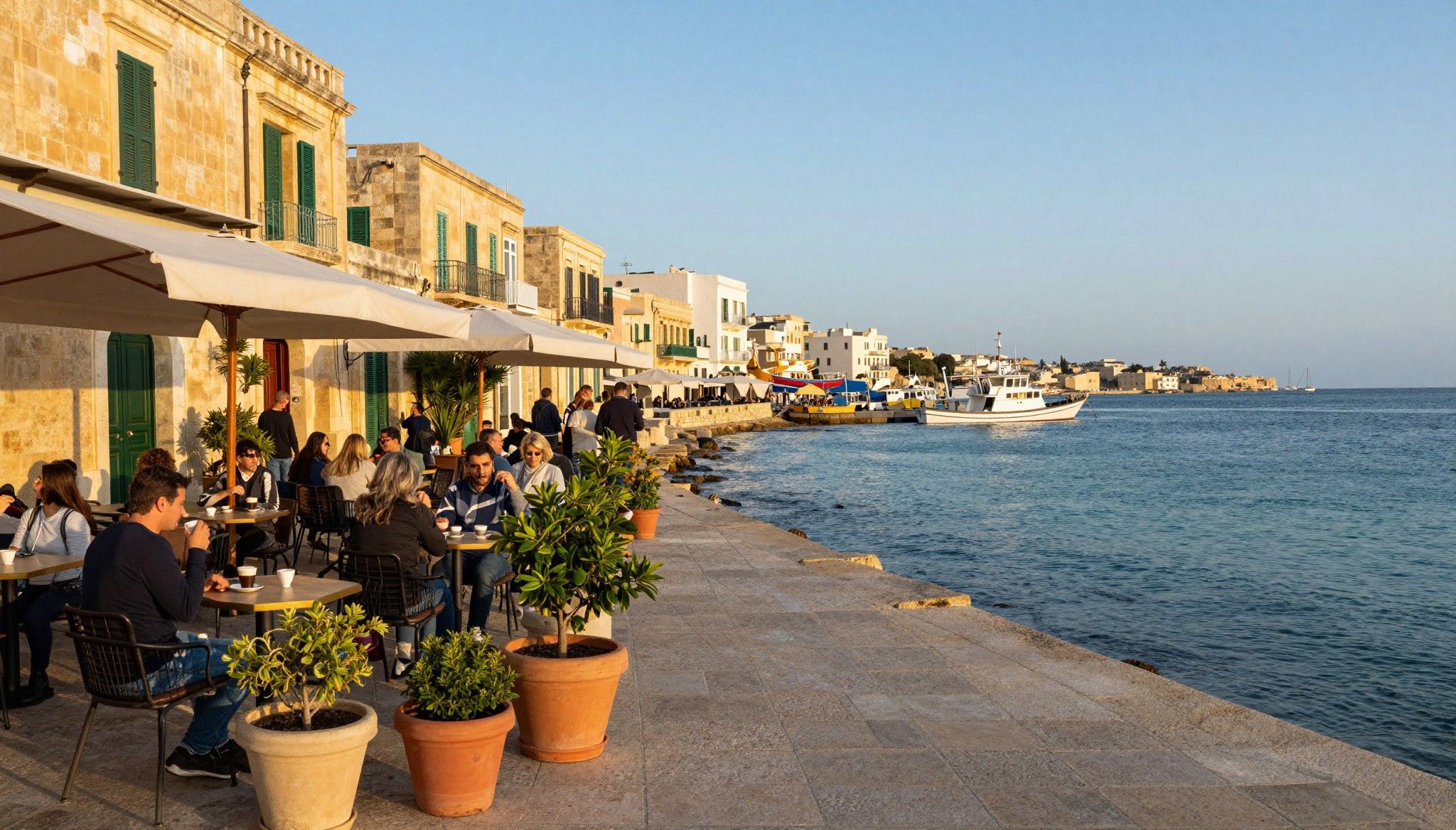
Imagine waking to light that feels golden against honeyed limestone, then stepping out to a narrow street where a neighbourhood grocer arranges capers and sun‑dried tomatoes under the shade of bougainvillea. In Malta, daily life is tactile and seasonal — ferry horns at dawn, cafes that hum with conversation into evening, and terraces that become rooms in summer. Yet beneath this Mediterranean ease, a quieter story is changing the way homes are built, bought and lived in: rooftop solar, community-led green projects and government nudges that are making Maltese houses greener than many realise. For international buyers who care about place and planet, those changes matter as much as the view.
Living the Malta lifestyle — sun, sea and small‑scale rhythms
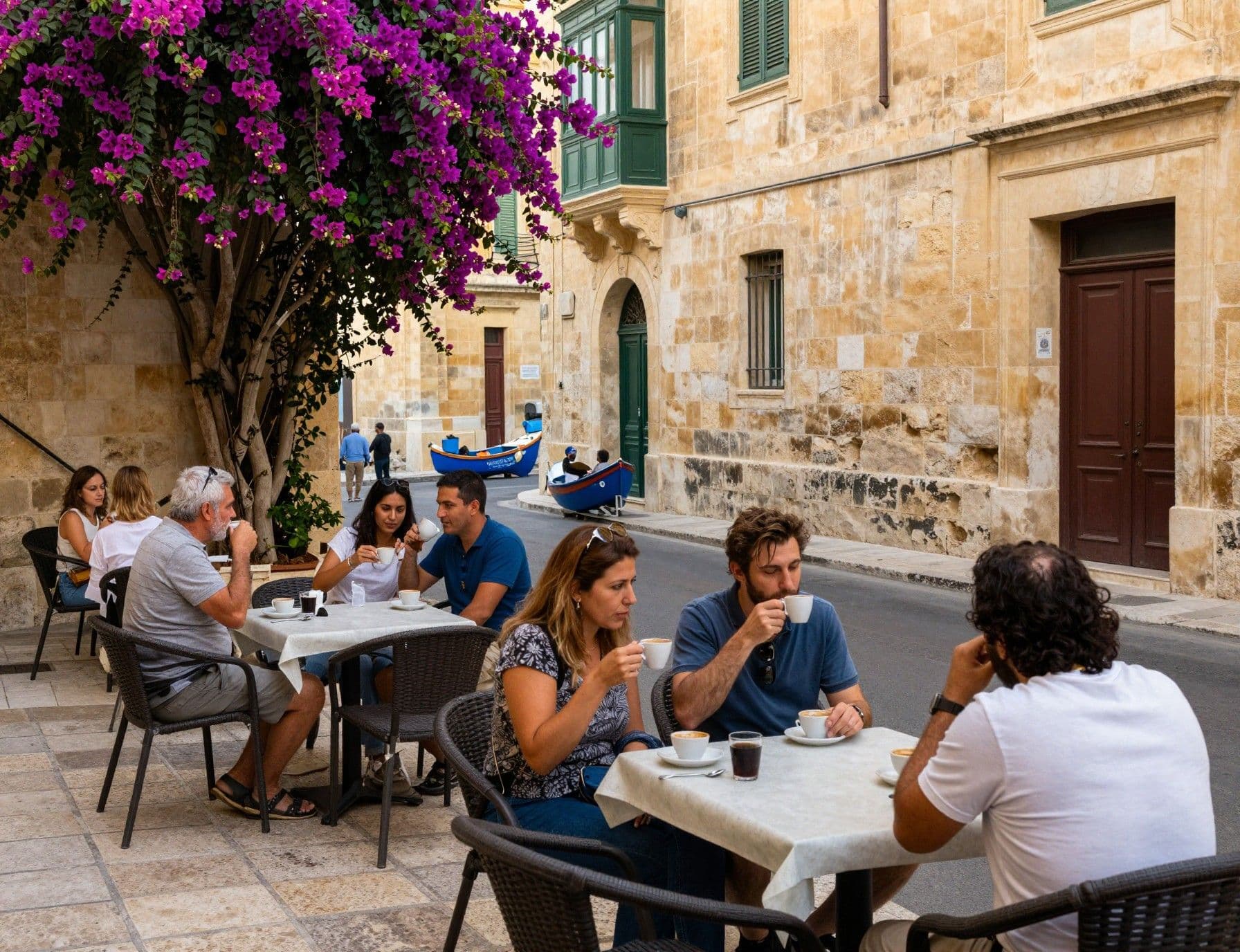
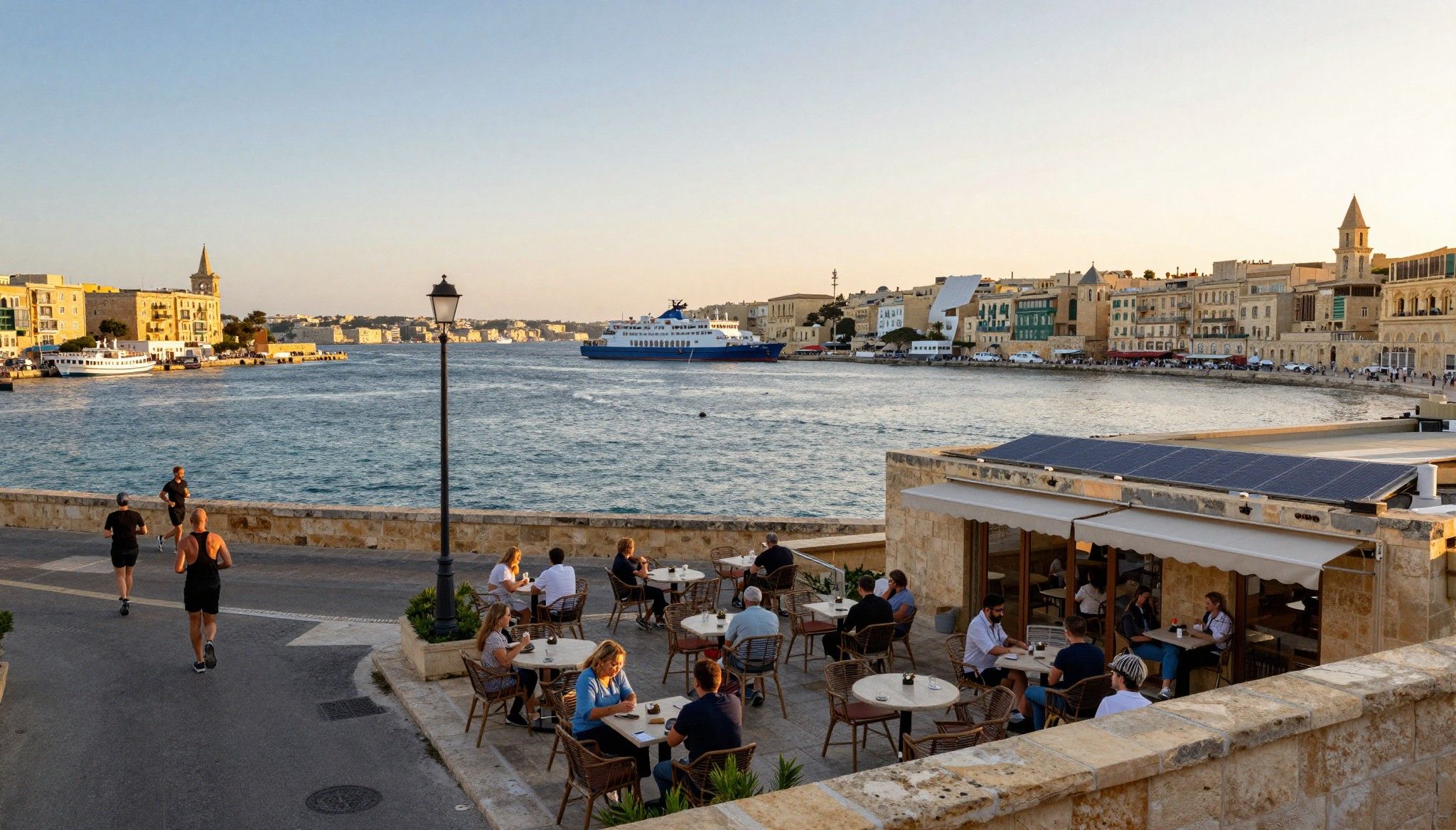
Malta is compact in a way that changes how you live: everything feels within reach and every neighbourhood carries a distinct mood. Valletta’s stone courtyards host classical concerts and late‑night wine bars; Sliema’s seafront promenades are where morning joggers exchange nods with café owners; Marsaxlokk still smells of fresh fish and Sunday market chatter. Days are structured around light and meal rhythms — long lunches in summer, brisk coastal walks in spring — which nudges houses to favour indoor‑outdoor layouts, shutters for cross‑ventilation and terraces that work year‑round. That intimate scale is a gift to buyers who want to belong quickly; it also shapes what a practical, sustainable home looks like here.
Neighbourhood spotlight: Valletta and the hidden courtyards
Walk into Valletta at golden hour and you’ll find small squares where neighbours share plates of gbejna (local cheese) and bars that once served British officers now pour craft beer. The city’s narrow lanes and high stone facades naturally shade streets, reducing cooling needs in summer; many restored townhouses pair historic character with discreet solar hot-water systems and energy‑efficient glazing. For buyers, Valletta offers lived‑in authenticity — a short walk to theatres, boutique shops and ferry links — but the tradeoff is smaller footprints and, often, the need for careful retrofit planning if you want modern green comforts.
Coastal towns: Sliema, St Julian’s and the life of terraces
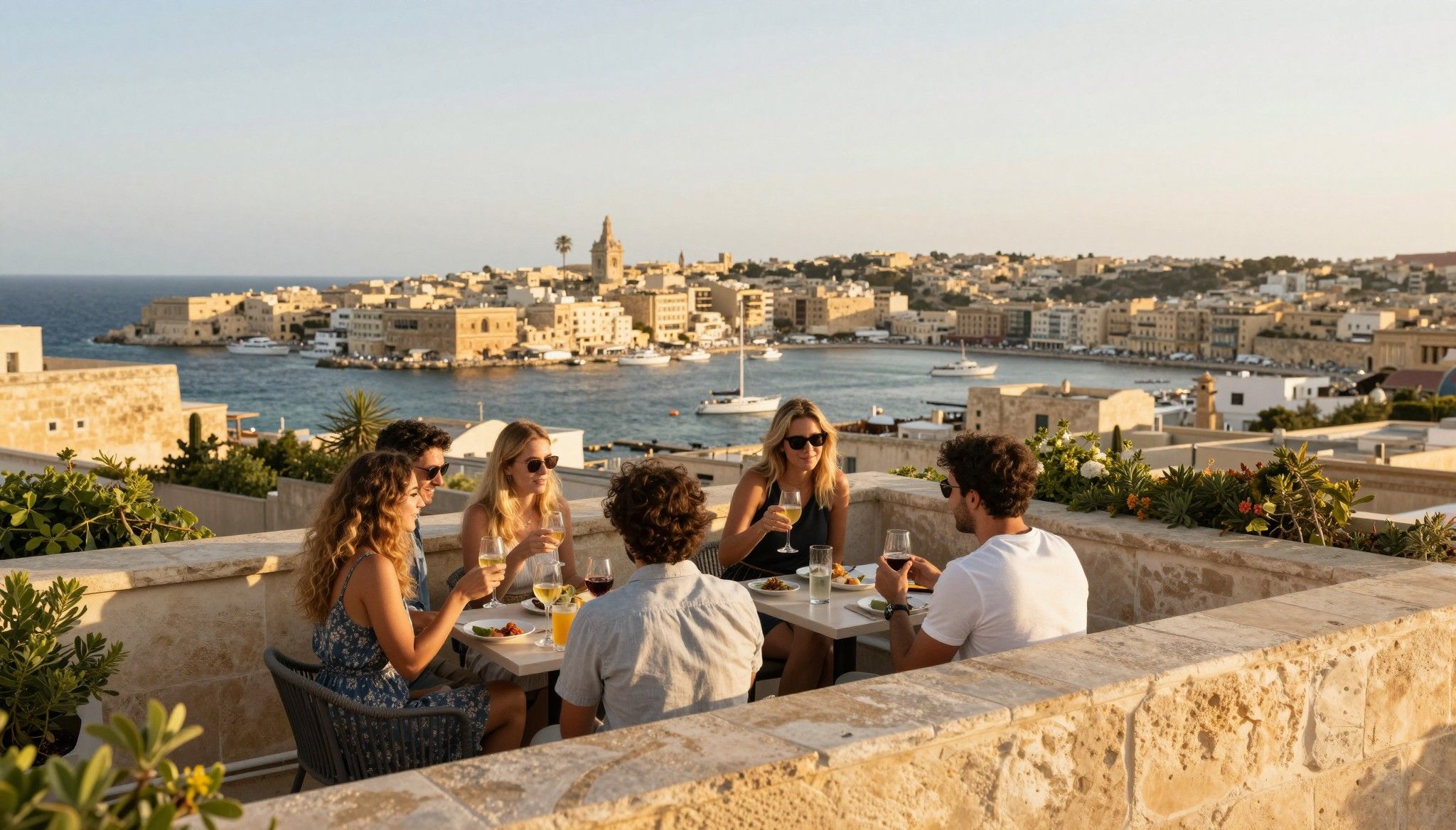
Sliema and St Julian’s are where sea views meet lively café culture; balconies and terraces become daily stages for social life. Properties here tend to favour modern apartments with large glazed fronts, which feel breezy but can be heat‑traps in August unless thoughtful shading and ventilation are in place. Expats often choose these towns for convenience — language, transport and coworking options — and many buyers now prioritise homes with PV‑ready roofs or communal rooftop gardens to reclaim outdoor space and improve energy independence.
- Lifestyle highlights: markets, beaches and small rituals - Sunday market at Marsaxlokk for fresh fish and social life - Espresso and pastizzi at Caffe Cordina in Valletta - Morning swims at Golden Bay or Għajn Tuffieħa - Twilight aperitifs on Sliema’s promenade - Festa season — parish fireworks, processions and neighbourhood gatherings
Making the move: practical considerations that keep your lifestyle green
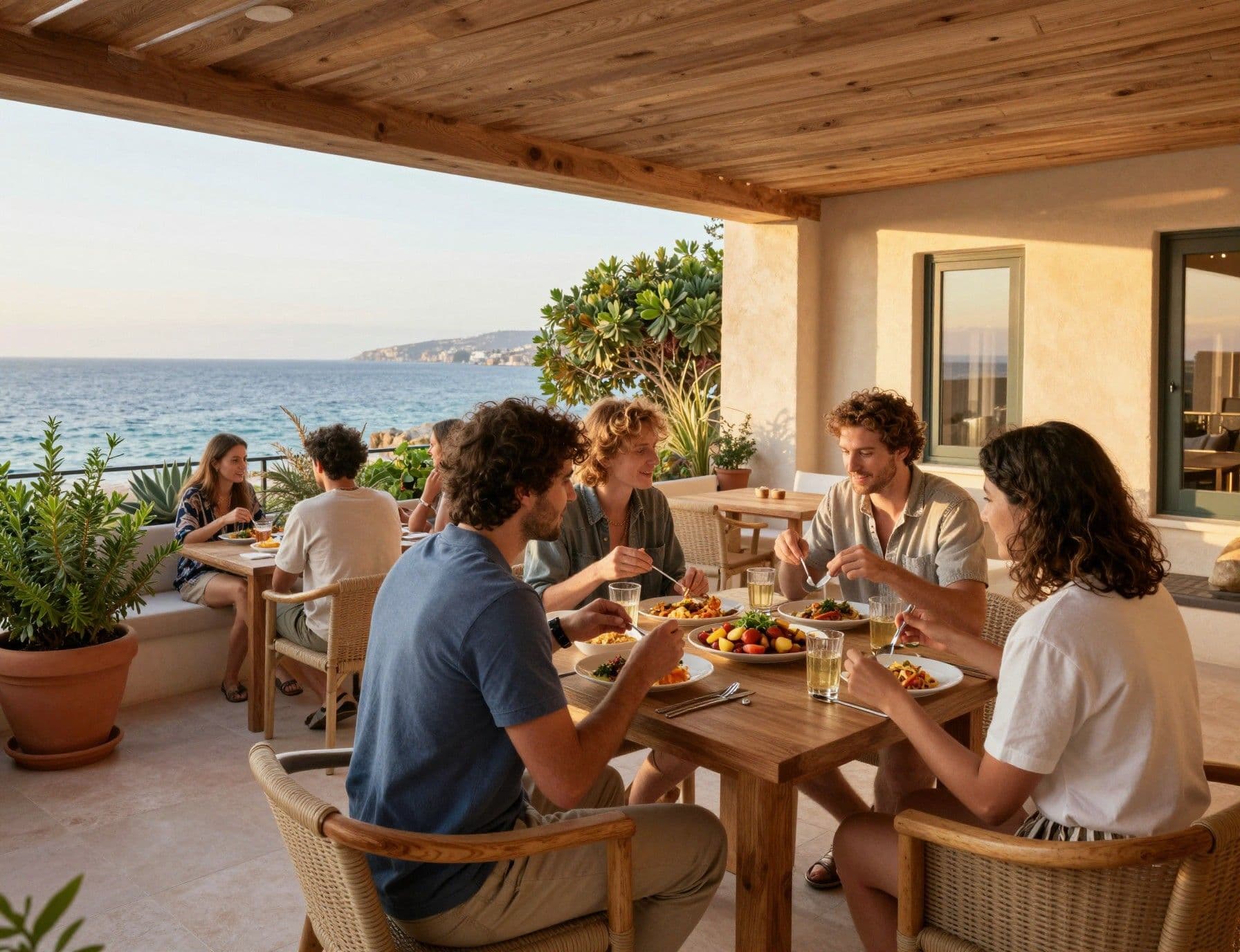
Dreams of terraces and market mornings meet reality at the point of contract: Malta’s market is active and prices have climbed steadily, so marrying lifestyle wishes with practical checks is essential. Recent industry reports show continued demand for seaside and centrally located homes, while government energy programmes and rising photovoltaic installations are nudging the built environment towards cleaner energy. That means smart buyers balance a property’s feel with its adaptability to green upgrades — rooftop solar capacity, envelope performance, and communal green space are now part of the lifestyle equation, not an afterthought.
Property types: historic townhouse vs modern seafront flat
A restored townhouse in Mdina will gift you stone walls, deep window recesses and a sense of belonging, but expect higher costs for sympathetic insulation and discreet mechanical upgrades. A modern seafront flat in Gzira or Tigné Point offers open plans and easier installation of PV or heat pumps, yet may command a premium for location. Think in terms of how you’ll live: if morning light and outdoor meals matter most, prioritise terraces and cross‑ventilation; if low maintenance and energy independence matter, prioritise PV‑ready roofs and good building management.
- Practical steps that blend lifestyle and logistics 1. Ask for roof orientation and PV history — Malta’s PV harvest rose to 326.5 GWh in 2024, signalling wide rooftop adoption. (see NSO). 2. Check building rules for rooftop alterations — some heritage areas restrict visible changes. 3. Prioritise cross‑ventilation, shutters and shading to reduce cooling needs. 4. Confirm communal management for shared terraces and green spaces. 5. Budget for sympathetic retrofit on stone homes: insulation, efficient glazing, and water heating.
Insider knowledge: what expats wish they’d known before buying
Expat buyers often say the hardest lessons are small and social: the value of a reliable neighbour who waters pots in August, which parish festa your street rallies around, and the rhythm of local markets. On the practical side, buyers wish they’d measured sunlight patterns across seasons — shady winter courtyards can be bliss in July and chilly in January — and asked earlier about communal rules for rooftop use. Local agents who live the rhythms of a place can save months of trial and error by pointing to properties that already accommodate sustainable living.
Cultural cues that shape where you belong
English is an official language and that lowers friction for many internationals, but community acceptance follows rituals: regular presence at cafés, participation in local festas and small neighbourly gestures. If your life centers on quiet mornings and restorative nature, look beyond the seafront hotspots to villages like Marsascala or parts of Gozo where evenings are slower and gardens larger. Conversely, choose Sliema or St Julian’s if you want immediate social networks and services at your doorstep — both lifestyle choices have implications for green retrofitting, mobility and daily rhythms.
Looking forward, Malta’s renewable share climbed to 17.2% in 2024 as policy and small‑scale PV adoption accelerated, which changes long‑term living costs and community energy conversations. Buyers who plan for energy upgrades now — rooftops prepped for PV, battery space, water‑efficient landscaping — will find their homes age more gracefully and run more softly. In short: the green features you add become part of the daily experience, not just a line item in the budget.
Conclusion: think like a local — love the lifestyle, tend the home Malta rewards those who come with curiosity: cherish its markets, learn the rhythm of festa season, and treat your house as a partner in place‑making. When you pair that attention with practical checks — roof readiness for PV, sensible shading, and an agent who understands both heritage rules and green options — you gain more than a property: you buy a life that feels rooted and light. If the idea of sea breezes, limestone warmth and greener living calls to you, start by visiting a neighbourhood café, ask about the building’s energy story, and let stewardship shape your offer.
Norwegian market analyst who relocated from Oslo to Provence; guides investors with rigorous portfolio strategy and regional ecological value.