Green Loans & Real Life: Making Old French Homes Future‑Ready
How France’s eco-loans and local expertise turn characterful homes into low‑impact, comfortable properties — practical steps and local rhythms for international buyers.
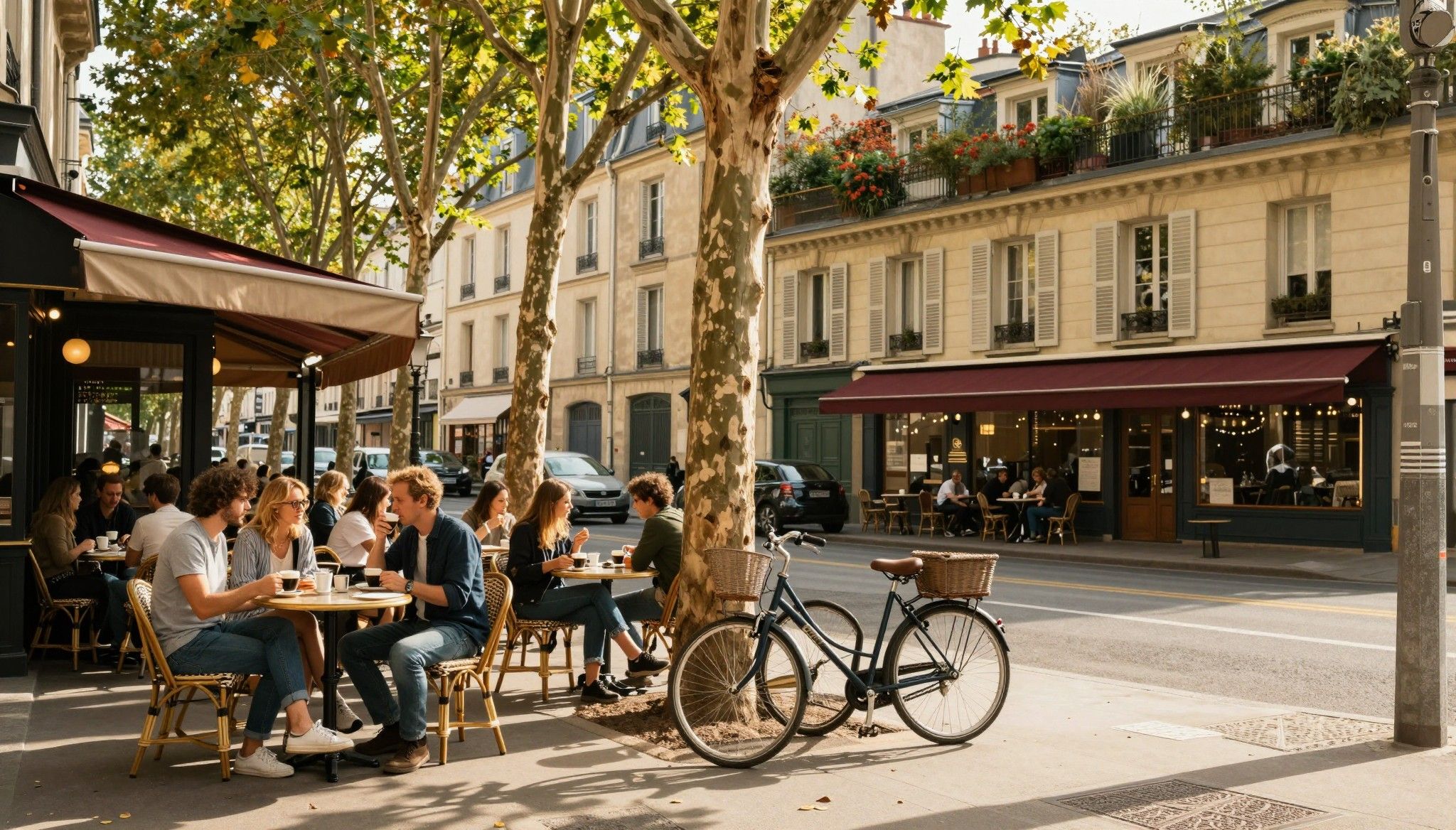
Imagine waking to the smell of baking croissants on Rue des Rosiers in the Marais, or wandering a sun-warmed lane in Aix-en-Provence where stone walls drink the afternoon light. France still rewards slow mornings, weekly markets and picnics beneath plane trees — but for international buyers the romance meets reality: older buildings, strict rules, and, increasingly, generous green financing that can turn a renovation into both a lifestyle upgrade and an investment in resilience.
Living the French life — sensory, seasonal, local
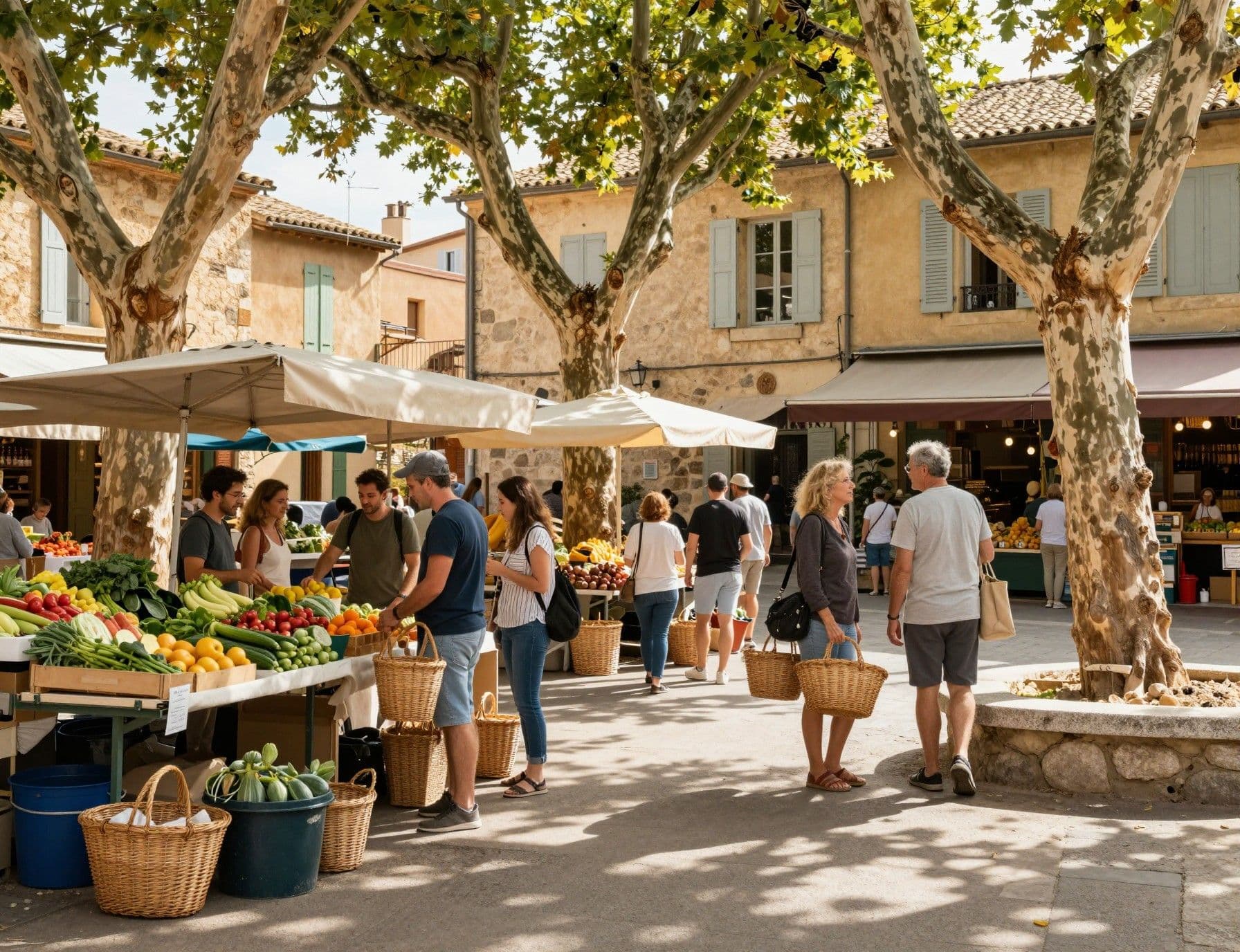
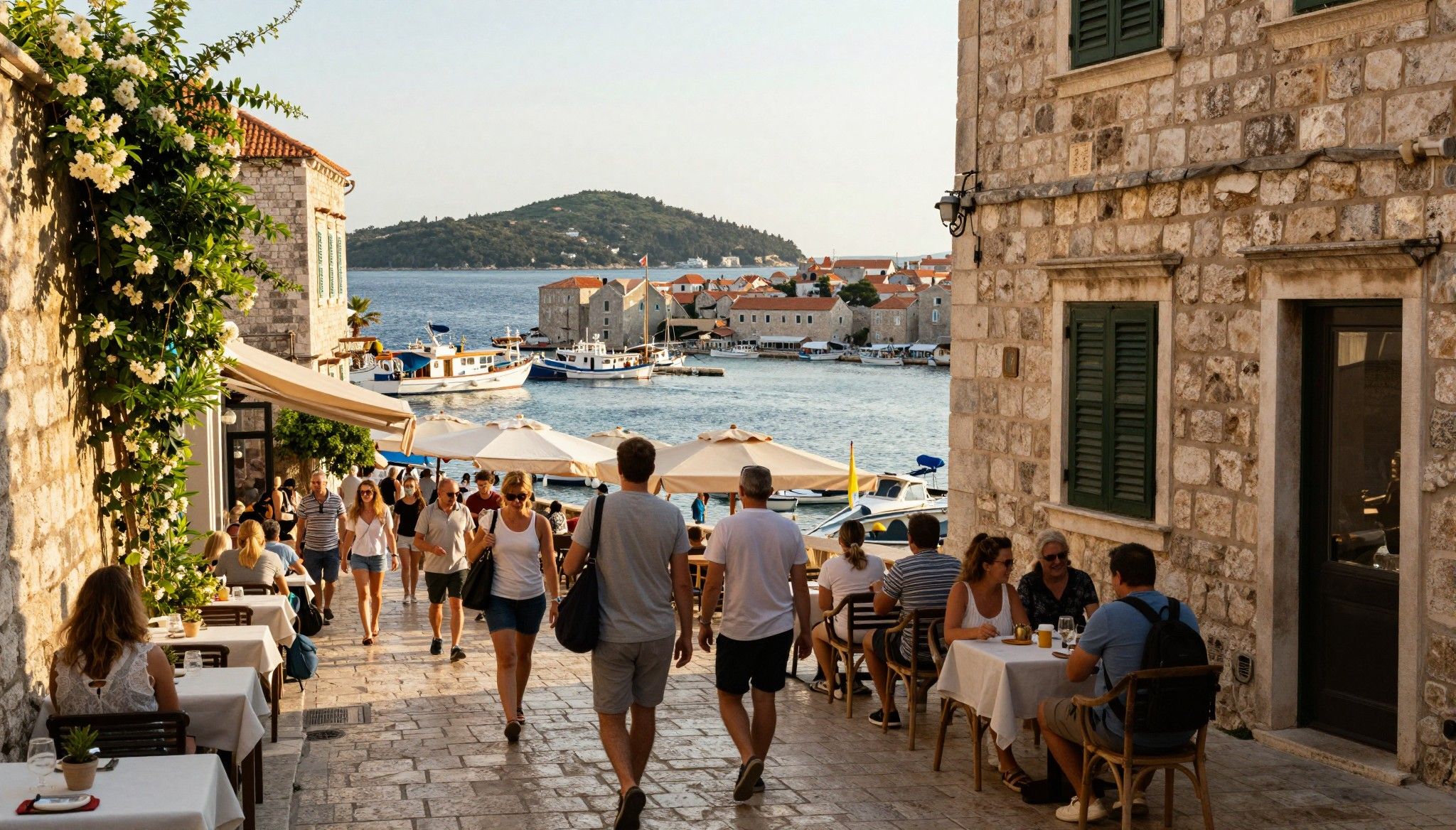
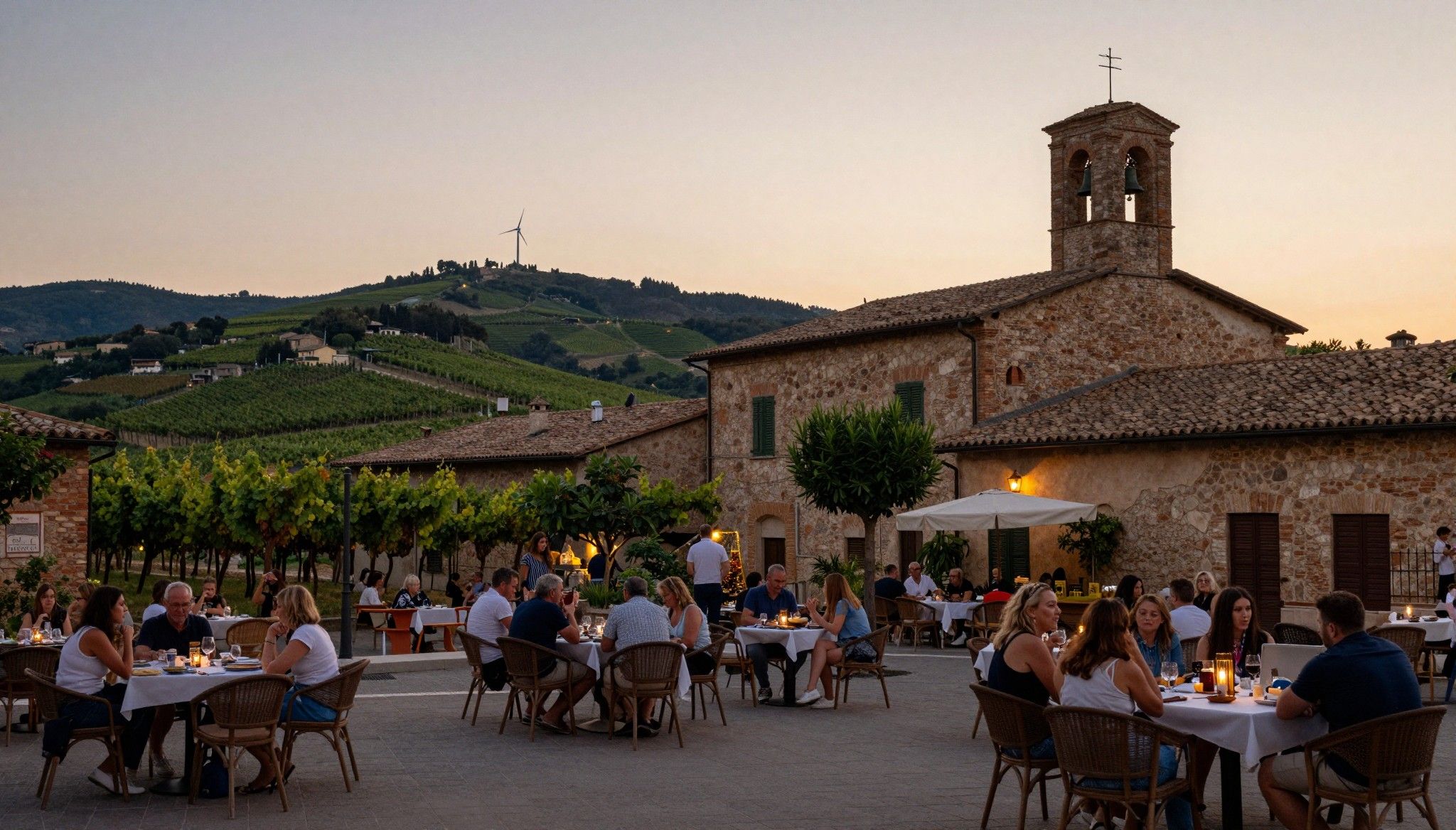
France is not one image but many: the Atlantic’s salt air and surf towns, limestone villages in the Loire, the lavender haze of Provence, and Paris’s layered neighborhoods where every arrondissement has its own cadence. Daily life is choreographed by markets, cafés and regional rhythm — boulangeries that open at dawn, small-town fêtes that light up summer nights, and village committees that protect local character. If you crave connection to land and seasons, French life offers it in abundance; if you crave bureaucratic clarity, expect paperwork and local customs to shape your pace.
Neighbourhood spotlight: Marais, Aix, Biarritz — what they actually feel like
In Paris’s Marais you live inside history—cobbled streets, small courtyards and a café culture that spills into the afternoon. Aix-en-Provence smells of olive oil and rosemary; morning markets and shaded promenades dominate the day. Biarritz mixes surf culture with belle époque villas and a relaxed weekend energy. Each area demands different home types: apartments with tall ceilings and modest terraces in cities, stone farmhouses with gardens in the countryside, and seaside villas designed to weather salt and wind.
Food, markets and seasonal life that shape property choices
Market life is the heartbeat of French towns: Saturday markets in Saint-Rémy-de-Provence, fish stalls at Île d'Oléron, and farmers lining Place du Palais in Lyon. These routines influence where you choose to live — proximity to market squares matters more than a view in many villages. Seasonal events, from truffle season in Périgord to Fête de la Musique in June, animate neighborhoods and can inform timing for visits and viewings when you want to experience the real rhythm of a place.
- Market-day mornings at Place du Marché (buy local cheese and meet neighbours)
- Evening aperitifs on a terrace in Marseille’s Le Panier
- Winter light over Normandy cliffs and cozy fireplaces in village homes
- Lavender and harvest festivals in Provence that connect you to local producers
Making the move: green finance and practical realities
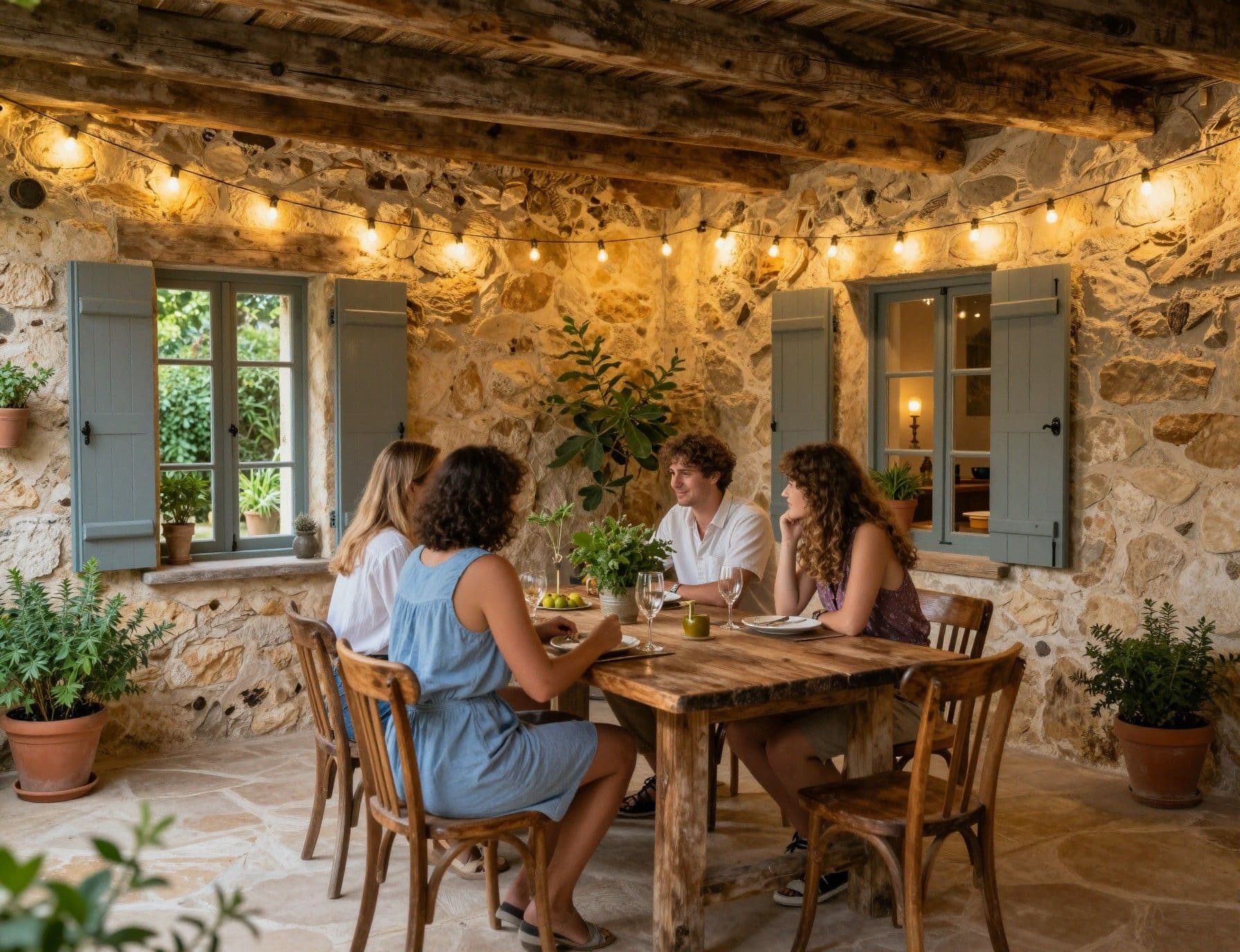
Dreams of stone floors and shuttered windows must be matched with finance that makes sense in France. Fortunately, the state supports energy upgrades: the eco-prêt à taux zéro (éco-PTZ) and renovation grants like MaPrimeRénov’ make meaningful upgrades more affordable, while national market trends show modest but steady price movements that reward patient, place-minded buyers. For international purchasers, understanding which loans and subsidies apply — and to which properties — is the bridge from fantasy to feasible.
Property styles and how green finance changes their value
Historic apartments in Paris, stone maisons in Dordogne and 1970s coastal villas each come with different retrofit needs. A village stone home may need insulation, new windows and heating upgrades — precisely the works eligible for eco-PTZ or MaPrimeRénov’ top-ups. Investing in energy performance raises comfort and can protect value in a market increasingly attentive to energy ratings (DPE), while also opening the door to lower running costs and better rental prospects if you plan to let the property seasonally.
Working with local experts who know the green routes
A local notaire, an architect specialising in heritage renovations, and a bank adviser familiar with éco-PTZ will save weeks of confusion. Agencies that speak your language and understand regional building codes near Provence or Brittany become translators of both culture and technical process. Ask any agency whether they routinely pair buyers with certified RGE (Reconnu Garant de l’Environnement) contractors — that certification is often required to access state-backed renovation loans.
- Step-by-step when you find a home that needs sustainable upgrades: 1) Get an energy diagnostic (DPE) and preliminary quotes from RGE contractors. 2) Verify eligibility for éco-PTZ or MaPrimeRénov’ with France Rénov’ advisers. 3) Discuss loan packaging with your French bank or mortgage broker (some lenders combine renovation finance with purchase mortgages). 4) Schedule works with an architect or maître d’œuvre to align planning permissions and conservation rules. 5) Apply for grants and finalise financing before starting major works.
Insider knowledge: what expats wish they'd known
Foreign buyers often expect frictionless charm; they discover charming and bureaucratic in equal measure. Practical realities — permitting timelines, co-ownership (copropriété) rules, and local tax nuances — can turn a swift deposit into a months-long choreography. The upside is that when you plan around seasons and local life, you usually end up with a better home: renovate in spring with local craftsmen, move in for harvest, and you’ll arrive knowing both the house and the community.
Cultural integration, language and the neighbourhood code
Making friends in a French village often happens at the market or during communal fêtes rather than through property networks. Learning a few phrases, showing respect for local schedules (shops close on Tuesday afternoons in many towns), and hiring local tradespeople go a long way. Agencies that introduce you to neighbours or reputable local artisans shortcut the awkward first months and help your renovation be welcomed rather than resisted.
Long-term life: stewardship, energy, and resale
Think of a French home as a relationship with the landscape: gardens need planning, roofs need care, and energy choices matter. Investing in insulation, heat pumps, solar and rainwater management is as much stewardship as expense. These choices improve daily life, reduce running costs and often appeal to future buyers who prize energy performance and low-impact living — a tangible legacy for both your family and the place you love.
- Prioritise RGE-certified contractors when renovating (unlock grants and quality work).
- Insulate before replacing heating: small steps can shift your DPE rating substantially.
- Choose durable, local materials (stone, timber) that age gracefully and reduce embodied carbon.
If you are ready to begin: visit in-market during a market day, ask to see energy diagnostics (DPE) with every property, and bring a shortlist of RGE contractors the agency trusts. A well-chosen property plus smart green finance can transform an old French house into a lighter-footprint sanctuary — one that feels undeniably French, and undeniably yours.
Conclusion: fall for the life, fund it wisely, and steward it gently. When you pair place-first choices with France’s green loan tools and local expertise, you don’t just buy a house — you join a living landscape that rewards patience, curiosity and care.
Danish relocation specialist who moved from Copenhagen to the Algarve; supports families with seamless transitions, local partnerships, and mindful purchases.