Croatia: Life‑First Buying with Sustainability Sense
From Dolac Market mornings to island sunsets: why lifestyle-led, sustainability‑aware buying in Croatia pairs joy with smarter long‑term value.
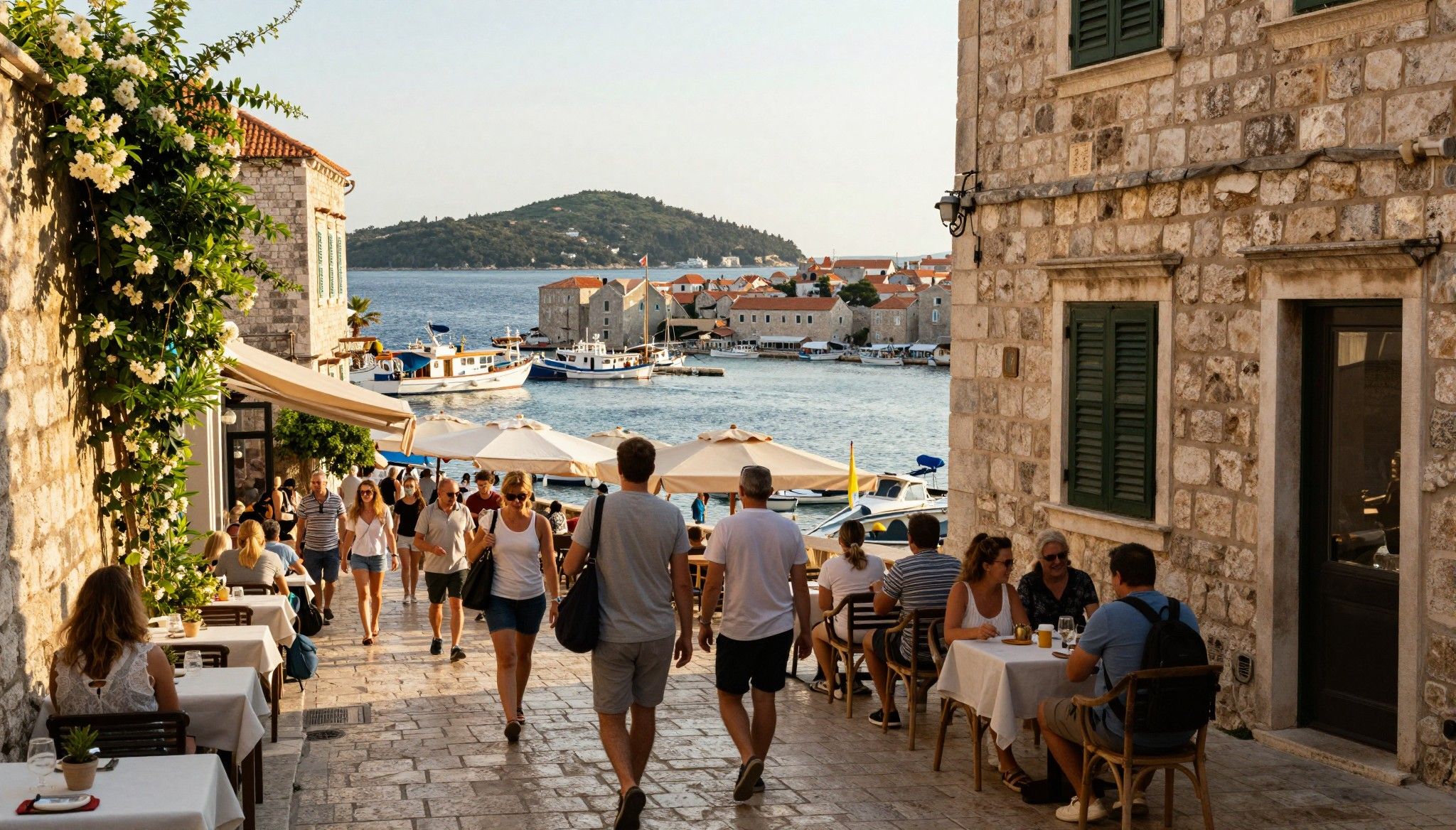
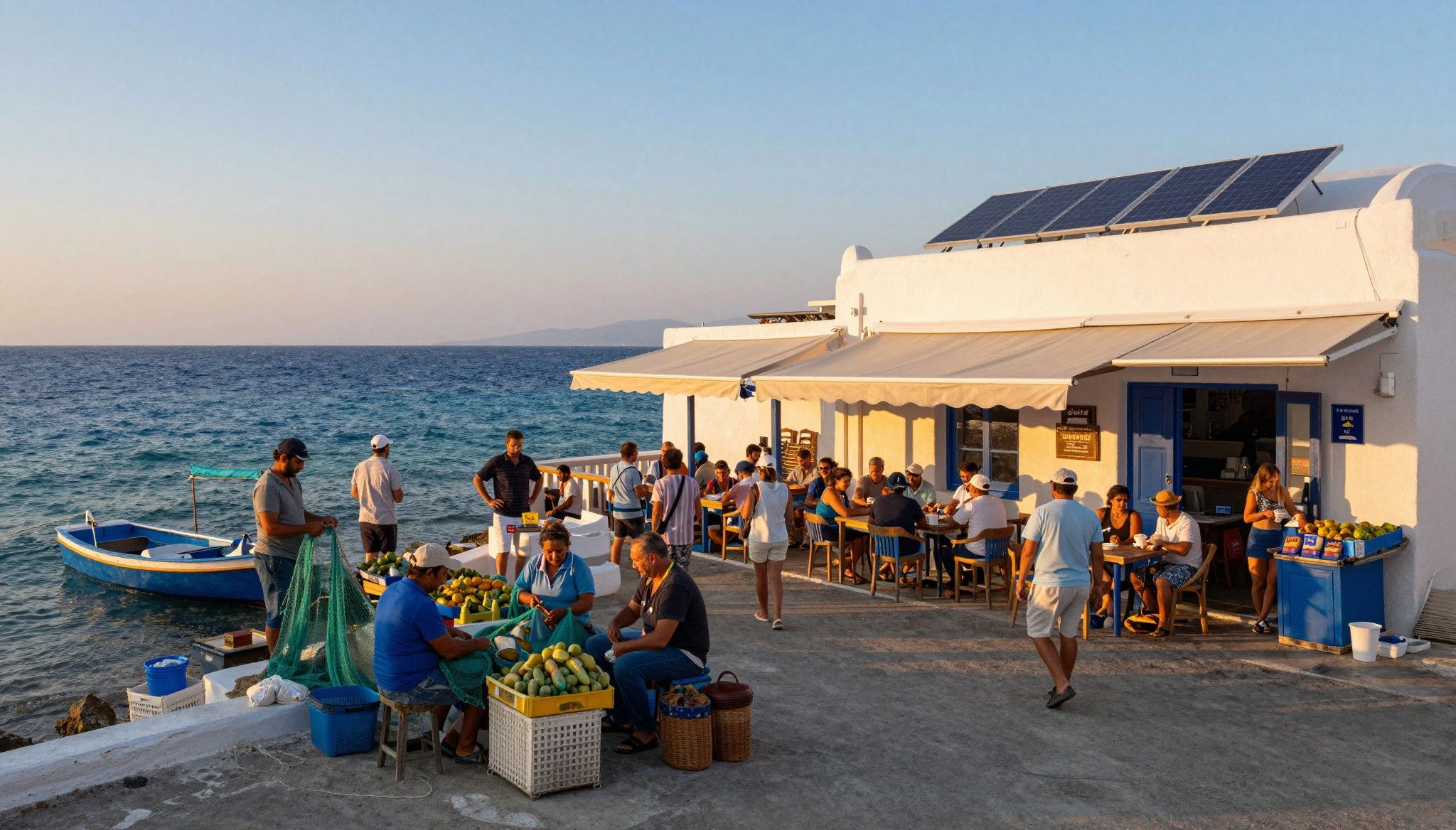
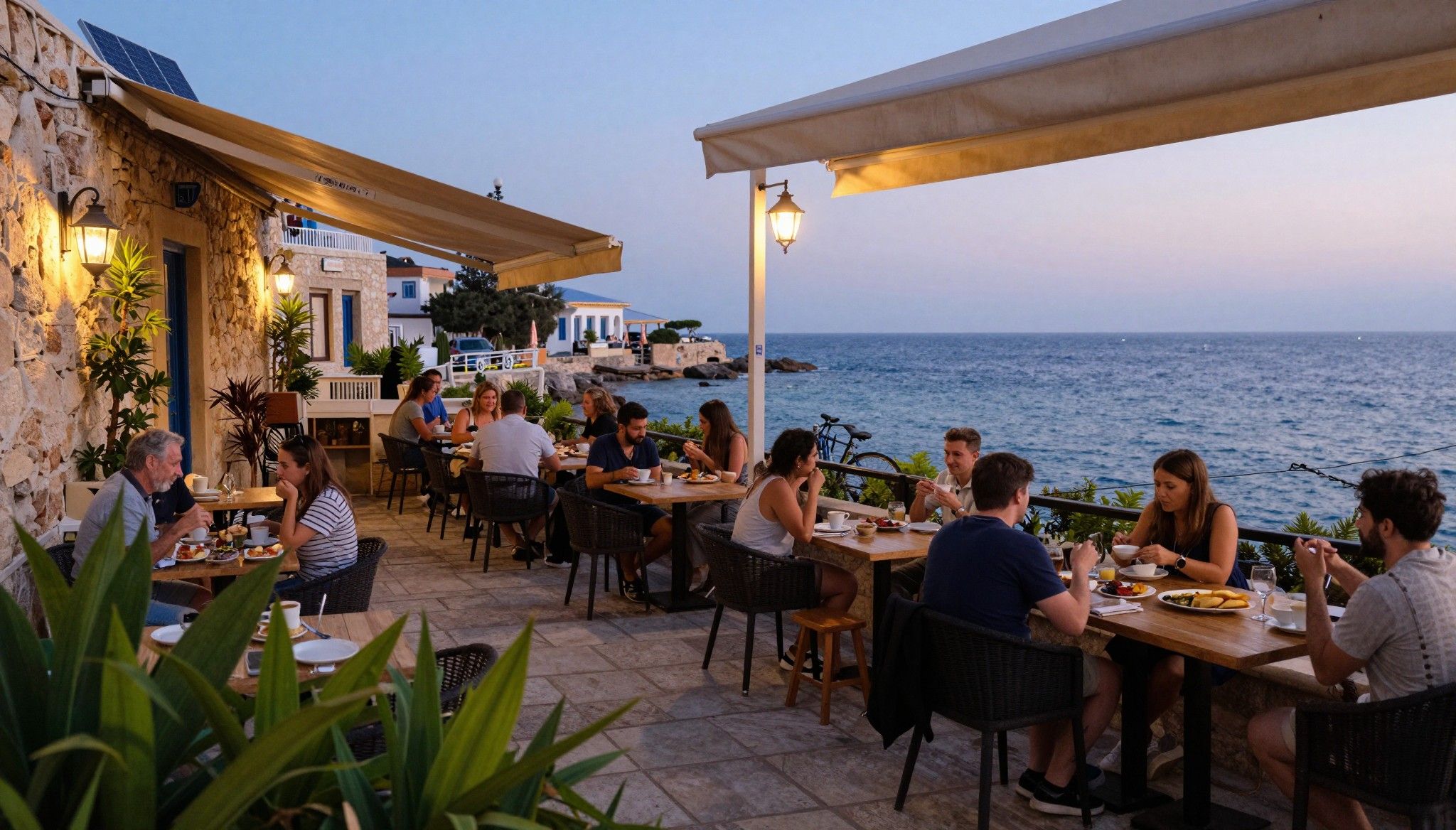
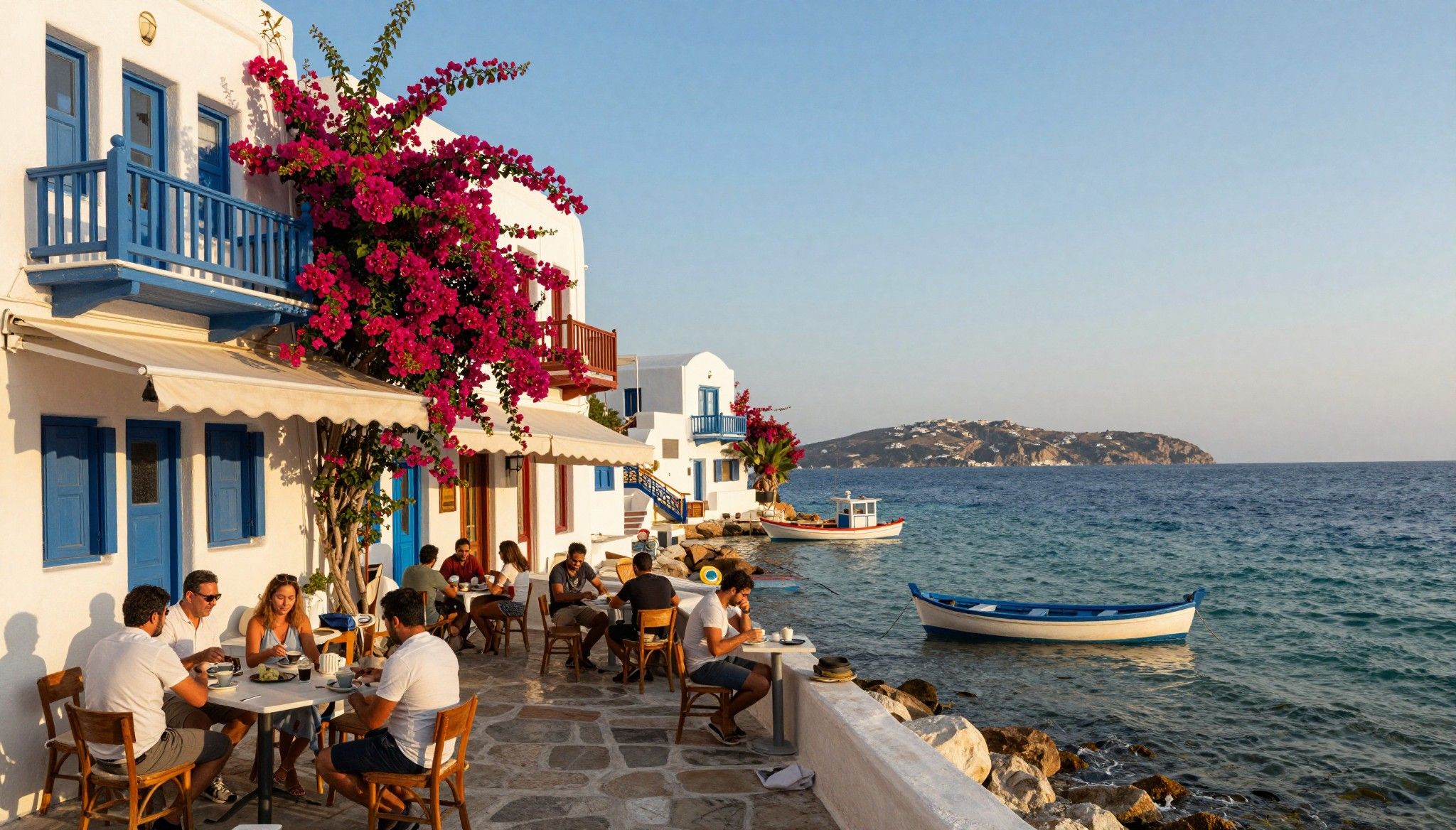
Imagine waking to a sea-salted breeze in Dubrovnik, buying produce at Dolac Market in Zagreb by noon, and sipping late-afternoon espresso on Hvar’s harbour — all within the same country. Croatia’s small scale means varied lives are close at hand: island mornings and continental evenings, stone houses with climbing jasmine and contemporary villas with solar roofs. For international buyers, that variety is seductive — and it changes the questions you should ask. Recent market analysis shows strong coastal momentum and rising interest in energy-efficient renovations, so lifestyle choices and sustainability measures often determine both cost and long‑term happiness.
Living the Croatia Lifestyle
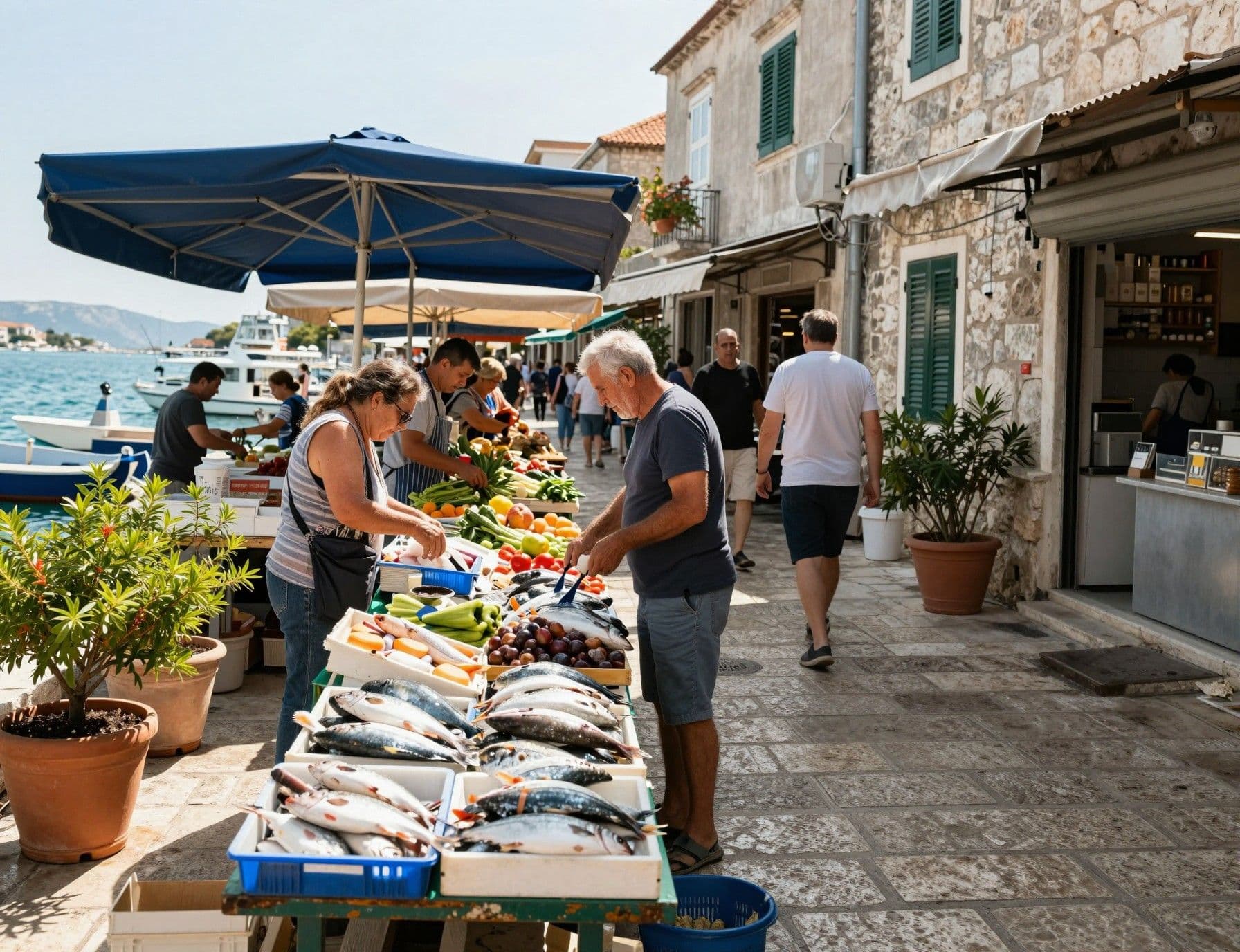
Daily life in Croatia moves at the cadence of seasons. Summers hum with coastal life: markets, small ferries, family-run konobas; winters draw life inland, where oak forests and thermal spas set a quieter tempo. Official housing indices show notable coastal price growth alongside continued demand in Zagreb, which means lifestyle regions carry distinct market rhythms you’ll want to feel before you buy.
Zagreb’s rhythm: cafés, markets, and close‑in green
Picture morning runs through Maksimir Park, an espresso at Cafe Time on Tkalčićeva, and Sunday browsing at Dolac Market. Zagreb offers walkable neighbourhoods — Gornji Grad’s limestone streets, the creative pockets of Trešnjevka, and family-friendly streets in Podsused — where a renovated townhouse with thick stone walls keeps winters cozy and energy bills modest when paired with proper insulation.
Dalmatian coast: stone, sea, and island slow time
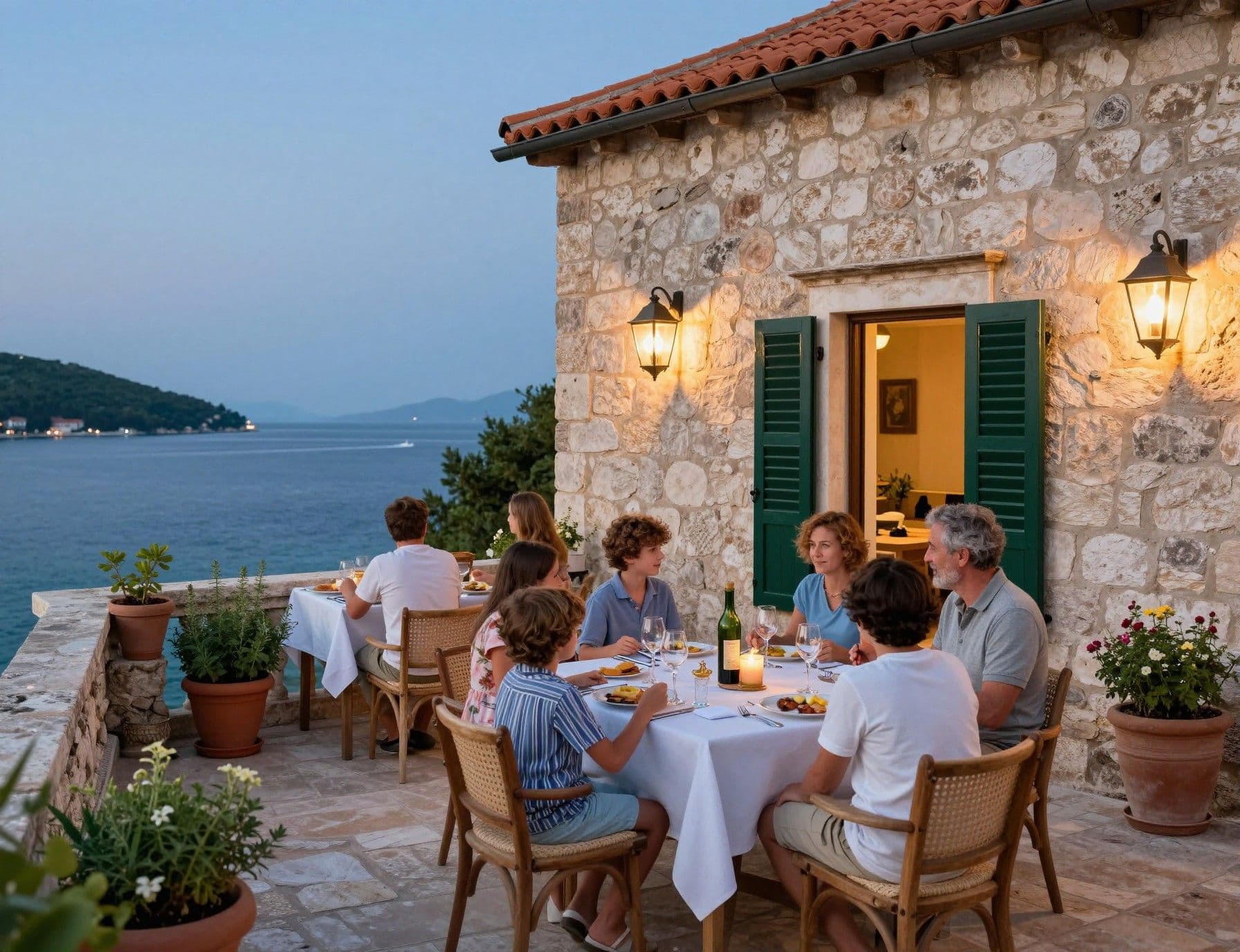
On the coast, towns like Split, Hvar, and Rovinj are defined by narrow alleys, terraces cascading to the sea, and a culture built around fresh fish and late dinners. Properties here often pair centuries‑old stone with small private gardens or terraces — excellent canvases for solar panels, rainwater harvesting and native Mediterranean planting that reduces irrigation and upkeep.
- Lifestyle highlights: morning markets at Dolac (Zagreb); Sunday fish markets in Split; lavender fields near Hvar; wild beaches on Vis; thermal spas near Varaždin; konoba dining experiences in Istria.
Making the Move: Practical Considerations
Croatia’s charm can seduce buyers into skipping due diligence. But practicalities matter: EU citizens generally buy under the same conditions as locals, while non‑EU buyers must navigate reciprocity and sometimes ministerial consent. Government guidance explains those differences clearly — and your timeline will depend on them.
Property styles and what they mean for living
Stone cottages, Med‑terraces, modern new builds and historic apartments each come with tradeoffs. Old stone homes offer thick thermal mass and character but often need seismic and energy upgrades; new builds may include heat pumps and better insulation but can lack the garden or view you crave. Think through maintenance and retrofit potential before falling in love with a façade.
Working with local experts who match lifestyle and sustainability goals
Choose agents and lawyers who understand both local customs and green upgrades. A good local agency will know which neighbourhoods have strong community gardens, where sea breezes reduce cooling needs, and which architects specialise in passive‑solar retrofits. With a sustainability lens, they’ll prioritise sunlight orientation, roof potential for PV, and water‑wise landscaping.
- Practical next steps: 1) Visit off‑season to feel daily life; 2) Request recent energy and structural reports; 3) Check reciprocity rules early if you’re non‑EU; 4) Budget for seismic and insulation upgrades if the house is historic; 5) Ask agents about local nets for solar and water permits.
Insider Knowledge: Real‑Talk from Expats and Locals
Expats often tell a single story: they fell for a neighbourhood’s rhythm before its paperwork. But they also share practical regrets — underestimating seasonal access on some islands, or buying without considering the cost of bringing a historic home up to modern efficiency. Market signals show coastal demand is strong; pairing that with an eco‑upgrade plan can preserve value and reduce running costs.
Cultural integration, language and everyday rituals
Croatians prize relaxed hospitality and local rituals: long coffee breaks, festivals tied to the sea or harvest, and neighbourhood konobas where everyone knows the regulars. Learning basic Croatian phrases, joining a local association or market collective, and participating in a seasonal festival (like Špancirfest in Varaždin or St. Donatus celebrations in Zadar) accelerates belonging.
Long‑term lifestyle and stewardship
Think of your purchase as joining an ecosystem. Native plantings, rainwater cisterns, greywater reuse for gardens, and heat‑pump installations will often cost upfront but reward you with lower bills and a property that ages gracefully. Local incentives and evolving regulations increasingly favour energy‑efficient renovations, so plan upgrades with local architects who understand both heritage rules and modern building science.
- Red flags and practical checks: unclear land registry extracts; missing building permits for seaside terraces; properties in special interest zones (check with Ministry guidance); lack of documented energy upgrades; seasonal access limitations on smaller islands.
Conclusion: Croatia rewards curiosity and patience. Fall in love with a place, but let local data and specialists shape the path to ownership. Visit outside high season, sketch the life you want (fresh markets, morning swims, garden time), and build a modest sustainability plan before you sign. A home in Croatia can be a sanctuary for the senses and a responsible investment in place — if you buy with both heart and checklist.
Swedish advisor who left Stockholm for the Costa Brava in 2019. Specializes in sustainable, sea‑view homes for Scandinavian buyers and green finance insights.