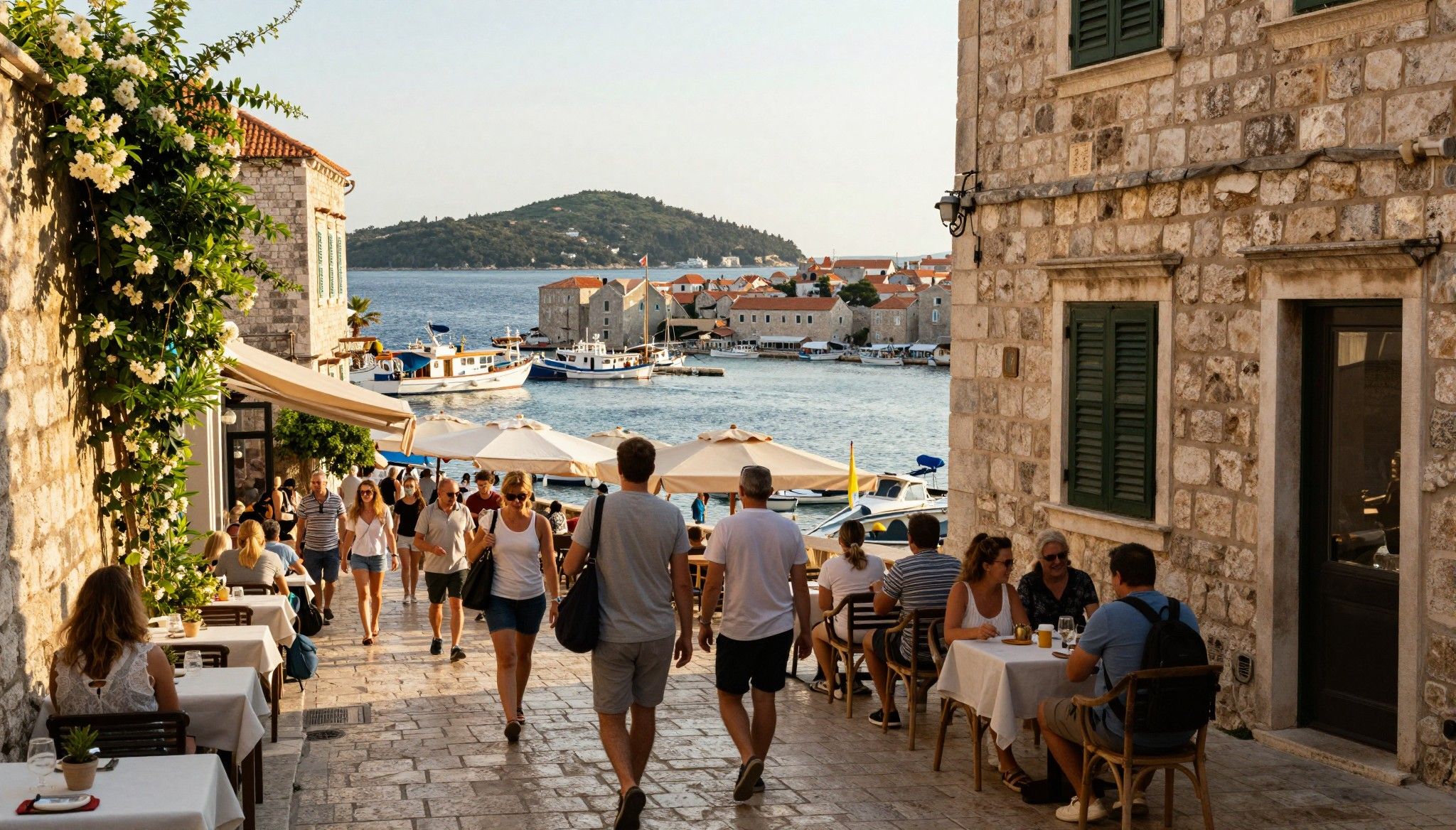
The Unexpected Value of Italy’s Renewable Heartlands
Italy’s renewable regions blend daily life with lower running costs — buy where geothermal, solar and incentives meet authentic neighbourhoods and long-term value.
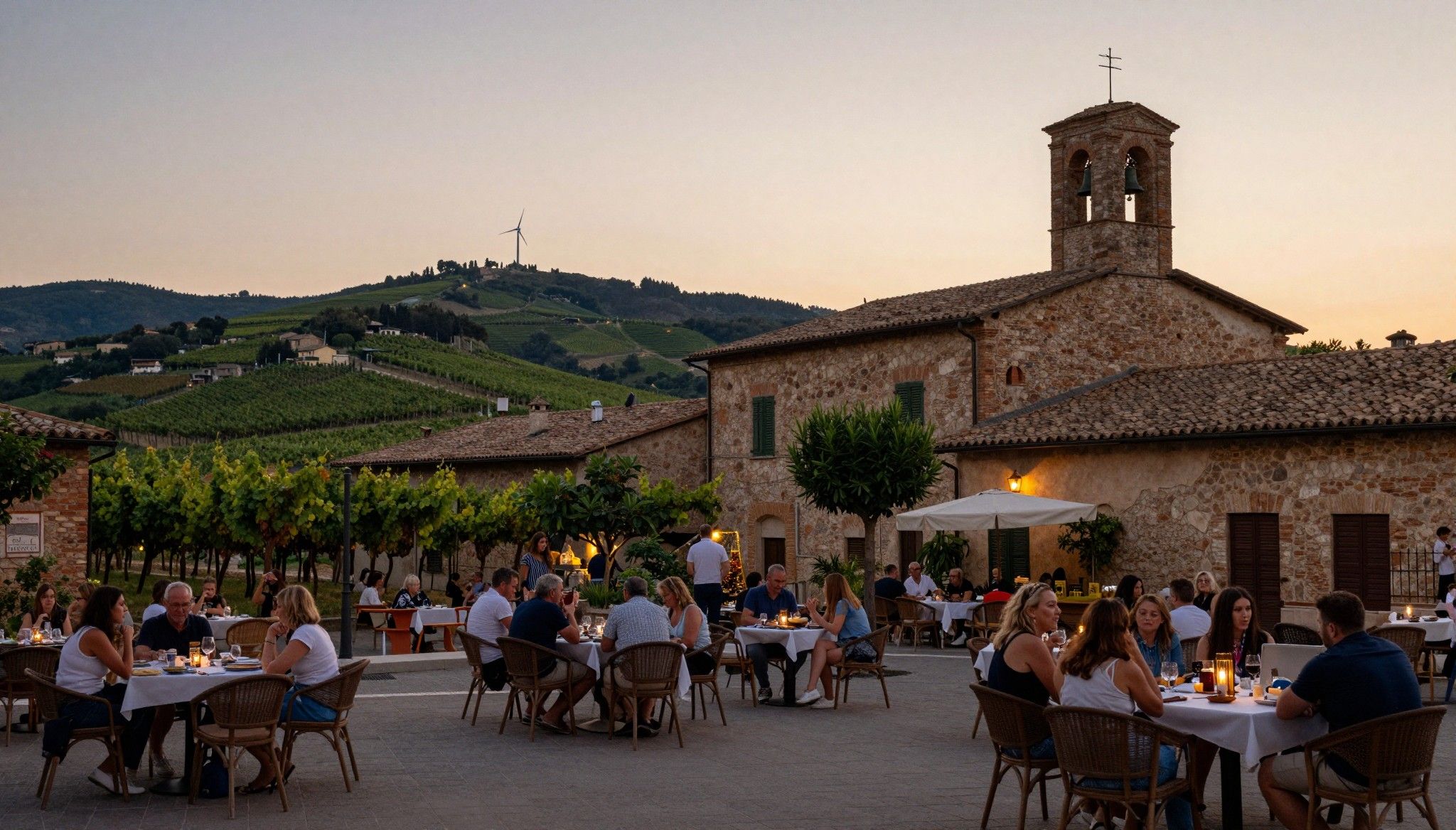
Imagine waking before dawn to the smell of espresso and wood smoke, then cycling past vineyards fed by geothermal-heated springs in Tuscany or pausing on a Sardinian headland as wind turbines hum in the distance. Italy’s green infrastructure — from solar-rich roofs in Puglia to geothermal valleys in Tuscany — quietly shapes daily life here, lowering energy bills and reshaping neighbourhoods. That reality changes how international buyers should look at value: sustainability isn’t just beautiful, it’s practical.
Living the Italy lifestyle where green infrastructure matters
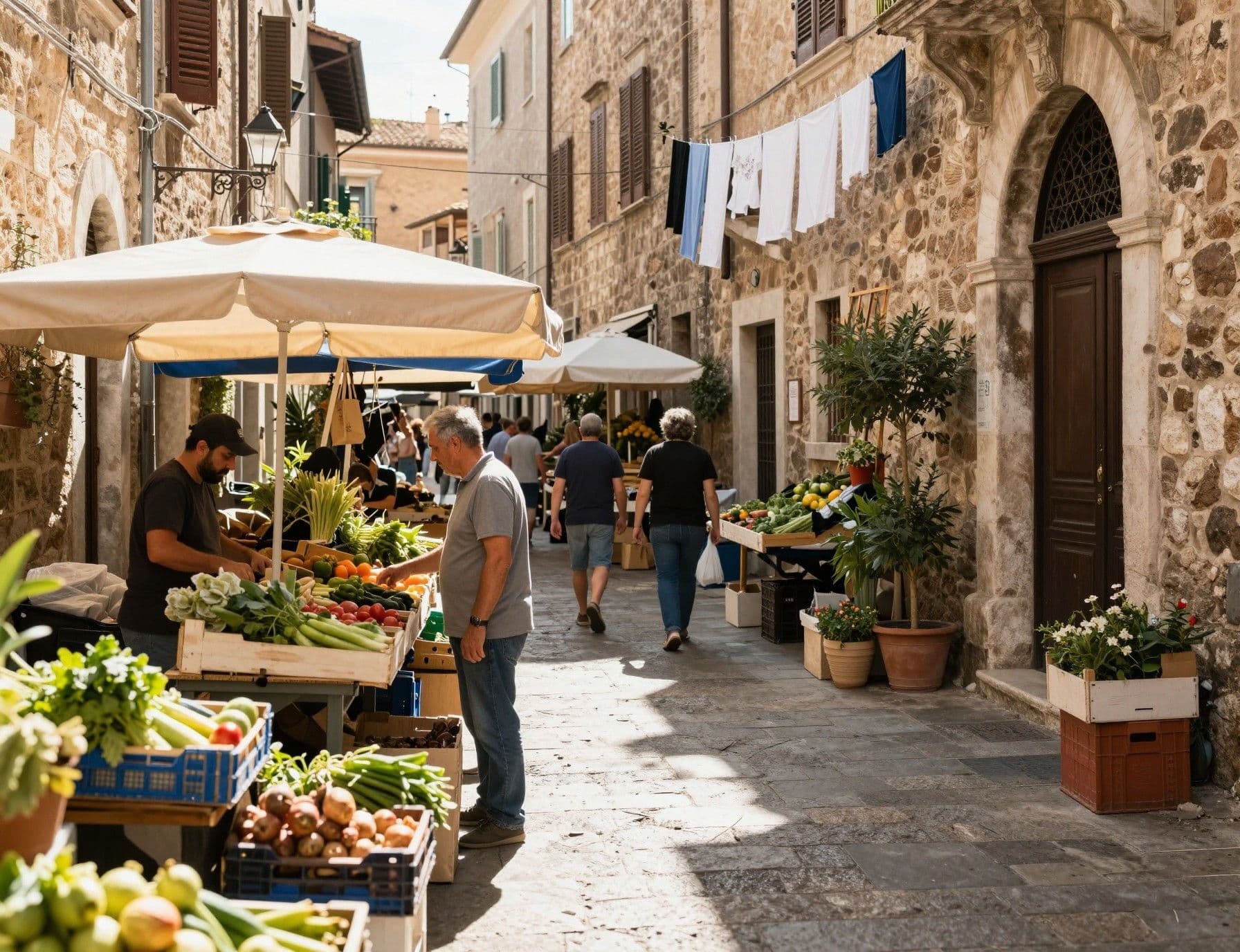
Life in Italy is tactile and seasonal: morning markets brim with basil and tomatoes, aperitivo spills onto cobbled piazzas, and terraces glow late into summer. In towns where renewable projects and energy-efficiency grants are active, daily routines shift too — homeowners dry clothes with solar-heated air, use heat pumps powered by nearby wind farms, and warm pools with low-carbon geothermal. These subtle conveniences make the slow, sensory rhythms of Italian life even sweeter.
Tuscany’s geothermal valleys and the neighbourhood feel
In areas like Mount Amiata and Larderello, geothermal steam has long warmed pools and greenhouses. Here, villages knit around thermal baths, slow-cooked food, and artisans who reuse stone and chestnut timber. For buyers, that translates to homes with stable heating costs and a community that already values low-impact living — ideal for someone wanting an immediate sense of rootedness without sacrificing comfort.
Puglia and Sardinia: sun, sea and distributed energy
On the coasts, rooftop photovoltaics and community solar are becoming commonplace. In Puglia’s olive-scented towns and Sardinia’s coastal villages, solar arrays and small wind installations reduce reliance on distant grids. Practically, that means more predictable energy expenses for second-home owners and better resilience during heatwaves — a detail often overlooked when buyers focus only on view and square metres.
- Morning market breakfast at Mercato Centrale (Florence); geothermal spa walk in Bagni San Filippo; rooftop solar array on a renovated farmhouse in Puglia; wind-sculpted sunset at Capo Testa (Sardinia); village trattoria serving produce from a communal garden; weekend farmers’ market in Bologna.
Making the move: practical considerations that keep the lifestyle real
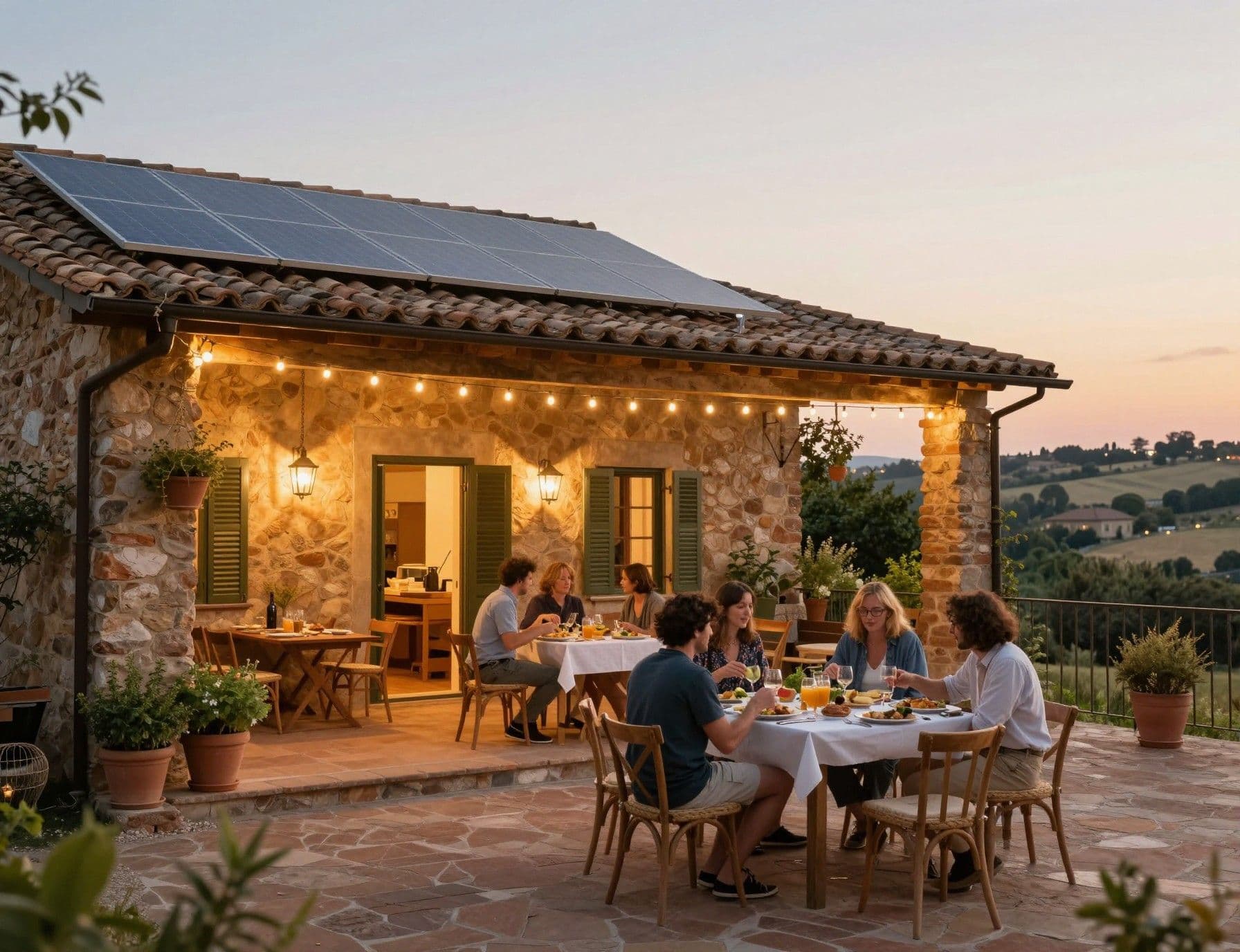
Dreams meet deeds when you translate lifestyle into a property brief. Look beyond photos: check a home’s energy class, whether it has solar-ready roofs, and if local incentives like Italy’s Ecobonus or Superbonus apply. These regional policies can substantially reduce renovation costs and speed the transition to low-energy living — turning a charming but leaky farmhouse into a comfortable, low-cost home.
Property styles that suit green living
Stone farmhouses with thick walls, renovated trulli with added insulation, and modern condos with integrated PV are all valid choices — but each asks for different stewardship. Thick-walled homes excel at passive cooling; modern builds often include heat pumps and smart meters. Choose a type that fits your tolerance for renovation, desire for authenticity, and appetite for eco-investment.
Working with local experts who understand both place and green finance
Find agents and architects who have completed Superbonus or Ecobonus projects: they’ll know which upgrades trigger energy-class jumps and where municipal permits run fast. A local team also spots microclimate differences — which hillside gets the breeze, which coastal street is salt-prone — information that affects material choice and maintenance budgets.
- Assess the building’s energy class and recent utility bills; verify eligibility for national/regional incentives and their timelines; prioritise interventions that raise energy class by at least one level (insulation, windows, heat pump); consult a local architect for permit needs; budget for seasonal maintenance tied to the microclimate.
Insider knowledge: what expats wish they’d known
Expats often underestimate how local rhythms — market days, municipal office hours, and seasonal tourism — affect both renovation timings and rental opportunities. Many discover that investing in green upgrades increases long-term rental appeal, especially among families and professionals seeking year-round quality rather than summer-only returns.
Cultural integration and daily practicalities
Learn basic Italian phrases, join local markets and volunteer at community harvests — these small gestures open doors and make neighbours your first maintenance crew. Green living is social here: shared olive presses, community gardens and cooperative solar buys are common, and they’re where you’ll meet people who make a place feel like home.
Long-term lifestyle and stewardship
Buying in a region investing in renewables means your home will likely appreciate not only for beauty but for lower running costs and regulatory favour. Plan for stewardship: native-plant landscaping, rainwater capture, and low-impact materials reduce long-term upkeep and keep the property aligned with community values.
- Check local incentive end-dates before committing; prioritise durable local materials (stone, chestnut, terracotta); choose technologies suited to microclimate (geothermal in Tuscany, PV in Puglia); build relationships with local craftsmen; factor in communal infrastructure like district heating or shared solar arrays.
Italy asks you to slow down — to taste seasons, neighbourliness and the long arc of projects. For international buyers, that patience pays: a thoughtful purchase in a region investing in green infrastructure can mean lower bills, richer daily life, and a property that feels part of the landscape, not apart from it. If you want both sunlit piazzas and sensible energy costs, start by visiting municipal planning offices, talk to local architects about recent Superbonus work, and seek agents who show you properties’ energy data. Then, bring a good mug for morning espresso — you’ll need it for glorious workdays in the sun.
Danish relocation specialist who moved from Copenhagen to the Algarve; supports families with seamless transitions, local partnerships, and mindful purchases.