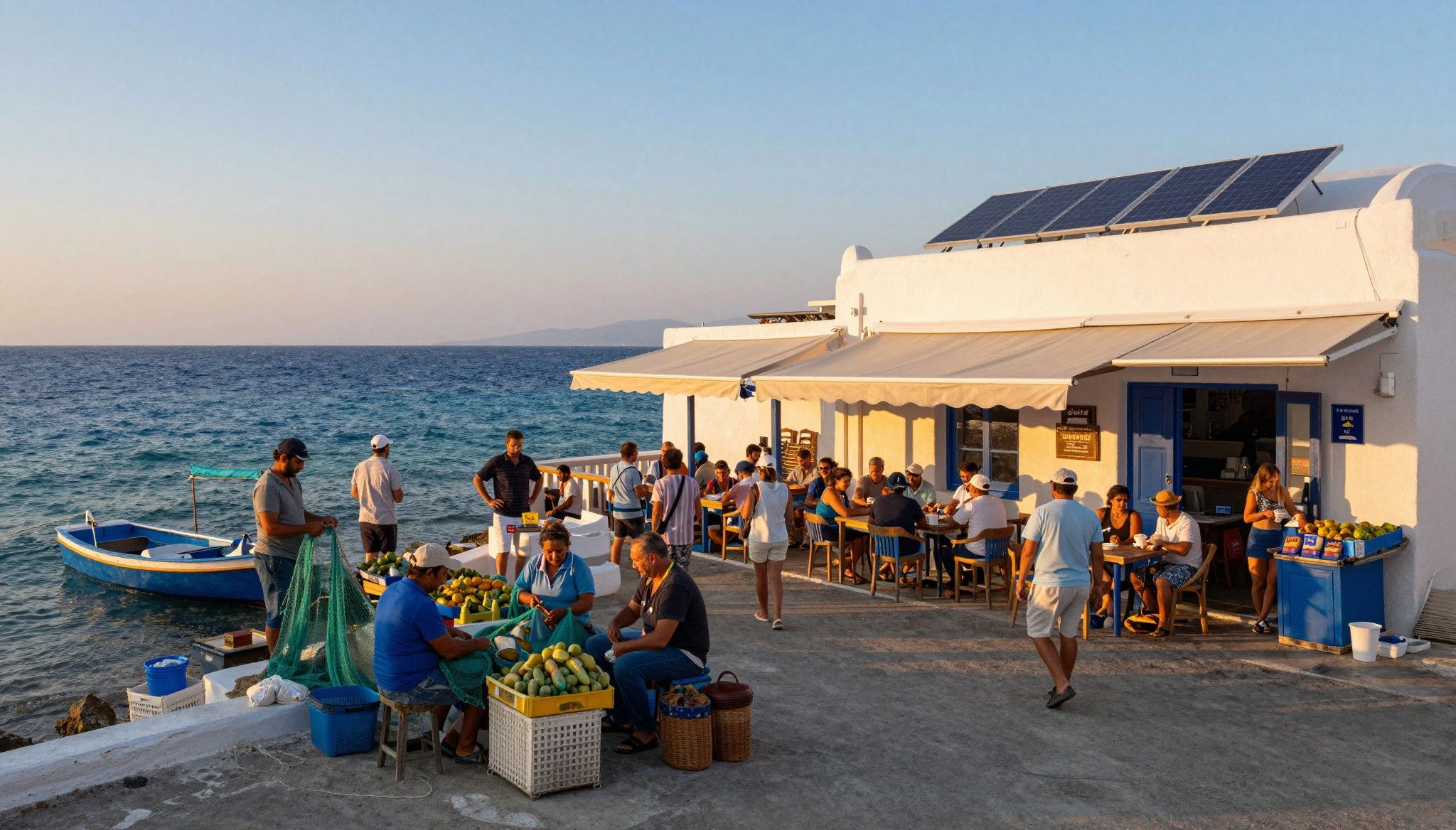
When Greece’s Green Grid Changes Where You Buy
Greece’s island pilots and community renewables reshape property life — visit in two seasons, ask for energy bills, and favor places with active green projects.
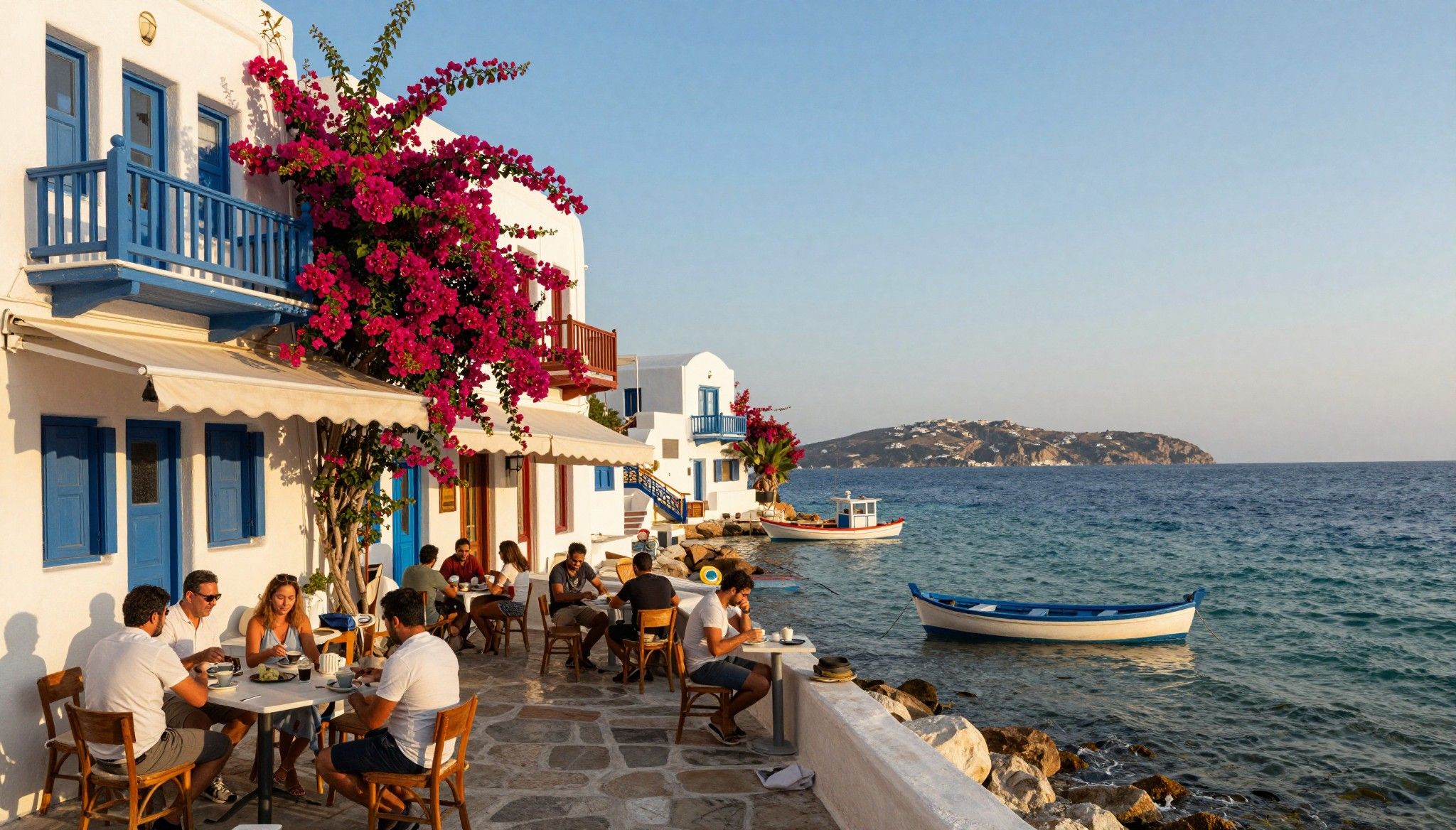
Imagine waking to sea-salted air in a stone house on Tinos, cycling through olive groves on Crete before the farmers’ market opens, or sipping a small, bitter espresso on an Athens street corner as bougainvillea drips from balconies. Greece is a place shaped by ritual — morning cafés, long lunches, and slow twilight walks — and those rhythms are now being threaded with another pulse: renewables, island energy pilots, and a quietly growing green infrastructure that changes both how houses feel and what they cost. This piece pairs those lived moments with the practical truths an international buyer needs to know when green credentials are part of the dream.
Living the Greece lifestyle: place, season and texture
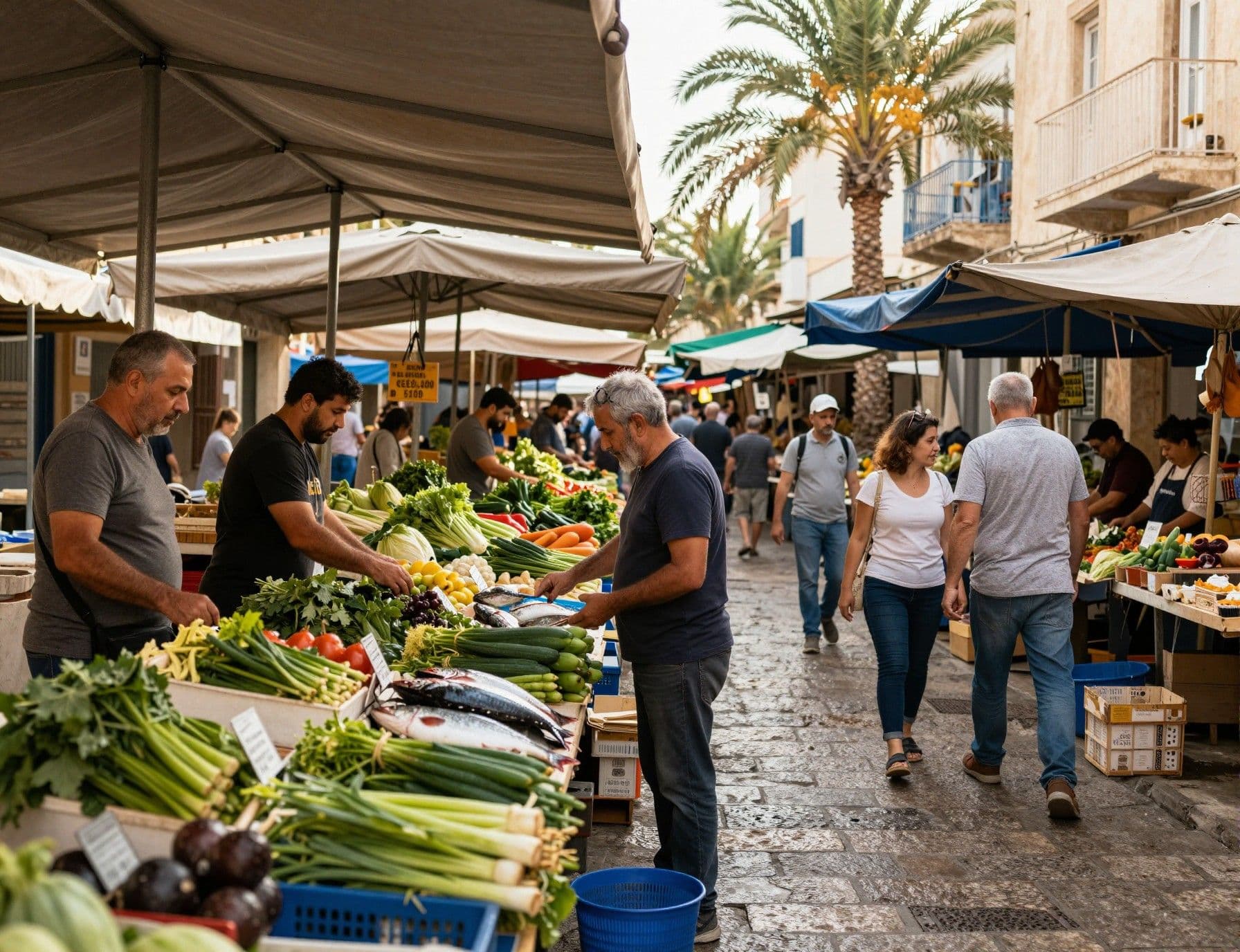
Greece’s daily life is sensory and seasonal: jasmine-sweet springs, heavy light in August, and a cleansing wind in autumn that clears the islands for orange-sky evenings. In Athens, mornings hum with espresso shots and tram conversations; in Mani or Zagori, stone lanes and winter fires replace tourists with neighborly familiarity. For international buyers who care about green living, those seasons matter — passive cooling, olive-tree microclimates, and the value of a rooftop solar array differ from island to island.
Athenian corners and coastal counterpoints
Walk from Koukaki’s intimate tavernas to Anafiotika’s whitewashed lanes and you see why city buyers fall for Athens: compact apartments with terraces, fast culture, and surprisingly green initiatives like community rooftop gardens. Contrast that with the northern Peloponnese or Kefalonia, where homes sit among pine and olive and the soundscape is cicadas rather than scooters. Each place asks for different choices — courtyard gardens in Thessaloniki, thermal shading on Cycladic islands, and rainwater catchment in Crete’s drier pockets.
Eating, markets and the social architecture of place
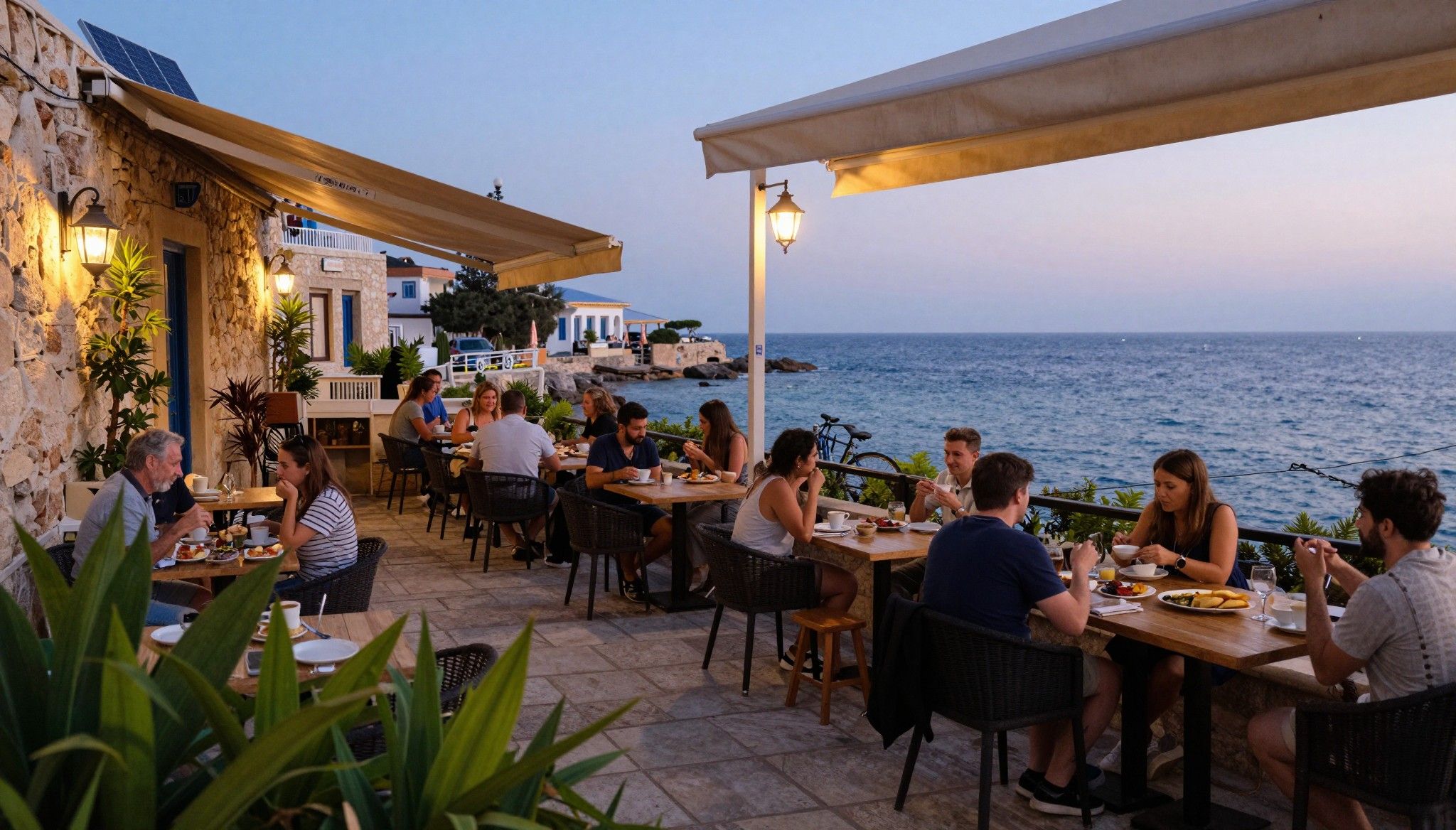
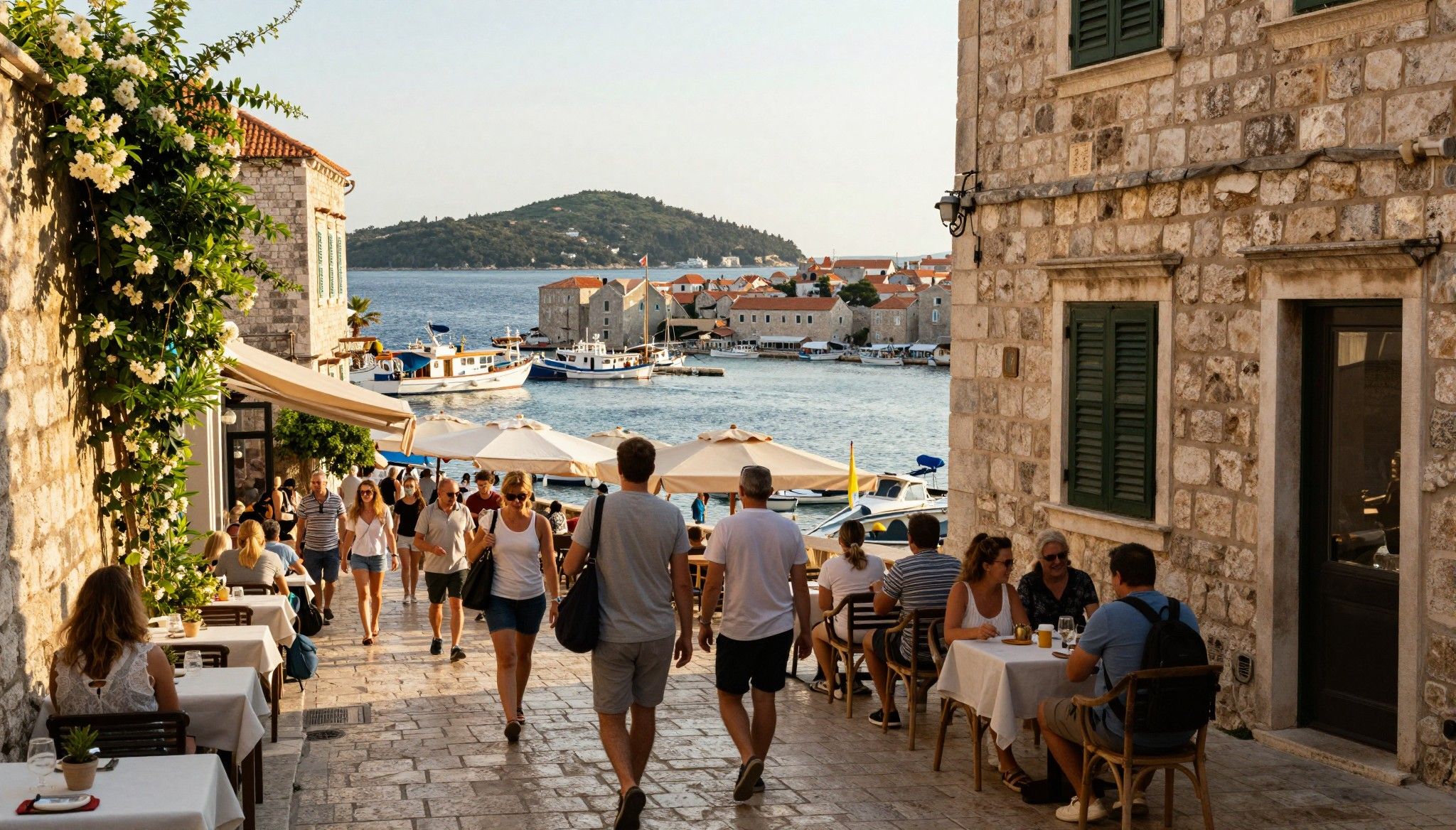
Food anchors daily life: from the fishmongers of Piraeus to Chania’s weekly farmers’ market, eating locally is both pleasure and practical sustainability. Neighbourhoods cluster around bakeries and markets — find the right one and your life will center on seasonal produce, a friendly greengrocer who knows your name, and community ties that matter when you’re renovating, renting or sourcing reclaimed stone for a façade.
- Streets, tastes and small pleasures to look for
- Morning espresso in Koukaki or the lanes of Plaka
- Tinos’ marble villages and community-driven festivals
- Weekly farmer stalls in Chania, Crete — source for kitchen and garden
Making the move: where green infrastructure changes the deal
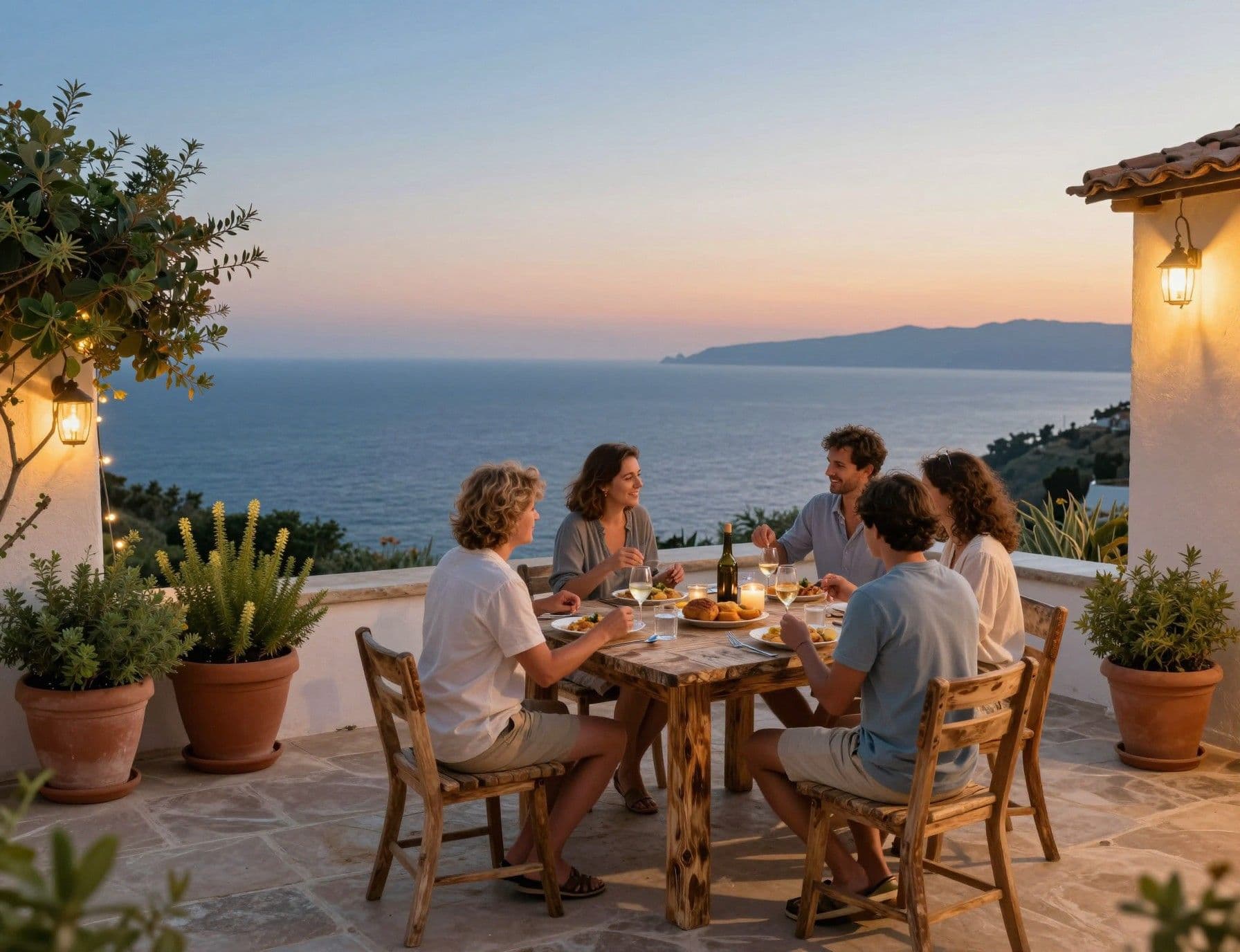
Green infrastructure in Greece is not only about reduced bills and solar panels; it affects planning, resale, and community life. Pilot projects — from Astypalea’s renewable-community experiments to smaller island energy pilots — are shifting how buyers think about independence, grid resilience and local stewardship. At the same time, rising demand and constrained supply have pushed prices upward, especially in attractive islands and central Athens neighborhoods. Match your lifestyle wish list with the local energy reality: an off-grid-feasible farmhouse differs greatly from a listed apartment in a historic center.
Property styles and how they support green living
Stone village homes: thick walls and passive thermal mass make them excellent candidates for low‑energy retrofits. Cycladic terraces: ideal for rooftop solar and outdoor living but demand shading strategies for summer. Modern builds near Athens: often grid-connected with better access to EV charging and district recycling but may lack the passive advantages of older masonry. Think beyond style: ask how a roof faces the sun, whether there's space for batteries, and how water is stored.
Working with local experts who know both place and green tech
Local architects, energy cooperatives and agencies familiar with island permits are your best translators. They’ll tell you whether a solar system needs a special license, how to join a Renewable Energy Community (REC), and whether a planned PV farm nearby will change sunset views. Use agents who can introduce you to craftsmen for lime plaster, to electricians who size battery banks, and to neighbours who can share seasonal realities.
- Steps to pair lifestyle with green property choices
- 1. Visit in two seasons (shoulder and peak) to feel microclimates and community rhythm.
- 2. Ask sellers for energy performance, recent bills, and any community energy agreements.
- 3. Connect with a local energy cooperative or REC to learn grid plans and incentives.
- 4. Budget for climate-smart retrofits (insulation, shutters, water capture) rather than purely aesthetic fixes.
Insider knowledge: what expats wish they’d known
Expat buyers tell a similar story: fell in love with a place’s light and community, then learned to respect seasonal constraints and local ways. The surprises are usually small and practical — parking habits, water pressure, where to buy reclaimed stone — but they shape daily joy. Importantly, understanding local green projects often opens doors: neighbours who belong to an energy co-op can guide you to trusted installers and lender programs tied to efficiency upgrades.
Cultural integration and the small rituals that matter
Learning a handful of phrases, joining the local festival committee, or buying from the same fishmonger will do more for belonging than a glossy renovation. In many villages there is an unspoken rhythm: market day, café hours, and communal olive-harvest efforts. These rituals often determine access to local help for renovations, introductions to suppliers, and even quicker sale prospects if you choose to rent seasonally.
Long-term life: how places evolve and what it means for buyers
Greece is in a period of supply-demand imbalance: construction lags and demand — both domestic and foreign — has pushed prices in many desirable zones. Long-term, communities embracing renewables and regenerative tourism are likely to see steadier value and happier residents. If stewardship matters to you, consider places actively piloting RECs and community-led conservation; they tend to attract like-minded neighbours and lower lifecycle costs.
- Practical red flags and green opportunities to watch
- Over-promised resale claims: ask for energy bills, not glossy certification.
- Check local water availability and rainwater harvesting feasibility before major landscaping.
- Look for existing community energy projects — they reduce installation risk and build local goodwill.
Conclusion: live the rhythms, steward the land, plan the purchase
Greece asks for a slow, sensory commitment: a home here becomes a rhythm of markets, seasons and often collective energy. If green infrastructure is part of the appeal, let the places that are piloting community renewables and resilient water systems guide you. Visit in different seasons, hire local experts who know both permits and patios, ask for hard data (energy bills, grid plans) and budget for climate-smart retrofits. Do that, and you won’t just buy a property — you’ll join a place.
Danish relocation specialist who moved from Copenhagen to the Algarve; supports families with seamless transitions, local partnerships, and mindful purchases.